


Why Used Car Prices Have Risen Sharply Since 2020
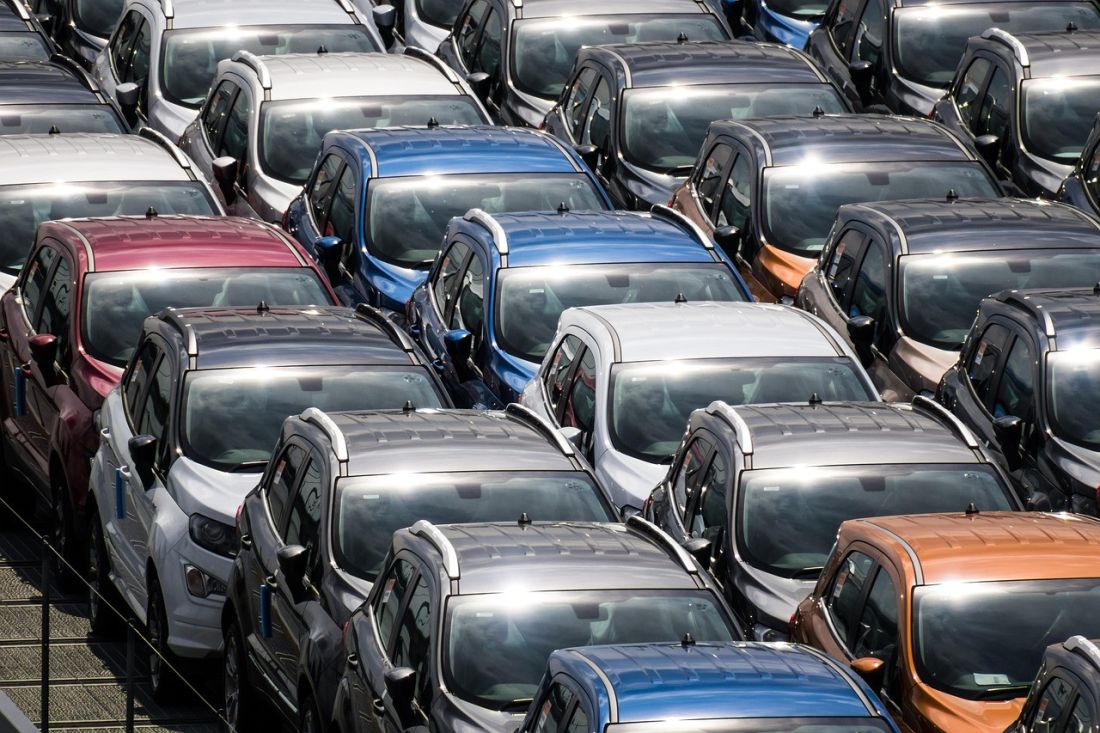
You know how people say, “things were different before 2020”? Well, that applies to used car prices too. Before all the COVID lockdowns, you could wander into a dealership in Stockport, Manchester, or wherever you fancied, and have your pick of cars without feeling like you were buying gold bullion. But then the world shut down. Car factories closed, transport slowed to a crawl, and suddenly the whole supply chain - that’s the big network that gets cars from a manufacturer to your driveway - was in chaos. It’s a bit like if the M60 was shut, the A6 was jammed, and everyone was trying to get home for tea. Nothing moves quickly, and the knock-on effect is massive. During those months, people weren’t travelling, so at first, demand for cars dipped. Dealers like us at Dace Motor Company were making sure customers could still shop safely, but for a lot of folks, buying a car just wasn’t top of the list. But when restrictions eased, everyone seemed to want a car at the same time. Some didn’t want to risk public transport, others had extra savings from not going out as much, and plenty were just ready for a change. Problem was… new cars weren’t being made fast enough. That’s when people started looking more seriously at used cars - and that’s where things really kicked off. Fewer new cars being made meant fewer people trading in their old ones. And fewer trade-ins meant used cars became rarer. When something gets harder to find, the price goes up. Simple as that. Here in Stockport, we could see it happening in real time. Cars that might’ve taken a couple of weeks to sell were going in a matter of days. Customers were calling to reserve cars before they’d even had time to come down and see them. And as much as we pride ourselves on keeping our prices fair - we price check daily, remember - the reality was, the whole market shifted. And we had to adapt with it.
The Microchip Shortage: The Tiny Part With a Huge Impact
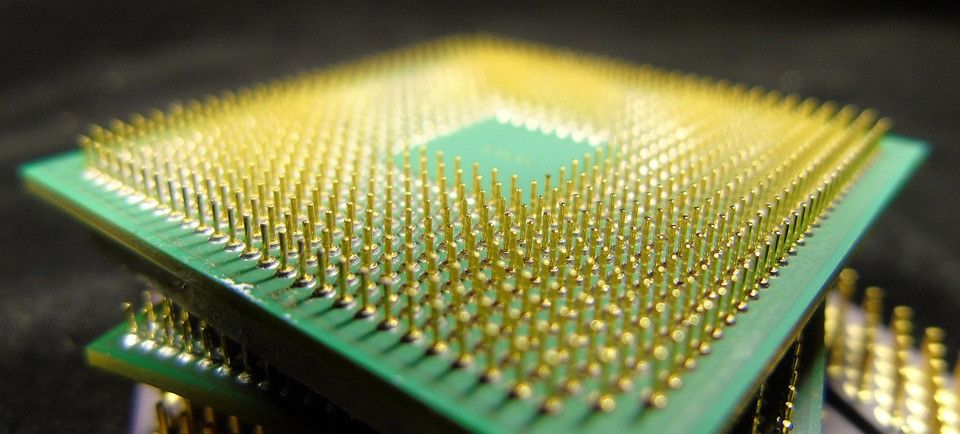
Now, you wouldn’t think something smaller than a fingernail could cause chaos for the entire car industry. But those microchips - the little bits that run everything from your infotainment screen to your parking sensors - became a massive problem. Here’s the thing: modern cars rely on loads of these chips. Without them, you can’t finish building the car. And if the car isn’t finished, it’s not getting shipped to a dealer. The shortage happened because when COVID hit, factories making these chips had to slow down or stop completely. At the same time, other industries - laptops, phones, gaming consoles - were seeing record demand because everyone was working and playing from home. So chip makers focused on those products instead. When car manufacturers needed their share again, the chip factories were already backed up for months. Think of it like trying to book a table at a popular Manchester restaurant on a Saturday night at the last minute. You might get lucky, but chances are, you’ll be waiting… a long time. Some car makers had thousands of unfinished vehicles just sitting there, waiting for chips. And that meant fewer new cars hitting showrooms, which again pushed more buyers into the used market. For us at Dace Motor Company, that meant we were getting more calls from people saying, “I was going to order a new BMW or Ford, but the wait’s too long - what have you got in stock?” And the answer was, we had cars ready to go, but even our stock was shifting faster than we’d ever seen before. Which brings us to the other big factor…
Why Supply Chain Problems Weren’t Just About Chips

It’s easy to blame everything on the chip shortage, but there were other headaches too. COVID messed up shipping routes, ports got clogged, and in some cases, even the materials to make cars - like steel and rubber - were harder to get. Add in driver shortages for transport trucks, and moving cars from place to place became a right faff. Here’s an example: before 2020, getting a car delivered from a seller down south to one of our showrooms in Stockport was straightforward. Now, even simple deliveries could take weeks because the transport companies were juggling fewer drivers, more rules, and busier schedules. And remember - the less stock you can move around, the tighter the supply feels. It wasn’t just the UK either. The whole world was dealing with the same mess. So importing certain models became tricky too. That made some brands even harder to get, which pushed people to snap up what they could find locally. If you were after something specific - say, a certain Audi model - you might’ve had to move fast or risk missing out entirely. We also noticed a shift in what people were buying. Instead of waiting ages for that exact car they’d dreamed up, more people were open to “close enough.” Maybe the colour wasn’t their first choice, or it had a couple of extra features they weren’t bothered about, but it was available, it was ready, and they weren’t going to let someone else grab it. And that urgency is exactly what pushes prices up - everywhere, not just in Stockport.
How All This Changed the Used Car Market
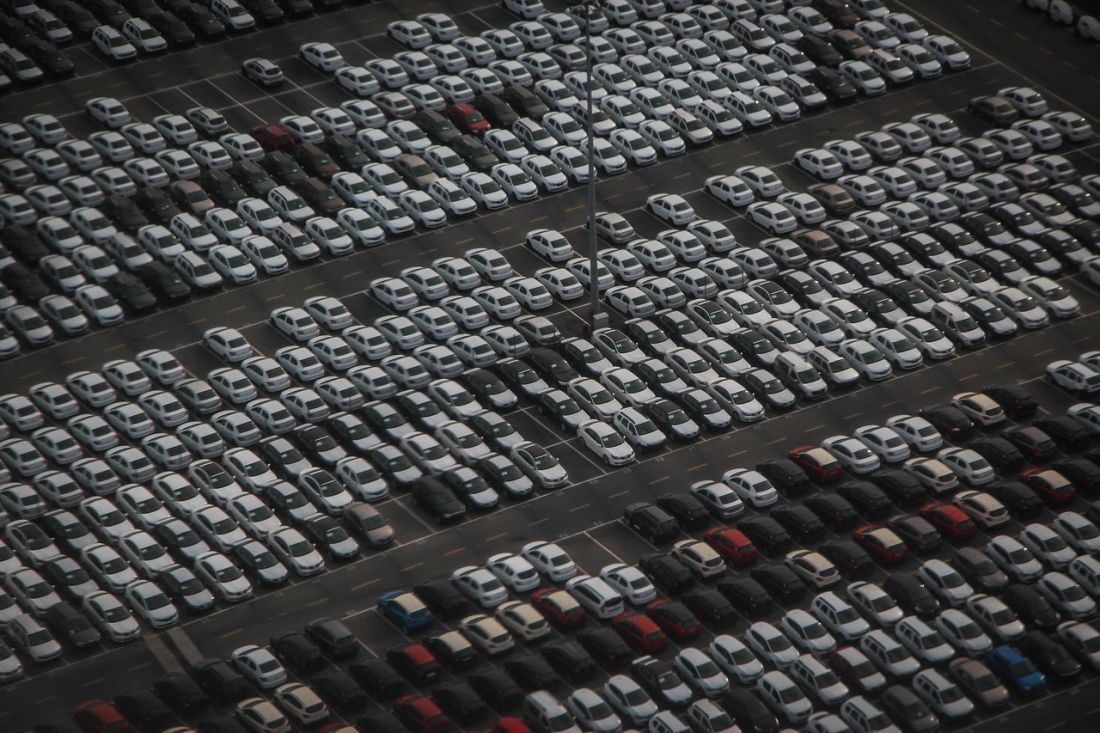
Before all this, the used car market was pretty steady. Prices went up and down depending on the time of year, fuel prices, or big new model launches. But after 2020, it was like someone had tipped the scales completely. Because of everything we’ve just talked about - COVID shutdowns, microchip shortages, supply delays - the number of used cars available shrank while the number of people wanting them went up. That’s a recipe for rising prices. And even now, a few years later, we’re still feeling it. What’s different now is that people understand the value of acting quickly. At Dace Motor Company, we’ve had cars sell within hours of being listed online. And the ones that used to hang around for a bit? They don’t anymore. The market’s just more competitive. For local customers, this meant getting used to doing a bit more research before walking into the showroom. Checking our online stock, asking about finance options, and even putting down deposits before they’ve had the chance to see the car in person. Not because we’ve made it more difficult, but because the reality is, someone else might be looking at that same car at the same time. The good news is, we’ve always kept our promise to price check daily. If there’s a better like-for-like deal at another dealer, we’ll beat it. That hasn’t changed, even with all this market madness. And with over 600 cars across our four locations in Stockport and Manchester, we’ve still got one of the biggest selections in the area. But yeah… the days of “I’ll think about it for a couple of weeks” are gone.
Is This the New Normal?

That’s the big question. Will prices go back to how they were before 2020? Maybe. But probably not for a while. The car industry’s still catching up. Some manufacturers are only now clearing the backlog of orders, and there’s still demand from people who’ve been waiting for ages. What we’re seeing in Stockport, Manchester, and across the UK is that prices have started to level out a bit, but they’re not dropping dramatically. Cars are still holding their value more than they used to, which isn’t bad news if you’re trading yours in. The thing is, the whole situation taught buyers - and dealers - a few lessons. Buyers have learned to be quicker and more decisive. Dealers have learned to be sharper with pricing and sourcing stock. And we’ve all realised that something as tiny as a microchip can send the whole market spinning.
At Dace Motor Company, we’ve kept adapting. Our in-house warranty, Trading Standards approval, and finance options (with a soft search that won’t hit your credit score) mean we’re ready for whatever the market throws next. We’ve been here since 1993, and we’ve seen big changes before - just maybe not quite like this one. And whether prices stay where they are, creep down, or jump again, we’ll still be here, finding Stockport and Manchester drivers the best deals we can.