


Top 10 Future Classic Cars to Buy in 2026 Before Prices Rise
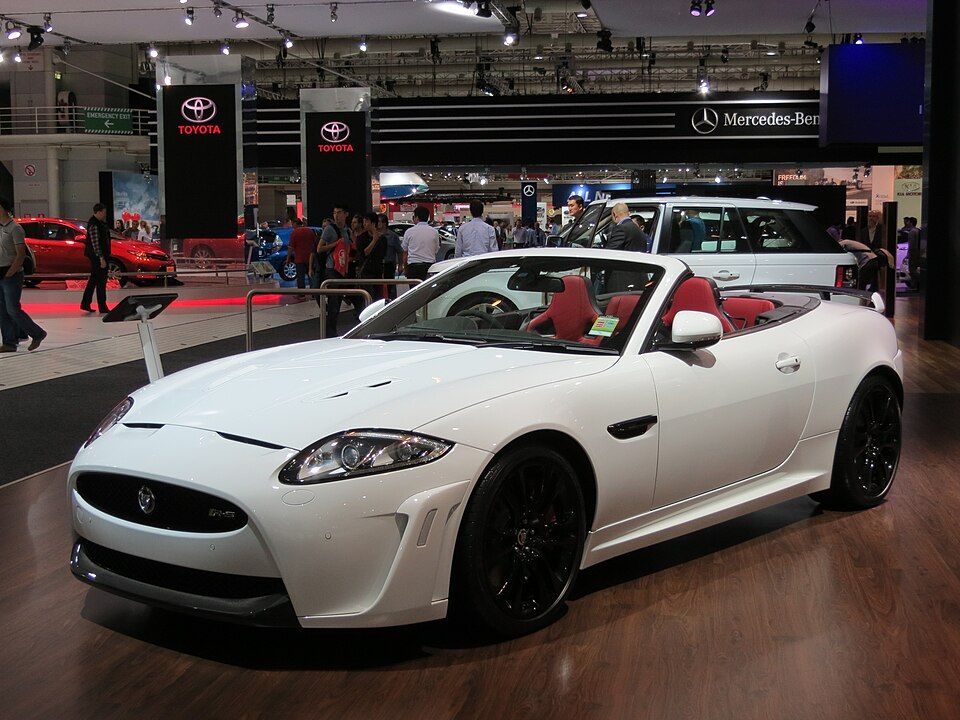
Photo: 2012 Jaguar XKR-S by OSX, Public domain, via Wikimedia Commons.
Some cars become classics because they were rare from day one. Others get there because they looked strange, sounded special, or gave ordinary people a proper reason to take the long road home. Then there are the cars nobody saved. They were used for school runs, rainy commutes around Stockport, late-night trips down the M60, and quick blasts over the Snake Pass. Years later, everyone suddenly wants the clean examples that haven’t been modified, crashed, neglected, or left sitting under a tree. That’s where future classics get interesting. You’re trying to spot a car while it still feels like a used car, before the market starts treating it like a collector’s item. There’s no guaranteed formula, and no car is certain to rise in value. Hagerty’s 2026 Bull Market list makes a similar point: the best candidates mix value, character, usability, and buyer interest, rather than offering a promise of easy profit. That’s the sensible way to look at this list too. Buy something you’d enjoy owning even if its price stays flat. A good future classic should make you smile on a Sunday morning, look back after parking, and give you a story to tell. At Dace Motor Company, we see how much condition, service history, specification, and originality can change the appeal of two cars that look almost identical in an online advert. So this guide focuses on cars with a clear identity, strong enthusiast interest, and fewer clean examples each year. Some are fast. Some are quirky. One is shaped like a small garden shed. All have the sort of character that newer cars can struggle to match.
1. Audi TT Mk1
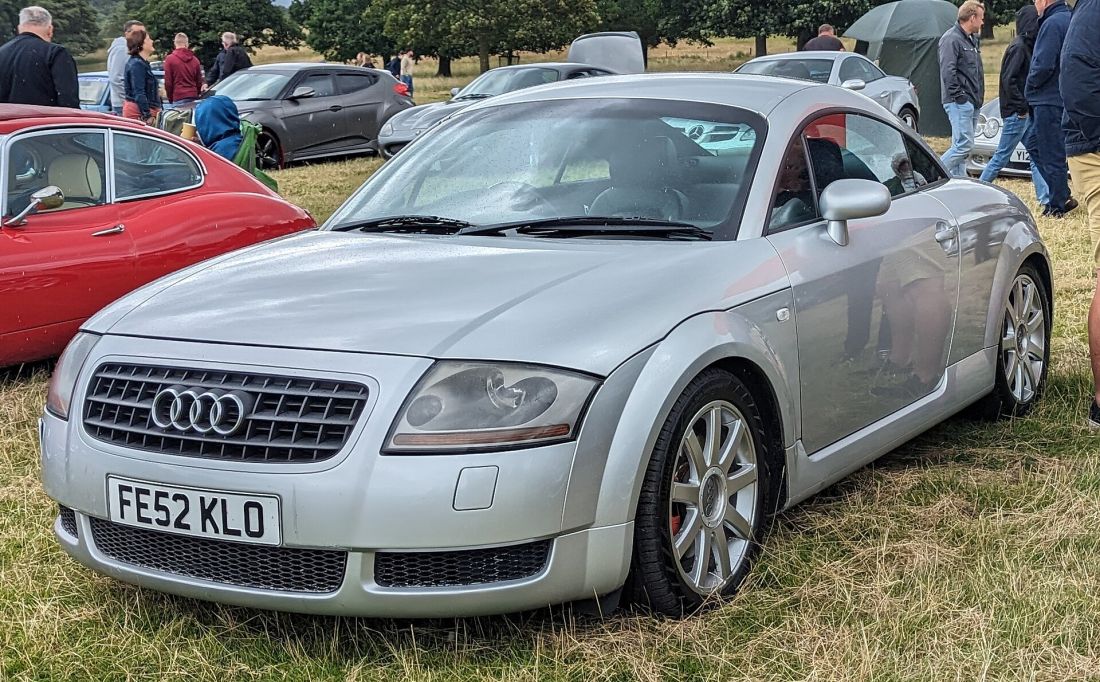
Photo: 2002 Audi TT Quattro Calreyn88, CC BY-SA 4.0, via Wikimedia Commons.
The first Audi TT still looks like a concept car that escaped from a motor show. That rounded roof, the neat wheel arches, the simple cabin, and the metal trim all felt bold when the car arrived, and the design has aged far better than many late-1990s rivals. You can park one near MediaCity, outside a café in Didsbury, or beside a row of newer coupes and it won’t look embarrassed. That matters. Styling is a huge part of classic appeal, and the TT has a shape people recognise in seconds. Underneath, it shares many parts with other cars from the Volkswagen group, which can make servicing less scary than it might be with a rare sports car. Early versions came with a 1.8-litre turbo engine, while later buyers could choose a 3.2-litre six-cylinder model.
The limited Quattro Sport is already sought after, so buyers on a normal budget may need to look at a tidy 225 or 3.2 instead. The clever move is to buy on condition, not the size of the wheels or the number of shiny add-ons. Check for a full service record, clean bodywork, healthy suspension, working dashboard displays, and evidence that four-wheel-drive servicing has been done where needed. A standard interior matters too, as missing trim can be annoying to source. Avoid cars that have been cheaply lowered, badly remapped, or fitted with random parts from an internet shopping spree. A clean TT feels solid, compact, and special enough for weekend use, yet it can still cope with a wet Monday commute through Manchester. Hagerty has already called the Mk1 a future classic and highlighted its design-led appeal. The secret isn’t really a secret now. The best cars are being noticed.
2. BMW Z4 Coupé E86
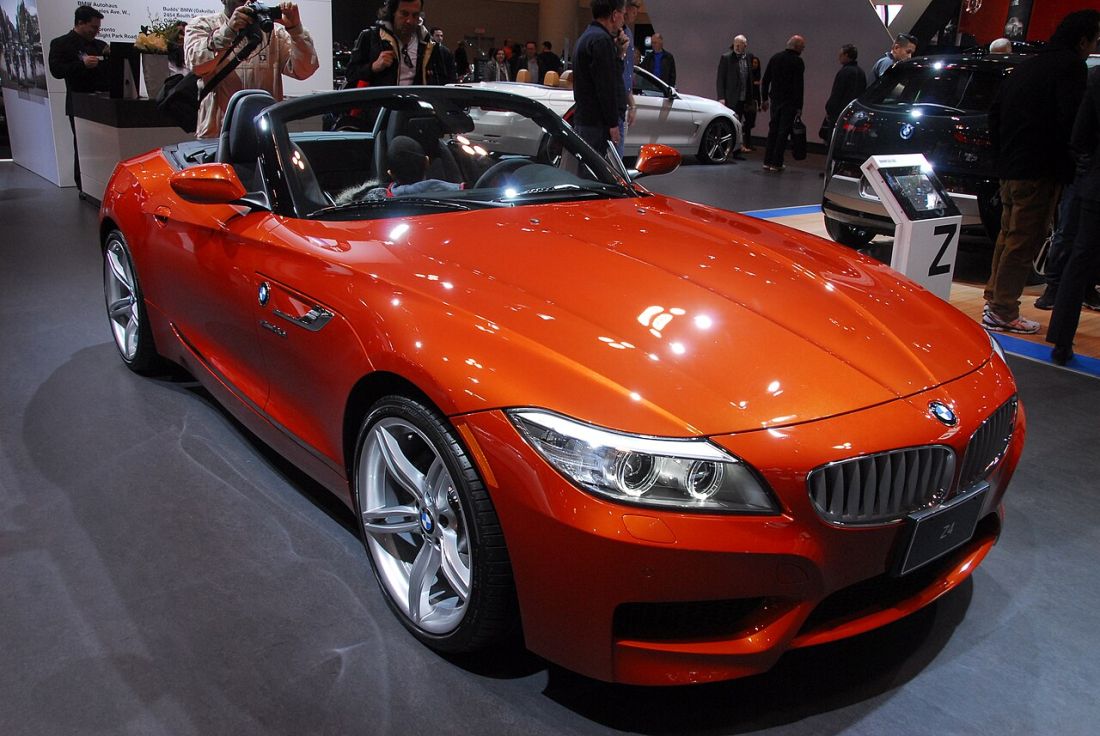
Photo: BMW E89 Z4 by Lord of the Wings© from Toronto, Canada, CC BY-SA 2.0, via Wikimedia Commons.
The BMW Z4 Coupé is the sort of car that makes people stop mid-sentence and ask, “What is that?” The roadster is familiar, but the fixed-roof version is much rarer and far more dramatic. Its long bonnet, short cabin, and hatchback rear give it the look of a small grand tourer from another era. It’s a shape that works from every angle, especially in a simple colour with the right factory wheels. The regular 3.0si is the sweet spot for many buyers. It uses a naturally aspirated six-cylinder engine, has enough pace for real roads, and costs less than the Z4 M. The M version is the headline act, yet the 3.0si can be the smarter car to own if you want fewer eye-watering bills and a machine you’ll actually use. Hagerty’s profile of the E86 points to the short production run and the appeal of both versions, while noting that prices had remained low compared with similar coupes.
That gap may not last forever. Before buying, listen for suspension knocks, check the electric steering feels consistent, test every cabin switch, and look closely at the tyres. Cheap or mismatched tyres can spoil the way a Z4 drives. A proper service history is vital, and a pre-purchase inspection by someone who knows the model is money well spent. You’ll also want to check the boot for damp and inspect the body for signs of poor accident repair. On the road, the Coupé feels compact, planted, and grown-up. It’s quick without being silly, practical enough for a weekend away, and rare enough to feel like an event. Imagine an early Sunday run from Stockport to the Peak District, with that straight-six note bouncing off the stone walls. That’s the point. It gives you a memorable drive before you’ve even started thinking about future value.
3. Alfa Romeo 147 GTA
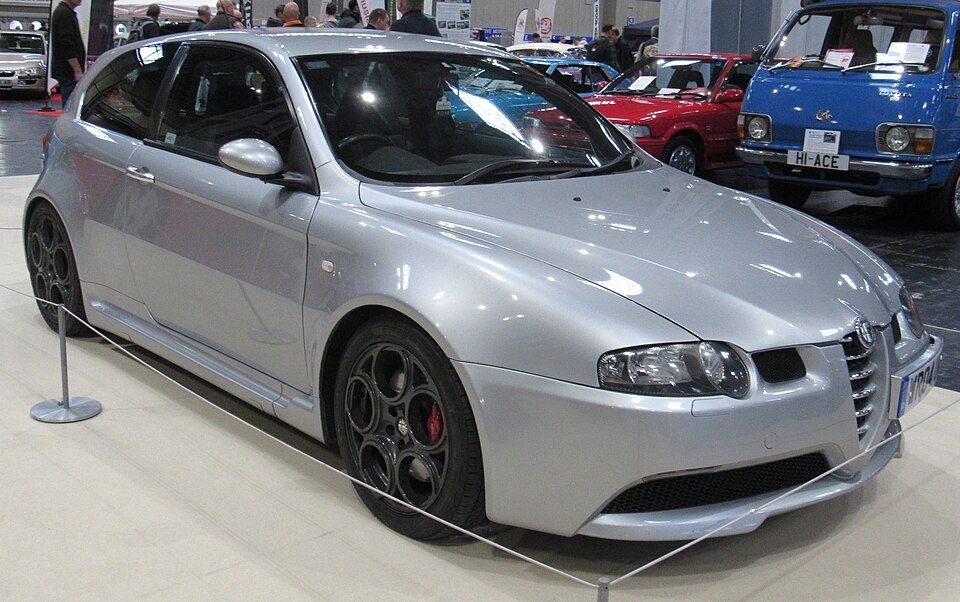
Photo: 2004 Alfa Romeo 147 V6 24V GTA by Vauxford, CC BY-SA 4.0, via Wikimedia Commons.
The Alfa Romeo 147 GTA is gloriously unreasonable. Someone took a handsome family hatchback, squeezed in a 3.2-litre six-cylinder engine, widened the body, added bigger brakes, and apparently decided that calm behaviour was somebody else’s problem. That mix is exactly why the GTA has such a strong following. It looks compact and classy, but it sounds like a far more exotic machine. The engine is the star, with polished intake pipes and a note that can turn a simple trip to the shops into a small occasion. Hagerty selected the 147 GTA for its 2025 UK Bull Market list, pointing to its young owner base, growing interest, and the way good examples compare with the larger 156 GTA. That doesn’t mean every 147 GTA is a clever buy. Some have had a hard life.
Others have been modified in ways that improve the car, while a few have been modified in ways that should make you walk away. A limited-slip differential upgrade is widely seen as a useful change because it helps the front tyres deal with the engine’s output. Beyond that, originality has real value. Check the sills and jacking points carefully, inspect the suspension, look for uneven tyre wear, and make sure the timing belt work has been completed at the correct intervals by a trusted specialist. Cooling system health matters as well. The cheapest example may become the most expensive once delayed maintenance catches up with it. A well-kept GTA feels alive at normal speeds, which is a rare quality. You don’t need a race track or a private runway. Even a run past Reddish Vale or across the back roads near Marple can feel entertaining. It’s flawed, loud, beautiful, and full of personality. Let’s face it, that’s a stronger recipe for classic status than being perfect but forgettable.
4. Honda S2000
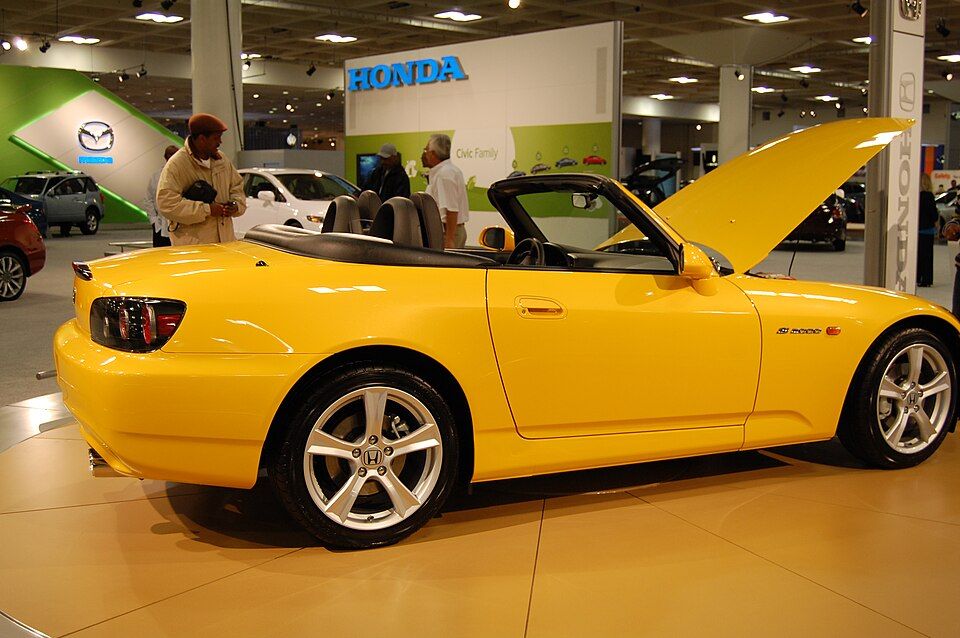
Photo: 2009 Honda S2000 by Denmark from United States, CC BY 2.0, via Wikimedia Commons.
The Honda S2000 has already moved beyond bargain territory, yet it still belongs on this list because clean, standard cars are becoming harder to replace. Honda built it as a focused two-seat roadster with a high-revving engine, a superb manual gearbox, and rear-wheel drive. You sit low, the controls feel precise, and the engine asks you to work for its best performance. At low revs it can feel quite calm. Keep going, and the car changes character. That split personality is a big part of the appeal. Hagerty’s 2024 buying guide records total production of 110,673 cars, with 7,898 sold in the UK, and stresses that good examples still require careful checks. Crash damage is a key concern because early cars gained a reputation for sharp handling near the limit. You’ll want to inspect panel gaps, suspension alignment, tyres, hood condition, rear wheel arches, and the underside.
Check that the engine uses oil at a normal rate, listen for odd noises on a cold start, and make sure the gearbox shifts cleanly. A folder full of invoices is far more useful than a freshly polished bonnet. Later cars are seen as easier to live with, while earlier versions have the rawer feel some enthusiasts want. Special editions carry a premium, but a standard car in great condition can be the better purchase. The S2000 works well around Greater Manchester because it’s small enough for tight streets, reliable enough for regular use when cared for, and exciting enough for a clear evening run. The roof drops quickly, the cabin feels purposeful, and the whole car has a sense of occasion without needing huge dimensions. Prices have already shown movement in the classic market, so waiting for the perfect cheap one may end with you watching the good cars disappear.
5. Toyota GT86
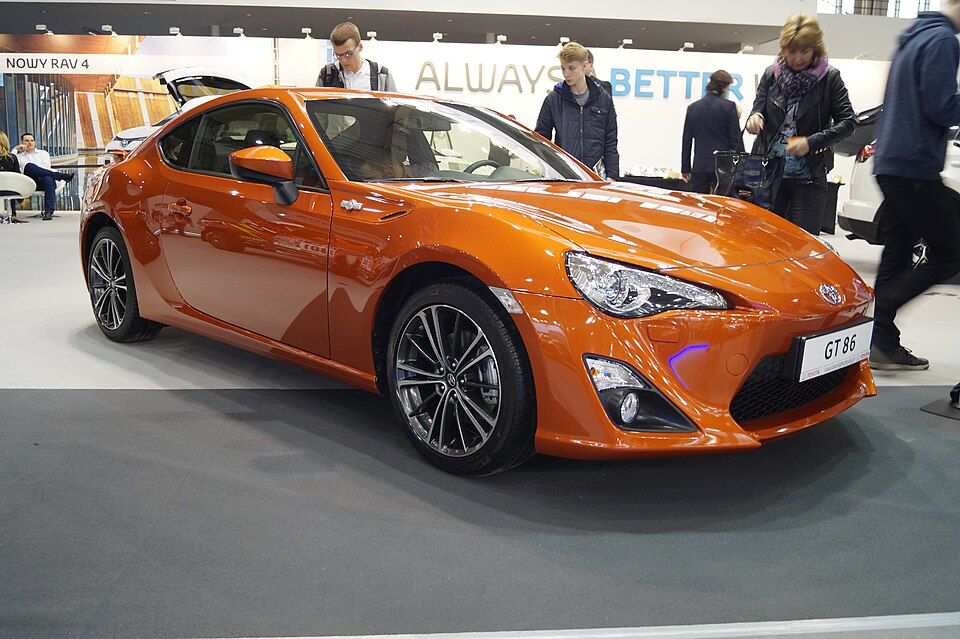
Photo: Toyota GT86 by Jakub "Flyz1" Maciejewski, CC BY-SA 4.0, via Wikimedia Commons.
The Toyota GT86 arrived with a wonderfully simple idea: keep the car light, place the engine low, send drive to the rear wheels, and let the chassis do the talking. It wasn’t built to win motorway drag races. It was built to make corners fun at speeds that won’t have you explaining yourself to a police officer near the Cat and Fiddle. That makes it unusual now, and rarity of purpose can matter as much as rarity of production. Hagerty has argued that the GT86 deserves future-classic status because its appeal comes from balance, steering, and playful handling rather than huge output. The car also has a strong link to an era of Japanese coupes that many drivers grew up seeing in games, magazines, and films. Early examples are now old enough that condition varies a lot.
Some have been loved, serviced, and kept close to standard. Others have spent years at track days or have gained questionable suspension kits, loud exhausts, and cheap body parts. Modifications aren’t always bad, but you need proof that the work was done properly. Check for accident repairs, listen for engine noise, inspect the tyres and brakes, and look for signs of oil leaks. Confirm that recall work has been completed where relevant. The cabin is simple and some materials feel basic, but that almost adds to the charm. This is a car built around the driving position and the controls, not a giant screen. A manual car in a good colour, with sensible mileage and a full record, looks like the safest bet for long-term appeal. It’s also practical enough for normal life, with small rear seats and a useful boot. You could drive it to work all week, then head out past Glossop on Saturday morning. Fun now, collectable later. That’s a strong combination.
6. Mazda RX-8

Photo: 2009 Mazda RX-8 by order_242 from Chile, CC BY-SA 2.0, via Wikimedia Commons.
The Mazda RX-8 is the risky pick, and pretending otherwise would be unfair. It uses a rotary engine, which works in a very different way from the piston engines fitted to nearly every other car on this list. It’s smooth, eager to rev, compact, and full of character. It can also become expensive if it has been neglected, repeatedly driven on short trips, filled with the wrong oil, or sold just as its engine is losing compression. Still interested? Good, because the RX-8 has a lot going for it. Hagerty has described it as a genuine future classic, pointing to its unusual engine, balanced chassis, rear-hinged back doors, and real four-seat cabin. There’s nothing else quite like it. The driving position is excellent, the steering is clear, and the car feels friendly in corners. It has a proper boot too, so it’s far easier to use than its shape suggests. The buying process must start with a rotary compression test carried out by someone who knows exactly what they’re doing. A normal compression test isn’t enough.
You also need to see proof of regular servicing, correct oil use, ignition system care, and sensible warm-up habits. A recently rebuilt engine can be a good sign if the work came from a respected specialist and the invoice explains what was done. A vague claim that “the engine was sorted” means very little. Check for rust, worn suspension, tired coils, and hot-start trouble. The cheap purchase price can tempt buyers into taking a gamble, but a sorted car is the better deal. In Stockport traffic, fuel use may make you wince. Out on a quiet road, with the engine spinning freely and the gearbox clicking through each ratio, you’ll get why people defend these cars so fiercely. The RX-8 isn’t for everyone. That may be exactly what saves it.
7. RenaultSport Clio 197 and 200
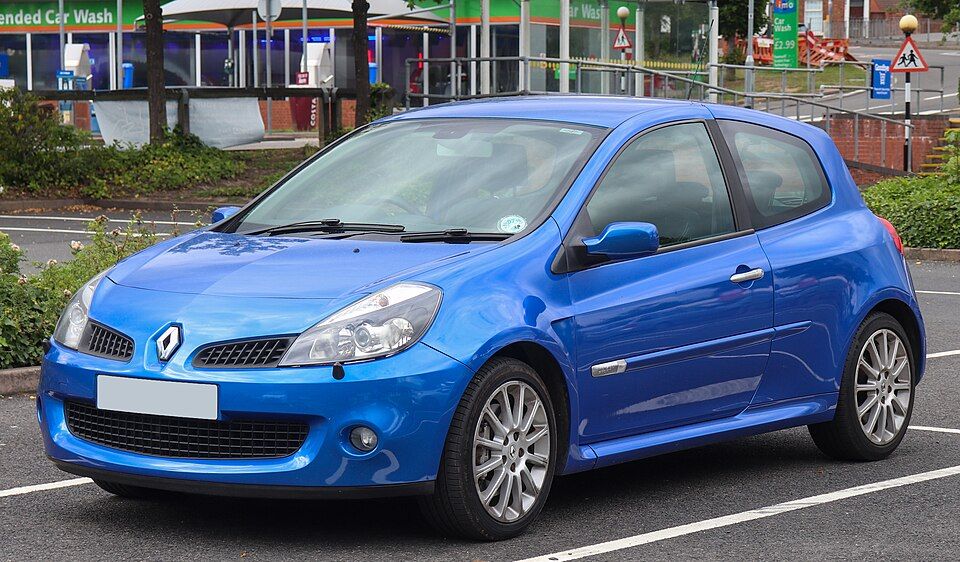
Photo: 2007 Renault Clio Renaultsport 197 by Vauxford, CC BY-SA 4.0, via Wikimedia Commons.
Fast Clios have a habit of becoming expensive after everyone has used, modified, and worn out the affordable ones. We’ve seen it with earlier special versions, and the same pattern could reach the third-generation RenaultSport Clio. The 197 arrived in 2006 with a two-litre engine, a six-speed manual gearbox, wide bodywork, and a more grown-up cabin than the cars before it. The later 200 brought revised suspension and small changes that sharpened the experience. Hagerty’s future-classic feature calls the 200 a fine balance between fun and everyday usability, while warning that finding a solid, un-abused car matters more than chasing the lowest price. That advice is spot on. These cars were made to be driven hard, so inspect the gearbox for crunching, check the front suspension for knocks, test the air conditioning, and look for uneven tyre wear.
The swivel joints and other front-end parts can wear, and replacement costs need to be part of your budget. Cup chassis cars feel firmer and may appeal most to collectors, but a regular model with good history can be nicer on broken roads around Manchester. Special editions such as the R27 add interest, yet condition still wins. A standard exhaust, factory wheels, correct seats, and a thick record of maintenance will help a car stand out later. The great thing about the 197 and 200 is that they feel exciting without relying on silly speed. The engine likes revs, the steering gives you plenty to do, and the chassis seems happiest on a twisting road. You know how it is, some cars feel asleep until you’re travelling far too quickly. A good Clio feels busy and cheerful much earlier. That makes it usable fun, and usable fun tends to build loyal fans. Loyal fans are exactly what future classics need.
8. Jaguar XKR X150
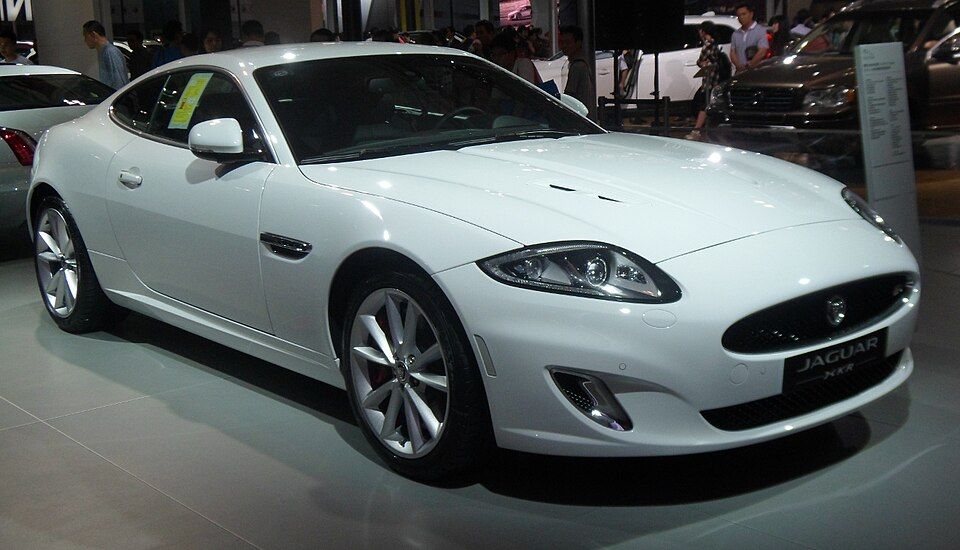
Photo: Jaguar XKR X150 by Navigator84, CC BY-SA 3.0, via Wikimedia Commons.
The Jaguar XKR X150 is a huge amount of car for the money, but you need to buy with your eyes open. It looks elegant, has a supercharged eight-cylinder engine, and can cover long distances with the relaxed confidence you’d expect from a grand tourer. Later versions became seriously quick, yet the car never lost its calm, polished character. Classic & Sports Car has called the X150 one of Jaguar’s last true grand tourers, while Hagerty has highlighted the XKR as a striking European muscle car available at prices that can seem surprisingly low beside its original status. That low entry price is tempting, but running costs still belong to a premium performance car. Cheap examples can need expensive brakes, suspension work, cooling system repairs, electrical fixes, or attention to the supercharger system. Check the aluminium body for poor repairs, inspect the underside, test every switch, and read the service file from start to finish. Tyres should match and come from a good brand.
A car with a perfect paint finish but no history is less appealing than one with a few stone chips and a stack of invoices. The regular XK is also worth a look if the XKR feels like too much. It keeps the same shape and much of the same sense of occasion, with lower stress on your wallet. On the road, either version suits the North West well. It can glide through a motorway trip, then feel special arriving in central Manchester for dinner. It’s also one of those cars that looks expensive even when the purchase price says otherwise. As Jaguar moves into a very different era, interest in its large petrol coupes may grow. The X150 has beauty, speed, comfort, and a clear place in the brand’s story. That gives it a solid case.
9. Mercedes-Benz SLK R171
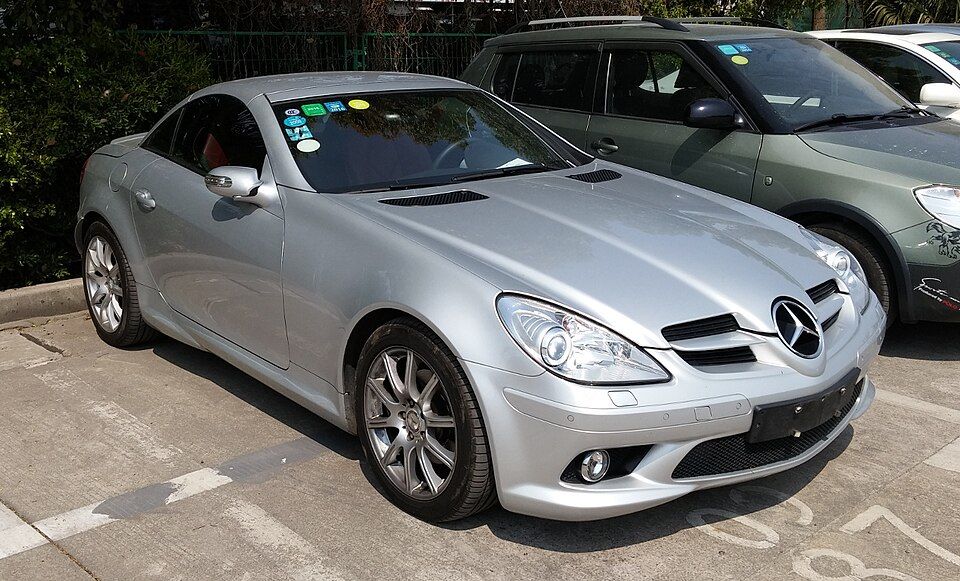
Photo: Mercedes-Benz SLK R171 by Navigator84, CC BY-SA 4.0, via Wikimedia Commons.
The second-generation Mercedes-Benz SLK sits in a funny spot right now. It’s old enough to feel different from a new car, but still common enough that many people walk past without a second glance. That can be the perfect moment to buy. Hagerty placed the R171 on its 2026 UK Bull Market list and said prices had stayed flat while the model sat between normal used-car status and collector interest. The basic SLK 200 Kompressor offers a folding metal roof, neat styling, and sensible running costs for the range. The SLK 350 adds a smoother six-cylinder engine, while the SLK 55 AMG turns the small roadster into something far more serious with a 5.5-litre eight-cylinder engine. The AMG is the obvious collector choice, but a clean 200 or 350 may be easier to buy, maintain, and enjoy. As ever, condition matters. Test the roof several times and check for leaks.
Look for damp in the boot, inspect the roof seals, test the heating and air conditioning, and make sure the gearbox behaves cleanly from cold. Suspension wear, corrosion on subframes, and neglected servicing can turn a bargain into a headache. On AMG cars, brakes and tyres can carry a heavy price, so don’t assume a low purchase figure means low ownership costs. The R171’s appeal is easy to explain. It’s compact, comfortable, and usable all year because the metal roof makes it feel like a coupe when closed. Then the sun comes out, which does happen in Manchester from time to time, and the roof disappears into the boot. It has that old-school Mercedes feel too: a clear badge, solid controls, and a sense that the car was built around mechanical parts rather than apps. Good examples won’t remain invisible forever.
10. Peugeot RCZ R
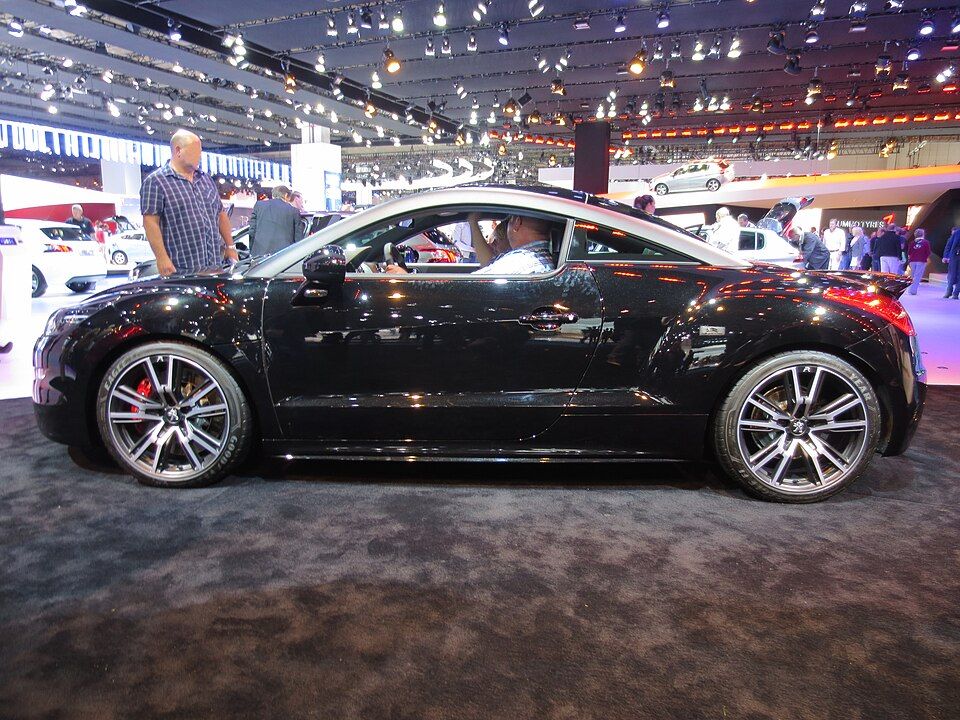
Photo: Peugeot RCZ-R by Luc106, Public domain, via Wikimedia Commons.
The Peugeot RCZ R is easy to overlook, mainly because plenty of buyers still see the RCZ as a stylish alternative to the Audi TT rather than a serious performance car. The R is a very different machine. Peugeot gave it a 1.6-litre turbocharged engine producing 270 horsepower, a six-speed manual gearbox, a limited-slip differential, firmer suspension, and large Alcon front brakes. It can reach 62 miles per hour in 5.9 seconds, yet the numbers aren’t the main reason it belongs here. Just look at it. The curved rear window, wide stance, aluminium roof arches, and double-bubble roof give it a shape that doesn’t blend into a supermarket car park. It still looks fresh beside much newer coupes, and that sort of visual identity can play a big part in future classic appeal. The RCZ R is also rare in Britain. Peugeot expected it to sell in small numbers, and only around 300 reached UK buyers. That means finding a clean, standard example with a full record may become harder as the years pass. Hagerty has already named the RCZ a future classic, with the R sitting at the top of the range as the version collectors are most likely to chase. Buying one still needs care. Check the service history closely, listen for unusual noises during a cold start, and make sure the engine has received regular oil changes. Inspect the expensive front brakes, as worn discs or sticking calipers can lead to a large bill. The alloy wheels should also be checked for poor repairs and repeated diamond cutting. Cars with factory paint, original wheels, standard suspension, and no questionable engine changes are likely to have the widest appeal later. On the road, the RCZ R feels quick, direct, and far sharper than its fashionable shape may suggest. It’s compact enough for Manchester streets, comfortable enough for a run around the M60, and entertaining once you reach quieter roads outside Stockport. It was also one of the last bold petrol coupes produced by Peugeot. That gives it a clear story, and memorable cars with a clear story rarely stay ignored forever.
How to Buy a Future Classic Without Getting Carried Away
The badge and model name are just the start. The car in front of you matters far more than the dream version in your head. Start with history. A proper record should show regular servicing, important maintenance, and work completed by garages that knew the car. Read the invoices, don’t just count the stamps. Next, check originality. A few tasteful changes may improve an enthusiast car, but missing factory parts can become costly later. Ask whether the original wheels, stereo, suspension, and exhaust are included. Then inspect condition in daylight. Look for uneven panel gaps, paint colour changes, rust, damp carpets, warning lights, and tyres from mixed brands. Take a long test drive and use every feature. A future classic still needs to be a good used car today. It’s also sensible to run a history check and arrange an independent inspection for anything rare, high-performance, or mechanically unusual.
At Dace Motor Company, every vehicle offered for sale is checked before it reaches the forecourt, and buyers can also explore finance with a soft search that doesn’t affect their credit score. The company has sites in Stockport and Manchester, so local buyers can compare different cars without turning the search into a cross-country mission. Still, keep your budget honest. Leave room for servicing, tyres, insurance, storage, and the first round of small fixes. Don’t spend every pound on the purchase price. And don’t buy because someone online says a car will double in value. Buy the one you’ll enjoy washing on a Sunday, driving on a clear evening, and keeping in good order. Should values rise, lovely. If they don’t, you’ll still own a car with real character. That’s a much better deal than staring at a spreadsheet while the car stays in the garage.
The Cars People Miss Are Usually the Ones They Regret
There’s a familiar pattern with modern classics. First, they’re new and exciting. Then they become cheap used cars. That’s when many are modified, neglected, or broken for parts. A few years later, people start sharing old road tests and saying, “I had one of those.” Clean examples suddenly look rare. Prices begin to separate, with standard, low-owner, well-documented cars sitting far above tired ones. The ten models here are at different points on that curve. The Honda S2000 is already well recognised. The Audi TT and BMW Z4 Coupé are gaining ground. The Alfa 147 GTA has serious enthusiast backing. The RX-8 remains a brave choice, while the SLK and RCZ R may catch people by surprise. None is guaranteed to make money, and ownership costs can wipe out any rise in value. That’s why enjoyment must come first. Pick a car that fits your life. A two-seat roadster is great until you need to carry three people. A large XKR is lovely until your parking space feels like a shoebox. Be honest about how you’ll use it. Then buy the best example you can afford, keep every receipt, service it properly, resist cheap modifications, and use it enough to remember why you bought it. Manchester and Stockport have plenty of wet days, busy roads, and salted winter streets, so dry storage and regular cleaning can make a real difference. Future classics aren’t museum pieces yet. That’s the fun part. You can still drive them to work, take them into the Peaks, or park them outside the pub without needing a security team. The window doesn’t stay open forever, though. Once everyone agrees a car is a classic, the affordable examples have usually gone.