



Why the VW Golf GTI Is Still the Benchmark for Hot Hatches
You know how sometimes someone comes up with an idea that seems pretty simple, but then somehow everyone else thinks “that’s exactly what we’ve been waiting for”? Well, that’s kind of how the Golf GTI story began. Back in the mid-1970s, here in the UK and across Europe, most cars either focused on being really practical or really sporty. But very few managed to blend both in a way that felt fun, daily-usable and not silly.
So, in June 1976, Volkswagen introduced the first Golf GTI. It started off as a special version of their compact car the Golf, but it quickly became much more. And that’s when the idea of the “hot hatch” - a small hatchback car with serious performance - began to live in people’s minds.
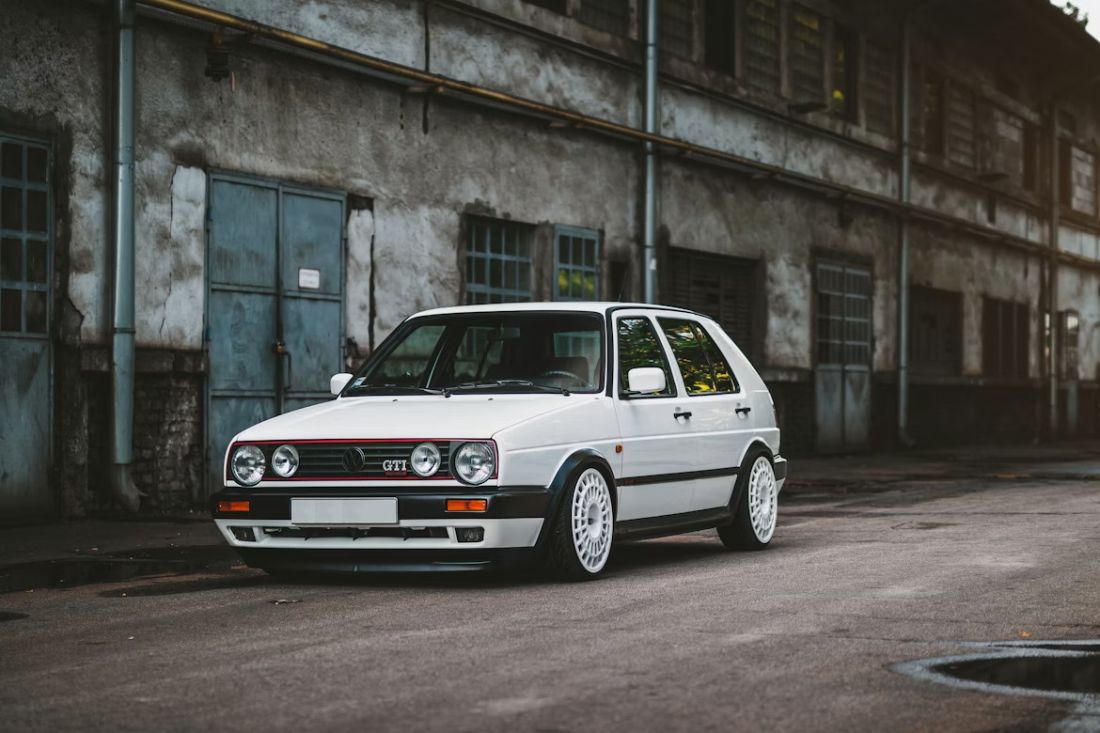
Here in Stockport or Manchester it might feel like every second car is a hatchback already, but back then this was a fresh idea: what if your everyday car could be just a bit more exciting and still easy to live with? That’s where the GTI got its start: enough extra performance and flair to feel special, but keeping the body shape, the ease of parking, the practicality of everyday driving.
What made it special in the first place
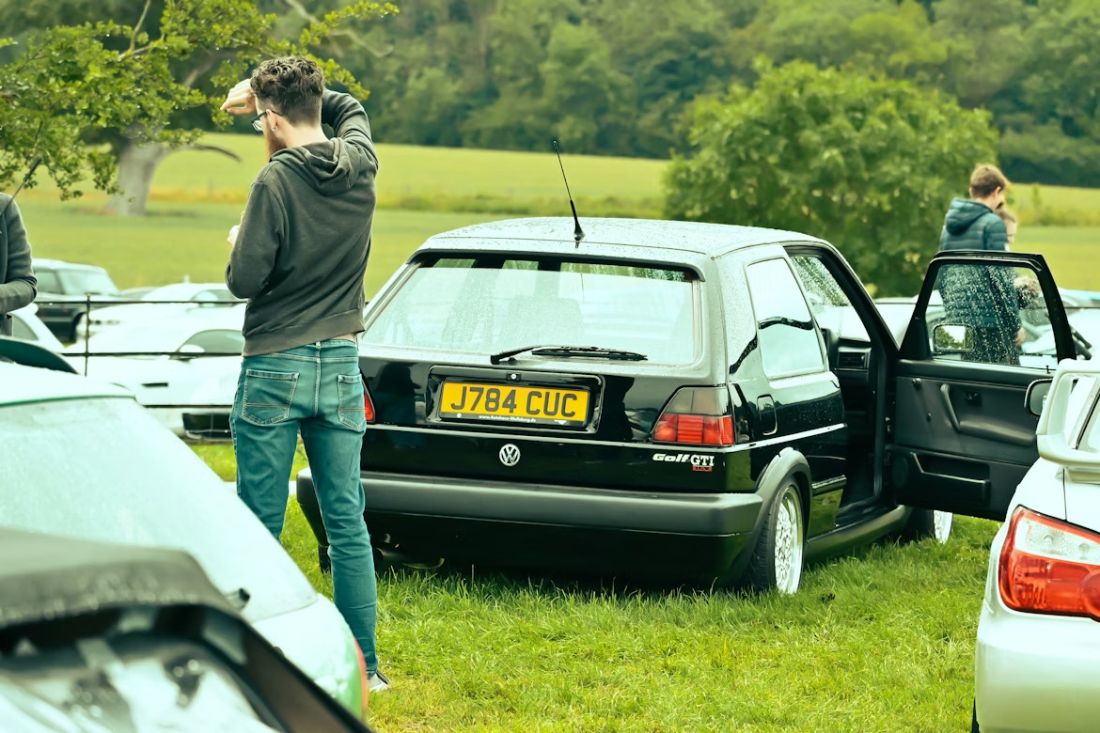
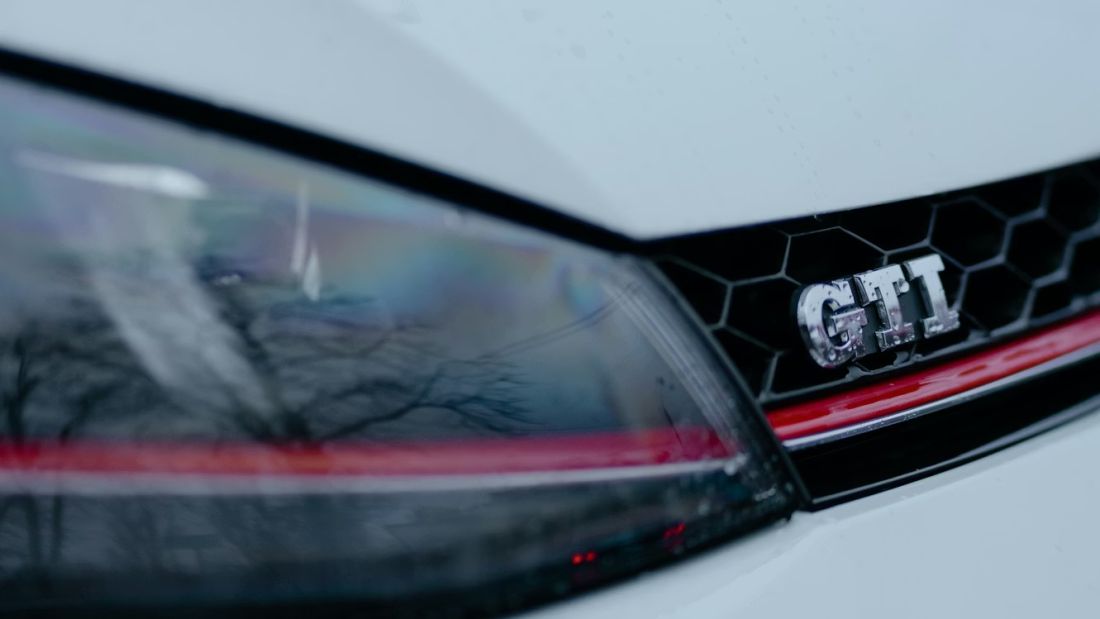
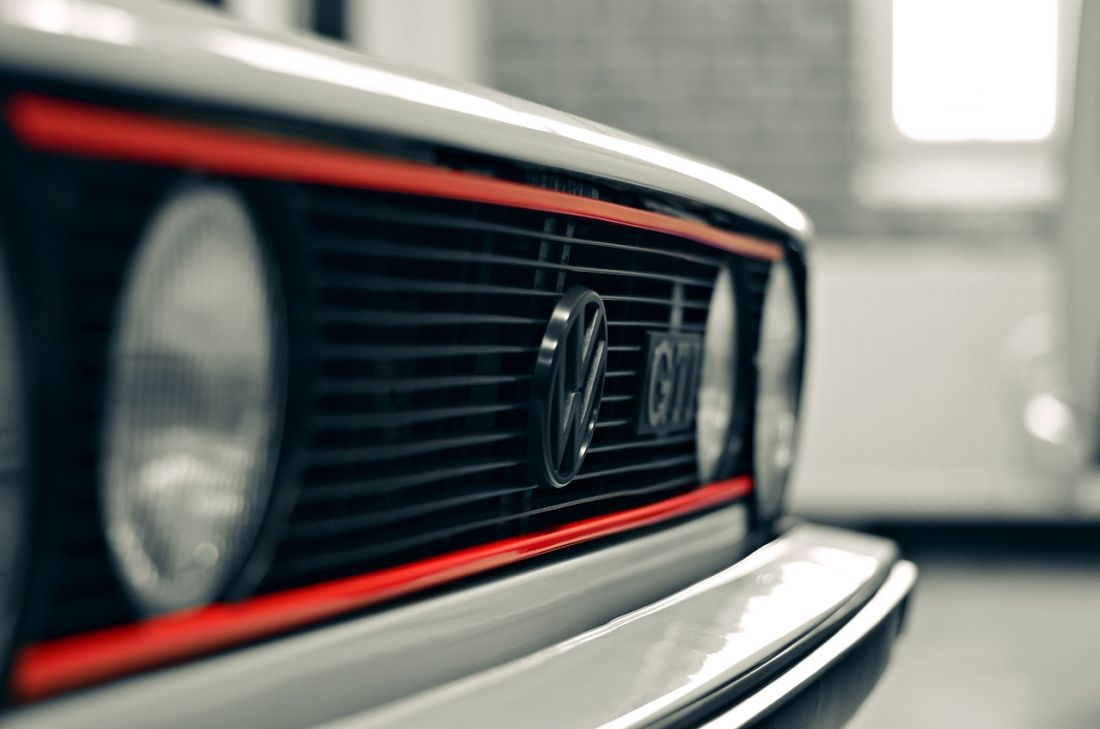
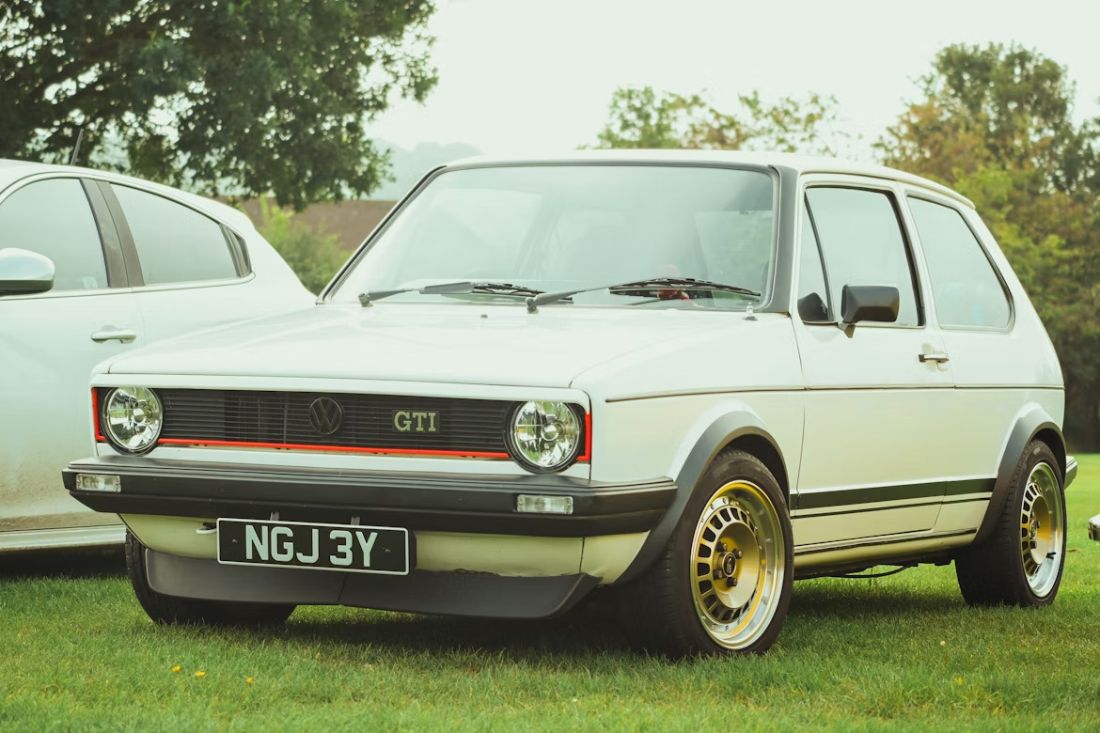
The original GTI had some bits that stood out. For one, it had a fuel-injected engine (which wasn’t super common in everyday small cars at the time). It also had design touches that let you know it wasn’t just the same old hatchback: red trim around the front grill, special tartan-pattern seats, a “golf ball” style gear knob.
And while “0-62mph in 10 seconds” might not sound outrageous now, for a compact hatchback back in the 1970s that was something else. So people in Manchester or Stockport would’ve looked at it and thought: “Hey, this is just like a normal car I’d drive to town, but wow, it actually feels alive.”
Also, the GTI helped open a new market. Loads of people said “Why should a sporty car always cost loads more, or be a two-door hard-core machine I can’t use for shopping or school runs?” You could drive this car every day, and then take it out on a twisty road and have some proper fun.
The evolution through the generations
The GTI didn’t stay the same. Each generation changed things, got better in some ways, and kept some of the original spirit. Let’s keep it simple and hit some of the highlights.
- Mk1 (1976 onwards): As I said, the launch version. Compact, light, fun. Demand blew past expectations.
- Mk2 (1984): Bigger, more comfortable, still sporty. The GTI kept up.
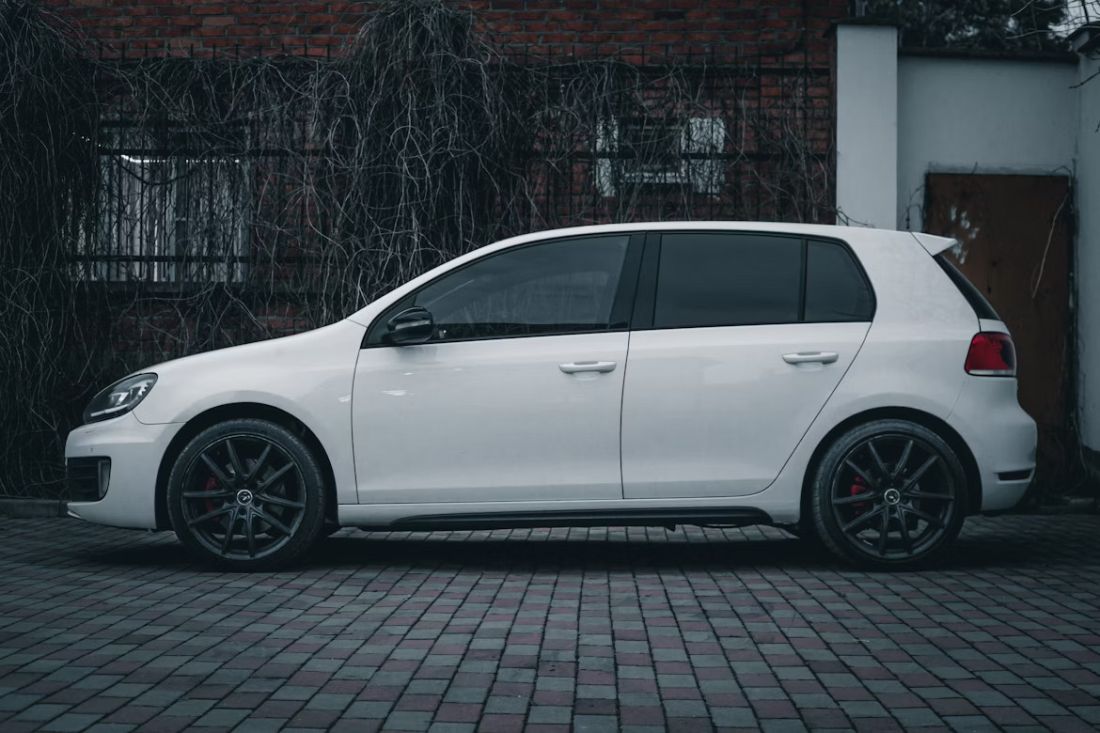
- Later models (Mk5, Mk7, Mk8): These versions brought in turbochargers, more power, better suspension, more electronics. For example, the Mk7 offered a turbo 2.0 litre engine with possibly up to 230 PS in the performance pack.
What’s important is, throughout all that, the core idea stayed the same: a compact car you can use every day, but that doesn’t feel tame when you push it. If you’re browsing used cars at our showrooms in Stockport or Manchester (we’re talking four locations of ours here at Dace Motor Company) you’ll see the value in that kind of car: happen-upon one and you’ve got the best of both worlds.
Why it’s still the benchmark for hot hatches
So why do we at Dace Motor Company still say “if you’re looking for a hot hatch, the Golf GTI is still the one to beat”? Here’s the friendly, plain-spoken version:
- It has proper heritage. You’re buying more than just one model year. You’re buying a story that started decades ago. That matters when you’re checking a used car.
- It offers everyday practicality. Sure, you’ll spot older cars with 4×4 or oversized SUVs around Stockport, but a hatchback means easier parking, better fuel economy, fewer “I’ll only use this once a week” issues.
- The handling and driving feel matter. The GTI balances performance with usability. Go around the roads north of Manchester, up into the hills, and you’ll see what I mean: tight bends, good road surfaces, the GTI is comfortable enough for the daily commute yet fun enough for when you want to push.
- It holds its identity. Some cars begin as “hot hatch” and then drift into being more “posh small car” or more “bare-bones serious machine”. The GTI has managed to keep a strong middle ground.
- Value and used car benefits. Because the GTI has such a legacy, decent examples hold their value, are well-regarded, and you’ll find good support (parts, specialist mechanics, community) to look after them.
And when you’re browsing used cars at one of our sites-say the Dace Car Supermarket in Reddish, Stockport-this matters. You want something you know has got strong fan base, good history, and people talking positively about it. The GTI ticks that box.
What to look out for when buying a used Golf GTI
Because we’re based in Stockport and Greater Manchester, it’s worth remembering: used cars here have to deal with British weather, salty roads in winter, and higher mileage from mixed motorway and local driving. So if you’re looking at a used Golf GTI, here are some friendly tips:
- Service history: Make sure oil changes, timing belt/chain (depending on year), turbo inspection where applicable. GTIs often have turbocharged engines later on, so ensure that part’s been looked after.
- Body condition: Check wheel arches, sills, under the car for rust or stone-chips (our northern roads are tough). Any hatchback that’s seen harsh winters might show signs.
- Mileage and usage: A GTI that’s spent most of its life as a daily commuter at motorway speeds is different from one that’s been driven hard around twisty back roads. Both have pros and cons.
- Previous ownership and modification history: The GTI community sometimes likes to mod these cars (and that’s fine), but you’ll want to check that tweaks have been done well and don’t impact reliability or future resale.
- Parts availability and costs: Because the GTI is popular, parts are easier to source. But high-performance variants may have pricier bits (brakes, suspension components) than a standard hatchback.
- Check the “fun” bits: The interior seats, the steering feel, how the car reacts to corners. These things matter if you buy a GTI because you *want* that driving smile.
When you visit one of our Dace Motor Company sites (for example our German Car Centre on Manchester Road, Stockport), our team will happily walk you through what the condition is like. And since we check every car for finance and warranty options, you’ll feel confident your GTI is ready to go.
How the GTI compares today with what used to be
Here’s something I like to point out when someone says “Isn’t a 2020s hatchback just as good as the old GTI?” Yes and no.
Yes: technically* modern GTIs have more power, more tech, safer everything. The later generations (like the Mk8) have things like turbocharged 2.0 litre engines, fancy adaptive suspension, digital displays.
No: They lose a little of the purity. An old GTI might have simpler wiring, fewer fancy electronics, a more “raw” feel when you drive it. And for some folks that’s better. If you’re in Manchester and you’re hitting city traffic then an older GTI might feel more connected. If you’re doing motorway runs to Stockport, maybe the newer one has the comfort side.
So the trick is: decide what you want. Daily commute vs weekend thrill. Family tasks vs “just for fun”. And whether you’re okay with a few extra tech bits and cost for newer models, or you prefer something simpler, lighter, potentially more engaging.
Legacy
The Golf GTI remains a benchmark for hot hatches for a bunch of reasons. It started something meaningful, kept that meaning over decades, and still offers a mix of practicality and driveability that many cars struggle to match. If you ever pop into our Dace Motor Company showroom in Reddish or Stockport, and we happen to have a decent GTI in stock, take it for a look. Sit in it. Drive it. Feel if it gives you that little smile when you go through the gears. Because that’s the point. Whether you’re in Manchester, Stockport or just browsing online before you take that step-this is one to consider. It ticks many boxes: history, practicality, fun. And those boxes count when you’re choosing a used car that you’ll actually enjoy every day.