


How Suzuki Became a Small-Car Specialist
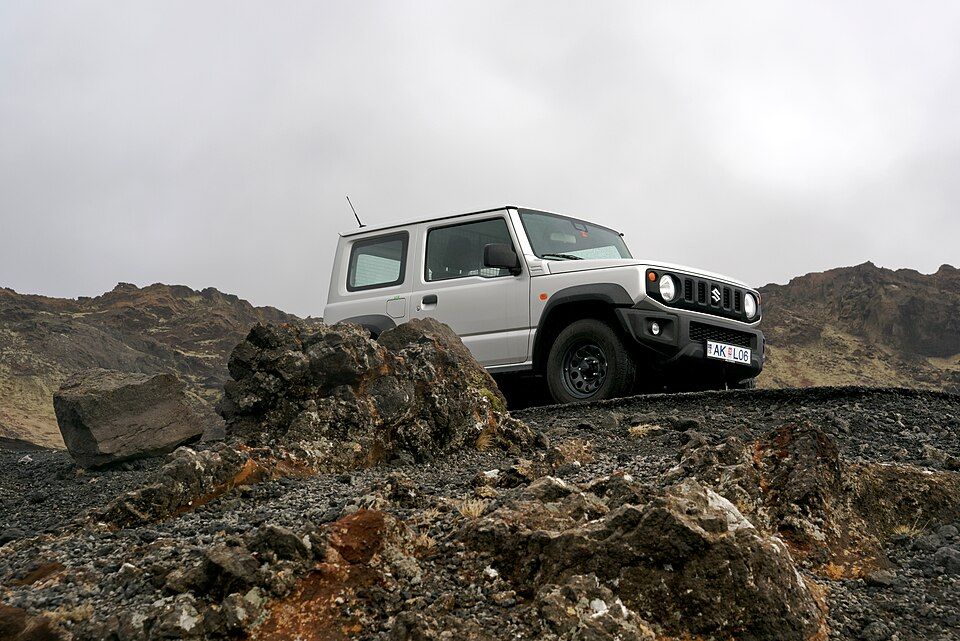
Photo: Suzuki Jimny by Jakub Ha?un, CC BY-SA 4.0, via Wikimedia Commons.
Suzuki has spent decades proving that a useful car doesn’t need to be huge, heavy, or packed with showy extras. That sounds obvious now, but it wasn’t always the easy route for a car maker. Big cars can look grand in adverts. Fast cars grab attention. Large sport utility vehicles can carry half the contents of a house. Suzuki took a different path. It kept asking a simpler question: what does a driver really need from a car each day? For many people, the answer is easy parking, low running costs, enough room for family life, and controls that don’t feel like a puzzle. That idea fits daily life around Manchester and Stockport rather well. Think about squeezing into a space near Stockport Market, crawling along the A6 at school-run time, or finding a gap in a packed car park after a Saturday shop. A small car can make those moments less stressful. At Dace Motor Company, we see buyers looking for exactly that kind of sensible choice. They may want a first car, a second car for the household, or something that won’t feel wasteful on short local trips. Suzuki’s story helps explain why the brand keeps coming up in those chats. It didn’t become linked with compact cars through one lucky model. The company built that skill over generations, starting with machines that had nothing to do with roads, then learning from Japanese drivers who needed cheap and practical transport. From the Suzulight in the 1950s to the Alto, Wagon R, Jimny, and Swift, Suzuki kept finding fresh ways to fit real life into a small footprint. Some cars were basic. Some were quirky. A few became huge international hits. But the main idea stayed steady: keep the size sensible, make every bit of space count, and don’t make ownership feel like hard work.
Before Cars, Suzuki Made Looms
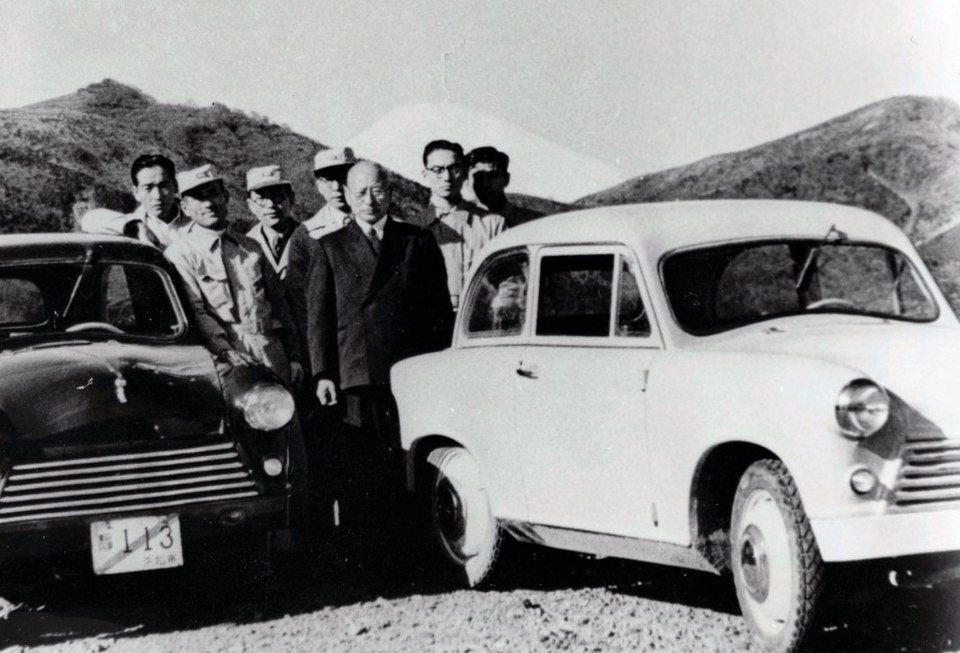
Photo: Picture of Michio Suzuki by Suzuki Motors, Public domain, via Wikimedia Commons.
The Suzuki story began in 1909, when Michio Suzuki started making weaving looms in Hamamatsu, Japan. A loom is a machine used to make cloth, so this was a long way from building hatchbacks. Still, the early business taught Suzuki a lesson that would shape its cars later: a machine has to solve a real problem for the person using it. A loom couldn’t just look clever. It had to work well, save effort, and fit the needs of the workshop. That practical habit stuck. After the Second World War, Japan needed affordable transport. Many families couldn’t buy a full-size car, and roads in towns could be tight. Suzuki moved into motorised bicycles in 1952, then changed its company name to Suzuki Motor Company in 1954. The move into cars came soon after. This switch wasn’t random. Suzuki had spent years making compact mechanical parts, working with limited materials, and trying to get useful results from small machines. You can see the link. A good small car has to be clever with every centimetre.
The seats, engine, luggage area, doors, and wheels all compete for room. There’s nowhere to hide a lazy choice. That’s a bit like fitting shopping, school bags, and a folded pushchair into the boot before a wet Sunday trip across Greater Manchester. You soon learn what matters and what doesn’t. Suzuki’s first decades also built a company culture that valued simple ideas and careful spending. Later, under long-time leader Osamu Suzuki, that focus helped the business grow in places where drivers wanted affordable cars rather than oversized ones. The company didn’t chase every trend. It found a lane that larger rivals sometimes ignored, then stayed there. That steady focus is a big reason Suzuki became so closely tied to small cars. It learned early that being compact wasn’t a weakness. It was a problem-solving skill.
The 1955 Suzulight Set the Pattern
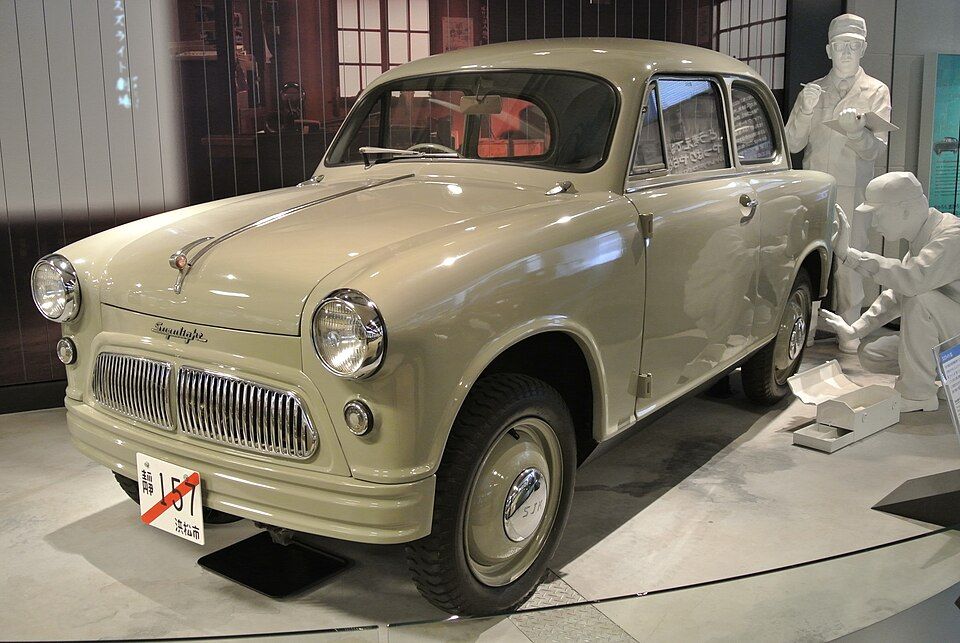
Photo: 1955 Suzuki Suzulight SS in the Suzuki History Museum by Rainmaker47, CC BY-SA 3.0, via Wikimedia Commons.
In October 1955, Suzuki launched the Suzulight, described by the company as Japan’s first mass-produced mini vehicle. The timing mattered. Japan had created a special class for very small cars, giving families and small businesses a cheaper route into motoring. These cars had strict limits on engine size and body size. Rather than treating those limits as an annoyance, Suzuki treated them like a design challenge.
The Suzulight had to carry people, cope with everyday roads, and stay affordable, all while fitting inside a tiny set of measurements. That forced the engineers to think hard about space and weight. The car used front-wheel drive, which means the engine drove the front wheels. That layout can free up room because a long shaft doesn’t need to run under the cabin to the rear wheels. It also had independent suspension on all four wheels and a steering setup that was advanced for a tiny car of its time. You don’t need to know the mechanical detail to get the main point.
Suzuki wasn’t simply shrinking an ordinary car and hoping for the best. It was building around the needs of a small car from the start. That approach became a habit. Make the body compact. Keep the cabin useful. Avoid wasted weight. Give buyers what they’ll notice each day. The Suzulight also opened the door to small commercial vehicles, including the Carry, which arrived in the early 1960s. That mattered because small traders needed transport too. A compact van or truck could slip through narrow streets, cost less to run, and still earn its keep. You can picture the same logic in a local setting: a florist making deliveries around Chorlton, a repair business crossing Stockport, or a café collecting supplies before the roads get busy. The job isn’t made easier by a bigger badge. It’s made easier by a vehicle that fits the job. Suzuki learned that lesson early, and the Suzulight became the first clear sign of the small-car skill that would define the brand.
Alto Made the Small Car Feel Like the Sensible Car
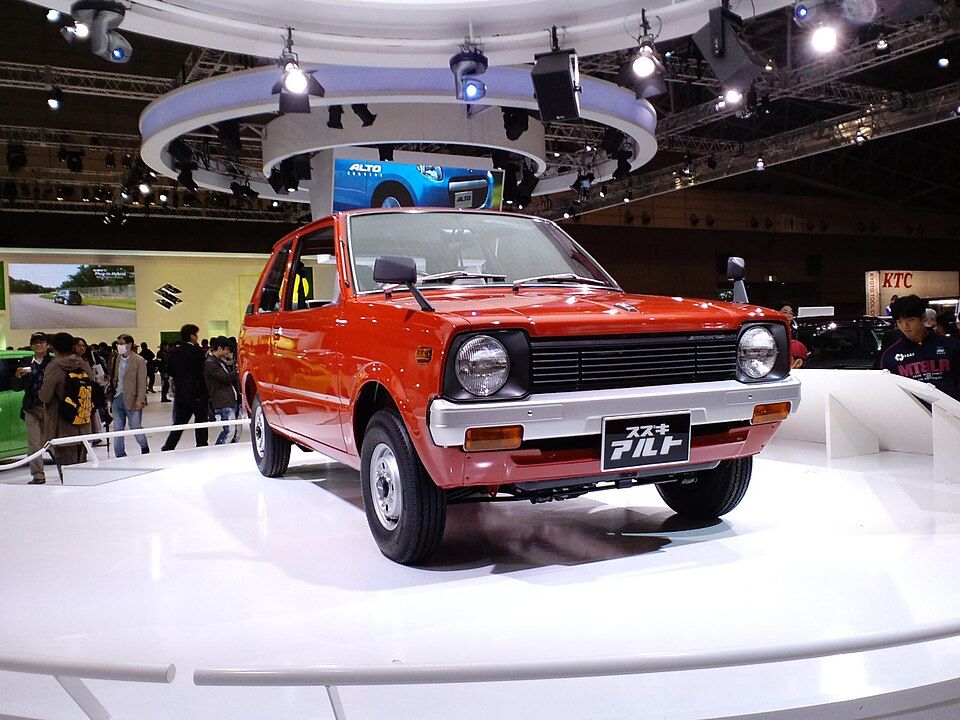
Photo: 1979 Suzuki Alto by Iwao from Tokyo, Japan, CC BY 2.0, via Wikimedia Commons.
The Alto arrived in Japan in May 1979, and it became one of the most important cars in Suzuki’s history. Its basic idea was sharp: give people a low-priced, useful little car that could handle ordinary daily tasks without fuss. The first Alto was sold as a commercial vehicle, which helped keep its price down under the tax rules of the time. That clever choice made it attractive to households as well as small businesses. The model didn’t pretend to be a luxury car. It was about getting to work, picking up groceries, visiting family, and doing the hundreds of small trips that fill a month. And that’s the bit that matters. A car can be modest yet become hugely important because it fits people’s real lives. The Alto helped Suzuki reach drivers who cared about value and ease rather than status. It also gave the company years of practice in trimming weight, packaging a cabin, and keeping mechanical parts simple. Each new version could build on what Suzuki had learned from the last one.
Over time, the Alto name travelled far beyond Japan and became linked with affordable motoring in many countries. It reached the United Kingdom too, where small Suzukis found buyers who wanted cheap, easy transport. Think of a student commuting from Fallowfield, a new driver tackling the roundabouts near Stockport, or someone who mostly needs a car for a short run to work and the weekly shop. A huge vehicle may bring extra space, but it also brings extra bulk on every trip, even when the seats are empty. The Alto’s appeal came from cutting that excess. Small outside. Useful inside. Easy to place on the road. Suzuki kept returning to that formula, not because every driver wanted the same thing, but because millions of drivers wanted a car that did the basics well. By 2009, worldwide Alto sales had passed ten million. That figure shows how a very small car, built around ordinary needs, could become one of the brand’s biggest success stories.
Jimny Showed That Small Didn’t Have to Mean Fragile
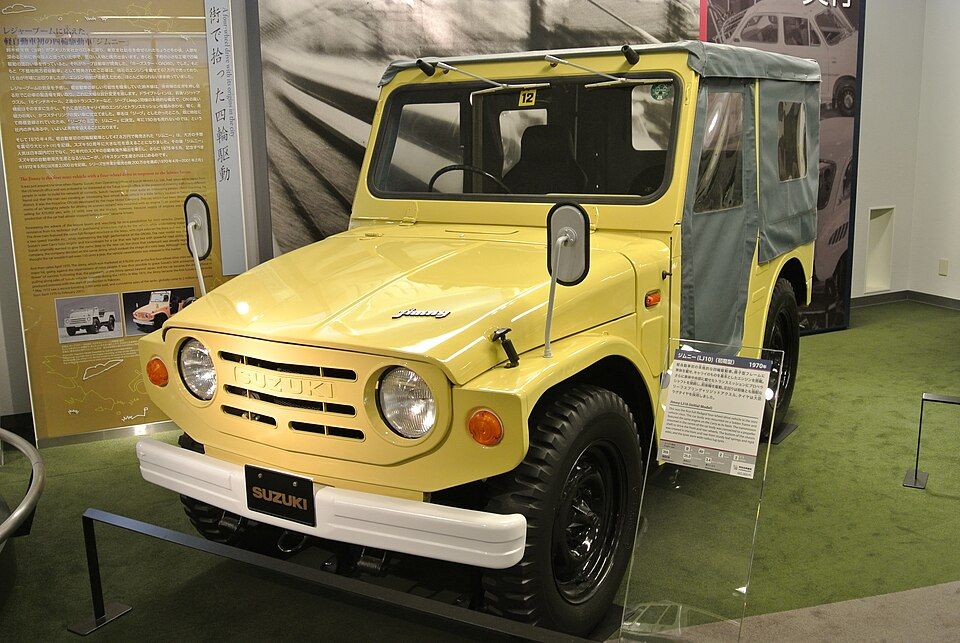
Photo: 1970 Suzuki Jimny LJ10 by Tennen-Gas, CC BY-SA 3.0, via Wikimedia Commons.
Suzuki’s small-car skill wasn’t limited to town hatchbacks. In 1970, the company launched the Jimny, a tiny four-wheel-drive vehicle built for rough ground and tight spaces. It gave Suzuki another useful lesson: compact size can help away from city streets as well as inside them. A shorter and narrower vehicle can pass through gaps that stop a larger one. A light body can also be handy on loose ground. The Jimny became popular with people who needed a basic working vehicle, including drivers in rural areas, while later versions also gained fans who simply liked its square shape and no-nonsense feel. This was an unusual mix. It was small enough to feel friendly around town, yet built with the sort of layout linked with much larger off-road vehicles. That made it stand out. Around Greater Manchester, most Jimny drivers aren’t crossing a desert before lunch, of course.
Still, the idea makes sense when a car has to deal with muddy lanes, steep tracks, winter weather, or a weekend run near the Peak District. The Jimny also helped Suzuki avoid being boxed into one narrow image. The company could make a tiny city car, a compact work vehicle, and a small four-wheel-drive model, all while using the same basic belief that less size can still deliver plenty of use. That range of experience fed back into later cars. Suzuki learned how to keep controls simple, how to make a high cabin feel roomy, and how to give a small vehicle a strong identity. The Jimny never tried to hide its size. It made a feature of it. That confidence matters. Some small cars feel like cheaper copies of larger ones. The Jimny felt like its own thing from day one. And that’s part of being a specialist: you stop apologising for the size and start using it to create something a larger car can’t copy easily.
Wagon R Found Extra Room by Growing Up, Not Out
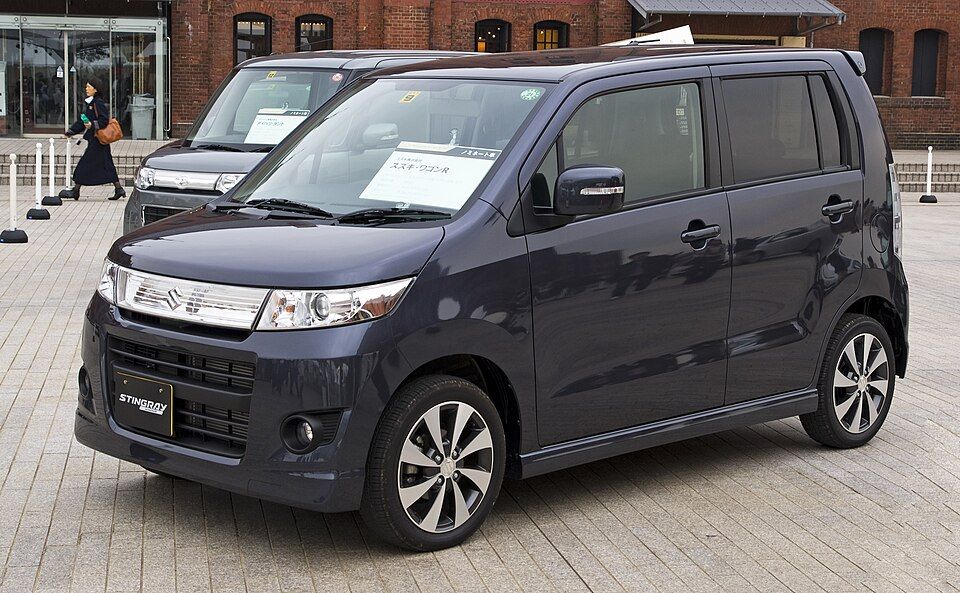
Photo: 2008 Suzuki Wagon R Stingray by Hatsukari715, Public domain, via Wikimedia Commons.
By the early 1990s, Suzuki had decades of experience with small cars, but it still found a fresh idea. The Wagon R, launched in Japan in September 1993, used a tall body to create extra cabin space without taking up much road. This sounds simple now because tall small cars are familiar, but the Wagon R helped make the shape popular. Instead of stretching the car much longer or wider, Suzuki raised the roof and made the seating position more upright. That gave passengers easier entry, useful headroom, and a flexible load area. It was a smart answer to a common problem. Families wanted room, but crowded roads and parking spaces hadn’t become any wider. The Wagon R showed that a small car didn’t need to feel low, cramped, or gloomy. It could feel open and practical. You know how it is when you’re loading bags in the rain and someone’s trying to climb into the back at the same time.
A wide-opening door and a sensible seat height can matter far more than a flashy trim piece. Suzuki understood those little moments. The Wagon R also became a major seller in Japan and later appeared in other markets, with production starting in India and Hungary around the turn of the century. Its success strengthened Suzuki’s reputation for finding space where other makers saw limits. It also influenced later small cars across the industry, as tall hatchbacks and compact people carriers became common. The shape was especially useful for older drivers, young families, and anyone who wanted an easy step into the cabin. There was a bit of visual oddness to it, sure. Tall and narrow cars can look like they’ve been stretched upward in a cartoon. But once you sit inside, the reason becomes clear. The Wagon R wasn’t trying to win a beauty contest from fifty metres away. It was trying to make Tuesday morning easier. And millions of buyers liked that honest approach.
India Turned Suzuki’s Small-Car Skill Into a Global Strength
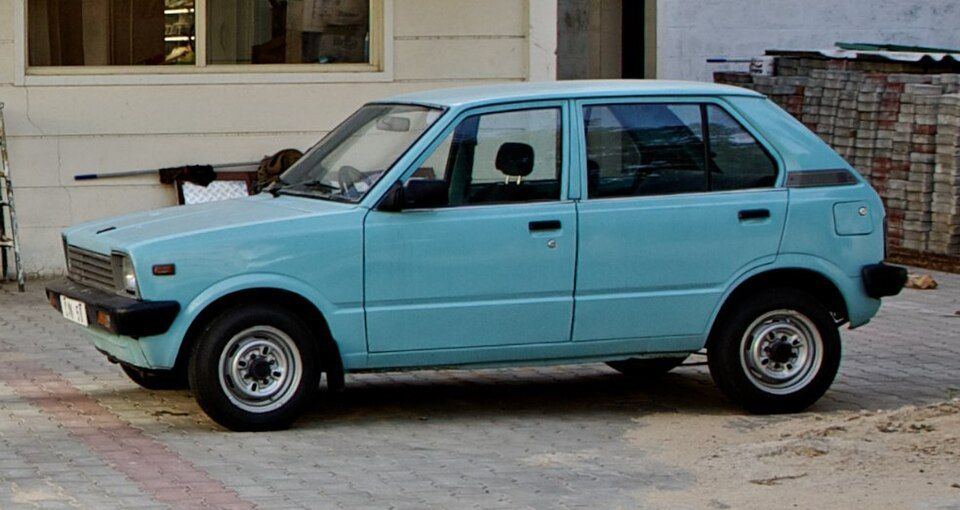
Photo: First generation Maruti 800 DX by Aashim Tyagi from Mumbai, India;cropped by uploader Mr.choppers, CC BY 2.0, via Wikimedia Commons.
Suzuki’s link with India is a huge part of this story. In 1982, the company agreed to work with the Indian government and Maruti Udyog, and production of the Maruti 800 began in December 1983. India needed affordable cars that could cope with busy streets, family use, heat, dust, and buyers who watched every cost. Suzuki already knew how to build small cars around strict limits, so the fit was strong. The Maruti 800 gave many Indian families access to a car for the first time. It was compact, light, and simple, and it became a familiar sight across the country. The partnership also taught Suzuki how to build and sell cars at vast scale outside Japan. Local production mattered. So did a wide service network and the ability to keep parts and repairs within reach for ordinary drivers. This wasn’t just a case of shipping Japanese cars abroad. Suzuki learned from local needs and made India central to its car business. Later models such as the Alto, Wagon R, and Swift became major sellers there.
That success changed Suzuki itself. Small cars were no longer a home-market speciality. They became the centre of a global business. India also showed that compact cars could carry whole families, tackle long trips, and serve as someone’s main vehicle, not just a spare runabout. Let’s face it, people use cars in ways that brochures can miss. A small hatchback might carry school bags in the morning, stock for a family shop in the afternoon, and relatives in the evening. Suzuki’s cars had to cope with that mixed life. The lessons travelled back into design, production, and pricing across the brand. By 2023, Suzuki said India accounted for almost a third of its accumulated worldwide car sales. That’s a striking number, and it helps explain why the company’s small-car know-how became so deep. It had a vast market giving constant feedback on what worked, what broke, what cost too much, and what families really valued.
Swift Gave the Formula a Sportier, More European Feel
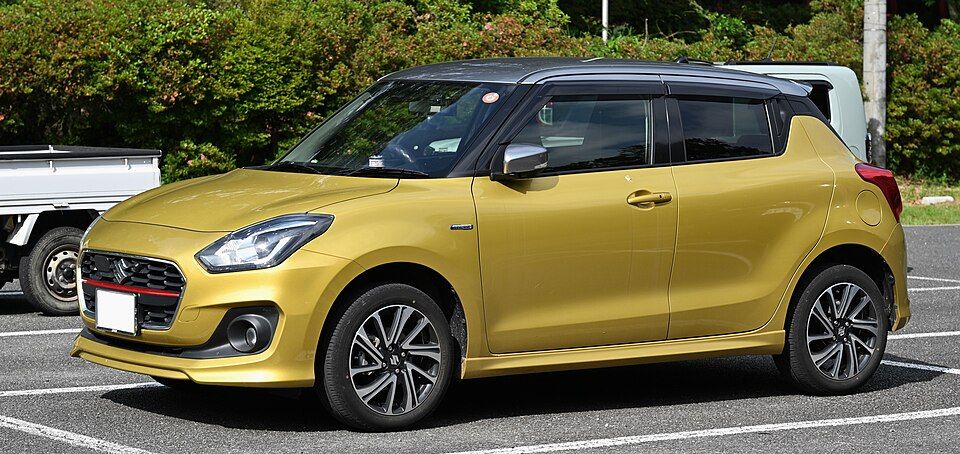
Photo: 2020-2023 Suzuki Swift Hybrid RS by TTTNIS, CC0, via Wikimedia Commons.
The Swift name had appeared earlier, but the model launched in Japan in November 2004 marked a fresh start. Suzuki called it its first global strategic car, meaning it was planned for many countries from the beginning rather than being created mainly for one market and adapted later. Production soon spread to Hungary, India, and China. The car kept Suzuki’s compact roots, yet it added a wider stance, sharper styling, and a more lively feel on the road. That helped the Swift speak to buyers who wanted sensible size without a dull personality. It was still easy to park and easy to use, but it didn’t look apologetic. For drivers around Manchester and Stockport, that mix is easy to see. A small car is handy on crowded streets, but people also want something that feels settled on the motorway, comfortable on a trip to Liverpool, and enjoyable on the bends beyond Marple.
The Swift aimed to cover those jobs in one neat package. It also showed how Suzuki’s years with tiny Japanese cars could support a model that felt at home in Europe. The brand already knew how to save weight and make good use of cabin space. Now it wrapped those skills in a shape that had broader appeal. Sales followed. Suzuki reported four million global Swift sales by 2014, five million by 2016, and ten million by July 2025. The company also said the model had been sold in over 170 countries and regions by that later milestone. Numbers that large don’t come from one clever advert. They come from a car fitting many different lives. A Swift can be a learner’s first car, a commuter’s daily car, or the main car for a small household. It can feel straightforward without feeling bare. That balance is hard to get right, and Suzuki’s long practice with small vehicles gave it a real head start.
What Suzuki’s History Means for a Used-Car Buyer
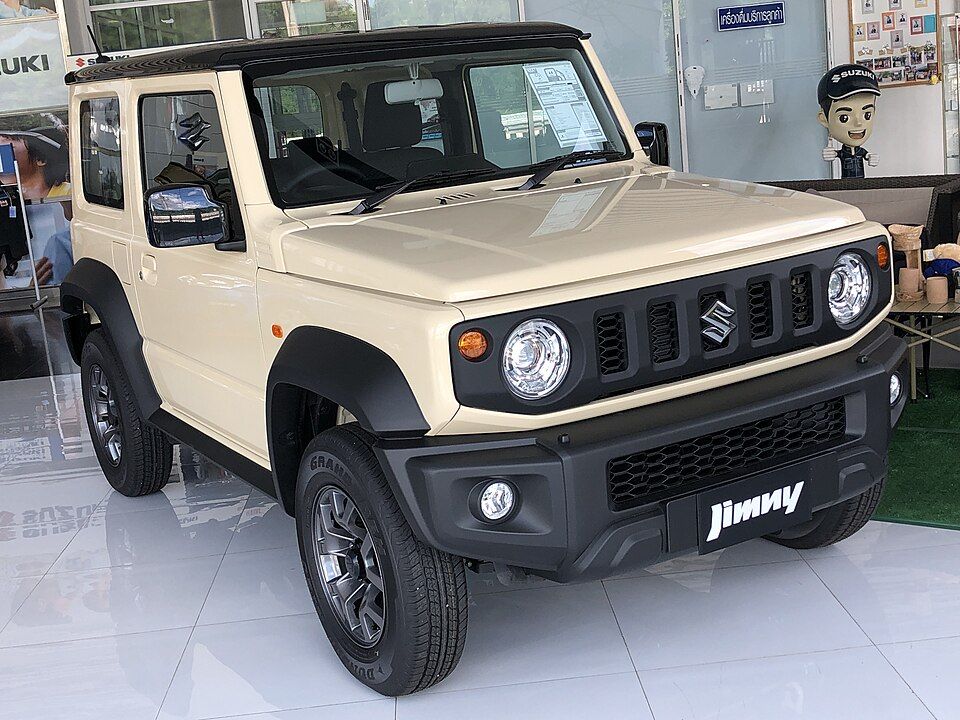
Photo: 2019 Suzuki Jimny by Chanokchon, CC BY-SA 4.0, via Wikimedia Commons.
History is interesting, but you’re probably wondering what any of this means if you’re looking at a used Suzuki now. The main benefit is choice within a clear theme. Suzuki has made many kinds of compact vehicle, from simple hatchbacks to tall family cars and small four-wheel-drive models. That means you can start with your daily life rather than the badge. Need something for short commutes and tight parking? An Alto, Celerio, or Swift may make sense. Want a higher seating position and a cabin that feels airy? An Ignis or a tall-bodied Suzuki could suit you better. Need extra grip for rural roads or regular trips beyond the city? A four-wheel-drive model may be the better match. But don’t buy any used car on name alone. Check its service record, look through its yearly roadworthiness test history, and make sure the mileage story makes sense.
On the test drive, listen from a cold start, try every gear, test the clutch, check the brakes, and make sure warning lights go out as they should. Look at the tyres too. Uneven wear can point to poor wheel alignment or worn parts. And take your time with the cabin. Can you get comfortable? Is the boot big enough for what you actually carry? Can everyone get in without a wrestling match? We’ve all been there, buying with the heart and discovering two weeks later that the pushchair has to travel diagonally. At Dace Motor Company, we’d always rather see a buyer choose the right size than simply the biggest car within budget. Suzuki’s history is useful because it reminds us that smart packaging can beat extra length. A well-chosen small car may cover far more of your life than its measurements suggest. The right answer depends on you, your passengers, your routes, and your plans. No fuss. No guessing. Just an honest look at how the car will be used.
Why the Small-Car Idea Still Fits Manchester and Stockport
Suzuki became a small-car specialist because it kept solving the same basic problem in fresh ways: how do you give people useful transport without making the vehicle larger, heavier, and dearer than it needs to be? The Suzulight used smart engineering inside a tiny body. The Alto made low-cost motoring feel normal. The Jimny gave a compact vehicle real off-road ability. The Wagon R found space by going taller. The Swift added style and a lively drive while staying sensibly sized. India then proved that these ideas could work on a huge scale, across busy cities and family life. Put those pieces together and the pattern is clear. Suzuki didn’t stumble into small cars. It spent generations learning them. That still matters in our part of the country.
Roads around Manchester can switch from wide dual carriageways to tight residential streets in minutes. Stockport has steep sections, busy junctions, older streets, and car parks where every inch seems spoken for. Then there’s the weather. A grey morning, wet windows, traffic building near the school gates, and someone in the back asking whether you’ve remembered their kit. In that moment, a car that’s easy to see out of, simple to place, and light on its feet can feel like the right tool. Small cars won’t suit every household. Some people need seven seats, a huge boot, or heavy towing ability. Fair enough. But many drivers carry one or two people most of the time and want a car that feels sensible every day. That’s where Suzuki’s long focus still earns attention. At Dace Motor Company, we see the appeal in a used car that fits the buyer’s real routine rather than an imagined one. Suzuki’s best small cars do that with very little drama. They’re compact because compact makes sense. And after seventy years of building cars around that idea, the brand has had plenty of practice getting the small details right.