


Top 10 Best Used Cars Under £10,000 in 2026
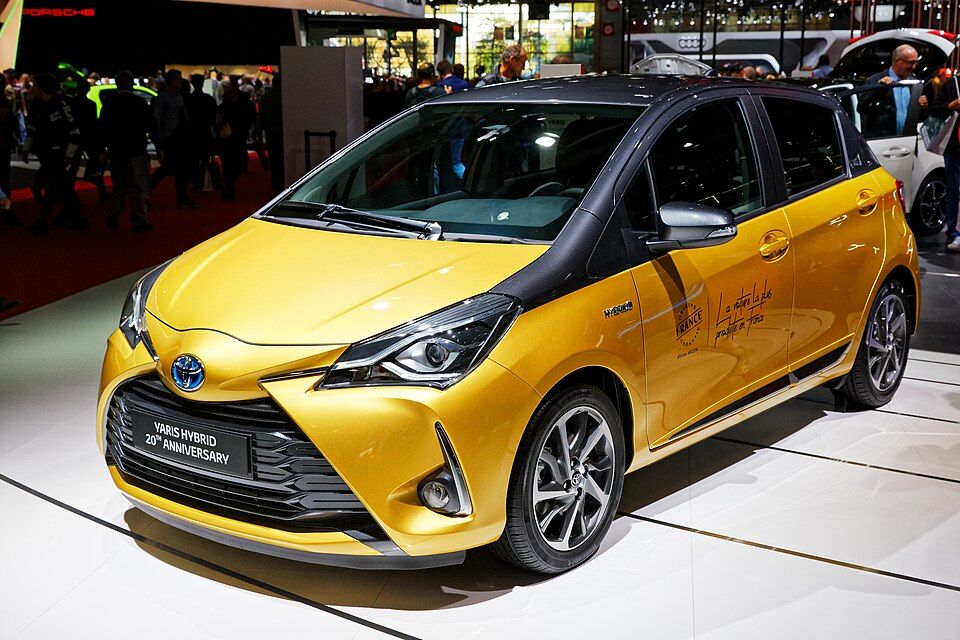
Photo: 2018 Toyota Yaris Hybrid by Thesupermat, CC BY-SA 4.0, via Wikimedia Commons.
A £10,000 budget can still buy a very good used car in 2026. The trick is knowing where the value sits. In the current UK market, that money can put you in a small hatchback from around 2018 to 2021, a family car from around 2016 to 2019, or an older premium model with higher mileage. The newest badge isn’t always the smartest buy. A clean service record, sensible mileage and evidence of careful ownership matter far more than shiny wheels or a huge screen on the dashboard. We’ve all seen the tempting advert: low price, great photos, lots of extras. Then you look closer and the service history has vanished, two tyres are nearly finished and a warning light has been edited out of the pictures. That’s why our list focuses on cars that make sense in real life, not cars that simply look exciting for five minutes. Drivers around Manchester and Stockport need cars that can handle a mixed week. One day it’s slow traffic near the city centre. The next it’s the M60, a school run through Reddish, a shopping trip to the Trafford Centre, or a wet Sunday drive out near the Peak District. A good used car here needs to be easy to park, comfortable on rough roads and calm at motorway speed. It also needs running costs that won’t give you a nasty surprise. Prices move from week to week, so treat the model years below as a useful photo-matching and shopping guide rather than a promise that every example will sit below £10,000. Mileage, trim, gearbox, engine, condition and history can move the price by thousands. Current 2026 guides show that late-model small cars, family hatchbacks and even a few family sport utility vehicles can still fall below this budget.
Before You Choose: Condition Beats the Badge
Let’s face it, two cars from the same year can be completely different buys. One may have had regular servicing, four matching tyres and one careful owner. The other may have missed oil changes, spent years doing short cold trips and picked up cheap repairs just before sale. Always check the service record, previous inspection history, tyre condition, warning lights, air conditioning and every electrical item you can reach. Take a proper test drive from cold, not just a five-minute loop after the seller has warmed the engine. Listen over bumps, test the brakes in a safe place and make sure the gearbox feels smooth. If the car is automatic, ask for proof that any required gearbox servicing was done. If it’s diesel, think honestly about your driving. Lots of short town trips can be hard on the exhaust filter, while regular longer runs suit diesel much better. A vehicle history check is just as important. It can reveal outstanding finance, recorded insurance damage, theft records and mileage concerns. Dace Motor Company says every vehicle it sells is checked before going on sale, and the company also offers an in-house warranty and finance support across its Stockport and Manchester sites. That gives local buyers a useful layer of reassurance, but the same basic rule applies wherever you shop: read the paperwork, inspect the car and ask direct questions. No fuss. No guessing.
1. Ford Fiesta
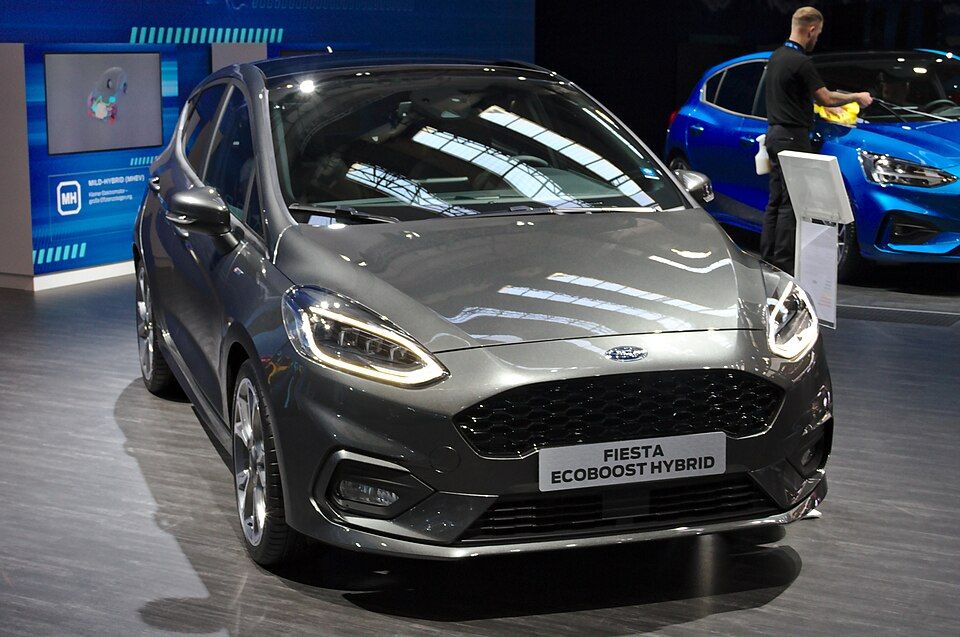
Photo: Ford Fiesta MK7 by Alexander Migl, CC BY-SA 4.0, via Wikimedia Commons.
The Ford Fiesta remains one of the easiest used cars to recommend because it fits so many lives. It’s small enough for tight parking spaces around Stockport, light enough to feel easy in traffic and settled enough for a run up the M6. The 2018 to 2020 cars look modern without pushing the price too far beyond the £10,000 line, and a 2019 example was listed at £9,200 in a January 2026 What Car? guide. That doesn’t mean every 2019 Fiesta will cost the same, of course, but it gives you a useful year to target when choosing photos or checking stock. The Fiesta’s biggest strength is the way it drives. The steering feels natural, the car changes direction neatly and rough roads don’t upset it as much as you might expect from a small hatchback. It’s a good pick for a new driver, a commuter or a couple who need one car for nearly everything.
There are a few checks to take seriously. Many cars use Ford’s small turbo petrol engine, so ask for a full service record and make sure the correct oil was used. Check the cooling system history, look for any sign of overheating and listen carefully when the engine starts from cold. The boot is smaller than the space in some rivals, and taller adults may feel a bit squeezed in the back. Still, for a daily car that feels lively without being tiring, the Fiesta is hard to beat. A five-door version in Zetec or Titanium trim is usually the sensible middle ground. It gives you the useful kit most people want without paying extra for sporty trim that may bring larger wheels, firmer tyres and a higher insurance quote.
2. Toyota Yaris Hybrid
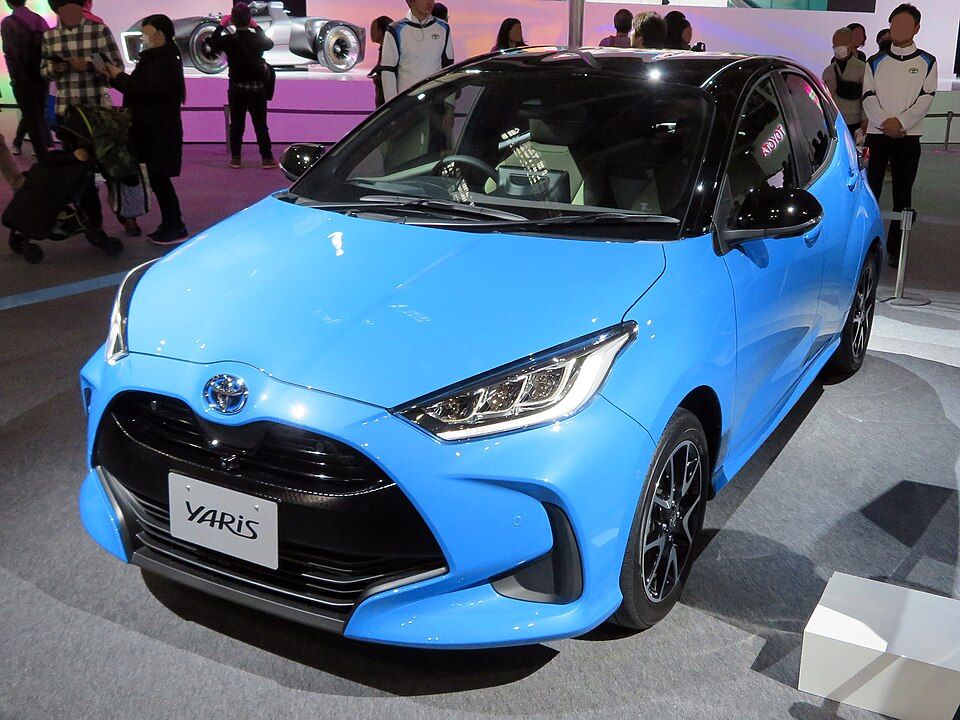
Photo: 2019 Toyota YARiS HYBRID Z E-Four by Tokumeigakarinoaoshima, CC BY-SA 4.0, via Wikimedia Commons.
The Toyota Yaris Hybrid suits drivers who spend a lot of time in slow traffic, and that makes it a very handy choice around Greater Manchester. It doesn’t need plugging in. The petrol engine and battery work together on their own, and the car can move quietly at low speed for short stretches. In busy traffic, that makes the Yaris feel calm and easy. Current 2026 guides place 2017 to 2020 hybrid examples inside the £10,000 bracket, with a 2019 car advertised at £9,995 in one What Car? comparison. For image matching, look for the third-generation Yaris with the sharper front styling used before the full model change in 2020. It’s compact outside, yet there’s enough room for daily family use, shopping and school bags.
The Yaris isn’t the car for someone who wants a sporty feel on a country road. Its job is to make everyday driving simple, economical and low-stress. And it does that very well. The automatic transmission has no normal gear changes, so there’s no clutch pedal and no jerky shift through stop-start traffic. On a test drive, make sure the car changes between petrol and electric running smoothly, check that no warning lights remain on and ask for evidence of regular servicing. A hybrid health check is a sensible extra, especially on an older or higher-mileage example. Check the brakes too, since cars that recover energy while slowing can use their normal brakes less, which may allow surface rust to build if the car has sat unused. The cabin isn’t flashy, but the controls are easy to learn and the car feels built for people who just want it to work each morning. For town use, few cars under £10,000 make as much sense.
3. Volkswagen Polo
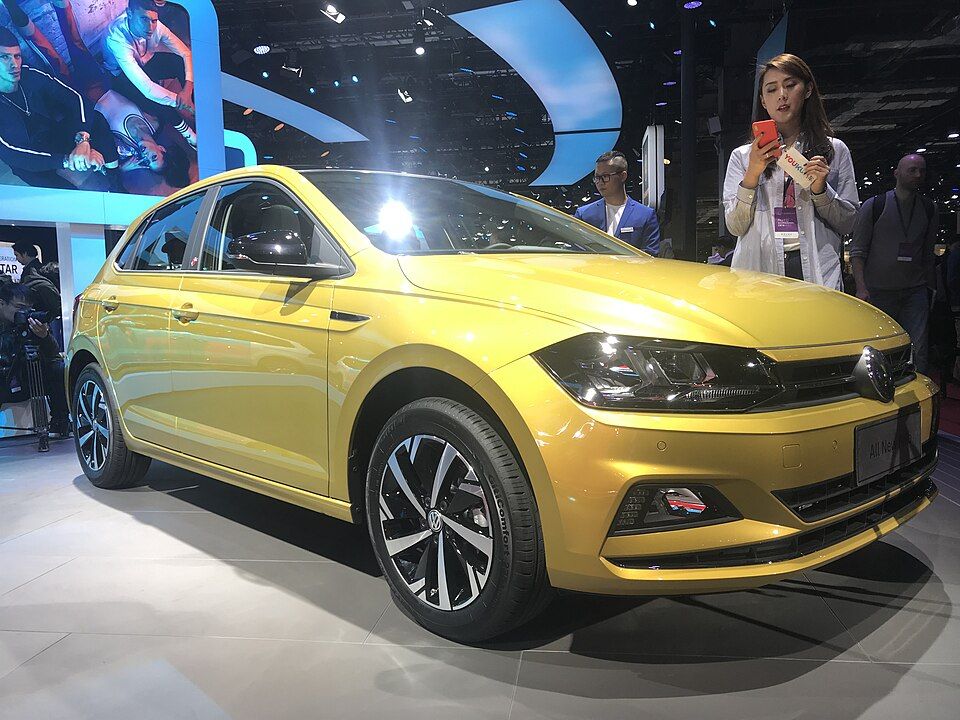
Photo: 2019 Volkswagen Polo by Jengtingchen, CC BY-SA 4.0, via Wikimedia Commons.
The Volkswagen Polo is the small car for buyers who want something that feels a little calmer and more grown-up. It’s still easy to park, but the cabin, ride and motorway manners feel closer to a larger family hatchback. A January 2026 What Car? guide found a 2019 automatic Polo at £9,995, which shows that early cars from the current shape can just fit the budget if mileage and trim line up. For photos, focus on the sixth-generation Polo launched in 2017, with most sub-£10,000 examples likely to come from 2018 or 2019. These cars have a wider, lower look than the older model and a much cleaner dashboard layout.
The Polo is a good match for someone who drives into Manchester during the week but still wants a car that feels settled on longer weekend trips. Rear-seat room is strong for a small hatchback, the boot is useful and the cabin blocks out road noise well. The catch is price. You may pay extra for the Volkswagen badge compared with a similar Skoda Fabia or SEAT Ibiza, so don’t accept a tired car just because the steering wheel has a familiar logo. A clean lower-trim Polo is a better buy than a neglected high-spec one. Small petrol engines suit most drivers. If you’re looking at an automatic, check that it pulls away smoothly from cold, reverses without shuddering and has the required gearbox service record. Look for even tyre wear and test every screen and switch. The Polo’s appeal is simple: it feels solid, sensible and easy to live with. Not exciting in a loud way. Just good at the jobs most people do every day.
4. Honda Jazz
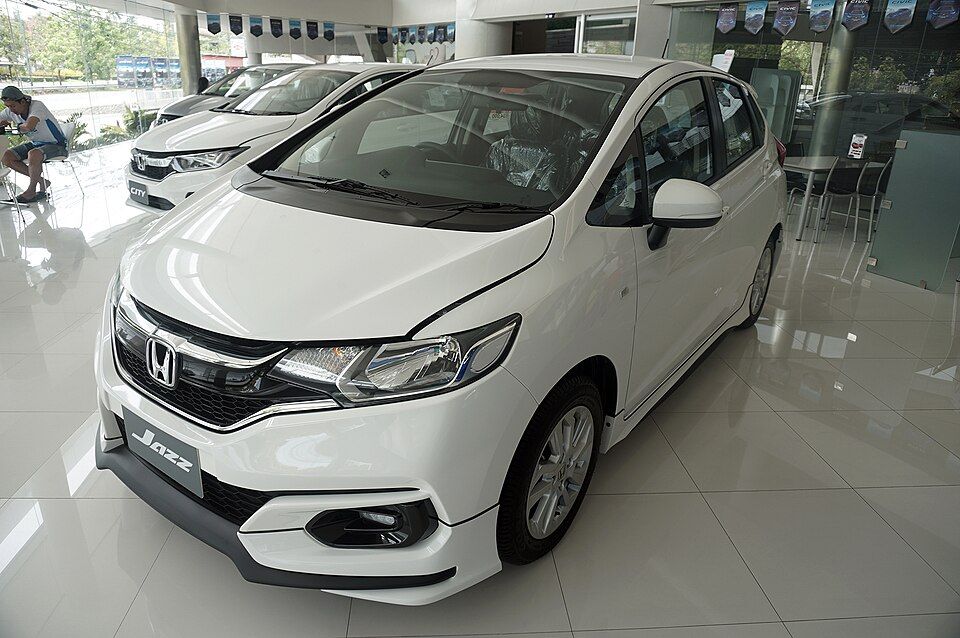
Photo: 2019 Honda Jazz by B20180, CC BY-SA 4.0, via Wikimedia Commons.
The Honda Jazz looks small, then you open the doors and wonder how Honda found all that room. This is the car for people who carry awkward stuff: a folded pushchair, a flat-pack shelf, sports kit, gardening supplies or a dog crate. The rear seat bases can lift upward, creating a tall space behind the front seats, while the normal folded layout gives you a broad load floor. Current 2026 price guidance places 2015 to 2020 cars around the £7,000 to £11,000 range, so 2016 to 2019 is the safer photo and shopping window for a £10,000 cap. Later cars may still fit if mileage is higher, but condition should lead the decision.
Around town, the Jazz is light, easy to see out of and simple to place in a parking bay. It’s not trying to feel sporty. The ride can be a little busy on broken roads, and wind noise is clearer at motorway speed than it is in a Polo. Yet the space and flexible seats make up for a lot. The 1.3 petrol engine is the common choice and suits mixed local driving. Manual cars are straightforward, while automatic versions can be very pleasant in traffic. With an automatic, ask whether the gearbox fluid was changed at the right intervals and check for smooth movement from a standstill. Test the air conditioning, inspect the boot floor for damp and make sure the folding seats work without sticking. A Jazz with a complete history can be a brilliant long-term household car, especially for someone who needs maximum usefulness without moving to a larger body shape. It’s the sort of car people buy for practical reasons, then keep because it quietly makes life easier.
5. Skoda Octavia
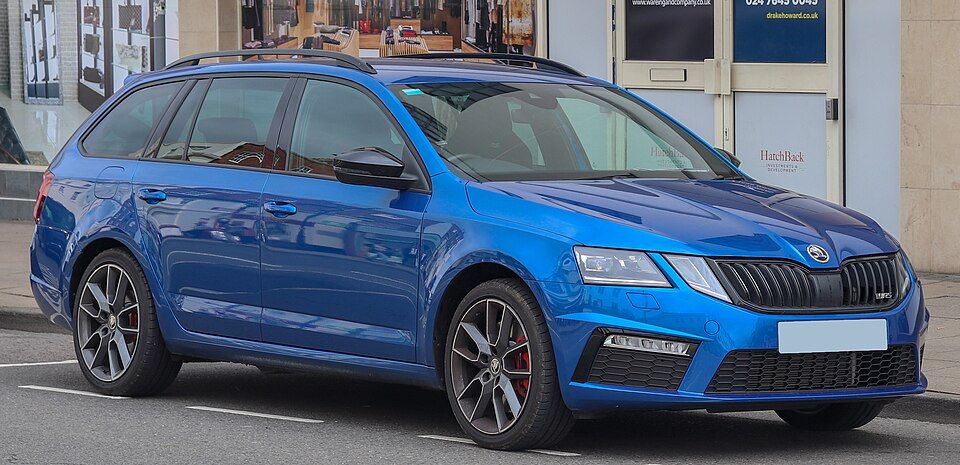
Photo: 2018 Skoda Octavia by Vauxford, CC BY-SA 4.0, via Wikimedia Commons.
Need space? The Skoda Octavia should be near the top of your list. It’s based on familiar Volkswagen Group parts, but gives you a much bigger boot and generous passenger room for the money. What Car? found a 2018 Octavia with 48,414 miles for £8,599 in its February 2026 family-car guide, so 2017 to 2019 models are realistic targets below £10,000. For image matching, look for the third-generation facelift, which arrived for 2017 and has split front headlights. Some people prefer the cleaner face of the earlier car, but the facelift years help you find a fresher example with useful cabin updates.
The Octavia works well for families, airport runs, motorway commuters and anyone who keeps finding that a normal hatchback boot isn’t quite enough. The liftback version already carries a huge amount, while the estate gives you even greater flexibility. Petrol models make sense for mixed local use. Diesel can suit drivers doing regular long-distance miles, but it needs the right kind of use and a clear service history. During the test drive, listen for suspension knocks, make sure the clutch takes up smoothly and check that the heating and screen controls work as expected. On automatic cars, service evidence matters. The interior may feel less fancy than an Audi A3, but that’s part of the appeal: you’re paying for space and usefulness rather than a premium badge. On a wet Manchester morning, with shopping, bags and passengers all loaded without a puzzle, that choice feels pretty smart. The Octavia isn’t trying to impress the neighbours. It’s trying to make every task easier, and most days that’s the better deal.
6. SEAT Leon
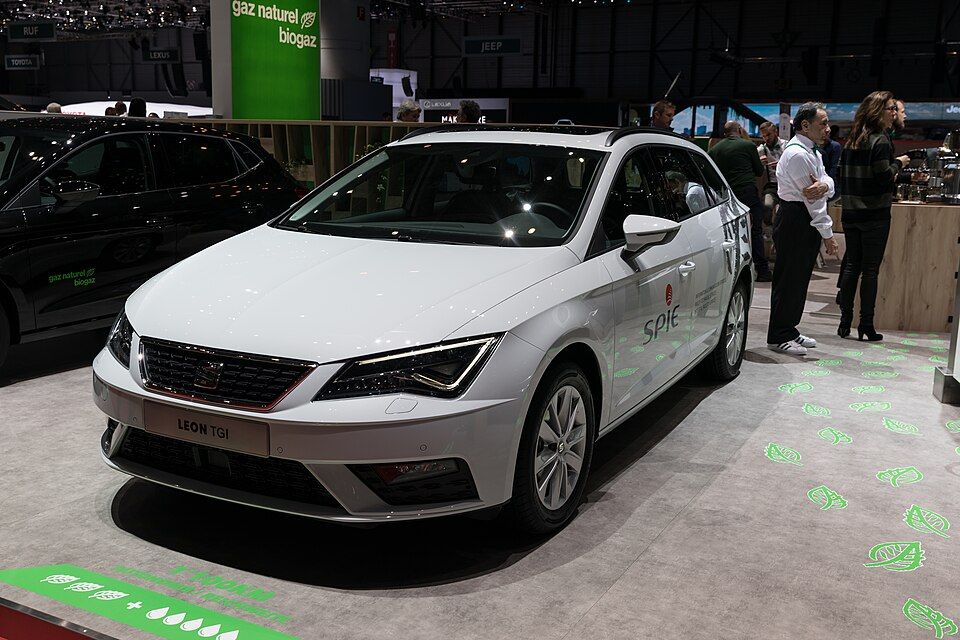
Photo: 2018 SEAT Leon by Matti Blume, CC BY-SA 4.0, via Wikimedia Commons.
The SEAT Leon is a strong choice for drivers who like the idea of a Volkswagen Golf but want to spend less. It shares many parts and engines with the Golf and Skoda Octavia, yet its styling feels sharper and its steering has a slightly more eager character. What Car? found a 2019 Leon with 57,880 miles for £8,999 in early 2026, while other market guides show older 2015 examples well below the limit. For easy photo matching, aim at facelift cars from 2017 to 2019. They have cleaner lights and updated cabin screens, but still belong to the third-generation model sold before the major 2020 change.
The Leon is roomy enough for a small family and compact enough for city parking. The boot won’t swallow as much as an Octavia’s, yet it handles a weekly shop, suitcases or a pushchair without drama. The ride can feel firmer on sporty versions, so don’t assume the biggest wheels are the best choice. On roads with patched surfaces and deep drains, smaller wheels can make the car more comfortable and tyres may cost less. Petrol engines suit shorter trips, while diesel versions make better sense for regular motorway mileage. Check the service history carefully, test the air conditioning and make sure the screen responds without freezing. An automatic should move away cleanly and have proof of its required servicing. The Leon’s cabin is sensible rather than plush, but the driving position is good and the controls are easy to reach. It’s a car that adds a little style and fun without giving up the practical stuff. For many buyers, that balance is exactly right.
7. Ford Focus
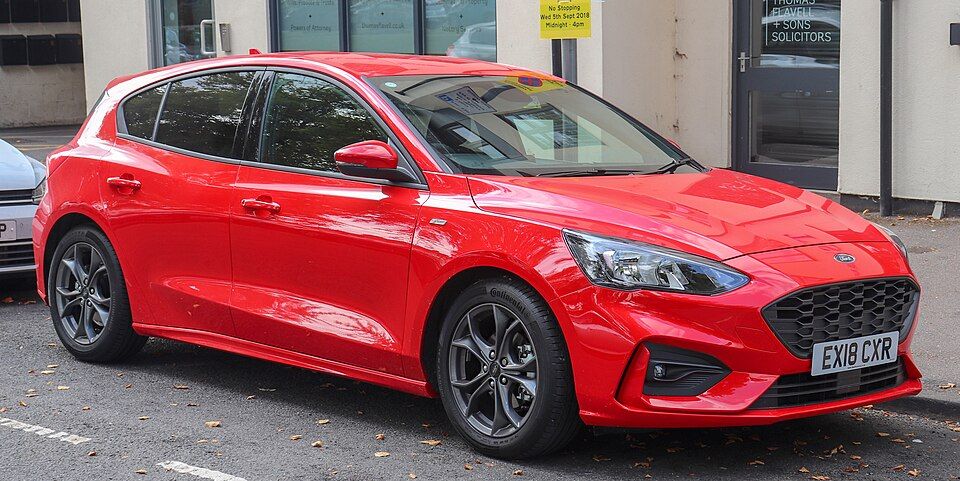
Photo: 2018 Ford Focus by Vauxford, CC BY-SA 4.0, via Wikimedia Commons.
The Ford Focus is the step up from a Fiesta. You get extra rear-seat room, a larger boot and a calmer feel at motorway speed, but the car still feels friendly and easy from behind the wheel. The fourth-generation Focus arrived in 2018, and current guides show 2018 to 2020 examples sitting around the top of a £10,000 budget. What Car? found a 2019 Titanium with 59,600 miles for £8,350, while a separate 2026 guide placed many 2018 to 2022 cars between roughly £8,000 and £11,000. For photos, the 2018 to 2020 shape is easy to spot by its wide grille, slim headlights and cleaner body lines than the previous model.
A Focus makes sense for someone who needs one car for school runs, commuting, shopping and longer family trips. It handles neatly, stays composed over rough surfaces and gives the driver a clear sense of where the car is on the road. Estate models are especially useful, though clean examples may sit close to the budget ceiling. As with the Fiesta, small turbo petrol engines need correct servicing, the right oil and a careful check of cooling history. Don’t skip that paperwork. Start the engine cold, listen for unusual noises and watch for smoke or warning messages. Test the clutch, brakes, screen, parking sensors and air conditioning. Some sporty trims look great in photos but ride more firmly and may cost extra to insure. A well-kept Titanium or Zetec can be the sweeter buy. The Focus is one of those cars that disappears into daily life in a good way. It’s comfortable, useful and still enjoyable on a quiet road outside town.
8. Dacia Duster
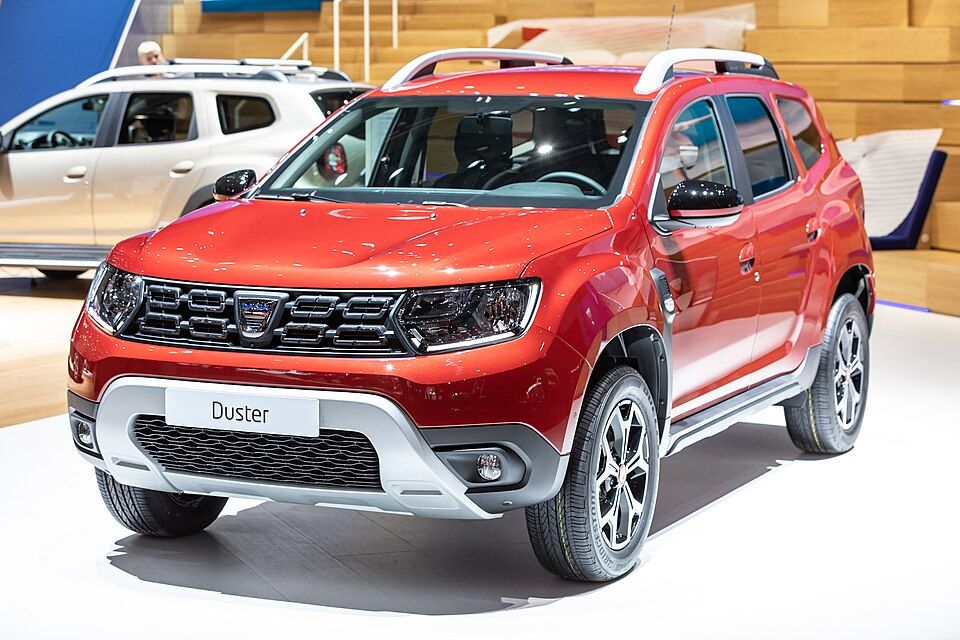
Photo: 2019 Dacia Duster II by Matti Blume, CC BY-SA 4.0, via Wikimedia Commons.
The Dacia Duster gives you a lot of car for the money. You get a higher seating position, a big boot, useful rear space and styling that looks ready for muddy boots and rainy weekends. What Car? found a 2022 Duster with 36,000 miles at £9,999 in its used sport utility vehicle guide, which makes it one of the newest cars on this list. For photo matching, focus on the second-generation Duster sold from 2018, with 2019 to 2022 examples giving you the best chance of staying inside budget while still looking current. The design changed again later, so keeping to this range will make image selection much easier.
The cabin is simple and some plastics feel cheap, but that can be a benefit in a family car. You won’t panic over every muddy shoe or shopping bag. Mid-level trims are usually the sensible place to look because the cheapest versions can miss useful items such as a better screen or air conditioning. Petrol models suit lower annual mileage and town use. Diesel may work for drivers covering regular long runs, but check its history and make sure the car hasn’t spent its life doing tiny trips. Some Dusters were sold with four-wheel drive, though most local buyers won’t need it and the extra hardware can add cost. Check the tyres, underside, clutch and suspension, especially if the car looks as though it has spent time on rough tracks. The Duster isn’t polished like a Volkswagen T-Roc, but it delivers space, age and usefulness at a price rivals struggle to match. For families who care about what a car can carry rather than how soft the dashboard feels, it’s a very honest choice.
9. Nissan Qashqai
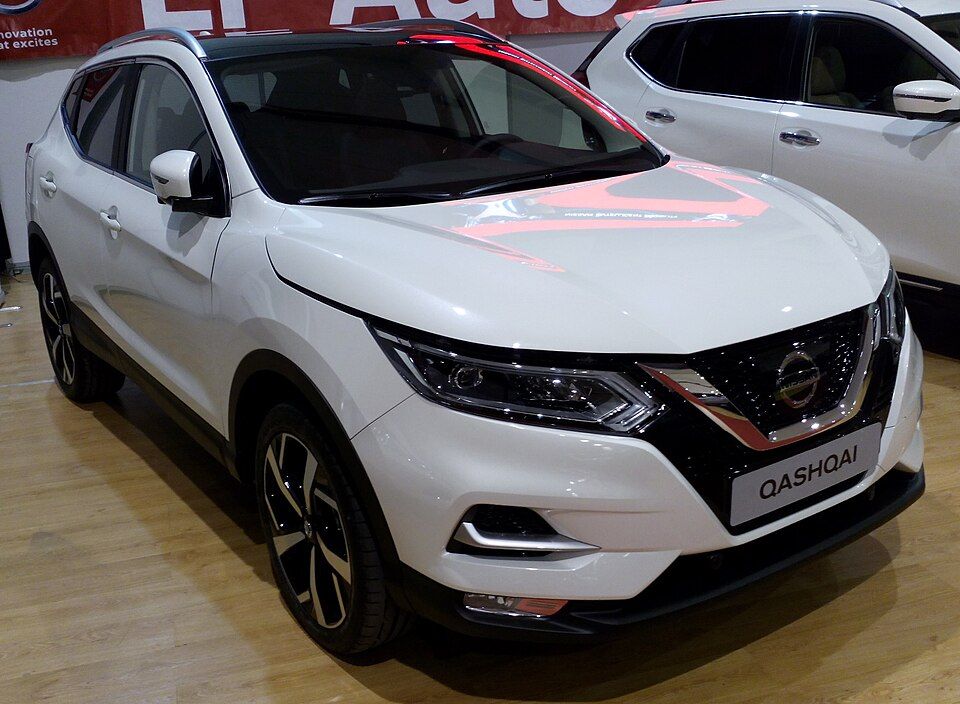
Photo: 2018 Nissan Qashqai by KGC626, CC BY-SA 4.0, via Wikimedia Commons.
The Nissan Qashqai is everywhere for a reason. It gives families the raised seating position they like without feeling huge in a city car park. The second-generation model sold from 2014 is the version you’ll see most under £10,000, and the facelift from 2017 looks fresher inside and out. What Car? found a 2020 Qashqai with 55,000 miles for £9,700 in its October 2025 guide, so 2017 to 2020 is the strongest range for matching photos and searching in 2026. Earlier cars can cost less, but the facelift models have a neater front end and updated cabin details.
Inside, there’s good space for four adults, lots of storage and a boot that can handle normal family life. The driving position is easy to settle into, and the car feels relaxed rather than sporty. Rear visibility isn’t brilliant on every version, so parking sensors or a camera are useful. Reliability results have been mixed across the model’s life, which makes history and condition especially important. Don’t buy on appearance alone. Check that the engine starts cleanly from cold, the clutch feels smooth, the suspension stays quiet and every warning light goes out. Make sure the screen, camera and sensors all work. For petrol cars, ask about oil use and service intervals. For diesel cars, look for evidence of regular longer runs and correct maintenance. A good Qashqai can be a comfortable, practical family car for Manchester roads, but a neglected one may become expensive. Take your time, compare several cars and choose the example with the clearest paperwork, even if another one has nicer wheels.
10. Renault Zoe
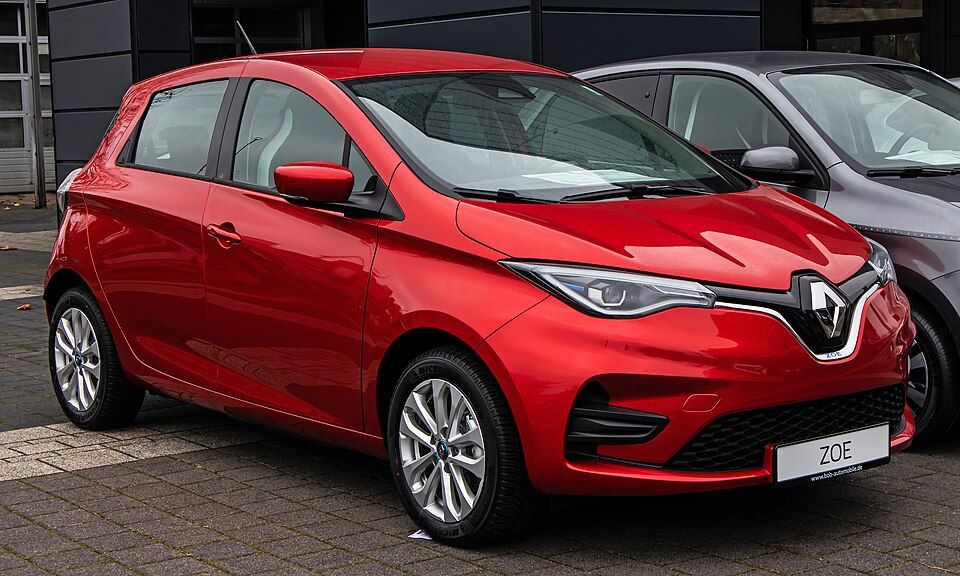
Photo: 2020 Renault Zoe by © M 93 / Wikimedia Commons.
The Renault Zoe is the wildcard here, and it could be a brilliant pick for the right driver. Used electric cars have dropped into the sub-£10,000 market, and 2019 to 2021 Zoe models can offer a quiet, easy drive for local commuting. A 2026 market guide places 2019 to 2023 examples around £7,000 to £11,000, so the earlier years give you the best chance of staying below budget. For photos, look for the second-generation Zoe introduced in 2019. It has a cleaner front, a better-finished cabin and a larger battery than many earlier versions. It also looks much newer than its price may suggest.
The Zoe works best for someone who can charge at home and knows their normal weekly mileage. It’s smooth in traffic, quick away from lights and easy to park. But you need to check a few things that don’t apply to a petrol car. Confirm whether the battery is owned with the car or tied to a separate lease, especially on older examples. Ask for a battery health report, check that the charging cable is included and test the charging port. Real driving range changes with weather, speed, heating use and battery condition, so don’t rely on the dashboard estimate alone. Think about your longest regular trip and leave a sensible margin. A Zoe can cut day-to-day energy costs for a local driver, but it won’t suit everyone. People without home charging, or those doing frequent long motorway trips, may find a petrol hybrid easier. Still, for a Stockport-to-Manchester commute and local errands, a well-checked Zoe can feel modern, calm and surprisingly affordable.
Which Used Car Under £10,000 Should You Buy?
Your best car depends on the week you actually live, not the week shown in a glossy advert. Choose the Fiesta if you want a small car that’s fun and easy. Pick the Yaris Hybrid for stop-start traffic and simple automatic driving. Go for the Polo if comfort and cabin quality matter most. The Jazz is the space trick, the Octavia is the load carrier and the Leon adds a sharper feel. A Focus suits a growing family, while the Duster and Qashqai give you the higher seating position many drivers prefer. The Zoe is the local electric option for someone with reliable charging at home.
Before paying a deposit, price the insurance using the exact registration number, check the inspection history and compare similar cars with similar mileage. Leave some money aside for servicing, tyres or a small repair after purchase. Spending the full £10,000 on the car and keeping nothing back can turn a good deal into a stressful month. At Dace Motor Company, buyers can compare a wide range of used cars in Stockport and Manchester, ask about finance through a soft search that the company says won’t affect a credit score, and review warranty cover before choosing. The goal isn’t to push you into the first car you see. It’s to help you find one that fits your driving, budget and daily routine.