


Why the Volkswagen Passat Became a Family Favourite Across Europe
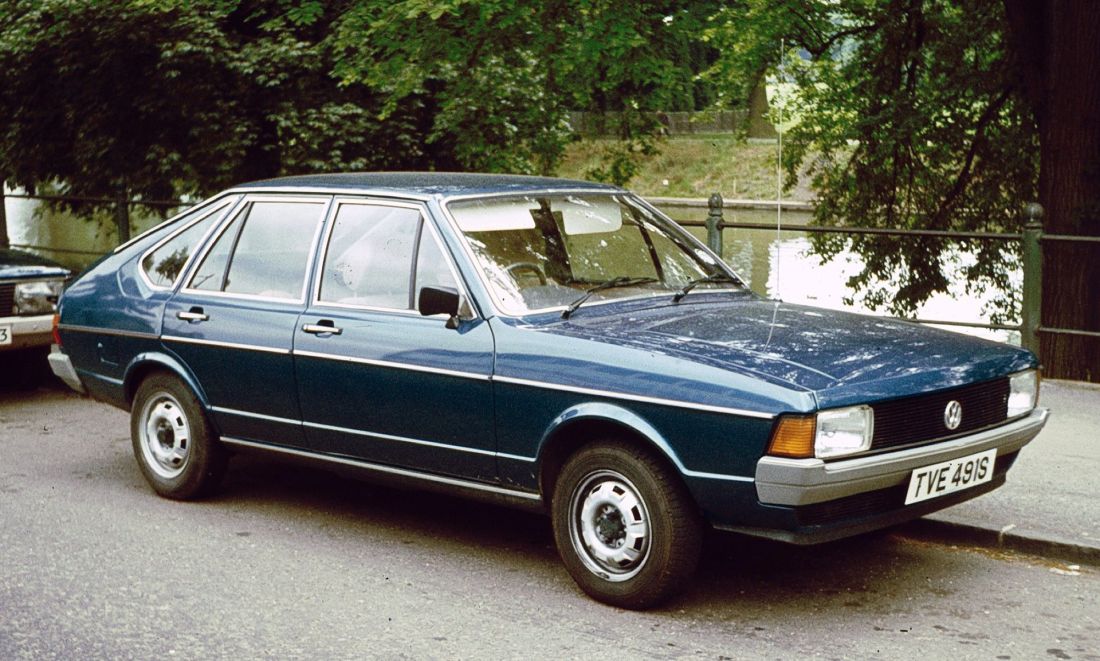
Photo: Volkswagen Passat B1 by Charles01, CC BY-SA 3.0, via Wikimedia Commons
At Dace Motor Company, we spend a lot of time talking about the cars people remember fondly, and the Volkswagen Passat comes up again and again. That says a lot. Some cars are loved because they look flashy. Some get attention because they are fast. The Passat took a different road. It became a favourite because it made everyday life feel easier, and families across Europe really noticed that. It first arrived in 1973, and even its name had a calm, practical feel, coming from the German word for trade winds. That already tells you something about the whole idea behind it.
This was never a car built for showing off outside the chippy on a Friday night. It was built to get people where they needed to go, with enough room, enough comfort, and enough common sense to fit real life. Over the years, Volkswagen turned the Passat into one of its biggest long-running success stories, with more than 34 million sold worldwide. That kind of number does not happen by luck. It happens because generation after generation gave people a car that felt sensible without feeling dull, roomy without feeling huge, and smart without looking like it was trying too hard. You know how it is. Family life can get messy. School bags end up on the floor, coats pile up on the back seat, a buggy has to go in the boot, then the weekly shop gets squeezed in too. The Passat suited that kind of life better than loads of rivals, and it did it in a way that felt quietly grown-up. For plenty of drivers around Manchester, Stockport, and far beyond, that mix hit the mark.
The shape of the car mattered, and the estate version sealed it
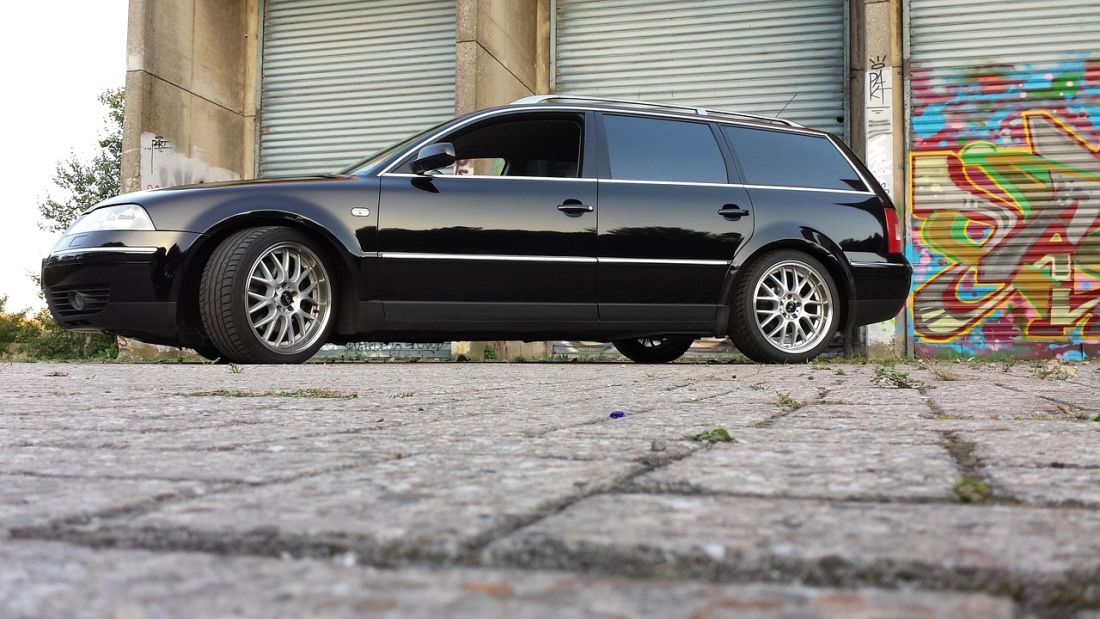
One big reason the Passat clicked with families across Europe was the shape. And, to be honest, this matters more than some people admit. A family car has to swallow the boring stuff. Pushchairs. Sports kits. Holiday bags. Flat-pack furniture. The dog. A scooter that your child swore they would use every single day, then forgot about after a week. The Passat, especially in estate form, the longer version with the bigger boot, gave people that extra room without the fuss of driving a van-sized thing around town. That is a huge part of its appeal.
In Europe, the estate version grew into the star of the range, and Volkswagen has leaned into that so heavily that since 2022 the Passat has been sold here only as an estate. That sounds bold, but the numbers back it up. Volkswagen says the Passat Variant topped the mid-sized class in Germany in 2023 with 45,494 new registrations, which tells you this body style still makes sense to lots of real households. And the latest car keeps pushing the same idea. It brings 690 litres of boot space with the rear seats up, and 1,920 litres with them folded, plus 50 mm more rear legroom than the model before it. Those are not tiny gains tucked away in a brochure. Those are the sort of changes you feel when you are loading suitcases for a run to the airport, packing for a weekend near the Peak District, or trying to get a pram, a football bag, and two backpacks in the car before the rain starts. Let’s face it, families do not fall in love with a car because of one dramatic feature. They fall for the way it deals with a hundred small jobs. The Passat got very good at that.
It was big enough for family life, but never felt like hard work
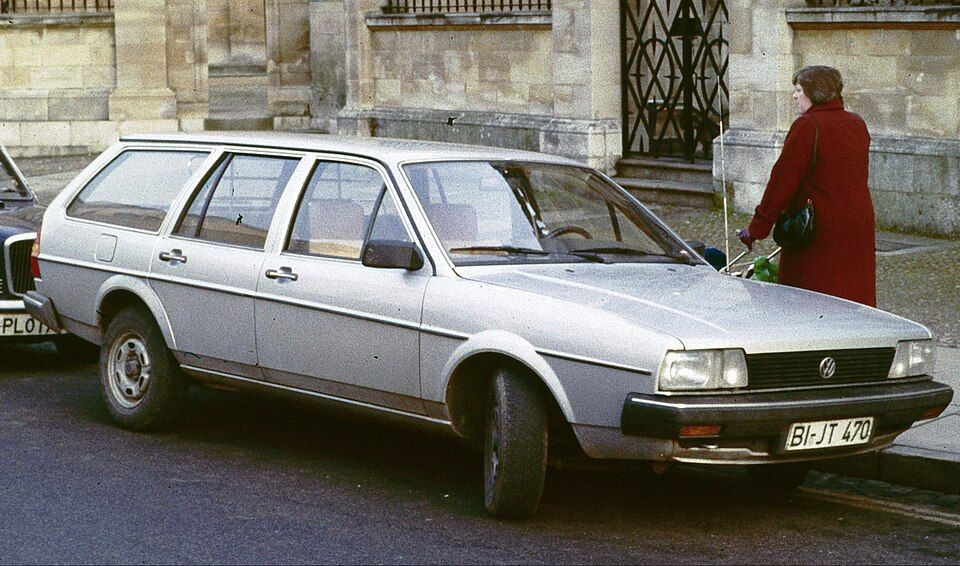
Photo: 1980 Volkswagen B2 Passat by Charles01, CC BY-SA 3.0, via Wikimedia Commons
There is another reason the Passat became such a fixture on roads all over Europe. It gave people space without asking them to put up with a clumsy, bulky car. That balance is harder to get right than it sounds. A lot of family cars swing too far one way or the other. Some are neat outside but tight once everyone climbs in. Others give you loads of room, then feel awkward in tight car parks, side streets, or old multi-storeys where every pillar seems to be in the wrong place. The Passat sat in the middle. It felt substantial, yet still easy to live with. And that made a real difference to parents who needed one car to cover everything, from weekday commuting to long motorway runs, to the school pick-up, to that last-minute dash for forgotten kit.
The newest Passat sticks with the same formula. Volkswagen says the wheelbase, which is the bit that helps create cabin room between the wheels, has grown by 50 mm, while the car also adds rear legroom and keeps a very slippery shape through the air. That cleaner shape helps with quietness and efficiency on longer drives, which is a big deal when you are on the M60, heading out past the Trafford Centre, or crawling through weekend traffic with tired kids in the back. Reviewers still point to the wide rear door openings, the useful rear storage, and the huge boot as part of the car’s family-friendly charm. That is really the Passat in a nutshell. It did not try to be clever for the sake of it. It just kept making the small, daily parts of driving feel less annoying. And that goes a long way in family life, because most people do not need a car to be exciting every second. They need it to be easy on a wet Tuesday and steady on a long Sunday drive home.
Families liked the calm, safe feeling it gave them
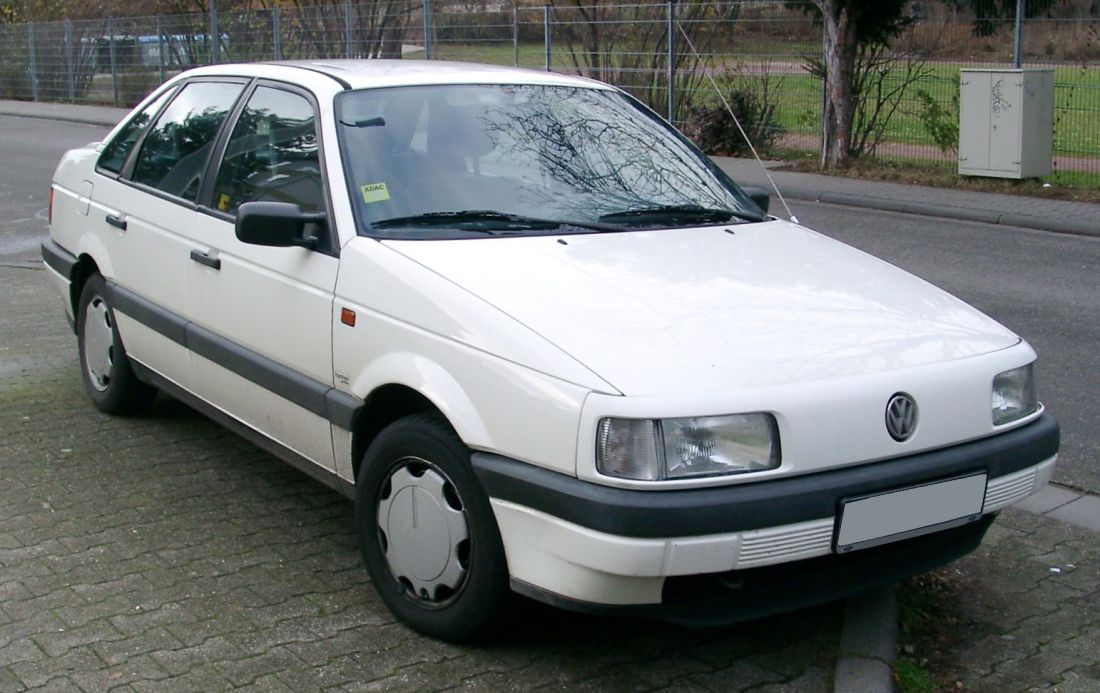
Photo: 1990 Volkswagen B3 by Rudolf Stricker, CC BY-SA 3.0, via Wikimedia Commons
A proper family favourite has to do one thing above everything else. It has to make people feel settled. That sounds simple, but it is a massive part of why the Passat stuck around in so many driveways for so long. Space is great, yes. A big boot is handy, no question. But parents are really buying peace of mind. They want a car that feels planted on the road, easy to place, and safe for the people sitting behind them. That is where the Passat built a strong name for itself. The newest version earned a five-star score from Europe’s independent safety testers in 2024, and Volkswagen says it was one of the best-rated mid-sized cars of that year.
The detailed test results show strong protection for adults and children, good protection in whiplash tests, and safety systems that work with pedestrians, cyclists, and motorcyclists too. There is even a system that can warn if a child may have been left in the car. None of that feels flashy, and maybe that is the point. Good family cars are not loved because they shout. They are loved because they quietly do the job people need. You’ve probably dealt with this before. A car can have a smart screen, fancy lights, nice alloys, whatever you like, but if it does not feel reassuring in bad weather, on dark roads, or during a full car park scramble before school, people will move on. The Passat kept giving buyers that calmer feeling. It also kept building on it. Volkswagen notes that the Passat has now picked up the top score from the same European safety programme in 2010, 2014, and again in 2024. That kind of consistency matters in family buying, because trust builds slowly. Then it sticks. And once a model becomes the car people think of as safe, roomy, and easy to live with, it becomes very hard to knock off its perch.
It could handle family duty and grown-up work life at the same time
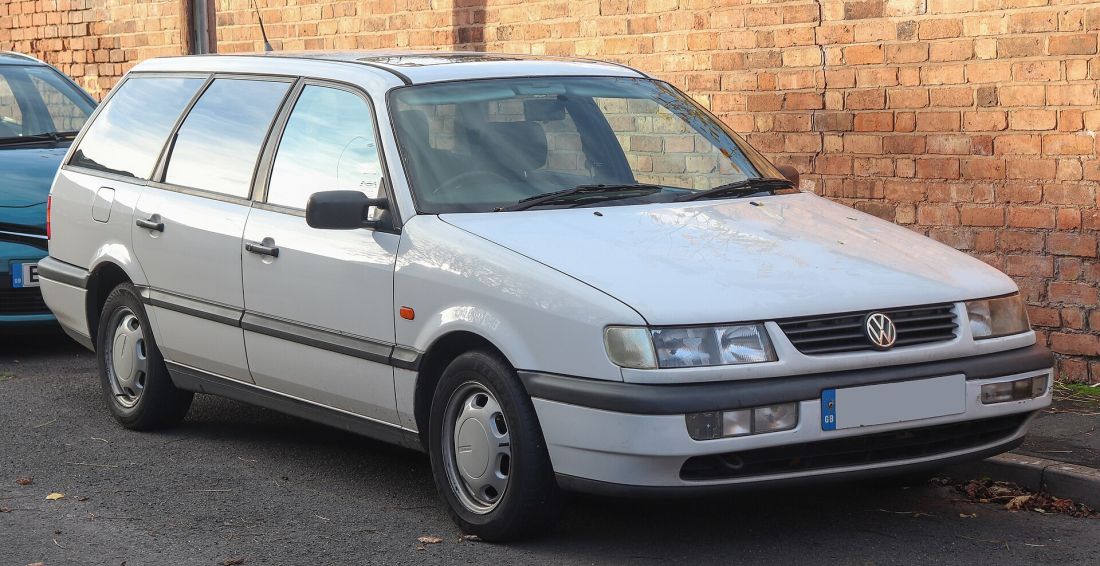
Photo: 1995 Volkswagen Passat B4 by Vauxford, CC BY-SA 4.0, via Wikimedia Commons
Here is something people do not always say out loud, but it matters. A lot of mums and dads did not want a family car that screamed family car. They wanted something practical, yes, but they also wanted something that looked tidy outside the office, on a client visit, or parked outside a restaurant without feeling like a giant toy box on wheels. The Passat nailed that mood. Volkswagen itself describes the latest estate as two cars in one, a business class car and a family all-rounder, and that sums it up well. It had the sort of clean, restrained style that let it move between different parts of life without feeling out of place. Monday morning, it could carry a laptop bag and look smart in the work car park.
Saturday morning, it could take a child seat, a buggy, a football kit, and a boot full of shopping without a fuss. That crossover helped it become a default choice for thousands of households across Europe, because many homes do not want two cars with two totally different jobs. They want one good one. Reviews of used and newer Passats keep coming back to the same themes: classy cabin feel, lots of room, comfort over long distances, and a sense that the car has been built for people who spend serious time behind the wheel. Even the latest range keeps that grown-up practicality going with options like massage seats, large displays, and battery-assisted versions that can cover shorter daily runs using battery alone before switching to petrol for longer trips. Volkswagen UK says the latest battery model can do up to 77 miles using battery alone in official testing, which helps explain why the Passat still feels current instead of stuck in the past. It has changed with family life as family life changed. That is a big reason why it stayed loved for so long. It never forgot its main job, but it kept learning new tricks.
It makes a lot of sense for drivers around Manchester and Stockport
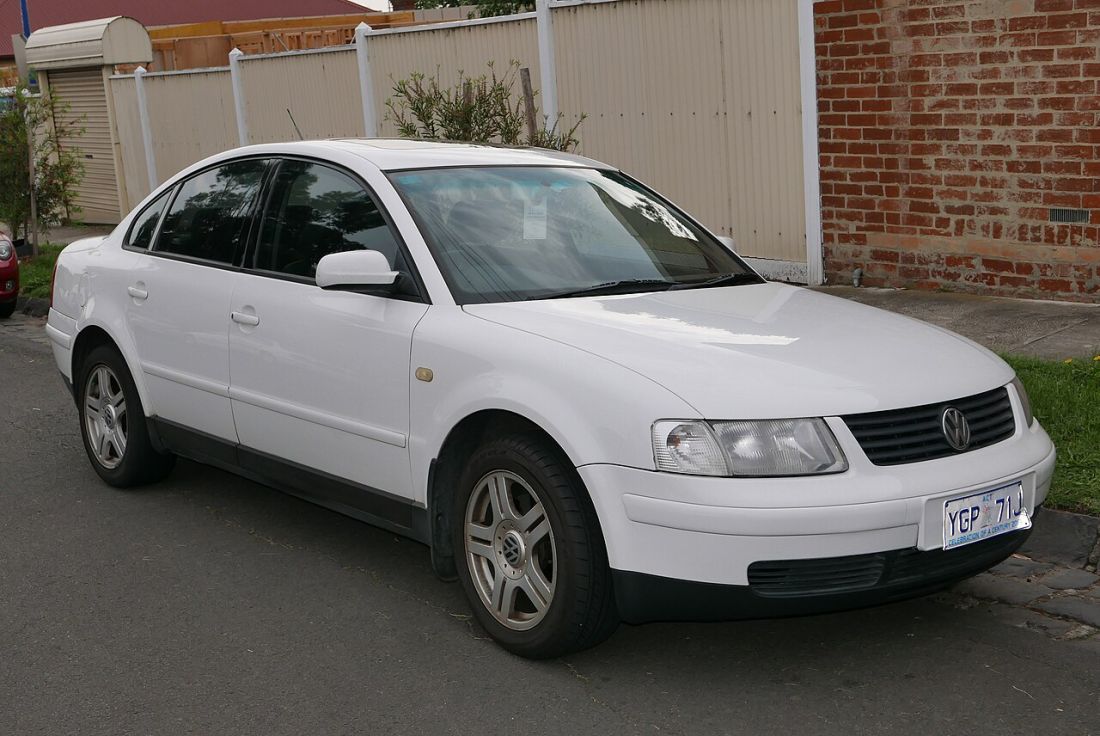
Photo: 1999 Volkswagen Passat B5 by OSX, Public domain, via Wikimedia Commons.
You can talk about Europe in broad strokes, but the Passat’s appeal makes even more sense when you bring it closer to home. Around Manchester and Stockport, drivers need a car that can cope with all sorts. Stop-start traffic. Narrower side streets. Rain, then more rain. Busy retail parks. School runs. Trips over to see family. A drive into town one day, then a run out to Lyme Park, the Trafford Centre, or the airport the next. This is where the Passat’s whole personality feels easy to get. It has space for the hectic bits of family life, yet it is still a car people feel comfortable using every day. It is not some giant machine that makes every car park feel like a test. It is not so tiny that you have to play luggage Tetris every time you go away for a couple of nights. It just sits in that useful middle ground that so many households need. And because the Passat has been around for decades, there is also a familiarity to it that people like.
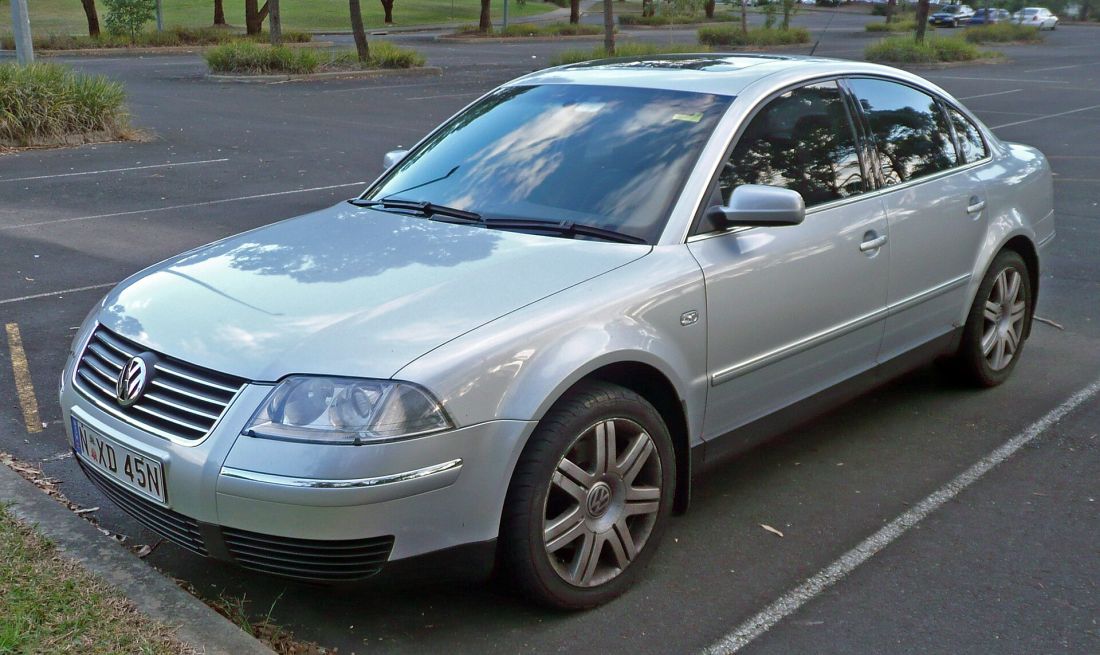
Photo: 2003 Volkswagen Passat B5 by OSX, Public domain, via Wikimedia Commons.
Parents remember them. Grandparents remember them. Plenty of buyers have sat in one as a child, then ended up owning one years later because they know what the car stands for. At Dace Motor Company, that sort of thing matters because used car buyers are not choosing with a blank sheet of paper. They are bringing memories, habits, and little bits of trust with them.
The Passat has earned plenty of that trust across Europe, and it still feels relevant here because our roads and routines reward comfort, space, and low-stress driving. You do not need a wild story to explain why that works. You just need to picture a normal family week in Greater Manchester. The school bag is in the footwell. The shopping is in the boot. Someone has left a coat on the rear seat. There is a match to get to, or a family meal, or a station run. The Passat fits into that scene very naturally.
Why people still go looking for one
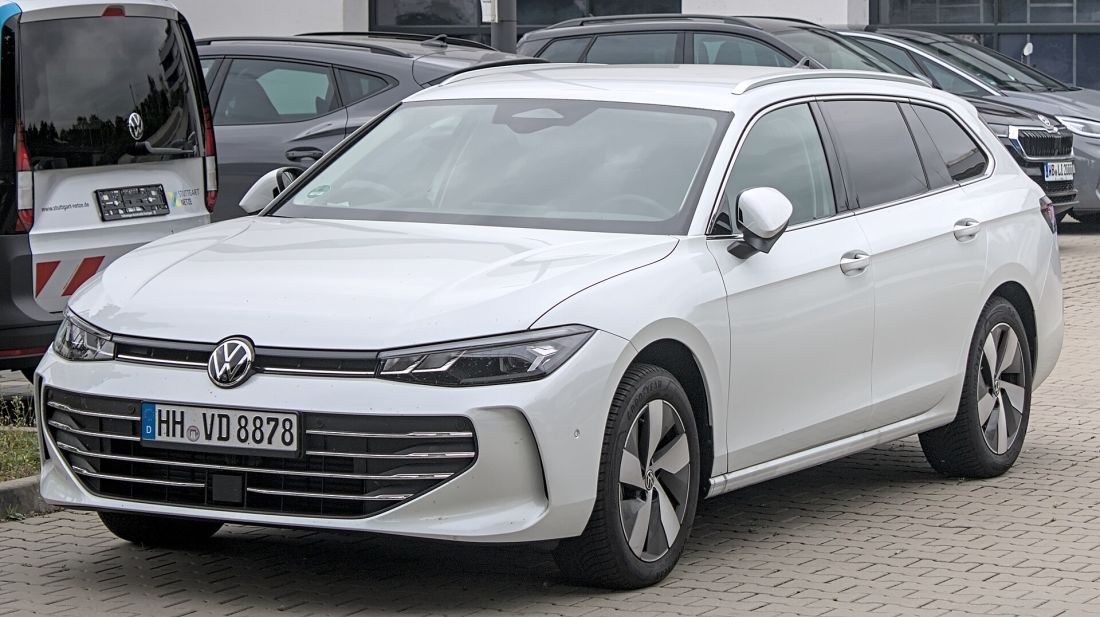
Photo: 2023 Volkswagen Passat B9 by Alexander-93, CC BY-SA 4.0, via Wikimedia Commons
The funny thing about family favourites is this: they do not always make the loudest first impression. They just keep making sense, year after year, until one day you realise they have become part of the background of everyday life. That is the Volkswagen Passat all over. It started in 1973 as Volkswagen’s first modern-era car, then built a reputation through steady improvements, smart packaging, and a kind of calm confidence that appealed to families across Europe. The newest model still leans into the same recipe, with estate-only sales in Europe, a huge boot, extra rear space, fresh battery-assisted options, and a five-star safety result. So while the shape and the tech have moved on, the core idea has stayed very familiar. Give people room.
Give them comfort. Give them a car that can handle school runs, work miles, holiday bags, rainy motorways, and the little bits of chaos that come with family life. Do that for long enough, and people remember. That is why the Passat became such a favourite, and it is also why used examples still get plenty of attention now. They speak to buyers who want something sensible without it feeling dull, polished without being showy, and practical without turning every drive into hard work. In a place like Stockport or Manchester, where one car may have to do almost everything, that still counts for a lot. And maybe that is the real reason the Passat lasted. It never chased fads. It just kept being useful in a way people could feel every single week. Sometimes that is what wins. Quietly. Reliably in the everyday sense of the word, not the slogan sense. Just a car that understood family life better than most, and kept proving it again and again.