


Why the Toyota Supra Became a Legend Among Car Enthusiasts
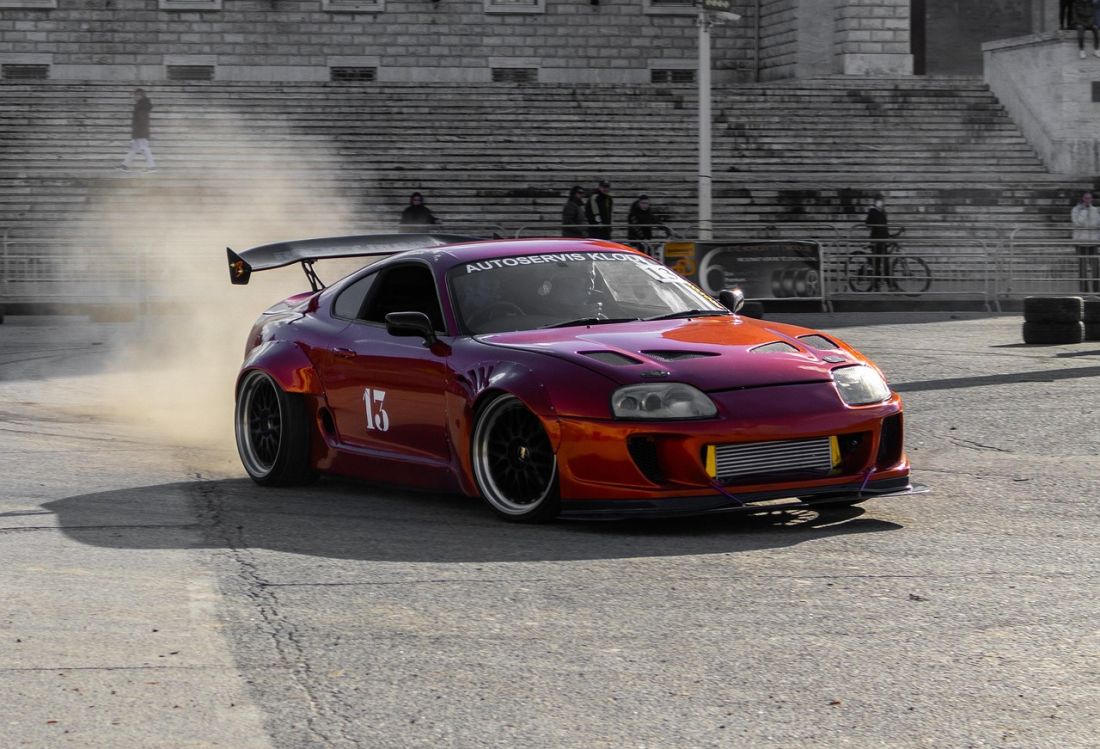
You know how some cars just stick around in people’s heads, like a catchphrase or a tune you can’t shake? The Toyota Supra is one of those. Even if you’re 12 and just starting to notice cars, chances are you’ve already heard someone say, “That’s a Supra,” with a proper grin on their face. And no, it’s not just because it looks cool parked up outside a takeaway on Wilmslow Road or cruising past Old Trafford on a sunny afternoon. The Supra earned its reputation over time. Long nights. Loud engines. Frozen fingers tweaking engines in cold garages. It didn’t show up and demand respect straight away. It grew into it. Toyota first brought the Supra out back in the late Seventies. At first, it was just a bigger, sportier version of another Toyota. Nothing wild. But then came the later versions, especially the one from the Nineties, and that’s where everything changed.
That car, known by fans as the Mark Four, landed right in the middle of a car-loving boom. People wanted speed, noise, and something they could mess with on weekends. And the Supra delivered. It had the kind of engine that could take a beating and still come back smiling. You could drive it during the week, then spend Saturday afternoon upgrading it with your mates, pizza box on the bonnet, radio blaring. Over time, stories spread. Someone’s cousin made silly speed numbers. Someone else smoked a much more expensive car without even trying. Word travels fast, especially without social media back then. That buzz grew into legend. And once something becomes a legend, it’s hard to knock it off its perch. Around Manchester and Stockport, we still hear people chatting about Supras at petrol stations or car meets by the Trafford Centre. It’s one of those cars that pulls people together. Young, old, total beginners. Everyone’s got a take. That’s special.
The Engine That Made Grown Mechanics Smile Like Kids
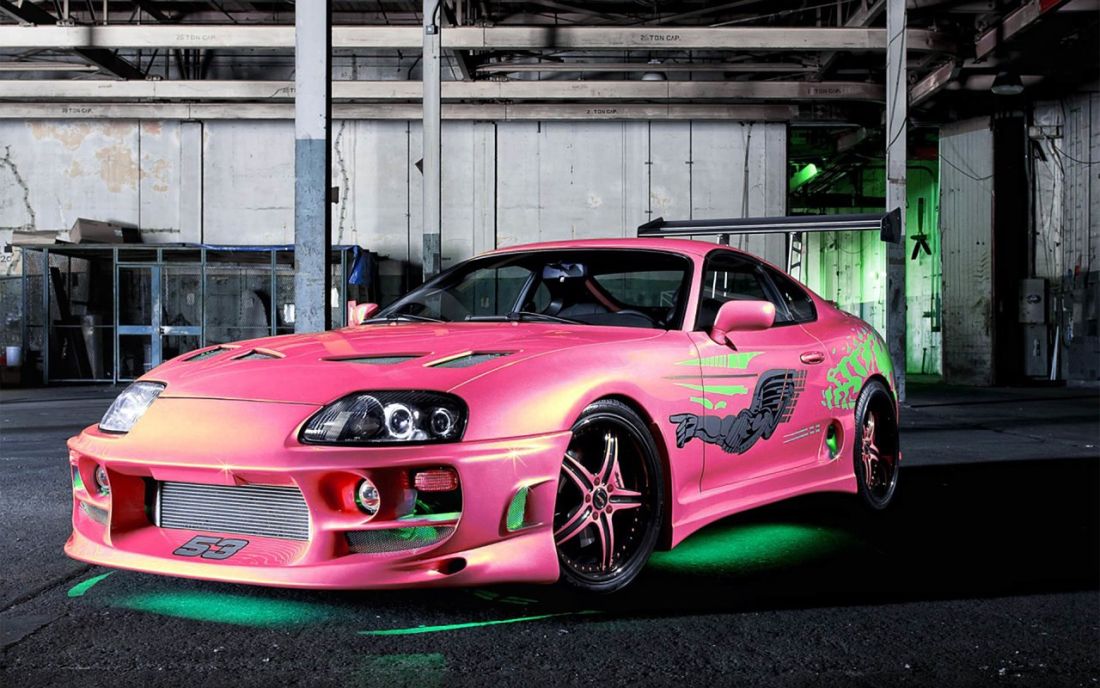
Let’s talk about why people really fell for the Supra, and it starts under the bonnet. The engine most fans rave about is called the two-JZ. Forget the name sounding like something off a spaceship. What matters is how it behaved. This engine was strong. Really strong. Toyota overbuilt it, using tough parts because they cared about reliability. At the time, no one guessed how big a deal that would become. Owners started pushing it harder. Then harder again. And it kept going. People added bigger parts, louder bits, shiny hoses, and the engine just shrugged and carried on. It became known as an engine that didn’t panic. That’s rare. Imagine a BMX that never snapped no matter how high you jumped it. Same idea. Tuning fans loved that. They could experiment without worrying the whole thing would fall apart. Stories spread fast. A Supra beating cars that cost double.
A Supra lasting years with barely a moan. Even mechanics who’d been fixing cars since before the M60 existed would nod in approval. And that nod means a lot. In areas like Stockport, where plenty of people learned car skills from parents or older siblings, having a motor that welcomed home tinkering mattered. You didn’t need to be a genius. You just needed patience and curiosity. That engine let people learn. It forgave mistakes. And that built loyalty. You still hear it now, people saying, “They don’t make them like that anymore.” There’s truth in that. Modern cars are clever, but they often feel locked tight. The Supra felt open. Friendly. Like it wanted you to get stuck in. That feeling stuck with people. Even now, when one drives past, heads turn. Not because it’s flashy, but because everyone knows what’s hiding underneath.
How Tuning Culture Turned the Supra Into a Weekend Ritual
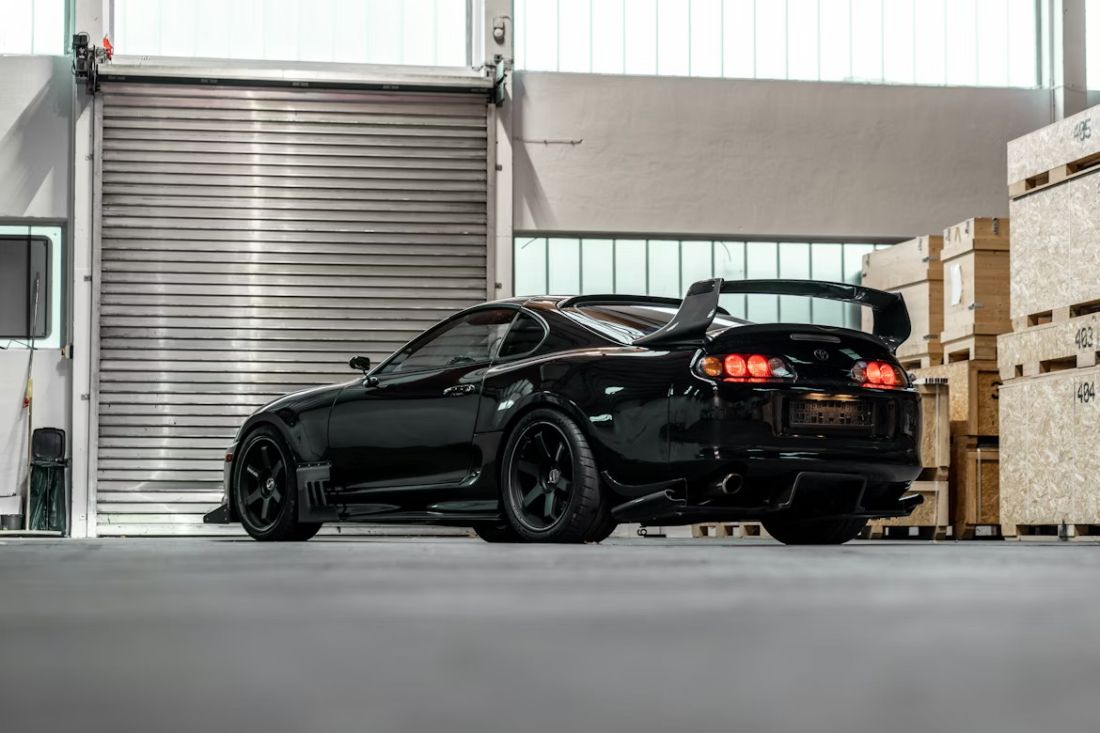
Back in the day, before everything lived on a phone screen, tuning culture was social. You didn’t just scroll. You met up. Car parks, lay-bys, quiet industrial estates after hours. The Supra fit right into that scene. It became a favourite because it offered balance. Fast enough to excite. Reliable enough to trust. And roomy enough to use every day. You could pop down to the shops, then spend the evening chatting about upgrades with your mates. Around Greater Manchester, you’d hear engines echoing under bridges, bouncing off brick walls near Ancoats or along the back roads near Marple. People shared tips the old way. Talking. Watching. Helping. The Supra thrived there. It wasn’t just a show car. It got used. That mattered. People saved up for parts, sometimes waiting months. When a new part finally went on, it was an event. Friends round, tea in hand, everyone crowding in. And if it worked, amazing. If not, you learned something. The Supra welcomed that approach. It didn’t feel fragile. And that’s how it became woven into tuning culture. It wasn’t about bragging. It was about building. Improving. Learning. Even now, younger fans who weren’t alive then still tap into that vibe. They watch old clips, read forums, talk to older owners. The car carries those stories with it. At Dace Motor Company, we see this kind of passion all the time. Someone pops in just to chat. No sales talk. Just memories. That tells you something. Cars that create community don’t fade quietly. The Supra didn’t chase trends. It became one.
The Movie Moment That Changed Everything Overnight
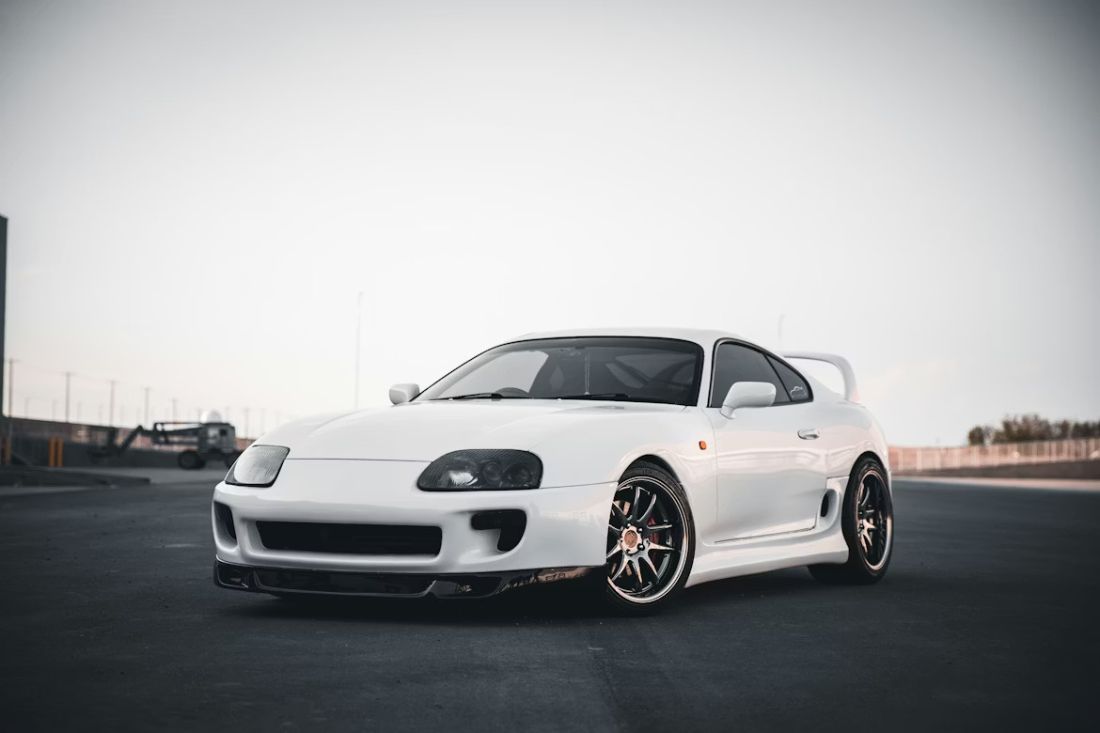
Let’s face it, movies can turn normal stuff into icons. Trainers. Sunglasses. Cars. And for the Toyota Supra, that big moment came at the start of the 2000s with a certain street racing film that loads of people still quote today. The bright orange Supra that appeared on screen changed public opinion fast. Overnight, people who’d never cared about tuning suddenly knew the name. Kids wanted posters. Adults wanted one in the garage. That film showed the Supra as fast, brave, and just a bit cheeky. It helped, sure. But the movie worked because the car was ready for it. You can’t fake that kind of reputation. Around Manchester, cinemas were packed on release nights. Afterward, people spilled out buzzing, talking cars all the way back to the car park. And there it was. The Supra. Shiny. Loud. Impossible to ignore. It became a symbol. Not just of speed, but of friendship and late nights building stuff together. That image stuck. Even people who aren’t into cars know the orange Supra. Ask anyone waiting for a bus on Oxford Road. They’ll know it. The film didn’t create the legend, but it lit it up like fireworks over Heaton Park. And once that happened, there was no going back. Values climbed. Interest spiked. Owners held on tight. That one moment made the Supra global. But what kept it there was everything that came before.
Why the Supra Still Gets Love Decades Later
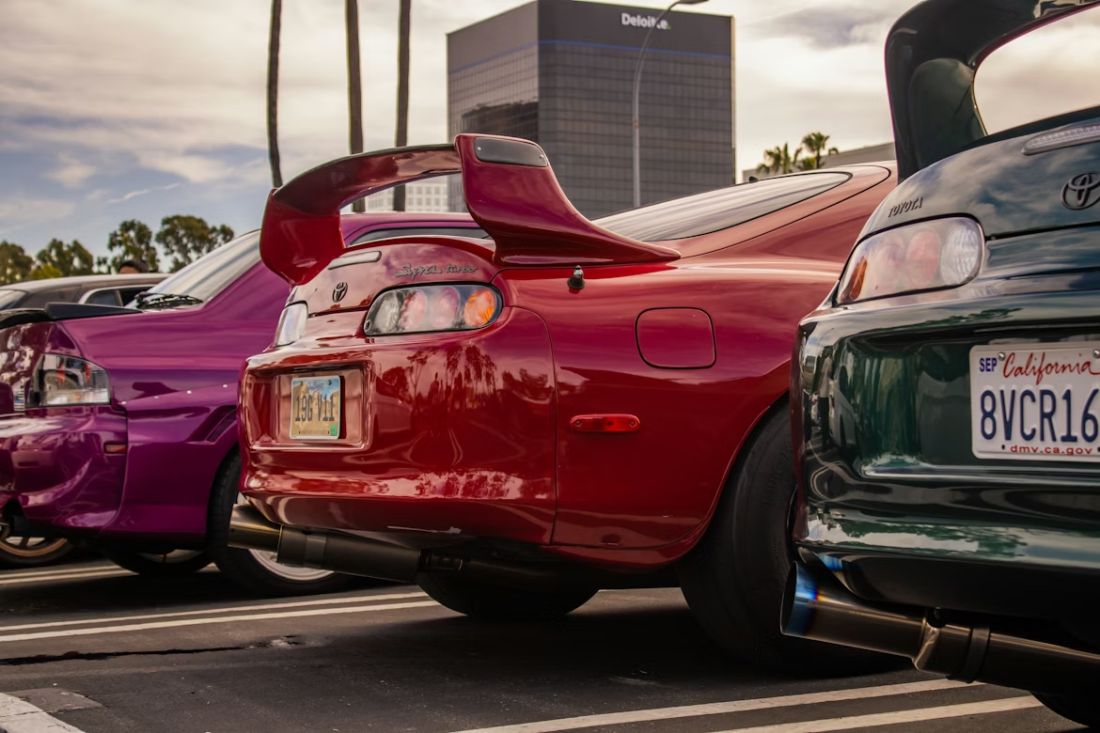
Time moves on. New cars arrive. Screens get bigger. Engines get quieter. Yet the Supra still gets talked about like it’s current. That’s rare. Part of it comes from scarcity. Toyota stopped making that version years ago. No fresh supply. Another part comes from feel. The Supra gives feedback. Sounds. Smells. Vibrations. Stuff you don’t always get now. Drivers around Stockport often mention that. It feels alive. And for people who grew up around cars, that matters. The Supra also doesn’t care who you are. Rich. Skint. Young. Old. If you love cars, you’re welcome. That open-door attitude keeps it going.
Even younger fans, maybe saving for their first hatchback, look at the Supra as something to aim for. A dream parked a few steps ahead. The stories help too. Passed down like folklore. “My mate had one.” “I saw one beat six cars back to back.” These bits grow over time. That’s how legends work. At Dace Motor Company, we notice that people shopping for used cars still bring it up. Even when they’re looking at something practical. The Supra gives context. It reminds people why they fell for cars in the first place.
How the Supra Fits Into Life Around Manchester and Stockport
Cars mean different things depending on where you live. Around here, they’re freedom. A way to get out of town, clear your head, head up toward the Peaks, windows down. The Supra fit that lifestyle nicely. Comfortable enough for longer drives. Exciting enough to make the journey fun. You can imagine one heading out early Sunday morning, roads quiet, mist hanging over the hills. That image sticks. Manchester has always had a strong car scene. Industrial roots. Hard workers. People who like building and fixing. The Supra speaks that language. It didn’t show off for no reason. It proved itself first. That earns respect here. Even now, seeing one parked outside a café in Stockport draws a crowd. Phones come out. Stories start. That’s how you know something’s special.
Why Legends Matter Even If You Never Own One
Most people will never own a Supra. And that’s fine. Legends aren’t about possession. They’re about inspiration. The Supra showed what could happen when good design met human curiosity. It gave people permission to learn, to try, to fail, and try again. That spills into everything. DIY. Music. Sport. Owning a car like that wasn’t the point. Being part of the culture was. Talking about it. Watching it. Dreaming a bit. That’s why it still gets love today. And that’s why we still enjoy chatting about it with customers. Because behind every legend, there’s people. And the Supra brought plenty together.