


Top 10 V8 Cars That Are Still Worth Buying in 2026
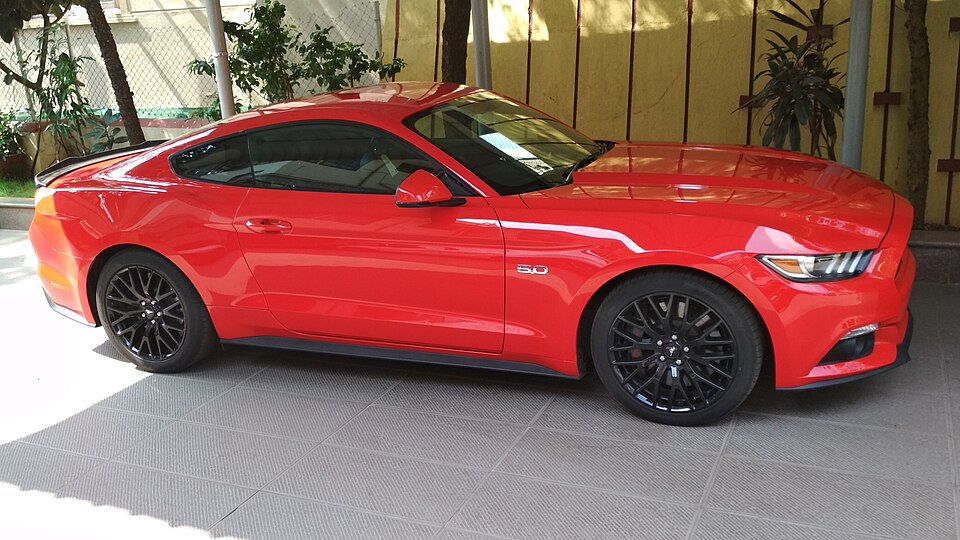
Photo: 2018 Ford Mustang GT 5.0 by Premkudva, CC BY-SA 4.0, via Wikimedia Commons.
A V8 car in 2026 is never the sensible answer in the same way a small hybrid hatchback is sensible. You’ll use more fuel, tyres can cost a fair bit, insurance needs checking before you fall in love, and a neglected example can empty your wallet at an impressive rate. Yet that’s only half the story. An eight-cylinder engine arranged in a V shape has a feel that smaller engines struggle to copy. There’s the deep start-up note, the easy shove at low speed and the way the car seems relaxed even when joining the M60 with a full cabin. For some drivers, that character is the whole reason to buy. At Dace Motor Company, we’ve put this list together for people around Manchester, Stockport and the wider North West who want something special without losing sight of normal life. These aren’t museum pieces that need perfect weather and a velvet rope. Each choice can handle real roads, wet mornings, supermarket runs and a weekend escape past Glossop, provided you buy the right example. The order is based on character, everyday usefulness, choice on the used market and how convincing the car still feels beside newer machines. We’ve avoided pretending that one badge is automatically better than another. A clean history, regular servicing and careful previous owners matter far more than shiny paint under showroom lights. Greater Manchester’s approved clean-air plan has no charging zone for local roads, so private drivers don’t face a city-region clean-air fee in 2026. Trips elsewhere still need checking, especially London, where petrol cars generally need to meet the Euro 4 emissions standard. Check the exact registration before travel rather than guessing from the year.
1. Ford Mustang GT, 2018 to 2023
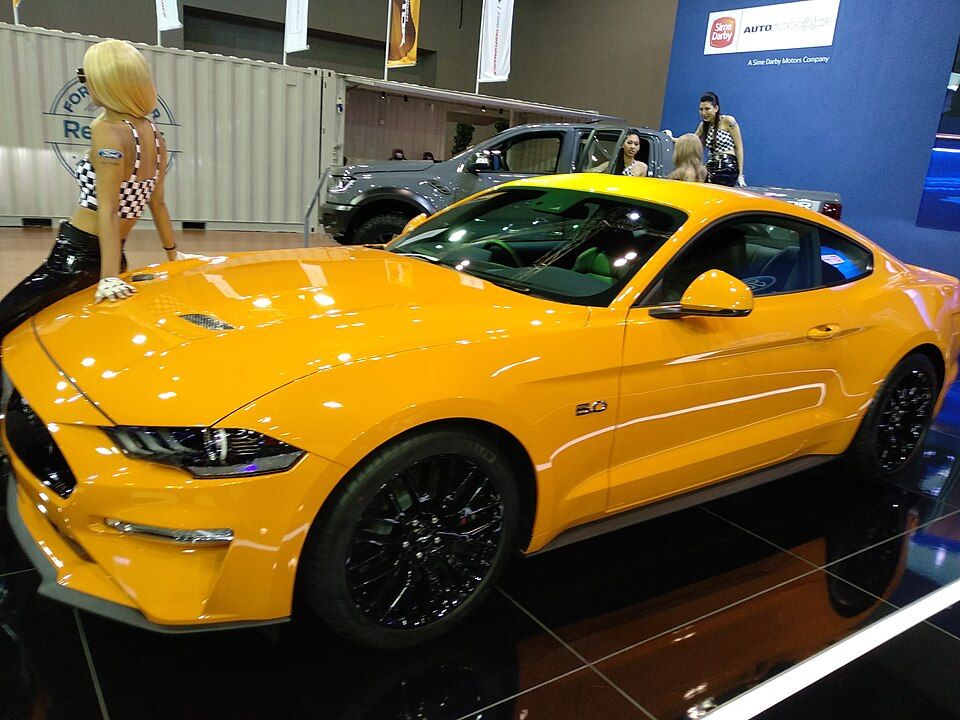
Photo: 2019 Ford Mustang GT by Wyteoh2000, CC BY-SA 4.0, via Wikimedia Commons.
The Ford Mustang GT earns first place because it gives you the classic V8 recipe without asking you to live like a racing driver. The 2018 update brought a 5.0-litre engine, a six-speed manual gearbox or a ten-speed automatic, and official acceleration from rest to 62 miles per hour in as little as 4.3 seconds with the automatic. That sounds wild, but the big surprise is how easy the Mustang can be at normal speeds. The cabin has space for two adults up front, the boot can take a weekend’s luggage, and the car settles down nicely on a motorway run. It also feels special at 30 miles per hour, which matters far more than a huge top-speed figure you’ll never use. Around Stockport, the Mustang’s width needs respect in tight car parks and older side streets.
On the open road, though, it feels less bulky than it looks. A manual car gives you more involvement, while the automatic suits daily traffic and long trips. Before buying, listen for rattles, check that every drive setting works, inspect all four tyres for even wear and look closely at the wheels for kerb damage. Modified exhausts and engine software are common on enthusiast cars, so ask what has changed and demand paperwork. A standard example with a clear service record is usually the calmer choice. Also check the annual roadworthiness-test history for repeated tyre, brake or suspension notes. The Mustang isn’t delicate, but parts such as large tyres and brakes aren’t priced like those on a small Ford. Let’s face it, that’s part of the deal. You’re buying a car that can turn a dull run past the Trafford Centre into an occasion, while still being usable enough for Monday morning.
2. Lexus LC 500, 2017 to 2025
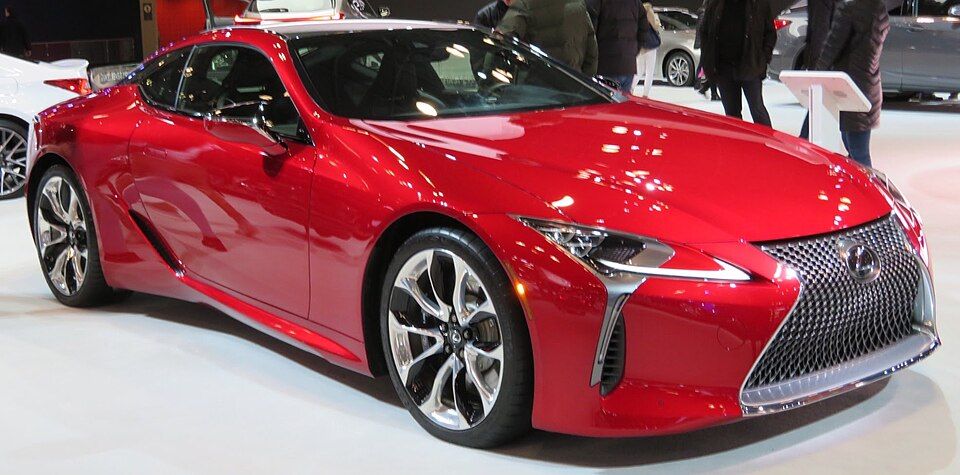
Photo: 2018 Lexus LC500 by Kevauto, CC BY-SA 4.0, via Wikimedia Commons.
The Lexus LC 500 is the choice for someone who wants a V8 coupe that feels expensive, unusual and calm rather than loud for the sake of it. Lexus sold the LC in the United Kingdom from 2017 to 2025, pairing its naturally breathing 5.0-litre V8, meaning no turbochargers are used, with a ten-speed automatic gearbox. Lexus stated that the 2020 version could reach 62 miles per hour in under 4.7 seconds. Yet the numbers aren’t the main attraction. The LC has the kind of cabin that makes a rainy evening on Deansgate feel a bit less grey, with low seating, dramatic shapes and a sense that someone cared about every switch. It’s a proper long-distance car too. The steering is calm, the ride is grown-up, and the engine sounds rich without making every trip feel like an audition.
There are catches. Rear seats are best treated as extra luggage space, the boot isn’t huge, and the car is wide. Check the front bumper, lower panels and large wheels for parking damage, because cosmetic repairs can be costly. Make sure the infotainment controls, seat motors, cameras and driver aids all behave as expected. A full Lexus service record is a big plus, but don’t stop there. Look for matching premium tyres, smooth gear changes and clean braking with no vibration. The LC’s appeal is also its rarity. You won’t see one at every set of lights, and its shape still looks fresh beside brand-new cars. It isn’t the cheapest route into eight cylinders, yet it can feel like far more car than its used price suggests. For buyers who value craft, comfort and a clean engine note above raw aggression, this is one of the strongest choices here.
3. Lexus GS F, 2015 to 2018
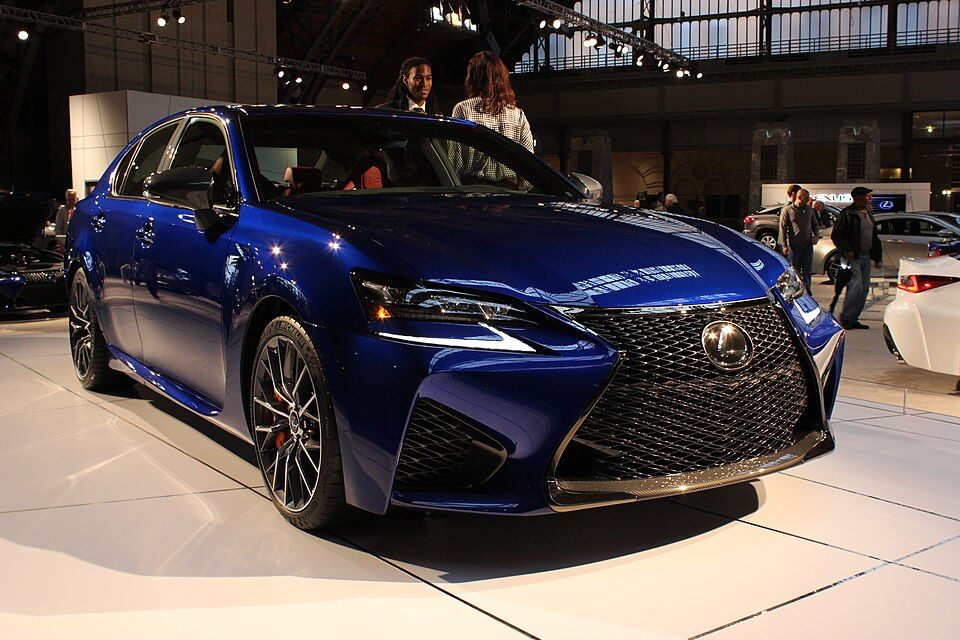
Photo: 2016 Lexus GS F by Jacob Frey 4A, CC BY 2.0, via Wikimedia Commons.
The Lexus GS F is for drivers who want their V8 hidden inside a sensible-looking four-door saloon. It was sold in the United Kingdom from 2015 to 2018 with a naturally breathing 5.0-litre engine and an eight-speed automatic gearbox. Lexus rated the production car at around 471 horses, but the way it delivers that output matters more than the number. The engine builds its voice as the revs rise, rather than giving one big shove and going quiet. At low speed, the GS F can be calm, comfortable and easy to place. Then the character changes when the road opens. That split personality makes it a fine one-car garage for someone who needs rear doors and a useful boot but doesn’t want another grey diesel saloon. The interior is less theatrical than the LC’s, though it’s well laid out and feels made for long ownership.
Some controls look older now, which may actually be a relief if you’re tired of touchscreens controlling everything. Check the bolsters on the front seats, the condition of the steering wheel and signs of hard use around the brakes and tyres. These cars attract keen drivers, so a careful inspection matters even if the mileage looks low. Look for a complete service record, clean fluid changes and no unexplained gaps. During a test drive, the gearbox should respond cleanly, the steering should track straight and the suspension shouldn’t knock over broken surfaces. The GS F’s low-key looks are part of its charm. Park it near Stockport Viaduct and most people will see a smart Lexus. You’ll know there’s a special engine waiting under the bonnet. That quiet confidence makes the GS F one of the smartest V8 buys for 2026, especially for someone who values long-term ownership above badge theatre.
4. Jaguar F-Type R or F-Type 75, 2020 to 2024
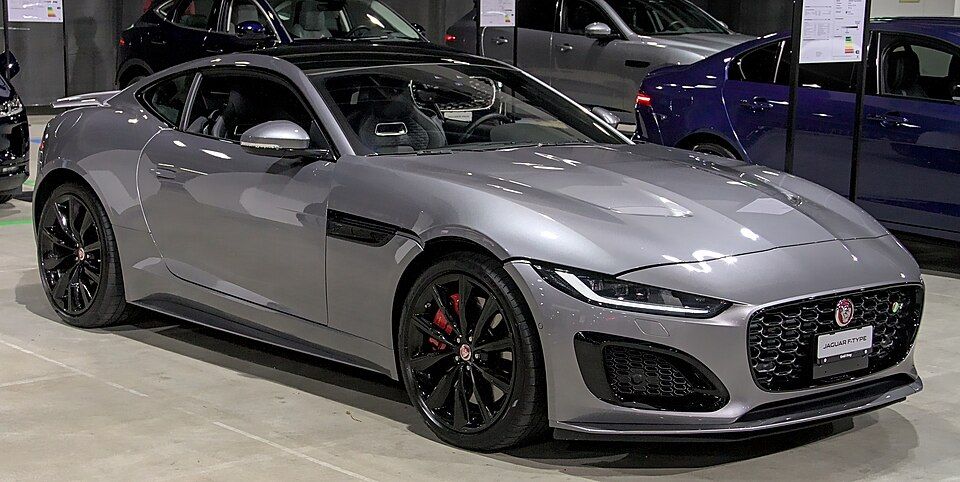
Photo: 2020 Jaguar F-Type 575 coupe by Alexander Migl, CC BY-SA 4.0, via Wikimedia Commons.
The Jaguar F-Type is the emotional pick, and we mean that in the best possible way. It looks dramatic parked outside a café, it feels low and focused from the driver’s seat, and the supercharged 5.0-litre V8 has a sound that can make a short trip feel memorable. Supercharged simply means the engine uses a belt-driven air pump to push in extra air, helping it respond quickly. In the final model-year range, Jaguar offered the F-Type 75 with around 450 horses and the F-Type R 75 with around 575 horses, while the R used four-wheel drive and could reach 60 miles per hour in 3.5 seconds. Those figures are serious, but this car’s real value is theatre. You don’t need to drive recklessly to enjoy the long bonnet, tight seating position and deep exhaust note. The coupe is the better all-round buy for many people because it has a more useful luggage area and less roof hardware to inspect.
The convertible brings summer appeal, though Manchester weather may test your optimism. Check the roof operation several times, look for water marks in the cabin and boot, and inspect door seals. On every version, make sure the exhaust valves work, warning lights stay off and the car tracks cleanly under braking. Uneven tyre wear can point to poor alignment or hard use. Listen for suspension noises on rough roads and ask for proof that servicing was done on time. Jaguar ended the F-Type’s run after the 2024 model year, which gives the final cars extra appeal, though older V8 versions can be tempting too. Buy on condition, not exhaust volume. A loud car with patchy paperwork is still a patchy car. A cared-for F-Type, on the other hand, is one of the few modern machines that can feel like a future classic without being awkward every day.
5. Mercedes-AMG C 63 S, 2015 to 2023
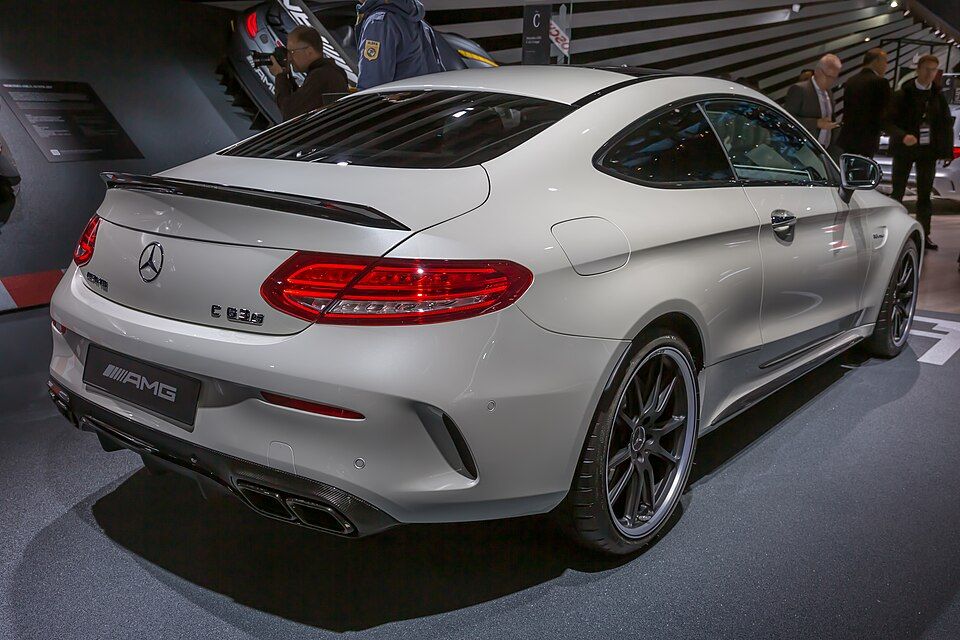
Photo: 2017 Mercedes-AMG C 63S Coupe by Matti Blume, CC BY-SA 4.0, via Wikimedia Commons.
The previous Mercedes-AMG C 63 S has become especially interesting because its replacement changed to a four-cylinder hybrid setup. The older car used a 4.0-litre V8 with two turbochargers, offered in saloon, estate, coupe and convertible forms. The S version was rated at around 510 horses and 700 newton metres, while the regular version had a little less. For a used buyer, body style matters as much as output. The estate is the sneaky hero because it can carry family gear, a dog crate or flat-pack furniture while still sounding like something from a pit lane. The coupe looks sharper, the saloon is easier to find, and the convertible is great on the rare day Greater Manchester gets proper sunshine. All versions can feel special, but they can also hide expensive wear. Check the tyres carefully, especially the inner edges. Look at the brake discs for heavy lips or cracks, listen for clunks from the suspension and make sure the gearbox changes smoothly when cold and warm.
The cabin should feel solid, so test every screen, switch, seat control and camera. Cars with lots of cosmetic add-ons or aggressive software changes deserve extra questions. Some upgrades are done well, others aren’t. Paperwork should explain who carried out the work and when. A standard car with regular servicing may be less exciting in an advert, yet it’s easier to judge. On the road, the C 63 S feels compact beside an M5 or RS 6, which helps in city traffic and narrow streets. It’s still rear-driven, so wet roads need a gentle right foot. Treat that as character, not an invitation to show off. For drivers who want an engine-rich C-Class before the model changed direction, this generation remains hugely appealing in 2026.
6. BMW M5, F90 generation, 2018 to 2023
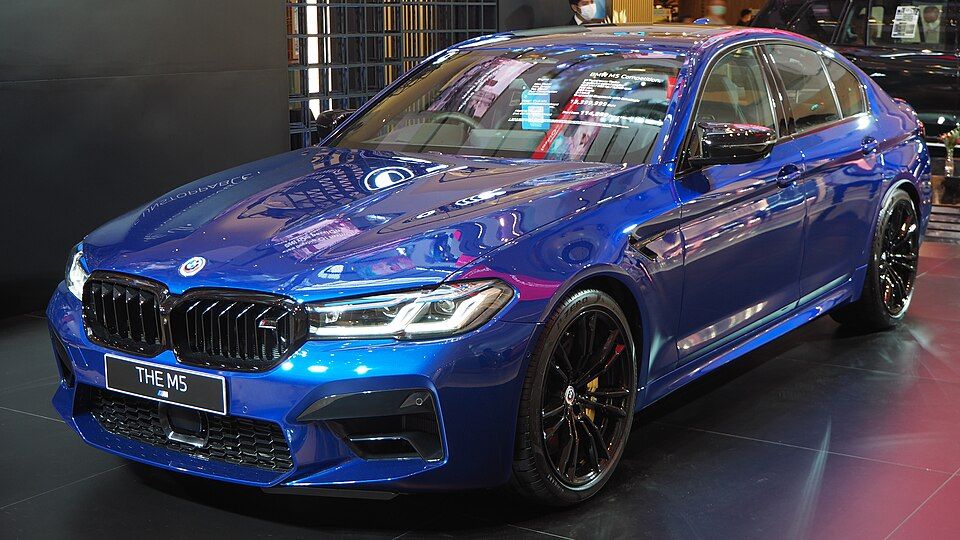
Photo: 2022 BMW M5 Competition by Chanokchon, CC BY-SA 4.0, via Wikimedia Commons.
The F90 BMW M5 may be the best answer for someone who needs one car to do nearly everything. BMW gave it a 4.4-litre V8 with two turbochargers, an eight-speed automatic gearbox and a four-wheel-drive system that helped it reach 62 miles per hour in 3.4 seconds. That pace is hard to grasp until you experience it, yet the M5’s best trick is how normal it can feel. It has four proper doors, a large boot, comfortable seats and a cabin that doesn’t demand a ten-minute lesson before you set off. You can drive to work, collect family from Manchester Airport and head north on the motorway without the car wearing you out. Then, on a quiet road in the right conditions, it feels alert and far smaller than it is. Buying one requires discipline.
Don’t let a low advertised price blind you to running costs. Get insurance quotes first, check tax for the exact registration and price up tyres and brakes. Look for a full service record with no long gaps, plus invoices rather than stamps alone. Test the car from cold if possible. Watch for warning messages, rough running, smoke, fluid smells or hesitation. The gearbox should shift cleanly in gentle driving, not just under full throttle. Check that cameras, parking sensors, seat functions and drive settings all work. Inspect wheels and front bodywork for signs of careless parking or road debris. The M5’s huge ability means some examples have lived hard lives, even if they look polished. A specialist inspection is money well spent on a car this complex. Find a clean one and you get a saloon that can cross Britain in comfort, carry a family and still feel extraordinary on every clear slip road. That’s why it sits so high on this list.
7. Audi RS 6 Avant, C7 generation, 2013 to 2018
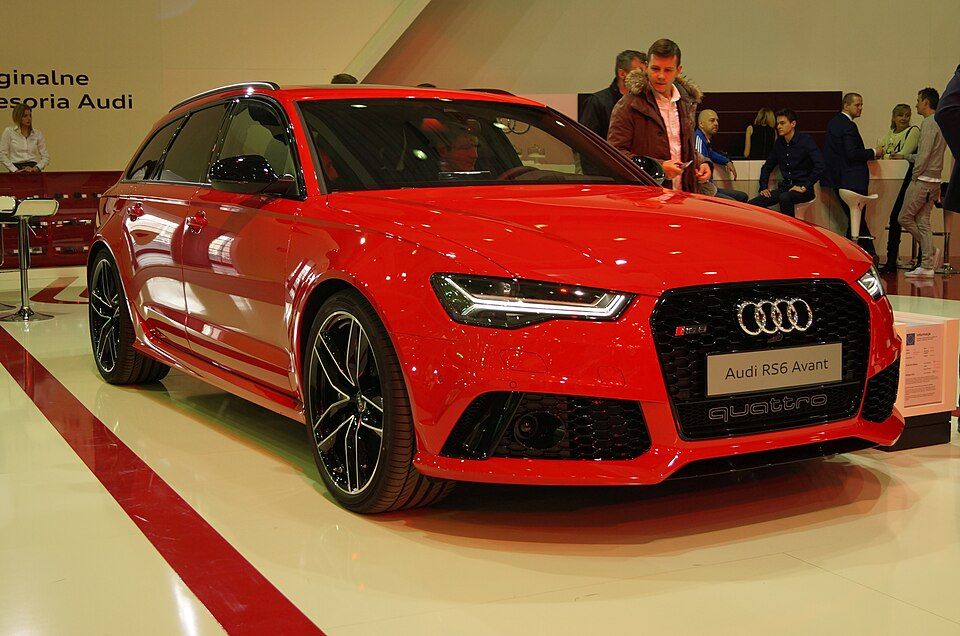
Photo: 2015 Audi RS6 Avant by Jakub "Flyz1" Maciejewski, CC BY-SA 3.0, via Wikimedia Commons.
The C7 Audi RS 6 Avant is the family estate that refuses to be boring. Audi fitted the third generation with a 4.0-litre V8 using two turbochargers and rated it at around 560 horses, with later performance versions climbing higher. It sends drive to all four wheels, which gives reassuring traction in wet North West weather, and it has the space expected from a large estate. That combination explains why the RS 6 has such a loyal following. You can load holiday bags, bikes or the weekly shop, then enjoy a deep V8 note on the way home. The shape has aged well too. It looks muscular without the more extreme styling found on some newer cars. The downside is that a used RS 6 can look affordable while still carrying premium-car bills. Start with the basics.
Check service history, matching tyres, brake condition, suspension height and every electrical feature. Look underneath for leaks or damaged panels. During the test drive, listen for knocks, feel for vibration through the steering wheel and make sure the car accelerates cleanly without warning lights. Ask whether the gearbox and four-wheel-drive system have had the correct fluid servicing. Modified examples are common, so request invoices and the original parts where possible. A car that has been changed without proof is a gamble. The RS 6 also deserves a proper history check because values are high and the cars are desirable. The best example isn’t always the lowest-mileage one. A regularly used, carefully maintained car can be a safer bet than a garage queen with old tyres and missing invoices. For a buyer who needs one car for school runs, airport trips and weekends away, the C7 RS 6 still makes a strong case in 2026. It’s fast, useful and discreet enough for everyday life.
8. Range Rover Sport SVR, 2018 to 2022
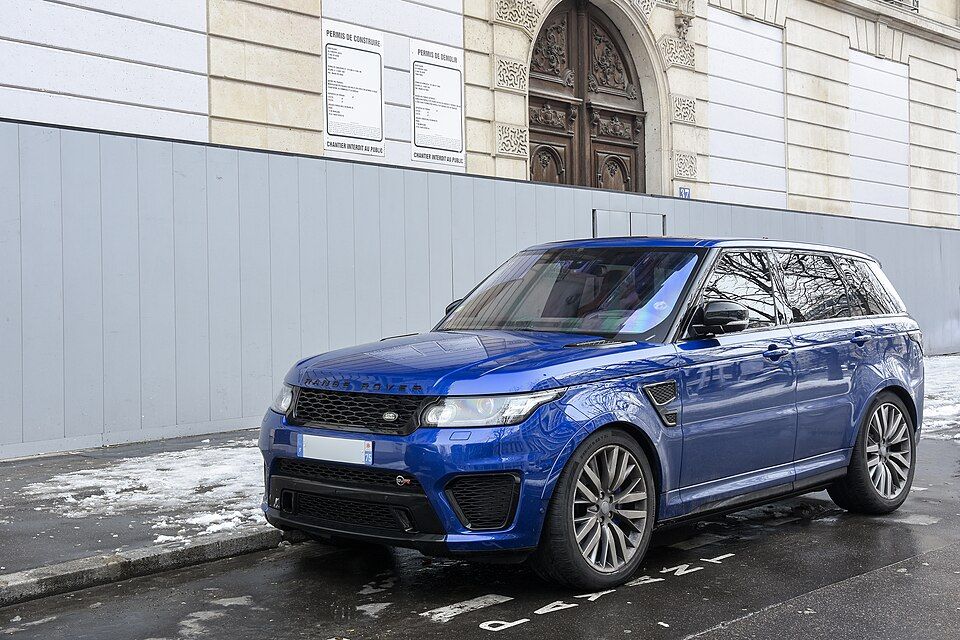
Photo: 2018 Land Rover Range Rover Sport SVR by Alexandre Prevot from Nancy, France, CC BY-SA 2.0, via Wikimedia Commons.
The Range Rover Sport SVR is the answer for drivers who want V8 noise, a high seating position and genuine family space. The later version used a supercharged 5.0-litre engine rated at around 575 horses and 700 newton metres, with an official 0 to 60 miles per hour time of 4.3 seconds. It also kept the comfort and all-weather ability expected from a Range Rover Sport. Around Manchester, that means a relaxed view over traffic, easy motorway miles and enough room for people, bags and muddy boots. The SVR’s exhaust has plenty of character, though you can drive it quietly when needed. It’s a funny mix, part luxury lounge, part oversized sports machine. And yes, it’s heavy. You feel that in tight streets and during quick direction changes. Buy with your head switched on.
Check the air suspension rises and lowers evenly, make sure there are no warning messages and listen for knocks over broken surfaces. Test every seat, screen, camera, heating feature and electric control. Look for water leaks around the tailgate and roof area, inspect the wheels for damage and confirm that all tyres match in brand, size and wear. Large, unevenly worn tyres can make an expensive car drive badly. A complete service record is essential, and an independent inspection is wise. Don’t assume that a polished body means careful ownership. The underside, brakes and service invoices tell a clearer story. Also think about where you park. The SVR is wide and attracts attention, so secure overnight parking may affect insurance. It won’t suit everyone, but for a family that wants one dramatic car for daily life, weekends and winter weather, a well-kept SVR has a rare blend of comfort, space and personality.
9. Porsche Panamera GTS, 2018 to 2023
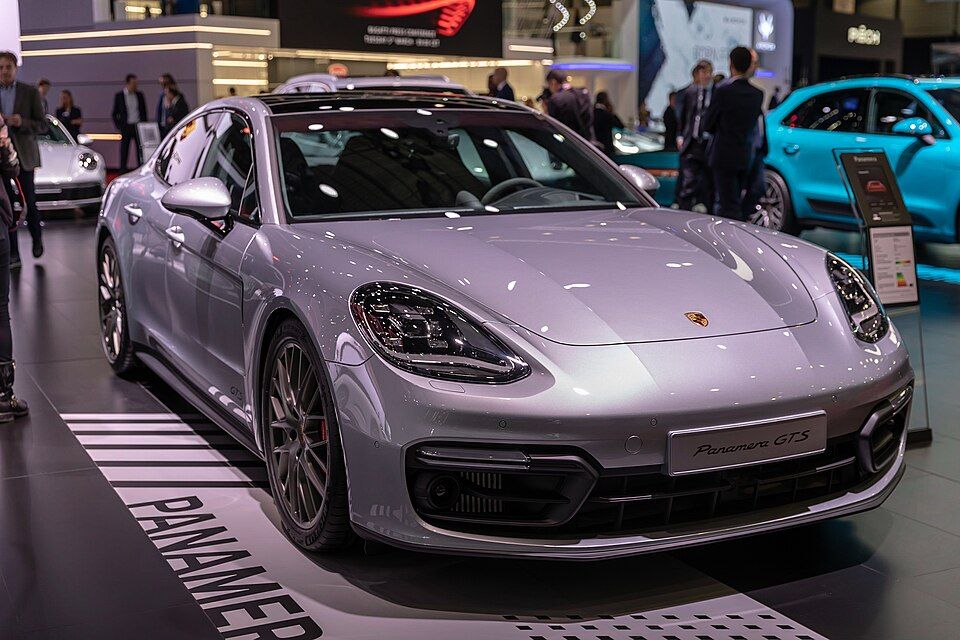
Photo: 2019 Porsche Panamera GTS by Matti Blume, CC BY-SA 4.0, via Wikimedia Commons.
The second-generation Porsche Panamera GTS is a smart pick for someone who likes the idea of a sports car but needs four doors and real long-distance comfort. The 2018 GTS used a 4.0-litre V8 with two turbochargers, rated at around 460 horses, and came with four-wheel drive and an eight-speed twin-clutch gearbox. Porsche quoted 4.1 seconds from rest to 62 miles per hour. The later update raised the output, but either version feels seriously quick. What sets the Panamera apart is balance. It can cruise quietly, carry adults in comfort and still feel precise on a twisting road. The Sport Turismo version adds a longer roof and a more useful rear opening, which may suit families better. It’s a great shape too, especially compared with the first Panamera, which divided opinion. Used examples need careful checking because options, wheel sizes and brake setups vary.
Make sure you know exactly what the car has before comparing prices. Test the air suspension in every setting, listen for knocks, and check that the body rises evenly. The gearbox should move away smoothly and shift without hesitation. Inspect the huge brakes, tyres and wheels, as replacing all three can hurt. Inside, test the screens, climate controls, cameras, seat functions and charging ports. A Porsche service record helps, but invoices for recent work are just as useful. Ask about any extended warranty and whether it can transfer. The Panamera GTS is less showy than a Bentley and less aggressive than an M5, yet it can feel more carefully judged than either. For an early start from Stockport to Edinburgh, it’s hard to beat. You arrive comfortable, and the car still feels special when the road clears. That everyday depth keeps it relevant in 2026.
10. Bentley Continental GT V8, 2019 to 2023
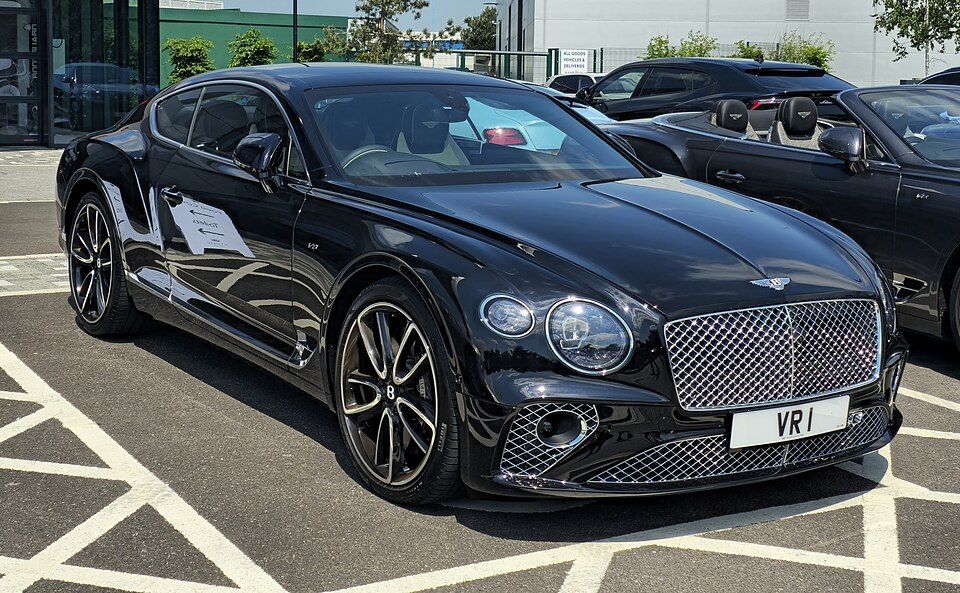
Photo: 2022 Bentley Continental GT V8 by Calreyn88, CC BY-SA 4.0, via Wikimedia Commons.
The third-generation Bentley Continental GT V8 sits at number ten because it asks for the biggest budget here, yet it also gives a sense of occasion few cars can match. Bentley introduced this V8 version with a 4.0-litre engine using two turbochargers, rated at around 550 horses and 770 newton metres. It combines that engine with an eight-speed twin-clutch gearbox and four-wheel drive. The result is a large luxury coupe that can move with shocking speed while staying calm and quiet on a long trip. Inside, the materials, seating and cabin finish are the main event. Even a traffic-heavy run along the Mancunian Way feels less grim from a Continental GT. The catch is obvious. Buying one cheaply doesn’t make it cheap to own. Tyres, brakes, servicing, insurance and cosmetic repairs all sit at Bentley level.
Check the car’s specification carefully because optional equipment can affect both value and repair cost. Test every electric function, including seats, windows, cameras, screens, mirrors and boot operation. Look for warning messages, uneven suspension height and signs of moisture. The gearbox should be smooth in traffic and decisive when you ask for more. Inspect the wheels and lower body closely, because the car is wide and heavy. A complete service record from recognised specialists or Bentley dealers is vital. Get an inspection from someone who knows the model, not a general glance around a forecourt. The Continental GT V8 makes sense for a buyer who wants luxury first and engine character second. It’s less raw than a Mustang and less practical than an RS 6, but it can make every trip feel important. Find a properly maintained example and it remains a very special used buy in 2026.
What to check before buying any used V8
A V8 badge can make sensible people forget sensible questions, so slow the process down. Start with the registration number and run the official annual roadworthiness-test history. Look for mileage changes that don’t make sense, repeated warnings about tyres or suspension, and failures that return year after year. Then check for outstanding safety recalls and confirm the vehicle details match the registration document. A separate history check should cover theft, insurance loss, mileage records and unpaid finance. Service history needs more than a row of stamps. Ask for dated invoices showing oil changes, brake work, tyres, gearbox servicing and any major repairs. Look at the car cold, because sellers can hide rough starts by warming it before you arrive. Check for smoke, leaks, warning lights and strange smells. Drive on smooth and rough roads, at town and motorway speeds, and include tight turns plus gentle braking. Every switch matters on these cars. Heated seats, cameras, adaptive suspension, roof systems and entertainment screens can be expensive to put right. Get an insurance quote before paying a deposit. Check the exact annual vehicle tax too. Cars first registered after April 2017 with a list price above £40,000 can carry an extra charge for a set period, and the amount changes over time. London travel needs a separate emissions check, even though Greater Manchester’s current plan has no charging zone. Most of all, leave room in your budget after purchase. The cheapest car in the search results can become the most expensive one you own. A clean, standard example with strong paperwork is rarely a mistake. The badge gets your attention. The history should make the decision.
Which one would we choose?
For pure value and character, the Ford Mustang GT is hard to ignore. It’s easy to enjoy, easy to recognise and available with a manual gearbox, which is becoming rare. The Lexus LC 500 is the better choice for a calmer, richer experience, while the GS F may be the cleverest long-term saloon for someone who prefers subtle styling. Families have three very different answers. The Audi RS 6 is the low-roof estate, the Range Rover Sport SVR gives height and space, and the Mercedes-AMG C 63 S Estate feels smaller and more playful. The BMW M5 is the all-rounder for drivers who want huge ability without a flashy shape. The Porsche Panamera GTS suits long-distance drivers who care about steering and ride quality, while the Bentley is for someone prepared to pay for genuine luxury. And the Jaguar F-Type? That’s the one you buy because you turn around to look at it after parking. There’s no single correct answer. Your annual mileage, parking space, passenger needs and repair budget should pick the winner. At Dace Motor Company, our used cars are history checked, and our listed customer benefits include a three-month in-house warranty with extension options. Buyers exploring finance can also use a soft search that doesn’t affect their credit score. We have sites in Stockport and Eccles, so local drivers can compare very different cars without treating the process like a sales pitch. A V8 should feel exciting before you buy it and reassuring after you take it home. Choose the example with the best history, not the loudest start-up, and you’ll give yourself the best chance of enjoying that eight-cylinder sound for years.