


The Most Surprisingly Luxurious Cheap Used Cars in the UK
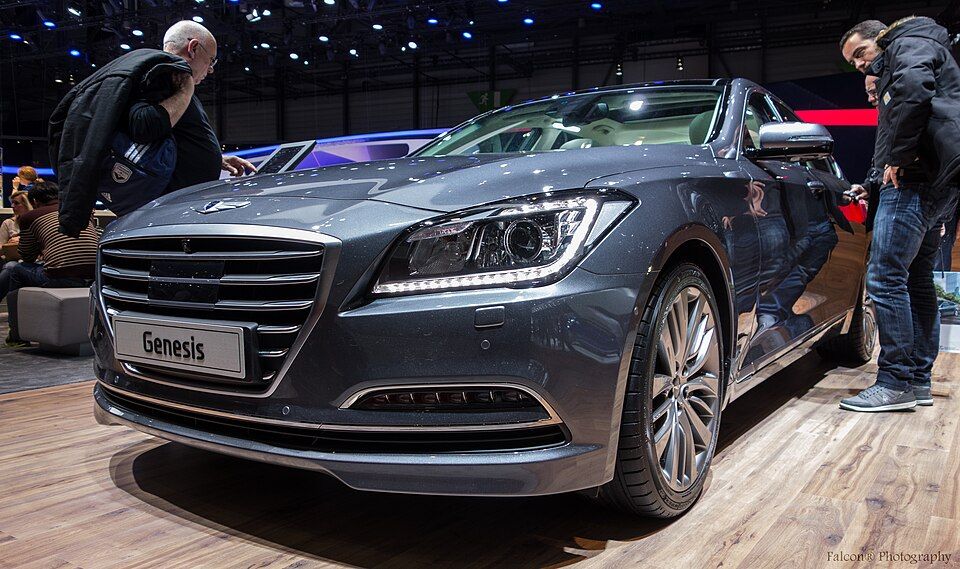
Photo: 2016 Hyundai Genesis by Falcon® Photography from France, CC BY-SA 2.0, via Wikimedia Commons.
A luxury car doesn’t have to arrive with a luxury-sized monthly payment. Some used cars lose value quickly because the badge isn’t fashionable, the shape is a bit unusual, or buyers simply forget the model exists. That can leave a second owner with soft leather, quiet motorway manners, heated seats and a cabin that feels special for the price of a fairly ordinary hatchback.
That’s the sweet spot we’re looking at here. These aren’t the cheapest cars on sale, and they won’t all be cheap to repair. They’re cars that give you a surprising amount of comfort and quality for the purchase price. Think calm trips around the M60, a relaxed run to Manchester Airport, or getting home to Stockport on a wet Friday evening without feeling as if you’ve spent an hour inside a noisy tin box.
The prices below are based on live UK adverts checked in July 2026, so treat them as a snapshot rather than a promise. Mileage, condition, service history and trim can move the figure by thousands of pounds. A very cheap luxury car can be a brilliant buy, but it can also hide worn tyres, tired suspension or a dashboard warning light that someone hopes you won’t notice.
Dace Motor Company has been based in Stockport since 1993, with sites across Stockport and Greater Manchester, so we see how local buyers balance comfort, cost and everyday practicality. The aim of this guide isn’t to push one badge. It’s to help you spot cars that feel far richer than their used price suggests.
1. Lexus IS 300h Premier: the calm, sensible luxury choice
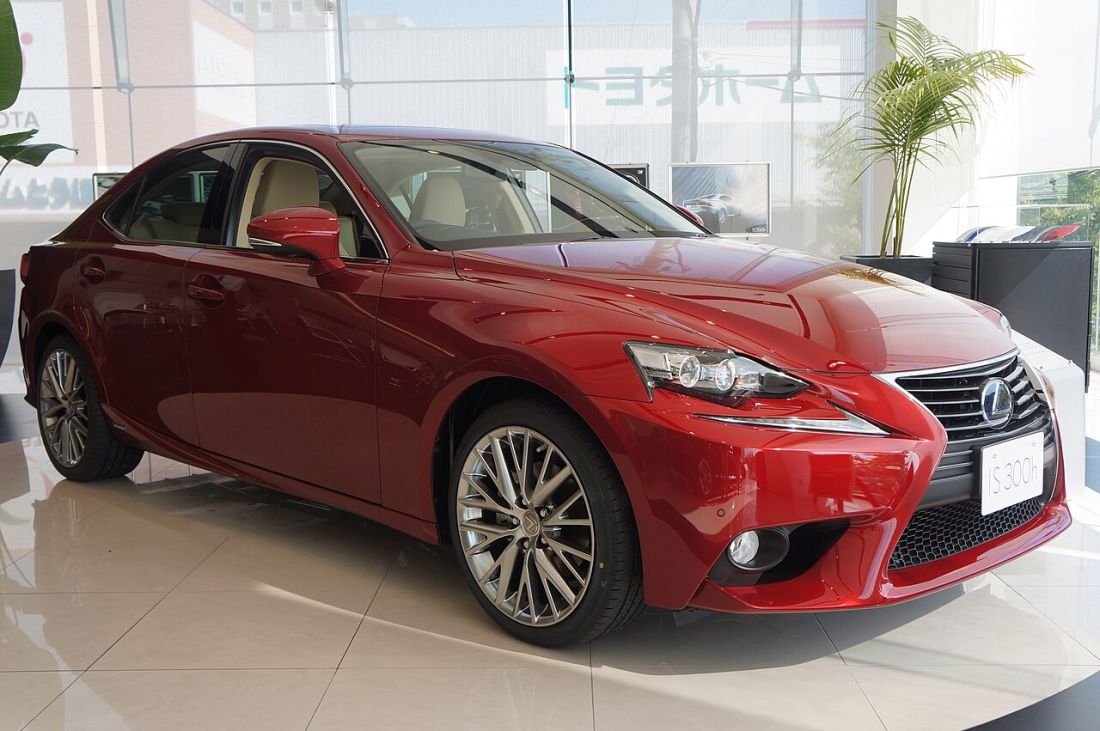
Photo: 2013 Lexus IS 300h by Kirakiraouji, CC BY-SA 3.0, via Wikimedia Commons.
The Lexus IS 300h is the car for someone who wants a premium cabin without spending every drive listening for a new mechanical noise. Current Auto Trader adverts show older examples from around £8,000, with many cleaner or newer cars sitting around £10,000 to £13,000. That puts it in the same shopping area as plenty of far less special family cars.
Inside, the IS feels solid and carefully put together. The dashboard wraps around the driver, the seats are supportive, and the cabin keeps road noise at a polite distance. Premier versions are the ones to look for if comfort matters most, though equipment varies by year, so check the advert rather than trusting the badge alone. Some controls feel dated beside a newer touch screen, but the basic cabin has aged well because it doesn’t depend on one giant display for every small job.
The petrol and electric setup suits Manchester traffic nicely. It can move away quietly, crawl smoothly through busy streets and settle down on a longer run. It isn’t a sports saloon pretending to be a racing car. That’s part of its charm. You get a relaxed drive, a smart cabin and sensible fuel use without a diesel engine that may dislike endless short trips.
What Car describes the 2013 to 2021 IS as solidly made, with few major reported problems. That doesn’t mean you can skip the checks. Ask for a full service record, make sure the hybrid system has been inspected at the proper intervals, test every electrical item, and listen for knocks from the suspension over rough roads.
For many buyers, this is the strongest all-round pick in the whole group. It feels expensive, it’s easy to live with, and its reputation gives nervous used-car buyers a bit of breathing space. The main catch is rear space, which is fine rather than huge. If you regularly carry tall adults from Stockport to the city centre, the next car offers much more room.
2. Volvo S90 Inscription: a lounge on wheels for family-car money
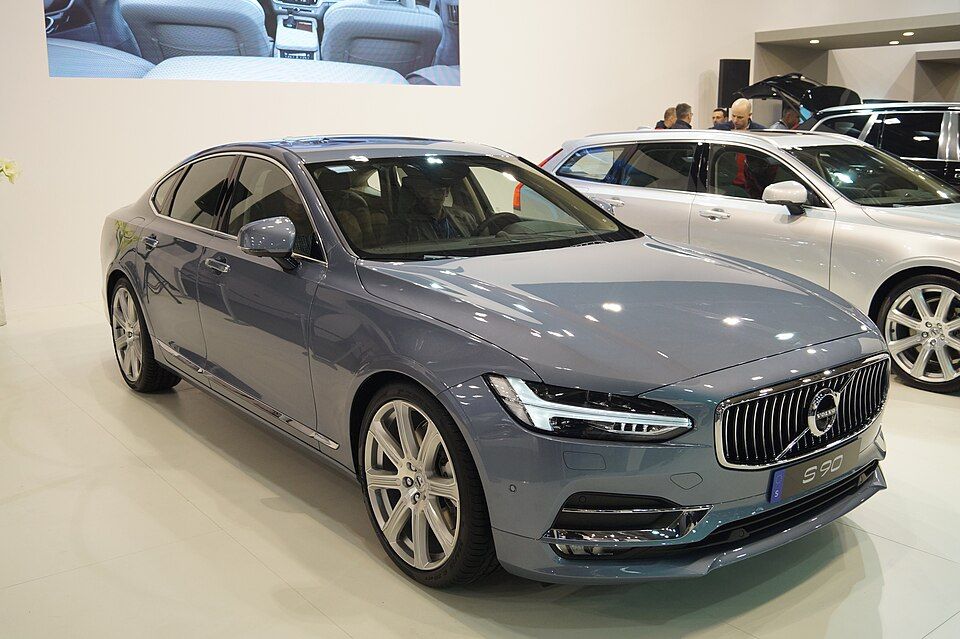
Photo: 2016 Volvo S90 by Jakub "Flyz1" Maciejewski, CC BY-SA 4.0, via Wikimedia Commons.
The Volvo S90 looks like it should still cost serious money. It’s long, low and quietly smart, with an interior that feels more like a modern lounge than a traditional company car. Yet current UK adverts include examples around £10,000, while many better-specced cars sit between roughly £12,000 and £16,500. That’s a dramatic drop for a large executive saloon with this much space and presence.
Inscription trim is the one that best fits this list. You get a softer, classier look than the sportier versions, plus a cabin filled with pale materials, neat metal details and seats that seem made for long drives. Rear legroom is excellent. Put a tall passenger behind a tall driver and nobody has to start negotiating over knees. That makes the S90 a strong choice for airport runs, client visits or family trips up to the Lakes.
The ride is calm on the motorway, and the cabin stays impressively hushed. Around town, the car’s size is the bigger issue. A tight Stockport car park can make it feel like you’ve brought a small boat to the shops. Parking sensors and cameras matter here, so check that the car has the equipment you want and that every sensor works.
There is a serious warning. What Car’s latest data gives the S90 a below-average reliability score of 76.7 per cent, with touch-screen, electrical and battery faults making up a large share of reported problems. That doesn’t make every S90 a bad buy, but it does make a careful inspection and a strong service record essential.
Buy the best example you can afford, not the cheapest one with the biggest wheels. Check the screen from a cold start, pair a phone, test the cameras, work the climate control and make sure there are no warning messages. A good S90 feels like a bargain hotel upgrade every time you sit in it. A neglected one can eat the money you saved at purchase.
3. Skoda Superb Laurin & Klement: quiet luxury hiding behind a sensible badge
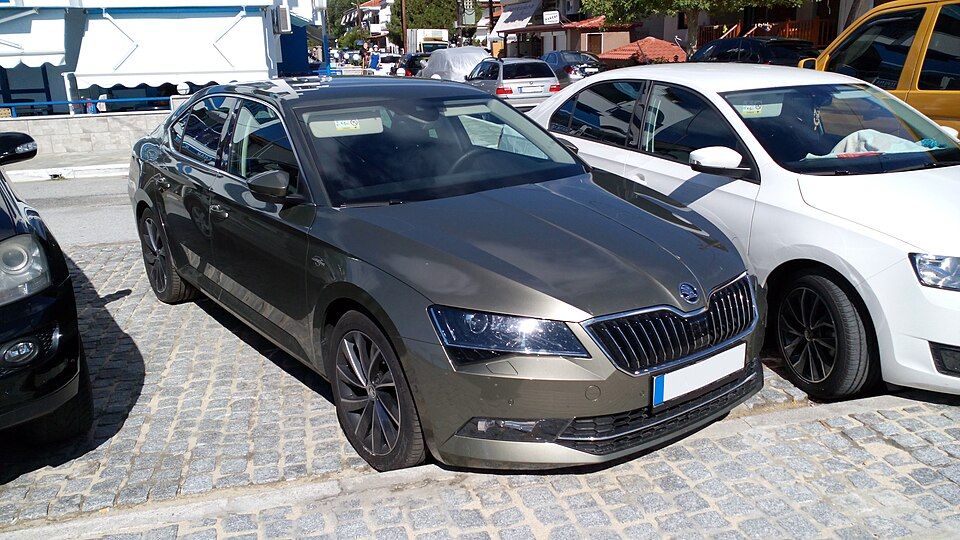
Photo: 2017 Škoda Superb Mk3 Laurin & Klement by KGC626, CC BY-SA 4.0, via Wikimedia Commons.
The Skoda Superb Laurin & Klement is one of the smartest answers to this whole question. It doesn’t shout. It doesn’t need a flashy grille. It simply gives you a huge cabin, a huge boot and a high-spec interior for much less than many German executive cars. Current adverts show older Laurin & Klement examples around £7,850, while newer petrol estates can reach about £15,500.
The surprise starts in the back. Rear passengers get so much legroom that the Superb can make cars from the class above feel cramped. The estate is especially useful if your weekends involve pushchairs, bikes, flat-pack furniture or a dog that somehow occupies the space of three adults. Even the hatchback has a vast load area, so you don’t have to accept an estate shape to get serious practicality.
Laurin & Klement trim brings the richer materials and comfort kit that turn the Superb from sensible transport into something close to a luxury car. Look for leather, heated seats, upgraded sound and useful driver aids, but check each car’s exact list. Used examples were ordered in many different forms, and two cars with the same badge can still have different extras.
Reliability depends partly on the engine. In What Car’s 2025 survey, diesel versions of the 2015 to 2024 Superb estate scored 98 per cent, while petrol cars scored 81.4 per cent. The same guide tells buyers to test all electrical items, check the boot and folding seats, and inspect the body and wheels carefully because the car is long and wide.
A diesel can make sense for regular motorway mileage. A petrol may suit shorter trips better, even with the weaker survey result. The key is matching the engine to your real life, not the life you imagine you’ll start next month. If most trips are school runs, shops and short hops into Manchester, be honest about it.
The Superb is the least showy car here, and maybe the most convincing. It’s comfortable, grown-up and useful every single day. Nobody at the petrol station will assume you’ve won the lottery. Your passengers may wonder why their knees are so far from the front seats.
4. Ford Mondeo Vignale: the posh Ford most people forgot
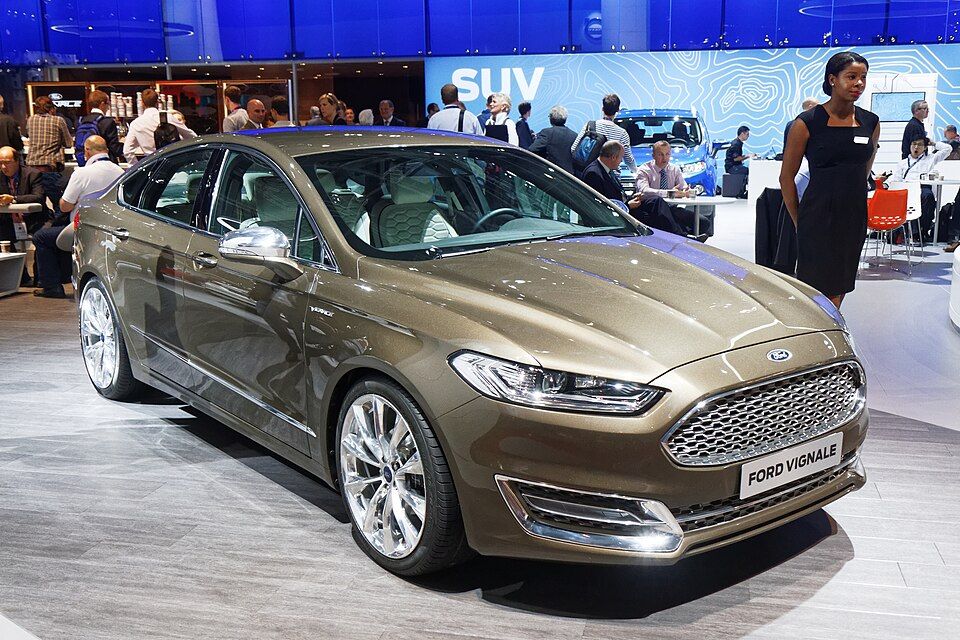
Photo: 2015 Ford Mondeo Vignale by Thesupermat, CC BY-SA 3.0, via Wikimedia Commons.
The Mondeo Vignale is a classic case of a car being ignored because of the badge on its nose. Ford took the already roomy Mondeo, added quilted leather, richer trim and extra sound insulation, then tried to sell it as a more premium choice. New buyers weren’t fully convinced. Used buyers should at least take a look.
Current adverts put many Vignales in the £7,000 to £11,000 area, though age, engine and mileage create a wide spread. Some older cars sit below that, while late hybrid examples can cost more. For the money, you can get a large saloon, hatchback or estate with a cabin that feels warmer and smarter than the normal Mondeo.
The best bit is the seating. The stitched leather looks expensive, and the front seats are made for long motorway days. Reviews also point to leather trim across the dashboard and doors, plus safety and parking features that were once linked with dearer badges. Some cars have massage seats, a panoramic roof or advanced cruise control, but don’t assume. Check the photos and specification line by line.
It still feels like a Mondeo in places. Some lower plastics are ordinary, and the dashboard layout won’t fool anyone who has just stepped out of a newer Mercedes. But that honesty is part of the appeal. The Vignale doesn’t need to fool anyone. It gives you comfort, space and useful equipment at a price that can look very reasonable beside a smaller premium car.
Take care with the mechanical side. Many cars have covered big motorway miles, which can be fine if servicing has been regular. Ask for invoices, not vague promises. On an automatic car, the gearbox should move smoothly from cold. Check for oil leaks, uneven tyre wear and worn brakes, then test every seat function and parking aid. A clean, well-kept Vignale can be a lovely family car. A tired ex-fleet example may look glossy in photos while hiding a long list of jobs.
For a Manchester or Stockport driver who wants a comfortable estate without paying extra for a fashionable badge, this one makes a lot of sense. It’s the car equivalent of finding a very good coat in the sale because everyone else walked past the label.
5. DS 5 Prestige: the cabin that looks like a concept car
The DS 5 is the boldest interior on this list. Sit inside and you get switches above your head, a deep centre console, unusual shapes and a driving position inspired by an aircraft cockpit. Some versions also have a head-up display and a roof split into glass sections. It feels theatrical before you’ve even started the engine.
That drama is cheap now. Current adverts show DS 5 cars from around £4,500 to £7,500, with Prestige versions sitting in the heart of that range. Stock is limited, so you may have to search beyond Greater Manchester for the right colour and history.
The cabin is the reason to buy one. It doesn’t copy the usual German layout, and it doesn’t feel like a normal family hatchback with leather added later. The roof controls, sweeping dashboard and watchstrap-style seat design on some cars give it a proper sense of occasion. You’ll still find a few cheaper plastics if you go looking, and the older screen can feel clumsy, but the overall effect is special for the money.
There are compromises. Reviews have criticised the ride for being firmer than buyers might expect from a French comfort car. Rear visibility isn’t brilliant, and some controls take a few days to learn. That’s why a decent test drive matters. Use rough town roads, a faster bypass and a tight parking space. Make sure you still love the style once the novelty settles down.
Check all the roof blinds, windows, screens, sensors and climate settings. Look closely at the seat bolsters and shiny trim, as both can reveal a hard life. For diesel cars, ask how they were used. Long regular runs are kinder than years of tiny trips. The rare hybrid version may sound clever, but parts support and repair knowledge deserve extra checking before you buy.
The DS 5 isn’t the safe, predictable option. That’s exactly why it belongs here. For less than many basic used hatchbacks, you get a cabin that can make a quick run to Eccles feel like you’re sitting in something far more exotic.
6. Hyundai Genesis: a nearly £48,000 luxury saloon hiding near £11,000
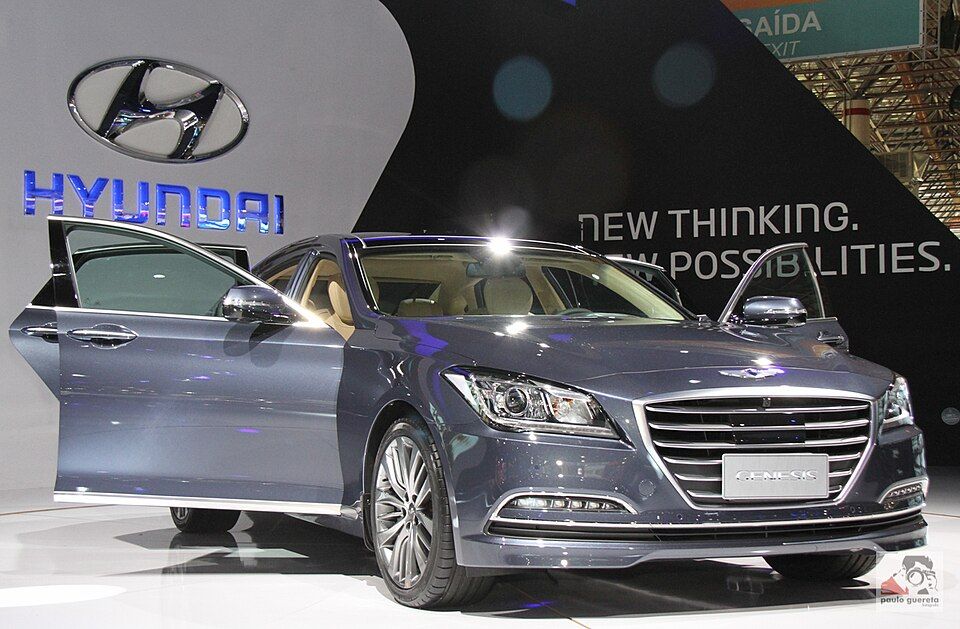
Photo: 2014 Hyundai Genesis by Paulo Guereta from São Paulo, CC BY 2.0, via Wikimedia Commons.
The Hyundai Genesis may be the biggest surprise here because many UK drivers have never seen one. Hyundai brought this large saloon to Britain in 2015 with a price of £47,995 and a very generous single specification. Today, the handful of cars advertised on Auto Trader tend to sit around £10,000 to £12,000. That is a huge fall for a car built to challenge established executive saloons.
The equipment is the main event. UK reviews describe double-stitched leather, wood trim, electric front-seat adjustment, heating and ventilation for the front seats, plus a large navigation screen. The seats are broad and soft, the cabin is quiet, and the whole car is happiest cruising rather than chasing a twisty road.
That relaxed character suits long drives. Think Manchester to London with one stop, not a frantic blast across a narrow Peak District lane. The Genesis is large, and reviews noted vague steering, so a buyer needs to be comfortable with its width and calm responses. A proper test drive around tight streets is essential. Don’t buy one after ten minutes on a straight dual carriageway.
Rarity is both the appeal and the catch. You’re unlikely to park beside another one, and people may assume it cost far more than it did. But there are very few for sale, which means you have less choice over colour, mileage and history. It may also take longer to source model-specific trim or find a workshop familiar with the car. That last point is a fair inference from the tiny used supply, so ring local specialists before committing.
Check every electrical feature, especially the seat cooling, cameras, screen, sunroof and steering-wheel controls. Make sure the tyres match across each axle and budget for premium-size replacements. A full history matters because this isn’t a car you want to learn about through mystery warning lights.
Buy well and the Genesis gives you true luxury-car space and comfort for ordinary used-car money. It’s a brave choice, but not a silly one. You just need to accept that rare cars ask for more planning than common ones.
7. Jaguar XF Portfolio: proper British occasion for hatchback money
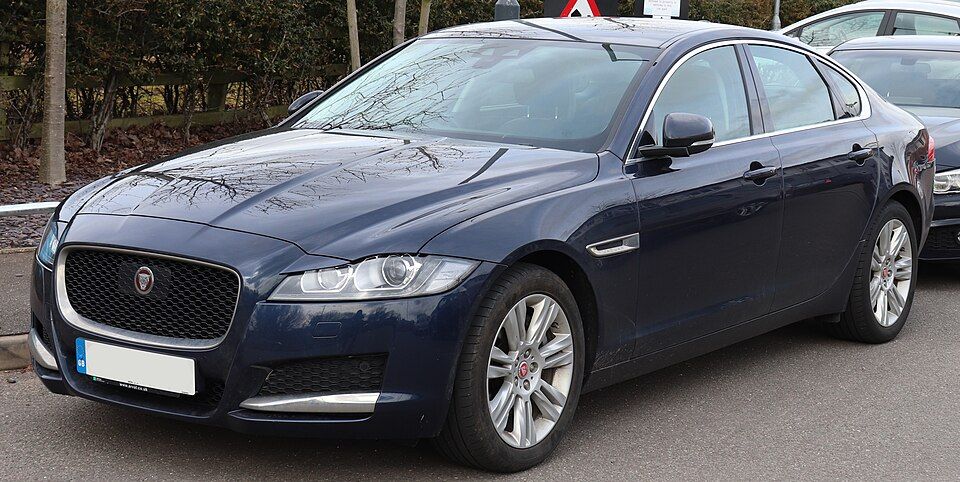
Photo: 2017 Jaguar XF Portfolio by Vauxford, CC BY-SA 4.0, via Wikimedia Commons.
An older Jaguar XF can make almost any driveway look richer. The long bonnet, low roof and smart cabin still have presence, even though early cars are now available for remarkably little money. Current Auto Trader adverts include older examples below £5,000, with many appealing Portfolio and R-Sport cars below £8,000.
Inside, the XF has a sense of theatre that most normal saloons can’t match. The round gear selector rises from the centre console when you start the car, the air vents rotate open, and the dashboard sweeps around the driver. Portfolio trim is usually the comfort-focused choice, with richer leather and a more traditional luxury feel than the sportier versions. Exact equipment changes by age, so again, inspect the individual car.
The XF is also enjoyable to drive. It feels smaller on the move than its size suggests, and it balances comfort with neat steering. That makes it well suited to a mix of M60 miles and country roads outside Stockport. The 2.2-litre diesel is common and suits longer trips, while larger engines feel smoother and quicker but raise fuel and repair costs.
Reliability needs a clear head. What Car describes the 2007 to 2015 XF’s record as mixed, and reported problem areas include bodywork, brakes and navigation systems. Later second-generation saloons perform better in newer survey data, though they cost more to buy.
Check the service history carefully, listen for suspension noise, test the electronic gear selector several times and make sure every screen, window, lock and climate setting behaves. Look underneath for leaks and ask whether timing-related work has been done where the engine requires it. An independent inspection is money well spent on a cheap XF because one hidden fault can wipe out the saving.
This is the emotional choice. A Lexus may be easier to trust and a Superb may be more practical, but the Jaguar makes an ordinary trip feel like an event. Just don’t let the leather and shiny trim distract you from the paperwork.
8. Volkswagen Phaeton: real limousine engineering at a risky price
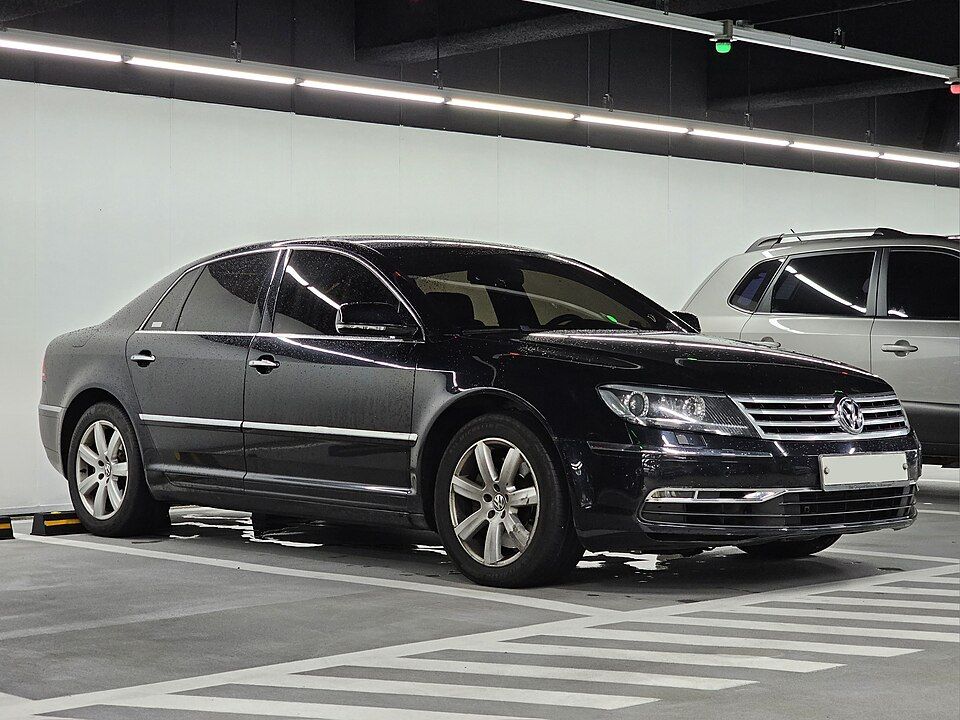
Photo: Volkswagen Phaeton 3.0 V6 TDI by Damian B Oh, CC BY-SA 4.0, via Wikimedia Commons.
The Volkswagen Phaeton is the wild card. It was created as a full luxury saloon, with comfort and refinement aimed at cars such as the Mercedes S-Class and BMW 7 Series. The problem was the badge. Many new-car buyers couldn’t accept paying luxury money for a Volkswagen, so values fell hard. That same problem created one of the strangest used bargains in Britain.
Live adverts in July 2026 show Phaetons from about £3,000, with several cars between £4,000 and £8,500. These are genuine large luxury saloons for the price of an ordinary older supermini.
The cabin is restrained rather than flashy. Materials feel heavy, the seats are broad, and motorway noise stays low. There’s lots of rear space, especially in long-wheelbase cars, and the Phaeton has the planted, unbothered feel you expect from something that was very expensive when new. To most people, it looks like a stretched Passat. That can be a bonus if you like quiet luxury and don’t care about showing off.
Here’s the catch, and it’s a big one. A £4,000 Phaeton is still a complex luxury car built with costly parts. Air suspension, climate systems, electrical modules and large-engine repairs can create bills that make the purchase price look like the deposit. Auto Express calls it a used bargain that must be bought with care, while Volkswagen’s own UK site no longer lists it within the approved-used range.
Buy one only with a thick history file, a clean diagnostic scan and an inspection from someone who knows the model. Test the suspension at every height, leave the climate control running, check every seat and window, and look for damp in the cabin. Keep a repair fund. Seriously.
For the right owner, the Phaeton is wonderful. It’s quiet, rare and deeply comfortable. For someone stretching every last pound to buy it, it can be a disaster. This isn’t the car to finance at the edge of your budget. It’s the car to buy after doing your sums twice.
How to buy cheap luxury without buying expensive trouble
The badge and leather are the easy part. Condition is what matters. Start by deciding what “luxury” means to you. Is it a quiet cabin? Soft seats? Rear space? A good sound system? Easy parking? Choose the features you’ll use, because a car can have twenty clever buttons and still annoy you every morning if the seat is uncomfortable.
Next, compare cars on history rather than mileage alone. A well-serviced 90,000-mile motorway car may be healthier than a 55,000-mile car that has spent years doing short cold trips. Look for dated invoices, clear evidence of scheduled servicing and matching details across the service book and annual roadworthiness records. Gaps need an explanation.
Test the car from cold. Warning lights can disappear once an engine is warm, and weak batteries may show themselves after a night parked. Let every screen start fully. Pair your phone. Try the heating, air conditioning, cameras, parking sensors, seat controls, windows, mirrors and sunroof. Luxury cars have lots of equipment, which means lots of small things to test.
Drive it somewhere useful. A short loop around a smooth industrial estate proves very little. Try slow traffic, a rough road, a speed bump, a faster road and a tight parking space. Listen with the radio off. Feel for vibration through the seat and steering wheel. Check whether the car pulls straight and whether the gearbox changes cleanly.
Tyres matter too. Large luxury cars can wear expensive sizes, and four cheap mismatched tyres may tell you the previous owner saved money elsewhere. Check the inner edges, not just the visible outer tread. Look closely at alloy wheels, as repeated kerb damage can hint at a hard life around town.
At Dace Motor Company, retail cars receive a full vehicle history check, and finance enquiries can begin with a soft search that doesn’t affect your credit score. Those steps are useful, but buyers should still read the documents, understand the warranty and make sure the monthly figure leaves room for fuel, insurance, servicing and tyres.
Don’t spend the full budget on the car. Keep money aside for the first service and the little jobs that appear after a few weeks. On a Lexus or Mondeo, that buffer may simply cover tyres and fluids. On a Phaeton or older Jaguar, it could save the whole ownership experience.
Which surprisingly luxurious used car makes the most sense?
For the safest blend of comfort, quality and sensible ownership, the Lexus IS 300h is hard to beat. It feels special without demanding that you treat every dashboard noise as a financial emergency. The Skoda Superb Laurin & Klement is the space champion, especially for families, airport trips and anyone who has ever tried to fit a wardrobe into a normal saloon.
The Volvo S90 is the one to choose for modern style and rear-seat comfort, but its reliability record means the exact car matters a lot. The Mondeo Vignale is a quieter, less fashionable bargain that works brilliantly as an estate. It won’t impress badge hunters, though your back may thank you after a long drive.
The DS 5 and Hyundai Genesis are for people who enjoy owning something different. The DS gives you visual drama at a very low entry price. The Genesis gives you a huge amount of comfort and equipment, though its rarity asks for extra homework.
Then there are the Jaguar XF and Volkswagen Phaeton. Both can make a modest budget feel rich. Both can also punish careless buying. Choose them with your head switched on, even if your heart is doing most of the talking.
That’s the real lesson. Cheap luxury isn’t about finding the lowest price. It’s about finding the best-kept example of a car the wider market has overlooked. Get that right, and the drive home past the Manchester skyline may feel much dearer than the number on your invoice.