


Top 10 Best Used Family Cars in 2026
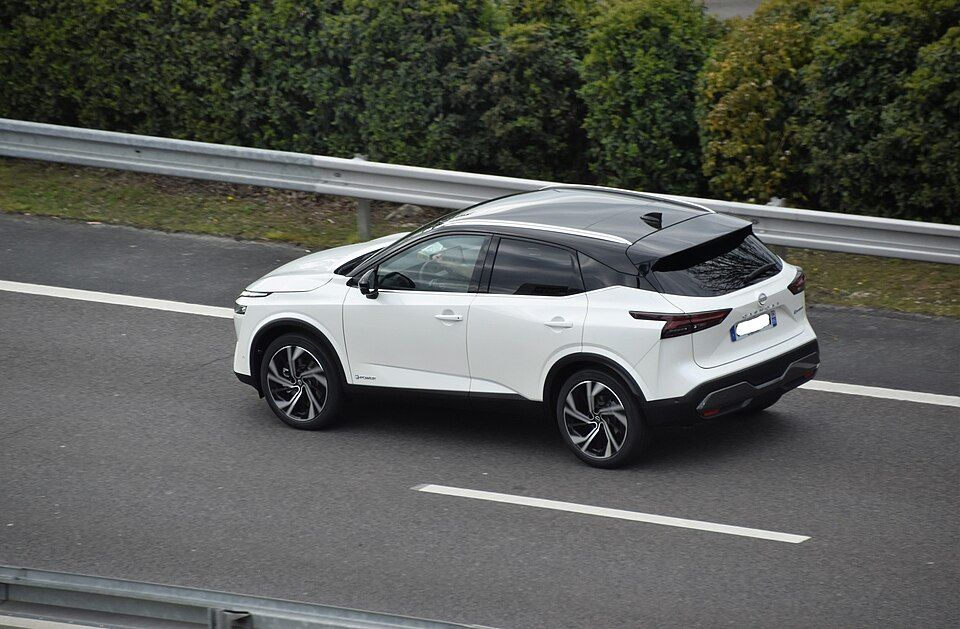
Photo: 2022 Nissan Qashqai by Charles from Port Chester, New York, CC BY 2.0, via Wikimedia Commons.
Buying a family car sounds simple until real life joins the chat. One child wants more legroom, another has somehow brought half the house, and the boot needs to swallow a buggy, school bags, a food shop, football kit, and that giant coat nobody wants to wear. Then there’s the weekly run through Stockport, the crawl along the M60, tight parking near Manchester city centre, and the odd weekend escape into the Peak District. A good family car has to cope with all of it without making every trip feel like hard work.
That’s why our 2026 list isn’t built around one magic number. We’ve looked at cabin space, boot shape, comfort, safety history, engine choice, running costs, availability on the used market, and how easy each car is to live with. A huge boot is useful, but not if the rear doors are awkward beside a child seat. A fancy cabin is nice, but less impressive if the ride makes everyone queasy over broken roads. And a cheap asking price can lose its shine if the service record is patchy or the tyres are close to replacement.
The ten cars below suit different families and different budgets. Some are estates, some are sport utility vehicles, and one gives you seven seats. A few feel posh. Others focus on space and sensible costs. None will be the perfect match for every household, because a family with two toddlers has very different needs from one with three tall teenagers.
One key point before we start: model year and trim matter. Safety equipment, boot capacity, engine choices, and media systems can change during a car’s life. Treat this list as a smart starting point, then check the exact car in front of you.
How We Picked the Best Used Family Cars for 2026
We wanted cars that make family life easier, not cars that simply look good in a driveway. That means wide-opening rear doors, useful rear-seat space, a boot that’s easy to load, and controls you can work without taking your eyes off the road for ages. We also favoured models with a broad choice of used examples, because having several cars to compare gives you a better chance of finding the right age, mileage, trim, and service history.
Safety matters, but star ratings need context. The European New Car Assessment Programme changes its test rules over time, so five stars from 2017 can’t be compared directly with five stars from 2022. Some older ratings also expire. That doesn’t make the car unsafe. It simply means the score was earned under an earlier test standard. Check the exact year, trim, and safety kit rather than assuming every version is identical.
Running costs were part of the choice too. Petrol suits many low-mileage families. A full hybrid can make sense for town traffic and school runs. Diesel may still suit drivers covering long motorway distances, but it needs the right use pattern. A plug-in hybrid works best when it’s charged regularly. Buy one and rarely plug it in, and you may end up carrying extra battery weight without seeing the main benefit.
Above all, buy the condition, not just the badge. A well-kept car with a full service record is usually a safer bet than a newer-looking example with missing paperwork and four mismatched tyres.
1. Škoda Octavia Estate
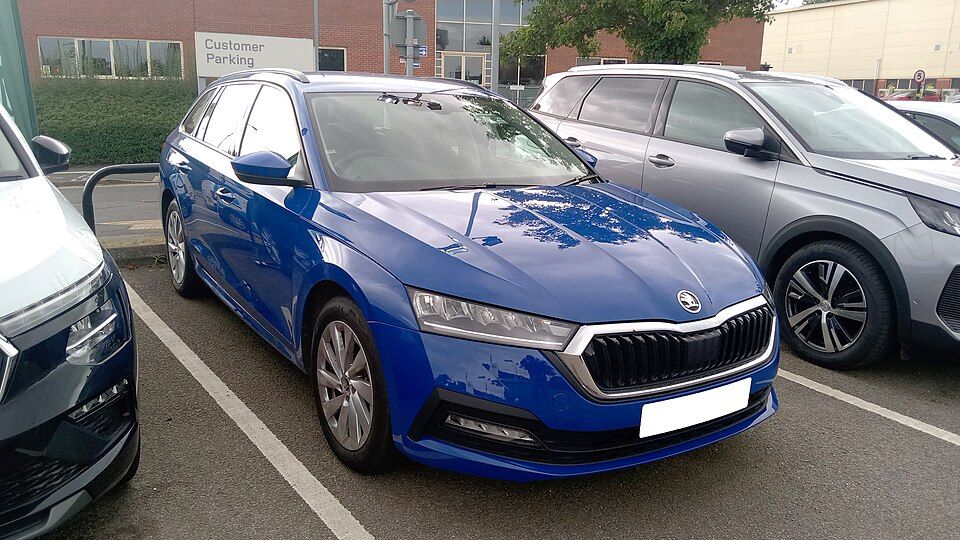
Photo: 2024 Škoda Octavia Estate 1.5 TSI SE by MoCars, CC0, via Wikimedia Commons.
The Škoda Octavia Estate is the car we’d show to someone who says, “I need loads of room, but I don’t want a massive sport utility vehicle.” It has the long, useful shape families loved before tall crossovers took over every school gate. The fourth-generation estate, launched around 2020, has a 640-litre boot in standard form, which puts it among the roomiest cars in its class. The load area is wide, square, and easy to fill, so it works well for pushchairs, suitcases, flat-pack furniture, and muddy weekend gear.
The cabin is roomy too. Adults can sit behind adults without too much shuffling, and the driving position feels familiar within a few minutes. On longer drives, the Octavia settles down nicely and doesn’t demand much from the driver. That’s useful on a wet Friday evening on the M60, when you’ve already had enough noise for one day.
Used buyers get plenty of choice. Petrol versions suit shorter mixed driving, while diesel versions can be a good fit for regular motorway miles. Some cars use mild-hybrid or plug-in hybrid systems, though you should check boot space and servicing needs on those versions because packaging can differ. Smaller wheels usually give a softer ride and cheaper tyres, which is worth remembering before choosing the sharpest-looking trim.
Check that the media screen, parking sensors, climate controls, and driver aids all work as they should. Also inspect the boot floor, rear bumper edge, and seat backs for hard family use. The Octavia’s big appeal is simple: it carries almost everything without feeling clumsy around Reddish, Didsbury, or Stockport town centre. Sensible, spacious, and easy to recommend.
2. Toyota Corolla Touring Sports
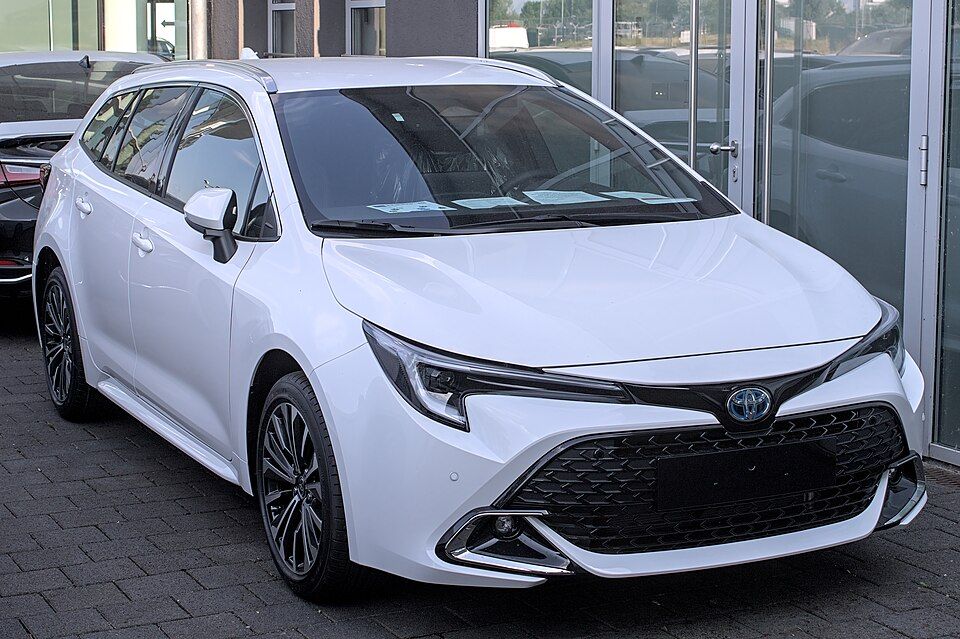
Photo: 2023 Toyota Corolla Touring Sports Hybrid by Alexander-93, CC BY-SA 4.0, via Wikimedia Commons.
The Toyota Corolla Touring Sports is a strong pick for families that spend plenty of time in town traffic but still want a proper estate car. Its hybrid system is smooth at low speeds, quiet when easing through traffic, and very easy to drive. There’s no clutch pedal to manage and no need to plug the standard hybrid into a charger. You just drive it like an automatic.
Space is one of its main strengths. Toyota’s launch information for the 1.8-litre hybrid Touring Sports listed 598 litres of luggage room, though the exact figure changes with engine, battery layout, and model year. The boot is long and useful, which helps with buggies, bikes with a wheel removed, or a week’s holiday bags. The rear seat is better for two adults or children than three broad-shouldered passengers, so families planning to carry five people every day should sit everyone inside before making a decision.
The Corolla also feels calm and predictable. It isn’t trying to be sporty, and that’s fine. Most family driving is about getting home without spilled drinks, car sickness, or another argument about whose turn it is to choose the music. The ride is comfortable on sensible wheels, visibility is decent, and the controls don’t take weeks to learn.
Look for a complete service record and check the condition of the brakes, tyres, bodywork, and cabin. Hybrids can spend lots of time in urban use, so inspect the wheels for kerb marks and the bumpers for parking scrapes. On a test drive, listen for knocks over rough roads and make sure the car moves smoothly between petrol and electric driving.
For Manchester and Stockport families doing school runs, shopping trips, and regular cross-town driving, the Corolla Touring Sports makes a very convincing case.
3. Kia Sportage, 2022 Onward
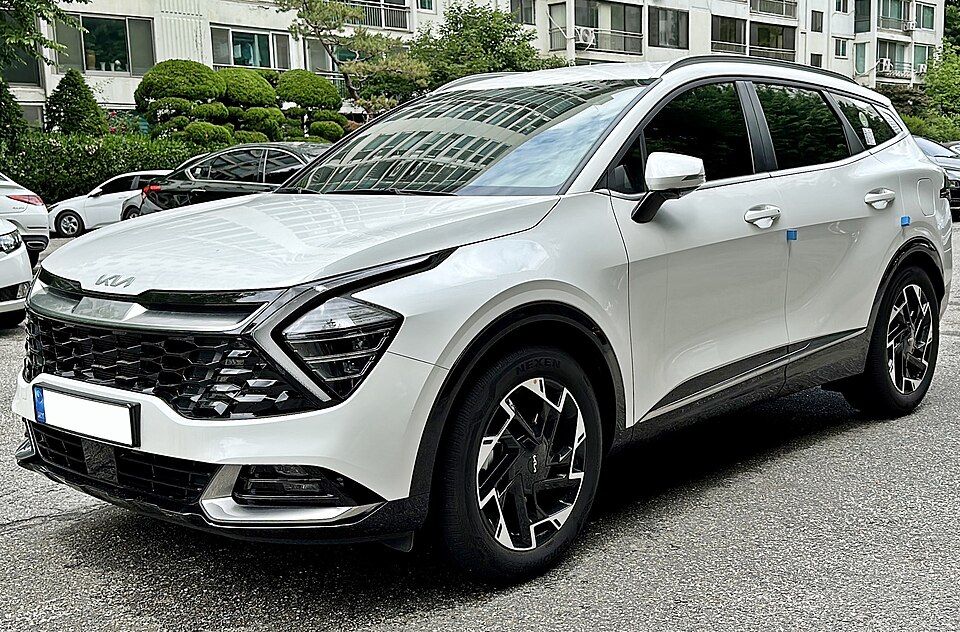
Photo: 2023 Kia Sportage by Benespit, CC BY-SA 4.0, via Wikimedia Commons.
The 2022-on Kia Sportage is one of those cars that seems to fit into family life almost straight away. The cabin has plenty of room, the rear doors open wide, and the boot is shaped for real objects rather than brochure photos. It also gives you a broad engine choice, including petrol, hybrid, and plug-in hybrid versions. That means there’s likely to be a Sportage that matches your driving, as long as you choose honestly.
The full hybrid suits mixed driving and doesn’t need plugging in. The plug-in version can work well for families with home charging and a repeatable daily routine. A standard petrol model may be the simpler choice for lower annual mileage. Don’t assume the version with the most technology is automatically the best one for you.
Safety is another reason the newer Sportage stands out. The European New Car Assessment Programme gave the tested 2022 model five stars, while also recording some areas that were good and others that were only adequate or marginal. That detail matters. A star total is useful, but reading the test date and the full result gives a clearer picture.
Kia’s original new-car warranty lasts seven years or 100,000 miles and can pass to later owners while the car remains within the terms. A younger used example may still have cover left, but you’ll need to confirm the service history, first registration date, mileage, and warranty rules.
On the test drive, check all screens, cameras, seat controls, and driver-assistance settings. Make sure the ride feels comfortable on the roads you use, because larger wheels can feel firmer over broken surfaces. The newer Sportage is roomy, modern, and easy to use, with enough choice to suit a lot of households.
4. Hyundai Tucson, 2021 Onward
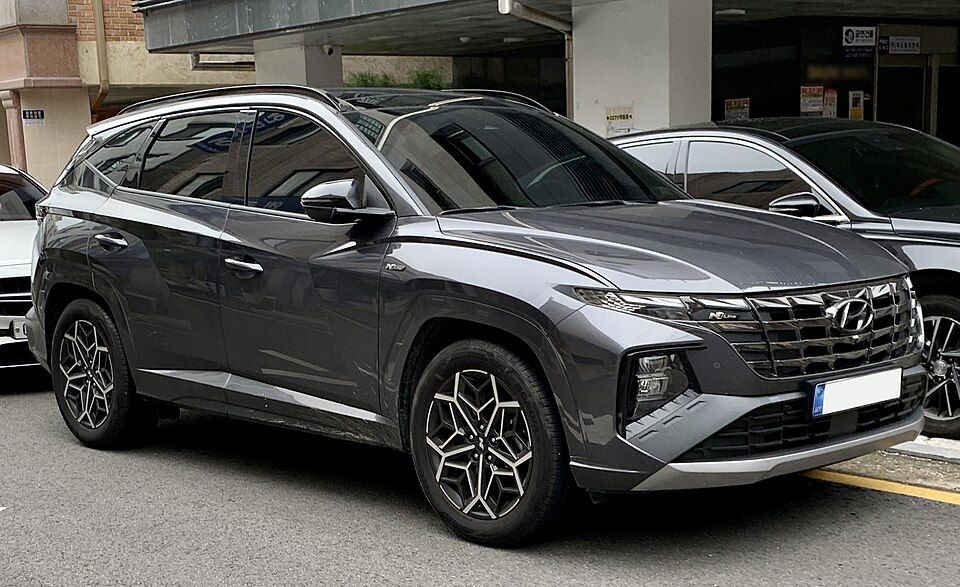
Photo: 2022 Hyundai Tucson by Benespit, CC BY-SA 4.0, via Wikimedia Commons.
The Hyundai Tucson is closely related to the Kia Sportage, but the two cars don’t feel exactly the same. The Tucson has its own cabin layout and a bold exterior shape, while still giving families the space, raised seating, and easy access they expect from this type of car. It’s particularly good for parents who are tired of bending low to fasten a child seat.
The 2021 Tucson received five stars from the European New Car Assessment Programme. The assessment covered a range of petrol, diesel, mild-hybrid, full-hybrid, and plug-in hybrid versions, though you should still check the rating applies to the exact car you’re viewing. The programme also reviewed the facelift in 2024 and retained the original 2021 outcome.
Hyundai’s five-year, unlimited-mileage new-car warranty can be a useful bonus on a younger used Tucson. Cars bought with time left may keep the remaining cover, subject to the warranty conditions and correct servicing. That doesn’t replace a proper inspection, but it can add some reassurance.
Inside, there’s good space for four adults, and most families will find the boot big enough for everyday chaos. Some versions have touch-sensitive controls rather than simple buttons, so try them while driving. What looks clean in a photo can be annoying if you have to tap the same spot three times with cold fingers.
The hybrid is a strong all-round choice for mixed use. The plug-in can suit regular charging, while petrol versions keep things simpler. Check the tyres carefully, as big sport utility vehicle tyres can be costly, and make sure all four match in brand and specification where possible. For a family wanting comfort, space, and a high seating position without moving into a huge car, the Tucson deserves a place near the top of the list.
5. Nissan Qashqai, 2021 Onward
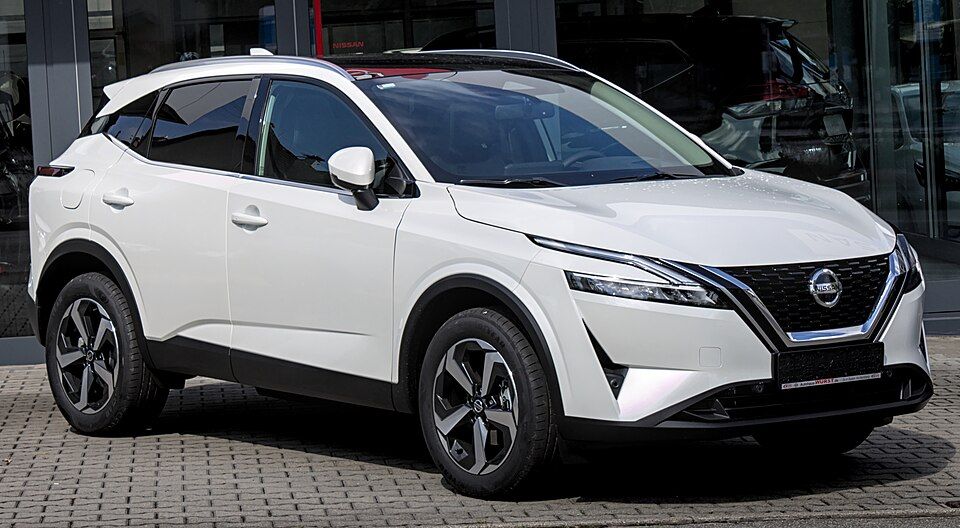
Photo: 2021 Nissan Qashqai by Alexander Migl, CC BY-SA 4.0, via Wikimedia Commons.
The Nissan Qashqai helped make the family crossover a normal sight on British roads, and the third-generation model from 2021 is the one we’d focus on in 2026. It’s easy to drive, a manageable size for tight streets, and roomy enough for a couple with children. You sit higher than in an estate, but the car still feels easy to place in a supermarket car park.
Nissan offers mild-hybrid petrol versions and a series-hybrid model where the petrol engine generates electricity and an electric motor drives the wheels. The second option gives a smooth, electric-car-style response without needing a charging cable. Nissan describes it as a way to get electric-style driving without plugging in. It can feel very natural in slow traffic, though fuel use will still depend on speed, temperature, road type, and driving style.
The Qashqai’s boot is practical and easy to access, and some versions have movable floor boards that can divide the load area or create a flatter floor. Rear-seat room is good for a small family, but three child seats across the back may be a squeeze. Take your own seats to the viewing and fit them before you buy. That five-minute test tells you more than an hour of reading measurements online.
Used Qashqais are common, so don’t rush the first one you see. Compare service history, tyre condition, trim level, camera systems, and overall wear. Check that the media system connects to your phone and that every warning light goes out after the engine starts.
This is a sensible daily car for school runs, commuting, and weekend trips. It doesn’t try to be flashy. It just gets on with the job, which is exactly what many families need.
6. Ford Kuga, 2020 Onward
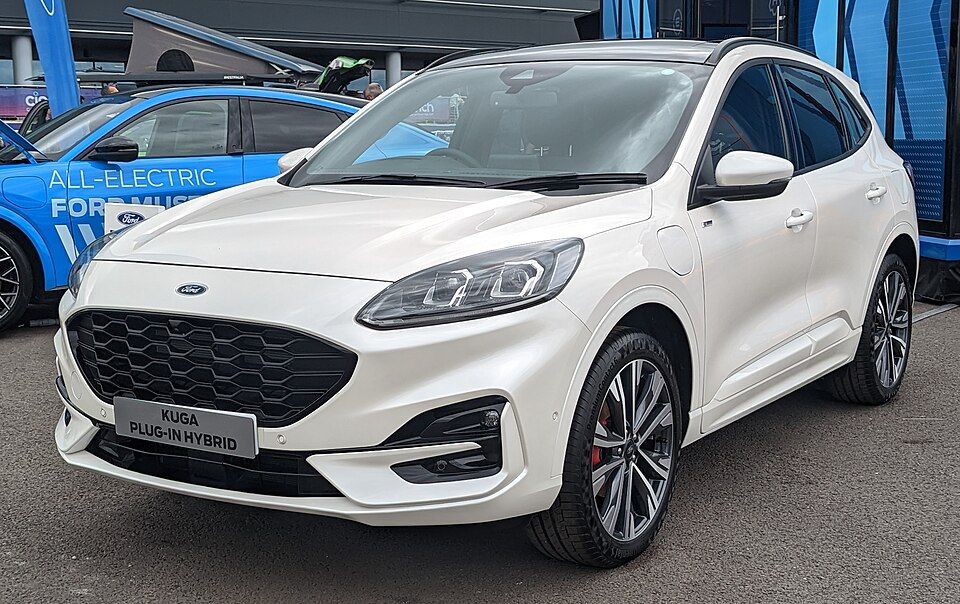
Photo: 2022 Ford Kuga ST-Line X PHEV Calreyn88, CC BY-SA 4.0, via Wikimedia Commons.
The Ford Kuga is a good match for families that want a roomy crossover but still care about how a car feels from the driver’s seat. It’s comfortable, easy to steer, and less bulky than some rivals. The rear bench can slide, letting you trade some passenger space for extra luggage room. Ford quotes up to 536 litres with the seat moved forward on current versions, though the figure can change by engine and year.
That sliding bench is genuinely useful. Picture a normal weekday with tall children in the back, then a Saturday airport run with four cases. You can shift the balance rather than being stuck with one fixed layout. It’s a small detail, but small details are what make a family car pleasant.
There are petrol, full-hybrid, and plug-in hybrid models on the used market. The full hybrid makes sense for drivers who want electric assistance without charging. The plug-in version can be a good fit where home charging is easy and most weekday trips are short. Ask for evidence of servicing and any campaign work, and check the charging cable is present on a plug-in car. Replacing missing accessories after the sale is never fun.
Some Kugas have firm sports seats and larger wheels. They look smart, but a calmer trim may suit family use better, especially on patched roads around Greater Manchester. Try speed bumps, rough surfaces, and a faster dual carriageway during the test drive if possible.
Check the rear seat runners, electric tailgate if fitted, cameras, parking sensors, and cabin electronics. Look under the boot floor for moisture or signs of previous repairs. The Kuga’s big win is flexibility. It gives you a family-friendly cabin without feeling like a van with fancy trim.
7. Volkswagen Tiguan
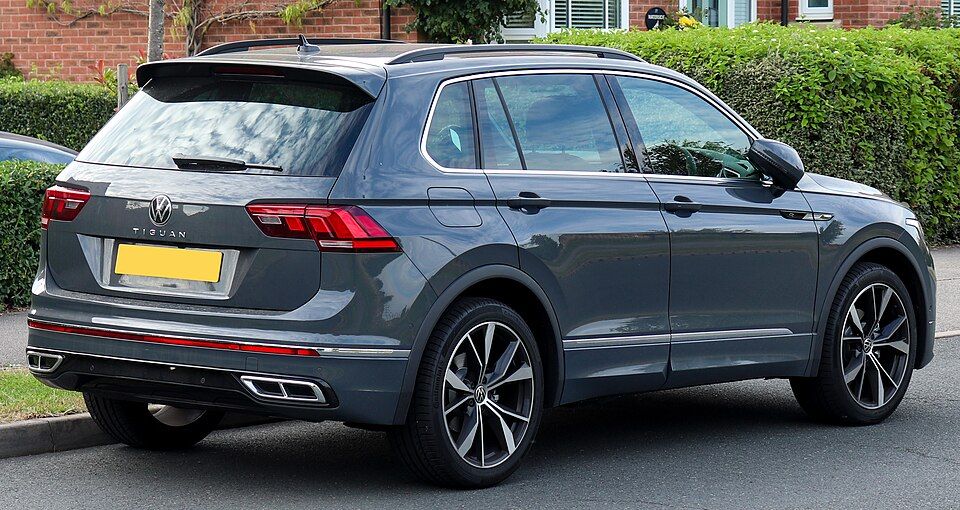
Photo: 2022 Volkswagen Tiguan R-Line by Vauxford, CC BY-SA 4.0, via Wikimedia Commons.
The Volkswagen Tiguan is a safe middle-ground choice for buyers who want a family sport utility vehicle that feels solid, familiar, and easy to use. There are loads of used examples, covering several engines, trims, and two main generations. For many buyers, the second-generation car sold from 2016, especially the later facelifted versions, will hit a useful balance between price, cabin quality, and modern equipment.
The Tiguan’s rear seating is flexible, and Volkswagen highlights the car’s ability to handle buggies, bags, and camping kit. The driving position gives a clear view ahead, the cabin has lots of sensible storage, and the boot opening is family friendly. Some versions have a sliding rear bench, which helps you choose between more legroom and more luggage space.
Engine choice needs a little thought. Petrol works for shorter mixed use. Diesel can suit long-distance drivers who regularly get the engine fully warm. Plug-in hybrid versions need regular charging to make sense. Older diesel cars also need careful checks around emissions equipment, especially if their past life was mostly short urban trips.
During the viewing, test every screen and button. Volkswagen moved more functions into touch controls on some later cars, and people have strong views about them. Make sure you can use the main features without getting annoyed. Also listen for suspension noises, check the service record closely, and confirm the gearbox has been maintained where required.
A used Tiguan can cost more than a similar-age mainstream rival, so compare like for like. Don’t pay extra just for the badge. Pay for condition, history, useful equipment, and the right engine. Get those right and the Tiguan is a comfortable, practical family car that feels at home on the school run or a long motorway day.
8. Škoda Kodiaq
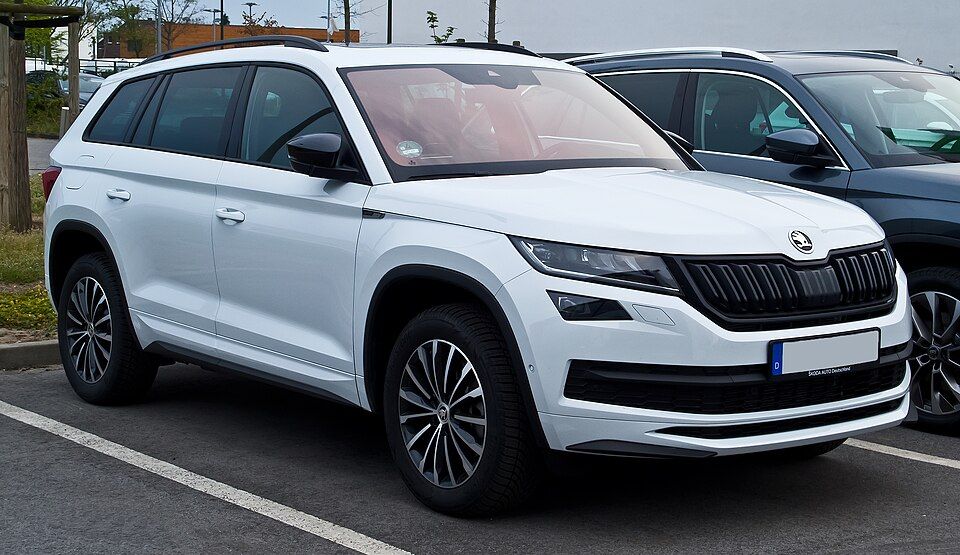
Photo: 2021 Skoda Kodiaq 2.0 TDI 4x4 Sportline by © M 93 / Wikimedia Commons.
Need seven seats? The Škoda Kodiaq should be near the top of your viewing list. It gives you the high seating position many families like, but its real trick is flexibility. Most used examples have room for five in comfort, with two extra seats that can be raised when grandparents, friends, or extra children need a lift.
Those third-row seats are best for children or shorter trips. That’s normal in this class. With every seat in use, luggage room gets tighter, so a roof box may still be useful for a full family holiday. With the back seats folded, the Kodiaq turns into a huge load carrier. Škoda’s later seven-seat model information lists 340 litres with all three rows raised and 2,035 litres with both rear rows folded, though first-generation used cars have different figures.
The original Kodiaq gained a five-star European New Car Assessment Programme rating in 2017. That rating has since expired under the programme’s time rules, so read it as evidence of how the car performed under the 2017 test standard, not as a fresh 2026 score.
Most buyers will be looking at petrol or diesel versions. Diesel suits long, regular runs, while petrol may be a better fit for lower mileage and shorter drives. Four-wheel drive can help on slippery lanes or when towing, but it adds weight and maintenance items. Don’t buy it unless you’ll use it.
Check the third-row seats fold and rise smoothly, test the rear climate controls if fitted, and inspect the boot for heavy use. The Kodiaq is a big car, so make sure it fits your drive and feels comfortable in your usual parking spaces. For larger families, though, the extra space can be a real relief.
9. Volvo XC40
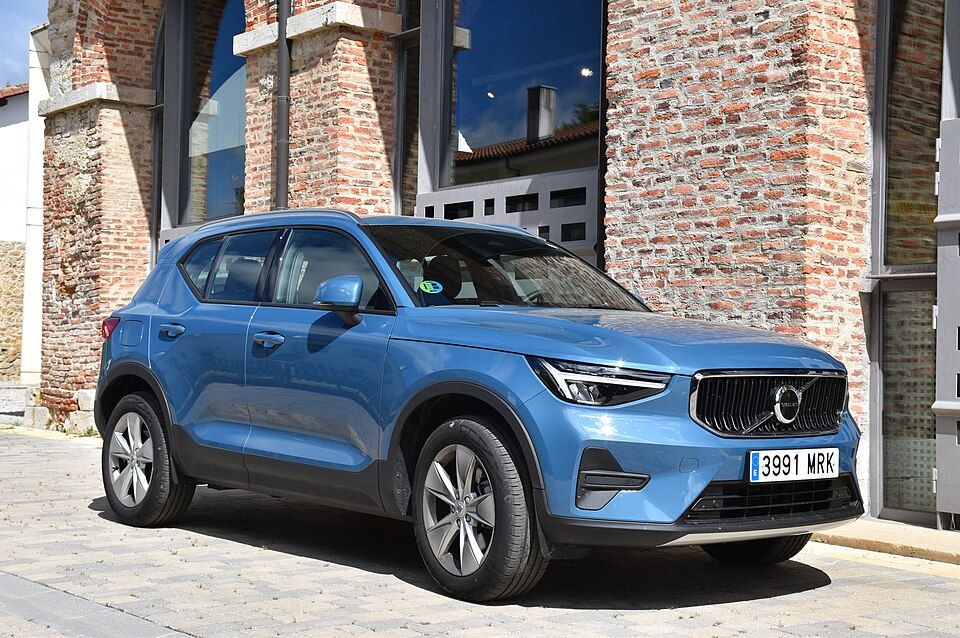
Photo: 2022 Volvo XC40 by Niels Johannes, CC BY-SA 4.0, via Wikimedia Commons.
The Volvo XC40 is our premium compact choice. It isn’t as large as the Kodiaq or Tucson, but it uses its space cleverly and feels easy to manage in town. That makes it a good match for a small family that wants a high-quality cabin without driving something huge through Chorlton, the Northern Quarter, or a tight multi-storey car park.
Volvo lists 443 litres of standard cargo room for the current mild-hybrid XC40 and up to 1,432 litres with the rear seats folded, including underfloor storage in the larger figure. Exact numbers vary across petrol, mild-hybrid, plug-in hybrid, and electric versions, so check the specific car. The boot floor can be arranged to hold shopping bags upright, which is the sort of small feature you start appreciating after the first spilled carton of milk.
The XC40 earned five stars in testing by the European New Car Assessment Programme in 2018. The rating is now marked as expired, because the assessment is older, but the detailed test recorded strong results in several impact areas and good performance from its automatic emergency braking in the scenarios used at the time.
Used examples can vary a lot in price and equipment. Some have large wheels, firm suspension, and expensive tyres. Others are much calmer. Check insurance quotes before committing, and make sure servicing costs fit your budget. Test the media system, cameras, heated equipment, electric seats, and tailgate. Premium cars can be lovely, but a small electronic fault can still spoil the mood.
The XC40’s appeal is easy to sum up. It feels special without being too showy, it’s simple to park, and it has enough room for normal family life. For two adults and one or two children, it can be a very pleasant place to spend time.
10. BMW 3 Series Touring, 2019 Onward
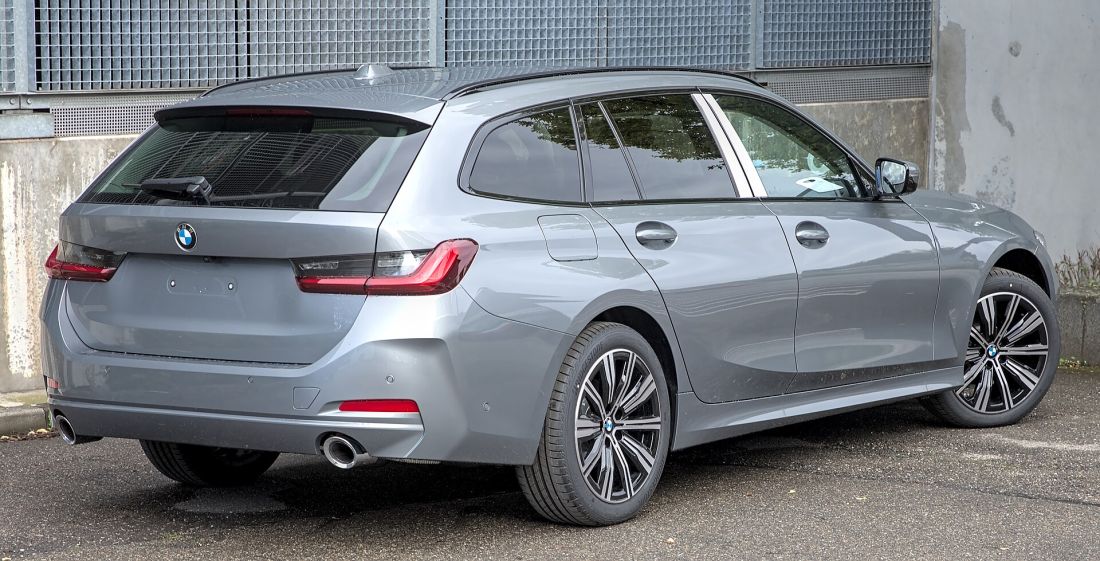
Photo: 2022 BMW 3 Series Touring by Alexander Migl, CC BY-SA 4.0, via Wikimedia Commons.
The BMW 3 Series Touring is here for the parent who needs an estate but still wants to enjoy driving after the children have been dropped off. The 2019-on model is comfortable on the motorway, sharp enough to feel interesting on a quiet road, and practical enough for family use. It sits lower than a crossover, which helps it feel stable and car-like, though you’ll bend a little more when fastening a toddler into a seat.
BMW lists 500 to 1,510 litres of luggage room for current petrol Touring versions. Plug-in hybrid versions have less, at 410 to 1,420 litres, because the battery takes up space. Used model figures can vary, but the comparison shows why you should check the boot on the exact version rather than assuming every Touring is the same.
The 2019 3 Series achieved five stars in testing by the European New Car Assessment Programme, with the organisation describing it as having the best safety performance of any large family car tested under its 2018 and 2019 rules at that point. As with every older score, compare the test date and included equipment.
A used 3 Series needs careful history checks. Look for regular servicing, good-quality matching tyres, tidy wheels, and smooth gearbox behaviour. Check the electric tailgate, media system, parking cameras, climate control, and every driver aid. Sporty trims with large wheels may look great but can ride firmly and cost more to re-tyre.
This isn’t the cheapest car here to own, and the rear middle seat isn’t ideal for long trips. Still, for a family of four wanting a useful estate with a smart cabin and an enjoyable drive, it’s a very appealing option.
Which Used Family Car Should You Choose?
Start with the hardest part of your week. If the boot is always full, look first at the Octavia Estate, Corolla Touring Sports, or Kodiaq. If you regularly carry six or seven people, the Kodiaq is the clear pick from this list. If most driving is urban and you want an easy automatic, the Corolla hybrid, Tucson hybrid, Sportage hybrid, or Qashqai series hybrid could suit you.
For a smaller family wanting a posher cabin, the XC40 makes sense. For someone who still enjoys a winding road, the 3 Series Touring and Kuga feel less sleepy than many family cars. And if you want a balanced, familiar crossover with lots of used choice, the Tiguan remains easy to understand.
Then test your real life, not an imaginary one. Bring the buggy. Bring the child seat. Sit behind your own driving position. Open the rear doors in a normal parking space. Check whether the dog can jump into the boot. Pair your phone. Drive over a rough road. Try a three-point turn. Small irritations become big irritations after six months.
Don’t forget the boring checks either. The British government advises used-car buyers to match the vehicle details with official records, check the annual roadworthiness test history, look for recalls, and inspect the vehicle logbook. A major British motoring guide also recommends judging mileage alongside condition rather than assuming a low-mileage car is automatically better.
At Dace Motor Company, we see family buyers with very different wish lists across Stockport and Manchester. Some need seven seats. Some want a smaller hybrid. Some just need a boot that finally fits the buggy without removing both wheels. Our used cars are history checked, and soft-search finance is available without affecting your credit score at the search stage.
The best used family car in 2026 isn’t the one with the longest equipment list. It’s the one that fits your people, your roads, your budget, and your normal Tuesday afternoon.