


Top 10 Cars with the Best Sounding Engines (2026)
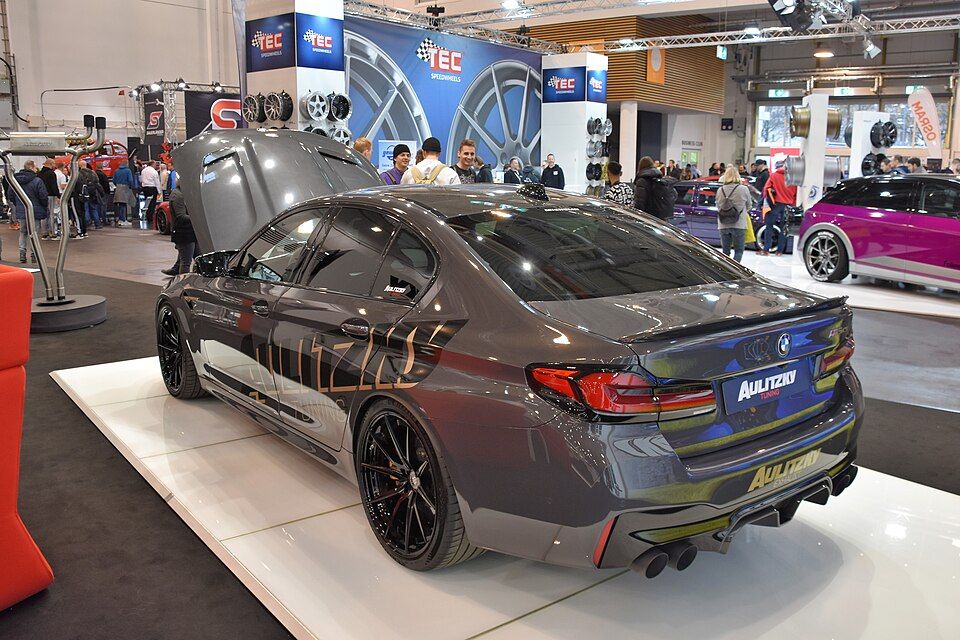
Photo: 2022 BMW M5 CS (F90) by Charles from Port Chester, New York, CC BY 2.0, via Wikimedia Commons.
There are cars that look quick, cars that feel quick, and cars that announce themselves before they even reach the end of the street. Engine sound has a strange way of sticking in your memory. You might forget the exact speed, the colour, or what the dashboard looked like, yet you’ll remember that deep rumble outside a café, the sharp howl under a bridge, or the crack as the driver changed gear. Around Manchester and Stockport, the setting can make it even better. A hard-edged engine note bouncing off the brick arches near Stockport Viaduct feels very different from the same car rolling quietly along the A6 in evening traffic. This 2026 list is based on character, range, and how naturally the sound changes as the engine works harder. It isn’t a volume contest. A loud car can still sound flat, while a quieter one can have layers, rhythm, and a tone that makes you turn around. We’ve included current models and older cars that still matter on the used market, because some of the finest engine notes now belong to cars that have left new-car showrooms. Dace Motor Company has worked around Stockport and Greater Manchester since 1993, so we know local buyers don’t all want the same thing. Some want a weekend car. Some want a fast saloon that can still do the school run. Some just want an engine that makes an ordinary trip feel special. Sound is personal, of course, but these ten have a strong case.
10. BMW M5 CS

Photo: 2022 BMW M5 CS (F90) by Charles from Port Chester, New York, CC BY 2.0, via Wikimedia Commons.
The BMW M5 CS is the quiet-looking troublemaker of this list. Park one outside a supermarket and plenty of people will see a smart four-door BMW, then carry on with their day. Start its 4.4-litre, eight-cylinder engine and the mood changes. The first sound is low and tight, with a heavy pulse that feels controlled rather than messy. Press the accelerator and the note thickens, then sharpens as the engine climbs. BMW said the engine could reach 7,200 revolutions per minute, which is high for a large turbocharged eight-cylinder unit, and you can hear that extra stretch near the top.
It doesn’t scream like the Lexus LFA or Porsche 911 GT3. It growls, gathers itself, then fires the car forward with a hard-edged rush. The appeal is the contrast. The M5 CS can settle down on the M60, carry four adults, and look fairly calm in traffic. Then a clear road opens up and it sounds like a touring car that has learned some manners. That makes it a great Manchester-area car in theory, because it can deal with rain, commuting, tight parking, and a Sunday run beyond Glossop without feeling like a toy. Still, don’t buy one by sound alone. Check the service record, listen from cold, and make sure the exhaust valves work as they should. A badly modified system can turn the rich factory note into a tiring drone. The standard car has enough theatre. It doesn’t need to shout every second. That restraint is part of its appeal.
9. Ford Mustang GT
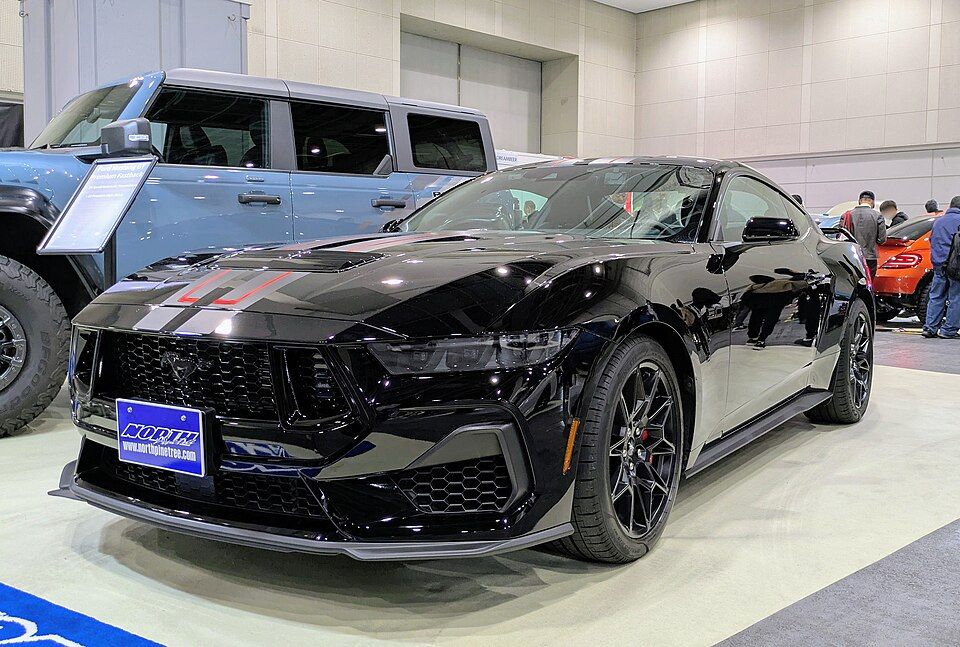
Photo: 2025 Ford Mustang GT Premium Fastback (S650) by Aos.1905, CC BY-SA 4.0, via Wikimedia Commons.
The Ford Mustang GT proves that a great engine note doesn’t need to sound delicate or exotic. Its 5.0-litre, eight-cylinder engine has a broad, chesty beat that feels straight from an American film, even if you’re crawling past the Trafford Centre on a wet Tuesday. At idle, there’s a soft wobble underneath the main rumble. Pull away and the sound becomes rounder and fuller, especially with the exhaust set to its louder mode. Higher up, the note loses some of that slow thump and turns into a cleaner, angrier roar. The seventh-generation Mustang keeps the basic recipe alive in 2026, and Ford still describes the engine’s sound as a key part of the car’s appeal. That matters because many modern fast cars lean heavily on cabin speakers or synthetic effects.
The Mustang’s voice starts with real mechanical pulses and a large engine moving plenty of air. It’s also one of the easier sounds on this list to enjoy at normal road speeds. You don’t need to chase the final few hundred revolutions to hear the character. A short squeeze away from a roundabout is enough. You know how it is, some cars save their best bit for speeds that don’t belong on a public road. The Mustang gives you a taste early. Used buyers should check whether the exhaust is standard, because these cars attract modifications. Some systems sound deep and clean, while others create constant booming inside the cabin. On a long run from Stockport to the Lakes, that can get old very quickly. A factory setup in good condition gives the best mix of rumble, crackle, and day-to-day calm.
8. Alfa Romeo Giulia Quadrifoglio
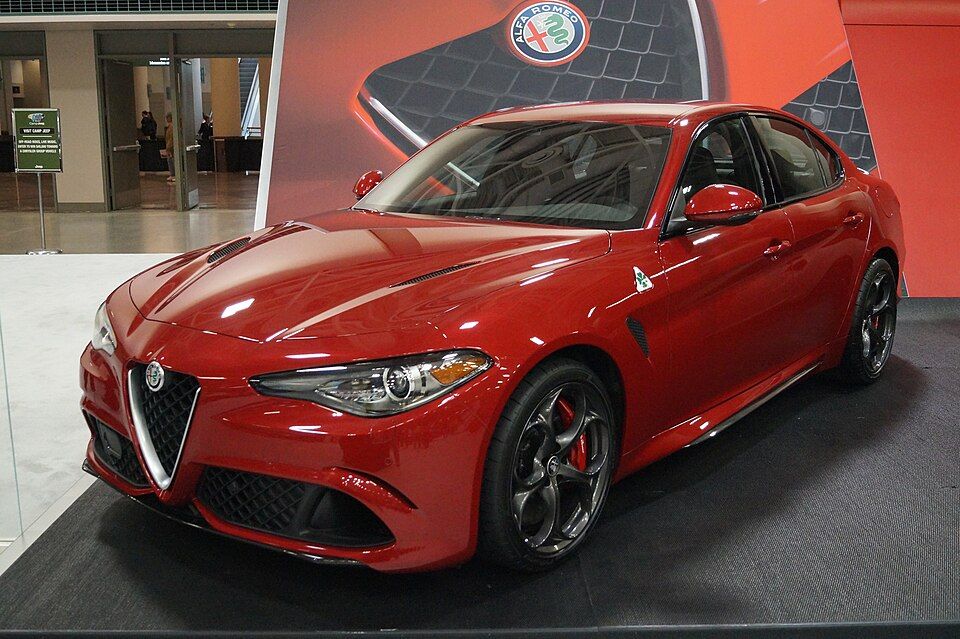
Photo: 2017 Alfa Romeo Giulia Quadrifoglio by Greg Gjerdingen from Willmar, USA, CC BY 2.0, via Wikimedia Commons.
The Alfa Romeo Giulia Quadrifoglio sounds smaller and sharper than the big eight-cylinder cars around it, and that’s exactly why it belongs here. Its 2.9-litre, six-cylinder engine uses two turbochargers, yet it still has a restless, almost impatient voice. At low speed it gives a clipped burble. Under harder acceleration the sound tightens into a metallic snarl, with quick changes in pitch each time the gearbox swaps ratio. Alfa Romeo raised the factory output on later European versions, but the number isn’t the interesting bit for this list. The interesting bit is how awake the engine feels. It reacts quickly, builds sound without a long pause, and has a rough edge that suits the car’s light steering and lively rear end.
With the optional Akrapovi? exhaust, Alfa said the exhaust note could be made stronger, though the standard setup already has plenty of character. This is also one of the few cars here that can look natural outside an office, a school, or a restaurant, then feel special once the road clears. Around Greater Manchester, that matters. A supercar can be exciting, but a fast saloon that fits normal life has its own charm. Before buying, listen for rattles when the engine is cold and check that every driving mode works properly. Don’t confuse extra noise with good health. A clean Quadrifoglio should sound crisp, even, and eager, without strange tapping or loose metallic noises. And let’s face it, the badge and body shape already bring drama. The engine note backs that up rather than trying to cover for a dull car.
7. Mercedes-AMG C 63 S, 2015 to 2023 eight-cylinder generation
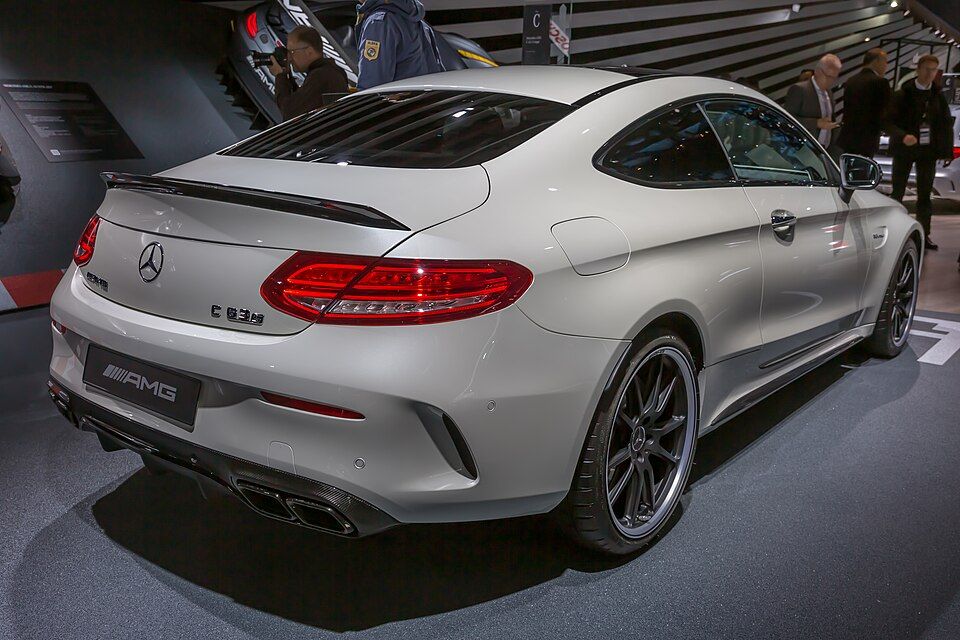
Photo: 2017 Mercedes-AMG C 63 S by Matti Blume, CC BY-SA 4.0, via Wikimedia Commons.
The earlier Mercedes-AMG C 63 S has one of those engine notes you can spot without seeing the car. Its 4.0-litre, eight-cylinder engine uses two turbochargers, but the sound stays deep, lumpy, and full of bass. At idle it has a heavy heartbeat. Under load it adds a hard bark, then a rolling thunder that seems too large for a compact executive car. The optional performance exhaust widens the gap between quiet and loud settings, so the car can behave on an early start and still feel dramatic later. Mercedes-AMG gave the S model a higher factory rating and 700 newton metres of torque, but again, the figures don’t explain the magic. The real trick is timing. Each pulse feels separated and clear, so the engine has rhythm instead of becoming one long blast.
Lift off the accelerator and you may hear pops and cracks, depending on the mode and model year. They’re fun in small doses. Constant bangs can sound forced, especially if a previous owner has changed the engine software. This generation is now a used-car favourite because the newer C 63 moved to a much smaller four-cylinder hybrid setup. That makes the older car feel like the end of a particular chapter. In Stockport or Manchester, it can still work as a daily car, though fuel, tyres, brakes, and insurance won’t be cheap. Check the history with care. Look for regular maintenance, warm-up habits, and signs of cheap exhaust work. A good standard car has all the noise it needs. No fuss. No fake drama. Just a deep voice that turns a normal underpass into a tiny concert hall.
6. Jaguar F-Type R 75

Photo: 2020 Jaguar F-Type R V8 by Calreyn88, CC BY-SA 4.0, via Wikimedia Commons.
The Jaguar F-Type R 75 sounds like it has a sense of humour. Its 5.0-litre, supercharged eight-cylinder engine starts with a thick boom, settles into a busy rumble, then throws out sharp cracks when the driver lifts off. It’s theatrical, maybe even a little cheeky, but the tone underneath is rich enough to stop it feeling like a simple noise machine. Jaguar chose the final-year F-Type R 75 for an official sound recording that was placed in the British Library, which tells you how closely the model’s identity was tied to its voice. The company confirmed that this version used the stronger supercharged engine with 700 newton metres of torque. What you notice from the driver’s seat is the instant response.
A supercharger is driven by the engine, so the sound and shove arrive together without the same pause you can feel in some turbocharged cars. The long bonnet adds to the mood. You sit low, look down that wide front end, and hear the note roll back from walls and hedges. On a dry road out near the Peak District, it can feel like an old British sports car turned up to cinema volume. Yet the F-Type can calm down, which is important if you live near neighbours who don’t share your taste in early-morning eight-cylinder music. Used examples vary a lot. Some have lived gentle lives; some have spent years making noise at every tunnel. Check tyres, brakes, cooling, and the exhaust valves. A healthy F-Type R should sound bold but clean. The best ones don’t need extra crackles added by software. Jaguar already gave it plenty of personality.
5. Audi R8 V10 Performance
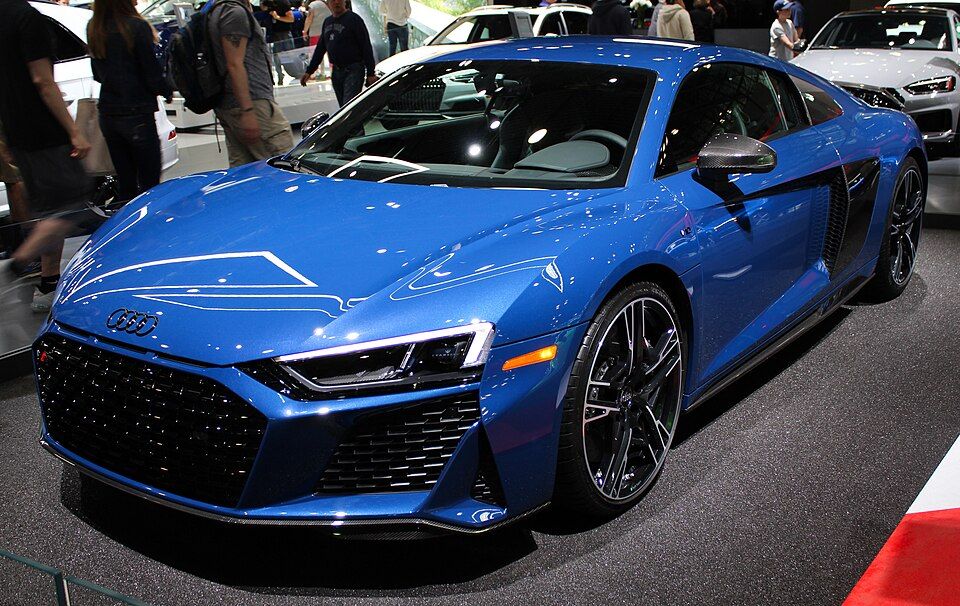
Photo: 2019 Audi R8 V10 Performance Quattro by Kevauto, CC BY-SA 4.0, via Wikimedia Commons.
The Audi R8 V10 Performance is one of the easiest supercars to live with and one of the hardest to ignore once its 5.2-litre, ten-cylinder engine wakes up. At low speed, the note is smooth and slightly uneven, like two five-cylinder engines singing together. Press harder and it changes fast. The sound climbs through a bright metallic middle range, then turns into a clean, urgent howl near the top. Because the engine has no turbochargers, there’s very little between the driver’s right foot and the change in pitch. That direct link gives the R8 a natural voice. Audi said the ten-cylinder engine had reached cult status, and the final R8 left production in March 2024 after 45,949 cars had been built across the model’s life. By 2026, that makes every R8 a used car, but it doesn’t make the experience feel old.
The cabin is easy to see out of, the controls make sense, and the all-wheel-drive versions can deal with damp roads better than many mid-engined rivals. That’s useful around Manchester, where sunshine can turn into rain before you’ve finished saying “Mancunian Way.” The sound is still the main event, though. It has the drama of a Lamborghini with a calmer accent. Buyers should listen to the engine from cold, make sure servicing has been done by people who know the model, and inspect the exhaust for poor modifications. A cheap aftermarket system can make the car louder while removing the smooth rise in tone that makes the ten-cylinder engine special. The factory note has shape. It starts calm, builds tension, and ends in a proper high-speed cry.
4. Lamborghini Huracán STO
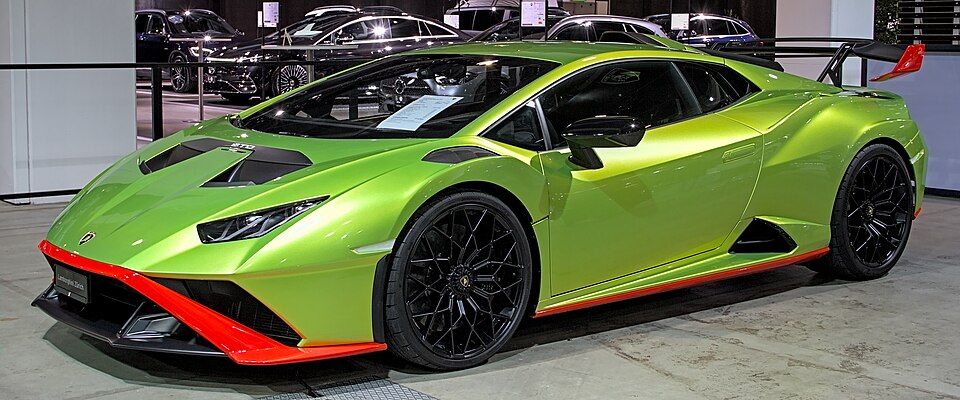
Photo: 2021 Lamborghini Huracan STO by Alexander Migl, CC BY-SA 4.0, via Wikimedia Commons.
The Lamborghini Huracán STO takes the basic ten-cylinder sound of the Audi R8 and removes most of the politeness. Its 5.2-litre engine sits behind the seats, so every change in speed feels close to your shoulders. At idle there’s a dry mechanical chatter under the exhaust note. Add some throttle and the sound becomes sharp, hollow, and urgent. Keep going and it turns into a racing-style scream, with the final stretch arriving at around 8,000 revolutions per minute. Lamborghini built the STO as a road-legal car shaped by its track programme, and the company calls it the highest-performing ten-cylinder engine used in the Huracán line. That track link comes through in the sound. The STO doesn’t have the soft edges of a grand touring car.
Gear changes cut through the noise. Stones ping underneath. The cabin lets in a lot of what the car is doing, which can be thrilling for an hour and tiring after four. That’s part of the deal. This isn’t the best choice for sitting on Deansgate in traffic or squeezing into a Stockport multi-storey car park. It’s here because few road cars create such a direct, physical engine note. You feel it through the seat as much as you hear it. Used buyers should check for track use, damaged body panels, worn brakes, and poor repairs. The STO uses a lot of carbon fibre in its body, so a small-looking knock can become a large bill. And don’t be dazzled by a loud cold start. Listen once the car is warm, at several engine speeds, and from outside. A good example should sound fierce, clean, and free from buzzing or loose trim.
3. Ferrari 812 Superfast
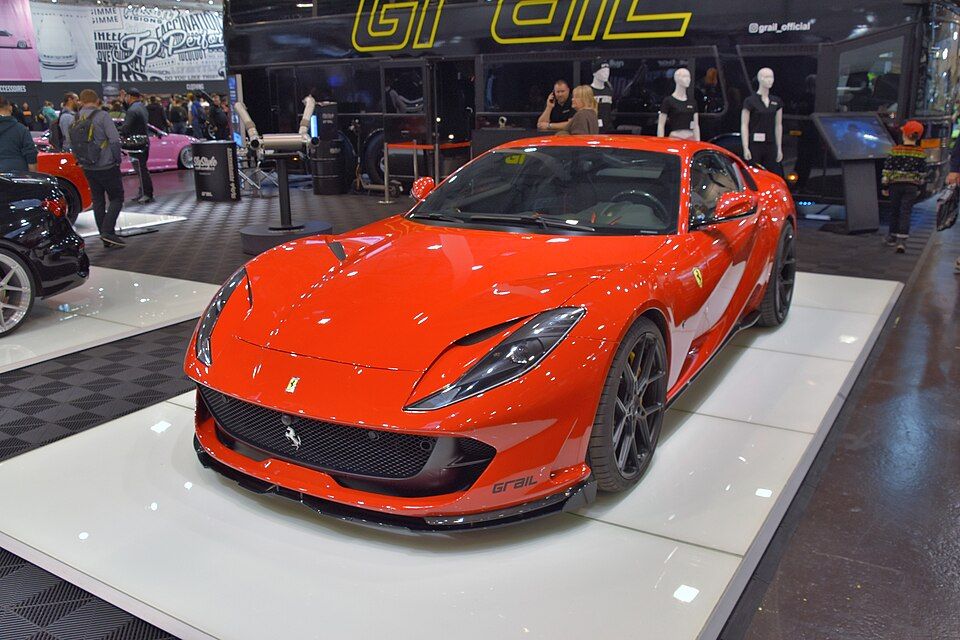
Photo: 2019 Ferrari 812 Superfast by Charles from Port Chester, New York, CC BY 2.0, via Wikimedia Commons.
The Ferrari 812 Superfast has a 6.5-litre, twelve-cylinder engine mounted in front of the cabin, and the sound feels long, smooth, and endlessly rising. At idle it’s calmer than you might expect. There’s a soft mechanical hum, a clean exhaust pulse, and very little of the rough shake found in some big eight-cylinder engines. Then the revs build. The note moves from a rich growl into a bright, layered wail that keeps climbing until 8,900 revolutions per minute. Ferrari’s own figures place peak output at 8,500 revolutions per minute, close to the top of the engine’s range. Those details matter because the engine’s voice is tied to how far it can spin. It doesn’t give one dramatic bark and then run out of breath. It keeps opening up.
That makes the 812 sound closer to a racing car or an old grand prix machine than a normal road car, yet it still has a front-engined shape and a usable boot. You could, in theory, take it away for a weekend. In practice, its width, value, and thirst make central Manchester less appealing than an open road at dawn. The 812 is now a used purchase, so history matters as much as sound. Check servicing, tyre age, battery care, and whether the car has been stored correctly. A low-mileage example isn’t automatically the best one if it has sat unused for long periods. Also check the exhaust status. Ferrari tuned the standard system around the engine’s full range, and crude changes can turn the top-end wail into harsh noise. The factory car has balance. Deep at the bottom, silky in the middle, and almost unreal near the top.
2. Porsche 911 GT3
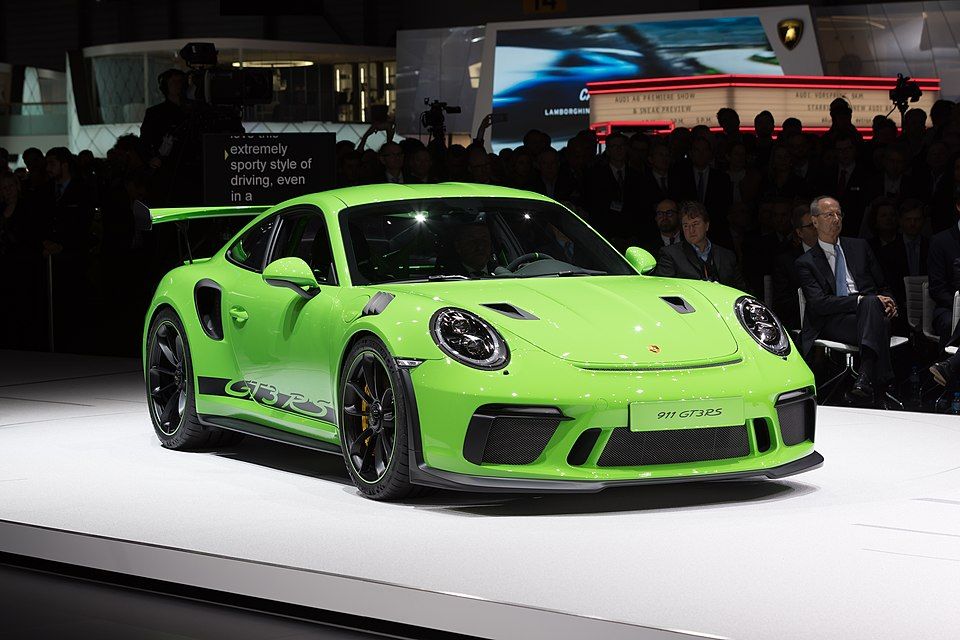
Photo: 2018 Porsche 911 GT3 RS by Matti Blume, CC BY-SA 4.0, via Wikimedia Commons.
The Porsche 911 GT3 makes a noise that seems to change shape as you chase the rev counter. Its 4.0-litre, six-cylinder engine lies flat at the rear of the car and has no turbochargers. At low speed, it can sound busy and mechanical, with whirring parts and a hard-edged exhaust beat. Around the middle of the range, the note becomes fuller and more urgent. Then, above the point where many engines are already preparing to change gear, the GT3 keeps going. The latest version reaches 9,000 revolutions per minute, and Porsche says it still makes a spine-tingling sound even with modern exhaust filters and catalytic converters. That final run is why the GT3 sits so high here.
The sound stops being a normal sports-car roar and becomes a clean metallic shriek, backed by intake noise that seems to come through the whole rear of the car. It also gives the driver a reason to work for the best bit. You don’t get the full show by tapping the accelerator in traffic. You need the right road, the right gear, and enough space, which means a track day is the sensible place to hear everything safely. On public roads, the lower and middle ranges still have plenty of texture. The GT3 can also be easier to place on a British road than the wider Italian cars, though its firm ride and low nose need care. Buyers should check for track history without treating it as an automatic problem. Proper track use with excellent maintenance can be better than gentle road use with missed services. Listen for a smooth rise in pitch, clean gear changes, and no odd rattles once warm.
1. Lexus LFA
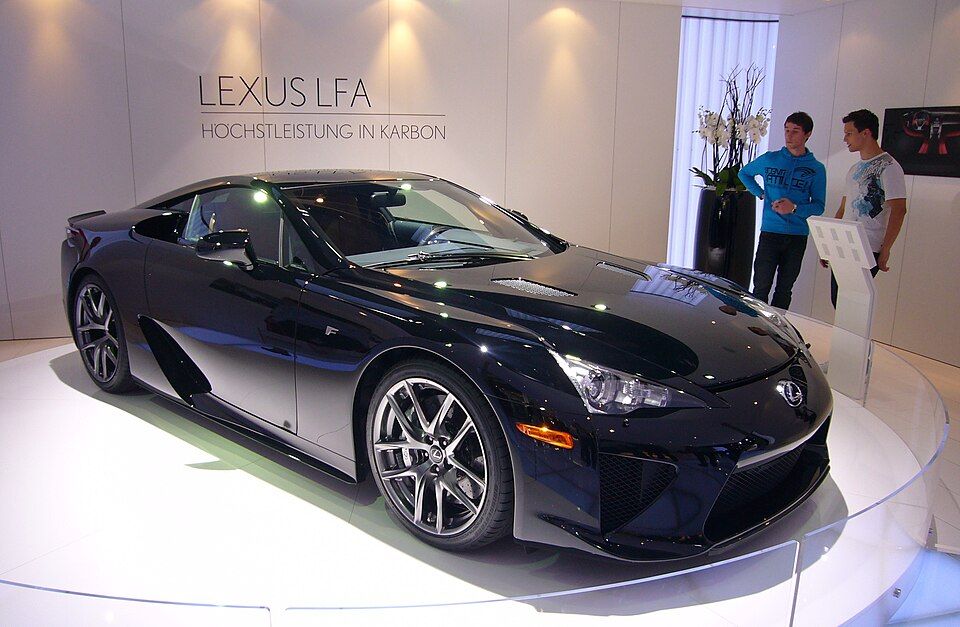
Photo: 2011 Lexus LFA by Rutger van der Maar, CC BY 2.0, via Wikimedia Commons.
The Lexus LFA takes first place because its engine note feels engineered like a musical instrument, yet never sounds artificial. The 4.8-litre, ten-cylinder engine reaches a 9,000-revolution-per-minute red line and changes pitch so quickly that Lexus used a digital display because a normal needle couldn’t keep up. Lexus also worked with Yamaha’s musical instrument specialists on the exhaust and intake sound. The result is famous for a reason. At idle, the LFA is smooth and light. Through the middle range, it gains a bright metallic edge. Near the top, it becomes a clear, soaring howl that sounds closer to a racing engine than a road car. There’s no heavy turbo muffling and no deep American thump. Instead, each rise in revs feels clean, quick, and precise.
Only 500 LFAs were hand assembled for global sale, so hearing one around Manchester or Stockport is about as likely as seeing sunshine during every bank holiday. Still, rarity isn’t why it wins. Plenty of rare cars sound ordinary. The LFA wins because the engine’s voice has range, clarity, and a sense of speed even when you’re listening from outside. It goes from calm to wild without losing its tone. For a buyer, this is collector territory. Service history, storage, originality, and specialist checks matter greatly. But for most of us, the LFA is a car to enjoy through recordings, events, and the rare lucky sighting. And when one does appear, you don’t need a badge or a close look to know what it is. That final high note gives the game away. Few engines have ever sounded so clean, so fast, or so memorable.
How to Judge Engine Sound Before Buying a Used Car
A video can help you build a shortlist, but it can’t tell you what a car really sounds like from the driver’s seat. Phone microphones flatten bass, exaggerate crackles, and hide cabin drone. Before buying, hear the car from cold, then again when fully warm. Stand behind it, sit inside it, and drive at a steady speed as well as under gentle acceleration. A car can sound exciting for ten seconds and become exhausting after an hour. Listen for a clean rhythm. Ticking, rattling, buzzing, or uneven pulses may point to loose heat shields, worn mounts, exhaust leaks, or deeper engine issues. Ask whether the exhaust is standard. If it isn’t, find out who made it, who fitted it, and whether the change is declared to the insurer. Check the service history against the car’s age and mileage, rather than accepting a thick folder as proof that everything is fine. Dace Motor Company carries out history checks on vehicles before sale and offers a soft-search finance check that doesn’t affect the customer’s credit score, but any buyer should still read the specific vehicle details, warranty terms, and finance paperwork with care. A great engine note should be the bonus, not the thing that makes you ignore tyres, brakes, warning lights, or poor maintenance. We’ve all been there, a car starts, sounds brilliant, and suddenly the sensible part of your brain goes for a brew. Take your time. Bring someone level-headed. And remember that the best sounding car is the one you can enjoy without worrying about the next strange noise.