


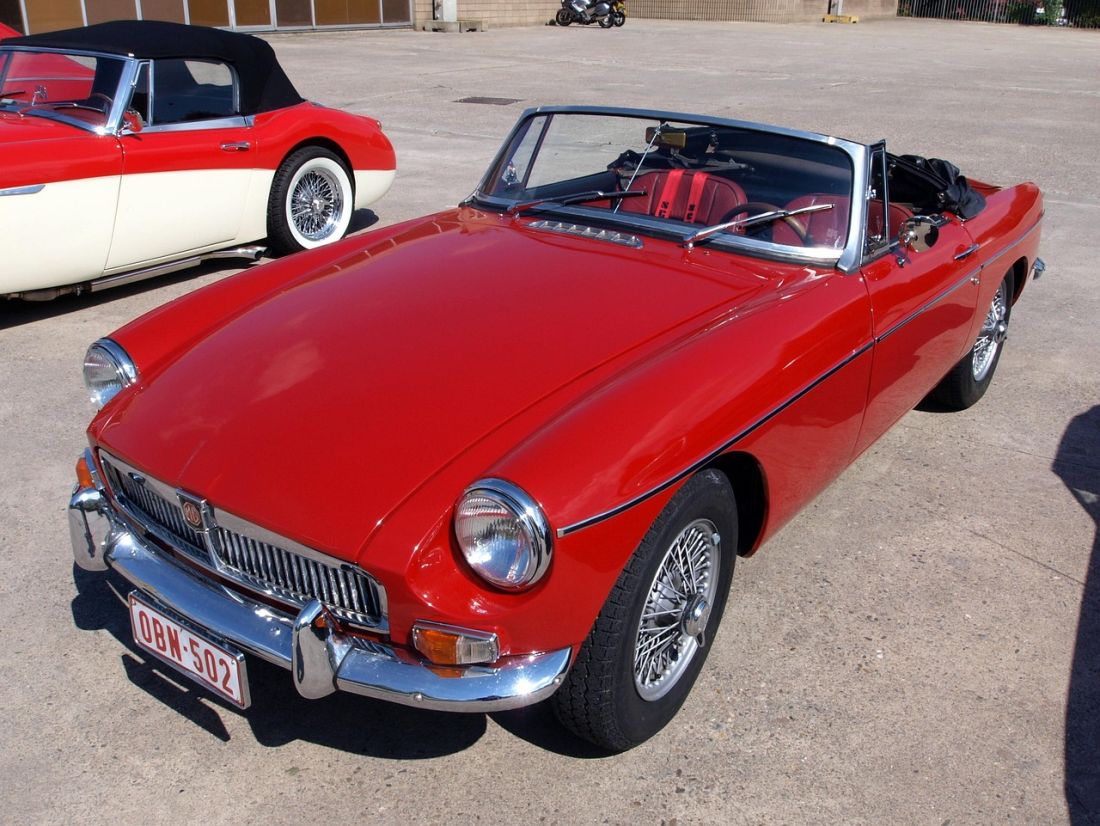
Why the MG B Became One of Britain’s Best-Loved Sports Cars
You know how some cars just feel British before they’ve even moved? The MG B, usually written as the MGB, is one of those cars. It’s small, low, tidy, and cheerful, like it’s ready for a Sunday run out past the Stockport Viaduct, over to Lyme Park, or down a twisty road near the Peak District with the roof down and a flask in the boot. At Dace Motor Company, we spend our days around used cars of all shapes and sizes, from practical family hatchbacks to smart German saloons, but classics like the MGB still have a special pull. They remind people that driving can be fun without needing a giant engine, a huge screen, or a cabin full of buttons. The MGB first arrived in 1962, replacing the MGA, and it stayed in production until 1980, which is a long run for any sports car. The MG Car Club says 512,112 were made during its 19-year production life, while other classic car sources put the total at over half a million. Either way, that’s a serious number for a little two-seat sports car built in Abingdon. And that’s the thing. The MGB wasn’t loved because it was rare and hidden away. It was loved because loads of people could actually buy one, drive one, fix one, and make memories in one.
It Arrived at Just the Right Time
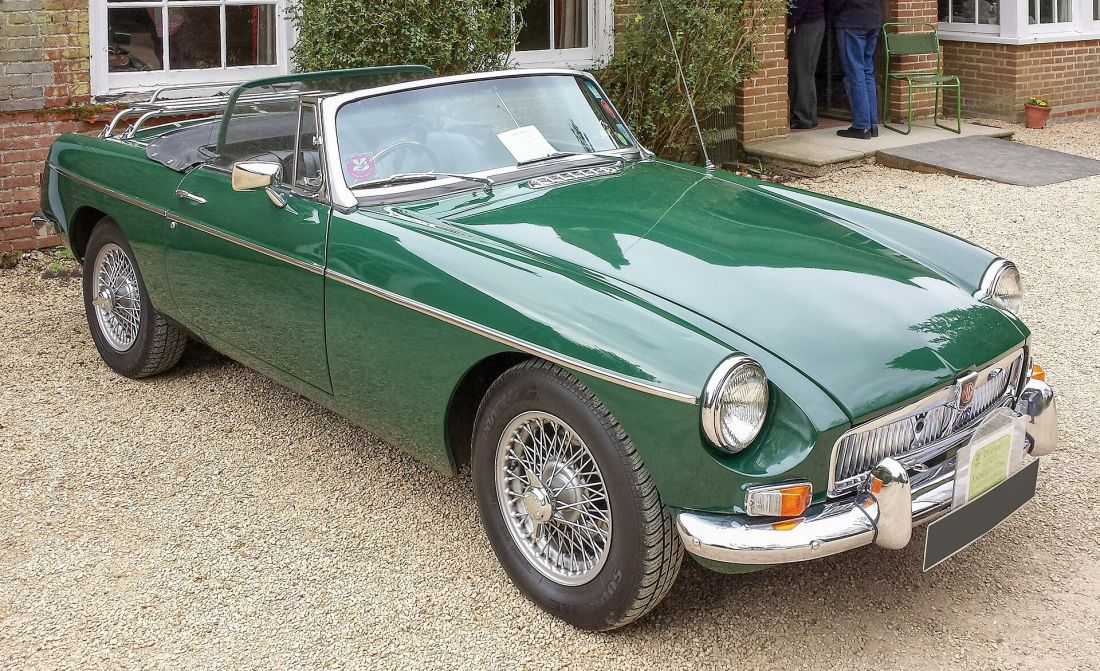
Photo: 1969 MG MGB MkII open roadster by DeFacto, CC BY-SA 4.0, via Wikimedia Commons
The early 1960s were a brilliant time for small sports cars. Britain had winding roads, a strong club scene, and a growing love for cars that felt alive at sensible speeds. The MGB landed right in the middle of that mood. It was launched to the British public at the Earls Court Motor Show in September 1962, after the first production cars had been completed earlier that year. It came from MG’s Abingdon team, with design work led by people who knew exactly what MG buyers liked: a car that looked sharp, felt light, and didn’t make you feel like you needed racing gloves just to pop to the shops. The MGB also had to win over America, because that market was huge for British sports cars at the time. So MG gave it things that made it easier to live with than older roadsters. Wind-up windows, for example. That sounds basic now, but compared with fiddly side screens and leaky old tops, it was a proper step up. The cabin had more space than many people expected, and the car had a clean shape that still looks right today. It wasn’t shouty. It didn’t need to be. Like a good jacket or a proper brew, it just worked.
It Looked Simple, but That Was the Clever Bit
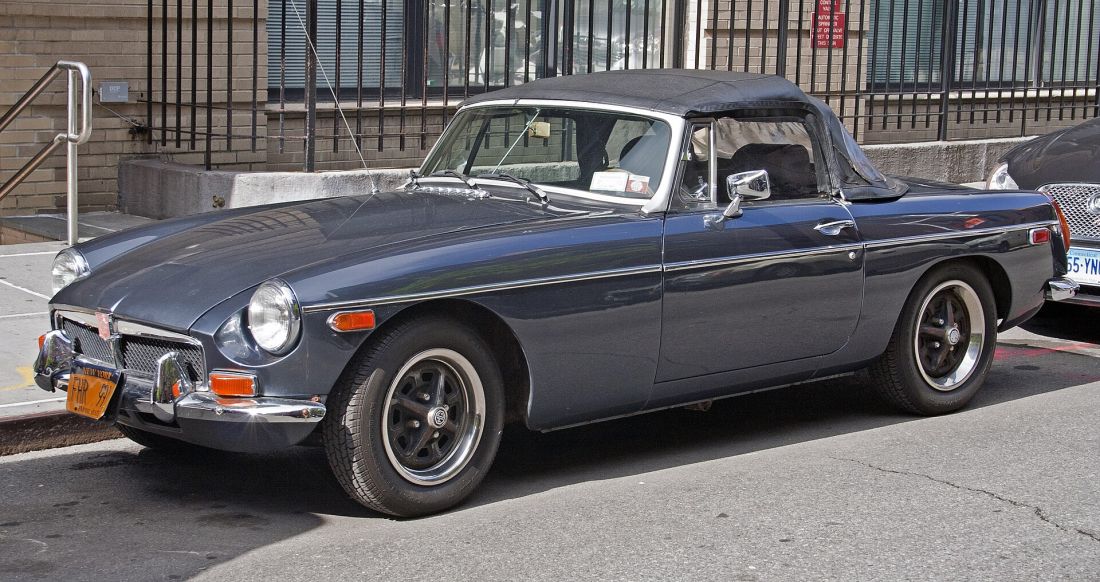
Photo: 1974 MGB (US model) by Mr.choppers, CC BY-SA 3.0, via Wikimedia Commons
The MGB’s shape is a big reason people still smile when one passes by. There’s no silly styling trick. The bonnet is long enough to feel sporty, the tail is short enough to look neat, and the whole car sits with a relaxed confidence. It’s the car version of someone who turns up at a Manchester café in a plain coat and somehow looks better dressed than everyone else. Under that clean body, the MGB used a one-piece body and frame setup instead of the older separate frame style used by the MGA. In simple terms, the shell of the car helped do the strong work, a bit like how an eggshell gets its strength from its shape. This helped the car save weight and gave it more room inside, which mattered a lot because tiny sports cars can get cramped fast. Classic Motorsports notes that the MGB was shorter than the MGA in some key areas but still gave drivers more usable space, which is a neat trick. It meant taller drivers had a fighting chance of getting comfy, and it made the car feel less like a weekend toy and more like something you could live with. That balance, pretty, compact, but still usable, is a huge part of why the MGB stuck around in people’s hearts.
It Was Fun Without Being Scary
Let’s face it, not every loved sports car is fast by modern standards. The MGB isn’t going to embarrass a new electric hatchback away from the lights. That’s not really the point. Early MGBs used a 1,798cc four-cylinder engine, and period figures put power around the mid-90 horsepower mark, depending on year and market. That may sound small now, but the car was light, low, and direct, so it felt lively where it mattered. On a country road, speed isn’t just about numbers. It’s about the steering talking to your hands, the gear lever having a nice clean action, and the engine giving you just enough noise to make a normal drive feel like a bit of an occasion. That’s where the MGB won people over. You didn’t need to be doing daft speeds to enjoy it. A run from Stockport out through Marple, or a steady drive over near Glossop, would be enough to make the car feel awake. The best sports cars don’t bully you. They invite you in. The MGB did that. It was friendly, predictable, and small enough to feel like you were part of the machine rather than sitting on top of it.
The GT Made It Even Easier to Love
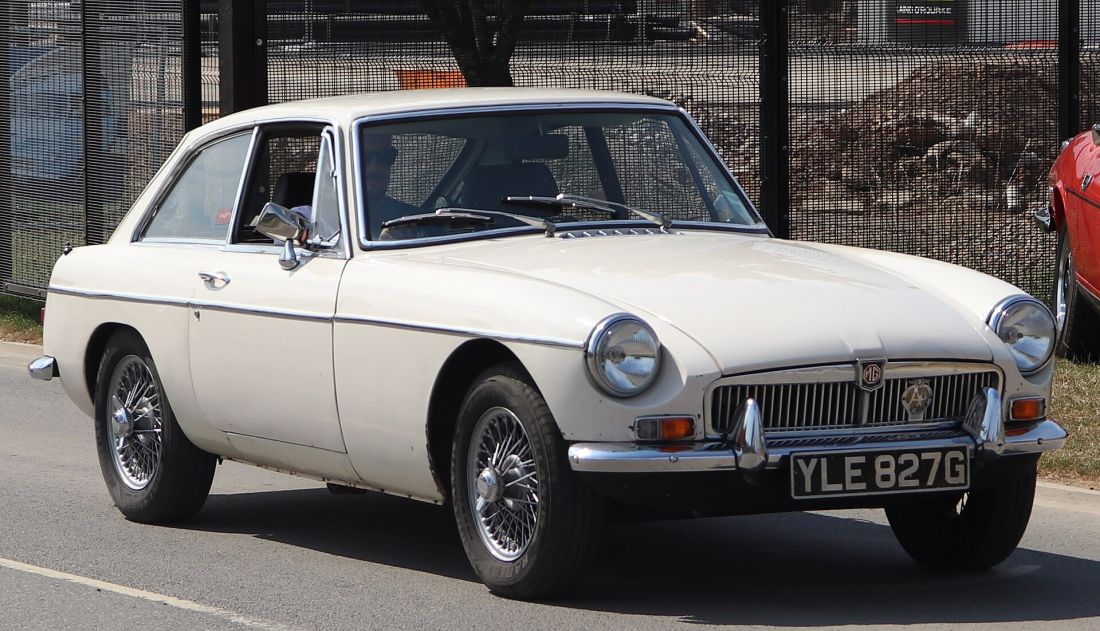
Photo: 1969 MG B GT 1.8 by Vauxford, CC BY-SA 4.0, via Wikimedia Commons
The open-top roadster gets a lot of the attention, and fair enough, because roof-down motoring has its own charm. But the MGB GT, introduced in 1965, deserves a big nod. It took the same basic idea and added a fixed roof, a rear hatch, and a small rear seat area. No, you weren’t going to carry four adults to the Trafford Centre in perfect comfort. Be honest, that was never the job. But it made the MGB feel more useful. You could carry luggage more easily, keep dry in a proper Manchester downpour, and still enjoy that sporty driving feel. The British Motor Museum has described anniversary displays showing MGB Roadsters from 1962 to 1980 and MGB GT cars from 1965 to 1980, which shows how important both versions are to the story. The GT’s shape also had help from Pininfarina, the famous Italian design house, after the original work had been done at Abingdon. That mix of British character and Italian polish gave the GT a classy look, almost like a small grand tourer. The MG Owners’ Club says the GT had a practical tailgate and extra accommodation, making it a more usable sports car for real life. And that’s why it mattered. The MGB wasn’t just a sunny-day toy. In GT form, it became a car you could imagine using far more of the year.
It Was Easy to Get Attached To
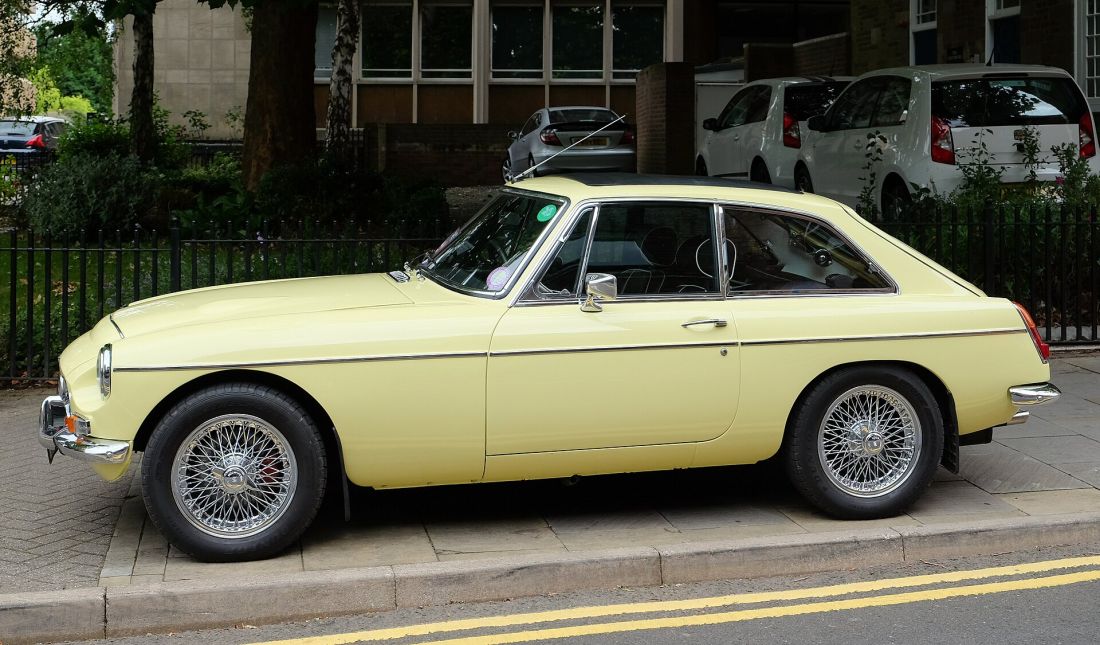
Photo: 1968 MGC GT by DeFacto, CC BY-SA 4.0, via Wikimedia Commons
Some cars impress you once, then fade from memory. The MGB is different. People get attached to them. Part of that comes from the way they feel, but part of it comes from how easy they are to get your head around. Open the bonnet and you don’t feel like you’re looking at a locked safe. You can see the engine. You can see where things go. For owners who like getting their hands dirty, that matters. For people who’d rather let a trusted garage handle it, it still matters, because simple cars can be kept going with care, parts, and know-how. Classic Motorsports sums up the MGB’s lasting appeal as good looks, fun driving, easy upkeep, and a strong owner network. That’s a powerful mix. Think about it like an old house with solid bones. It may need attention, and yes, it may have the odd leak or squeak, but people love it because it has character and can be cared for. The MGB has that same feeling. It’s not cold or distant. It’s the kind of car people name, wave at, and talk about at petrol stations. You can picture someone in Reddish stopping for fuel and ending up in a ten-minute chat with a stranger who “used to have one back in the day.” Cars that start conversations tend to stick around.
It Changed, but the Heart Stayed the Same
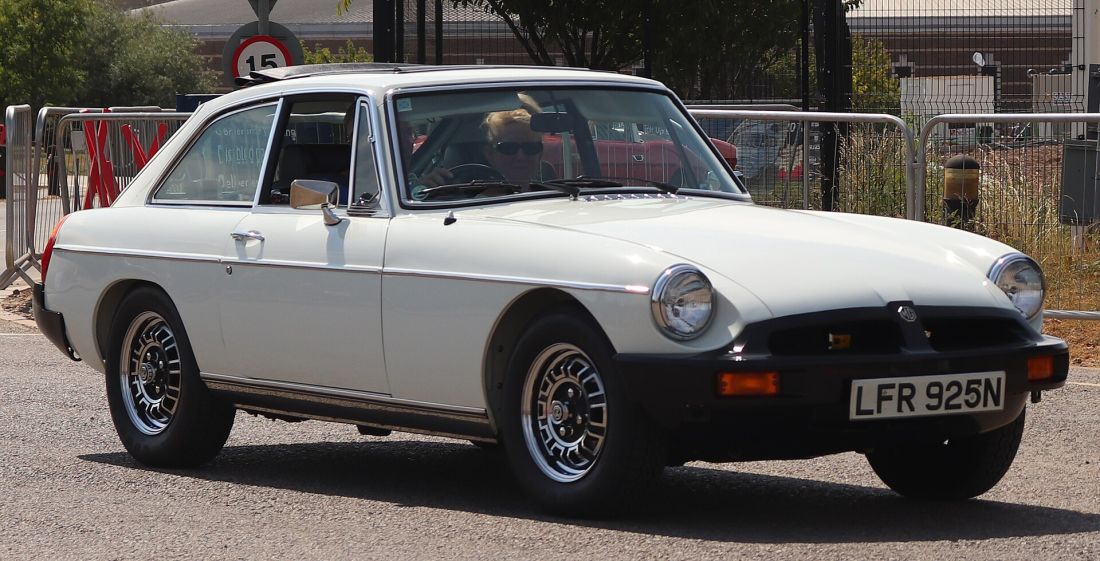
Photo: 1975 MG B GT V8 3.5 by Vauxford, CC BY-SA 4.0, via Wikimedia Commons
Over its long life, the MGB changed quite a bit. Some changes were welcomed, like the five-bearing engine that came in during the 1960s, the stronger rear axle, and the better gearbox fitted to later cars. Other changes split opinion, especially the rubber bumper cars from the 1970s. Those bumpers came in because of American safety rules, and MG also raised the ride height to meet bumper height rules. To many fans, the chrome bumper cars look cleaner and prettier. Still, the later cars have their own following, and plenty of owners like them because they’re still MGBs underneath. That’s the key point. The car’s character survived. The shape shifted a little, the cabin details changed, power went up and down depending on rules and markets, but the basic idea stayed steady: front engine, rear-wheel drive, two seats, simple charm, and enough usefulness to make it more than a garage ornament. We’ve all seen cars lose their way after too many updates. The MGB bent a bit with the times, but it didn’t become something else entirely. That helped people trust it. A 1960s car and a late 1970s car have differences, yes, but they still feel related. Like cousins at a family do, one with shiny shoes, one with a louder jacket.
It Became Part of British Car Culture
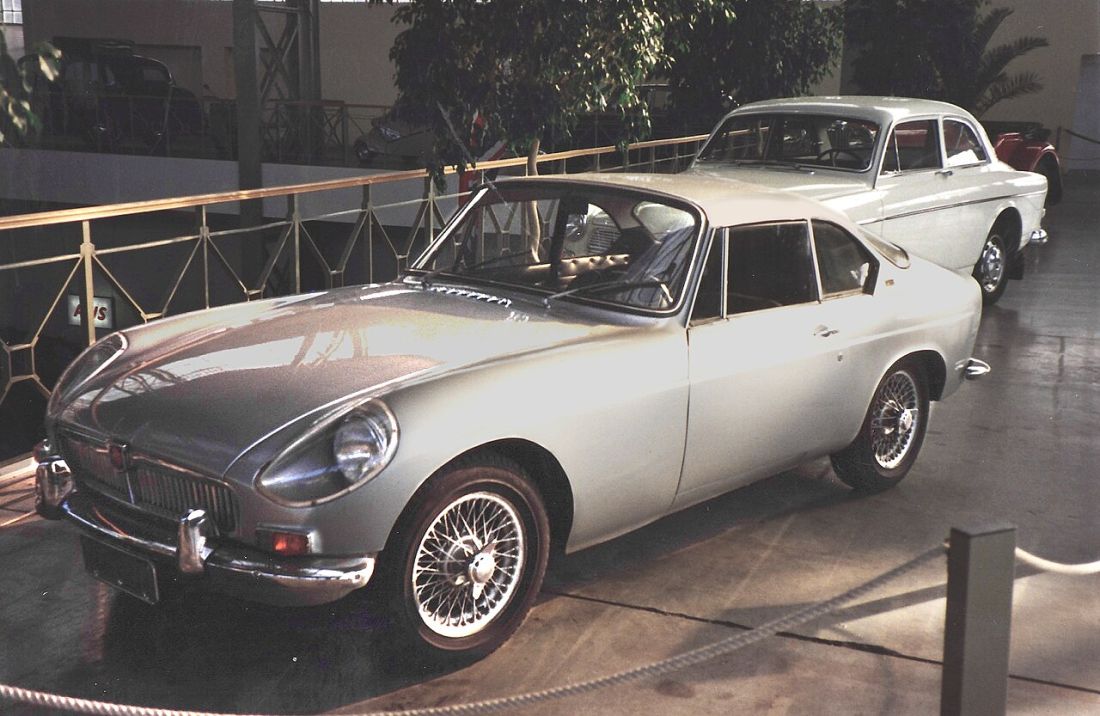
Photo: MGB Berlinette by Jacques Coune Carrossier of Belgium by Andrew Bone from Weymouth, England, CC BY 2.0, via Wikimedia Commons
The MGB didn’t become loved just because it sold well. Loads of things sell well and then vanish from people’s minds. The MGB became loved because it turned into a shared memory. Some people remember seeing them outside pubs, on seaside trips, or parked at shows on damp grass with the bonnet up. Others remember a parent, uncle, neighbour, or teacher who had one. It’s a car that belongs in real stories, not just glossy photos. Around Manchester and Stockport, it’s easy to picture an MGB on a bright morning, burbling along the A6, squeezing through older streets, or heading for a Sunday lunch spot outside the city. It fits that mix of city grit and green edges we’ve got round here. One minute you’re near red-brick mills and railway arches, the next you’re out near open hills. A small British sports car makes sense in that setting. There’s also a club culture around the MGB that has kept it alive. The British Motor Museum marked the car’s 60th birthday with displays covering roadsters and GTs, and the museum even has a cross-sectioned MGB GT showing the inner workings of the car. That says a lot. The MGB has moved beyond being transport. It’s a piece of British motoring history that people still want to see, talk about, and keep moving.
It Was Sporty, but Still Sensible
A big reason the MGB worked so well is that it didn’t ask owners to suffer too much for the fun. Some classic sports cars look amazing but punish you with cramped cabins, awkward roofs, tiny boots, or controls that feel like gym equipment. The MGB was kinder than that. It had wind-up windows, decent room for its size, and a boot that could cope with weekend bags. The roadster gave you that wind-in-your-hair feeling, while the GT gave you a bit more shelter and space. The engine wasn’t exotic, which was part of the appeal. It came from a family of engines with roots in earlier British Motor Corporation cars, so it wasn’t some fragile racing unit that needed pampering every five minutes. For a buyer back then, that made the car less scary. For a classic fan now, it’s still part of the charm. There’s a lesson in that for modern used car buyers too. The best car isn’t always the flashiest thing on the forecourt. It’s the one that fits your life and makes you smile when you see it outside your house. That might be a small hatchback, a family sport utility vehicle, a tidy saloon, or, for the right person, an MG. Dace Motor Company sees that every day with used cars in Stockport and Manchester. People don’t just buy spec sheets. They buy a feeling, a need, a budget, and a bit of hope.
The Shape Still Works Today
Look at an MGB now and it hasn’t become silly. That’s rare. Some old cars look trapped in their decade, all chrome fuss or strange angles. The MGB still looks balanced. The early chrome bumper cars have that neat, bright look people love, while the GT still feels smart and usable. Even the later rubber bumper cars have gained fans, partly because time softens opinions and partly because any well-kept MGB has a charm of its own. There’s also something honest about the size. Modern cars have grown a lot, so an MGB looks tiny beside a new family car. But that smallness is lovely. It reminds you that fun doesn’t have to be huge. You don’t need a car the size of a small flat to enjoy a drive to the Peaks or a quick run across town. The MGB’s long production run also means there are still plenty of cars, parts, clubs, and people who know them well. That keeps the story alive. A rare classic can be exciting, but it can also feel a bit lonely. The MGB is different because there’s a community around it. You can buy books, find spares, join clubs, chat with owners, and learn as you go. That’s a big reason first-time classic buyers still look at them. The car feels approachable. Like it wants you to have a go.
Why Britain Still Has a Soft Spot for It
The MGB became one of Britain’s best-loved sports cars because it got the mix right. It was pretty without being precious. Fun without being frightening. Simple without being dull. It had enough comfort to make normal drives pleasant, enough spirit to make weekend roads exciting, and enough character to make people forgive its flaws. And yes, it had flaws. Classics always do. They can leak, rattle, need fettling, and sulk if ignored. But that’s part of the old-car deal. The MGB’s magic is that the good bits feel bigger than the annoying bits. It gave regular people a taste of sports car life, and it did it with warmth. That’s why it still turns heads in Stockport, Manchester, and beyond. Not because it’s the fastest thing on the road. Not because it’s perfect. Because it feels human. It feels like sunny evenings, cold starts, oily rags, country pubs, and a driver grinning for no sensible reason. That’s a pretty good legacy for a car that first met the public back in 1962. If you’re looking at used cars today, there’s still something to learn from the MGB. Buy something that suits your life, yes. Check its history, condition, and finance options if needed. But don’t forget the smile test. The MGB passed that test decades ago, and it’s still passing it now.