


How Audi RS Models Changed the Idea of Fast Family Cars
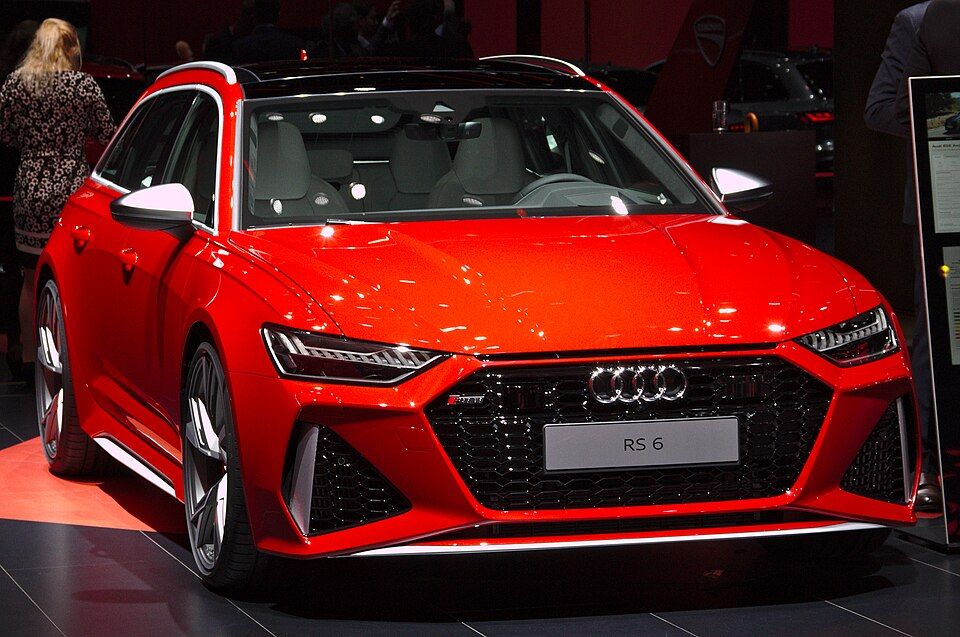
Photo: 2019 Audi RS6 Avant C8 by Alexander Migl, CC BY-SA 4.0, via Wikimedia Commons.
There was a time, and it wasn’t that long ago, when a “fast family car” sounded a bit daft. You had the sensible car for the school run, the weekly shop, muddy boots, football kits, flat-pack furniture, and the run up the motorway to see family. Then, somewhere else in the dream garage, you had the fun car. Small. Loud. A bit useless in the rain. Great on a sunny Sunday, less great when you’ve got a child seat in one hand and a bag of shopping splitting open in the other. Audi RS models helped squash that split. They said, in a very Audi way, “Why can’t one car do both?” At Dace Motor Company, we deal with used cars across brands such as Audi, BMW, Mercedes-Benz, Volkswagen, Volvo, and many others, with showrooms in Stockport and Manchester, so we see how many drivers want something that fits real life without feeling dull. And around here, that makes sense. Manchester rain, Stockport traffic, the M60 at rush hour, a dash out to the Peak District, a stop at the Trafford Centre, maybe Old Trafford or the Etihad on match day. A car has to cope with all of it. The clever bit with Audi RS cars is that they made speed feel grown-up. They didn’t ask drivers to swap common sense for excitement. They made the boring stuff and the fun stuff share the same set of keys. That’s why this story still feels fresh, even if the first big moment happened back in the nineties. It’s really a story about people wanting one car that can handle Tuesday morning and Saturday afternoon without feeling like a compromise.
Before RS, family speed had a bit of an image problem
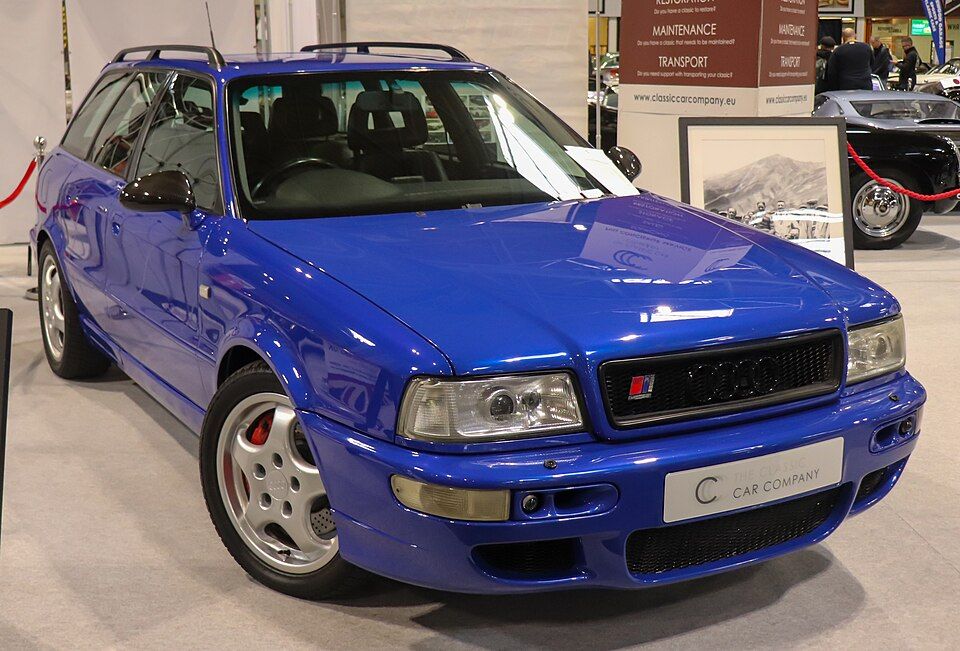
Photo: 1995 Audi RS2 Avant by Vauxford, CC BY-SA 4.0, via Wikimedia Commons.
Go back a few decades and fast cars had a certain look. Low roof. Two doors. Tiny boot. Back seats that felt like punishment. Fine for a weekend blast, maybe, but not much use if you had a pushchair, a dog, a weekly shop, or two kids asking for snacks before you’d even left the driveway. Family cars sat at the other end. They were roomy, steady, easy to live with, and, let’s be honest, a bit beige in spirit even when they weren’t beige in paint. Then Audi brought out the RS 2 Avant in 1994, and it landed like a quiet shock.
It had five seats and a big luggage area, yet its 2.2-litre turbocharged five-cylinder engine was rated at 315 horses. Audi says it could run from a standstill to sixty-two miles per hour in 5.4 seconds and reach 163 miles per hour. That was properly quick, and not just “quick for an estate car” quick. It was quick full stop. Porsche had a hand in the project too, which gave the car a bit of extra magic without turning it into a poster-only toy. The point wasn’t just the numbers, though the numbers were wild for the time. The point was the shape. It was an estate. An Avant, in Audi speak. A car you could load up with real stuff. A car that could park outside a normal house on a normal street and still make a keen driver grin like they’d got away with something.
The RS 2 Avant made “sensible” feel exciting
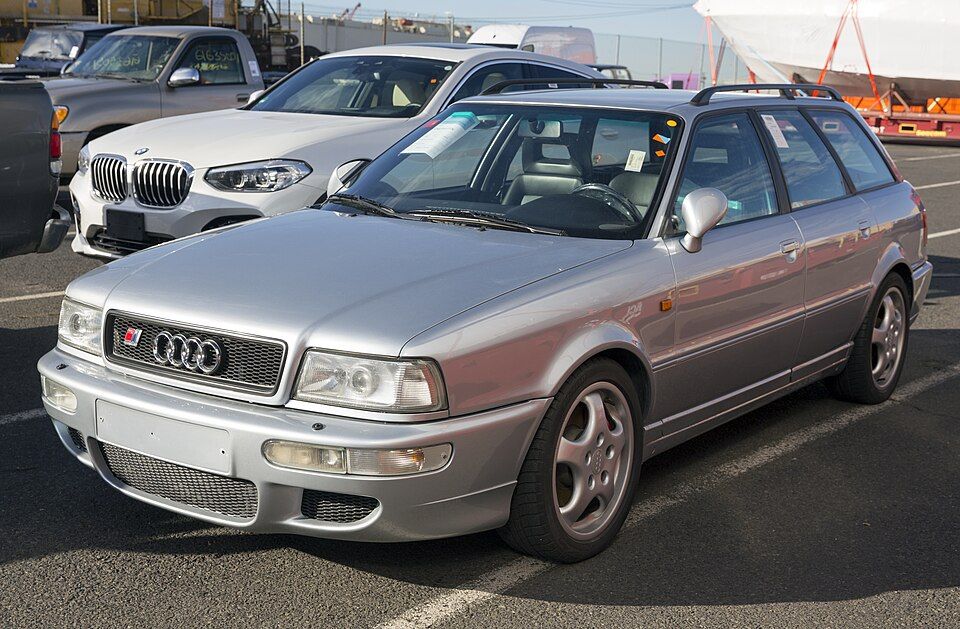
Photo: 1994 Audi RS2 Avant by Mr.choppers, CC BY-SA 3.0, via Wikimedia Commons.
The RS 2 Avant changed the mood because it didn’t shout in the way a two-seat sports car shouts. It didn’t need a giant wing or a cabin that felt like you’d climbed into a helmet. It looked fairly tidy, fairly square, fairly practical. To someone who didn’t care about cars, it could pass as a smart estate for a family who liked nice things. But people who knew, knew. That’s part of the appeal. And it’s a very Manchester sort of appeal too, really. No fuss. Just substance. Like a great coat that handles a grim February downpour, or a café that doesn’t look fancy but does a cracking breakfast. The RS 2 made the idea of a fast family car feel honest.
It said you could have a boot and still care about steering. You could have rear doors and still enjoy a clear road. You could drive to school, to work, to the tip, to the supermarket, and still feel a little spark every time the road opened up. That matters because family life has loads of little compromises baked in. You compromise on sleep. You compromise on what’s on the telly. You compromise on where the last biscuit went. Cars used to be another compromise. Audi’s trick was to make that compromise much smaller. The RS 2 didn’t make family life any less busy, but it made the family car less of a sigh. That sounds simple, but for car fans with kids, dogs, luggage, and a real postcode rather than a race track, it was a pretty huge shift.
The RS 4 Avant proved it wasn’t a one-off
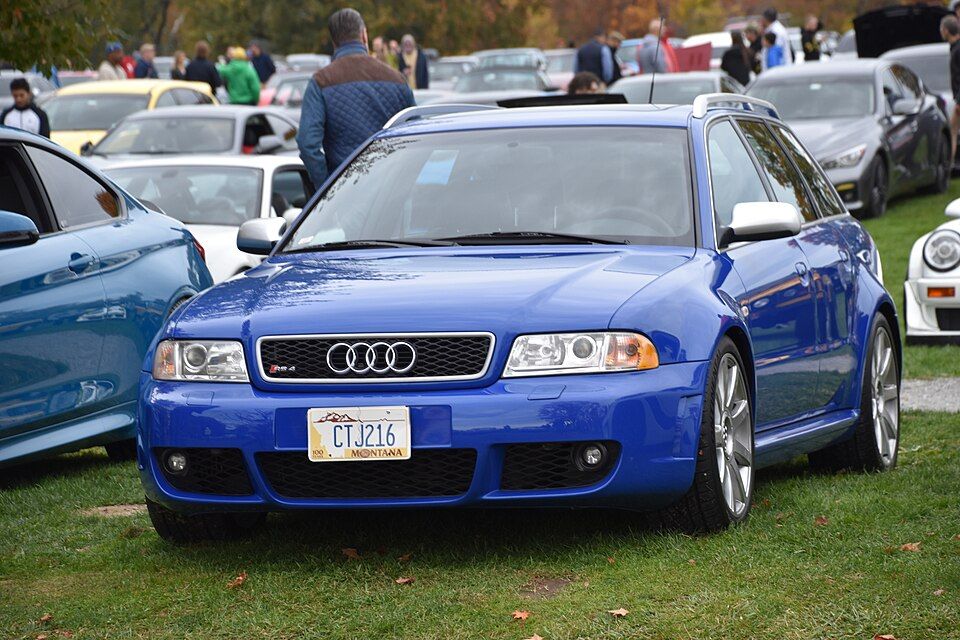
Photo: 2001 Audi RS 4 Avant by Charles from Port Chester, New York, CC BY 2.0, via Wikimedia Commons.
A one-off hero is great, but a proper change needs a second act. That’s where the first RS 4 Avant comes in. Launched in 2000, the first RS 4 was based on the Audi A4 and came as an Avant only. Audi Press UK lists it with a 2.7-litre twin-turbo six-cylinder engine, 380 horses, four-wheel drive, and a sprint from a standstill to sixty-two miles per hour in 4.9 seconds. That’s the sort of figure that still feels lively now, never mind at the start of the 2000s. Audi had planned the project around about 3,000 cars, but just over 6,000 were built, which tells you something.
People got it. They saw the point. Here was a car with a proper boot, proper rear seats, and a shape that didn’t scream for attention at every set of lights. Yet it could make a boring slip road feel like the start of a good day. For Stockport and Manchester drivers, that sort of car makes a strange amount of sense. You don’t always get perfect roads. You don’t always get dry roads. You don’t always get space. So a car that can be calm in traffic, planted in rain, and silly-fast when the moment is right has a real charm. The RS 4 Avant made the fast estate idea feel repeatable. It wasn’t just a clever experiment with Porsche fingerprints on it. It became a line in the sand. Audi was saying, “This is a thing we do now.” And once drivers had tasted that mix, it was hard to go back to the old choice between useful and fun.
The RS 6 turned the grown-up car into the wild one
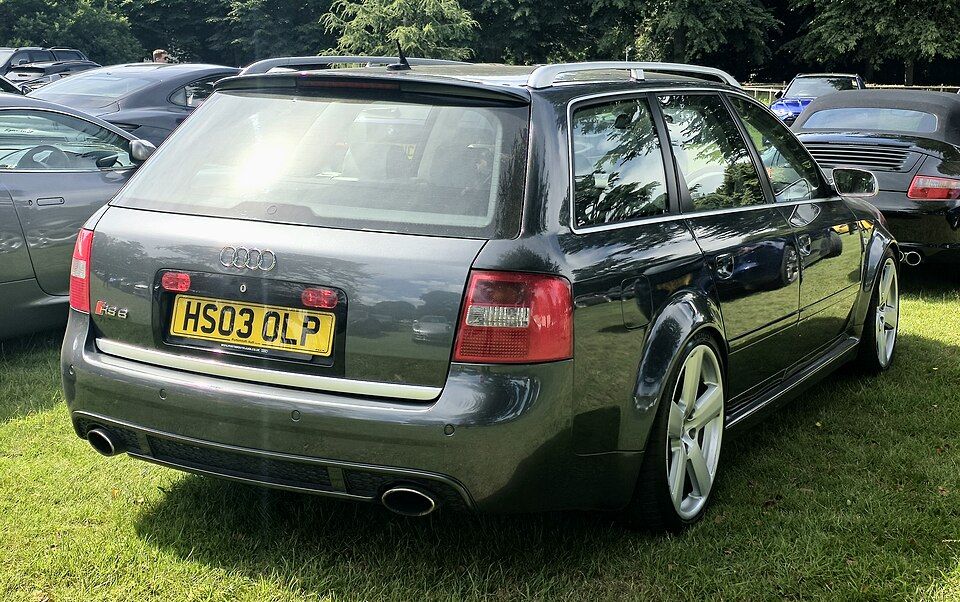
Photo: 2003 Audi RS6 Quattro by Calreyn88, CC BY-SA 4.0, via Wikimedia Commons.
Then came the RS 6 in 2002, and the idea got bigger. The first RS 6 was sold as a saloon and as an Avant, and Audi describes it as having a twin-turbo 4.2-litre eight-cylinder engine with 450 horses. It could reach sixty-two miles per hour from a standstill in 4.7 seconds. That’s a big number for a big car, and it helped give the RS badge a new role. The RS 2 and RS 4 had shown that estates could be exciting. The RS 6 showed that a larger, more grown-up car could feel almost cheeky. It was the sort of car that could carry colleagues to a meeting, then make the driver laugh on the way home. It had a quiet menace about it. Not cartoon menace. More like a calm bouncer in a smart coat. You’d look at it and think, “That’s tidy,” then someone would tell you what was under the bonnet and you’d look again. That’s why the RS 6 became such a big part of the fast family car story. It made pace feel less like a young person’s toy and more like something an adult could choose without apology. You could have comfort, space, and a serious engine. You could take bags, children, friends, golf clubs, prams, or whatever else life threw in the boot. And yes, you could still feel that little fizz when you joined the motorway. Around Greater Manchester, where roads can go from stop-start to open in a minute, that split personality is half the fun. The RS 6 didn’t make the family car sensible or silly. It made it both, which is far better.
Why four-wheel drive mattered on wet British roads
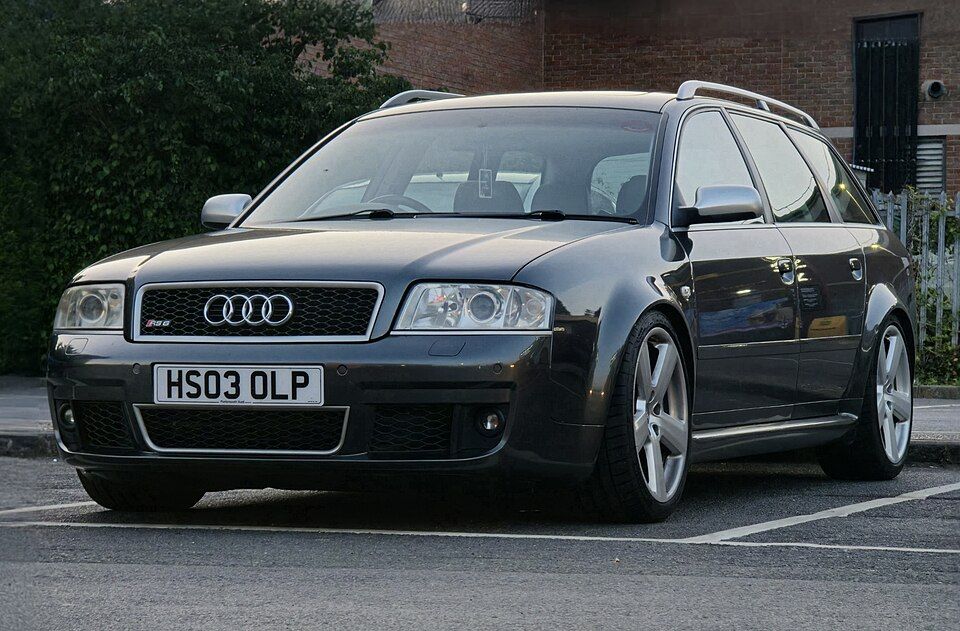
Photo: 2003 Audi RS6 Quattro by Calreyn88, CC BY-SA 4.0, via Wikimedia Commons.
A big part of the RS recipe is grip. That sounds boring until you’ve driven on a cold, wet road near Reddish, through a greasy roundabout by Stockport, or across the Mancunian Way in the sort of rain that seems to come sideways. Then grip feels like your best mate. Audi’s four-wheel drive system became a huge part of why RS cars worked as family cars. A fast car that only feels happy on dry, smooth roads is a bit like owning a barbecue in November. Nice idea, wrong setting. RS models felt built for real weather. That doesn’t mean they bend physics, and it doesn’t mean anyone should drive like they’re in a film. A wet road is still a wet road. Tyres still matter. Brakes still matter. Your right foot still needs a brain attached. But the way RS cars put their shove to the road helped them feel less nervous, especially compared with some older rear-drive fast cars that could get lively when the weather turned grim. Audi Sport, the company behind Audi’s sportiest models, used to be called quattro GmbH and was renamed Audi Sport GmbH in 2016. Audi says only its sportiest cars are allowed to wear the R and RS letters. That background matters because RS cars were never meant to be normal models with a louder exhaust slapped on. The best ones feel like the whole car has been thought through. Engine, brakes, suspension, steering, seats, cooling, tyres, the lot. And for a family car, that whole-car feel is key. Anyone can make a car quick in a straight line for a few seconds. Making it feel settled on a damp school run, then sharp on a Sunday road across the hills, is a much harder trick.
They changed what family cars were allowed to be
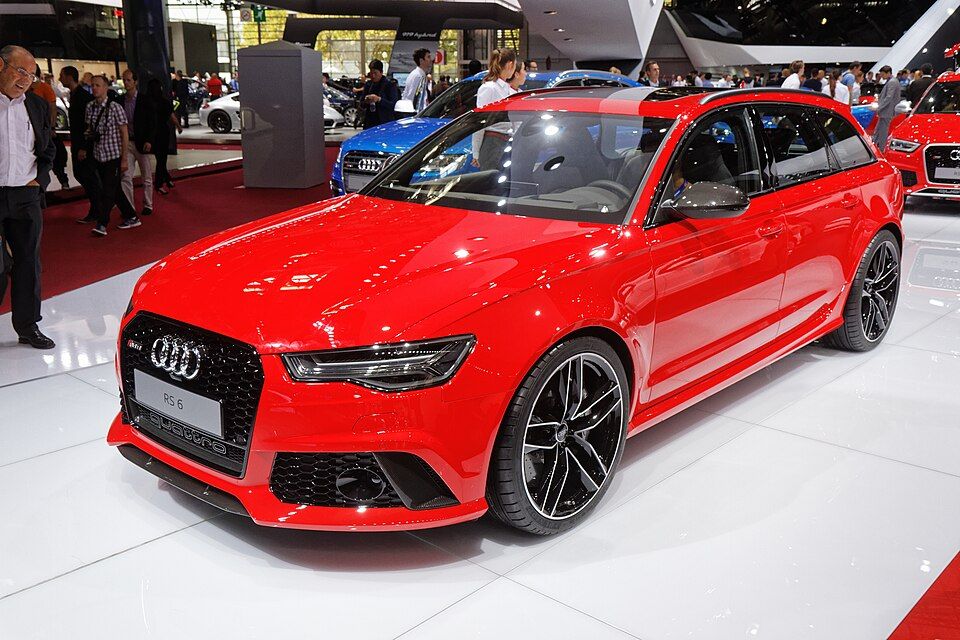
Photo: 2014 Audi RS6 by Thesupermat, CC BY-SA 3.0, via Wikimedia Commons.
This might be the biggest bit. Audi RS models gave family cars permission to have a personality. Before cars like the RS 2, RS 4, and RS 6, the useful car was meant to fade into the background. It was there to serve. It carried things. It started each morning. It behaved. And that’s fine, because those jobs matter. But RS Avants added a new thought. What if the car that carried the shopping could also be the car you looked back at after parking? What if the car with child seats could still make your shoulders drop after a rough day at work because the drive home felt good? What if a family car didn’t have to be the sign that your fun years were done? You know how it is. Life gets busy. The calendar fills up. The car becomes a moving storage cupboard with cup holders. Audi didn’t fix the chaos, but it did make the machine in the middle of it feel special. That shift spread beyond Audi too. Once buyers saw that an estate could be fast, cool, and useful, other brands had to pay attention. The family car didn’t have to wear a flat cap and apologise for itself. It could have swollen arches, big brakes, supportive seats, and still take everyone to the cinema. And that’s why enthusiasts talk about RS Avants with such warmth. They feel like cars made by people who get the joke. The joke being: adults still like fun. Parents still like cars. A boot full of school bags doesn’t cancel out the part of you that enjoys a good engine note on a quiet road.
They made estate cars cool again, even as sport utility vehicles took over
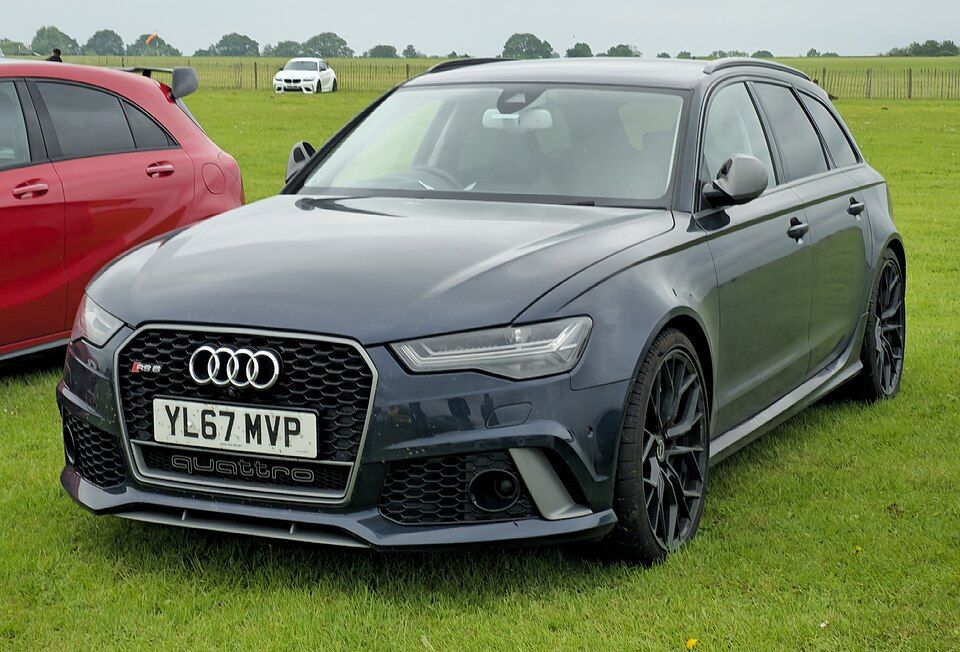
Photo: 2017 Audi RS6 Performance TFSi Quattro by Calreyn88, CC BY-SA 4.0, via Wikimedia Commons.
Let’s face it, sport utility vehicles have eaten a huge chunk of the family car market. People like the high seating position, the easy access, the feeling of space, and the look. Fair enough. For many families, that shape works. But the Audi RS Avant idea kept the estate car alive in the minds of people who care about driving. An estate sits lower. It can feel more settled. It has that long roof, that useful boot, and a stance that looks ready without looking bulky. The RS treatment gave that shape attitude. Not pretend off-road attitude. Road attitude. There’s a difference. In a place like Manchester, where you might squeeze into a tight car park one minute and head out past Glossop or Lyme Park the next, an estate can still make loads of sense.
The RS badge reminded people of that. It made the estate feel less like a leftover from your dad’s company-car list and more like a smart choice for someone who knows what they like. The modern RS 6 Avant performance shows how far the idea has gone. Audi UK lists it with a 4.0-litre twin-turbo eight-cylinder engine, 630 horses, four-wheel drive, and a run from a standstill to sixty-two miles per hour in 3.4 seconds. Audi also calls it an Avant, so the basic idea is still there: serious pace, five-seat usefulness, and a boot you can use. Those numbers are almost silly, and that’s part of the charm. A car that can carry family luggage and move like that feels like someone at Audi refused to accept the usual answer.
They changed how people shop for used fast family cars
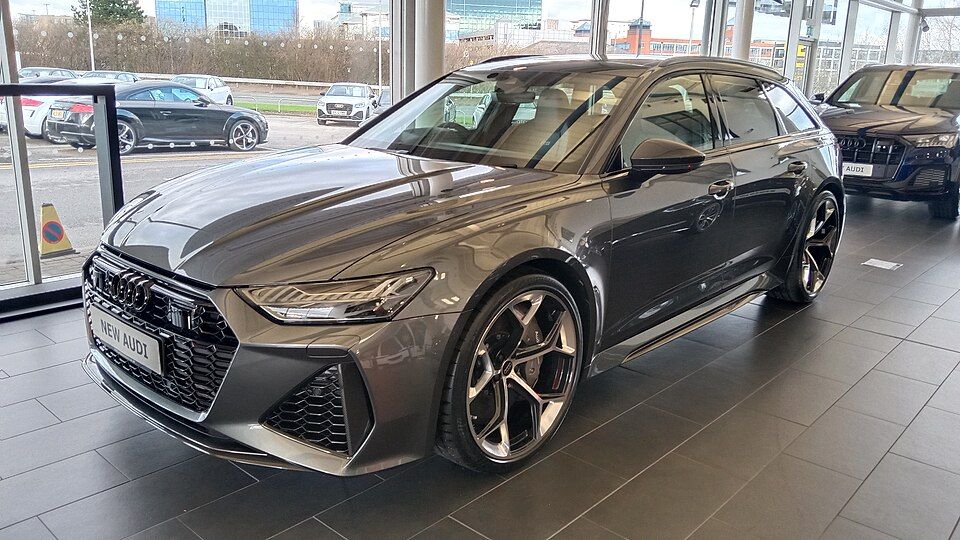
Photo: 2023 Audi RS6 Avant by MoCars, CC0, via Wikimedia Commons.
RS models also changed the used-car conversation. Years ago, a buyer looking for a family car might ask about space, fuel, comfort, and price. A buyer looking for a fast car might ask about engine work, tyres, brakes, and service records. With an Audi RS model, those two chats become one. You need to think with your head and your heart at the same time. That’s why history matters. Has it been serviced properly? Are the tyres a decent matching set? Do the brakes feel smooth and strong? Is the suspension quiet over bumps? Does the gearbox change cleanly? Has the car been warmed up and cared for, or has it spent years being treated like a toy by someone with no patience? These are simple checks, but they matter a lot because fast family cars work hard.
They’re asked to do school runs, motorway miles, short hops, long trips, and the odd spirited drive when the road allows. So a good one should feel tight, calm, and well looked after, not tired and shiny. And be honest with yourself too. Big brakes cost money. Big tyres cost money. Insurance can sting. Fuel use won’t feel like a small hatchback. That doesn’t mean “don’t buy one.” It means buy with your eyes open. The best fast family car is the one you can enjoy without wincing every time it needs care. For local drivers, that can mean thinking about real routes too. Do you spend most of your time in city traffic, crossing Manchester at busy times? Do you park on narrow Stockport streets? Do you head over to the Peaks at weekends? A test drive should match your life, not just your daydream.
What Audi got so right
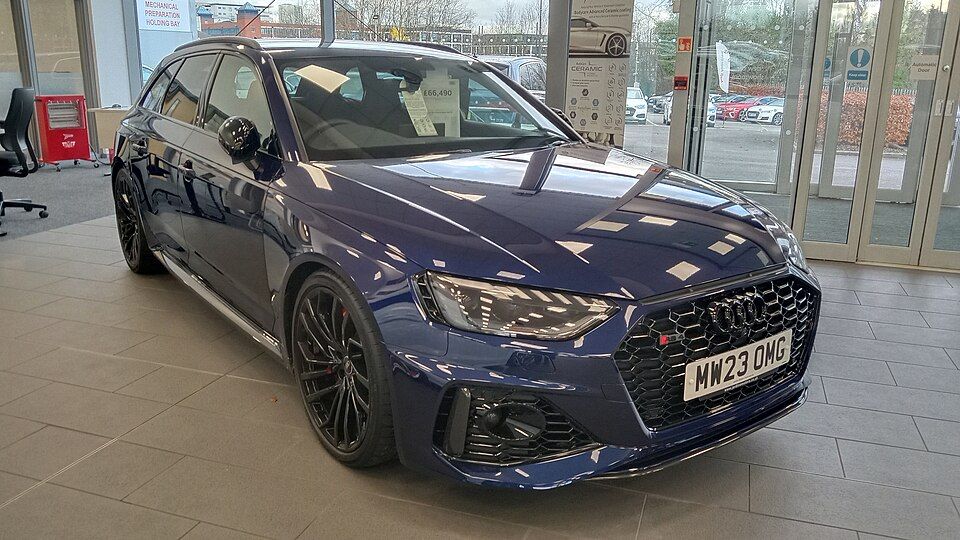
Photo: 2023 Audi RS4 Avant by MoCars, CC0, via Wikimedia Commons.
Audi’s clever move was restraint. That might sound odd when we’re talking about cars with huge pace, wide arches, and engines that can make your tea go cold while you stand outside listening to them. But restraint is the thing. RS cars have never been at their best when they’re trying to look like racing cars with number plates. They work because they keep a foot in normal life. The seats are supportive but usable. The cabins feel familiar. The boots are real. The rear seats are real. The cars can sit in traffic without making every mile feel like a chore.
Then, when the road clears, there’s another side waiting. That split is what changed the idea of a fast family car. It wasn’t just speed. Speed on its own gets old. The real appeal is the contrast. Quiet street, calm cabin, kids in the back, shopping in the boot, then one clean stretch of road and the car wakes up. Not in a messy way. In a polished, controlled, “oh, this is why people love these” way. And because the RS models looked close enough to normal Audis, they carried a bit of surprise. You didn’t have to shout about your car choice. You could know what it was and let everyone else work it out later. There’s a certain northern appeal in that. No big speech. No drama. Just a car that does the business. And because the shape stays useful, the owner doesn’t feel like they’re putting on an act every time they get behind the wheel.
What to think about if you want one
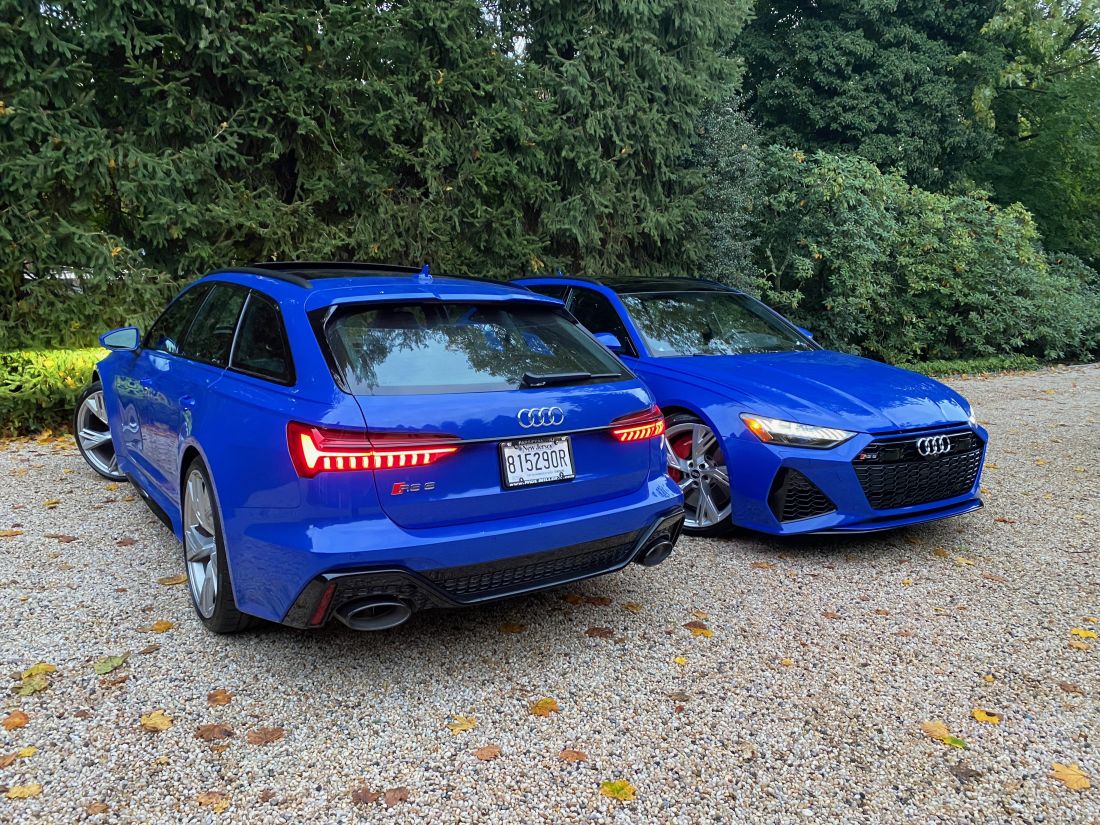
Photo: C8 RS6 Avant "RS Tribute edition" by AudiRSnut, CC BY-SA 4.0 , via Wikimedia Commons.
If you’re looking at a used Audi RS model, start with the boring stuff. Sorry, but it’s true. The boring stuff is what keeps the fun fun. Check the service history. Look for regular care from people who know the model. Check tyre brand, tread, and wear across each corner. If one tyre is fresh and the others are ancient, ask why. Listen for knocks over rough roads. Feel for vibration through the brakes. Make sure the car tracks straight and doesn’t pull. Check that every switch, screen, seat motor, window, camera, sensor, and heater does what it should.
These cars can be packed with kit, and little faults can get annoying quickly. Then think about comfort. An RS car should make you smile, but you still have to live with it. Take it over the kind of roads you actually use. Some versions ride firmer than others. Some wheel sizes look great but feel less friendly on broken roads. In Manchester and Stockport, that matters. A car can be amazing on a smooth test route and a pain on your daily run. Also, think about image. Some RS models are subtle. Some are louder in colour and spec. Neither is wrong. Pick the one that fits you. To be honest, the best choice is the car that feels special at 30 miles per hour, not just the one with the wildest number on a spec sheet. Because most of life happens at normal speed. The car still needs to feel right there.
The real legacy of Audi RS family cars
So, what did Audi RS models really change? They changed the answer to a simple question: “What can a family car be?” Before them, the answer was mostly sensible, roomy, and safe. After them, the answer got wider. A family car could be useful and exciting. Calm and quick. Mature and a little bit naughty. It could take you to work, take the kids to school, take the dog out, carry luggage for a weekend away, and still make an empty slip road feel like a tiny private celebration. That’s a pretty special thing. The RS 2 Avant cracked the door open. The RS 4 Avant pushed it wider. The RS 6 Avant walked through like it owned the place. And now, years later, the same idea still grabs people because it fits real life. Not fantasy life. Real life, with traffic, rain, parking, family plans, late starts, and last-minute trips to the shops. For drivers around Manchester and Stockport, that blend still feels bang on. We’ve all been there: you want the sensible choice, but you don’t want to feel like you’ve given up the bit of driving that makes you smile. Audi RS models showed that you don’t have to pick one side of yourself and leave the other at home. Sometimes the family car can be the fun car too. And that’s why these cars still matter. They made room for the grown-up version of a car fan, the person who still cares about the drive but also needs space for real life.