


The Fastest Estate Cars Ever Built
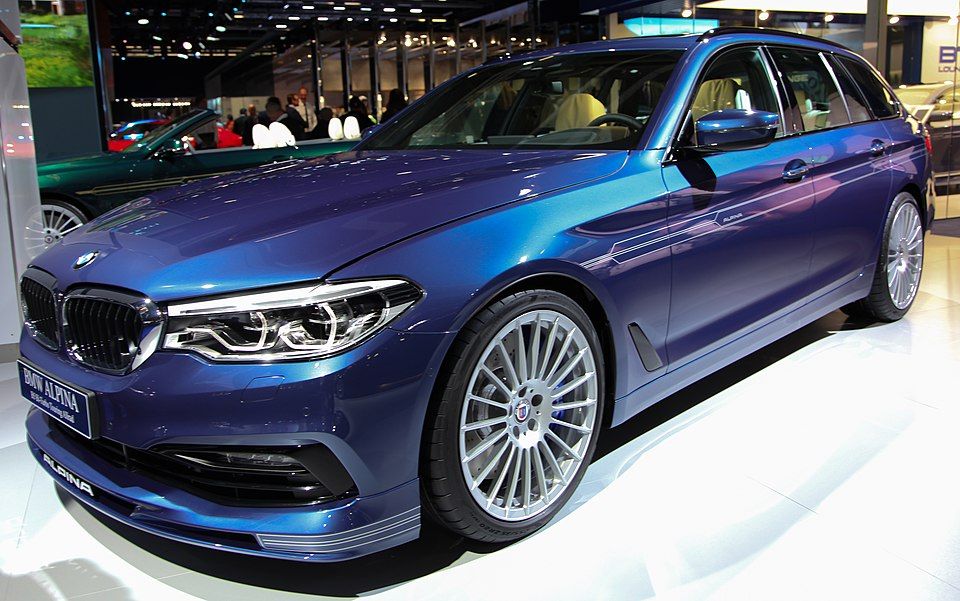
Photo: 2017 Alpina B5 Touring by Alexander Migl, CC BY-SA 4.0, via Wikimedia Commons.
Fast estate cars are a bit daft, in the best way. They look like they’re ready for the weekly shop, the school run, a wet Saturday trip to Stockport, or a boot full of flat-pack furniture. Then you press the throttle and, suddenly, they’re moving like something that should have a race number on the door.
That’s the charm. A fast estate doesn’t shout quite like a supercar. It doesn’t need butterfly doors or a bonnet scoop the size of a wheelie bin. It just gets on with it. One minute it’s outside a café in Heaton Moor with a dog guard in the back. The next, it’s doing the sort of speed that makes your passenger go quiet and stare straight ahead.
At Dace Motor Company, we’ve always liked cars that make real-life sense as well as making you grin. We’re based around Stockport and Manchester, and our used car stock covers a wide spread of brands, from Audi, BMW and Mercedes-Benz to Volvo, Jaguar, Volkswagen and plenty more. We also know that people want a car that works for daily life, not just a poster on a bedroom wall.
So, let’s talk about the wildest load-luggers ever made. Some are factory-built heroes. Some are tuner specials that probably make tyres nervous just by being parked near them. And a few sit right on the edge of what counts as an estate. That’s half the fun.
What counts as an estate car?
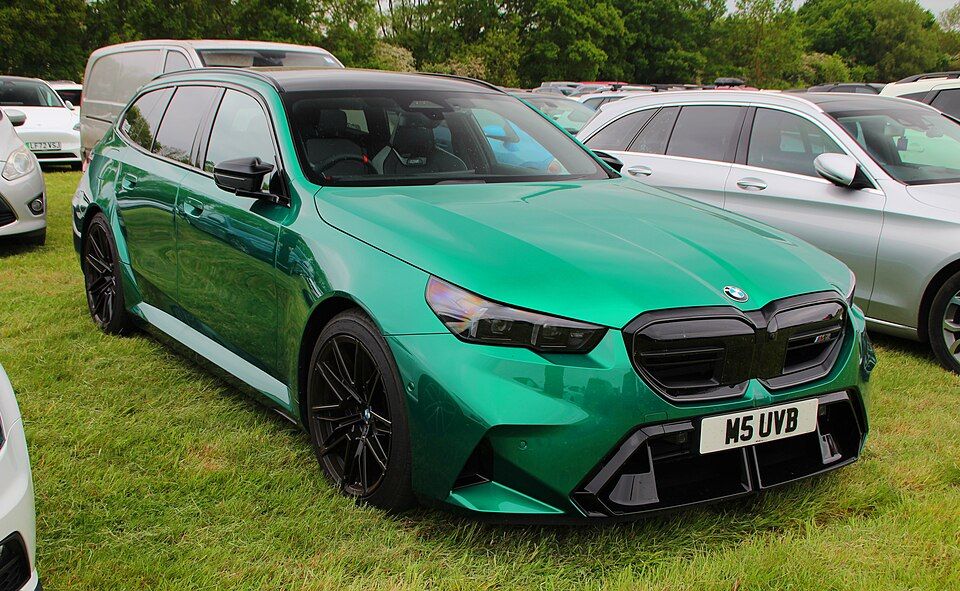
Photo: 2025 BMW M5 Touring PHEV Auto by Calreyn88, CC BY-SA 4.0, via Wikimedia Commons.
In the UK, an estate car is usually a regular car with a longer roof and a bigger boot. Think Audi Avant, BMW Touring, Mercedes Estate, Volvo Estate, or Jaguar Sportbrake. It’s the shape you pick when you want space, but you don’t fancy driving a tall sport utility vehicle.
That matters because “fastest estate” can get a bit messy. A Ferrari GTC4Lusso, for example, has a long roof and a hatchback-style boot, and it can reach 208 mph, which is plain silly for anything with rear seats. But it has two doors and feels more like a shooting brake than the sort of estate you’d use for a tip run in Reddish. So, for this article, we’ll focus mostly on proper family-style estates, while still giving a nod to the odd rule-bender.
The other thing to remember is that top speed isn’t the whole story. Some cars have a huge top speed but don’t feel as sharp from a standstill. Others, like electric estates, leap away from traffic lights like they’ve been fired from a catapult, but their top speed is capped. A Porsche Taycan Turbo S Cross Turismo, for example, can run from 0 to 100 km/h in 2.5 seconds, yet its top speed is lower than some petrol estates at 250 km/h.
Brabus 850 6.0 Biturbo Estate: the tuner-built monster
Let’s start with the car that sounds like it was created after someone lost a bet.
The Brabus 850 6.0 Biturbo, based on the Mercedes-AMG E63, is one of the most outrageous estate cars ever built. Brabus took an already angry Mercedes and made it properly unhinged. Reports from the time put it at around 850 horsepower, with a possible top speed of more than 350 km/h, or 217 mph, depending on tyres, gearing and limiter settings. That’s not quick-for-an-estate. That’s supercar territory with a boot.
Now, there’s a catch. This isn’t a normal factory model in the same way an Audi RS6 or BMW M5 Touring is. It’s a high-end conversion from Brabus, a German tuning company known for taking Mercedes cars and making them faster, louder and much more expensive. So, if we’re talking pure “built and road legal” madness, the Brabus belongs right near the top. If we’re talking regular production estate cars from the main manufacturer, it sits in its own naughty corner.
Still, imagine seeing one in Manchester traffic. It would look like an executive estate, maybe a bit wider, maybe a bit meaner, and then it would disappear toward the M60 like someone pressed fast-forward. Subtle? Not really. Brilliant? Absolutely.
Alpina B5 Touring: the proper production estate king
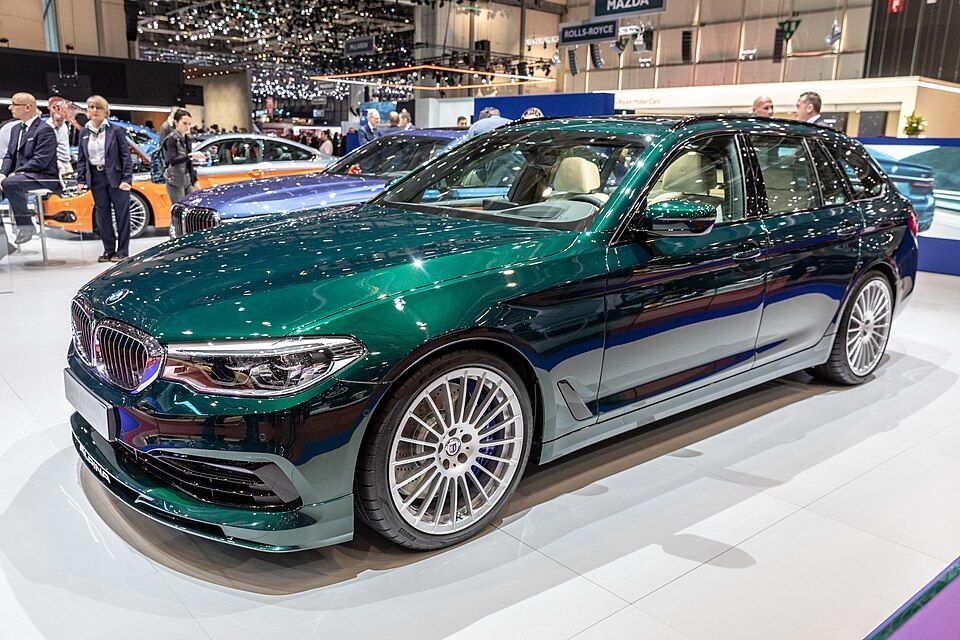
Photo: 2019 Alpina B5 by Matti Blume, CC BY-SA 4.0, via Wikimedia Commons.
If the Brabus is the wild cousin who turns up late and sets off fireworks in the garden, the Alpina B5 Touring is the calm-looking genius who quietly wins everything.
Alpina has always done things in a different way from BMW M. Rather than making the car feel like it wants a lap time every time you nip to the shops, Alpina goes for huge speed, comfort and long-distance ease. The result is a car that can cover ground at a shocking pace without making a big scene about it.
The BMW Alpina B5 Bi-Turbo Touring has long been seen as one of the fastest proper production estate cars ever. Official Alpina figures for the B5 Touring list a top speed of 322 km/h, which is about 200 mph, with 0 to 100 km/h in 3.7 seconds for the Touring version in one published price list.
There are later versions and special editions, including the B5 GT, and this is where the numbers can get a bit foggy depending on market, year and source. Some reports give the saloon 330 km/h and the Touring just over 200 mph, while older technical sheets list Touring figures around 322 to 325 km/h.
Either way, the point is simple. The Alpina B5 Touring is a proper estate car that can run with supercars. You could fit luggage, people and probably half the contents of a Manchester student flat in the back, then cruise at speeds that would’ve sounded like science fiction not that long ago.
Porsche Panamera Turbo S E-Hybrid Sport Turismo: the fast one with batteries
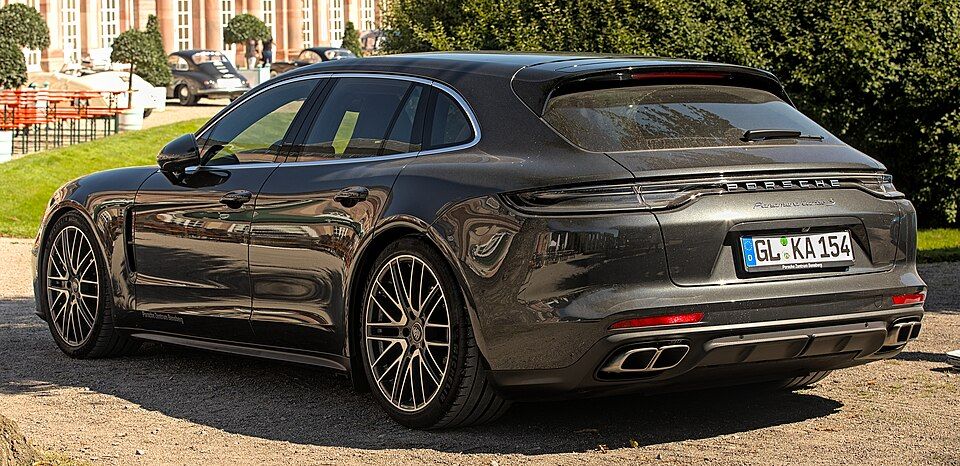
Photo: 2021 Porsche 971 Panamera Turbo S E-Hybrid Sport Turismo by Alexander Migl, CC BY-SA 4.0, via Wikimedia Commons.
The Porsche Panamera Sport Turismo is one of those cars that causes arguments in comment sections. Is it a true estate? Is it a posh hatchback? Is it a shooting brake? Honestly, it’s a bit of all three. But it has a long roof, rear doors, a usable boot and a very serious turn of speed, so it deserves a place here.
The Panamera Turbo S E-Hybrid Sport Turismo mixed a 4.0-litre V8 with an electric motor, giving it 680 hp and 850 Nm in earlier versions. Porsche said it could hit 100 km/h in 3.4 seconds and reach 310 km/h, which is about 193 mph.
That makes it one of the fastest estate-ish family cars ever sold. And because it’s a plug-in hybrid, it can also creep around quietly on electric power for shorter trips. That contrast is strange, but it’s also very Porsche. Silent near the shops, thunderous on a clear road.
For a Manchester driver, the idea is funny. You could roll through a quiet street in Didsbury without much noise, then head out toward the Peaks and have a car that feels like it has two personalities. Sensible shoes. Rocket socks.
Audi RS6 Avant GT and RS6 Performance: the modern icon
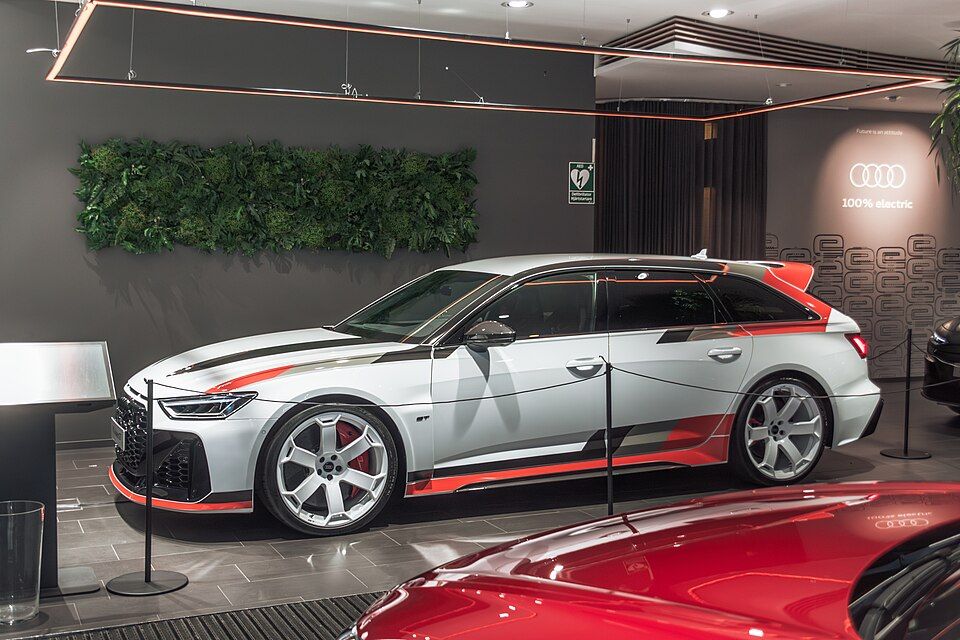 Photo: Audi RS6 Avant GT by Johnny Vesterlund, CC BY-SA 4.0, via Wikimedia Commons.
No fast estate list feels right without the Audi RS6 Avant. It’s the car many people picture first when someone says “fast wagon”. Big arches. Big power. Big boot. Big road presence.
The recent RS6 Avant Performance uses a 4.0-litre V8 with 630 PS and 850 Nm. Audi’s own technical data lists the RS6 Avant Performance at up to 305 km/h, or 189.5 mph, with the right setup, and 0 to 100 km/h in 3.3 seconds on the listed data sheet.
Then came the RS6 Avant GT, a limited-run version with the same 630 PS and 850 Nm, plus a sharper chassis setup and a rather lovely motorsport-inspired look. Audi said deliveries started in the second quarter of 2024, with only 660 cars planned.
The RS6 is so good at being fast and useful that it has become almost normal to see one and think, “Yeah, that makes sense.” Then you remember it can do nearly 190 mph. That’s not normal. That’s like finding out your postman can run the 100 metres in Olympic time.
And yet, it works. It has four-wheel drive, a comfortable cabin, loads of space and enough pace to make many sports cars feel a bit embarrassed.
BMW M5 Touring: the big M car gets its boot back
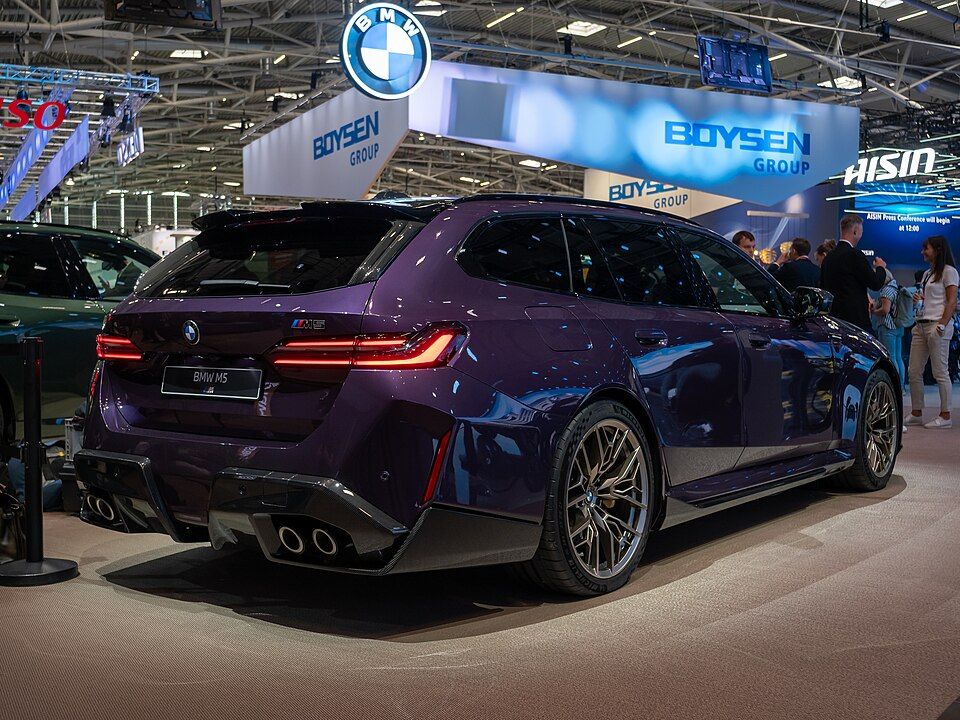
Photo: 2025 BMW M5 touring by Matti Blume, via Wikimedia Commons.
BMW fans had been waiting a long time for a new M5 Touring. The old V10 E61 M5 Touring was already a cult car, mainly because BMW fitted a screaming ten-cylinder engine into a family estate and somehow made that a real showroom product. But the newest M5 Touring is a different beast.
The 2025 BMW M5 Touring uses a plug-in hybrid V8 setup, with 727 hp and 1,000 Nm in European figures. BMW says it runs from 0 to 100 km/h in 3.6 seconds, with a top speed of 250 km/h as standard, rising to 305 km/h with the optional M Driver’s Package.
That puts it right alongside the Audi RS6 in the current fast estate fight. The BMW is heavier, partly because of the battery and hybrid system, but it also brings electric shove at low speed. In normal words, it doesn’t hang about.
The M5 Touring feels like a car built for someone who wants one machine to do nearly everything. Work commute. Family trip. Airport run. Late-night blast after the roads clear. It’s expensive, yes, and it’s not small. But around Manchester, where roads can go from city centre crawl to open stretches pretty quickly, you can see the appeal.
Cadillac CTS-V Wagon: the American muscle estate
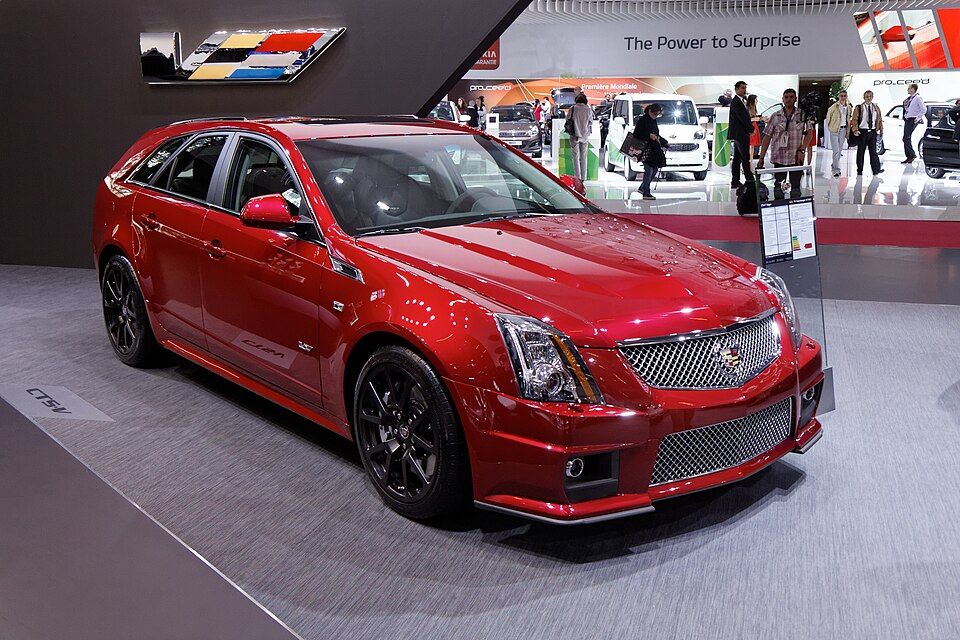
Photo: 2012 Cadillac CTS-V Wagon by Thesupermat, CC BY-SA 3.0, via Wikimedia Commons.
The Cadillac CTS-V Wagon is one of those cars that sounds made up. A rear-wheel-drive American estate with a supercharged V8, a manual gearbox option, and a top speed around 190 mph? Come on.
But yes, it happened.
Car and Driver tested the 2011 Cadillac CTS-V Wagon and recorded 0 to 60 mph in 4.3 seconds, with an estimated drag-limited top speed of 191 mph. That came from a 6.2-litre supercharged V8 making 556 horsepower.
The CTS-V Wagon is not common in the UK, which is part of its charm. Over here, fast estates tend to be German, Swedish, or sometimes British. The Cadillac brought a very different flavour. Less “autobahn missile”, more “muscle car with room for a Labrador”.
It’s not subtle in the same way an Alpina is subtle. It has a square jaw, a rumbling engine and a slightly mad attitude. You can imagine it parked near MediaCity, looking completely out of place next to tidy crossovers and company cars. Then again, that’s why people love it.
Jaguar XFR-S Sportbrake: the loud British one
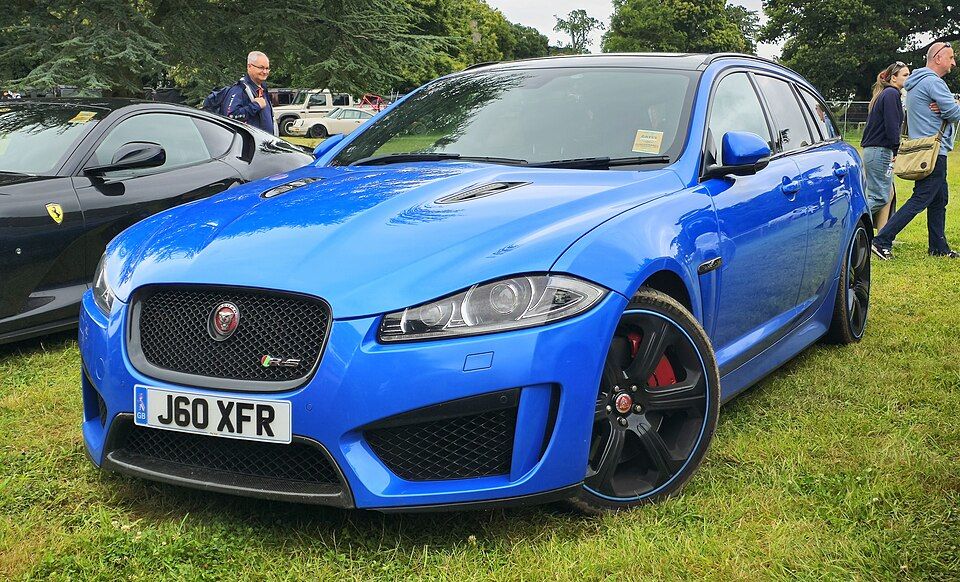
Photo: 2015 Jaguar XFR-S Sportbrake Auto by Calreyn88, CC BY-SA 4.0, via Wikimedia Commons.
The Jaguar XFR-S Sportbrake was not shy. It had a 5.0-litre supercharged V8, 550 PS, 680 Nm and a very blue, very loud, very “look at me” attitude if you picked the right colour.
Jaguar said the XFR-S Sportbrake could hit 60 mph in 4.6 seconds and reach an electronically limited 186 mph, or 300 km/h. It also called it the first high-performance sports estate car produced by Jaguar.
What made it special wasn’t just the speed. It had character. Fast German estates can feel clinical, in a good way, like they’ve been measured with lasers. The Jag felt a bit more theatrical. More growl. More drama. More “shall we take the long way home?” energy, except we promised not to use that word, so let’s say it felt like the scenic route was always calling.
A used XFR-S Sportbrake is now a rare thing. You don’t see many. But if one passes you on the A6, you’ll know. The sound gives it away long before the badge does.
Mercedes-AMG E63 S Estate: the family car with a temper
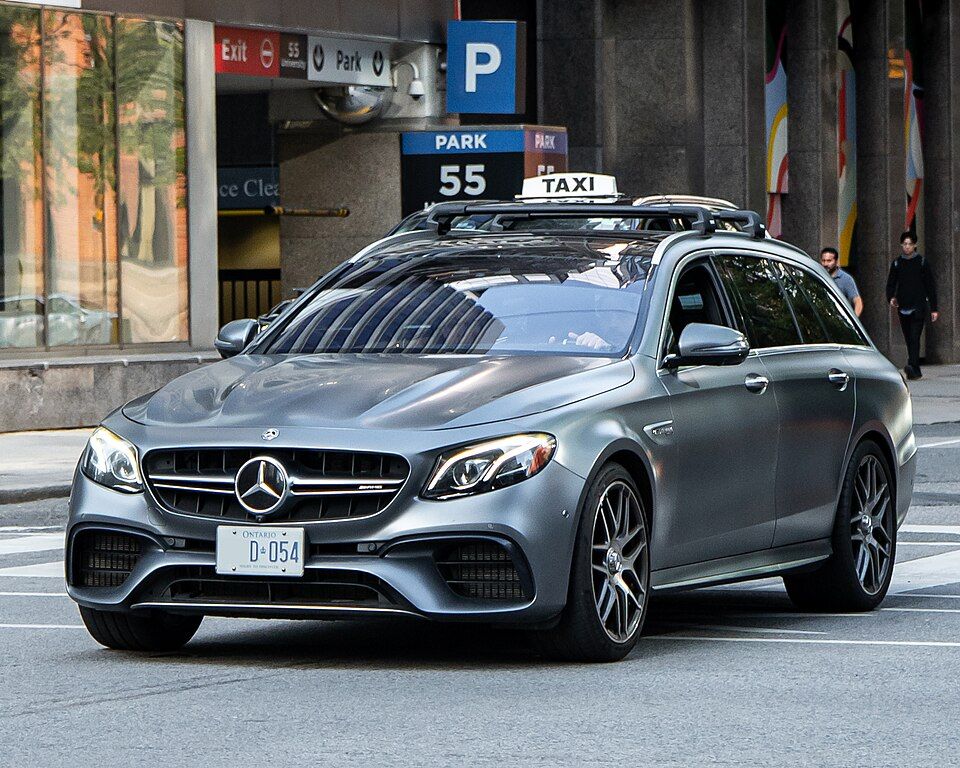
Photo: Mercedes-AMG E63 S Estate (S213) by OWS Photography, CC BY 4.0, via Wikimedia Commons.
The Mercedes-AMG E63 S Estate is one of the all-time great fast estates. It has space, comfort, four-wheel drive and a V8 that sounds like it’s had a strong coffee and an argument.
Mercedes-Benz media material for the E63 S 4MATIC+ gives 612 hp, 850 Nm and 0 to 100 km/h in 3.4 seconds for the saloon, with the limiter raised to 300 km/h when fitted with the AMG Driver’s Package. The estate version was quoted at 0 to 100 km/h in 3.5 seconds by Mercedes-AMG material shared for the estate launch.
That means the E63 S Estate belongs firmly in the 186 mph club when properly optioned. It’s also one of the cars that made fast estates feel normal for a certain kind of buyer. You could have one car that looked smart outside a restaurant, carried a family to Wales, and still had enough pace to make your neck muscles work.
It’s a bit like having a very posh guard dog. Calm most of the time. Extremely serious when asked.
Audi RS2 Avant: the one that helped start the craze
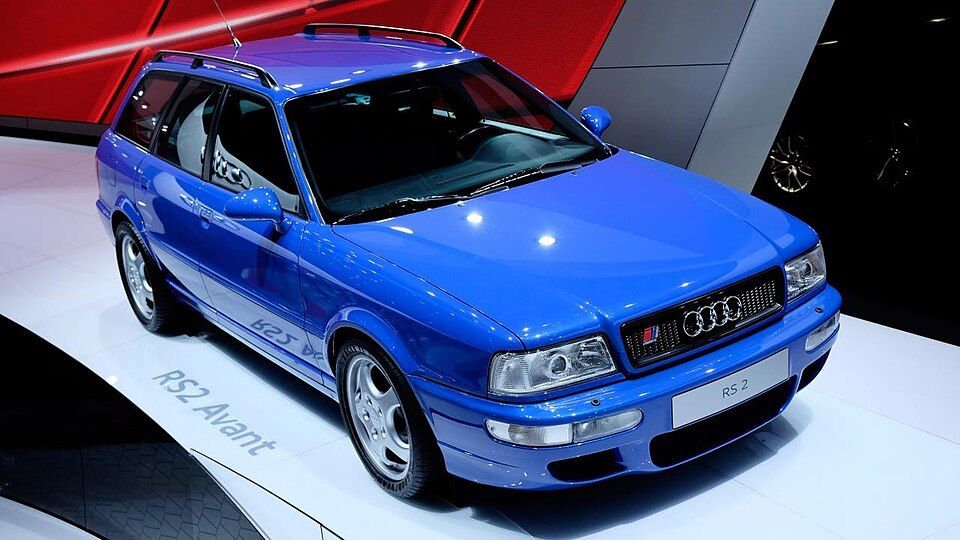
Photo: Audi RS2 Avant by Nestor Motta, CC BY-SA 4.0, via Wikimedia Commons.
The Audi RS2 Avant isn’t the fastest car on this list now. Time moves on. Modern tyres, gearboxes, engines and electric motors have pushed performance to silly levels. But the RS2 still matters because it helped create the fast estate idea as we know it.
Built with help from Porsche, the RS2 arrived in the mid-1990s with a 2.2-litre five-cylinder turbo engine. Audi says it made 315 PS, hit 100 km/h in 5.4 seconds and reached 262 km/h, or about 163 mph.
That was wild in 1994. Properly wild. Remember, this was an estate car with five seats and a big boot. At the same time, many normal family cars still felt breathless on a steep hill with the boot full.
The RS2 also had the cool Porsche link. Mirrors, wheels, brakes and development input all added to the legend. It didn’t look like a supercar. It looked like a quick Audi estate. That was the magic.
Without the RS2, the RS4 Avant, RS6 Avant and many other fast estates might not have had the same path to follow. It’s the old-school hero in the corner, quietly reminding everyone that it was doing this before fast estates became fashionable.
Volvo 850 R and T-5R Estate: the flying brick
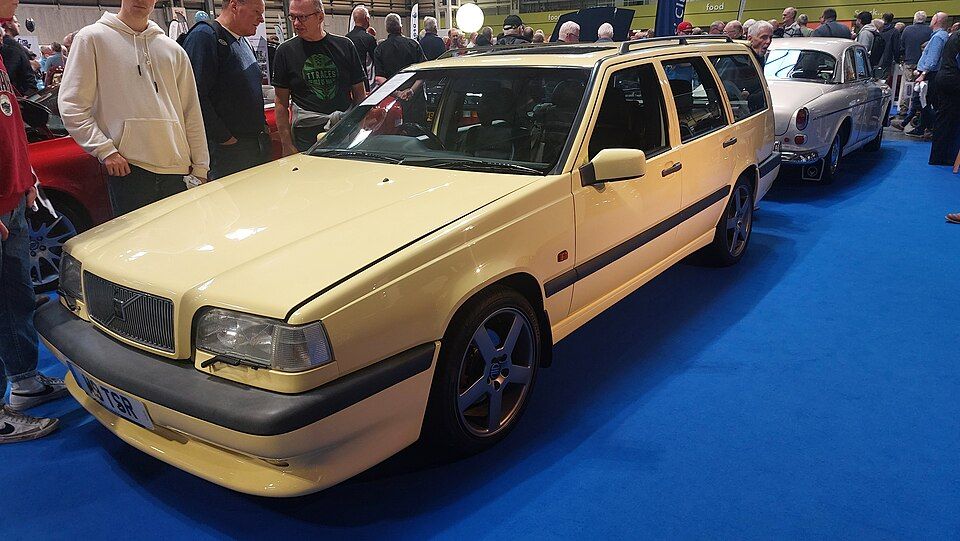
Photo: 1995 Volvo 850 T5R Auto Estate by Kieran White from Manchester, England, CC BY 2.0, via Wikimedia Commons.
The Volvo 850 Estate became famous partly because Volvo did something very cheeky. It went racing with an estate car in the British Touring Car Championship. People still remember it because it looked so wrong and so right at the same time.
The road-going 850 T-5R and later 850 R were quick cars for their day. The 850 R Estate, depending on version and market, is widely listed around 250 km/h, with 0 to 100 km/h in roughly the high-six-second range for the quicker manual cars.
That won’t scare a modern Audi RS6, but that’s missing the point. The Volvo helped make fast estates cool in a different way. It was boxy, safe-looking and sensible. Then it had bright colours, turbo power and a proper attitude problem.
It’s also one of the few cars on this list that people might still see as warmly approachable. A yellow 850 T-5R Estate has a kind of oddball charm that newer super-estates can’t copy. It’s not trying too hard. It’s just a brick with boost.
And in rainy Manchester, a fast Volvo estate still feels right. Tough, practical, a bit weird, and ready for weather that changes its mind every ten minutes.
Porsche Taycan Turbo S Cross Turismo and Sport Turismo: fastest away from the lights
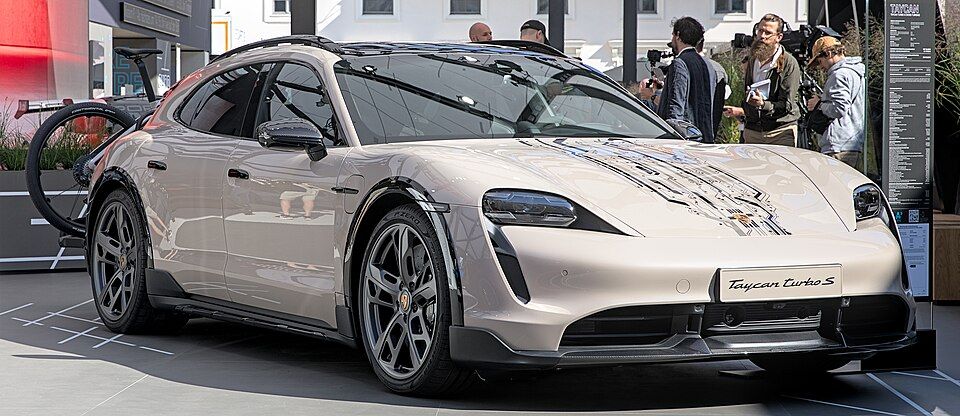
Photo: 2021 Porsche Taycan Cross Turismo Turbo S by Alexander Migl, CC BY-SA 4.0, via Wikimedia Commons.
Top speed is one kind of fast. Acceleration is another. And electric estates have changed that chat completely.
The Porsche Taycan Turbo S Cross Turismo can hit 100 km/h in 2.5 seconds with Launch Control, according to Porsche, with a top speed of 250 km/h in the current model listing.
The Taycan Turbo S Sport Turismo sits lower and sleeker, with Porsche technical data listing 260 km/h and 0 to 100 km/h in as little as 2.4 seconds in one data sheet.
Those numbers are bonkers. That means a practical electric long-roof Porsche can leave the line quicker than many serious supercars from a few years ago. No big noise. No gearshift drama. Just instant shove.
For some drivers, that will feel a bit too quiet. Fair enough. A V8 estate has theatre. It rumbles, barks and feels alive in a very old-school way. The Taycan is different. It’s more like being pulled along by a magnet. Still exciting, just in a cleaner, stranger, almost sci-fi way.
So, which one is really the fastest?
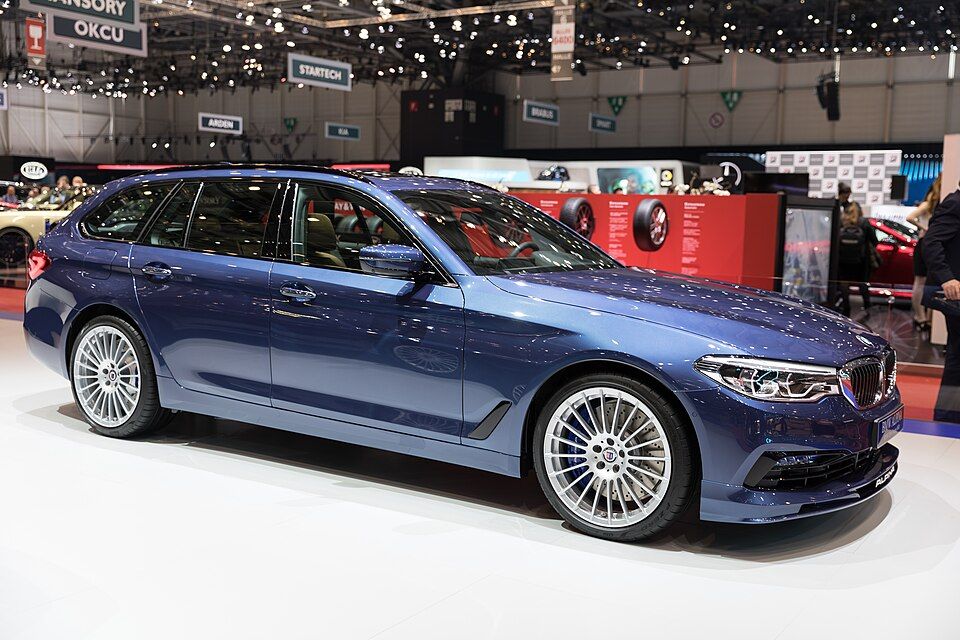
Photo: 2018 Alpina B5 Touring by Matti Blume, CC BY-SA 4.0, via Wikimedia Commons.
If we include tuner cars, the Brabus 850 6.0 Biturbo Estate is the headline-grabber, with claims of more than 350 km/h, or 217 mph. But it’s a conversion, not a regular showroom estate from Mercedes-Benz.
If we stick to proper production estates with rear doors, the Alpina B5 Touring has one of the strongest claims. Figures around 322 km/h, or roughly 200 mph, put it above the usual 186 to 190 mph German fast estate crowd.
If we include estate-ish cars such as the Porsche Panamera Sport Turismo, the Turbo S E-Hybrid Sport Turismo at 310 km/h also sits very high.
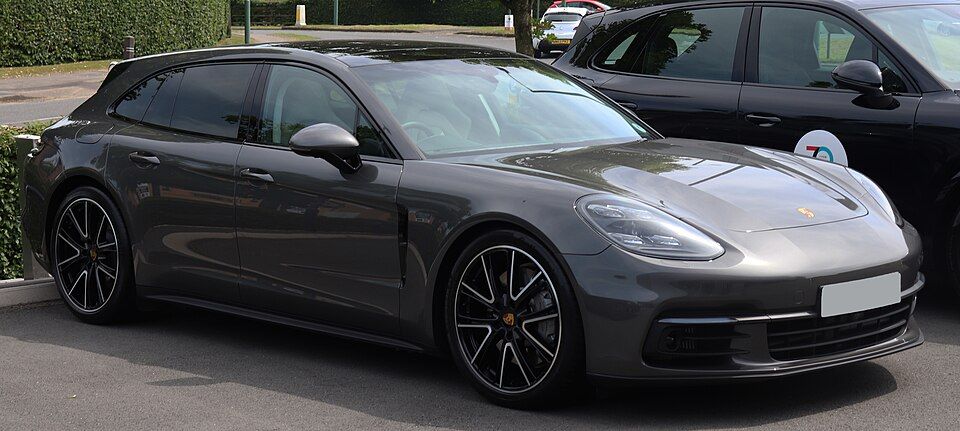
Photo: 2018 Porsche Panamera 4S Sport Turismo by Vauxford, CC BY-SA 4.0, via Wikimedia Commons.
If we care about 0 to 100 km/h rather than top speed, the Porsche Taycan Turbo S Cross Turismo and Sport Turismo are among the quickest long-roof cars ever sold, with launch times around 2.4 to 2.5 seconds.
And if we’re talking about cultural impact, the Audi RS2 Avant deserves a medal. It wasn’t the quickest by today’s numbers, but it helped show the car industry that an estate could be practical and properly fast at the same time.
Buying a fast estate used: what to check before getting carried away
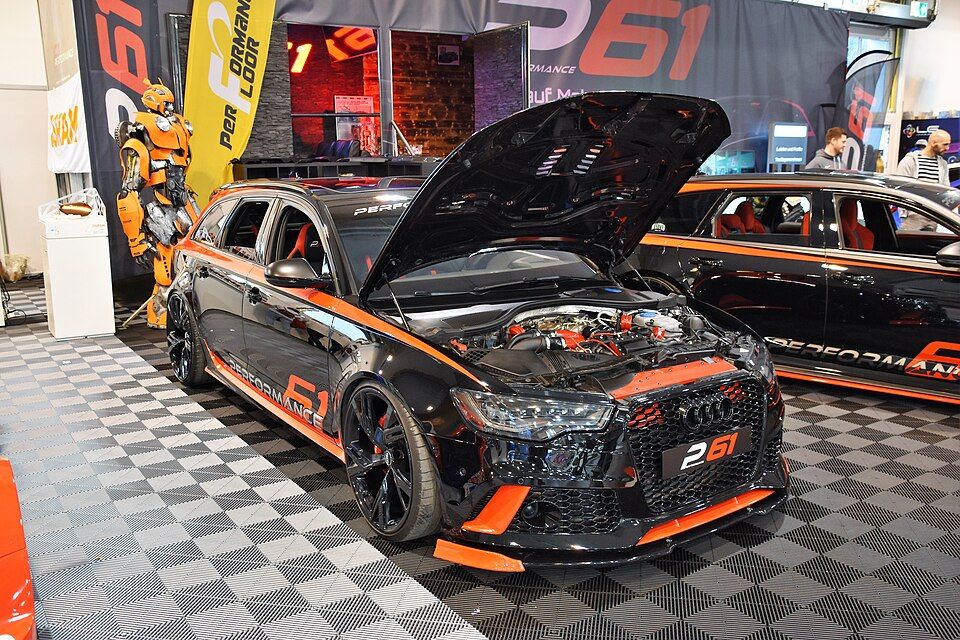
Photo: 2018 Audi RS 6 Avant Performance by Charles from Port Chester, New York, CC BY 2.0, via Wikimedia Commons.
Fast estates are tempting because they look like a cheat code. You get space, speed, comfort and everyday usability in one car. But let’s be honest, the running costs can bite if you buy the wrong one.
Big brakes cost big money. Performance tyres don’t last like normal tyres. Air suspension, four-wheel-drive systems, turbo engines and hybrid parts all need proper care. A cheap fast estate can become very expensive if it’s been neglected. We’ve all seen cars advertised with lovely photos and a description that says “first to see will buy”. Sometimes, yes. Sometimes, the first to inspect the history properly will walk away.
Check the service record. Check the tyres match properly. Look for signs of hard use, poor repairs, warning lights and missed maintenance. A proper history check matters too, especially on high-value used cars. Dace Motor Company HPI checks vehicles before sale and offers used car finance with a soft-search option, which is handy if you’re trying to plan the numbers before making a move.
The dream fast estate is the one that’s been looked after by someone who cared. Not the one that’s been launched from every set of lights between Stockport and Salford.
The best fast estate is the one that fits your life
The fastest estate cars ever built are brilliant because they refuse to pick one lane. They’re sensible, but silly. Useful, but dramatic. Calm on the outside, sometimes ridiculous underneath.
The Audi RS6 is the everyday hero. The Alpina B5 Touring is the quiet speed king. The Mercedes-AMG E63 S Estate is the muscle-bound executive choice. The Jaguar XFR-S Sportbrake brings theatre. The Cadillac CTS-V Wagon brings old-school American attitude. The Porsche Taycan Sport Turismo and Cross Turismo show where electric speed is heading. And the Audi RS2 sits there like the cool older relative who started trouble years ago and still looks proud of it.
Most people don’t need a 190 mph estate car. Let’s face it, nobody is doing that on the M60 unless they want a very serious chat with the police. But that’s not the point.
The point is knowing your practical car has a wild side. It’s the grin you get when you realise the dog-friendly, suitcase-swallowing, rainy-day family wagon also happens to be quicker than the posters you had on your wall as a kid.
That’s why fast estates have such a loyal following. They’re useful. They’re quick. And, in a very British way, they’re just a bit mad.