


How Alpina Became an Official Automobile Manufacturer
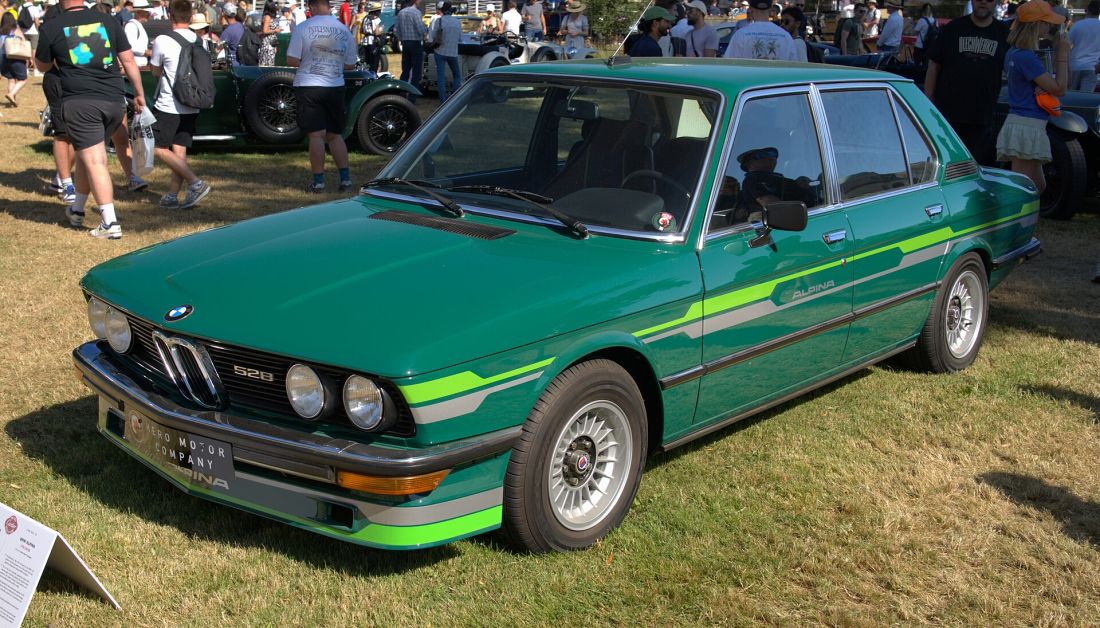
Photo: 1976 Alpina B6 by MrWalkr, CC BY-SA 4.0, via Wikimedia Commons.
Some car stories start with a giant factory, a boardroom, and a very serious-looking launch event. Alpina’s story starts much smaller. It starts with a clever young German engineer, Burkard Bovensiepen, who looked at a BMW 1500 in the early 1960s and thought, “I can make that better.” Not louder for the sake of it. Not flashier just to turn heads. Better. Quicker, smoother, sharper, and still comfortable enough to use every day. That’s the bit that makes Alpina so interesting. It wasn’t trying to turn BMWs into race cars with number plates. It was trying to make them feel special in a way that a proper car person would notice after five minutes behind the wheel. Here at Dace Motor Company, we know Manchester and Stockport drivers tend to like cars that make sense on real roads, whether that’s the M60, the A6 through Stockport, or a rainy crawl past the Trafford Centre, so Alpina’s mix of pace and comfort is easy to get. Dace Motor Company serves customers across Stockport and Manchester with used cars, finance options, and local showrooms, so this kind of story sits nicely with the cars people actually talk about, compare, and dream of owning.
Before Alpina was Alpina, there was a BMW 1500 and a clever idea
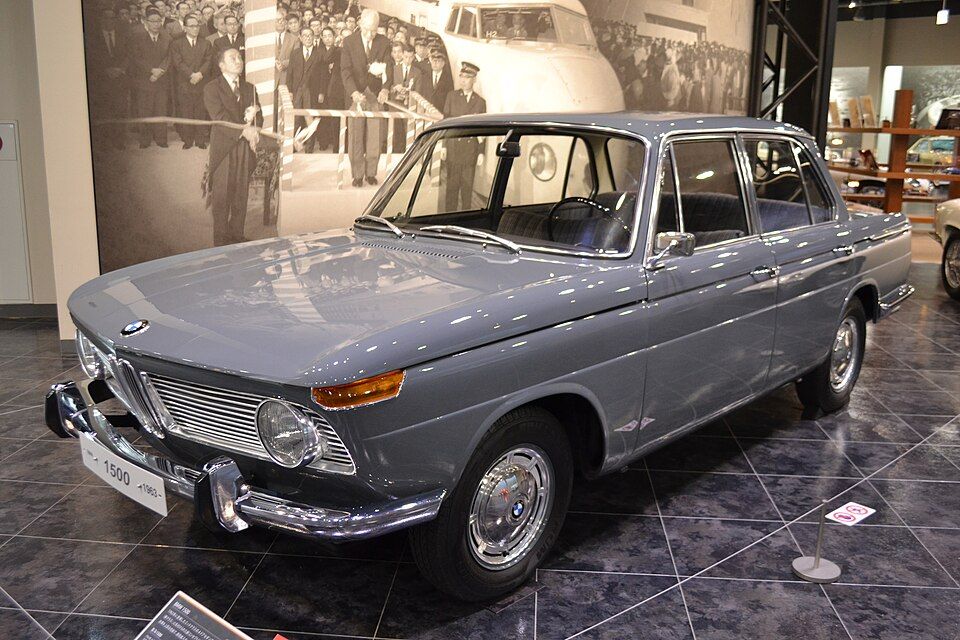
Photo: 1963 BMW 1500 by ????, CC0, via Wikimedia Commons.
Back in 1962, Burkard Bovensiepen created a Weber dual carburettor set-up for the BMW 1500. That sounds a bit mechanical, so let’s put it another way. He made a part that helped the engine breathe better, a bit like giving a runner clearer air before a sprint. The car could respond with more life, and people noticed. BMW’s sales boss, Paul Hahnemann, was impressed, and in 1964 BMW certified the product, which meant cars fitted with Alpina’s kit could keep their factory warranty.
That was a big deal. Imagine buying a phone, changing the camera yourself, and the maker still saying, “Yes, we trust that.” Car makers don’t hand out that kind of confidence unless the work is genuinely good. In 1965, Alpina Burkard Bovensiepen KG was set up in Bavaria, and the early business had roots linked to typewriters before Burkard’s car work took over the story. It’s a funny twist, isn’t it? One minute there are office machines, the next there are tuned BMWs heading into motoring folklore. But it also tells you something useful: Alpina wasn’t born from noise or hype. It was born from proof. The parts worked, BMW backed them, and customers began to see Alpina as a name worth trusting.
Why BMW trusted Alpina instead of pushing it away
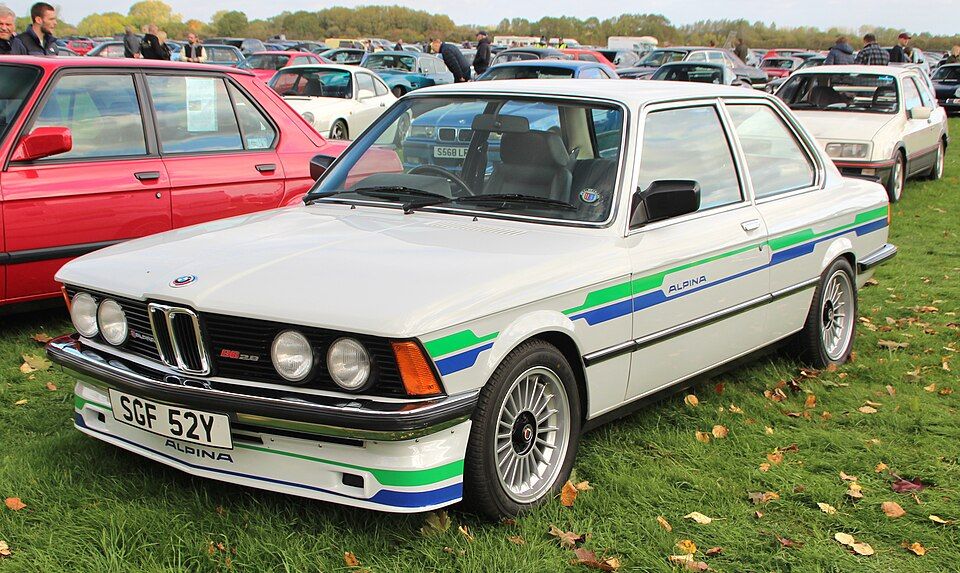
Photo: 1982 BMW Alpina B6 by Calreyn88, CC BY-SA 4.0, via Wikimedia Commons.
Car makers can be protective. Very protective. If another company starts changing their cars, they might see it as a threat. BMW didn’t take that route with Alpina, at least not in the usual “keep away from our cars” sort of way. Alpina had shown that its work was careful, clever, and useful to BMW drivers. That mattered. The cars still felt like BMWs, but with a different flavour. Less shouty than a track-focused machine, more relaxed, but still seriously quick. You know how some people in Greater Manchester want a car that can feel calm on the school run in Heaton Moor, then still wake up when the road opens near the Peak District? Alpina got that balance early.
The company moved from tuning parts into deeper work on engines, gearboxes, suspension, aerodynamics, and interiors. BMW Group later described the process as base BMW cars receiving major Alpina changes, with pre-assembly on BMW production lines and final work in Buchloe, including individual interiors. So this wasn’t a sticker-and-spoiler job. It was a proper partnership, with BMW and Alpina each doing what they were best at. The result was something unusual: a car linked closely to BMW, yet different enough to stand on its own name.
Racing gave Alpina a louder voice
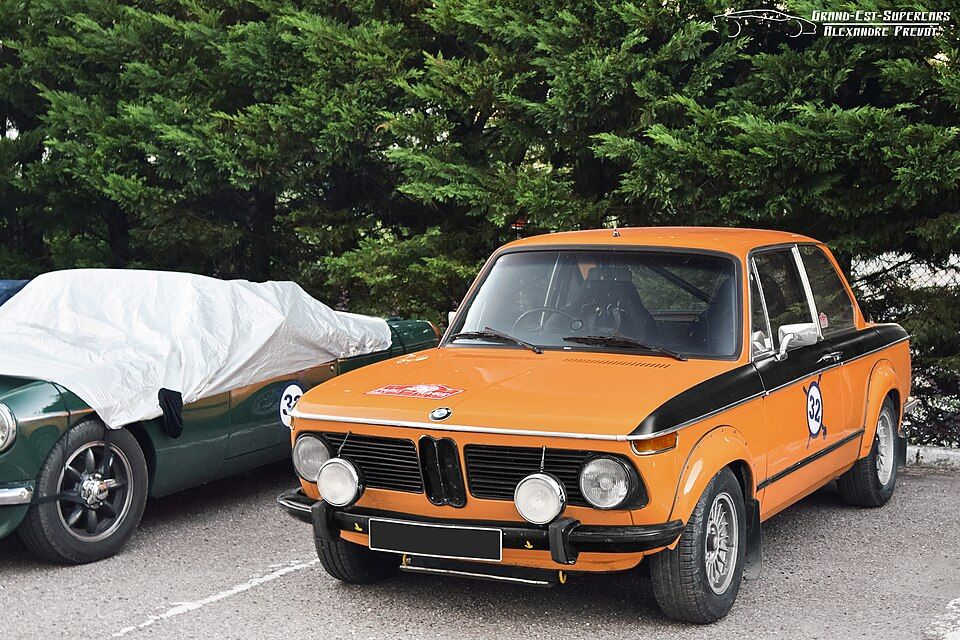
Photo: 1970 BMW 2002ti Alpina by Alexandre Prévot from Nancy, France, CC BY-SA 2.0, via Wikimedia Commons.
Alpina didn’t build its reputation by sitting quietly in a brochure. It went racing. From 1968, Alpina-prepared cars began competing, and the results helped people take the name seriously. In 1970, Alpina took major wins, including the European Touring Car Championship, the German Hillclimb Championship, and the Spa 24 Hours. That kind of success matters because racing is a harsh test. A car can look lovely under showroom lights, but a circuit will soon tell you if the work is good or just hopeful. Engines get hot. Brakes suffer.
Drivers push hard. Weak parts don’t hide. Alpina’s racing wins showed that its changes were more than clever workshop talk. They could take punishment. But here’s the nice bit: Alpina didn’t forget comfort while chasing speed. Burkard Bovensiepen believed a comfortable driver could be a faster driver, and BMW Group repeated that idea in 2026 when it talked about Alpina’s future. That’s not soft thinking. Anyone who’s driven a stiff, noisy car over rough roads knows it can wear you out. A car that stays settled lets you concentrate. That’s very Alpina. Fast, yes. But not frantic. It’s like getting from Stockport to the Lakes in one calm sweep, instead of arriving with ringing ears and a sore back.
The big shift came in 1978
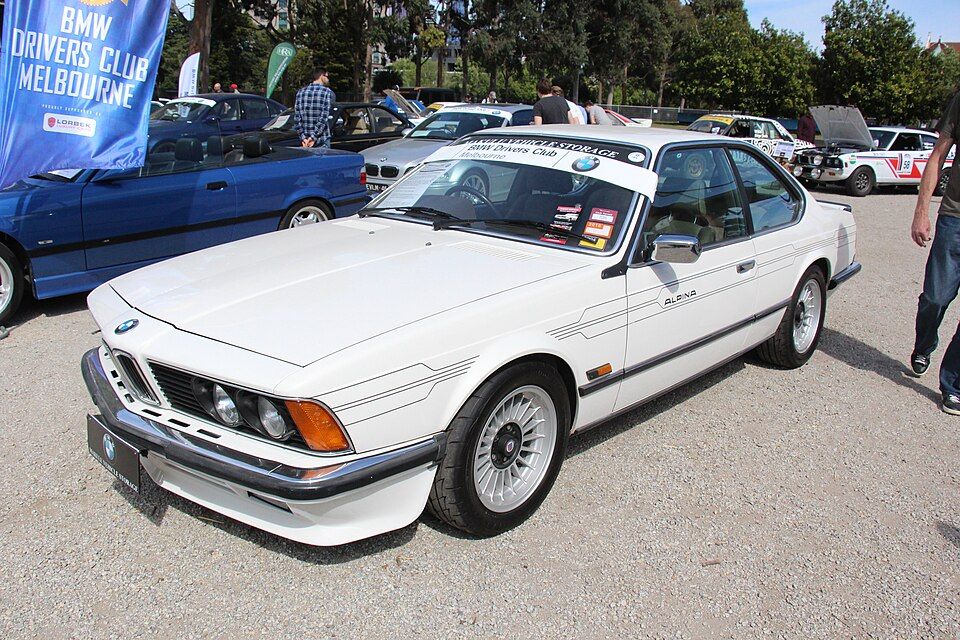
Photo: 1986 BMW E24 635i Alpina Coupe by Sicnag, CC BY 2.0, via Wikimedia Commons.
By the late 1970s, Alpina had grown past the idea of being a company that simply sold tuning parts. BMW Group says Alpina began manufacturing passenger cars based on BMW products in 1978. That sentence matters. It means Alpina was no longer just helping owners modify cars after the fact. It was creating finished cars with its own character. Think of it like the difference between adding a nice kitchen to a house and designing the house with the kitchen as part of the plan from day one. Alpina cars were still based on BMWs, yes, but they were developed with Alpina’s own goals. The engines were tuned for strong, smooth pull.
The gearboxes were set up to suit the car’s relaxed but quick nature. The suspension was made to cover distance with confidence. The interiors had their own trim, colours, and sense of occasion. And then there were the famous details: the slim body stripes, the multi-spoke wheels, the subtle badges, and that “if you know, you know” feel. To be honest, that’s half the charm. An Alpina doesn’t need to shout across Deansgate to get attention. It’s the sort of car another enthusiast spots at the lights and gives a small nod. That quiet confidence became a huge part of why Alpina felt different from other modified BMWs.
So, how did Alpina become an official automobile manufacturer?
The key year was 1983. BMW Group states that since 1983, Alpina has been registered as an official automotive manufacturer with the German Federal Motor Transport Authority in Flensburg. That’s the moment people mean when they say Alpina became a car maker in its own right. It wasn’t just a tuning shop anymore. Its cars could be registered as Alpinas, not simply as BMWs with extra parts. That’s a huge difference. A tuner changes a car. A manufacturer takes responsibility for the whole finished car. It has to meet rules. It has to prove the car is safe, consistent, and properly built. It has to stand behind what it sells.
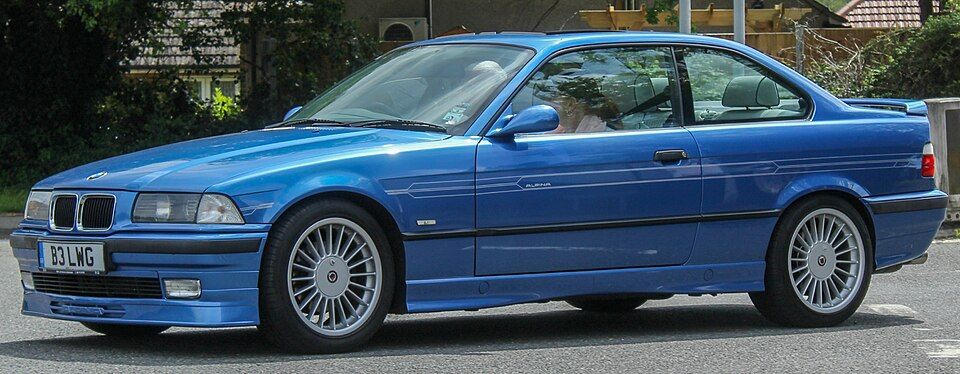
Photo: 1998 BMW Alpina B3 3.2 Biturbo by The Essex car spotter, CC BY-SA 4.0, via Wikimedia Commons.
That status gave Alpina a special place in car culture. It sat in a strange but brilliant gap. It wasn’t BMW M, which leaned more into sharp-edged sportiness. It wasn’t a totally separate car maker building everything from scratch. It was Alpina, a small-series manufacturer using BMW foundations, then adding its own engineering, comfort, and style. No fuss. No huge drama. Just years of good work leading to official recognition. That’s why the 1983 date matters so much. It turned Alpina from “those clever people who improve BMWs” into “a recognised car manufacturer that builds BMW-based Alpinas.”
Why the cars felt different from normal BMWs
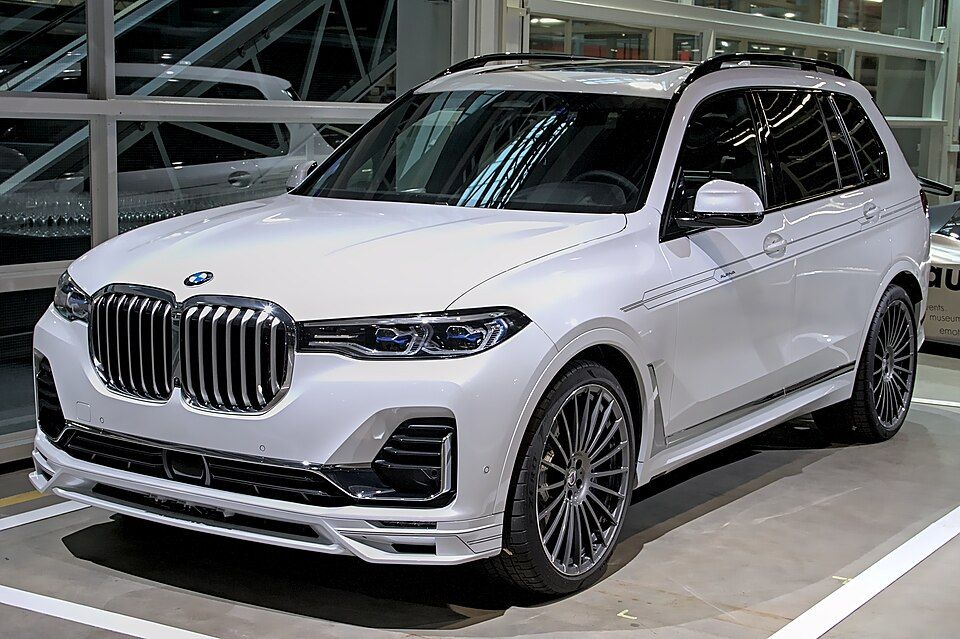
Photo: 2021 BMW Alpina XB7 by Alexander Migl, CC BY-SA 4.0, via Wikimedia Commons.
An Alpina was never just about speed. That’s the mistake some people make. Yes, Alpinas can be very quick, and yes, some have huge output figures. But the real trick is the way they deliver it. The best Alpinas feel relaxed at normal speeds and deeply capable when you ask for more. They’re the motoring version of someone who doesn’t say much in the pub, then casually wins the quiz. BMW Group’s own 2026 wording describes BMW ALPINA as balancing high performance with superior ride comfort, plus a strong focus on individual customer requirements. Earlier Alpina cars had the same spirit.
The work covered engines, transmissions, chassis, aerodynamics, and interior equipment, with final assembly taking place in Buchloe. So the feeling came from lots of small choices working together. Softer where it helped comfort. Sharper where it helped control. Premium inside, but not trying too hard. That’s why Alpina has such a loyal following. It’s for drivers who want a car that can cover big miles without turning every trip into a wrestling match. Around Manchester, where one drive can include city traffic, potholes, ring roads, motorway work, and open country lanes in less than an hour, that idea makes a lot of sense.
The badge tells part of the story
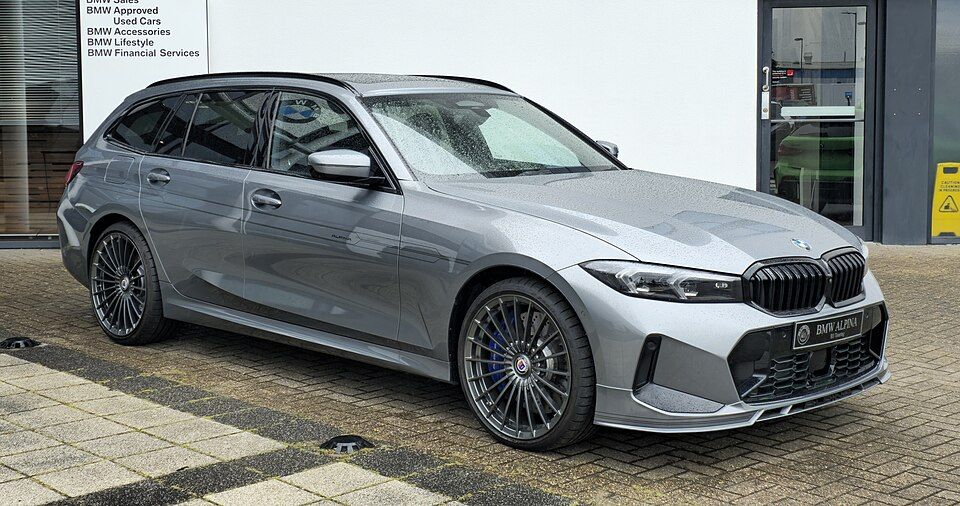
Photo: 2024 BMW Alpina B3 by Calreyn88, CC BY-SA 4.0, via Wikimedia Commons.
A badge can be just decoration, but Alpina’s badge actually says something. BMW Group’s 2026 release says the new BMW ALPINA emblem keeps two classic parts from the old design: the throttle body and the crankshaft. Those are not random pretty shapes. They point back to the brand’s early engine work, the very stuff that helped Burkard Bovensiepen build his name in the first place. The old Alpina look also became famous for blue and green colours, fine stripes, and those multi-spoke wheels that seem to have a million little lines when you’re cleaning them.
Anyone who’s ever washed a set of wheels after a wet week in Manchester will know that’s a commitment. But those details matter because Alpina owners tend to care about the small stuff. The changes are subtle, but they build identity. BMW Group also said future BMW ALPINA cars will be made in select BMW Group plants set up to meet the brand’s standards, with strong personalisation and high-quality leather as standard. That shows how Alpina’s manufacturer story is still moving. The badge began with engine parts, grew through racing and road cars, and now sits inside BMW Group as a more exclusive brand with its own space. Same roots, different chapter.
The BMW deal changed the future, but not the past
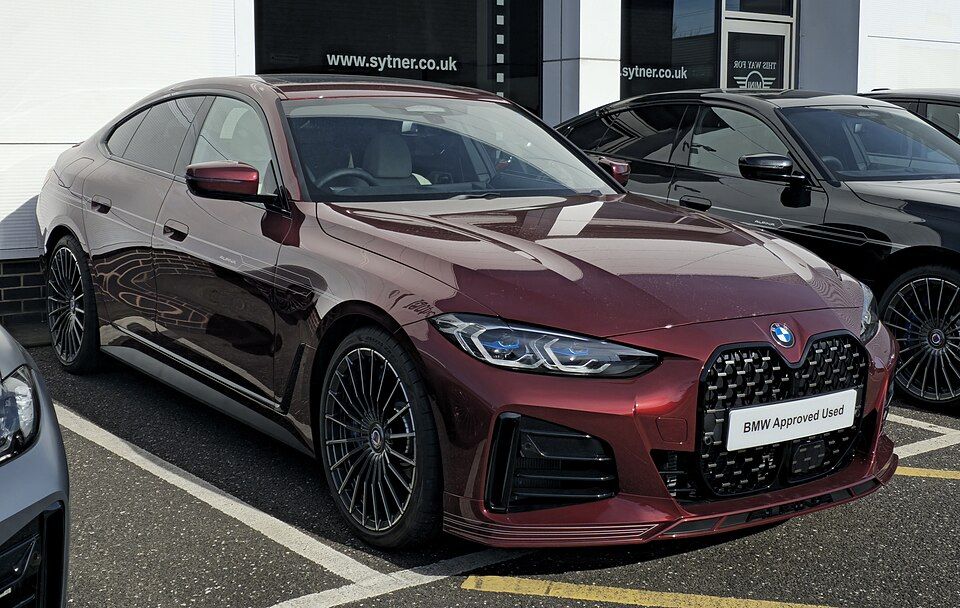
Photo: 2025 BMW Alpina B4 Gran Coupe by Calreyn88, CC BY-SA 4.0, via Wikimedia Commons.
In March 2022, BMW Group announced it would secure the rights to the Alpina brand. The long-running cooperation agreement was set to expire on 31 December 2025, and BMW said the existing Alpina vehicle programme would continue until the end of 2025. This was big news, but it didn’t erase what Alpina had already done. The company had been officially founded on 1 January 1965, worked in BMW tuning and motorsport from the 1960s, started making passenger cars based on BMW products in 1978, and held official manufacturer registration from 1983. That history still belongs to Alpina. The reason for the 2022 deal was also pretty practical.
BMW Group pointed to big changes in the car industry, including electric mobility, emissions rules, software checks, and driver assistance systems, all of which create higher risks for small-series makers. In simple terms, building low-volume specialist cars has become harder and more expensive. So Alpina’s family owners chose BMW as the safest long-term home for the brand. You can see the logic. If you’ve spent decades building trust with BMW, and the road ahead is full of costly rules and new tech, you’d rather pass the name to someone who knows what it means than sell it to a stranger with a spreadsheet and a bright idea.
Then came BMW ALPINA in 2026
On 1 January 2026, BMW ALPINA launched as an exclusive standalone brand under the BMW Group umbrella. That’s the newest twist in the story. BMW Group said the new brand would focus on a balance of maximum performance and superior ride comfort, supported by special materials and bespoke options. In May 2026, BMW revealed the Vision BMW ALPINA design study at the Concorso d’Eleganza Villa d’Este. It was a one-off concept, 5,200 millimetres long, with a V8 powertrain, four proper seats, and a clear focus on speed, comfort, and sophistication.
BMW Group also said customers would be able to experience the first BMW ALPINA brand model next year, inspired by the BMW 7 Series. So the brand is still linked to BMW, but now with an even clearer place: above regular BMW models, separate from BMW M’s harder sporty image, and below the ultra-luxury feel of Rolls-Royce. That’s a neat spot. Alpina has always been about going quickly without making a huge scene. A Mancunian might call it “quietly decent.” Maybe very decent. The type of car you notice twice: once because it looks calm, and again because it’s already gone.
What Alpina teaches us about car makers
Alpina’s rise is a reminder that car brands don’t all grow the same way. Some arrive with huge money and giant plans. Some are born from racing teams. Some come from one person noticing that a good car could be better. Alpina became official because it kept proving itself. First with a carburettor that BMW trusted. Then with racing success. Then with finished road cars that felt complete, not patched together. Then with official manufacturer status in 1983. That path took patience. It also took a clear idea. Alpina didn’t try to be everything to everyone. It knew what it liked: fast cars that stayed comfortable, luxury that didn’t scream, engineering you could feel rather than just read about. That’s why the name still has weight with car fans. And let’s face it, that kind of reputation is hard to fake. People who love cars can spot the difference between a badge stuck on for show and a car built with purpose. Alpina earned its place the slow way. The proper way. From a small Bavarian workshop to official manufacturer status, then into BMW Group as its own exclusive name, Alpina’s story is proof that doing one thing well, again and again, can take you a very long way.