


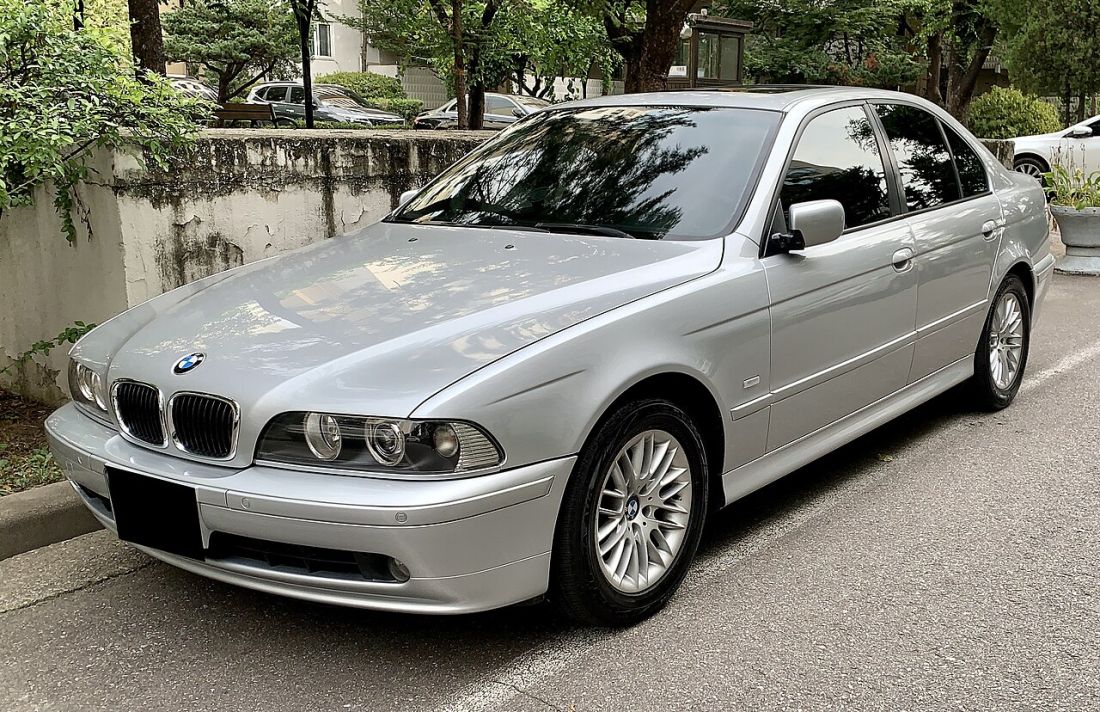
Why the BMW E39 Is Still Considered One of the Best 5 Series Ever
Photo: 2000 BMW E39 by Benespit, CC BY-SA 4.0, via Wikimedia Commons.
There are cars that age. Then there are cars that settle into themselves, like a good leather jacket or a proper old pub that doesn’t need neon signs to prove it’s got character. The BMW E39 5 Series sits in that second group. Even now, years after it left showrooms, people still talk about it with a sort of warm respect. You hear it from BMW fans, used car buyers, mechanics, and people who just like a car that feels right.
Here at Dace Motor Company, we’re around used cars every day across Stockport and Manchester, so we know how certain models keep coming up in conversation long after newer ones have arrived. The E39 is one of them. It doesn’t shout. It doesn’t look like it’s trying to win a staring contest with every car on the M60. It’s calm, clean, and confident. BMW Group Classic says the E39 saloon was introduced in 1995, with styling led by Joji Nagashima, and its clean side shape, neat lights, and later “angel eye” look all helped it stand apart without going over the top. Dace Motor Company operates around Stockport and Greater Manchester, with showrooms including Reddish, Manchester Road in Stockport, and Eccles in Manchester.
The shape is simple, and that’s why it works
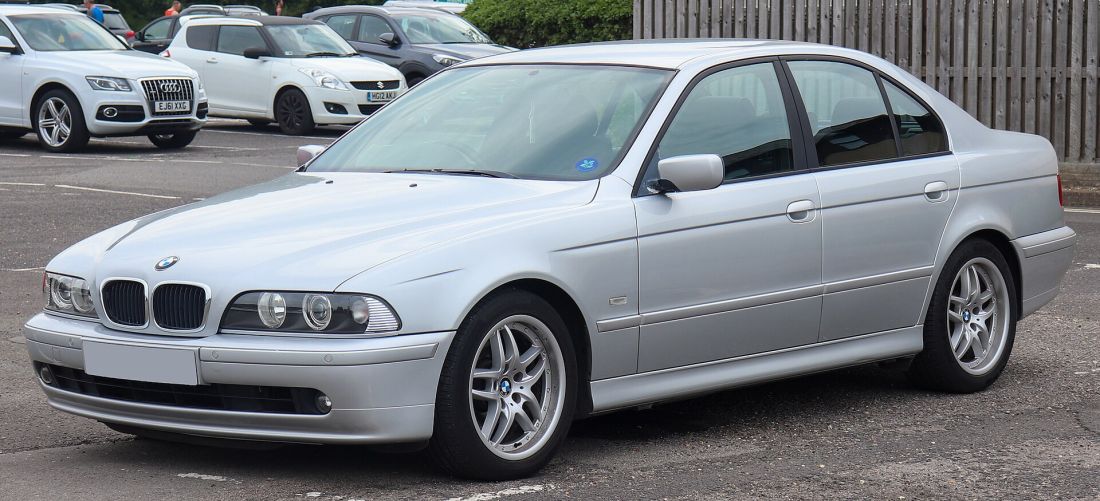
Photo: 2003 BMW 520i ES SE Automatic by Vauxford, CC BY-SA 4.0, via Wikimedia Commons.
A lot of modern cars look busy. Big grilles, sharp creases, fake vents, screens everywhere. You know the sort. The E39 came from a time when BMW seemed happy to let the shape breathe. The bonnet is long enough to look serious, the cabin sits neatly in the middle, and the rear end doesn’t try to be clever. It’s the car version of someone turning up in a dark coat, clean shoes, and saying very little because they don’t need to.
Road & Track called the E39 one of BMW’s best 5 Series cars, pointing to its restrained styling, strong chassis, and mix of comfort and driver feel. It also notes that the car has aged very well, which is probably why you can still park one near Stockport Viaduct or outside a café in Didsbury and it won’t look out of place. BMW Group Classic also points out that the E39’s design had a coupé-like side profile and smoother lines than the car before it. That matters because good design doesn’t have to shout. The E39 looks mature, but never dull. It has presence without being flash. For a 5 Series, that’s a sweet spot.
It got the balance right
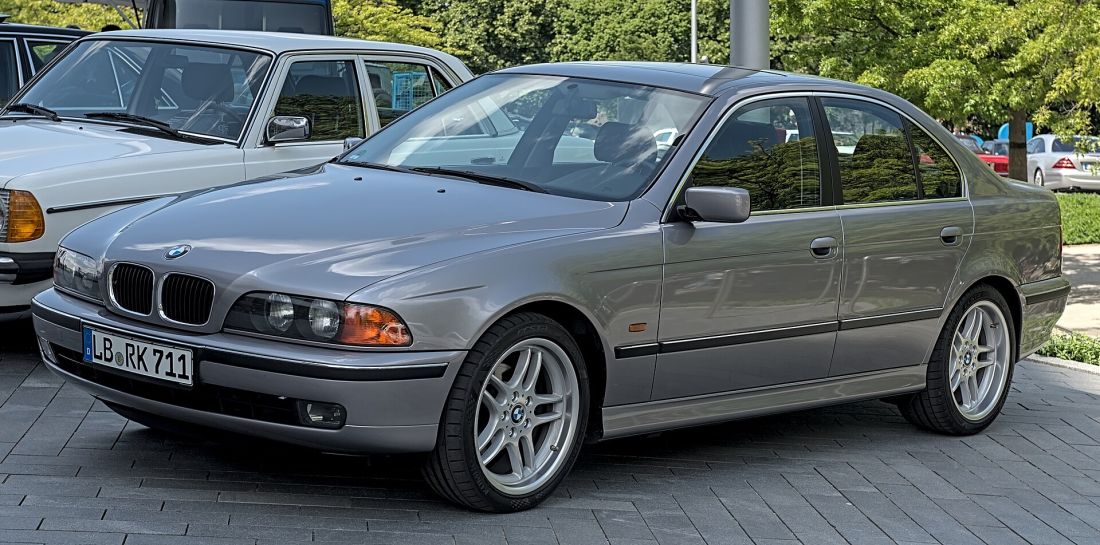
Photo: 1995 BMW E39 by Alexander Migl, CC BY-SA 4.0, via Wikimedia Commons.
The big reason people still rate the E39 so highly is balance. That’s the magic word with this car, even if the car itself never makes a fuss about it. It’s comfortable enough for a long run, smart enough for work, quick enough to enjoy, and tidy enough on a twisty road to make you grin. You could take it down the A6 through Stockport in traffic, then head out toward the Peak District at the weekend and it would feel like the same car, just happier with room to stretch.
BMW’s own history of the 5 Series says the E39 made a big step with its light alloy suspension, with the front suspension made almost fully from light alloy parts and a rear axle layout built to help grip, comfort, and control. That might sound like car-nerd stuff, but the simple version is this: BMW worked hard to make the E39 feel light on its feet without making it harsh. And that’s where many big saloons lose the plot. Some feel soft and floaty. Some feel stiff and tiring. The E39 found a middle ground. You felt connected to the road, but you didn’t feel punished by it.
The cabin still feels properly grown up
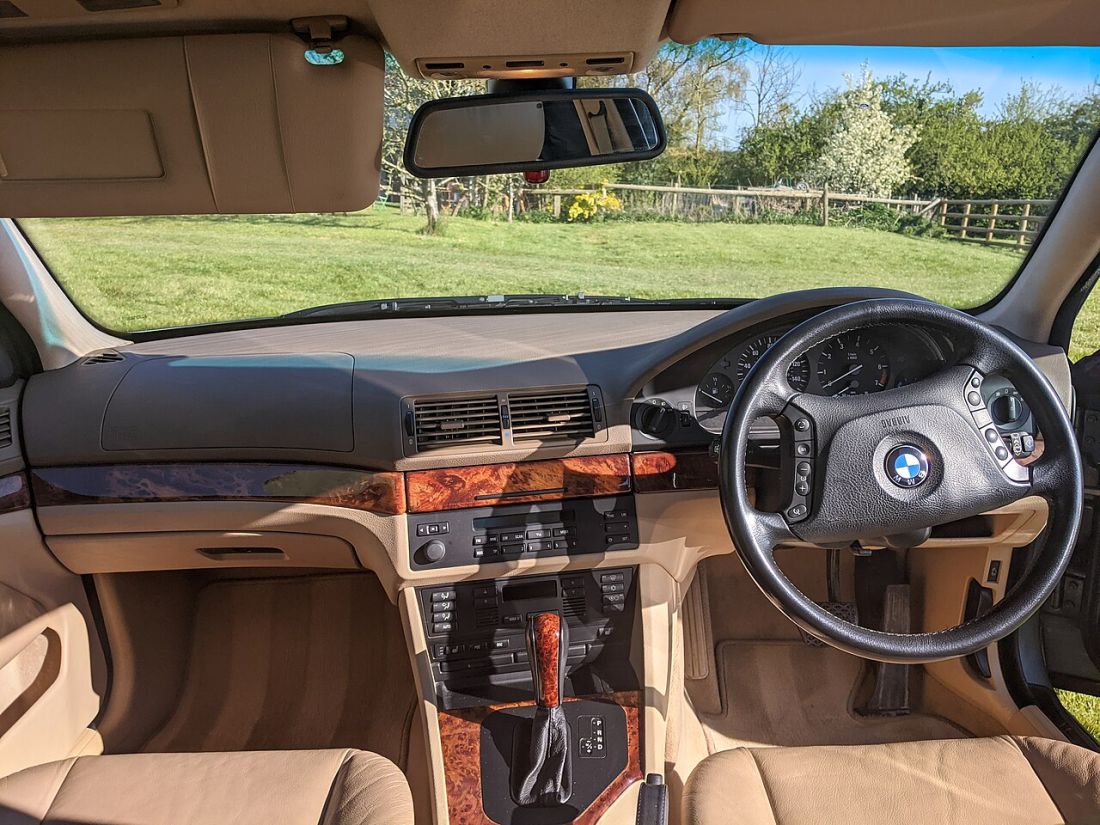
Photo: 2001 BMW 525i SE Automatic 2.5 Interior by Vauxford, CC BY-SA 4.0, via Wikimedia Commons.
Step into a good E39 and you’ll see why people still miss this era of BMW interiors. The dashboard points slightly to the driver, the buttons are where your hands expect them to be, and the view out is clean. You don’t feel like you’re sitting inside a tablet. You feel like you’re sitting in a car. That sounds obvious, but plenty of newer cars have made simple things feel oddly fussy. In an E39, changing the heater, finding a radio station, or settling into a steady motorway cruise doesn’t feel like a test. And the materials help.
A cared-for E39 can still feel solid, with proper seats, clear dials, and that calm, German saloon feel people still chase in used cars. Hagerty UK describes the E39 M5 cabin as having full leather, a well-sized steering wheel, clear grey-faced instruments, and comfort fit for daily use, while also pointing out that the E39 base was already strong for luxury and refinement. For normal 5 Series models, that same grown-up feel is part of the charm. It’s easy to live with. It doesn’t beg for attention. It just gets on with things. No fuss. No silly drama. Just a cabin that feels made by people who cared about driving and comfort at the same time.
The engines gave it real character
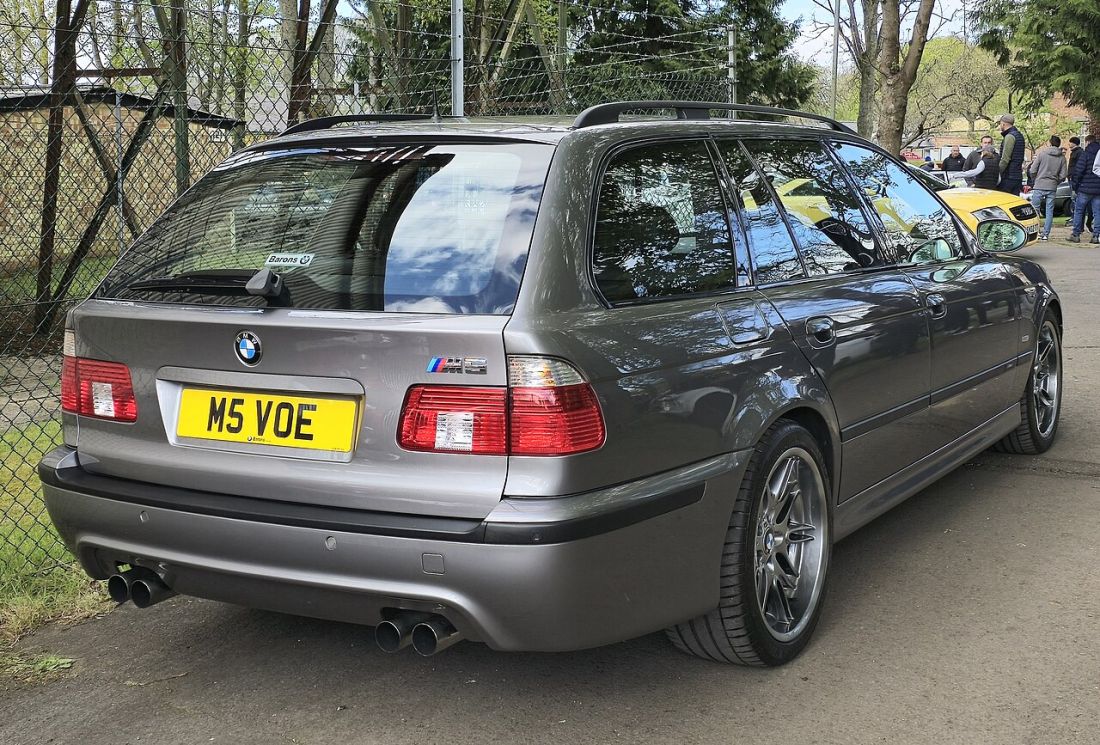
Photo: 2002 BMW M5 Touring by Calreyn88, CC0, via Wikimedia Commons.
The E39 range had a wide spread of engines, and that’s another reason it still has such a loyal following. Some buyers love the smooth six-cylinder petrol models because they feel creamy, quiet, and just quick enough for real roads. Others go straight for the V8 cars because they want that deeper sound and extra muscle. Then there’s the M5, which is the one people still talk about in slightly hushed tones, like someone mentioning a great gig they saw at the Apollo years ago.
BMW Group Classic says the E39 M5 used a 4.9-litre V8 engine, made 400 hp, reached 100 km/h in 5.3 seconds, and sent drive through a six-speed manual gearbox. BMW M also says the E39 M5 was the first M5 with a V8 engine and had 500 Nm of twist, which explains why it felt so strong without needing to be thrashed every second. But the best bit is that the E39 never needed to be an M5 to feel special. A well-kept 530i or 540i can still make a normal drive feel rich and satisfying. That’s rare. Plenty of cars are quick. Fewer cars make ordinary miles feel good.
The M5 turned the legend into something bigger
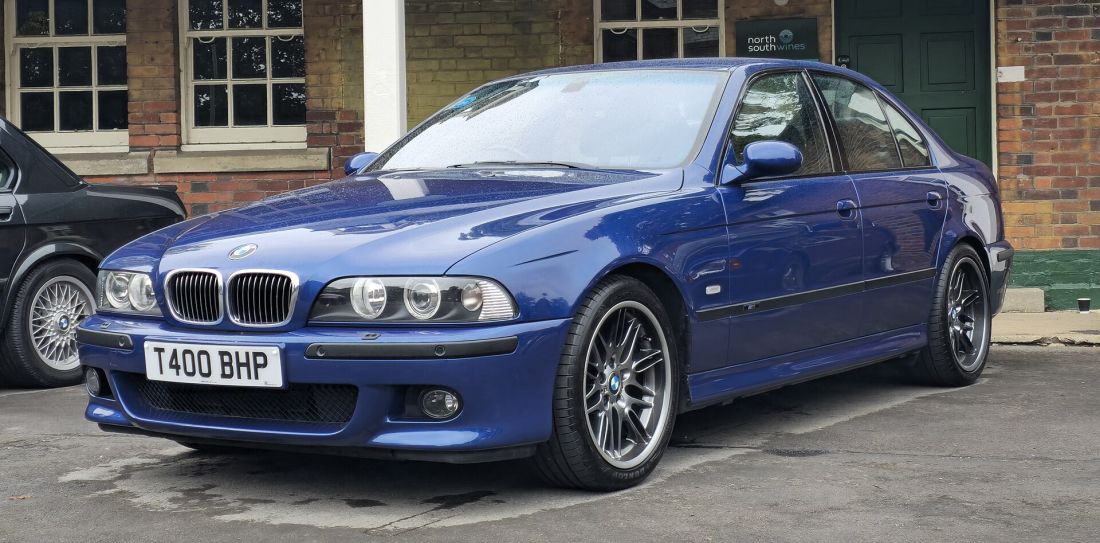
Photo: 2002 BMW M5 by Calreyn88, CC BY-SA 4.0, via Wikimedia Commons.
The E39 M5 deserves its own mention because it gave the whole E39 range a halo. It wasn’t covered in huge wings or wild stripes. It looked like a smart executive saloon that had been doing press-ups after work. Four exhaust pipes, slightly wider stance, bigger wheels, and a few quiet clues. That was it. And to be honest, that’s part of why people love it. It had serious speed, but it didn’t look desperate for applause. Car and Driver’s buyer guide called the E39 M5 one of the best-looking M5s and one of the most rewarding to drive.
Hagerty UK also notes that the M5 was subtle outside, with only small visual hints such as the deeper front spoiler, rear lip, four exhaust pipes, and 18-inch wheels giving the secret away. That sleeper feel is a huge part of the appeal. You could imagine one sitting quietly in a supermarket car park in Reddish, looking like a tidy old BMW, then heading out later with the sort of pace that still feels serious today. But the M5 also helped prove how good the E39 base was. A wild engine can’t save a weak car. The M5 worked because the E39 already had the bones, the comfort, the stance, and the confidence.
It feels modern enough, but still human
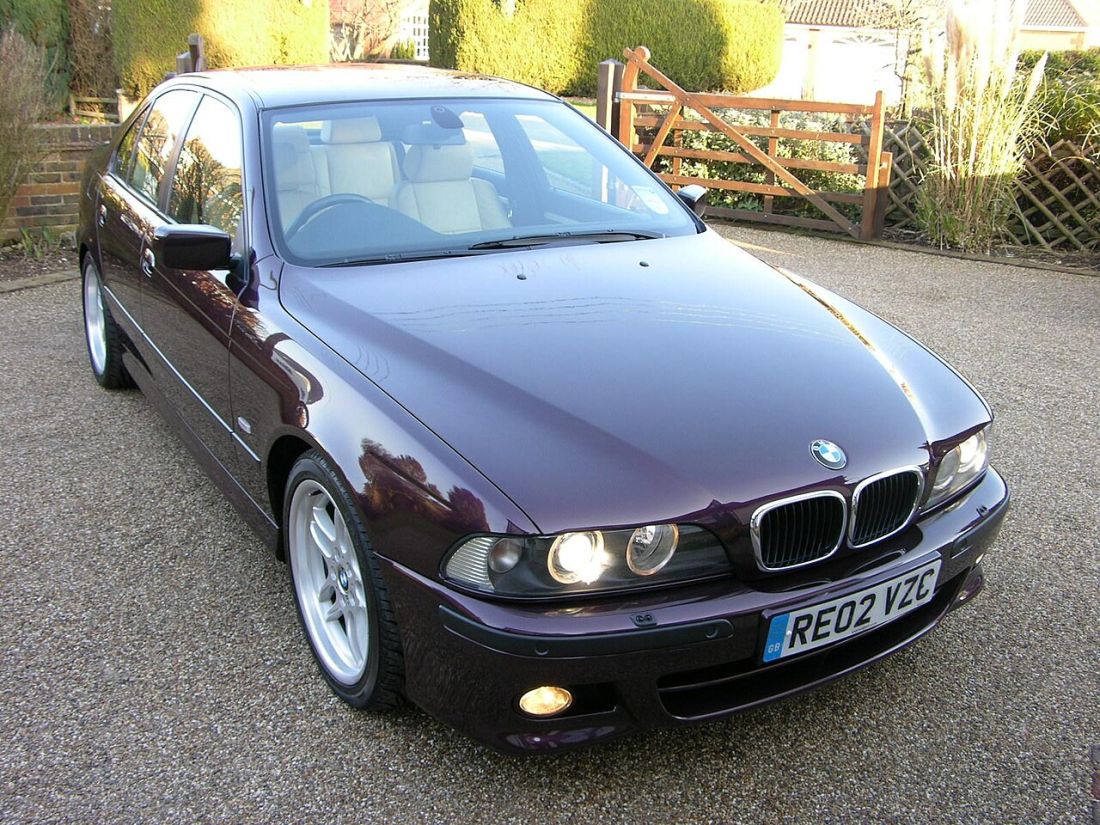
Photo: BMW 530i Sport Individual by The Car Spy, CC BY 2.0, via Wikimedia Commons.
This is where the E39 really hits people. It’s old enough to feel mechanical, but modern enough that you don’t feel like you’re driving a museum piece. You get safety kit, comfort, decent sound insulation, proper heating, good seats, and a car that can sit on a motorway without feeling tired. At the same time, you still get steering that talks to you, a normal handbrake, real dials, and controls you can use without looking away from the road for ages.
That mix is getting harder to find. Newer cars can be brilliant, of course, but some feel a bit distant, as if there’s a committee standing between you and the road. The E39 feels closer. BMW PressClub said the E39’s 1995 debut brought a stiffer body, clever light alloy suspension, and a setup aimed at turning lower weight into sharper driving response. That’s why the car still feels special to many drivers. It doesn’t feel old in the bad sense. It feels from a time when the car did what you asked, without ten menus, five alerts, and a dashboard brighter than Piccadilly Gardens at Christmas. You know how it is. Sometimes simpler just feels better.
What should buyers watch out for?
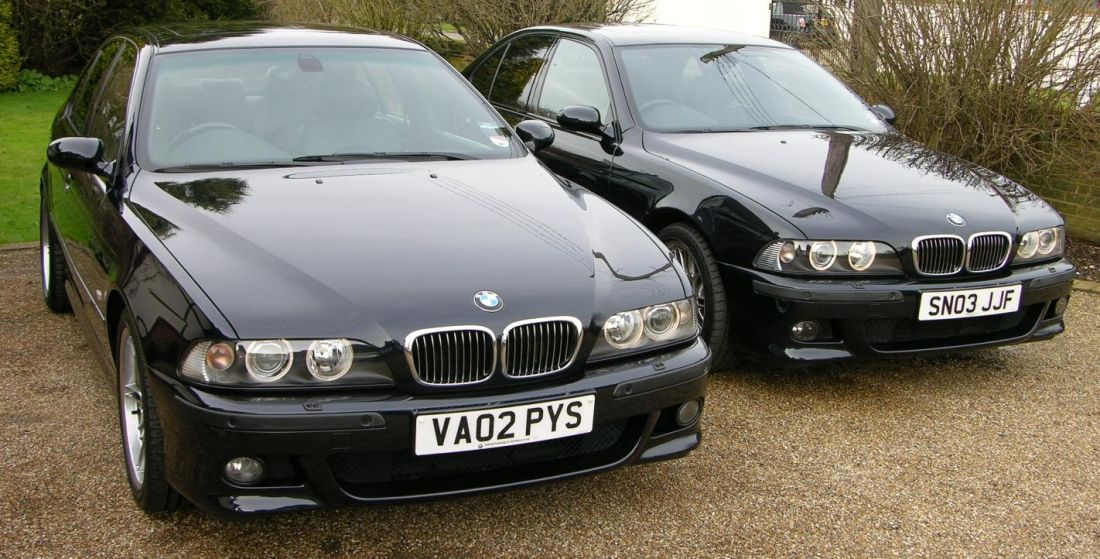
Photo: 2002 BMW M5 by The Car Spy, CC BY 2.0, via Wikimedia Commons.
Now, let’s be honest. A loved E39 can be wonderful, but a tired one can empty your wallet faster than a match-day parking spot near Old Trafford. These cars are old now, so condition matters far more than shiny photos. Service history is a big deal. Rust checks matter. Electrics matter. Cooling systems, suspension parts, worn bushes, old tyres, tired brakes, patchy repairs, and warning lights all need a careful look.
Hagerty UK’s M5 guide says buyers should check areas like wheel arches, sills, door bottoms, jacking points, the boot lid, and the panel behind the rear bumper for corrosion. It also mentions possible issues with variable valve timing noise, sensors, display pixels, air conditioning, and the need to make sure the correct parts have been used. That advice fits the wider E39 family too, because age is age. A clean, well-kept example is the one to get, even if it costs a bit extra. The cheapest one can become the dearest one once repairs start stacking up. We’ve all been there, looking at a car because the price looks tempting, then slowly realising the “small jobs” are anything but small. With an E39, buy the history and the condition first. The badge comes after.
Why it still makes sense as a used car talking point
The E39 is not the newest, fastest, or most loaded 5 Series. That’s not why people love it. People love it because it has feel. It has shape. It has calm confidence. It has that old BMW trick of making a normal road feel a little bit special without making the driver look like they’re trying too hard. Around Manchester and Stockport, that matters. Most of us aren’t spending every day on perfect roads with no traffic. We’re dealing with rain, school runs, tight parking spaces, the M60 being the M60, and the odd weekend escape when the sky clears for about twelve minutes. The E39 fits that kind of real life, at least when it’s been looked after. BMW PressClub said more than 1.4 million E39-generation 5 Series cars were expected to be produced by the time the next generation arrived, which shows how big its reach was. Road & Track’s praise for the car as a high point for BMW lines up with what many fans still say today. The E39 reminds people that a great car doesn’t need to feel complicated. It needs to feel right. And this one still does.
Why the E39 still gets people talking
The BMW E39 5 Series has stayed popular because it sits in that rare space between classic and usable. It looks smart without looking old-fashioned, drives with real feel, has a cabin that makes sense, and gives buyers a choice of engines with proper character. The M5 made the story louder, of course, with its 400 hp V8 and manual gearbox, but the whole range gained from the same careful thinking. That’s why the E39 still comes up whenever people argue about the best 5 Series ever made. It wasn’t perfect. No car is. A neglected one can bring bills, and even a clean one needs the respect any older premium car deserves. But a good E39 has something many newer cars chase and don’t quite catch. It feels complete. Like BMW knew exactly what it wanted the car to be, then stopped before adding too much. For buyers, fans, and anyone who enjoys a car with a bit of soul, that’s a big deal. At Dace Motor Company, we see plenty of used cars come and go, but cars like the E39 show why some names stick around in people’s heads long after production ends. They leave an impression. Quietly, yes. But strongly.