


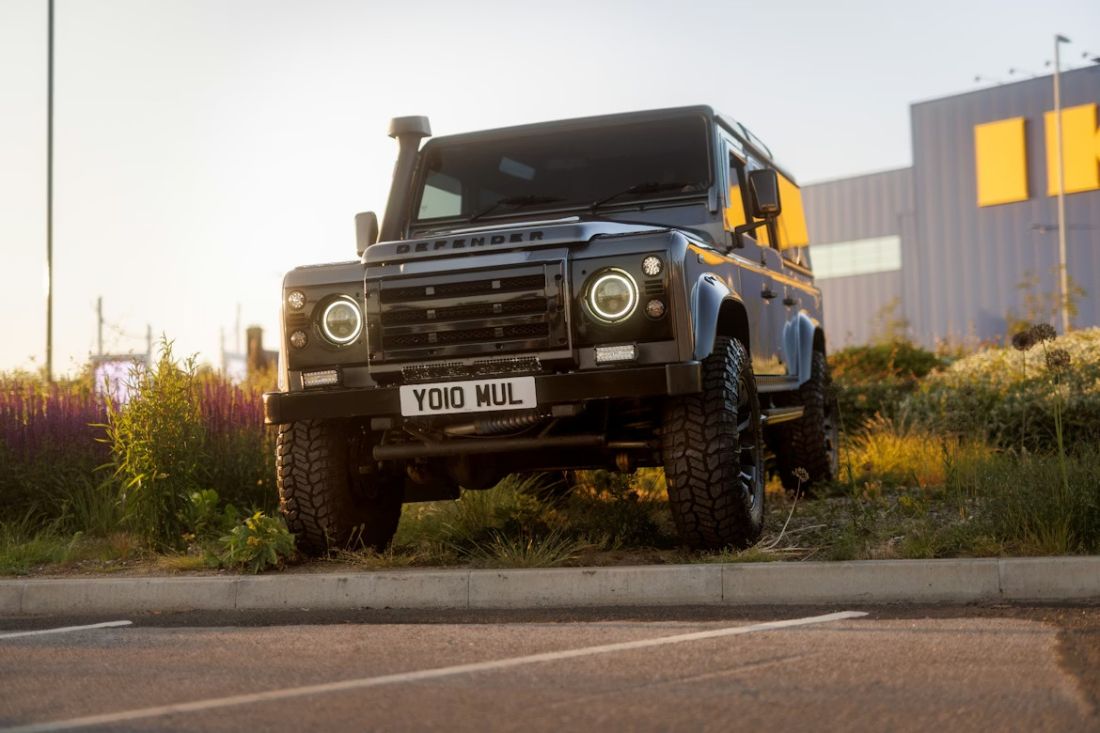
Why the Land Rover Defender Became a Global Symbol of Adventure
If you parked the very first Land Rover Defender next to a shiny modern car, you’d probably laugh. Flat panels. Straight lines. About as glamorous as a wheelbarrow. And yet, this boxy machine went on to become one of the most loved vehicles on the planet. So how did that happen? It started just after the Second World War, back in 1948, when Britain needed practical solutions, not chrome and comfort. Farmers needed help. Builders needed help. Roads were rough, if they existed at all. And fuel wasn’t exactly cheap.
The Land Rover was built with all that in mind. Tough body. Simple shape. Panels made from aluminium because steel was hard to get. Nothing fancy. Nothing extra. Just something that worked. People around Stockport and the Peaks would understand that mindset. Fix it yourself. Get on with the job. Rain or shine. That work-first attitude stuck. Over time, people realised this car didn’t care where you pointed it. Muddy fields. Rocky hills. Snowy tracks. It just kept going. And word travels fast when something works. Farmers told neighbours. Soldiers told other soldiers. Aid workers told everyone who’d listen. Before long, the Defender wasn’t just a vehicle. It was a tool. An honest one. Something you trusted. Royals used it on estates. Butchers used it for early deliveries. Explorers used it where maps ran out. And that mix is what made it special. No ego. No flash. Just a machine that showed up and got on with it. Let’s face it, there’s something people really respect about that.
From Farm Gates to the Front Lines
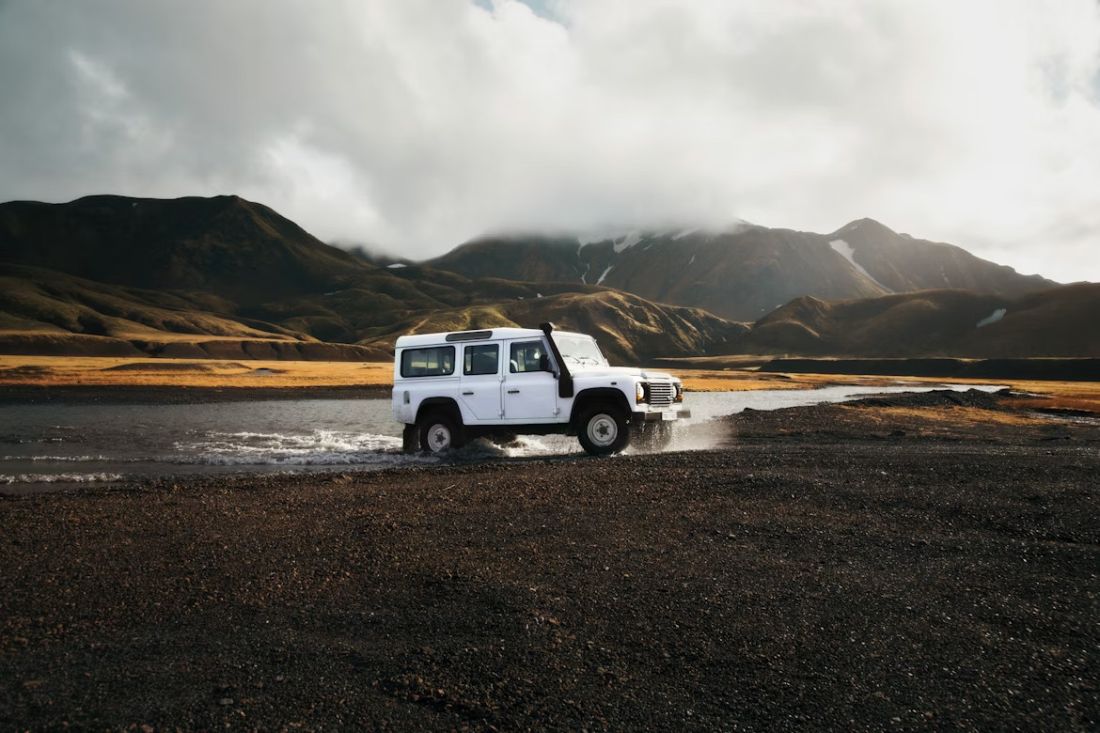
Here’s where things get really interesting. The Defender didn’t stay put in the UK. It went everywhere. And we mean everywhere. Deserts so hot you’d fry an egg on the bonnet. Jungles thick enough to swallow roads. Mountain paths that looked more like goat tracks. Governments and armies picked it up because it was simple to fix and hard to break. When things go wrong somewhere remote, you can’t just ring a recovery truck. You need something that keeps moving. Aid groups trusted it too. Doctors Without Borders used Defenders to reach clinics miles from proper roads.
You’d see them carrying medical supplies, water filters, or food into places most vehicles wouldn’t last five minutes. And here’s the thing. The Defender didn’t change its character for these jobs. Same tough build. Same no-nonsense feel. People learned quickly that if a place was tough, a Defender had probably been there already. Back home, you’d see them hauling sheep near the Pennines, then turn on the telly and spot the same shape crossing African plains. That kind of image sticks. Even kids noticed it. You know how it is. Once you recognise something, you start seeing it everywhere. That shape became a sign. If a Defender was there, help wasn’t far off. Work was getting done. Someone had figured out how to reach that spot. It built a reputation silently. No big marketing push. No fancy adverts shouting about adventure. Just quiet proof. Time after time.
Why Explorers Fell in Love With It
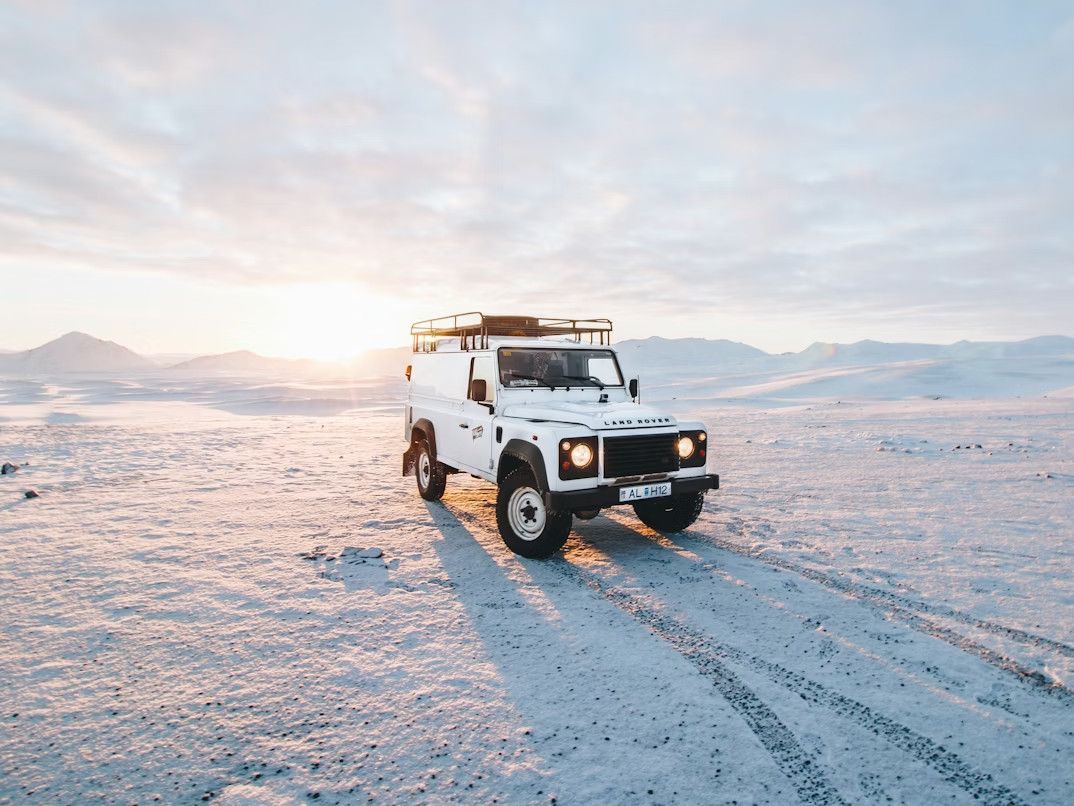
Explorers like reliability. They don’t care much for heated seats when they’re days from the nearest town. And the Land Rover Defender earned their respect the old-fashioned way. By finishing trips that others couldn’t. Take the famous Oxford and Cambridge Far Eastern Expedition in the 1950s. A group of students drove two Land Rovers from London to Singapore. Think about that for a second. Different climates. Borders. Breakdowns waiting to happen. And they made it. Stories like that spread fast. Later came safari guides, mountain rescue teams, and overland travellers.
The Defender became a favourite because it was honest. You could fix it with basic tools. No need for specialist devices. No computer telling you off. That mattered. Especially far from home. And for everyday folks around Greater Manchester, that explorer image still hit home. It wasn’t about climbing Everest. It was about knowing your car would get you back from a muddy rugby pitch, a flooded back road near the Mersey, or a snowy lane up by Saddleworth. People liked that feeling. Owning a Defender felt like owning a bit of that explorer spirit, even if the wildest trip you took was heading over to the Lake District for a weekend. No shame in that. Adventure is personal. And the Defender never judged.
The Look That Never Tried to Be Cool
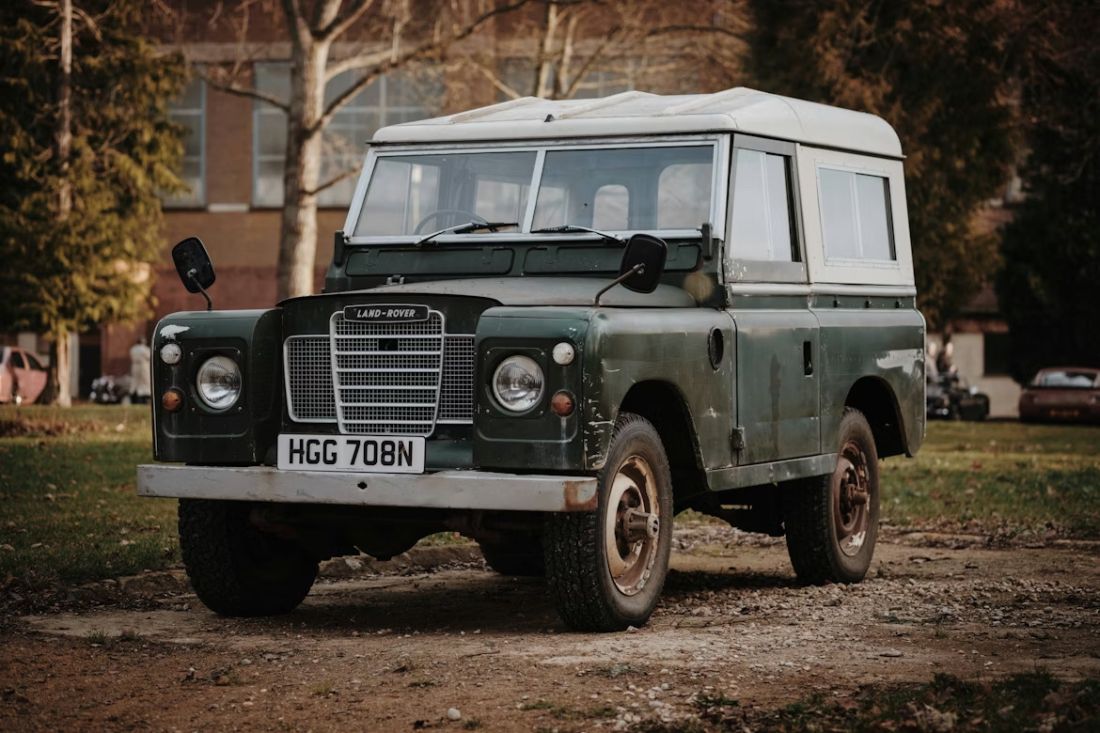
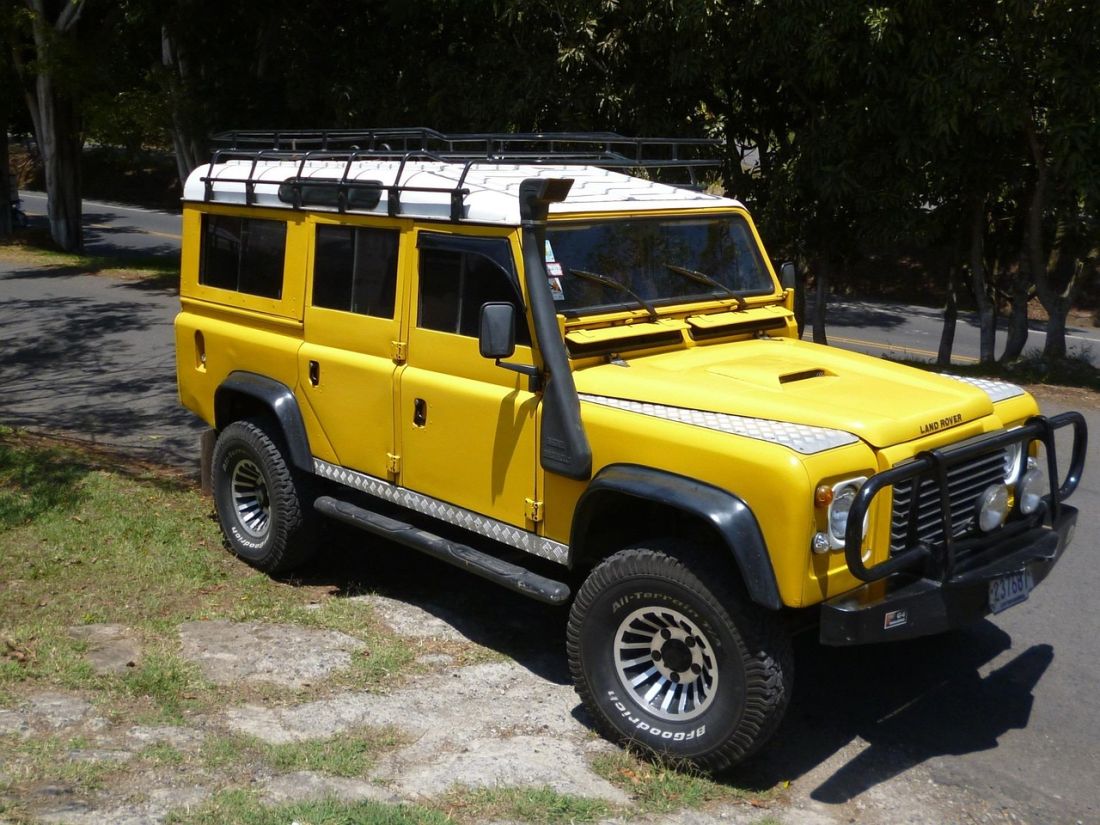
Now let’s talk about the shape. Because it really matters. The Defender never chased trends. Never smoothed its edges to fit in. Those flat sides and exposed rivets became its badge of honour. Kids could draw it in five seconds. Straight roof. Flat front. Wheels right at the corners. Easy. And that simplicity made it timeless. While other cars aged quickly, the Defender just looked… the same. In a good way. People started to trust that look. It said, “I don’t care about fashion.” And in Manchester especially, people respect that vibe. It’s the same reason old brick mills still feel solid. Or why a proper flat cap never really disappears. The Defender’s look became tied to honesty. You saw one parked outside a stately home. Next day, one splashed in mud outside a farm shop. Same car. Different lives. That flexibility was rare. And the funny thing is, designers later tried to copy it. Boxy shapes became popular again. But it never quite felt the same. Because the Defender didn’t try to look tough. It just was. People picked up on that. And once something feels genuine, it sticks around longer than any trend.
From Royal Favourites to Everyday Legends
Here’s a moment that sealed the Defender’s place in popular culture. Queen Elizabeth II loved them. She drove one herself around royal estates. No chauffeur. Just her behind the wheel of a Defender, headscarf on, dogs in the back. That image mattered. It told people this wasn’t just a work tool. It was trusted at the very top. Yet it never lost its everyday feel. Builders in Stockport parked theirs next to the same supermarket doors as office workers.
No fuss. Same keys. Same seats. And that mix made people warm to it. You’d hear families talk about the Defender they had years ago. The one that carried kids, dogs, DIY supplies, and Christmas trees. It became part of life. Scratches weren’t a disaster. They were memories. Mud wasn’t cleaned immediately. It was proof of use. That attitude is hard to buy. You earn it over time. By being useful. By showing up. By lasting.
The End of an Era That Didn’t Really End
When Land Rover stopped making the original Defender in 2016, people were genuinely upset. Not annoyed. Upset. Like losing an old friend. That doesn’t happen with many cars. Fans wrote letters. Dealers held farewell events. Some bought one just to keep. And then something unexpected happened. Values went up. Demand stayed strong. Used Defenders became prized. People wanted a piece of that story. Even now, when we chat with customers at Dace Motor Company, the Defender comes up again and again. Folks remember them. Or want one they never had. Or just like the idea of owning something with history. And while the new Defender has its own story, the original remains special. You see them rumbling past rain-soaked terraces in Manchester, still working, still going. That’s the magic. It never really left.
Why the Defender Still Means Adventure Today
Adventure doesn’t have to mean climbing mountains. Sometimes it’s just saying yes to a plan. Heading somewhere unknown. Taking a wrong turn and seeing where it leads. The Land Rover Defender stood for that long before it became a marketing thing. It didn’t promise luxury or speed. It promised you’d get there. That promise means a lot. Especially around here, where weather changes fast and roads don’t always behave. People want something they can trust. That’s why the Defender’s story keeps getting passed on. From parents to kids. From old neighbours at the pub. From used car forecourts where someone stops and says, “I always wanted one of those.” And you can’t help but smile. Because you know exactly why.