


Why the Honda Civic Became One of the Most Tuned Cars in the World
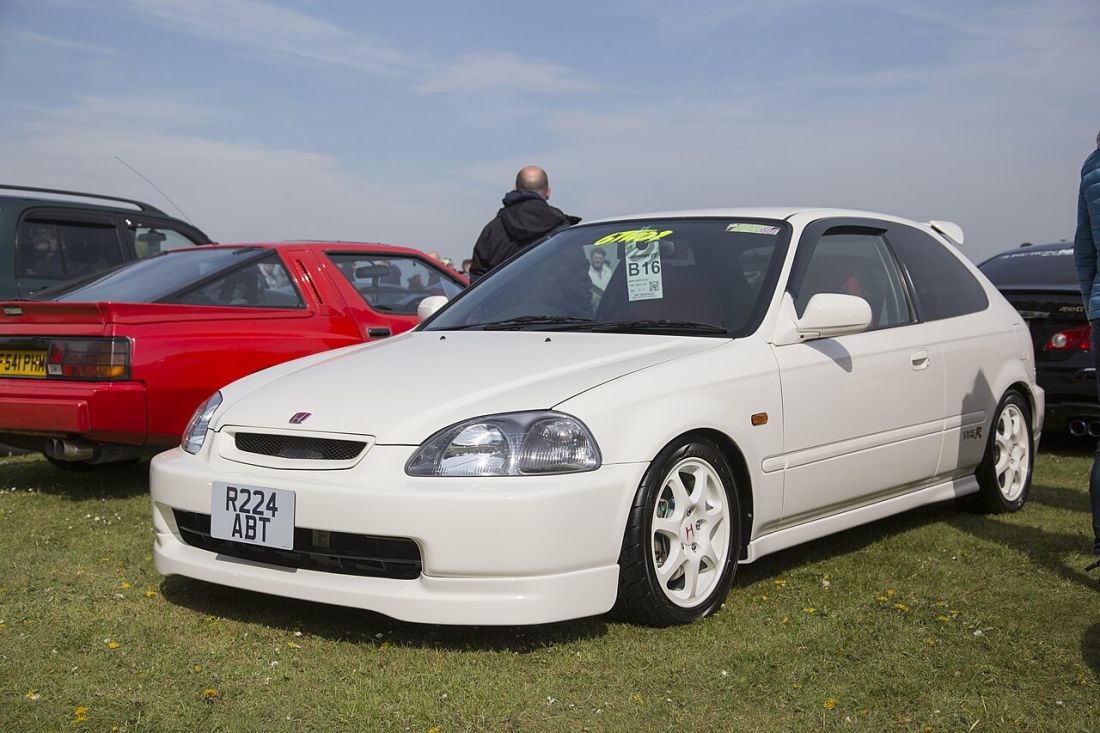
Photo: EK9 Honda Civic Type R by Richard Hunter, CC BY 2.0, via Wikimedia Commons
At Dace Motor Company, we spend a lot of time around used cars that people buy for all sorts of reasons. Some want a comfy family runabout. Some want something tidy for the school run and the Trafford Centre car park. And some want a car with a bit of room for personality. That’s where the Honda Civic has a special place. The funny thing is, the Civic did not begin life as some loud, chest-beating performance icon. It started as a sensible small car, the kind of thing people bought because it made sense. And, to be honest, that is exactly why it became such a giant in tuning culture. The Civic has been around since 1972, and Honda says more than 27 million have been sold in over 170 countries.
That matters. A car becomes easy to modify when loads of people own one, break one, fix one, race one, and pass ideas around. The Civic had that in a huge way. It was everywhere. It was on normal streets, in busy cities, on driveways, in college car parks, and later in garages where friends learned how to turn spanners after school or on a freezing Sunday. You know how it is, the cars that change culture are not always the flashiest ones on day one. They are the ones regular people can actually get hold of. The Civic was cheap enough for younger drivers, sensible enough for parents, and good enough underneath to make people curious about what else it could do. That mix is gold. It meant the Civic was never trapped in one lane. It could be your first car, your daily car, your project car, or your weekend toy. Very few cars manage that trick for so long, and that’s a massive reason the Civic became such a tuning legend.
The Civic showed up at exactly the right time
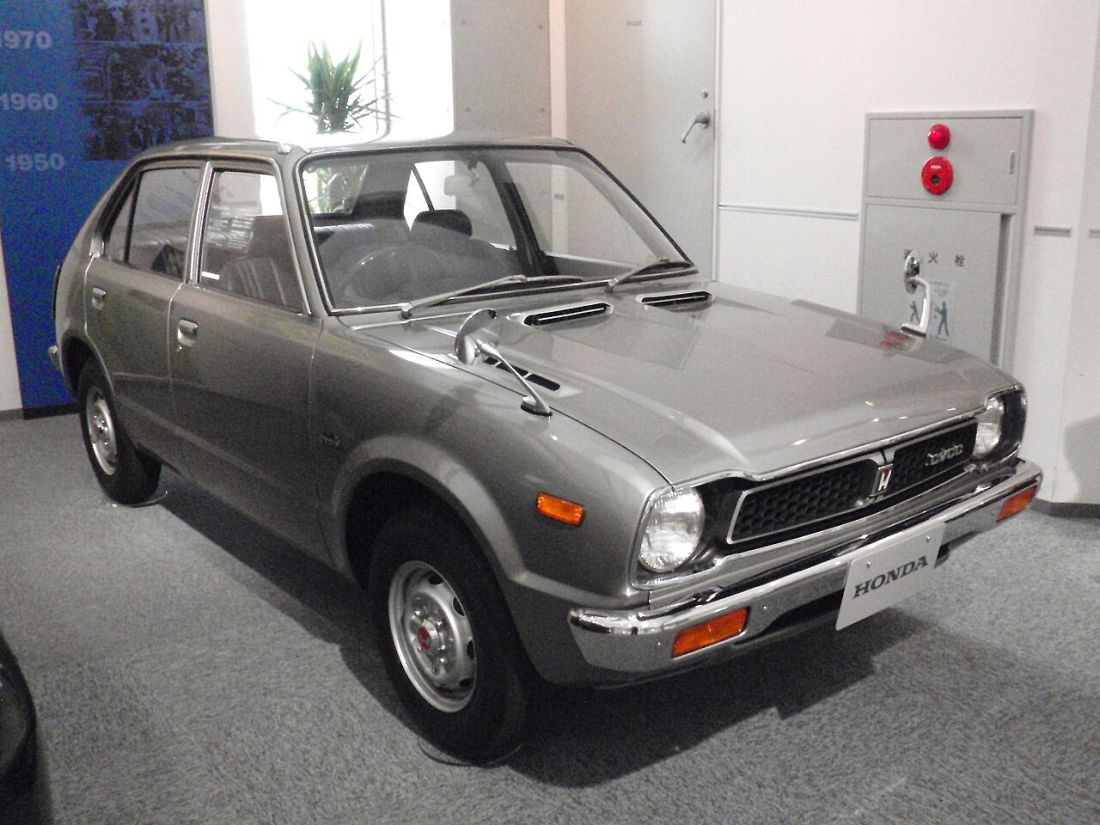
Photo: 1972-1975 Honda Civic CVCC 4-door sedan by Kzaral, CC BY 2.0, via Wikimedia Commons
A lot of people talk about tuning as if it came from nowhere, but the Civic landed in a moment that made it easy for the car to catch fire with drivers. In the early years, Honda built the Civic as a small, fuel-saving car, and the version with its cleaner-burning engine won praise because it could meet strict emissions rules and still keep fuel use in check. Back in the 1970s, that was a huge deal.
Honda’s own history says the Civic became a big hit in Japan and the United States during a time when drivers wanted cleaner, thriftier cars. That gave the Civic a massive audience right from the start. But here’s the part people miss. A car that earns a name for being smart, cheap to run, and dependable builds trust. Once people trust a car, they are much more likely to keep it longer, learn it inside out, and start changing bits. First it might be wheels. Then springs. Then the exhaust. Then one day the bonnet is up and somebody is wondering what engine from another Honda might fit in there. It sounds simple, because it is simple.
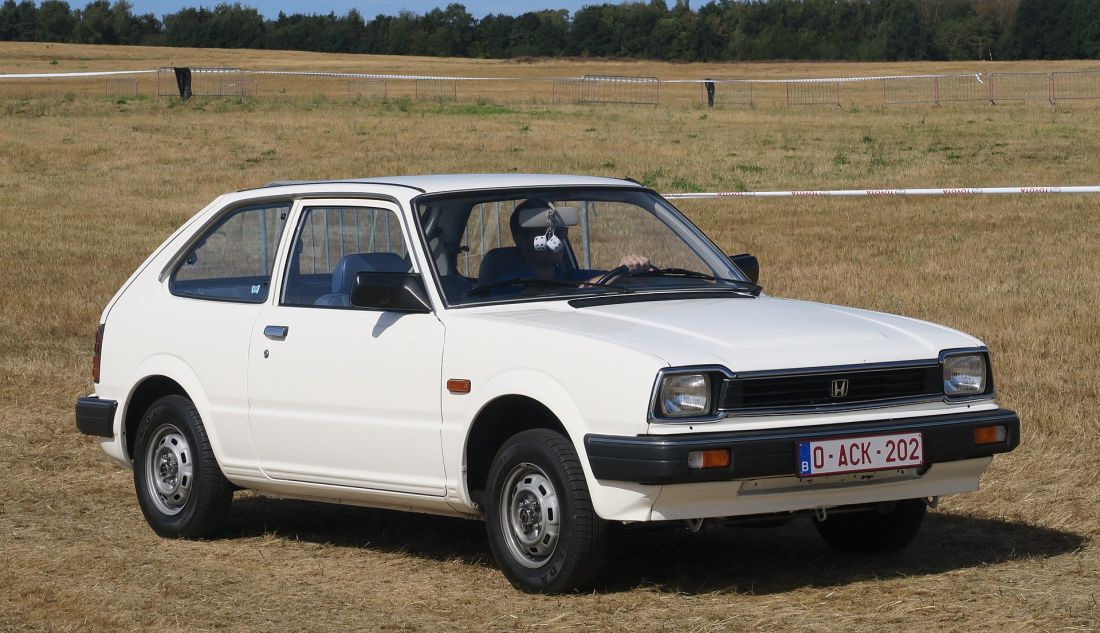
Photo: Second generation Honda Civic 3-door hatchback by Charles01, CC BY-SA 4.0, via Wikimedia Commons
The Civic got into homes and onto streets by being sensible first. Then drivers found out it also felt eager, light on its feet, and ready for more. That is the secret sauce. The tuning scene did not grab a car that was already a superstar. It grabbed a car that was humble, useful, and quietly better to drive than people expected. Let’s face it, that kind of underdog story always travels well. It feels real. And for readers here in Manchester and Stockport, that idea still makes sense now. On a wet morning near the A6, a car that is easy to live with always wins people over first. The Civic had that sorted before the tuning craze really took off.
Cheap, light, reliable, and everywhere beats flashy every time
If you strip the whole thing back, the Civic became a tuning favourite because it gave people a low-risk way to learn. That matters far more than people admit. A rare sports car can be exciting, sure, but it is no good as a starter project if parts cost a fortune and every mistake feels like disaster. The Civic was different. A Specialty Equipment Market Association feature on tuner culture says the obvious stars of the early 1990s scene were Civic and Integra models, right when that scene was growing fast. The same piece explains why so many young drivers ended up in Hondas in the first place: parents were happier buying an inexpensive, reliable, fuel-saving economy car than something with a wilder image. Then those young owners turned those practical cars into something fun. That is such a human story. We’ve all seen versions of it. Somebody gets the “safe choice,” then spends the next two years finding ways to make it feel like their own. And the Civic helped because it was small, light, and honest. It did not try to hide what it was. It gave drivers a solid base and enough feedback to make little changes feel worth it. New intake, nicer wheels, better tyres, firmer suspension, a sharper engine note, each step felt like progress. Super Street called the Civic the front-wheel-drive economy car that turned into a phenomenon and helped lay the foundation of the tuner scene. That says a lot. Tuning culture is not built by cars that are hard to buy or hard to fix. It is built by cars that turn up in massive numbers and invite people to have a go. The Civic did exactly that. It let beginners get started, and it still had enough depth to keep serious builders interested years later. That’s why the craze stuck instead of fading out.
Honda kept giving enthusiasts better ingredients
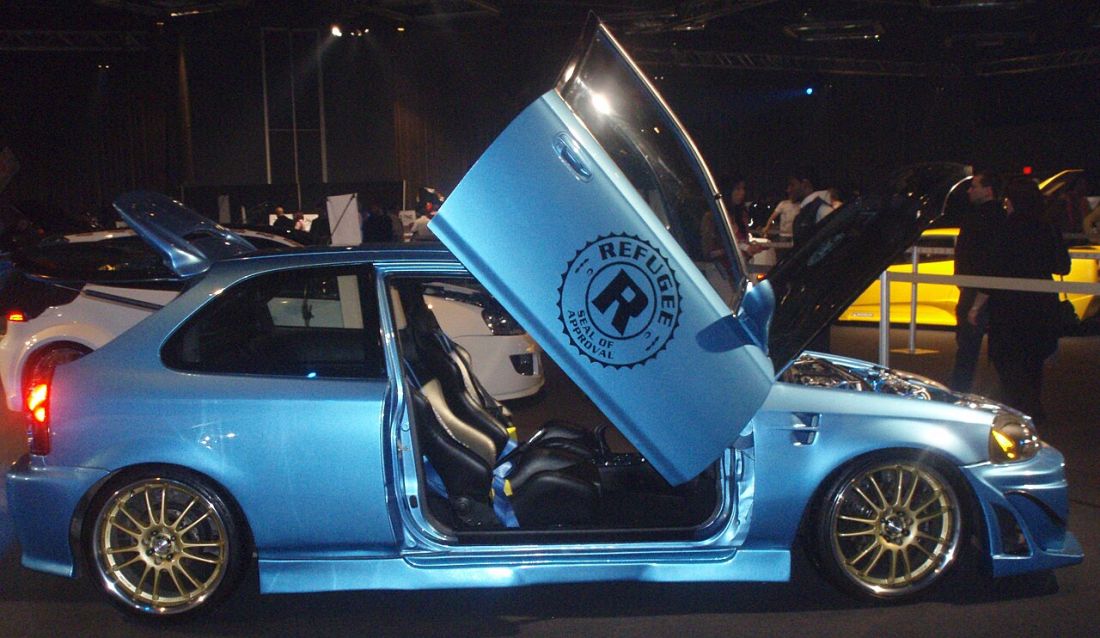
Photo: Tuned Honda Civic photographed in Montreal, Quebec, Canada at the 2011 Montreal International Auto Show (by Sherwin Ilagan Solina, Public domain, via Wikimedia Commons).
Another reason the Civic exploded in tuning circles is that Honda kept adding versions that made enthusiasts dream a bit bigger. The regular Civic was already a good base, but then Honda layered in sportier models that gave builders a head start. The Civic Si line dates back to the mid-1980s, and Honda has described it as a long-running performance icon in the sport compact class. That matters because people love a ladder. They like the idea that you can start with a normal car, then aim for parts and features from the hotter version. The Civic’s history is packed with those stepping stones. Honda’s own timeline shows that the fourth generation brought double-wishbone suspension as standard, which helped the car feel sharper and more playful.
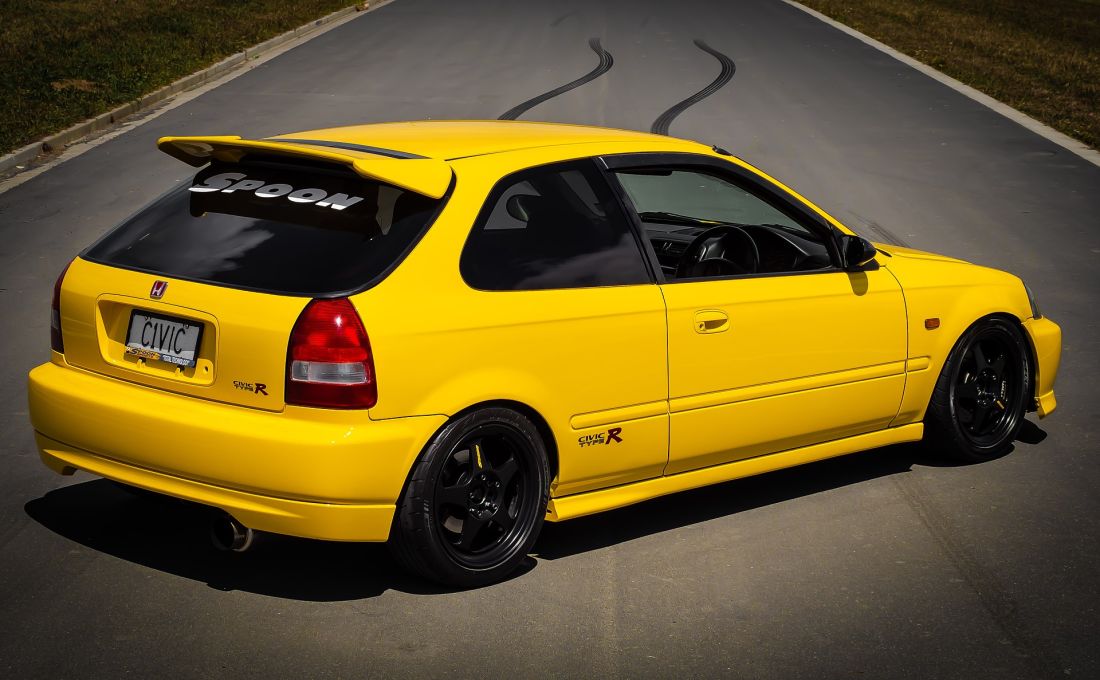
Photo: 1997 Civic Type R EK9-6 by Ben Lv, CC BY 2.0, via Wikimedia Commons
Later on, the sixth generation got the first Civic Type R in 1997, and Honda’s UK history notes that the first Type R sold in Europe arrived in 2001. So the Civic went from sensible hatchback to a car with real performance blood in the family. That changed everything. It meant the tuning crowd did not have to invent a sporty Civic from thin air, because Honda had already shown how far the platform could go. You could buy a regular model and borrow ideas from the Si. You could look at a Type R and think, right, that’s the target. Better seats, better brakes, tighter handling, stronger engines, shorter gear changes, sharper looks. The factory gave the scene a roadmap. And because these versions appeared over many generations, the Civic never lost momentum. One group loved the older light hatchbacks. Another chased the newer performance models. Another wanted a tidy daily with just a few smart changes. All of them still sat under the Civic umbrella. That kind of long-running family tree is rare, and it kept the Civic fresh in people’s heads for decade after decade.
Mix-and-match parts made the Civic feel almost limitless
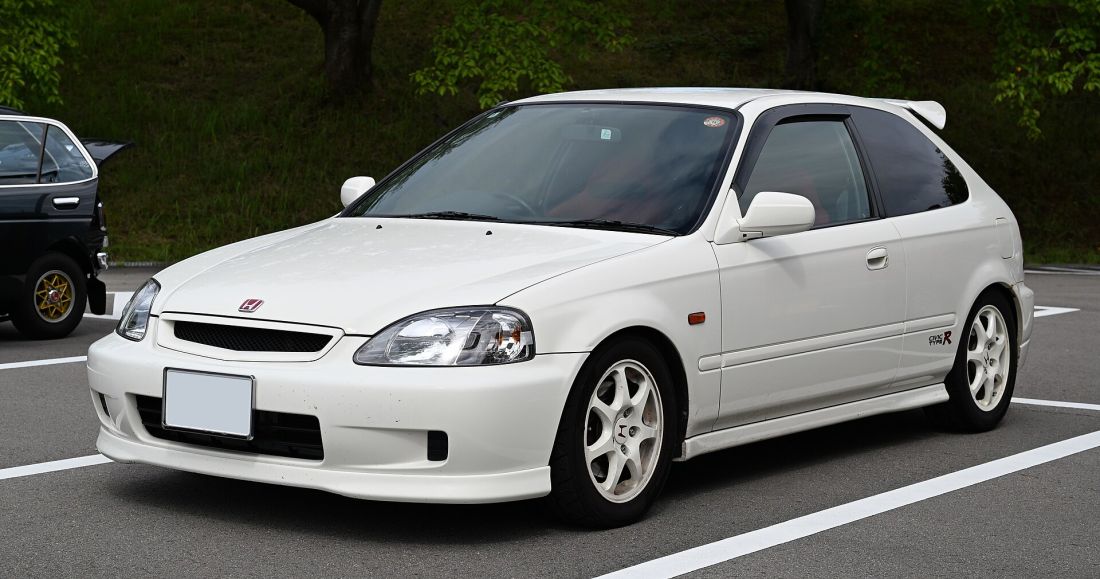
Photo: 1998-2001 Honda Civic Type R by TTTNIS, CC0, via Wikimedia Commons.
This is where the Civic really went from popular to unstoppable. It was not just that people liked the car. It was that people found out how many Honda parts could be mixed, matched, and upgraded without turning the whole job into a nightmare. MotorTrend’s look at Honda engine swaps says Honda made things fairly simple with many popular Civic and Integra chassis, and that several engine families could fit with the main limits being money and mechanical skill. That sentence explains years of Civic culture in one hit. Once builders saw that stronger Honda engines could be fitted into older Civics, the floodgates opened. Early swap culture grew because some of those changes were surprisingly direct. One early twin-cam engine became famous partly because it could drop into older Civic and CRX models without cutting the car apart. Then came stronger 1.8-litre engines, then the high-revving B-series family, then later the K-series, which became a huge favourite after forum users and small shops shared tips and fixes with each other. It was like a giant rolling science project, but one that thousands of normal people could join. You did not need to invent every answer from scratch. Someone had already tried it, broken it, fixed it, and posted photos. And then aftermarket companies jumped in with engine mounts, wiring kits, fuel parts, manifolds, and everything else builders wanted. That part is huge. A tuning scene grows when the path from idea to finished car is clear enough for regular people to follow. The Civic had that path. It made big upgrades feel possible, even if you were working in a cold garage with one socket set, one mate holding a torch, and tea going cold on the windowsill. That’s why Civics became project cars for kids, proper race builds for serious teams, and everything in between. Few cars have ever matched that level of flexibility.
Racing, films, and games turned the Civic from a good project into a global icon
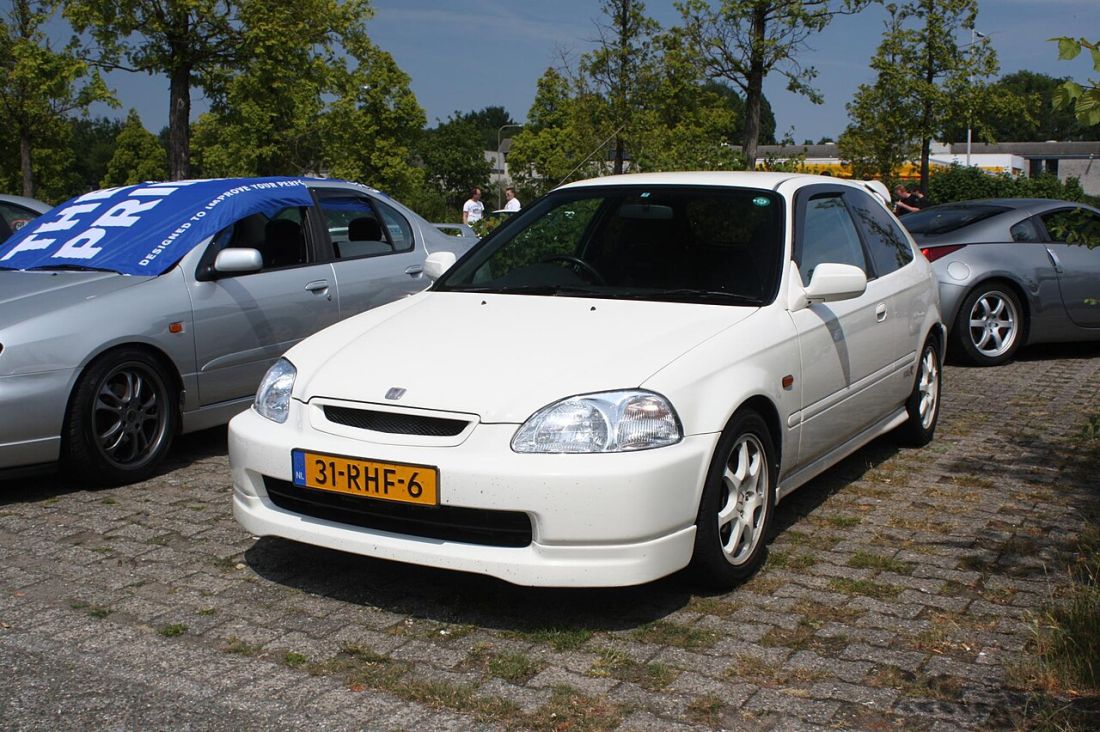
Photo: 1997 Honda Civic Type R EK9 by Mark van Seeters, CC BY 2.0, via Wikimedia Commons
A car can have all the right mechanical bits and still stay niche if nobody outside the garage notices it. The Civic did not have that problem. Its rise happened right as tuning culture spilled into magazines, car meets, films, and video games. And once that happened, the Civic stopped being just a smart choice for people who knew Hondas well. It became a symbol. MotorTrend quoted Honda people looking around the SEMA show and seeing modified Civics everywhere, from audio displays to exhaust brands to floor mat stands. They said the movement grew on its own, which is a brilliant detail because it shows this was not some neat top-down marketing plan. Kids and enthusiasts built the Civic craze themselves. Then pop culture poured fuel on it. Hagerty’s look at the sixth-generation Civic says that model arrived just as hot hatch culture was bubbling up, and for a generation of Gran Turismo players the EK9 Civic Type R became a dream machine. Hagerty also points out that tuner trends in magazines and on the silver screen helped the EK Civic become a darling of the modifying crowd from the late 1990s into the early 2000s. That rings true. Once a car appears in the stuff people watch and play, it stops living in one country or one age group. Suddenly somebody in Stockport, somebody in Osaka, and somebody in California all want the same shape of hatchback with the same stance, the same wheels, the same engine note. The Civic crossed borders because the idea behind it was easy to get. Small car. Big attitude. Real speed if you built it right. And there was another bonus. Unlike some poster cars, the Civic still felt reachable. You could daydream about one without needing millionaire money. That matters. A car becomes legendary in tuning when people can imagine owning it, not just staring at it through a screen.
The Civic also taught people that tuning didn’t have to mean showing off
One thing people get wrong about Civic culture is thinking it was all huge wings, noisy exhausts, and trying too hard. Sure, some builds went all in. That has always been part of car culture, and, honestly, part of the fun. But the Civic became so loved because it worked at every level. You could build one into a serious track car. You could build one into a clean street car with a subtle drop and nicer wheels. You could keep it nearly standard and just sharpen the bits that made driving better. That flexibility made the Civic feel welcoming instead of scary. There’s a reason serious enthusiasts, first-time modifiers, and people who just want a tidy, fun hatchback all keep circling back to it. The Civic earned that reputation because owners could choose how far they wanted to go. A teenager with limited cash could start small. A skilled builder with proper tools could chase huge changes. And the car still made sense either way. That is rare. A lot of cars feel great at one end of the scale and awkward at the other. The Civic somehow managed both. It could be humble and serious at the same time. It could be a clean daily on a rainy Manchester commute through traffic near Deansgate, then turn into the car people gather around at a meet once the weather clears. It also helped that the Civic community built a kind of shared language around the car, even if owners liked very different styles. Some loved old-school hatchbacks. Some chased Type R looks. Some cared about lap times. Some just wanted something tidy, reliable, and fun. The Civic had room for all of them. That is a huge reason the scene lasted. It was never one narrow trend. It was a big tent with space for almost every kind of enthusiast.
Why this still matters to used car buyers now
The Civic’s tuning story still matters because it tells you something bigger than “people like modifying Hondas.” It tells you the base car was good enough, for long enough, to earn trust across generations. Honda says the Civic has sold in more than 170 countries, and that sort of reach does not happen by luck. People kept buying Civics because the car kept doing everyday jobs well, while still leaving room for drivers who wanted a bit more spark. That balance is a big deal in the used market. Here at Dace Motor Company, we know buyers are not all chasing the same thing. Some want a car to leave fully standard. Some want a car with a strong reputation, good support, and the chance to make a few tasteful changes later. The Civic speaks to both camps. Its long history in the tuning scene means there is loads of owner knowledge out there, loads of passion, and a long track record of people caring enough to keep these cars alive. But the best lesson from the Civic is pretty simple. The greatest project cars are not always the wildest from the factory. They are the ones that give people confidence. Confidence to buy. Confidence to learn. Confidence to improve bit by bit. That is what the Civic gave the tuning scene, from the first sensible fuel-saving models, to the Si, to the Type R, to the generations people still hunt down now. And that is why its name keeps coming up whenever anyone talks about the cars that shaped modern tuning culture. It earned that place the slow, honest way. Through years of being affordable, adaptable, fun, and easy to care about. To be honest, that kind of story never gets old. It just keeps picking up new fans.