


Why the Dodge Charger Became a Muscle Car Icon
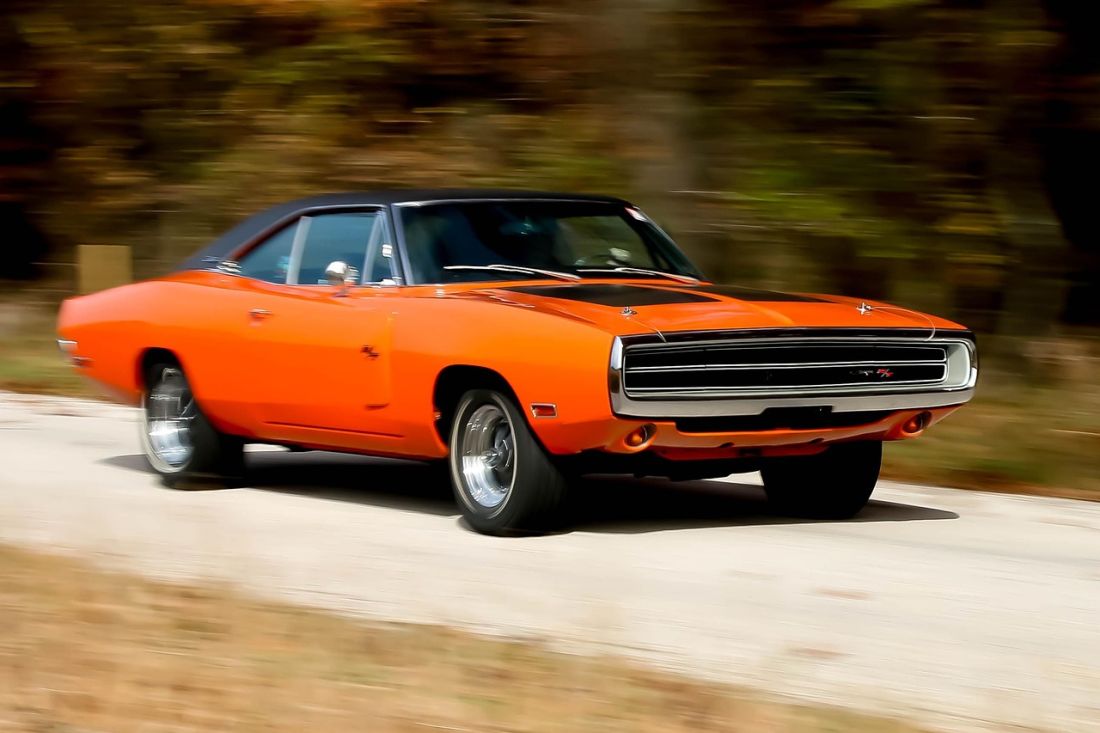
At Dace Motor Company, we spend a lot of time thinking about why some cars are liked, while others get burned into people’s heads for years. The Dodge Charger sits firmly in that second group. You don’t need to be an American car expert to get it. One look and you can tell what the Charger is trying to say. It looks tough. It looks a bit moody. It looks like it would rather lead than follow. And that, really, is where the story starts. A lot of old performance cars were quick in a straight line. A fair few made a nice noise. But the Charger had something extra. It had presence. The sort of presence that would still turn heads on a grey afternoon near Stockport Viaduct, or rumble past Deansgate and make people stop mid-sentence. It looked like the hero car, the villain car, and the getaway car all at once. That’s rare. It also arrived at a time when car makers in America were trying hard to build cars that felt exciting, young, and bold. Dodge launched the Charger in 1966, but the version that really stamped the name into car history came a little later. Once that shape landed, once the racing stories started, and once Hollywood got hold of it, the Charger stopped being just a model in a showroom. It became a symbol. That’s why people who have never driven one still know it. And it’s why the Charger still gets talked about, argued over, copied, filmed, restored, and plastered on bedroom walls long after many other fast cars from the same years faded away.
The 1968 version changed everything
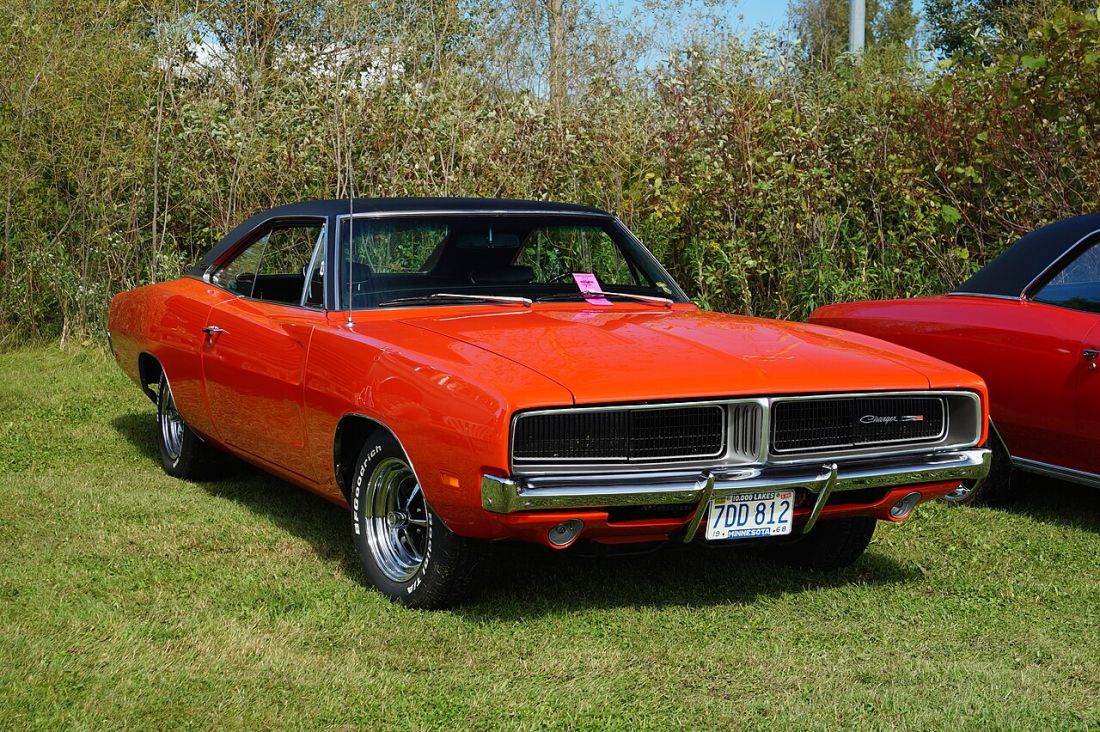
Photo: 1969 Dodge Charger by Greg Gjerdingen from Willmar, USA, CC BY 2.0, via Wikimedia Commons
The first Charger from 1966 had style, no question. Dodge had put real money and effort into it, and the first cars were shown to the press in 1965 before the model officially hit the road. But the early car didn’t fully click with buyers the way Dodge hoped. Then 1968 arrived, and the whole mood changed. Dodge gave the Charger a complete redesign. Not a light tidy-up. A full rethink. According to Dodge’s own history, the new car kept none of the styling from the old one, and buyers reacted straight away.
Sales jumped from 15,788 in 1967 to 96,100 in 1968. That’s a huge leap, and it tells you something simple: people saw the new Charger and wanted it badly. You can almost picture it. Someone walks into a dealer expecting just another big coupe, then sees that low nose, the hidden headlights, the deep grille, the wide shoulders, and the tucked-in body sides, and suddenly the choice feels easy. The Charger no longer looked like a nice idea that needed explaining. It looked right from the first second. That matters more than car people like to admit. A car can have all the speed in the world, but if it doesn’t make you feel something when you first spot it parked up, the spell breaks. The 1968 Charger didn’t have that problem. It had the shape people wanted to stare at. And once a car gets that bit right, the rest of the legend gets a lot easier to build.
Its shape did half the talking before the engine even started
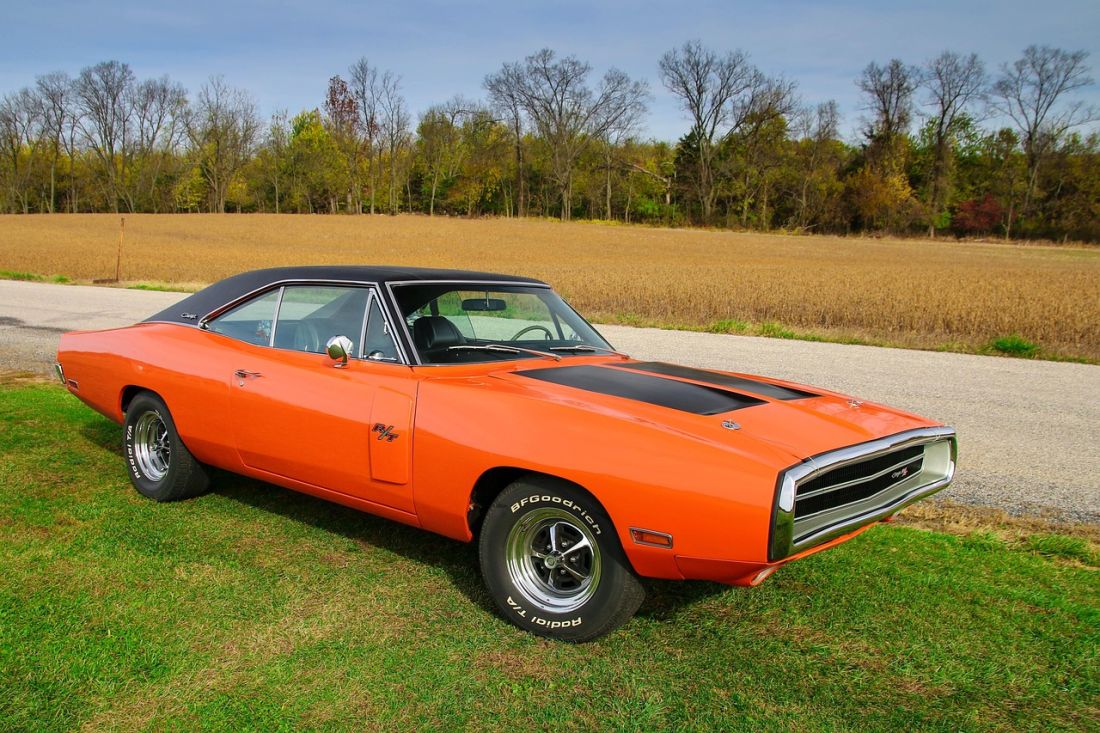
A big reason the Charger became an icon is dead simple: it looked dramatic without looking messy. Some cars from that era tried too hard. Too much chrome. Too many odd lines. Too much fuss. The Charger had attitude, but it also had balance. The nose looked mean because of the hidden headlights and full-width grille. The sides looked muscular because the body pinched in at the middle and swelled back out over the wheels. The rear had those flying buttress-style pillars and a deep-set back window that made the whole car seem like it had been crouching, waiting, even while parked. That shape made people feel the car before they knew any numbers. Let’s face it, most people don’t fall in love with a car after reading a spec sheet.
They fall in love when they catch sight of it. That’s the bit the Charger nailed. It looked expensive, dangerous, and cool, all in one hit. It also had that lovely trick great cars have, where it looked good in almost any role. Black paint made it look sinister. Bright orange made it look wild. Deep red made it look rich. Silver made it look sharp. That flexibility helped it live a long life in pop culture, because the same basic shape could play the bad guy in one film, the rebel in a TV show, and the family legend in another story years later. You can still see the appeal now. Even if your daily drive is something sensible for the school run or the M60 crawl, you know exactly why this car sticks in people’s minds. It looks like trouble. The fun kind, at least on screen.
Then it backed the looks up with real speed and real racing success
Looks get people interested. Winning keeps the name alive. The Charger had both. Dodge gave buyers big-engine versions that delivered the kind of noise and shove people wanted from an American performance car, but the road cars were only part of the story. Racing turned the Charger from popular to legendary. The wildest chapter came with the 1969 Charger Daytona, the one with the pointed nose and towering rear wing. It looked almost too strange to be real, which is part of why people still love it. But Dodge didn’t build that shape just for a laugh. The car was made so the race version could be legal for top-level stock car racing, and only 503 road-going Charger Daytonas were built.
Then the race car went out and did the thing everybody remembers. In March 1970, Buddy Baker became the first driver to break the 200 mile-per-hour barrier on a closed course in a Dodge Daytona at Talladega, setting a lap at 200.447 miles per hour. That wasn’t pub talk or dealer bragging. That was recorded history. And the Charger story didn’t stop there. Bobby Isaac, driving a Dodge, won NASCAR’s top championship in 1970 with 11 victories in 47 starts. So when people said the Charger had muscle, they weren’t just talking about traffic-light fun or a loud exhaust note. They were talking about a car family that had proved itself where it counted, under pressure, at speed, with the whole country watching. That matters even to people who never watch racing. They still feel the pull of a machine that earned its name the hard way. The Charger wasn’t pretending to be tough. It had receipts.
Hollywood gave it a face, a voice, and a reputation
Then cinema stepped in and pushed the Charger into another lane entirely. In 1968, the film Bullitt gave car fans one of the most famous chase scenes ever put on screen. Steve McQueen played Detective Frank Bullitt, but the black high-performance Dodge Charger driven by the hitmen made a massive impression of its own. Dodge’s own heritage page flat-out says that the car’s screen role helped cement it in American pop culture, and that the film boosted Charger sales through 1968 and into the 1969 model year. You can see why. The Charger in that film didn’t feel like a prop. It felt like a threat. It had weight to it. It lunged. It leaned. It looked planted and angry as it chased the Mustang through San Francisco. That matters because film can do something a showroom can’t. It can give a car a personality. In Bullitt, the Charger became the dark, hard-edged shape in the mirror, the thing closing in. For a lot of viewers, that was the moment the Charger stopped being a car and became a character. And once a car becomes a character, it lives longer in people’s heads. It gets remembered by kids who watched it with their dads. It gets brought up in car magazines, posters, toy shelves, and pub chats decades later. The Charger didn’t even have to win that chase to win the audience. That’s the funny bit. It could crash, burn, and still come away looking cooler than half the cars that survived the final reel. Some machines are just built for the camera. The Charger was one of them.
Television turned it into a weekly event
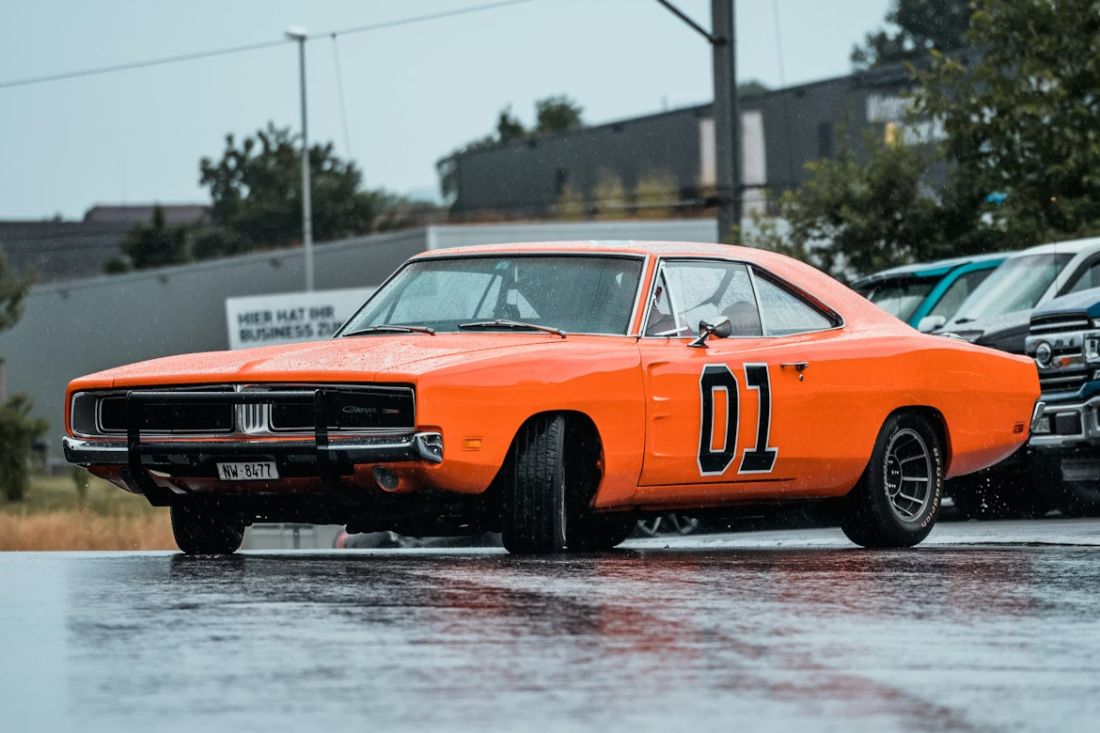
If Bullitt gave the Charger a cinema legend, The Dukes of Hazzard turned it into a living-room fixture. That orange 1969 Charger, known as the General Lee, hit screens when the show debuted on CBS on January 26, 1979. And from there, the car became huge. History says the first famous jump was filmed on November 11, 1978, when a stuntman launched the Charger 16 feet high and 82 feet long over a police car. The landing destroyed it, but the moment made TV history and then got used in the opening credits every week. Think about what that means. A whole generation didn’t just see a Charger once in a film. They saw one leaping through the air in their house, again and again, for years. John Schneider and Tom Wopat were the faces people knew, sure, but the car was a star in its own right. History also says more than 300 different General Lees appeared during the series because the stunt work wrecked so many of them. That tells you how much the show depended on the Charger’s image. It had to look right, every week, because the shape itself was part of the fun. And yes, the car’s roof graphic later made the show a harder subject for many people, which is fair to say. But even with that extra baggage, the Charger’s place in screen history was already set. The body shape, the jumps, the welded-shut doors, the bright paint, the dust, the noise, the sideways slides - it all sank deep into popular culture. You didn’t need to know anything about America, Georgia backroads, or old TV schedules. You just needed eyes and ears. The Charger made the point by itself.
And then a new generation met it through Fast & Furious
A lot of classic cars get one great chapter, then fade into museum talk. The Charger didn’t do that. It found a way back into modern pop culture through the Fast & Furious films, where Dominic Toretto’s black 1970 Charger became one of the franchise’s key cars. That was a smart fit. The Charger already had the old-school muscle, the long bonnet, the blunt-force look. In modern action films, that shape still works because it feels raw in a way many newer cars don’t. Sleek supercars can look amazing, but they can also feel a bit distant. The Charger feels like something you could hear from two streets away. Something physical. Something with a temper. That image has lasted so well that NBCUniversal, in March 2026, used the Dodge Charger as one of the headline ride vehicles for its new Fast & Furious: Hollywood Drift coaster, calling it the signature car linked to Dominic Toretto and describing it as the ultimate American muscle car. That’s a lovely little proof point. Decades after the Charger first made its name, one of the easiest ways to tell a huge audience “this is the car that means muscle” is still to wheel out a Charger. Kids know it. Adults know it. People who haven’t seen every film still know it. That kind of staying power doesn’t happen by accident. It happens when a car keeps showing up in the right stories, with the right shape, carrying the same mood each time. The Charger still looks like a machine that doesn’t ask for permission. And that feeling travels well, even across generations.
Why the Charger still matters to car fans now
So why did the Dodge Charger become a muscle car icon? Because it kept hitting the same sweet spot, over and over, without losing itself. It had a bold redesign at exactly the right time. It had race wins and speed records that gave the badge real weight. It landed starring roles in films and TV shows that millions of people watched. And it always looked like itself. That last bit is huge. A lot of famous cars are famous for one scene, one driver, one colour, one year. The Charger has a wider grip on people than that. Mention it in Manchester or Stockport and you’ll get different memories from different ages. One person thinks of Steve McQueen in San Francisco. Another thinks of the General Lee jumping through the air. Another thinks of Vin Diesel stamping on the throttle. But they’re all picturing a Charger. Same name. Same attitude. That is how an icon is made. At Dace Motor Company, we think there’s a useful lesson in that, even if you’re shopping for something far more practical than an old American coupe. The cars people really remember tend to have a clear identity. You know what they’re about as soon as you see them. They don’t feel watered down. They don’t try to be everything to everyone. The Charger never did that. It picked a lane and owned it. Loud look. Big presence. Real racing blood. Proper screen fame. That combo is hard to match. And that’s why, all these years later, the Dodge Charger still feels special. Not because it was perfect. Not because it was subtle. Because it made people feel something straight away, and then kept giving them new reasons to remember it. That’s how legends stick. Even on this side of the Atlantic, even on wet roads near the A6, that truth still lands.