


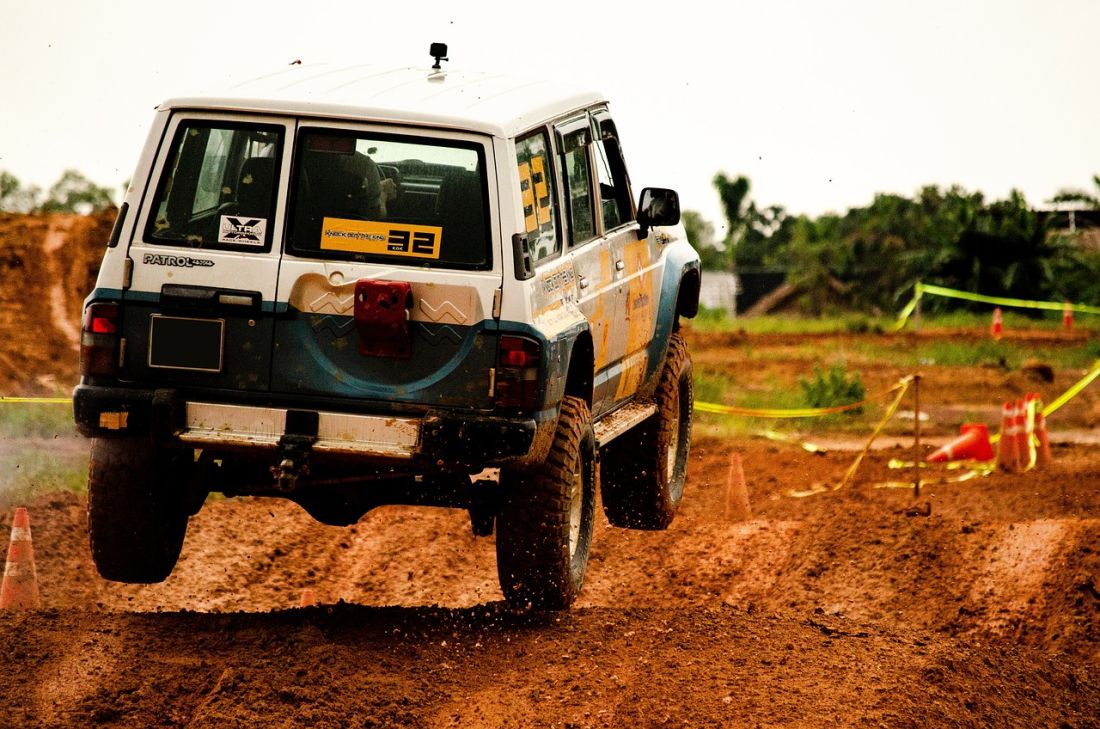
Why the Nissan Patrol Is an Off-Road Legend
Some cars become famous because they look good in a poster. The Nissan Patrol became famous because people kept asking it to do hard jobs, then discovered it was still ready for the next one. That difference matters. Since the first Patrol appeared in 1951, the name has been linked with rough tracks, steep climbs, deep sand, muddy fields, long distances and places where a normal family car would soon ask to turn back. Nissan’s own records list the Patrol 4W60 in December 1951, while the company’s heritage collection says the second-generation Series 60 stayed in production from 1960 until 1980. Twenty years for one basic generation is a huge stretch in car terms. It tells you the idea worked. The early recipe was clear: a separate steel frame under the body, simple leaf springs, driven front and rear wheels when needed, and a shape that put function before fashion.
You could get short and long versions, open and closed bodies, vans and station wagons. Some were even used as fire engines because they could carry equipment into places with poor access. That’s how a reputation starts. It doesn’t arrive through a clever advert. It builds slowly, one hard day at a time. Here at Dace Motor Company, we see plenty of vehicles with famous badges, but the Patrol’s name carries a different kind of weight. It brings to mind a tool that happens to have seats, windows and number plates. And yet it never stood still. The Patrol grew larger, quieter and much comfier across the decades, while keeping a clear link to the tough machine that began the story. That mix, old-school grit with everyday usefulness, is the main reason people still call it a legend rather than simply an old four-wheel-drive vehicle.
The early Patrol kept things simple for a reason
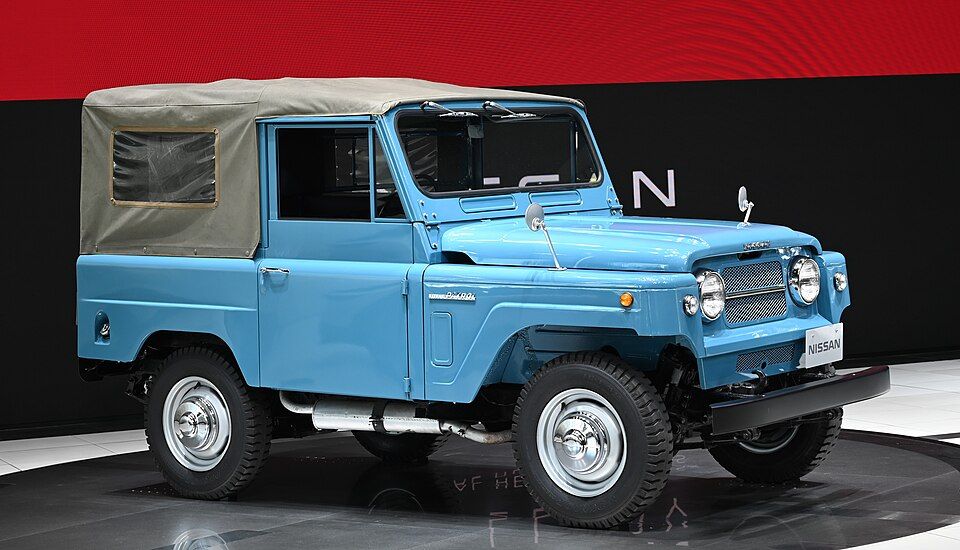
Photo: 1972 Nissan Patrol 60 by TTTNIS, CC0, via Wikimedia Commons.
To see why the old Patrol worked so well away from smooth roads, picture a heavy walking boot beside a light trainer. The trainer feels nicer on a clean pavement. The boot makes sense once the ground turns rocky, wet or uneven. Early Patrols followed the boot idea. Their separate steel frame gave the body a strong base, while the simple suspension layout was made to take knocks and keep the wheels working over broken ground. A lever let the driver switch between two driven wheels and four driven wheels. That meant the vehicle could roll along an ordinary road without sending drive to every wheel, then bring the front wheels into play when the surface became loose. The Series 60 also came in several body lengths and roof styles, which made it useful for work, travel, carrying people and hauling gear. None of this sounds flashy now, and that’s the point.
There was less to distract from the main job. Get there. Get back. Keep going. The later 160 series arrived in 1980 and took the Patrol idea into a new decade. In Japan it carried the Safari name, while many overseas buyers still knew it as the Patrol. Nissan says this generation kept the separate frame and leaf-spring layout while adding a friendlier cabin for people who wanted a four-wheel-drive vehicle for leisure as well as work. Production also spread beyond Japan, including Patrol production in Spain during the 1980s. That helped the model become familiar across different climates and road systems. You know how it is with a good tool: once people trust it, they find new uses for it. Farmers, families, travellers and outdoor fans wanted slightly different things, yet the Patrol could be adapted without losing its basic character. It was never delicate. It didn’t need the road to be kind. It simply needed a sensible driver, decent tyres and enough room to move.
The Y60 and Y61 made the legend personal
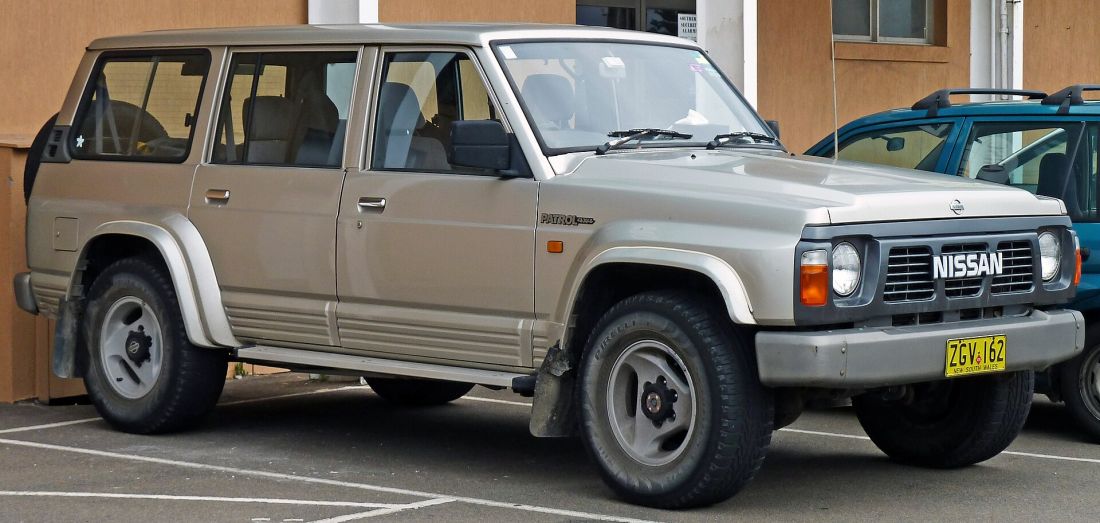
Photo: 1992 Nissan Patrol (GQ II) ST wagon by OSX, Public domain, via Wikimedia Commons.
For many Patrol fans, the story gets especially interesting with the Y60 generation launched in 1987. Nissan described it as a model that placed greater focus on leisure use, and its period slogan called it the “King of Adventure.” That line could have been empty marketing, but the vehicle had the hardware to back up the mood. It kept a tough layout while giving passengers a better ride than earlier versions. This mattered because four-wheel-drive vehicles were no longer bought solely by people who needed them for work. Families wanted one vehicle that could carry children, luggage and camping kit, then handle a rough trail at the weekend. The Y60 sat right in that gap. It looked purposeful, had broad wheel arches and felt like a serious machine, yet it was far easier to live with than a basic work truck. Then came the Y61 in 1997.
Nissan’s heritage page says it paired part-time four-wheel drive with a more modern shape, improved comfort and updated engines, including a version with the well-known 4.2-litre turbo diesel unit. These two generations became the Patrol many people picture in their heads: tall, square-shouldered, roomy and ready to get muddy. They also became popular bases for off-road changes because owners could fit different tyres, raised suspension, recovery gear and extra protection. But let’s face it, modification is a mixed bag. A carefully planned vehicle can be brilliant. A badly altered one can steer poorly, wear tyres, strain parts and become tiring on the road. That’s why the standard design matters so much. The Patrol didn’t need a mountain of add-ons to feel capable. Its basic shape, gearing and driven-wheel system already gave it the right starting point. Owners could then build around that base instead of trying to turn a road car into something it was never meant to be.
What makes a Patrol work so well off the road
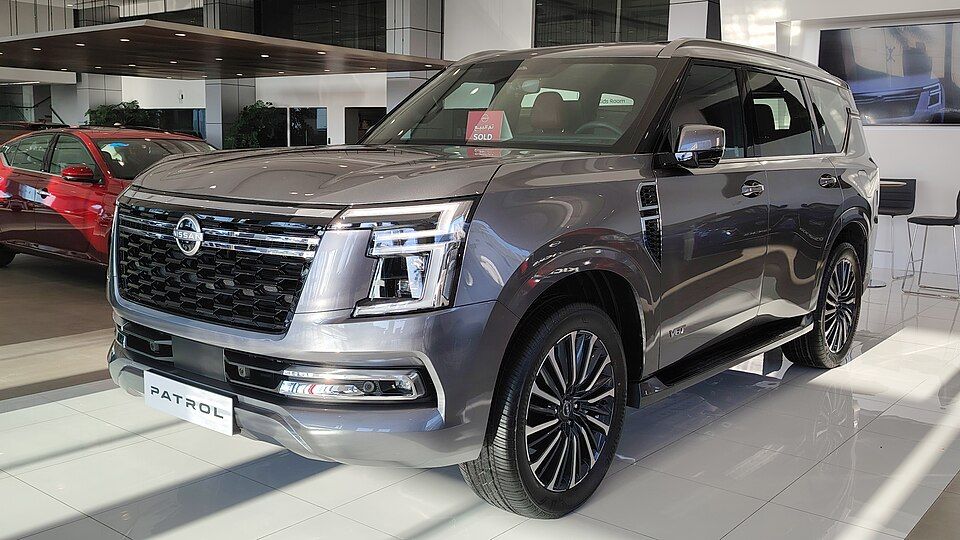
Photo: 2025 Nissan Patrol by ToyGTone, CC0, via Wikimedia Commons.
Off-road ability can sound mysterious, but the basics are easy to picture. First, the tyres need to grip. Second, the wheels need to stay in contact with the ground. Third, the engine’s effort needs to reach the wheels in a calm, controlled way. Fourth, the body needs enough space underneath so it doesn’t scrape every hump. Older Patrols bring those ideas together in a very direct manner. Four driven wheels can share the work on loose ground. Low gearing lets the vehicle creep at walking speed while the engine turns comfortably, which is handy on a steep descent or a rocky climb. The suspension lets one wheel rise while another drops, helping the tyres stay planted when the ground isn’t level. The separate frame also gives the vehicle a solid base for towing, carrying gear and coping with repeated bumps. None of that means a Patrol can ignore physics.
A heavy vehicle can sink into soft mud. Road tyres can spin on wet grass. A careless driver can damage any car, no matter how famous its badge may be. The skill is in reading the ground, choosing a steady line and using gentle inputs. Think of crossing stepping stones. Charging in with big movements usually makes things worse. Slow and neat wins. Modern Patrols add electronic drive settings, cameras and adjustable suspension, but the aim is still the same: help the driver place the vehicle, keep grip and avoid sudden wheelspin. The seventh generation, revealed in Abu Dhabi in September 2024, offers settings for sand, rock and mud or ruts, along with an adjustable air suspension and a system that shows the area just in front of and beneath the nose on the cabin screen. Fancy kit, yes. Yet it serves the same simple problem the 1951 model faced: what’s under the tyres, and how do we cross it without getting stuck?
It feels at home far beyond the desert
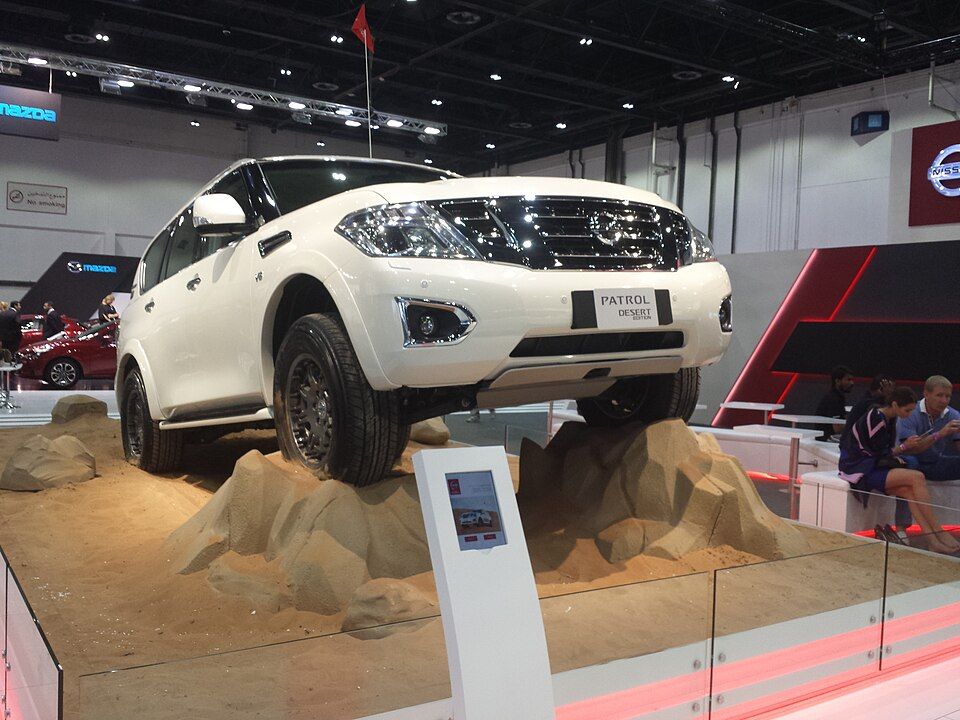
Photo: Nissan Patrol Desert Edition by Subizero, CC BY-SA 4.0, via Wikimedia Commons.
Photos of the Patrol in deep sand helped shape its image, especially in the Middle East, but a legend can’t rely on one kind of landscape. The Patrol’s appeal comes from how well its basic traits suit very different places. Sand needs steady momentum and tyres set up for a wide footprint. Mud needs grip, clear tread and careful steering. Rocks need slow speed, good wheel placement and enough room under the vehicle. Snow brings its own challenge because four driven wheels can help you move, but they don’t shorten braking distance. Rain adds another layer, and people around Manchester and Stockport know a thing or two about rain. A dark cloud over the Pennines can turn a firm lane into a slick one surprisingly fast. That doesn’t mean you should point a Patrol at any path that looks interesting.
In England, cars are allowed on a public right of way classed as a byway open to all traffic, while restricted byways don’t give the same right to motor vehicles. Local restrictions can also apply, so the legal status should be checked before driving. Private land needs the owner’s permission. This matters around popular countryside spots because a capable vehicle can still cause damage if it’s used in the wrong place or at the wrong time. A muddy track isn’t a free playground just because the vehicle has four driven wheels. Sensible owners tread lightly, avoid churning up soft ground and give walkers, cyclists and horse riders plenty of space. From Stockport, the hills and changing weather of the Peak District can make the Patrol’s strengths easy to appreciate, even if most miles are spent on normal roads. A wet farm entrance, a steep gravel access road or a snowy morning can show why good traction and ground clearance are useful. No drama. Just a machine doing the job it was built to do.
The Patrol’s weak points are part of the real story
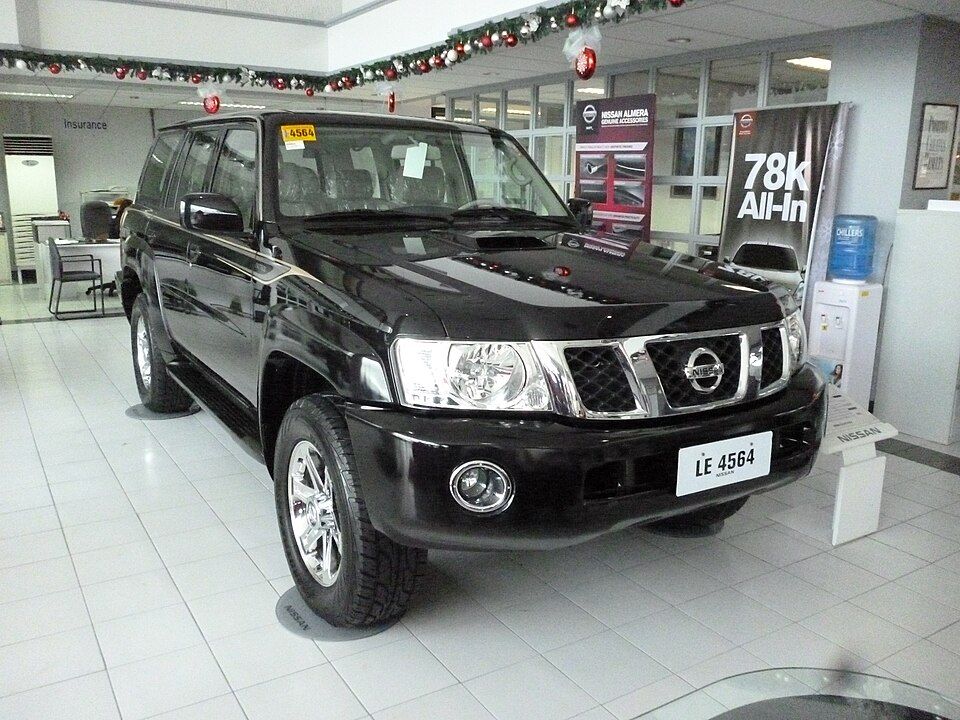
Photo: 2013 Nissan Patrol 4x4 Super Safari by Captainmorlypogi1959, CC BY-SA 4.0, via Wikimedia Commons.
Calling a vehicle a legend doesn’t mean pretending every example is perfect. In fact, the honest view is far more useful. Patrols are big, heavy machines, and age catches up with them like it catches up with everything else. Rust can attack the frame, body mounts, wheel arches, floors and areas that trap wet mud. Cooling systems need proper care because a hard-working engine creates plenty of heat, especially while towing, climbing or moving slowly. Suspension joints, steering parts and wheel bearings can wear. Four-wheel-drive parts can suffer if they haven’t been used for years, or if they’ve been used carelessly on firm surfaces. Then there are modified vehicles. Big tyres look impressive, but they can add strain, change the speedometer reading, make steering heavier and hide worn parts.
Raised suspension may improve clearance, yet poor-quality work can upset the way the vehicle brakes and handles. We’ve all seen an advert where a long list of extras is meant to prove the car is special. Sometimes it does. Sometimes it proves the previous owner enjoyed buying accessories. The condition of the base vehicle matters much more. A clean, standard Patrol with clear service records may be a better buy than a dramatic-looking one with mystery wiring and fresh paint over old corrosion. On a test drive, listen for knocks, check that the steering tracks straight, watch the temperature gauge, try every gear and make sure the four-wheel-drive system engages as it should. Look underneath before you fall in love with the view from the driver’s seat. And check the history. A famous name can attract hard use, so paperwork, ownership records and evidence of careful maintenance are key. The legend is real, but each used Patrol has lived its own life. Buy the life, not just the badge.
What to check before buying a used Nissan Patrol
Start with the frame because that’s the backbone of the vehicle. Surface rust is common on an older off-roader, but heavy flaking, swelling metal, poor patches or fresh underseal hiding uneven areas should slow you down. Check around suspension mounting points and body mounts, then inspect the floors and lower body panels. Next, look at the cooling system. The coolant should be clean, hoses shouldn’t feel cracked, and there should be no signs of overheating or pressure pushing fluid out. Ask when belts, fluids and filters were changed, and don’t settle for “the last owner did it” without proof. Try the vehicle from cold if possible. A warm engine can hide rough starting, smoke and odd noises. During the drive, use gentle and firm braking, listen while turning at low speed, and feel for vibration through the wheel or seat.
Test the low-range gears and driven-front-wheel setting in a suitable place, following the handbook, rather than discovering later that a lever or hub hasn’t moved in years. Tyres should match in size and have even wear. Mixed tyres can hint at budget maintenance, while strange wear can point to alignment or suspension trouble. Check every added switch and wire. Off-road lamps, winches and extra sockets should be fitted neatly with proper protection, not twisted together behind the dashboard. At Dace Motor Company, our used vehicles are checked before sale, and the company information supplied for this article says every vehicle receives a detailed history check covering matters such as theft records, mileage differences, outstanding finance and insurance write-off data. A soft-search finance check is also available without affecting the customer’s credit score. That doesn’t replace your own careful look at a Patrol, but it gives the buying process a clearer starting point.
From workhorse to modern luxury, the idea still holds
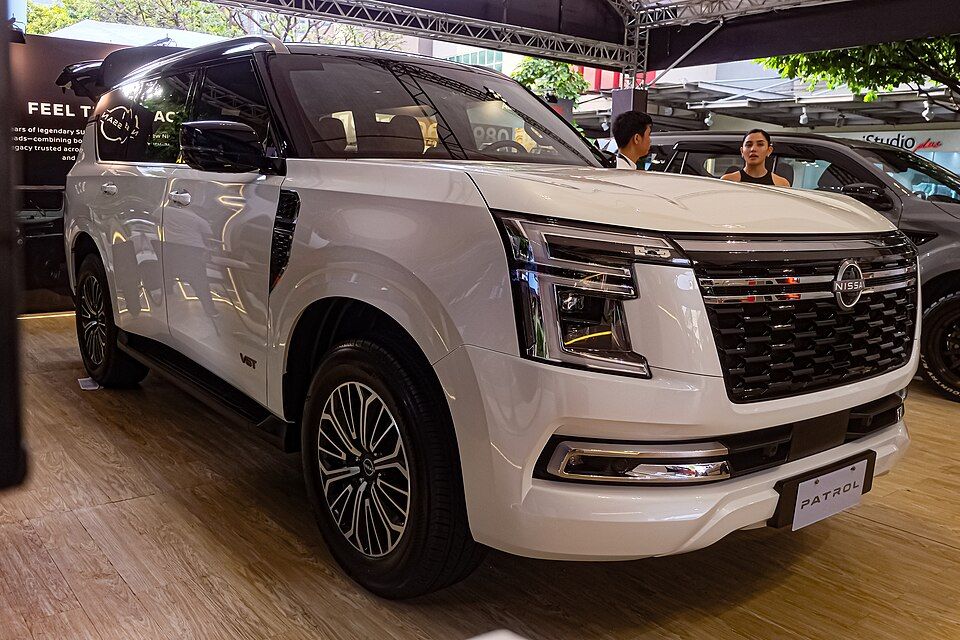
Photo: Nissan Patrol Y63 3.5 V6T LE by Ethan Llamas, CC BY-SA 4.0, via Wikimedia Commons.
The newest Patrol is far removed from the bare, practical 4W60 of 1951. The seventh generation has a twin-turbo 3.5-litre petrol engine, a nine-speed automatic gearbox, adjustable air suspension, large cabin screens, driver assistance and seating aimed at long family trips. Nissan says the engine produces 700 newton metres of turning force, while the cabin offers extra room in the second and third rows and up to 30 per cent greater luggage space than the previous model. It can even lower itself to make getting in, getting out and loading bags easier. That sounds closer to a luxury hotel shuttle than a muddy old work truck. Yet the link is still there. Drivers can choose settings for sand, rock and mud or ruts. The suspension height can change.
Cameras help reveal obstacles hidden by the bonnet. The name “Since 1951” appears in the approach lighting. Nissan clearly knows that the badge means something beyond size and comfort. The modern Patrol has to serve school runs, airport trips and city traffic, then still look believable with dust on its sides. Whether buyers prefer that newer style or the simpler Y60 and Y61 is a personal call. Some people want switches, levers and a cabin that can take muddy boots. Others want quiet seats, cameras and an easy motorway drive. Both groups are drawn to the same promise: this vehicle should remain calm when the surface gets rough. That promise has lasted across more than seven decades because Nissan kept changing the details without throwing away the core idea. The Patrol grew up, put on smarter clothes and learned new tricks. Underneath, it still wants to be the vehicle that carries on after the tarmac ends.
Why the legend still matters
A true off-road legend needs three things. It needs a long story, real mechanical ability and owners who keep caring long after the launch adverts disappear. The Nissan Patrol has all three. Its story began in 1951 and moved through simple work vehicles, long-running Series 60 models, the 160 series, the much-loved Y60 and Y61, then larger and more luxurious generations. Its ability came from sensible choices: a separate frame, driven front and rear wheels when needed, low gearing, useful clearance and suspension made for uneven ground. The owners did the rest. They used Patrols for work, family life, towing, camping and remote travel. They repaired them, changed them, argued about the best engines and kept older examples on the road. That human side is a big part of any car legend. A machine can be capable, but it becomes memorable when people attach stories to it. Maybe it pulled a trailer through a wet field. Maybe it got everyone home during heavy snow. Maybe it carried three generations of one family on camping trips. Or maybe it was simply the big square vehicle someone saw as a child and never forgot. For drivers in Manchester and Stockport, a Patrol may be far larger than needed for the weekly shop, and its fuel use won’t suit everyone. That honesty matters. But for someone who needs space, towing ability and genuine rough-ground skill, a well-kept used example can still make sense. Dace Motor Company sees the appeal. The Patrol isn’t famous because it pretends every road is an adventure. It’s famous because, for decades, it has been ready when the road stops behaving like one. That’s a much better reason to become a legend.