


Why Some Engines Are Considered 'Bulletproof' by Mechanics
What does “bulletproof” even mean for a car engine?
You’ve probably heard someone at a garage or maybe even your mate down the pub say something like, “That engine’s bulletproof.” But obviously, no one's literally shooting bullets at engines (we hope). So, what are they actually talking about? At Dace Motor Company, we’ve been selling used cars across Manchester and Stockport for over 25 years. In that time, we’ve seen engines come and go-some that pack it in far too early, and others that just keep going like they’re invincible. When someone says an engine is “bulletproof,” they usually mean it’s dead reliable. It doesn’t overheat, fall to bits, or need a new head gasket every 6 months. It just works. Rain, shine, school runs, motorway miles-it gets on with the job. The thing is, some engines really have earned that rep. There are engines that’ve done 200,000 miles and are still ticking over like it’s nothing. Taxi drivers love ‘em. Mechanics hardly see ‘em unless it's for a basic service. And yeah, we’ve had a fair few of these in stock over the years. Some of them you almost don’t want to sell, they’re that solid. But here's the catch. Not every “bulletproof” engine is actually indestructible. A lot of it comes down to how it's been looked after. Even the best engine in the world will break down if someone’s skipped oil changes or ragged it cold every morning. So yeah, “bulletproof” might sound like a badge of honour-and sometimes it is-but it's not magic. It’s a mix of smart engineering, simple design, and good old-fashioned maintenance. Let’s break down what really makes some engines so well-loved and why others… well, let’s just say they don’t get invited back to the party.
Simple engines tend to last longer. Here’s why.
Ever noticed how older cars seem to just keep going forever? You might still see a 20-year-old Toyota chugging along near the Arndale or parked up near Edgeley. It’s not just luck-it’s often because those engines are simple. Simple engines don’t have loads of electronic bits or complex systems that can go wrong. They just work. It’s like comparing an old flip phone to a smartphone. Sure, the smartphone can do more, but the flip phone probably still turns on even after living in a drawer for 10 years. Same goes for engines. Less stuff = fewer things to break. No turbo? Fewer heat issues. No direct injection? Fewer carbon build-ups. No fancy timing system? Less to mess up. Take the Honda K-Series, for example. We’ve sold loads of Hondas at Dace-Jazz, Civic, CR-V-and that engine's a fan favourite. No drama, no weird faults, just regular servicing and it goes and goes. Or look at the old Volvo 5-cylinder engines. They’re not quick off the mark, but people swear by them. Taxi drivers, delivery folks, even people who just want a comfy runaround-they all love them. Not because they're flashy, but because they can take a beating and still run sweet. This kind of engineering-keeping things straightforward-means there's less stress on the parts. Less friction, less heat, fewer headaches. Mechanics love it because there's room to work on stuff. You don’t need to remove half the engine bay just to swap a water pump. So yeah, if you're ever browsing the used cars at one of our showrooms in Stockport or Eccles and you see an older, simpler car with a clean service history… don’t sleep on it. That might just be the hidden gem you didn’t know you needed.
Some engines are “bulletproof” because people treat them right
Let’s be honest-cars get blamed for a lot of stuff that’s actually down to the driver. You know the type. Starts the car, revs it like they’re in a race, skips every other oil change, and then moans when something blows up. But the truth is, how you treat your engine makes a massive difference. You could have the best-made engine in the world and still ruin it if you don’t look after it. And on the flip side, a pretty average engine can last decades if it’s loved a bit. We’ve seen it loads at Dace Motor Company. Two nearly identical cars-same model, same engine, same year-but one looks and sounds like it’s on its last legs, and the other purrs like it just rolled out the factory. The difference? One’s been serviced properly, oil’s been changed on time, filters replaced, coolant topped up. The other? Probably been run into the ground. Even something as simple as letting the car warm up before giving it some welly can make a big difference. Oil needs a bit of time to flow and protect everything inside. Treat it rough when it’s cold and you're basically asking for trouble. Then there’s things like cheap fuel. You might save a few quid here and there, but poor-quality fuel can mess up sensors, clog injectors, and cause all kinds of issues that eat away at an engine over time. And don’t get us started on missed timing belt changes. That’s one of those “it’s fine until it’s not” jobs. Miss it, and you could be looking at an engine rebuild-or a whole new car. So yeah, “bulletproof” engines? A lot of it’s down to how people treat them. Keep it serviced, don’t rag it cold, use decent fuel, and it’ll treat you well. Ignore it and hope for the best? You’re rolling the dice.
The engines mechanics actually respect
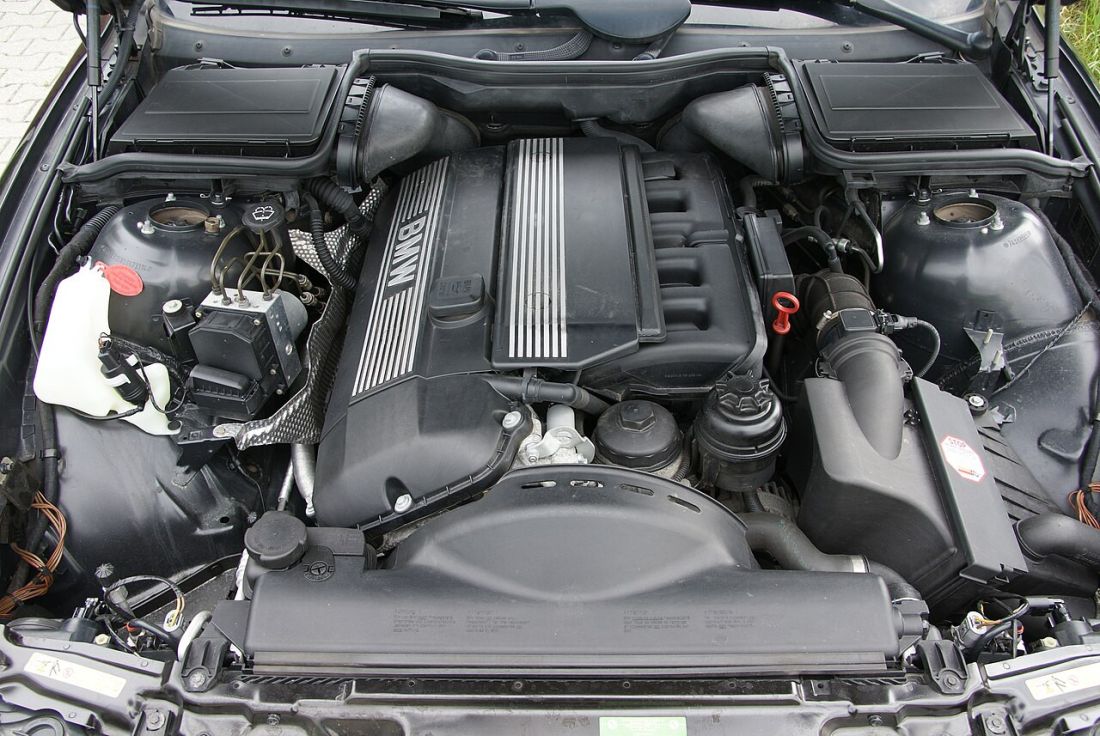
Image: BMW engine M54B25 in a 525i (E39) (Aconcagua, CC BY-SA 3.0, via Wikimedia Commons).
Alright, let’s get into the fun bit. You wanna know which engines get a nod of respect from the folks who work with cars every day? Here’s the thing-we’ve got a few favourites at Dace. Not because they’re the fastest or the most high-tech, but because they’re just… solid. The BMW straight-six engines, like the old M54 or N52-those things are legends. Smooth, reliable, and surprisingly tough, as long as they’ve not been neglected. We’ve had customers drive them way past 150,000 miles and they’re still going strong. You find one that’s been well-looked after, and you’re laughing. Toyota’s naturally aspirated engines, especially in the Corolla and Yaris-honestly, they’re like the cockroaches of the engine world. Nothing stops them. Perfect for anyone who just wants something that works. Volkswagen’s old 1.9 TDI diesel? You’ll still see those engines pulling campers around the Peaks or doing the school run around Cheadle. Proper workhorses. They’re noisy, yeah, but they just don’t quit. We’ve sold so many of those to people who want no fuss, no drama. And then you’ve got the Ford Duratec 1.6 and 2.0 petrols. Boring? Maybe. But bulletproof? You bet. Easy to work on, cheap to run, and they just seem to keep going. We’ve had Focuses with those engines come through the showroom with miles that should make your eyes water-but they still feel tight. Thing is, you don’t have to be an expert to spot one of these. Ask to see the service history. Take a test drive. Listen to how it idles. If it sounds smooth, feels responsive, and doesn’t belch smoke like a chimney, you’re probably on to a good thing. At Dace, we check all that stuff before a car even hits the forecourt. HPI check, service history, mileage-if it doesn’t tick those boxes, it doesn’t get parked out front.
Don’t fall for the myths
Let’s clear something up. Not every engine with a good reputation is going to be a golden ticket. And not every newer engine is fragile either. There’s a lot of half-truths floating around, especially online. For starters, turbos aren’t evil. Yeah, they add complexity, but they’re not guaranteed to fail if you look after them. Let it warm up, don’t shut it off right after hammering it, use proper oil-that’s most of the battle right there. And don’t assume petrol is always better than diesel. It depends how you drive. Short journeys every day? Go petrol. Long motorway runs a few times a week? Diesel might be your best mate. Another big one-mileage doesn’t always tell the full story. A car with 120,000 miles and a full service record could be in better shape than one with 50,000 miles and barely a stamp in the book. It’s not just the numbers; it’s how those miles were done. And if someone tells you a car’s been “maintained by a mechanic mate” but there’s no paperwork? Be cautious. We hear that one a lot. Doesn’t mean it’s bad, but you’ve got to use your judgement. Trust, but check. Here’s what we do at Dace: every used car we sell is fully HPI checked and comes with a 3-month warranty-no third-party nonsense, either. It’s our own in-house warranty. So if anything does go wrong, you’re dealing with us, not some company halfway across the country who’s never seen your car. We’ve sold to thousands of folks across Greater Manchester-from Salford to Hazel Grove-and we know what people around here value: reliability, peace of mind, and no faff. And that’s what we try to deliver every day.
So yeah, “bulletproof” engines do exist… but the real secret? It's a mix of good design and good care. Look after your engine, and it'll look after you.