


Top 10 Cars That Still Look Modern in 2026
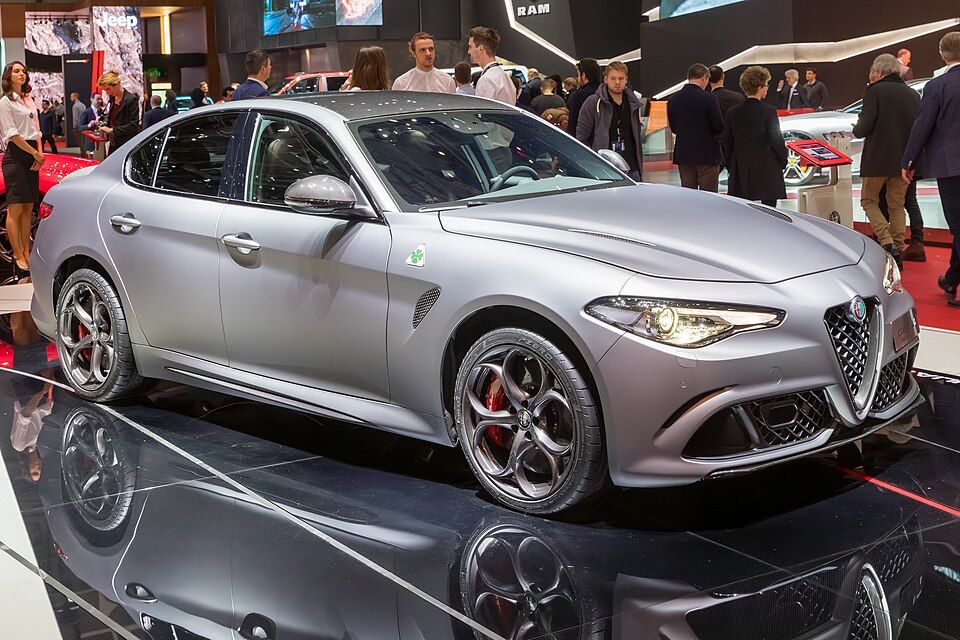
Photo: 2018 Alfa Romeo Giulia Quattrofoglio by Matti Blume, CC BY-SA 4.0, via Wikimedia Commons.
Car design can age in two very different ways. Some models look fresh for years, while others start to feel dated as soon as a new grille, light shape, or dashboard trend appears. You know how it is. A car can be mechanically sound, clean, and well cared for, yet one glance at the front end tells everyone which decade it came from.
The good news is that plenty of used cars have avoided that problem. Their shapes were clean from day one, their details weren’t too fussy, and their designers didn’t chase every short-lived fashion. That matters if you’re shopping in Manchester or Stockport, where your car may spend one day crawling along the Mancunian Way and the next heading past the Stockport Viaduct for a weekend run into the Peaks. You want something that works in real life, but it’s nice when it still looks sharp outside the house too.
This list is about appearance first, though we’ve also kept everyday use in mind. A sleek coupé might turn more heads, but a smart hatchback or family sport utility vehicle can make far more sense for school runs, shopping, dogs, luggage, and those surprise trips to the Trafford Centre. We’ve picked cars from different price points and body styles, so there’s something here for drivers who want small and sensible, roomy and calm, or low and sporty.
At Dace Motor Company, we see how much first impressions matter. Buyers may arrive with a list of practical needs, then stop beside the car whose shape simply feels right. That mix of head and heart is normal. The ten cars below prove that choosing used doesn’t mean choosing something that looks old.
1. Jaguar F-Type
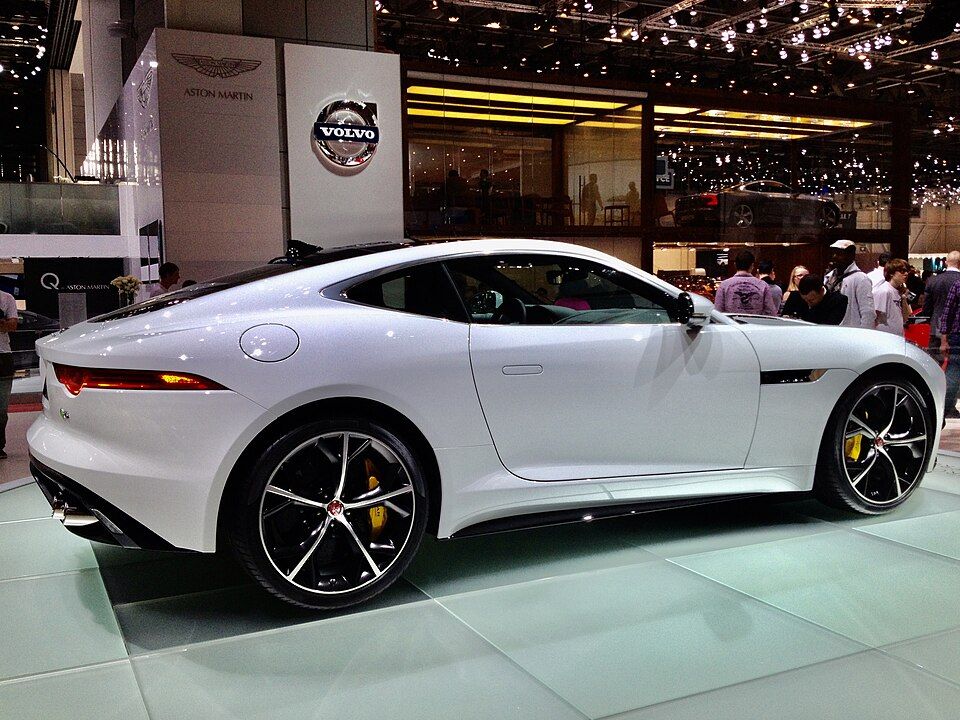
Photo: 2014 Jaguar F-Type by Ank Kumar, CC BY-SA 4.0, via Wikimedia Commons.
The Jaguar F-Type first reached customers in 2013, yet it can still sit beside much newer sports cars without looking like the older guest at the party. That’s a big achievement. Sports-car styling can go wrong quickly because designers are tempted to add vents, creases, spoilers, and strange shapes all over the body. Jaguar kept the main form clean. The bonnet is long, the cabin sits far back, and the rear looks tight and purposeful. The original car also won the 2013 World Car Design of the Year award, which gives some proper support to the idea that this shape was special from the start.
What helps it in 2026 is the lack of clutter. The lights are slim, the surfaces flow into each other, and the hidden door handles stop the side view from looking busy. Even an early example can look fresh after a careful wash and a decent set of wheels. Park one near Castlefield on a wet evening, with the street lights catching the curves, and it still has real presence.
There’s a catch, of course. A used F-Type is still a serious sports car, so the buying process shouldn’t be based on looks alone. Check the service record, tyre condition, brake wear, warning lights, roof operation on a convertible, and signs of careless body repairs. Listen during a cold start and make sure every switch works. A beautiful car with skipped maintenance can become an expensive headache.
For many buyers, the coupé is the shape that has aged best. The roofline gives the rear extra drama, and the whole car looks as if it was drawn in one confident stroke. The convertible has its own charm, especially on the rare sunny day when Manchester remembers what summer is. Either way, the F-Type is proof that simple proportions can stay fresh long after launch.
2. Alfa Romeo Giulia
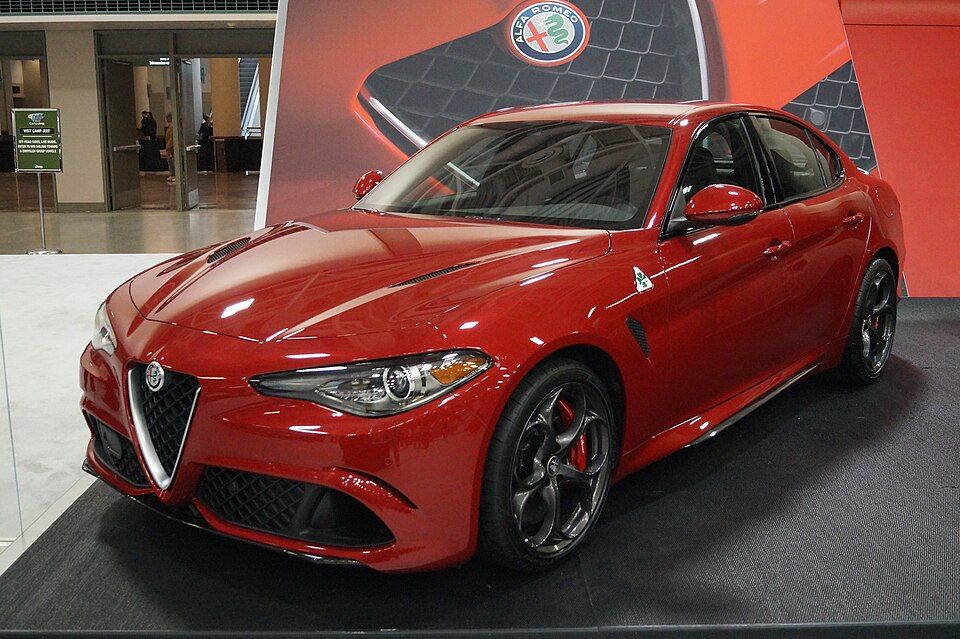
Photo: 2017 Alfa Romeo Giulia Quadrifoglio by Greg Gjerdingen from Willmar, USA, CC BY 2.0, via Wikimedia Commons.
The Alfa Romeo Giulia appeared in full production form in 2016, and its styling still feels lively without looking forced. The front grille is unmistakable, yet the rest of the body stays calm. The bonnet has gentle lines rather than a maze of folds, the sides are clean, and the rear sits neatly over the wheels. Alfa Romeo described the car around distinctive Italian design and balanced proportions, and those choices have helped it age with real grace.
A lot of modern saloons try hard to look angry. Huge grilles, fake vents, and sharp edges can make them seem busy before they’ve even moved. The Giulia takes another route. It looks alert, but it doesn’t shout. That makes it easy to imagine outside a city-centre office, on a quiet road near Didsbury, or parked beside something brand new without giving away its age.
The interior can feel older than the latest screen-heavy cabins, especially in early cars, but the basic layout still works. The dashboard wraps around the driver, the controls are placed where you expect them, and the view forward feels sporty without being cramped. A later car may bring fresher displays and trim, but the main shape is the same one that made the Giulia stand out in the first place.
Used buyers should look closely at history, condition, and specification. Check that servicing has been done on time, test every electrical feature, inspect the wheels for damage, and make sure the tyres match in quality across each axle. A proper road test matters too. The steering should feel clean, the gearbox should behave smoothly, and there shouldn’t be knocks from rough roads. Stockport has enough patched tarmac to reveal loose suspension parts fairly quickly.
The Giulia suits someone who wants a practical four-door car without choosing the same shape as everyone else. It still feels special, and that’s rare in a class filled with safe, familiar choices.
3. Range Rover Velar
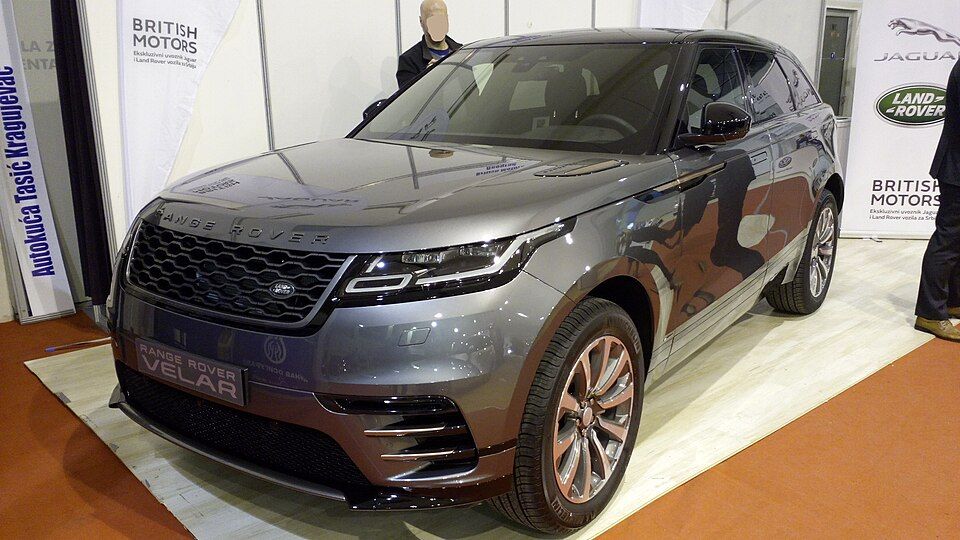
Photo: 2017 Range Rover Velar by KGC626, CC BY-SA 4.0, via Wikimedia Commons.
The Range Rover Velar was revealed in 2017, and its shape still looks current because the design team removed details rather than piling them on. Land Rover called the approach visually reductive, with flush door handles, slim lights, a smooth side profile, and a roofline that falls gently at the back. The result was a sport utility vehicle that looked cleaner than most rivals at the time, and it still does in 2026.
The front is wide and confident, but it isn’t covered in decoration. The sides have very little visual noise. Even the handles disappear when the car is locked, which makes the body look almost like a concept car. That single feature helped the Velar seem futuristic in 2017, and because many new cars now use similar ideas, the older model doesn’t feel out of place.
It also fits Greater Manchester life rather well. The raised seating position is useful in heavy traffic, the cabin gives passengers space, and the boot can handle family gear. It looks smart enough for Spinningfields, yet it won’t seem silly on a muddy lane after a rainy walk near Lyme Park. That broad appeal is a big reason the design has lasted.
Still, style shouldn’t distract from careful checks. Test every screen, camera, seat control, door handle, light, and heating function. Make sure the air suspension, where fitted, raises and lowers as expected. Look for uneven tyre wear and listen for knocks over broken surfaces. A full service record is valuable, and an independent inspection can make sense on a car with expensive systems.
Colour and wheel choice also affect how fresh a used Velar looks. Simple paint shades and factory-style wheels tend to age better than loud wraps or oversized aftermarket rims. A clean, standard example can look remarkably close to a new luxury sport utility vehicle, even though the basic form is nearly a decade old.
4. Mazda3
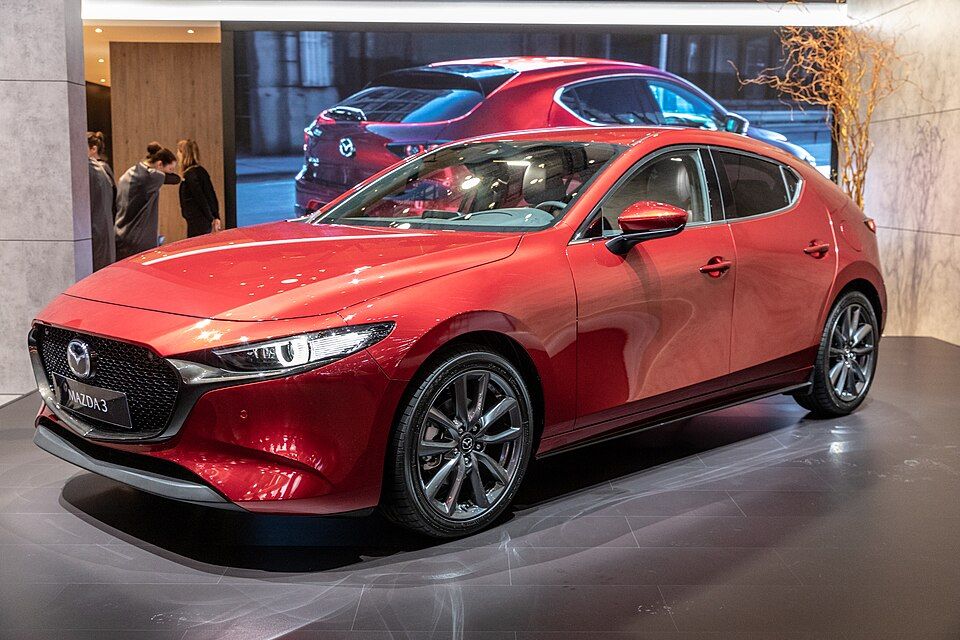
Photo: 2019 Mazda3 by Matti Blume, CC BY-SA 4.0, via Wikimedia Commons.
The fourth-generation Mazda3 arrived in 2019 with a shape based on smooth surfaces and shifting reflections rather than hard creases. Mazda said the design drew on Japanese aesthetics and a “less is more” idea. That’s easy to see on the hatchback, where the side panels look almost sculpted by light. The model later won the 2020 World Car Design of the Year award, so its place on this list isn’t based on a passing opinion.
The hatchback is the bolder version. Its thick rear pillar and rounded tail won’t suit everyone, but they make the car look unlike anything else in the supermarket car park. The saloon is calmer and a little more traditional. Both share a low nose, neat lights, and a body that avoids random lines. Because the design isn’t overloaded, it hasn’t aged quickly.
Inside, the Mazda3 still feels modern for a different reason. The dashboard is wide and simple, the central display sits high enough to glance at, and there are proper physical controls for key functions. Plenty of newer cars have replaced simple buttons with touch menus, which can look clever in a showroom but become annoying on a dark, wet drive home. The Mazda’s cabin feels thoughtful rather than showy.
For used buyers, check the wheels and lower body for parking marks, especially on cars that have spent most of their lives in tight city streets. Test the display, speakers, cameras, air conditioning, and every steering-wheel button. On the road, listen for tyre noise and make sure the car tracks straight. The dark interior can hide scuffs, so take a good look in daylight.
The Mazda3 is a strong pick for someone who wants a normal-sized family hatchback that doesn’t look ordinary. It’s easy to park in Chorlton, comfortable enough for the M60, and stylish without trying too hard.
5. Peugeot 508 Fastback
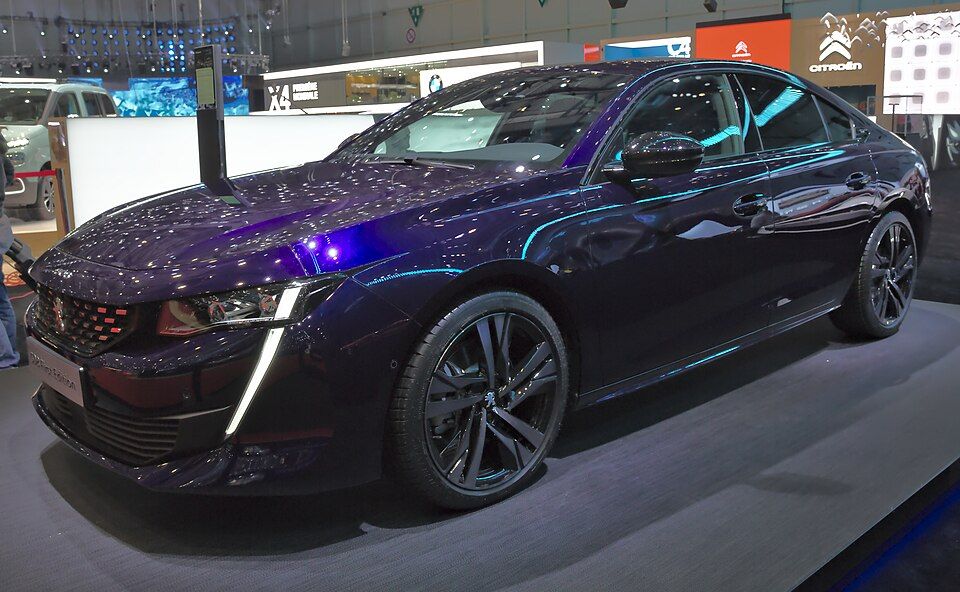
Photo: 2018 Peugeot 508 B First Edition by Alexander Migl, CC BY-SA 4.0, via Wikimedia Commons.
The second-generation Peugeot 508 was shown in 2018, and it made the family saloon class look far less predictable. Peugeot gave it a low roof, frameless doors, a wide stance, and a fastback rear rather than the boxy boot shape people expected. The company described it as a radical saloon, while the design later received a 2018 Eurostar award from Automotive News Europe.
What still works in 2026 is the drama. The narrow front lights, vertical daytime running lights, and dark rear panel give the 508 a strong identity. Yet the body itself stays smooth. It’s long and low without becoming cartoonish. From a distance, a well-kept 2019 example can easily pass for something much newer.
The cabin carries the same idea. The small steering wheel, raised instruments, and row of shortcut keys make it feel different from a standard family car. Some drivers love that setup straight away, while others need time to get comfortable. During a test drive, adjust the seat and wheel properly before deciding. Make sure you can see the instruments clearly and reach the main controls without stretching.
The 508 also works well for long motorway runs. It has the sort of shape that looks right cruising past the airport or heading down the M6, but it can still deal with shopping, child seats, and weekend bags. The rear headroom is tighter than in a tall sport utility vehicle, so adults should sit in the back before you buy. Real people, real seats, no guessing.
Check the frameless windows, door seals, screens, parking sensors, cameras, and interior lighting. Look for water marks around the boot and listen for wind noise on the road. A clean 508 in a restrained colour can look classy for years. It’s one of those cars that makes people ask, “What is that?” even though it has been around since before 2020.
6. Audi A5 Coupé and Sportback
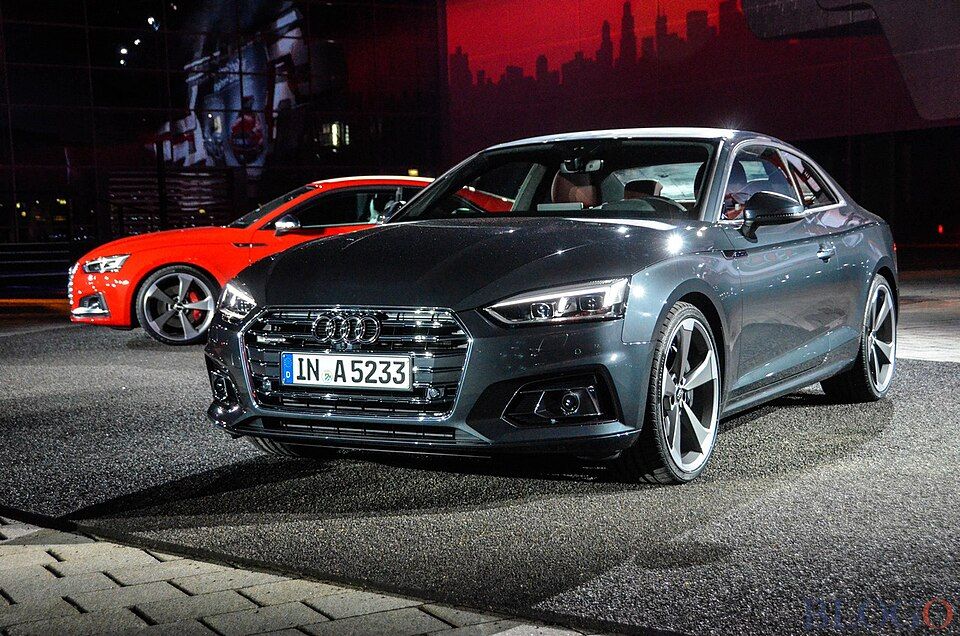
Photo: 2016 Audi A5 by Andri nt2, CC BY-SA 4.0, via Wikimedia Commons.
The second-generation Audi A5 arrived in 2016, and Audi later said that this version added a tighter, sharper look to the model’s already balanced shape. The 2020 update changed the grille and bumpers, but the key proportions stayed the same. That tells you something. The long bonnet, low roof, clean shoulder line, and tidy rear didn’t need a full rethink.
The coupé is the purest version. It has two doors, a flowing roof, and a stance that looks expensive without being flashy. The Sportback gives you rear doors and a large hatch while keeping much of the same sleek profile. For Manchester and Stockport buyers, that extra practicality may make the Sportback the easier car to live with. It can take work bags, pushchairs, shopping, or luggage without looking like a standard family hatch.
Audi interiors from this period have also aged well. The layout is clean, the materials feel solid, and the digital instrument display on many cars still looks smart. Later versions gained a larger touch display, but some buyers may prefer the earlier rotary controller because it’s easy to use while moving. Try both if you can. Newer doesn’t always mean nicer for every driver.
Condition matters because the A5’s neat shape can be spoiled by cheap modifications. Watch for poor-quality black badges, very dark light tints, non-standard wheels, uneven panel gaps, and badly fitted body kits. Check that the windows drop and rise correctly when the doors open, test all lighting, and look for signs of damp in the boot. On the road, the car should feel settled and quiet.
A standard A5 has the visual calm that many newer cars have lost. It doesn’t beg for attention. It simply looks right, whether it’s outside a restaurant in Hale or sitting in morning traffic near the A6.
7. Volvo XC40
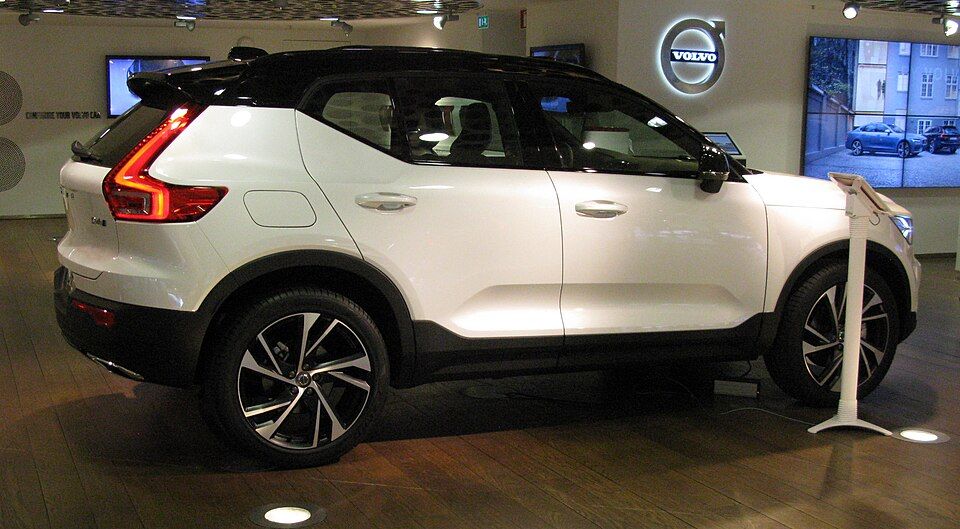
Photo: 2018 Volvo XC40 by Herranderssvensson, CC BY-SA 3.0, via Wikimedia Commons.
The Volvo XC40 entered production in 2017 and brought a chunky, upright shape to the smaller luxury sport utility vehicle class. Volvo’s early material focused heavily on city use and clever storage, while later company information confirms the model was introduced in 2017. The design mixes a tall bonnet, a strong shoulder line, distinctive rear lights, and a roof that can be finished in a contrasting colour.
It still looks fresh because it never tried to copy a scaled-down version of a larger Volvo. The XC40 has its own personality. The body is square enough to feel useful, but the details stop it from looking dull. Its lights are easy to recognise at night, the grille is simple, and the side profile has a playful kick near the rear doors.
That upright form pays off inside. It’s easy to get in and out, the view is good, and there are useful storage spaces for the small stuff that usually rolls around a cabin. Think phones, drinks, parking tickets, charging cables, and the half-open packet of mints that somehow lives in every family car. The boot is sensible too, which makes the XC40 a good match for daily life around Greater Manchester.
Used examples need a careful look at wheels, tyres, body corners, and lower door trim. City cars can pick up small scrapes even when the mileage is low. Test the central screen from a cold start, connect your phone, try the camera, and make sure the heating responds. Check the rear seats fold and lock as they should. If the car has a contrasting roof, inspect the finish closely for poor repair work.
The XC40 isn’t trying to look like a sports car on stilts. That honesty helps it. It looks friendly, solid, and modern, which may be why its original shape has stayed relevant for so long.
8. Mercedes-Benz A-Class
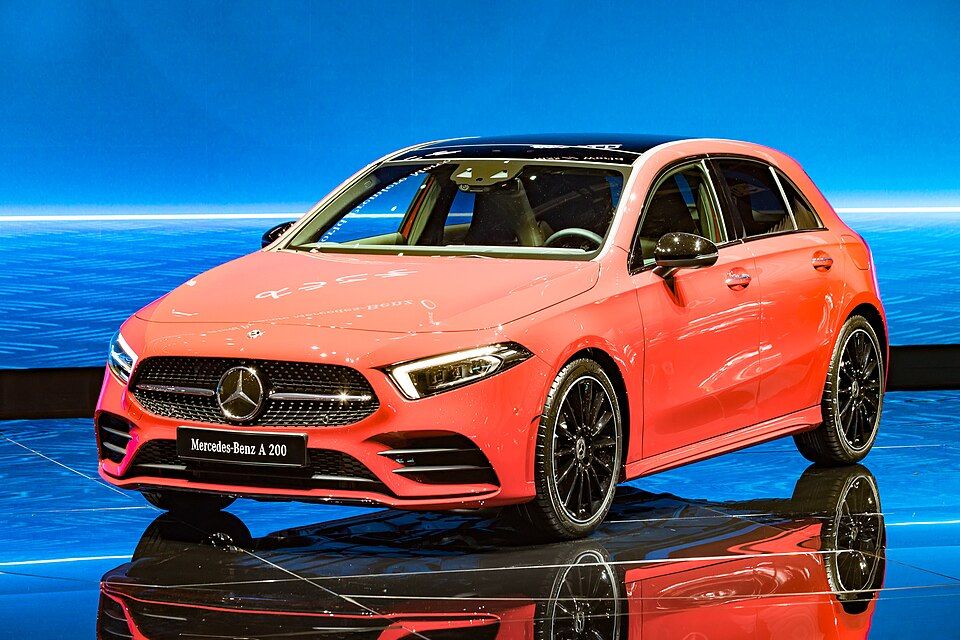
Photo: 2018 Mercedes-Benz A 200 by Matti Blume, CC BY-SA 4.0, via Wikimedia Commons.
The fourth-generation Mercedes-Benz A-Class arrived in 2018 with a much cleaner body than the model before it. Mercedes described the design as focused on smooth surfaces, with slimmer lights and fewer heavy creases. The cabin made an even bigger impact, using a wide digital display layout that looked far ahead of most family hatchbacks at launch.
That interior is a major reason the car still feels current. Sit in a well-kept example at night and the twin-screen layout, turbine-style vents, and cabin lighting can still create a strong first impression. New cars may have larger displays now, but the A-Class arrangement feels integrated into the dashboard rather than stuck on as an afterthought.
Outside, the design is simple enough to last. The bonnet slopes low, the headlights are narrow, and the sides avoid too many lines. Sporty trim brings larger wheels and deeper bumpers, though a standard model can age better because it has fewer aggressive details. A clean car on sensible wheels can look fresher than a heavily modified one with every accessory fitted.
Take time during a used-car inspection. Test both screens, steering-wheel controls, voice features, phone connection, cameras, lights, and cabin heating. Look for scratches on glossy trim, worn seat edges, and damage to low-profile tyres. On a road test, make sure the gearbox responds smoothly and listen for rattles over uneven streets. Don’t let a bright dashboard hide basic wear.
The A-Class suits drivers who want a compact car with a premium feel and a cabin that still looks modern in 2026. It’s small enough for tight parking near the Northern Quarter, yet comfortable enough for longer trips. And because there are many versions on the used market, you can focus on condition and history rather than grabbing the first one you see.
9. BMW 4 Series Coupé, First Generation
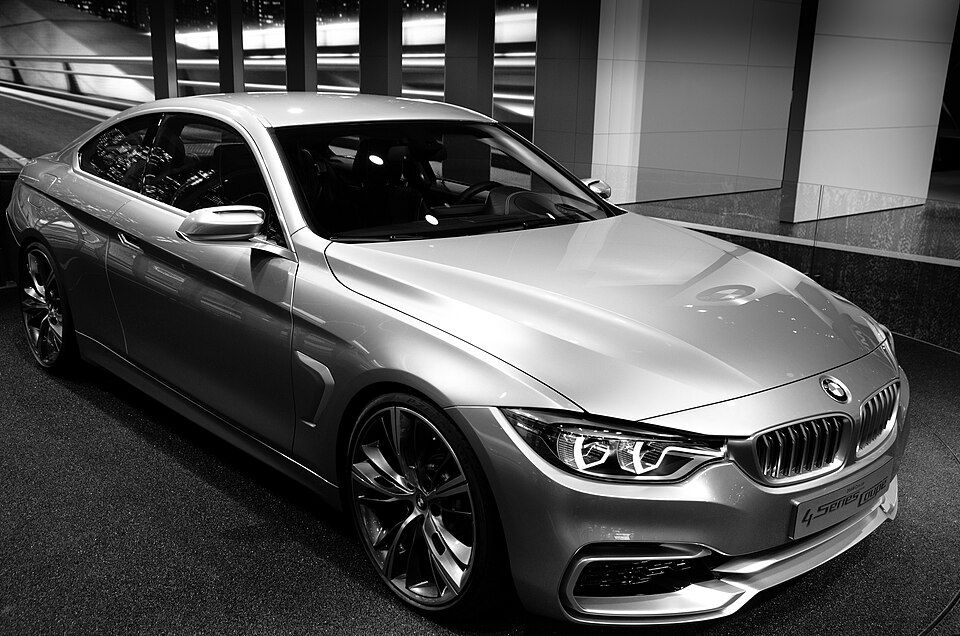
Photo: 2013 BMW 4 Series by Arvind Govindaraj from San Diego, USA, CC BY 2.0, via Wikimedia Commons.
The first BMW 4 Series Coupé went on sale in the United Kingdom in 2013. BMW gave it classic coupé proportions: a long bonnet, short ends, a cabin set back from the front wheels, frameless side windows, and a smooth roofline. Those basics have aged better than many decorative trends from the same period.
In fact, the early 4 Series can look calmer than its newer replacement. The grille is wide but not enormous, the lights are neat, and the side profile is easy to read. There’s no need to explain the design. It looks like a sporty two-door BMW, and that’s enough.
The later update brought fresher lights and small trim changes, so buyers who want the newest appearance may lean that way. Still, an early car in excellent condition can look better than a tired later one. Paint quality, wheel condition, panel alignment, and ride height make a huge difference. Avoid cars that sit too low, rub their tyres, or have mismatched parts from several trim levels.
Inside, the dashboard is from an earlier age than the wide-screen cabins now in fashion. Yet it remains clear and easy to use. Physical buttons handle common tasks, the driving position is low and natural, and the main controller can be used without staring down. A modern phone connection upgrade may help, but keep any changes neat and reversible.
Check door seals, window operation, seat movement, parking sensors, lights, and the boot for damp. Listen carefully on rough roads and test the car at different speeds. A coupé may have lived a gentle life, or it may have been driven hard and maintained cheaply. The paperwork and condition will tell the story.
For someone who wants a stylish used car without the louder face of many recent models, the first 4 Series is still a strong choice. It looks especially good in simple colours, with factory wheels and no extra fuss.
10. MINI Hatch, Third Generation
The third-generation MINI Hatch launched in the United Kingdom in March 2014. BMW Group described it as a modern update of classic MINI design, and that mix is exactly why it still works. Round headlights, a floating-style roof, short body overhangs, and an upright windscreen give it a shape people recognise at once.
A MINI doesn’t need to chase every new styling fashion because its identity is so strong. Designers can change the grille, lights, colours, and trim, but the core shape remains familiar. That helps an older car blend in with newer ones. A tidy 2015 example can still look cheerful and fresh, especially with original wheels and a simple colour combination.
It also makes sense around town. The three-door version is easy to place on narrow streets, while the five-door car gives rear passengers a less awkward time. The boot isn’t huge, so bring the things you carry most and check they fit. A weekly shop is one thing. A pushchair, sports kit, and two suitcases are another.
The cabin has plenty of personality, though some trim pieces can show wear. Test the central display, switches, windows, mirrors, air conditioning, parking sensors, and interior lights. Check the seat bolsters, door edges, alloy wheels, and tyres. Listen for knocks and squeaks on a bumpy road, and make sure the clutch or automatic gearbox feels smooth.
MINI offered many personal options, which is fun but can make used examples look messy. Stripes, mirror caps, roof graphics, coloured trim, and black badges can all work, but too many at once may date the car. A balanced specification tends to stay smart for longer.
The MINI Hatch finishes this list because it proves that modern doesn’t have to mean futuristic. A strong, familiar shape can age just as well as a sleek new one. Around Manchester, it feels at home almost anywhere, from a tight city-centre bay to a Sunday drive through the hills.
What Makes a Used Car Keep Looking Fresh?
There’s a pattern across all ten cars. The designs that age well have clear proportions, recognisable shapes, and fewer random details. They don’t rely on one fashionable trick. Their lights, grilles, windows, and body lines work together, so the car still makes sense after trends change.
Condition matters just as much as the original design. Cloudy lights, damaged wheels, cheap tyres, faded trim, poor paint repairs, and badly fitted accessories can make a five-year-old car look fifteen years old. A careful owner can do the reverse. Clean paint, matching tyres, tidy wheels, working lights, and an original-looking finish can make an older model seem far newer.
That’s why a proper viewing should happen in daylight. Walk around the car slowly. Look along each side for ripples, compare panel gaps, check that the paint shade matches, and inspect the wheels from close range. Open every door and the boot. Sit in every seat. Try every feature. Then drive on a mix of smooth and rough roads, because a quiet car park won’t tell you much.
History is part of the picture too. A car that looks stunning but has missing records deserves caution. Ask about servicing, repairs, previous owners, spare keys, tyres, and recent work. Check the vehicle’s background and don’t rush because the colour looks perfect. We’ve all been there. The car catches the light, the heart says yes, and the sensible questions suddenly disappear.
At Dace Motor Company, our used vehicles are background checked before sale, and our teams in Stockport and Manchester can also talk through finance options using a soft search that doesn’t affect your credit score. The aim is to help you find a car that still looks right in 2026 and also fits the way you’ll use it every day.
Which One Would We Choose?
That depends on the job. The Mazda3 is a smart all-rounder for drivers who want a family hatchback with real style. The Volvo XC40 and Range Rover Velar bring space and a higher seating position. The Peugeot 508 and Alfa Romeo Giulia are strong picks for someone bored with predictable saloons. The Audi A5 and BMW 4 Series add coupé shape without going all the way to a two-seat sports car.
Then there’s the Jaguar F-Type. It’s the least practical car here, but perhaps the one most likely to make you turn around for another look after parking. The MINI sits at the other end of the scale. It’s compact, familiar, and easy to use, yet it still carries plenty of character.
Let’s face it, no list can settle a styling argument. One person’s clean design is another person’s dull one. What matters is whether the car still feels right to you after the first burst of excitement. Sit in it. Drive it. Check the space. Picture it outside your home on a dark January morning, covered in Manchester drizzle. If you still like it then, you’re probably onto something.