


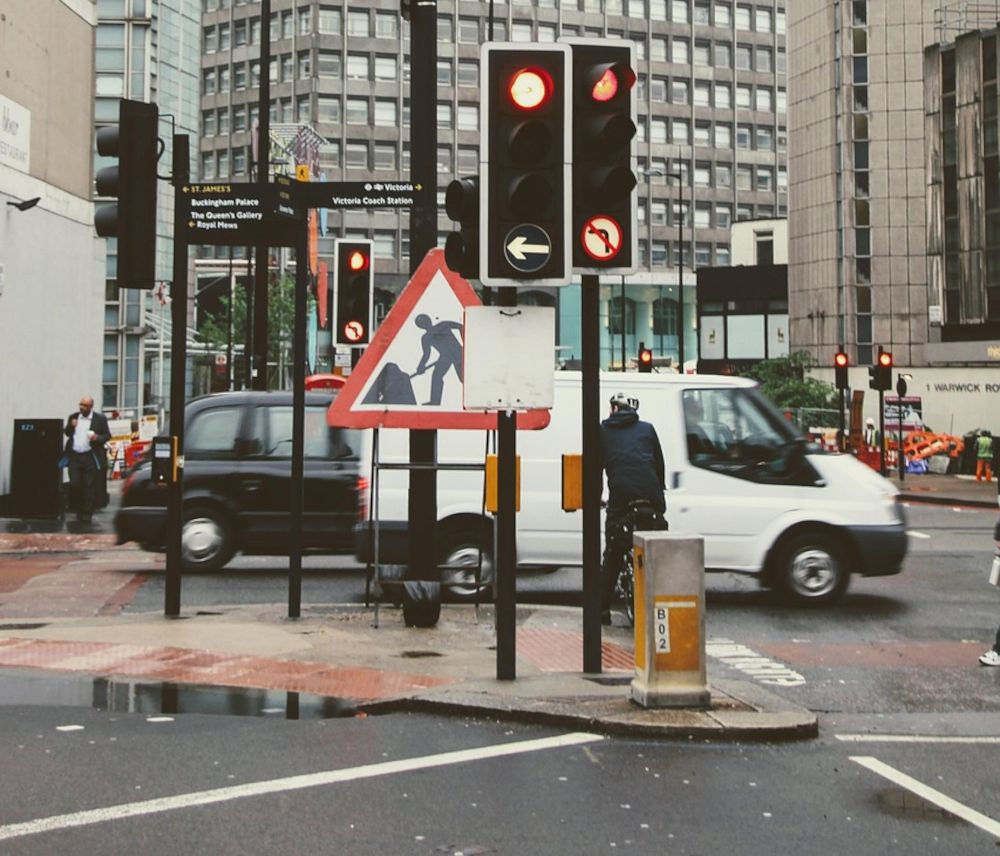
Why Some Countries Drive on the Left and Others on the Right
Where Did This Whole Left vs. Right Thing Come From?

You’ve probably noticed that in the UK, we drive on the left side of the road. If you’ve ever been abroad, say on holiday to France or Spain, you’ll have seen how they drive on the right. And if you’ve ever had the joy of renting a car abroad, you’ll know how weird it feels when you go to turn a corner and suddenly everything feels backwards. So how did this whole left vs. right thing even start? It’s not like the world got together and voted on it. The truth is, it’s all down to history, habits, and a bit of stubbornness. Let’s start with the basics. Driving rules go way back, even before cars existed. Think horses, carts, and knights in shining armour. Back in the day, especially in medieval Europe, people would walk or ride on the left side of the road. Why? Well, most people are right-handed, so if you were on a horse and someone decided to attack you, it made sense to have your sword arm closest to them. Staying on the left kept your right hand free and ready. That’s the sort of practical thinking that stuck around for a long time. But over in places like France and America, things shifted. In the 1700s and 1800s, big wagons pulled by horses became popular for moving goods. The drivers would sit on the left-hand horse so they could whip the other horses with their right hand. To make sure they didn’t crash into oncoming traffic, they started driving on the right. Napoleon, being the influential guy he was, made right-hand driving a rule across the lands he conquered. And that’s why much of Europe now drives on the right. You’ve probably noticed that in the UK, we drive on the left side of the road. If you’ve ever been abroad, say on holiday to France or Spain, you’ll have seen how they drive on the right. And if you’ve ever had the joy of renting a car abroad, you’ll know how weird it feels when you go to turn a corner and suddenly everything feels backwards. So how did this whole left vs. right thing even start? It’s not like the world got together and voted on it. The truth is, it’s all down to history, habits, and a bit of stubbornness. Let’s start with the basics. Driving rules go way back, even before cars existed. Think horses, carts, and knights in shining armour. Back in the day, especially in medieval Europe, people would walk or ride on the left side of the road. Why? Well, most people are right-handed, so if you were on a horse and someone decided to attack you, it made sense to have your sword arm closest to them. Staying on the left kept your right hand free and ready. That’s the sort of practical thinking that stuck around for a long time. But over in places like France and America, things shifted. In the 1700s and 1800s, big wagons pulled by horses became popular for moving goods. The drivers would sit on the left-hand horse so they could whip the other horses with their right hand. To make sure they didn’t crash into oncoming traffic, they started driving on the right. Napoleon, being the influential guy he was, made right-hand driving a rule across the lands he conquered. And that’s why much of Europe now drives on the right. Here in the UK, we stuck to our ways. When the first cars hit the roads, we just kept the same rule as the horse riders: left side driving. We weren’t the only ones either. Countries that were once part of the British Empire-like Australia, India, South Africa, New Zealand, Ireland, Cyprus, Malta, and Kenya-kept driving on the left too. Other places, like Japan and Thailand, also drive on the left, but for different reasons. Japan, for example, adopted left-side driving during the 19th century when British engineers helped build the country’s first railways. The rule first applied to trains and then spread to road traffic. Thailand, while never colonised by Britain, also chose the left-side system to stay in line with neighbouring countries that followed the same rule. And you know what’s funny? There are still some countries that switched sides completely. Sweden, for example, drove on the left until 1967. One morning, they all just swapped sides. Imagine the chaos! But apparently, they handled it surprisingly well. Makes you wonder if we could ever do the same here. Spoiler alert: probably not.
How This Affects Cars and Car Production
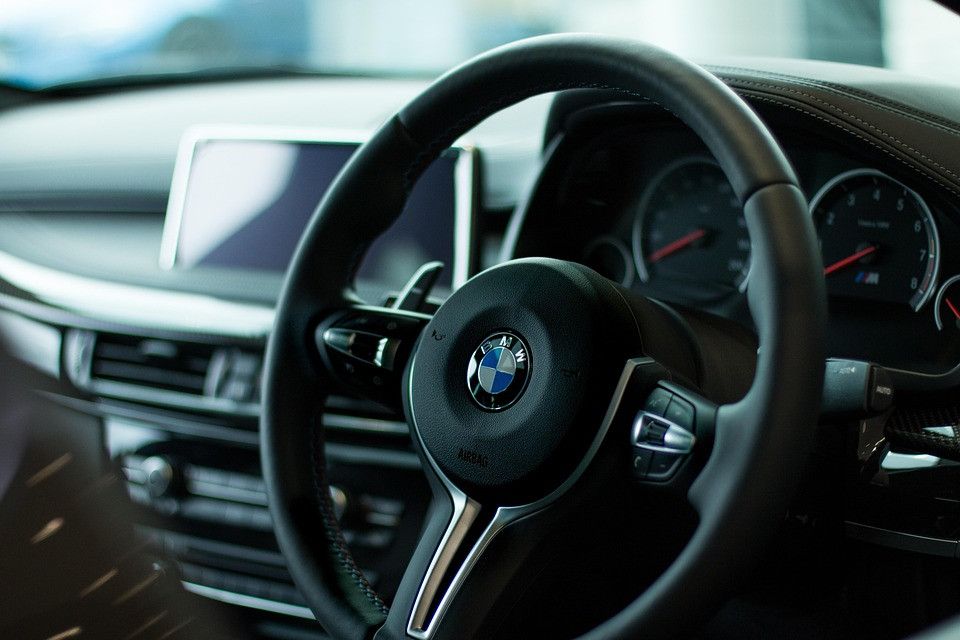
Okay, so what does all this mean for the cars we see every day at places like Dace Motor Company? Quite a lot, actually. Car manufacturers have to make different versions of their cars depending on which side of the road the country drives on. That’s why we have right-hand drive cars in the UK. The steering wheel, gear stick, and even the way the windscreen wipers move are all designed for left-side driving. This can make things complicated. Some cars are produced mainly for left-hand driving countries, like the United States or most of Europe, so when those models come over here, they need to be specially adapted. That’s one reason why certain cars cost more or take longer to get hold of in the UK. Manufacturers are basically making two versions of the same car, which means more work and, yep, more cost. You might have noticed that some rare or imported cars have the steering wheel on the “wrong” side for British roads. It’s not illegal, but it does make things tricky. Overtaking becomes a bit of a nightmare because you can’t see around the car in front as easily. And don’t get us started on paying at car parks or drive-thru windows-it’s a faff reaching over the passenger seat! This whole left vs. right setup also affects car design. Some cars have features that are easier to use depending on which side of the car you’re sitting on. For example, think about where the indicators and wipers are. If you’ve ever driven a car that was imported, you’ll know how confusing it can be when you try to signal and end up wiping the windscreen instead. At Dace Motor Company, we’ve seen just about every type of car setup you can imagine. With over 600 used cars across our showrooms in Stockport and Manchester, we get cars from all sorts of backgrounds. Whether it’s a snappy little Fiat or a sturdy Land Rover, every car we sell is checked, sorted, and made ready for UK roads-so you don’t have to worry about any weird surprises.
Why We Haven’t All Agreed on One Side
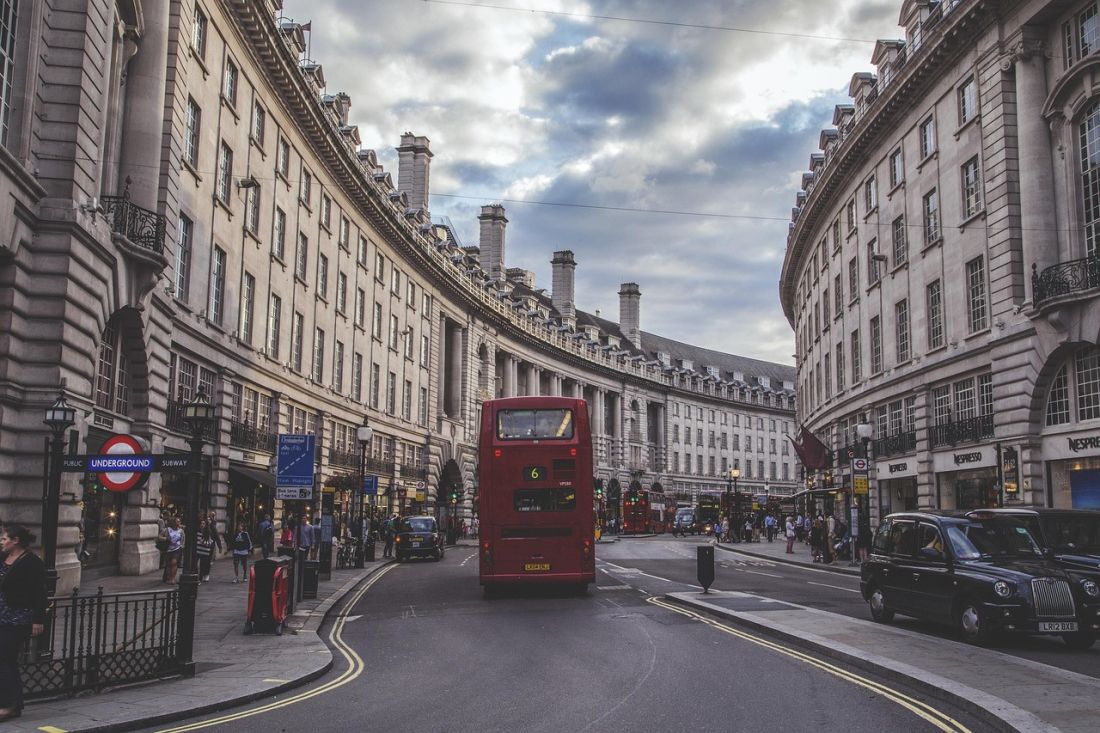
Here’s the thing: you’d think it would be easier if the whole world just agreed on one side of the road to drive on. No more awkward moments for tourists, no more complicated car designs. But we’re creatures of habit. Once a country has built its roads, signs, and cars to work with one system, changing it would be a massive job. We’re talking millions spent on swapping road signs, repainting road markings, and re-educating every driver. It’s not impossible, but most governments just don’t see the point. There’s also a bit of national pride in it. The UK has always driven on the left, and it’s not like we’re going to change just because everyone else is doing something different. And to be fair, driving on the left isn’t worse or better-it’s just different. Some studies have even suggested that left-side driving might be safer because most people are right-handed, meaning their dominant hand is on the steering wheel’s more active side. Whether that’s true or not, who knows, but it’s a nice thought! Other countries that used to drive on the left but switched to the right have done it for reasons like trade or tourism. If most of their neighbours drive on the right, it just makes sense to follow suit. But for us, we’ve got enough going on with our roundabouts, tiny country lanes, and rainy weather. We’ll stick to what we know, thanks. And let’s be real-Manchester and Stockport roads can be busy enough without throwing in a nationwide road-swapping day. Can you imagine Deansgate or the Stockport Pyramid roundabout if everyone had to learn to drive on the other side overnight? No, thank you.
The Bigger Picture
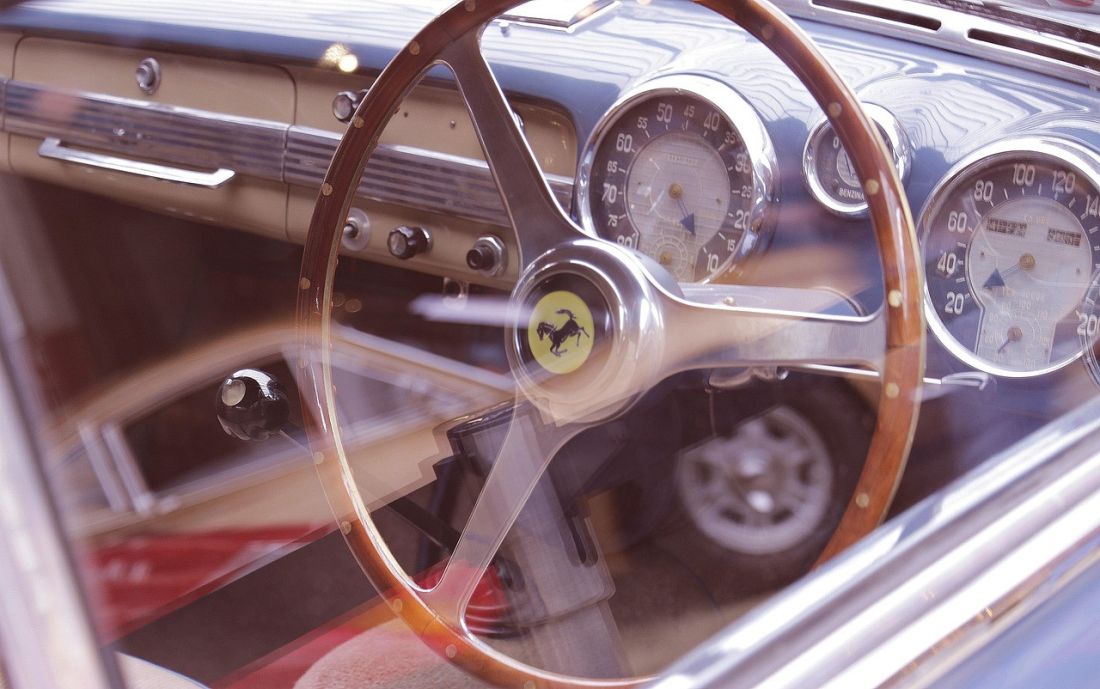
This whole left-right debate isn’t just about history and car design. It’s about how countries develop habits and systems that work for them. It’s a reminder that something as simple as which side of the road you drive on can affect everything from tourism to car sales. At Dace Motor Company, we see this in the cars we source and sell every single day. We’ve been around for over 25 years, and in that time, we’ve seen car trends change like the weather in Manchester. Some of our customers love sticking to classic UK favourites like Mini or Land Rover, while others want to try something different-maybe a sleek BMW or Audi built for both sides of the road. Either way, we make sure every car we offer is ready to handle the UK’s left-side driving, no questions asked. And you know what? It’s these little quirks, like which side of the road we drive on, that make driving feel a bit more personal. There’s something comforting about hopping into a car where everything is set up just how you expect it to be. Whether you’re cruising down the M60 or weaving through the busy streets near Manchester city centre, having the right setup makes all the difference. In the end, the whole left vs. right thing is one of those topics that you don’t think about until you travel or look at how cars are made. It’s one of those odd facts of life that just… is. And as long as we’re driving, whether it’s on the roads of Stockport or through the countryside of Cheshire, we’ll keep on doing it our way-on the left.
Cars, Culture, and Keeping Things Simple
If you’re ever curious about how this affects car choices, pop into one of our showrooms. We’ve got plenty of used cars, from sporty Audis to trusty Toyotas, all set up for UK roads. And if you’re worried about finance or credit checks, our soft search finance options mean zero impact on your credit score. You can focus on finding a car you love without stressing about all the extras. Driving on the left might be our thing, but at Dace Motor Company, our real focus is making sure you feel confident and comfortable, no matter which car you choose. We’ve spent years building that trust, offering in-house warranties and price promises that keep things simple. After all, buying a car shouldn’t feel like a history lesson or a puzzle-it should just feel right. And that’s something we take seriously. You know how it is. Roads, cars, rules-they all change and evolve over time. But whether you’re a first-time buyer or looking for something special, we’ll help you find it. Left side, right side-it doesn’t matter where the steering wheel is, as long as you’ve got the keys to something you love.