


Why Some Cars Need Premium Fuel While Others Don’t
Why this premium fuel thing even exists
You’re at a petrol station on the A6, it’s raining sideways (because Manchester), and you just want to get home. Then you see it: one nozzle says 95, another says 97, 99, “super,” “premium,” and your brain goes, “Why is fuel trying to be fancy?” We hear this a lot at Dace Motor Company, because we sell a big mix of used cars, from little city runarounds to proper high-end motors. Some cars are happy on the regular stuff all day long. Others really do need the pricier one, and it’s not a scam or a snobby badge thing. It’s about how the engine is built and how the fuel behaves when it gets squeezed and heated inside the engine. That’s the whole story, really: squeeze, heat, timing, and control.
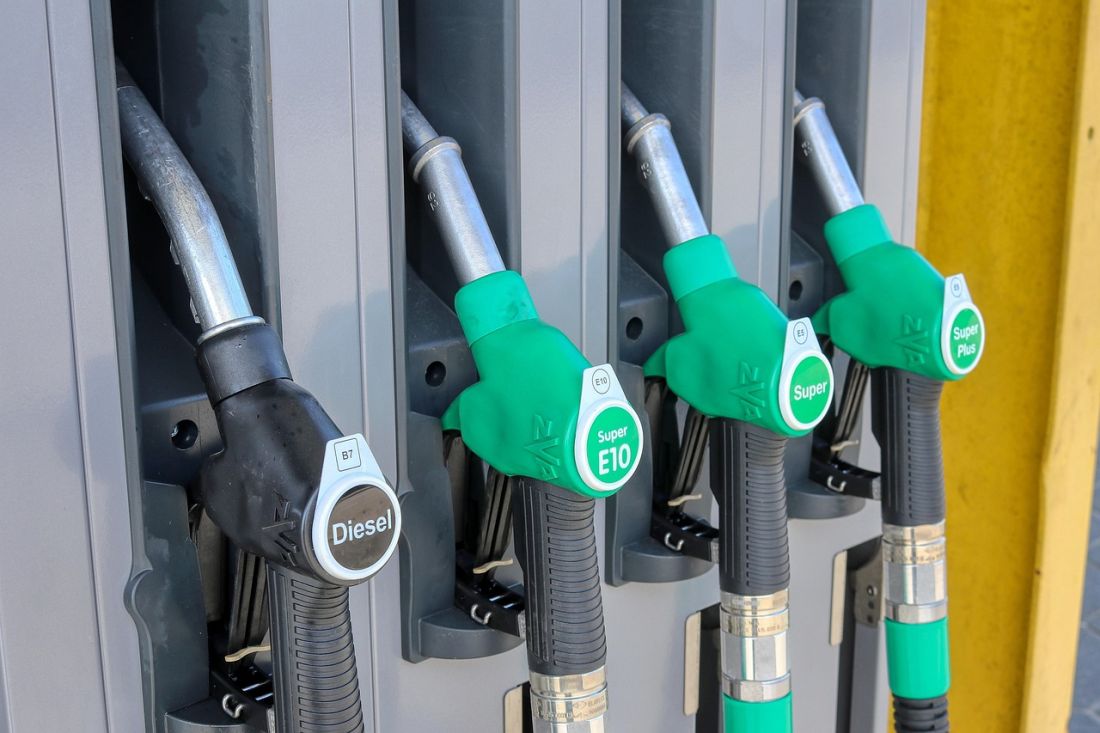
Here’s the bit that catches people out. “Premium” doesn’t mean the fuel has “extra energy” that makes every car quicker. The main difference is the number on the pump. In the United Kingdom, standard unleaded is generally 95, while super unleaded sits higher, usually somewhere around 97 to 99 depending on the brand and station. That number isn’t a grade like “good, better, best” for every engine. It’s more like a “how calm does this fuel stay under pressure” score. Some engines need calm fuel because they squeeze the fuel-air mix harder, or run hotter, or push more air in. Other engines don’t need that, so paying extra is like buying a size 12 shoe when you’re a size 8. It doesn’t magically make walking better. It’s just… extra.
What the numbers on the pump really mean (without the science lecture)
Let’s talk about what “95” and “99” are really saying, in normal human language. Inside a petrol engine, fuel and air get mixed, squeezed, and then a spark sets it off at the right moment. The goal is a smooth burn that pushes the pistons down in a controlled way. The problem is that fuel can sometimes get too excited and light up early just from being squeezed and heated, before the spark even fires. When that happens, the burn turns messy and you can get a sharp rattly sound. In the North West you’ll hear people call it “pinking” or “knock.” It’s basically the engine complaining because the burn is happening at the wrong time and in the wrong way. Engineers have studied this for more than a century, and the “octane number” was created as a way to rate how well a petrol resists that early, wrong-time burn.
Higher numbers mean the fuel is better at resisting that early ignition when it’s under pressure. Lower numbers mean it gives in sooner. That’s it. The United States Energy Information Administration explains octane as a measure linked to how stable fuel is under compression and how it resists auto-igniting early. And organisations like Shell explain the same idea in plain terms: lower octane can lead to knock, and higher octane can handle more compression before it lights up on its own. So if your car’s engine is built in a way that creates higher pressure and heat in the cylinder, it needs fuel that won’t jump the gun. If the engine is built in a calmer way, 95 is totally fine.
Why some engines really do need the higher number
So why would an engine be “higher pressure” in the first place? Because squeezing the fuel-air mix harder can make the engine work more efficiently and feel punchier when you press the pedal. But that extra squeeze also raises the chance of knock if the fuel can’t cope. Some cars are built to run with a higher squeeze ratio. Some use turbochargers that push extra air into the engine. More air means the engine can burn more fuel in the same space, which can mean more heat and pressure. That’s great for performance, but it also raises the risk of knock, so the car maker may specify super unleaded.
This isn’t new thinking either. The four-stroke engine most petrol cars use goes back to Nikolaus Otto in the 1870s, and engineers have been chasing smoother, controlled burning ever since. Harry Ricardo, a British engineer, did major early research into knock and helped push the idea of measuring fuel’s anti-knock quality with an “octane number.” Even big fuel companies like Shell talk about Ricardo’s work when they explain how knock became something engineers tried to measure and control. And in the 1920s, Thomas Midgley Jr. found that certain additives could reduce knock in petrol, which is part of how higher-octane fuels became a bigger deal historically. The point is: knock has always been a big deal when engines are pushed harder.
In real-life car terms, the engines that ask for super unleaded are usually the ones that run hotter, squeeze harder, or shove in extra air. You’ll see this a lot in performance models, some luxury cars, and some smaller engines that use turbocharging to get more shove without going huge. That’s why two cars parked outside the same chippy in Stockport can have totally different fuel needs, even if both say “petrol” on the back.
What happens if you ignore it and use cheaper fuel anyway
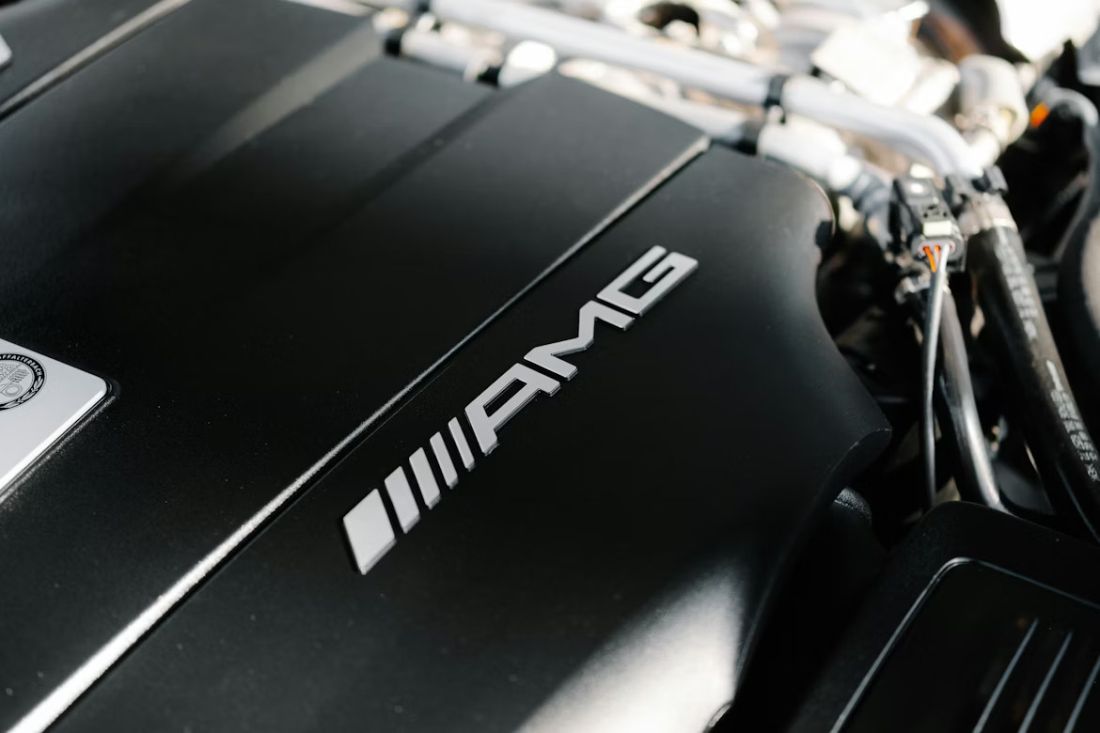
This is the bit people really want to know, because fuel isn’t cheap and nobody likes feeling forced into the expensive nozzle. If your car says it needs 97 or higher and you put in 95, the car might still run. Modern engines have sensors that listen for knock and then adjust how the engine fires the spark to protect itself. Shell’s support page explains that knock makes the engine change spark timing to protect the engine, but that protection can come with a trade-off. The engine may feel a bit flatter, like it’s holding back. You might notice it more when you’re joining the M60, climbing up by the Stockport Viaduct area, or doing that stop-start crawl near the Trafford Centre. The car is basically saying, “I’ll keep going, but I’m not happy.”
Does it always cause damage straight away? No. But repeated knocking and running the wrong fuel for a long time can increase wear, because the engine is fighting itself. Think of it like running with your shoelaces tied together. You can do it for a bit, but you’re asking for a fall. Some cars will throw a warning light, some won’t, and some will just quietly reduce performance. That quiet part is what catches people out. They assume “it still starts, so it must be fine.” But the whole reason the manufacturer picked that fuel requirement is to keep the burn controlled in the conditions that engine sees.
If you’re in a pinch and the station only has 95, it’s not the end of the world for many cars. Just drive gently until you can refill with the right stuff. But if your car consistently calls for higher octane and you always feed it 95, you’re gambling that the engine can keep protecting itself every time you load it up. That’s a gamble we’d rather you didn’t take.
What if you put premium fuel in a car that doesn’t need it
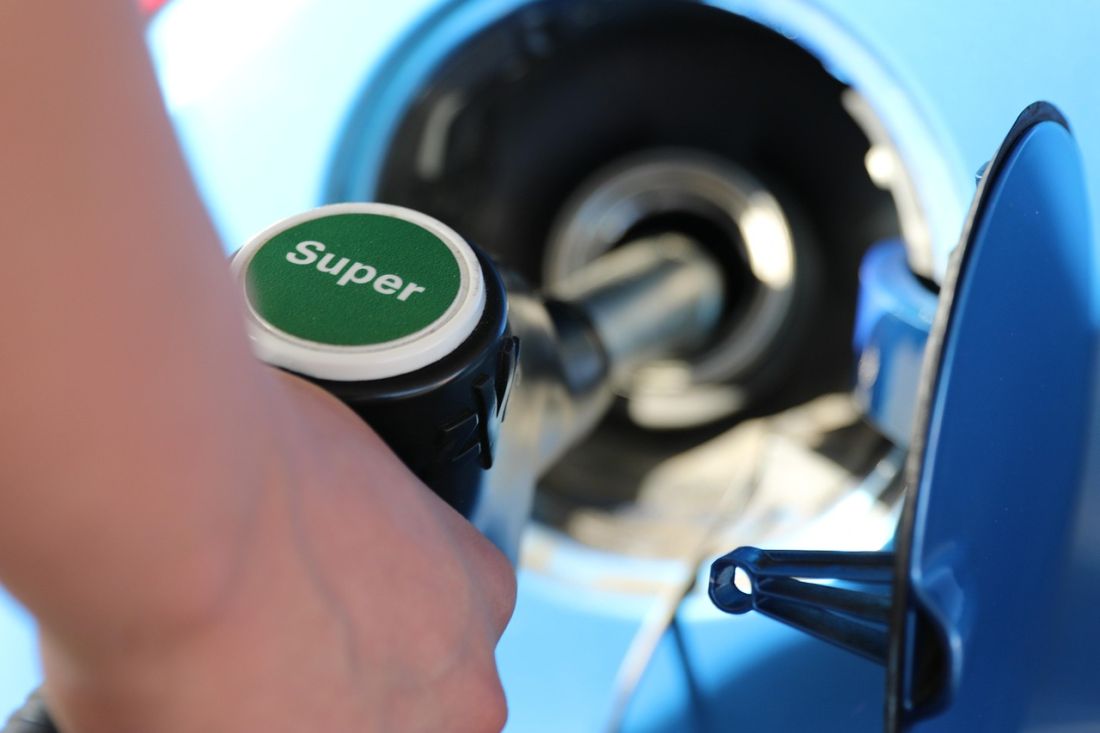
Now the reverse. Your mate says, “Put super in, it’ll clean the engine and make it fly.” Let’s face it, we’ve all heard that one. Here’s the grounded version: if your car is designed for 95, it generally won’t gain much from 97 or 99. A big study by AAA in the United States found that using higher-octane fuel in cars that don’t require it doesn’t improve performance or fuel economy in a meaningful way. You’re mainly paying extra for a rating your engine isn’t asking for. Some engines can adjust a bit and take advantage of higher octane, but that’s down to the car’s design and programming, not the driver’s wishful thinking. The safest rule is simple: use what the manufacturer says as the minimum.
That said, people still choose premium fuel for other reasons. Some premium fuels come with extra cleaning additives, and some drivers like the idea of keeping injectors cleaner, especially if they do loads of short trips around Manchester where the engine barely warms up. But that’s not the same as “your car needs premium.” It’s more a personal choice, like picking branded washing-up liquid instead of the supermarket one. Your plates will still get clean either way, but you might have your preferences.
So if your car is fine on 95, don’t feel guilty using 95. Spend the difference on tyres, servicing, or, honestly, just living your life. If your car truly needs super unleaded, that’s when paying extra is protecting the engine, not buying bragging rights.
The fuel you see around Manchester and Stockport (and why labels changed)
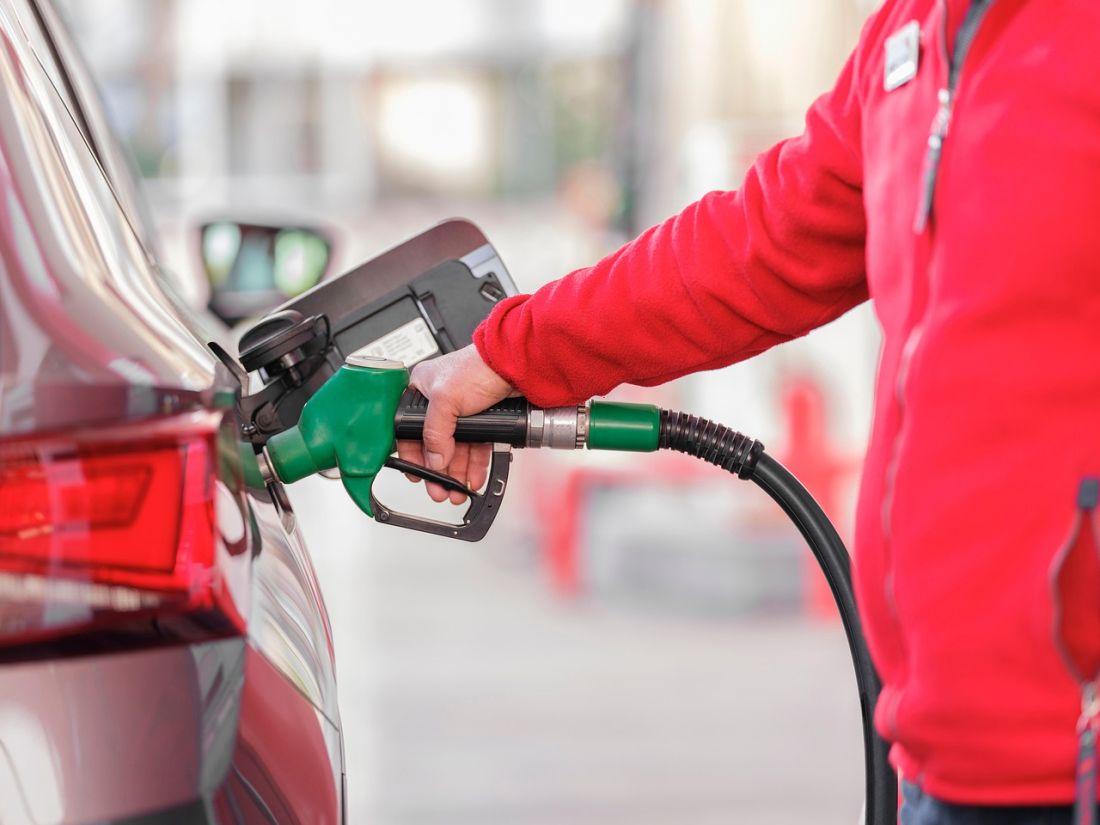
Quick local reality check, because the stuff at the pump changed in recent years and it’s easy to miss. The United Kingdom government explains that standard petrol moved to a blend that can contain up to ten percent renewable ethanol, and this became the standard grade at filling stations across Great Britain. Brands like BP also explain that the standard 95 grade became the one labelled for that higher ethanol blend. The key takeaway is that “standard 95” is still 95, but the blend content changed, and that matters for a small number of older cars and classics.
Why does that matter for premium versus regular? Because in a lot of places, the super unleaded grade stayed as the lower-ethanol option. The RAC explains that the older “up to five percent ethanol” blend became linked with super unleaded in many places, which is why some owners of older petrol cars go for super even when their engine doesn’t demand a higher octane number. It’s not about chasing speed; it’s about fuel compatibility with older seals and fuel system parts. There’s even an industry-backed compatibility list for vehicles that can use the ten percent ethanol blend, published by European car makers’ associations, which shows how seriously this is taken.
So, around Manchester and Stockport, you’ll see two “reasons” people choose super unleaded. One reason is octane for certain engines. The other is ethanol compatibility for certain older cars. They can overlap, but they’re not the same. And if you’ve just bought a used car and you’re not sure which camp you’re in, you’re not alone. Half the confusion is that the pump label feels like it’s talking in code.
How to tell what your car needs in about 20 seconds
You don’t need to be a mechanic. You just need the right place to look. The easiest place is the fuel filler flap. Many cars have a sticker that says the minimum octane number. If it says 95, you’re good on standard unleaded. If it says 97, 98, or 99, that’s your clue that the engine is asking for super unleaded. If the sticker mentions that 95 is allowed “in an emergency” but recommends higher for best performance, then the car can protect itself on 95 but it’s built to run best on the higher number. Your owner’s handbook will spell this out too, but nobody wants to read a handbook on their driveway in Eccles when it’s cold and you’ve got shopping in the boot.
If you’ve bought from us at Dace Motor Company, just ask. We’ll tell you what the manufacturer specifies for that exact car. It’s one of those small questions that saves you money or saves you hassle, depending on what the answer is. And because we see such a wide range of brands across our sites on Greg Street in Reddish, Buxton Road, Manchester Road, and Liverpool Road in Eccles, we’ve heard pretty much every version of “Do I really need the expensive fuel?” There’s no shame in asking. People mix this up all the time, especially if they’ve switched from a small hatchback to something with a turbocharger, or they’ve moved into a premium German model for the first time.
One more thing: don’t guess based on the badge. A fancy badge doesn’t automatically mean super unleaded, and a small engine doesn’t automatically mean standard. The sticker or handbook wins every time.
A few money-saving (and engine-saving) habits that actually help
If your car needs super unleaded, the goal is to use it consistently enough that the engine can run the way it was built to run. If you’re stretching a tank and thinking about mixing grades, mixing isn’t some forbidden act. It just means you end up with something in the middle. If your car demands super as a minimum, don’t keep diluting it with 95 and hoping for the best. If your car recommends super but allows 95, then mixing now and then is less dramatic, but you may feel the car pull back a bit under load. You know how it is on the motorway slip road: that’s when you notice.
If your car is fine on 95, don’t get pressured by myths. The most “grown-up” choice is the one that matches the car’s requirement and your driving. Spend the extra money where it gives you something real. Fresh oil. Correct tyre pressures. A decent service history. Those things make a bigger difference to reliability than throwing premium fuel at an engine that can’t make use of it.
And here’s a simple way to think about it. Premium fuel isn’t “better fuel.” It’s “different behaviour under pressure.” Some engines need that behaviour. Some don’t. Once you accept that, the pump stops feeling like a trick question. It’s just a choice based on the car you’ve got, the roads you drive (hello, speed bumps and stop-start traffic), and what the manufacturer asked for.
If you’re unsure, pop into one of our sites around Stockport and Manchester or give us a ring. We’ll point you to the right answer for your exact car, with no sales pitch attached. Fuel should be the easiest part of driving, not another thing to overthink on a wet Tuesday.