


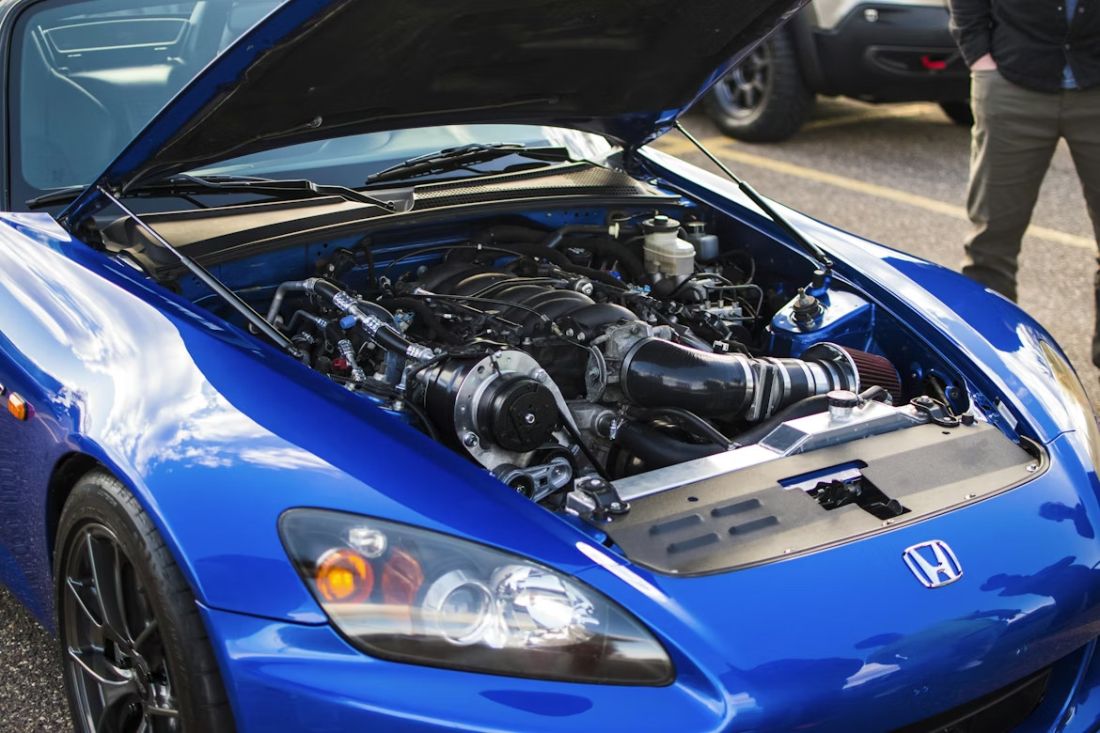
Why Honda Engines Are So Highly Regarded by Mechanics
You know that moment when you’re stuck in traffic on the M60, it’s chucking it down, and you’re just hoping your car doesn’t decide today’s the day to throw a wobble? That’s the sort of everyday stress test that makes mechanics quietly judge a car brand. And here at Dace Motor Company, after years of seeing what turns up on forecourts and ramps around Stockport, Manchester, Reddish, and Eccles, there’s a reason we hear the same thing again and again: Honda engines tend to be the ones mechanics don’t dread. Not because they’re “magic” or because nothing ever goes wrong. Stuff can go wrong with any car. But a Honda engine is usually built in a way that feels sensible. Like somebody thought about the long run, not just the day it rolled out of the factory. That shows up in small ways that drivers feel but don’t always notice. Cars that start cleanly on cold mornings. Engines that don’t sound rough for no reason. Bits that don’t feel like they’re right on the edge of breaking if you miss one service by a couple of weeks.
Honda’s whole story starts with a proper engineer’s mindset. Soichiro Honda was an engineer first, and he teamed up with Takeo Fujisawa to build the company in the late 1940s. That “let’s build it properly” attitude is baked into the brand’s history, from the early bikes through to the cars people run for years.
Mechanics love engines that don’t feel “stressed”
A simple way to explain it is this: some engines feel like they’re working too hard all the time. You press the pedal and it’s like the engine is sprinting everywhere, even on a calm drive down the A6. When an engine spends its life feeling stressed, little parts get tired faster. Heat builds up, oil breaks down quicker, seals go hard, and then you’re chasing leaks and rattles. Honda has spent a long time building engines that, in normal driving, don’t feel like they’re being pushed to the limit every minute of the day. Mechanics pick up on that fast because they see patterns. They see which engines come in with worn-out bits at lower mileage and which ones stay tidy inside.
There’s also a “does this feel sensible to work on?” factor. If you’ve ever tried to reach something in a cramped space and ended up with scraped knuckles, you’ll get it. A lot of Honda engine bays aren’t perfect, but they usually don’t feel like the car was designed just to annoy the person fixing it. That matters because when a job is straightforward, it gets done right. No shortcuts. No “we’ll leave that because it’s a nightmare.” That’s not just nice for mechanics - it’s good for you because proper repairs and maintenance keep an engine happy for longer.
And let’s be honest, the North West throws a mixed bag at cars. Short trips through Heatons or Didsbury. Stop-start queues near the Stockport Pyramid. A motorway blast past Trafford Centre. Engines that cope well with all that tend to earn respect. It’s not glamour. It’s just good design choices showing up day after day.
The clever valve trick (explained like a human, not a textbook)
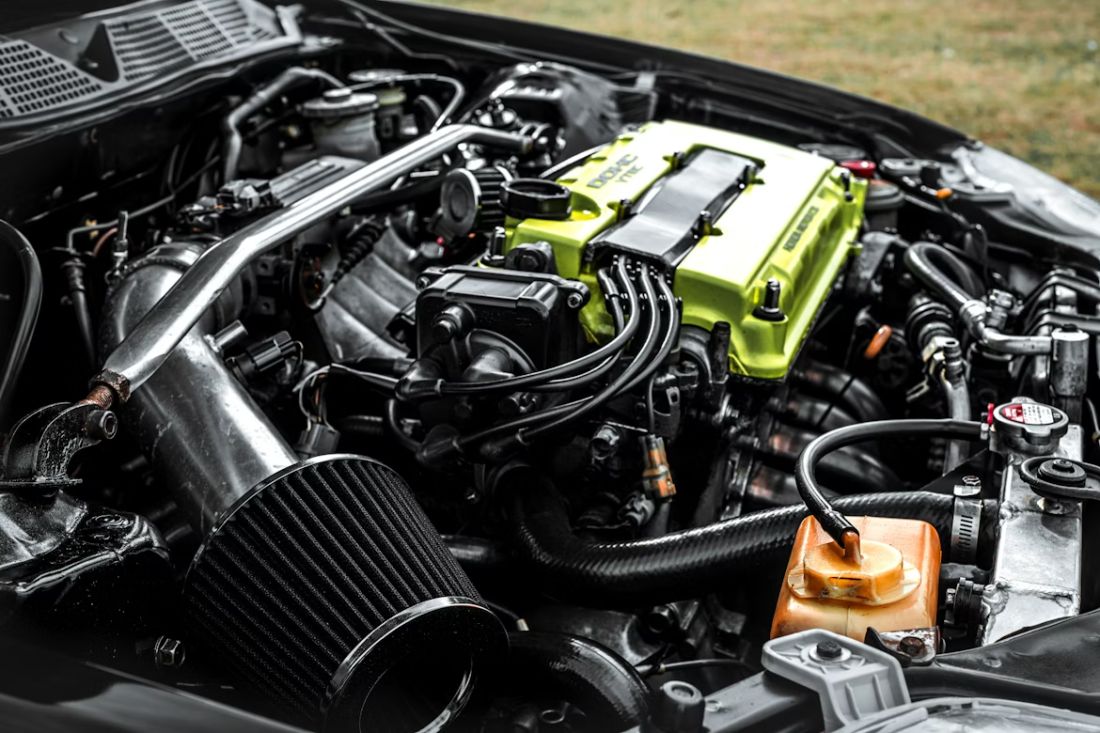
There’s a key idea Honda has used in different ways over the years: letting an engine breathe differently depending on what you’re asking it to do. Picture breathing through a straw while you’re sitting still, then trying to do the same thing while running for the bus outside Stockport station. You’d want a different setup, right? Engines are similar. At low speed, you want smooth running and clean burning. At higher speed, you want better breathing so the engine doesn’t feel strangled.
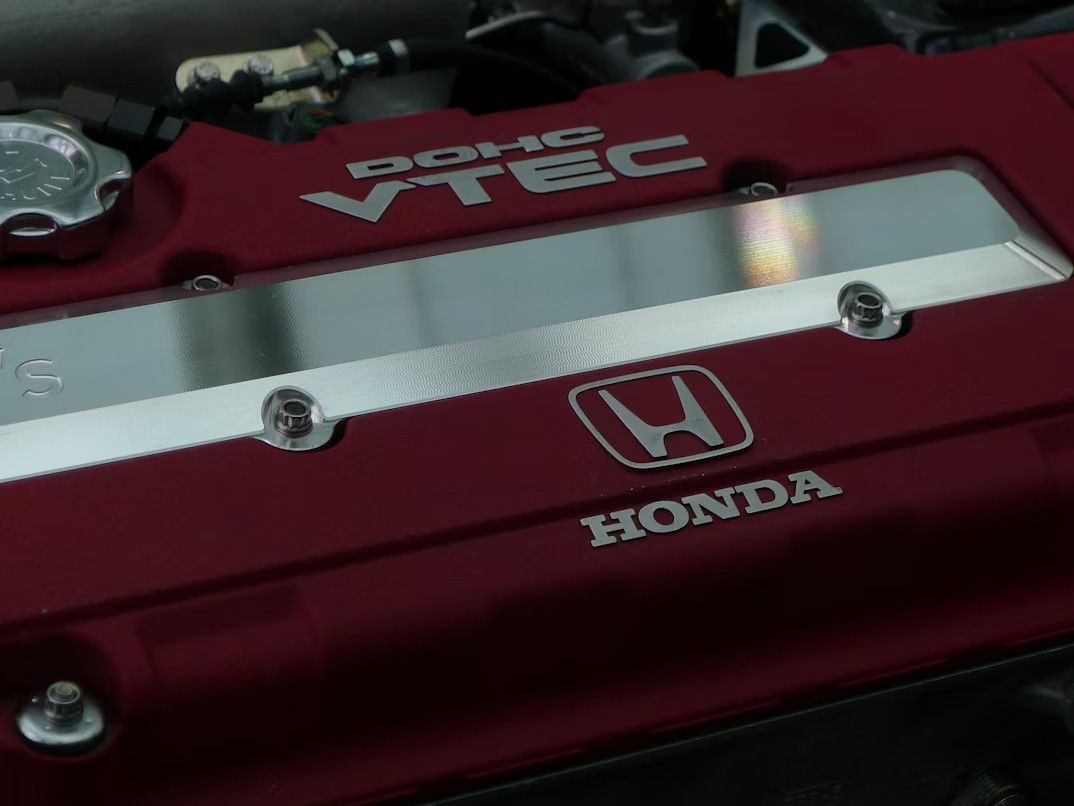
A lot of modern engines use a system where the timing of the valves changes depending on engine speed and load. The valves are basically little doors that let air and fuel in and let exhaust out. If those doors open at the wrong time, the engine can feel lazy, noisy, or jerky. If they open at the right time, you get smoother running at low speed and stronger pull when you need it. Mechanics like this idea when it’s done well because it can give a nice balance without forcing the engine to be extreme in one direction. There’s also a maintenance angle: these systems rely on clean engine oil moving through small passages. Keep up with oil changes and the system tends to stay healthy. Ignore oil changes and it can start acting up, which is why mechanics always bang on about servicing.
What’s nice here is you don’t need to know the fancy name of the system to benefit from it. You just feel it as a car that’s calm in traffic and still has some bite when you join the M56. And when a design gives you that without making the engine fragile, mechanics give a little nod. Not a big speech. Just a nod.
Why Honda’s small engines have a big reputation
This bit surprises some people: Honda’s reputation isn’t just built on cars. Their small engines - the kind that go in work kit like generators and other equipment - have been a big part of why mechanics trust the brand. People who fix machines for a living pay attention to what survives daily use. And Honda has leaned into that with long warranty coverage on certain general-purpose engines. A three-year warranty doesn’t prove perfection, but it does show confidence that the engine won’t fall apart quickly under normal use.
Why does that matter for your used car search in Manchester or Stockport? Because the mindset carries across. A company that’s happy to stand behind engines used for work tends to care about durability, materials, and quality control. Mechanics notice brands that build things to keep going, because they’re the ones who see the wreckage when corners get cut. And in real life, “durability” looks boring. It looks like bolts that don’t snap for no reason. It looks like engine parts that don’t wear out wildly early. It looks like an engine that still sounds like itself after years of mixed driving - school runs, supermarket trips, and the occasional run out towards the Peaks.
Also, these work-focused engines have to deal with steady running and heat without drama. That’s the kind of basic engineering discipline that tends to show up in cars too: solid cooling systems, sensible oiling, and parts that aren’t made from the cheapest stuff possible. Nobody’s claiming every Honda engine is flawless. But that wider track record is part of why mechanics start from a place of trust with Honda. They’ve seen enough of them still running nicely when plenty of other brands are on their second or third big repair.
Honda has history with “making it pass the test” without gimmicks
Back in the 1970s, emissions rules in the United States got a lot stricter. Honda made a big deal at the time because it developed an engine setup that could meet those rules earlier than many competitors. That matters because it shows a pattern: Honda has spent a long time figuring out how to make engines run cleaner and more efficiently without turning them into delicate science projects.
Now, you might be thinking, “That was ages ago, why should I care?” Because it points to the same habit: solving problems with engineering choices that still work years later. Mechanics like that. They’re not impressed by fancy tricks that save fuel for the first owner but cause headaches for the second or third owner. They respect solutions that keep an engine running smoothly over time, even when life gets in the way and services aren’t done like clockwork.
To be clear, modern cars from every brand are more complex than cars from decades ago. That’s just reality. But Honda’s track record includes a lot of engines that stay dependable because the basic idea is sensible: good combustion, good cooling, good materials, and systems that don’t collapse the moment something gets slightly dirty. Even in 2026, that history still shapes how mechanics talk about Honda when you’re standing at the counter asking, “Is this one a safe bet?” And you can hear it in the tone. Less sighing. More “yeah, these can be decent if it’s been looked after.”
The “easy to live with” factor mechanics don’t always say out loud
Here’s something mechanics won’t always admit straight away: they like cars that owners can maintain without messing them up. If a car needs perfect care every single time, it’s going to end up with problems because people are busy. Kids. Work. A United match on. Life. Honda engines, across a lot of models, have a reputation for being forgiving. Not “ignore it for years and it’ll be fine” forgiving. More like “do the normal stuff, don’t abuse it, and it’ll treat you well” forgiving.
Think about the basics that keep an engine happy: clean oil, decent coolant, filters changed when they should be, and not running it low on fluids. When an engine layout makes these basics easier, owners are more likely to do them. When owners do them, engines last longer. It’s a simple chain. And that’s why mechanics value designs that don’t turn every service item into a drama.
There’s another piece too: parts availability and knowledge. Honda has been huge in the UK for years, so independent garages around Greater Manchester have seen loads of Civics, Accords, and CR-Vs pass through. That means experience builds up. If you buy a used Honda in Stockport, you’re not buying something “mysterious” that only one specialist in the country understands. You’ve got local garages that know what they’re looking at, and that helps keep running costs sane over time. In a place where cars get used hard - wet roads, potholes, tight parking - that practical support matters as much as the badge.
A quick reality check: good brands still have issues sometimes
Now, to be fair, it’s not honest to pretend Honda never has problems. No manufacturer gets a clean sheet forever. In the last couple of years there have been major recalls and investigations in the United States covering certain Honda and related models for issues not directly about “normal wear.” That’s a reminder that even strong brands can have batches of parts that aren’t right, or designs that need fixing after real-world use.
So why doesn’t that destroy Honda’s reputation with mechanics? Because mechanics judge in averages and patterns. If a brand has one serious issue in a certain range of vehicles, but the wider picture is still engines that run smoothly for years with sensible maintenance, the overall respect stays. Plus, recalls can actually be a good sign in one way: it shows problems are being tracked and addressed. It’s better than a brand pretending nothing happened.
For you as a used buyer in Manchester or Stockport, the practical takeaway is simple: check the specific car. Look at service history. Ask if recall work has been done when it applies. If you’re buying through a reputable dealer, you should be able to get clear answers. At Dace Motor Company, we’re big on making sure vehicles are checked properly before sale, because nobody wants surprises a week later. And if you’re using finance, doing a soft search first can help you check your options without scaring your credit file. That’s not “engine talk,” but it’s real-life buying stuff that helps you stay in control.
What to look for if you’re shopping used around Stockport and Manchester
If you’re eyeing up a used Honda, here are the real, concrete things that matter more than hype. First, listen for a smooth idle. The engine should settle down and sound steady, not lumpy or uneven. Second, check the service record. You want evidence that oil changes weren’t ignored, because systems that adjust valve timing and similar features depend on clean oil moving freely.
Third, look for signs the car has had a normal life. A stack of old receipts from local garages is not a bad thing. It shows someone cared. Fourth, pay attention to temperature on a test drive. The gauge should behave normally and stay stable. Engines that manage heat well tend to live longer, and you don’t want a car that runs hot in traffic near the Etihad or crawling through the A34 roadworks.
And then there’s the “human” check. If you’re buying, ask the dealer to talk you through what’s been checked and what warranty support looks like. Honda’s own small-engine warranty stance shows how seriously the brand treats long-term reliability in that space, and it’s a useful reminder that warranty isn’t just paperwork - it’s confidence.
At the end of the day, mechanics respect Honda engines because they tend to reward normal people doing normal car stuff. Driving to work. Running errands. Sitting in traffic. Heading out for a weekend drive past Lyme Park. No drama. No constant little failures. Just an engine that, if you look after it, usually looks after you back.