


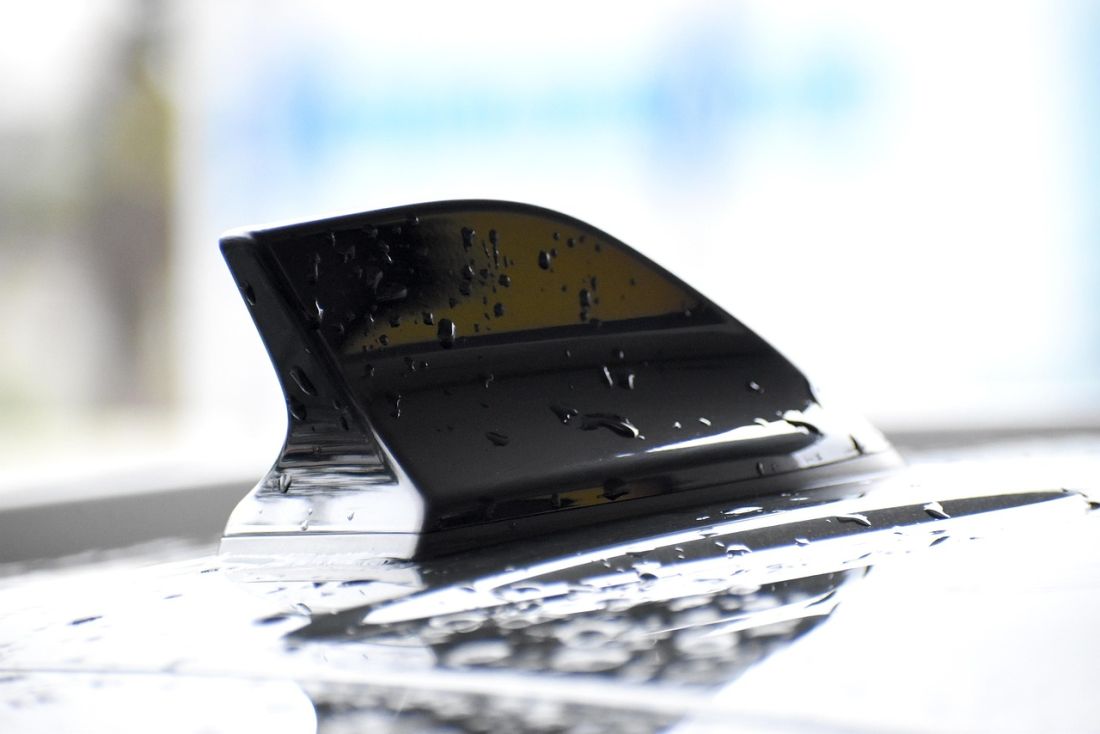
Why Do Some Cars Have Shark Fin Antennas?
If you’ve ever looked at a car driving around Stockport or Manchester and noticed that little fin-shaped thing sitting on the roof, you might’ve wondered: what’s that for? At Dace Motor Company we see loads of used cars (tiny hatchbacks to big 4×4’s) with that “shark fin” antenna. So we thought we’d pull the curtain back, chat about what it does, why it's there, and why it matters for you as a buyer (or someone just curious).
Okay, so what is the shark fin antenna?
You know how older cars had long stick antennas - maybe by the windscreen, or sticking out of the boot (trunk) area? Well, a lot of modern cars don’t use those anymore. Instead, many use what’s called a “shark fin” antenna: a small, fin-shaped piece fixed on the roof of the car.
But it’s not just for looks (though it does look cleaner). Inside that fin are one or more antennas and electronic bits that pick up radio, satellite signals, GPS, cellular data, etc.
For example, as one article puts it:
“Back then, antennas were mostly for AM/FM radio. Now, the shark fin houses components for satellite radio, GPS navigation…”
So in simple terms: that little fin = a multipurpose signal catcher.
Why use the fin instead of the old long stick?
There are a few good reasons, and I’ll try to explain them as plainly as I can (we’re not doing university-lecturer speak here).
Less likely to break
Imagine a long whip antenna on your car. In Manchester, you might park under trees, or brush past branches, or hit something by accident. The fin shape sits down low and is more sturdy. One source says the design reduces the risk of damage (and cuts down on drag and wind noise).
Handles multiple signals
Remember when we just listened to radio in cars? Now a car might need to pull in GPS (so satnav works), cellular/internet signals (for connected services), satellite radio maybe, sometimes WiFi or Bluetooth. Instead of a bunch of different antennas all over, the shark fin can pack in lots of capabilities. ([Connector and Cable Assembly
Looks neater, more modern
Let’s face it - car designs matter. A big old antenna might look a bit clunky. Roof-mounted shark fin looks streamlined, which fits modern cars (especially those you’ll find at our Dace Motor locations around Stockport and Manchester).
Better placement for signal
The roof is generally free of obstructions compared to sides or near the boot. That gives better “line of sight” for satellite/GPS etc. That helps performance.
What exactly does the fin pick up or transmit?
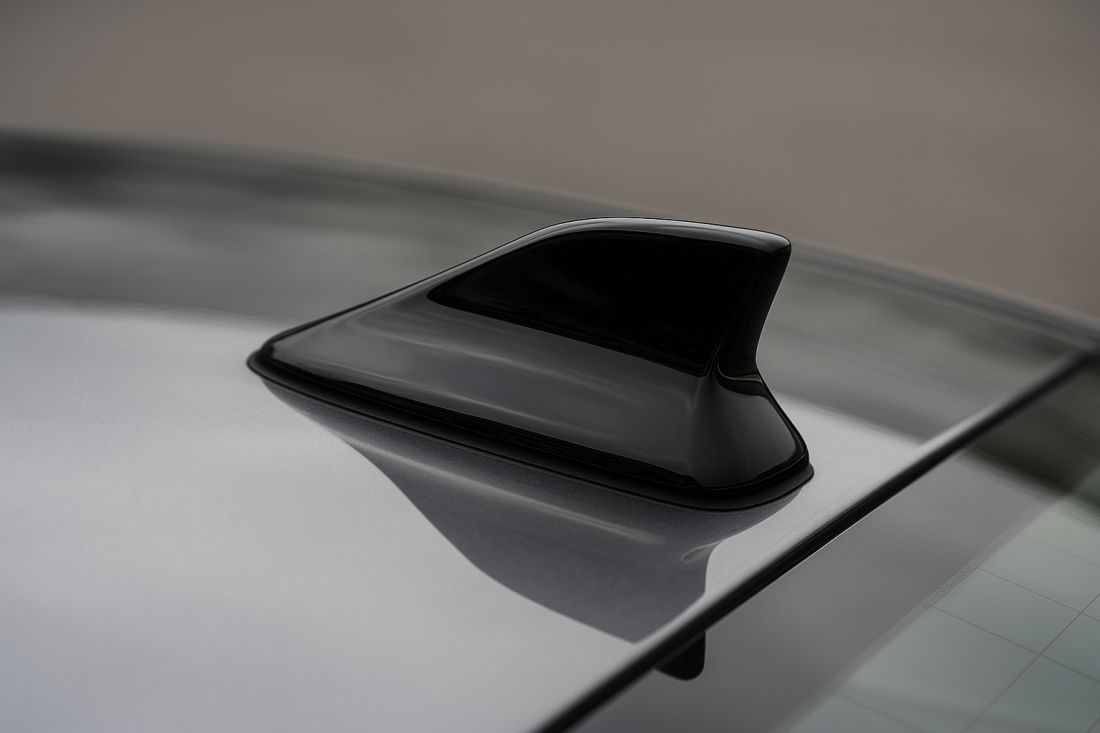
Here are some of the main things tucked inside that fin. No need to memorise all, but helpful to know what you’re getting with the car.
- FM/AM radio: still in use, though less dominant.
- Satellite radio (in some markets) or satellite navigation support.
- GPS (global positioning) - helps the car’s navigation or tracking systems.
- Cellular or telematics - for car’s own connectivity (in some cars).
- WiFi or Bluetooth antennas, maybe signal links.
So when you’re buying a used car at Dace Motor Group, seeing a shark fin doesn’t just mean “nice modern design” - it often means the car has decent connectivity/features and the antenna setup has been built in.
Why this matters when you’re buying a used car
Since at Dace Motor Group we deal in used cars (from all sorts of brands - Audi, BMW, Ford, Toyota, and many others) you might glance at the fin and think “Cool design”. But here are a few extra things you might want to check or ask about:
- Is the fin in good condition? Because if the fin is cracked, loose, or damaged, it might mean some of the antenna functionality is compromised.
- Does the car’s navigation or connectivity work properly (if that car has those features)? Because a faulty antenna module could affect GPS accuracy, radio reception, or even data links.
- Has the rooftop been repaired previously? If there’s been a roof repair or repaint, the fin’s mount or grounding might have been affected.
- When the car has multiple signals built in (satnav, radio, data), if you see weird reception issues, it might trace back to the antenna module.
At Dace, we fully HPI-check every vehicle, check the stock condition, and make sure any major features including antennas are functioning. So if you see a shark fin and it’s all good, that’s a positive sign.
Myth-busting some things (just for clarity)
There are a few bits of confusion out there about shark fin antennas - let’s clear some up.
Myth: “The fin is just cosmetic”
Nope. While it does look nicer than the old stick, nearly always there are real antenna elements inside. Connector Supplier explains the fin house may contain “multiple antennas to receive AM/FM and satellite radio, cellular and telematics, WiFi and Bluetooth, GPS/GNSS, and MIMO signals.”
Myth: “If I remove the fin I’ll save fuel because less drag”
In reality the drag difference is tiny. And when you remove the fin you lose real functionality (radio, GPS etc). Some sources propose fins reduce drag/noise a little, but not a major factor in everyday driving.
Myth: “Old stick antennas work better for radio so fin is compromise”
Old sticks did have advantages for simple radio in some cases, but modern fin antennas are engineered to handle multiple signals and better placement. Also, many cars embed AM/FM parts elsewhere now. So the fin isn’t necessarily worse.
A quick note for you in the Manchester/Stockport area
Since we know our local customers in Stockport, Manchester, and the surrounding North West region like to get good value and solid builds:
If you’re inspecting a used car and it has the roof shark fin intact, you might want to pause and think: that’s a sign the original manufacturer cared about the antenna setup and maybe the connectivity features are intact. If the car’s missing the fin, or it looks damaged, ask why. Maybe it was replaced, maybe the antenna wiring was tampered with, maybe the car had a roof repair. All of that can feed into the overall condition of the car.
And when you buy from a place like Dace Motor Company you have the peace of mind: in-house warranty, trading standards approved, big selection (over 600 cars across the four locations). So spotting something like a shark fin antenna can be one of those small checks you do that give you confidence. The devil is often in the little details, as we all know.
Why manufacturers switched (and why you'll see lots of fins now)
Back when the car industry leaned heavily on AM/FM radio, a simple stick antenna was fine. But over the last decade-plus, cars have picked up features like built-in navigation, streaming music, Bluetooth, WiFi hotspots, even cellular connections. That means more antennas. Having separate long sticks all over the car would be messy, expensive, harder to route wiring, harder to package in a sleek body. The shark fin solves many of those issues.
For example: one article says these fins provide “a high performing solution for navigation, communication and tracking” and “are sleek, convenient” and designed to withstand weather and the bits that cars face. ([Abracon][6])
Also: As cars lose their roof-mounted radio sticks, the fin is a nice compromise—roof location is optimal (fewer obstructions) and design is compact, low profile.
If you remove or replace it, what to watch out for
Let’s say you buy a used car and think “I’ll just replace that fin with a cheaper one” or “I’ll remove it and fit something else”. Well - here are some things to be aware of:
- If the fin houses multiple antenna modules, replacing it with something generic might mean you lose one or more signal capabilities (GPS might be weaker, data modules may struggle).
- Any antenna module needs a good ground connection (via the car’s metal roof) for proper operation. If that’s compromised (after repair, repainting, rust, etc) you might see degraded performance.
- The wiring that runs from the fin through the headliner roof, to the radio/navigation/data modules - if that’s damaged, or connectors are loose, you’ll have problems.
- If the car had a previous roof repair (maybe in a flood or accident), the fin mount may have been altered. Always check for signs of damage, misalignment, corrosion.
- When you’re test driving, check the features: does the radio reception drop off weirdly? Does the navigation lock on quickly? Is connectivity (if the car has built-in WiFi or data services) working properly? These can be indirect signs of antenna issues.
Bringing it back to you (and the car buying experience)
When you’re browsing used cars at our Greg Street, Buxton Road or Manchester Road/ Liverpool Road showrooms in the Stockport/Manchester region, here’s a little checklist you can keep in mind around this “fin” topic:
- Spot the fin: is it present and looking tidy?
- From a distance: does it sit flush with the roof? Does it look aligned (not tilting or repaired)?
- On test drive: do radio and navigation work as expected? Ask for demo - tune radio stations, check GPS lock.
- Ask: Has the roof ever been repaired or replaced? If yes, what was done to the antenna mount and wiring?
- When you pick a car with connectivity features (satnav, internet, streaming), know: the roof antenna plays a part; so if you find weird behaviour, it might connect back here.
- Ask the dealer (we at Dace Motor will tell you) about the antenna condition, any service history around it, and be comfortable with the answer.
All of this adds up to being an informed buyer. You’re not obsessing over a fin for no reason - you’re using a little detail to help gauge build quality, features, and possible future issues.
A local aside
Right, so you’re in Stockport or heading into Manchester city centre. You’re browsing used car dealerships (like our Dace showrooms). You might see a nice hatch or SUV, roof looks good, fin looks good. That’s a good start.
But imagine you spot a car, fin is missing, or there’s rust around the mount. You ask “Did someone hit the roof? Was it repainted? What happened here?” If the answer is “Oh yeah, we replaced the roof skin after a tree-branch fell in Bramhall” or similar, you’ll want to check the remainder of the roof, wiring, service history.
Because around here we get all sorts of weather: wind, rain, branches falling, road debris. Anything rooftop is exposed. So a car with its fin in perfect nick? That suggests someone’s looked after it reasonably. It’s nothing to guarantee perfection, but it's a plus point.
That little fin on top of cars is more than a bit of style. It’s a hub of connectivity: radio, satellite, GPS, data. When you shop used, especially around Stockport/Manchester with tens or hundreds of cars to consider, focusing on small details like this helps you stand out as a smart buyer.
At Dace Motor Company we’re all about giving you clear info, showing you full vehicle histories (HPI, warranty, etc), showing you cars in good condition. When you see a car with everything lined up, including its roof antenna looking smart - that’s one less thing you’ll likely worry about.
If you do spot something odd - say fin looks loose, or there’s evidence of roof repair - it doesn’t necessarily mean “bad car”, but it means you may want to dig into the history (and we’ll help you do that). Because with used cars, good value means looking at both the big picture and the little details.
So next time you’re walking around our showroom in Reddish or driving past the German Car Centre on Manchester Road, take a moment to look up at that roof fin. It might look small. But there’s a bit of clever kit hiding in there.