


Why Do Car Tyres Lose Pressure in Cold Weather?
Have you ever woken up in Manchester or Stockport on a frosty morning, hopped in your car, and seen the tyre-pressure warning light come on? You check your tyres, and it seems like they’ve “gone soft” overnight-no puncture, no obvious damage. What’s going on?
It’s not magic. It’s simple physics (well, not too heavy). Let me walk you through it - and show you what you can do about it.
Picture this: a balloon in the cold
Imagine you’ve got a balloon filled with air inside. If you take that balloon outside on a cold day, it shrinks a little. The air inside is less “pushy” against the rubber, so the balloon looks droopy.
Your tyres are like that balloon, except sturdier. The air inside them pushes outwards on the tyre walls. When it’s cold, that push is weaker. So the measured tyre pressure (what your tyre gauge or sensor reads) drops.
The science bit (but simple)
Air is made of lots of tiny invisible molecules bouncing around, pushing on the walls of whatever container they're in - here, the inside of your tyre. When the temperature drops, the molecules slow down. Slower molecules hit the walls less hard, less often. So the pressure inside falls.
In more technical terms: if you keep the volume (the shape and size of the tyre) basically fixed, pressure and temperature move in the same direction. Cold → lower pressure, warm → higher pressure.
That’s exactly what experts explain in articles about tyres and temperature changes.
Also, many tyre guides say: for every 10 degrees Fahrenheit drop in temperature (about 5 to 6 degrees Celsius), you lose around 1 to 2 pounds per square inch (psi) of tyre pressure.
So yes, even a change from, say, 15 °C down to 5 °C (a 10 °C drop) might shave off 0.7 to 1.4 psi (or roughly 0.05 to 0.1 bar) from your tyre pressure. That’s enough to make a difference in how the car handles or in tyre wear.
Real-world “Manchester morning” example
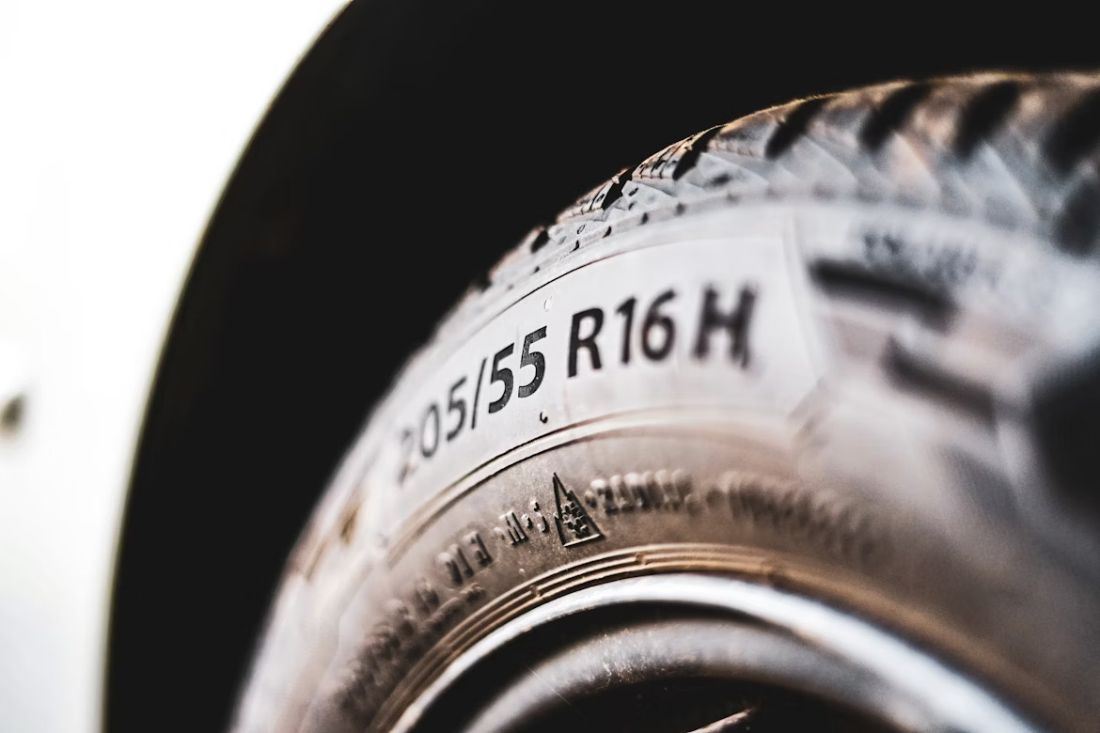
Let’s say you park your car overnight in Stockport, where it might drop to 4 °C. When you check in the morning, you compare to when you last inflated the tyres at, say, 15 °C. That’s an 11 °C drop. Using the “1 to 2 psi per 10 °F” rule, you might lose ~1.5 psi (0.1 bar).
That might not sound like much. But:
- It can trigger the tyre pressure warning light.
- Lower pressure means you're running “softer” tyres-more contact with the road edges, more friction, more wear.
- It can affect how the car grips corners or brakes, especially when roads are damp or frosty.
So it matters.
Other things that make tyre pressure change
Temperature isn’t the only thing. Here are extra factors:
- Tyre heating from driving: As you drive, friction between the tyre and road warms up the rubber and the air inside. That raises pressure a bit. So when measuring, you’ll want the tyres to be “cold” (i.e. before you’ve driven much).
- Slow leaks: Over time, tyres naturally lose air. Tiny pores in the rubber, imperfect seals around the valve stem, or just wear and tear. Cold just accelerates the effect.
- Changes in altitude / air pressure outside: If the outside atmospheric pressure changes, your gauge reading (which measures difference between inside and outside) can shift. But that’s a smaller effect compared to temperature.
- Tyre condition: Older tyres, ones with worn seals or cracks, might react more strongly. Also, if your tyre valve has a slight defect, cold can make it stiffer or less sealed.
Why this matters to you (in Stockport & Manchester)
You’re driving in a region where winters can be cold, foggy, maybe icy. On a cold morning:
- You don’t want your tyres underinflated when the roads are already slippery.
- Underinflated tyres wear more on the edges, reducing their life.
- Fuel economy suffers. Softer tyres need more energy to roll.
- The car won’t feel as composed, especially when cornering, braking, or during sudden moves.
If you’re buying a used car from a dealer like Dace Motor Company, you don’t want to start off with tyres that are already compromised by low pressure. We check all our cars fully, but knowing this helps you spot things early.
When and how to check your tyre pressure (cold is best)
Here’s what I’d tell a friend:
- Always check tyre pressure when the tyres are cold - before you drive, or after the car has been sitting for a few hours.
- Don’t wait till the TPMS light comes on. That means it’s already gone too low.
- Use a good gauge. Not the cheapest one in a petrol station; something more reliable.
- Know the manufacturer’s recommended pressure (you’ll find it on a sticker on the driver's door frame, in the owner’s manual). Inflate to that when cold.
- In winter, check more often. Once a month might not cut it when temps swing.
- Carry a portable tyre inflator or know a nearby garage you trust (we have several branches in Manchester / Stockport area).
A few common Qs & stuff I’ve seen
Q: Can tyre pressure drop overnight even if it’s not freezing?
Yes. Even moderate drops in temperature (say, from 15 °C to 5 °C) are enough to lower the pressure noticeably.
Q: Does the warning light always mean a leak?
No. Sometimes it's just temperature-driven pressure loss. But don’t ignore it - check it. If the tyre stays low even after you inflate it, there might be a puncture or seal issue.
Q: If I inflate when tyres are warm, is that okay?
You can, but you’ll get a higher reading because the air is expanded. You might overinflate. So the “cold” reading is more trustworthy.
Q: What about when the temperature warms again?
The tyre pressure will creep back up as the air warms. But that doesn’t always fully make up for the loss. And by then, normal wear & tear, driving, road heat, etc. all play in.