


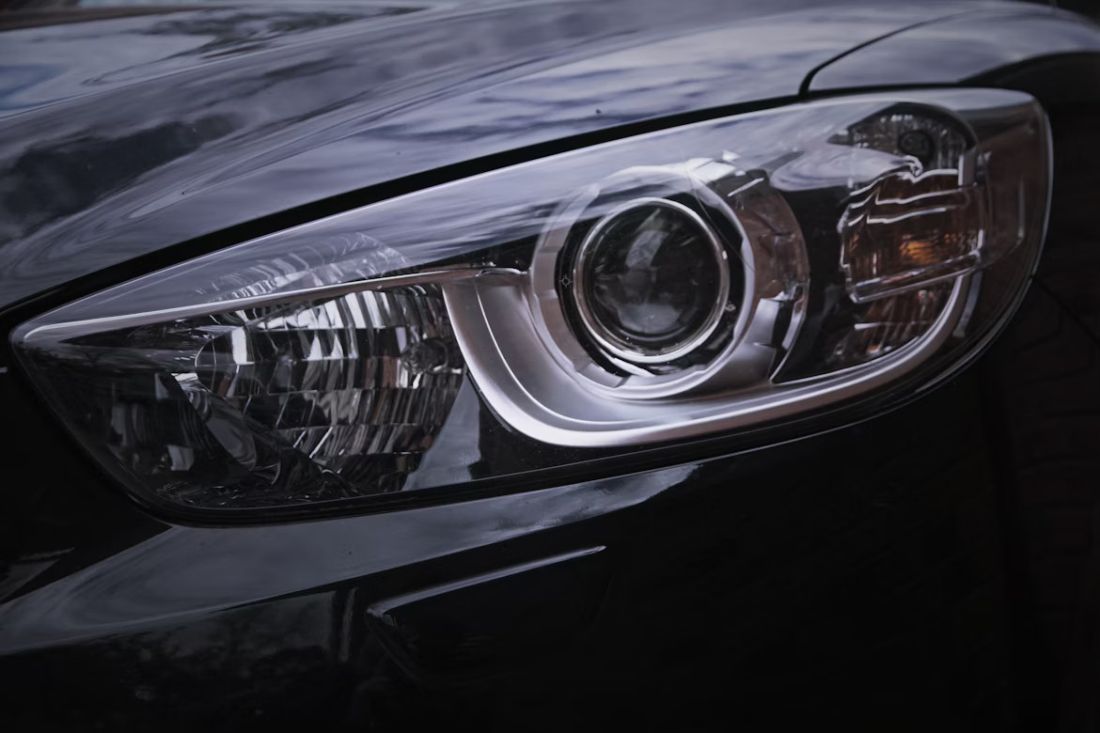
Why Do Car Headlights Get Cloudy Over Time?
You might’ve noticed that some cars have headlights that look foggy, yellow, or just dull. It’s not magic or a trick. Over time, the clear plastic “glass” (actually a kind of tough plastic) in front of the bulb changes-and not for the better. Here’s what’s going on.
What Headlights Are Made Of
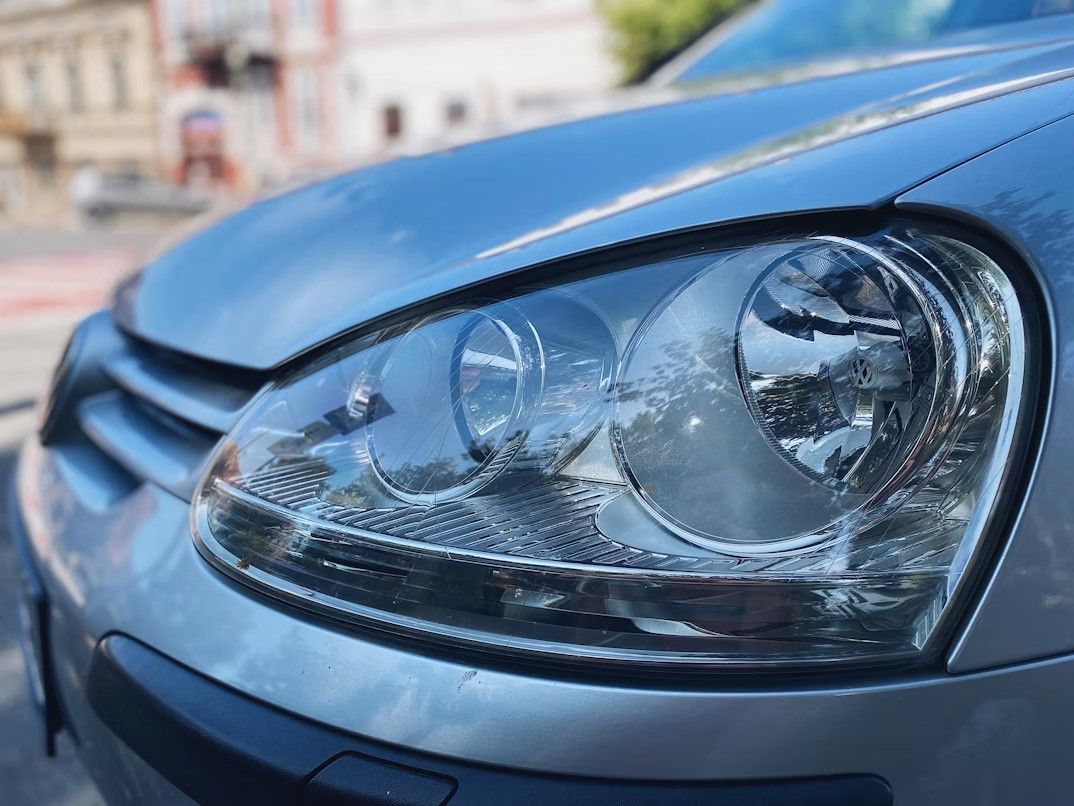
Back in the day, car headlights were often made of glass. But glass is fragile and can crack, chip, or break when stones fly up off the road. Most modern cars use polycarbonate plastic (sometimes called acrylic) for the headlight lenses. That stuff is much tougher against knocks, but it has a trade-off: it doesn’t like certain stresses, especially over many years.
When new, these plastic lenses often come with a special clear coat layer, a protective film that helps resist scratches and the sun’s rays. Over time, that clear coat gets worn down, thinning, or even disappearing in places. When that happens, the bare plastic underneath starts to react with sunlight, air, and road grime. That reaction causes the lens to go hazy or cloudy.
So, in short: the plastic plus protection gets worn away, and then the plastic beneath begins to deteriorate. That’s what clouds the headlight.
What Causes That Deterioration?
Okay, so “worn away” sounds vague. Let’s break down a few main culprits that work together to make headlights look old, cloudy, or yellow.
1. Sunlight and UV Rays
One of the biggest is ultraviolet light - the same kind of rays from the sun that cause sunburn. Over time, UV rays break chemical bonds in the plastic and in the clear protective coating. That causes the plastic to oxidize (essentially “rust” in plastic form) and become chalky or foggy.
Imagine leaving a plastic toy in the sun for years. It fades, becomes brittle. In a similar way, a headlight gets “sunburned.”
2. Road Debris, Dirt & Chemicals
When your car is driving around Manchester or Stockport, bits of grit, stones, dust, salt, mud, insects, and water all smack into the headlight surface. Those little hits make tiny scratches or abrasions in the clear coat and plastic. Over time, all those micro-scratches scatter the light and make the lens appear cloudy.
In winter especially, road salt and de-icing chemicals can splash onto headlights. Those chemicals can attack the lens surface and speed up damage.
3. Moisture and Condensation Inside the Lens
Sometimes the foggy look comes inside the headlight rather than just outside. If the seal around the lens is broken or worn, water vapor can creep in. Then, when the car runs and the bulb heats up, that moisture condenses, leaving a fog or film inside.
If it’s a minor buildup, you might see fog that clears when the headlight warms up. If the seal is badly broken, moisture stays, and the problem worsens.
4. Heat from the Bulb Itself
The light bulb inside the headlight gives off heat. Over long periods, that heat stresses the plastic from the inside. That stress can gradually change the molecular structure of the plastic, making it weaker and more “etched.” That speeds up clouding. So even if you have a good outer coating, internal stress contributes to deterioration.
Why Does Cloudiness Matter?
You might be thinking: if the headlight is slightly hazy, does it really matter? Yes - a lot more than you’d guess.
When the plastic is cloudy, it scatters the light. Instead of light going straight where it needs to, it spreads out, dims, and loses focus. That means you see less distance ahead at night, in rain, fog, or in poor light.
What’s more, the scattered light can glare or shine into other drivers’ eyes. So your car is less visible, and might inadvertently blind someone.
In short: cloudy headlights are a safety risk.
Also, from a cosmetic perspective, they make the car look tired, even if the engine is in tip-top shape. If you’re selling a car (maybe through Dace Motor Company someday), clear headlights make a better impression.
How to Fix Cloudy Headlights (That Work)
Now, the good part: there are fixes. Depending on how bad the cloudiness is, you can do something yourself or bring the car in for a more serious job. Let’s walk through some options.
Simple Cleaning
If the cloudiness is mild and mostly on the surface, start with washing. Use car shampoo, a soft cloth, and water. Remove dirt, salt, grime-sometimes that alone will brighten things a bit.
Then you can try a plastic polish or headlight cleaning product. These usually have mild abrasives that scratch away the fogged layer, restoring clarity. After polishing, apply a UV protectant or a clear coat to slow future damage.
DIY Restoration Kits (Home Job)
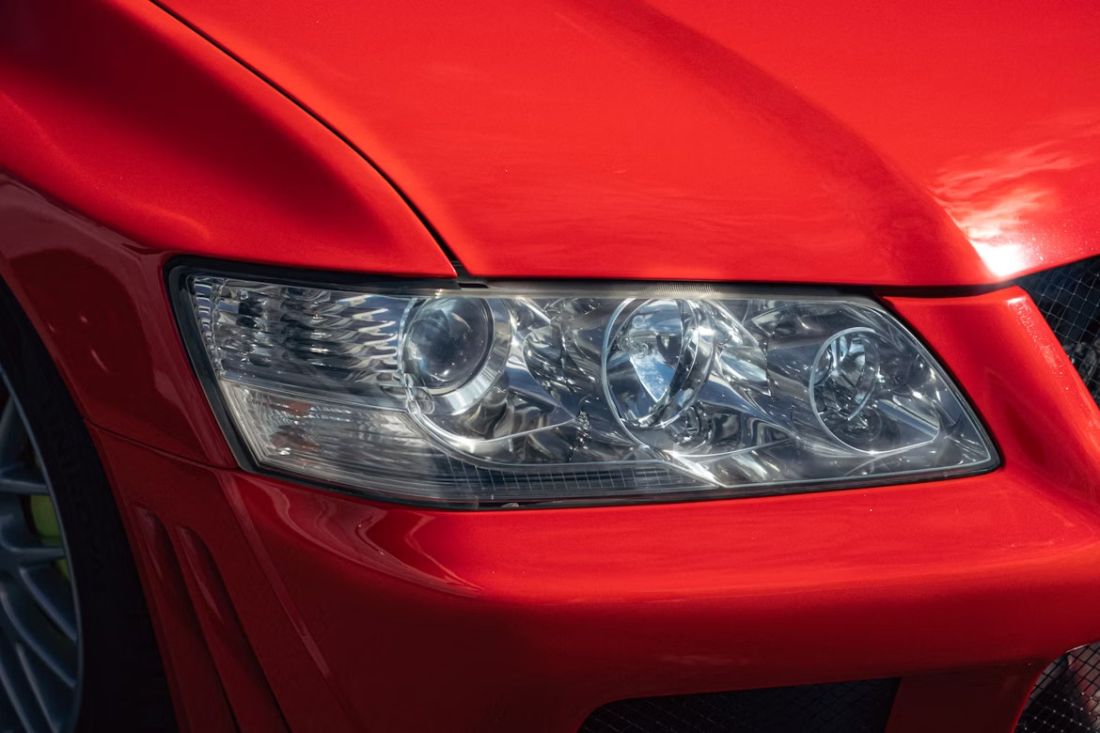
There are kits you can buy that include sandpapers (various grades), polish, UV sealants, and instructions. The idea is:
- Wet sand with coarse grit first (e.g. 1000 grit)
- Move to finer grits progressively (1500, 2000, 3000)
- Polish to smooth out the surface
- Apply a UV-resistant sealant to protect what you’ve restored
You’ll need patience, a steady hand, masking tape (to protect paint around the headlight), water, and some elbow grease. Done well, it can make a dramatic improvement.
When Replacement Is Needed
In some cases, damage is so severe that restoration won’t give good results. Deep cracks, heavy crazing (lots of tiny cracks), or plastic that’s warped can mean a replacement lens or full headlamp unit is the only solid option.
It’s smarter to prevent or delay cloudiness than to repair it. Here are things you can do:
- Park in shade or under cover when possible (less sun exposure)
- Wash the headlights gently when you clean the car
- Avoid harsh chemicals or abrasive cleaners on the headlight lens
- Use a UV protectant spray or wax made for headlights occasionally
- Inspect for cracks or chips early and repair them (small damage can grow)
- Make sure headlight seals and gaskets stay intact - don’t let water in
- For cars in Manchester or Stockport, consider that our weather brings rain, grit, salt, which accelerate damage - so extra care in winter helps
If you catch cloudiness early, you’ll need only light polishing, not full restoration.
Here’s a Realistic Example
Let’s say someone in Stockport has a Ford Focus from 2012. Over years, the headlights pick up scratches, the sun’s UV erodes the coating, little cracks develop, and moisture seeps in. At night, the driver notices visibility is poor. They might think, “Is the bulb weak?” But often, the bulb is just fine - it’s the lens that’s failing.
They bring it to a garage (or to us at Dace Motor Company). We check: is the fog on the outside, inside, or both? If just outside, we can sand, polish, and reseal. If inside, we open the lens, dry and clean the interior, reseal the housing. After the job, the headlight looks clear again - visibility improves. The car looks fresher too.
Because we are in Manchester and Stockport, we see often how road salt in winter, damp weather, frequent rain and grit sprinkle underpasses, grit from A roads, etc., all contribute more aggressively than in drier places. That’s just one reason it’s good to check your headlights regularly here.
A Word from Dace Motor Company
Here at Dace Motor Company, we care about your car’s safety and appearance. When people come into our Stockport or Manchester showrooms, we often see used cars with cloudy headlights. As part of our checks before putting cars on sale, we inspect headlight clarity. If they need treatment, we restore them - so you don’t buy a car that already looks old or has impaired lighting.