


The Story Behind the Audi Allroad and the Rise of Adventure Estates
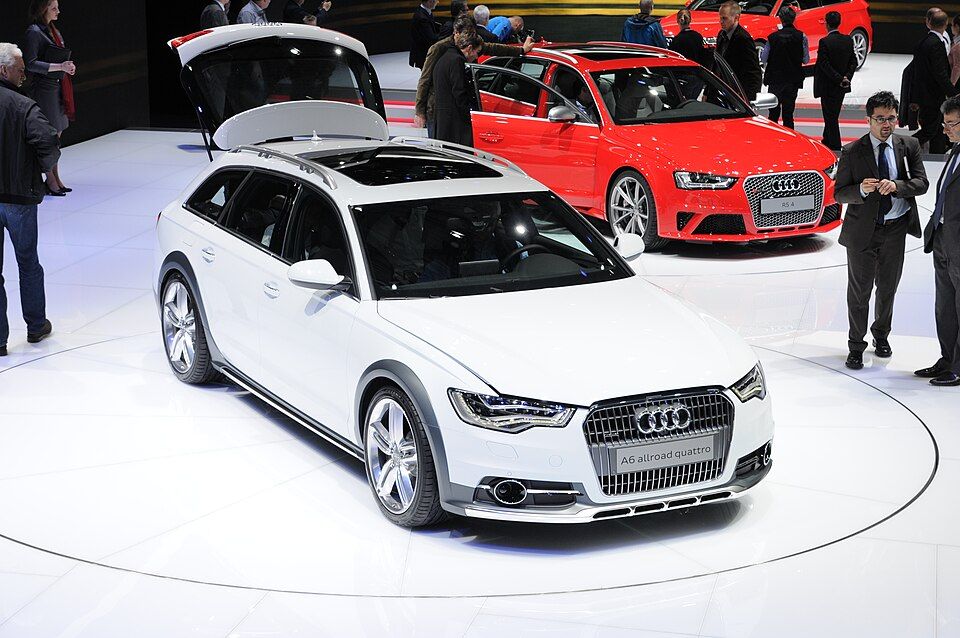
Photio: 2012 Audi A6 Allroad Quattro by Norbert Aepli, Switzerland, CC BY 3.0, via Wikimedia Commons.
Picture a wet Saturday in Greater Manchester. You’ve got shopping in the boot, muddy walking shoes by the back door, two people asking whether you’re nearly there, and a road ahead that changes from smooth dual carriageway to a narrow lane with puddles deep enough to make you slow right down. A normal estate car seems sensible. A tall sport utility vehicle seems tempting. But what if you like the way an estate drives, the long roof, the easy loading height and the quieter motorway feel? That’s the gap the Audi Allroad came to fill. It looked like an A6 estate that had spent a weekend outdoors, come home splashed with mud and decided it quite liked the look. The body sat higher. Dark trim guarded the wheel arches. Drive went to all four wheels.
The cabin still felt like a smart executive car, rather than a farm truck wearing polished shoes. That mix is why the Allroad story matters. It wasn’t built for climbing cliffs or crossing rivers. It was built for real life, where the hard bit might be a snowy hill, a loose gravel car park, a campsite track or the back road to a cottage near the Peak District. At Dace Motor Company, based around Stockport and Manchester, we see why that idea still clicks with local drivers. People want one car that can deal with the M60, the school run, a long trip north and a soggy Sunday walk without feeling huge every day. The Allroad took the familiar estate shape and gave it extra confidence. Simple idea. Big effect. And, to be honest, it arrived at just the right moment, when family cars were starting to split into two camps: low, tidy estates on one side and tall, chunky off-road-inspired models on the other. Audi put a foot in both camps and refused to apologise for it.
The idea was brewing long before Audi joined in
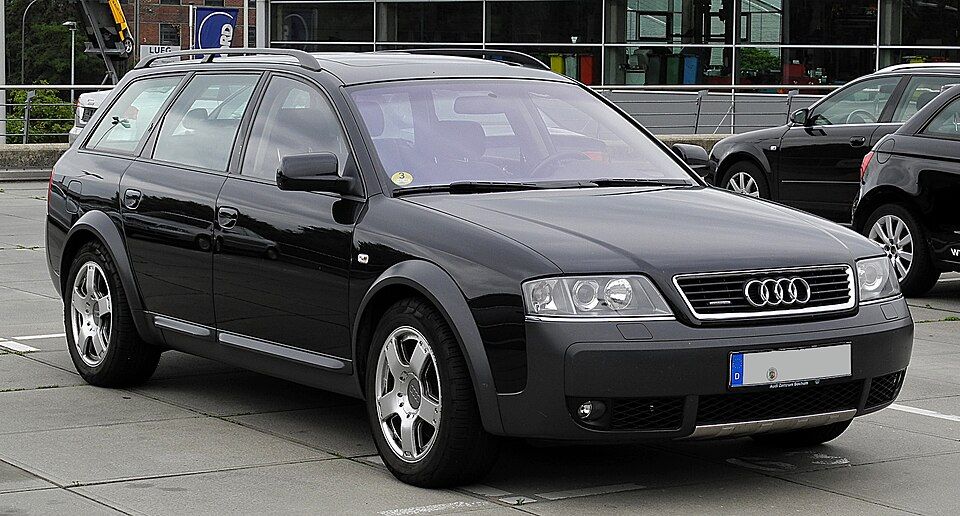
Photo: Audi allroad quattro 2.5 TDI (C5, Facelift) by M 93, CC BY-SA 3.0 DE, via Wikimedia Commons.
Audi didn’t wake up one morning and invent the raised estate from scratch. The roots go back much further. In 1979, American Motors showed the Eagle for the 1980 model year, mixing a passenger-car body with four-wheel drive and extra ride height. It came in several shapes, including an estate, and today it’s widely treated as an early ancestor of the modern crossover. The idea was smart, yet the market wasn’t quite ready to turn it into a huge trend. Then the 1990s arrived. Outdoor clothing became everyday clothing. Mountain bikes appeared on roof racks. Families wanted space, but they also liked the security and image of a vehicle that looked ready for rough weather. Subaru read that mood brilliantly. It introduced the Outback in 1995 as a tougher-looking version of the Legacy estate, with raised suspension and drive to all four wheels.
Subaru even called it a “sport utility wagon,” which sounds clunky now, but the message was easy to grasp: estate-car usefulness without the heavy, truck-like feel of many off-road vehicles of the time. Volvo followed in 1997 with the V70 Cross Country. That car kept the big square boot and calm road manners people expected from a Volvo estate, then added extra height, protective trim and four-wheel drive. Suddenly the formula had shape. Subaru made it approachable. Volvo made it feel premium and family-focused. Audi watched a new type of buyer appear, someone who liked ski trips, country lanes and outdoor kit, but also wanted a polished cabin and confident motorway manners. By the end of the decade, the raised estate wasn’t a weird side project anymore. It was a small but believable class of car. Audi’s task was to take that recipe and make it feel faster, quieter, richer and a bit more technical, while keeping the basic appeal easy to spot from across a car park. That set the stage for the first Allroad.
In 1999, Audi turned the mix into an executive car with muddy boots
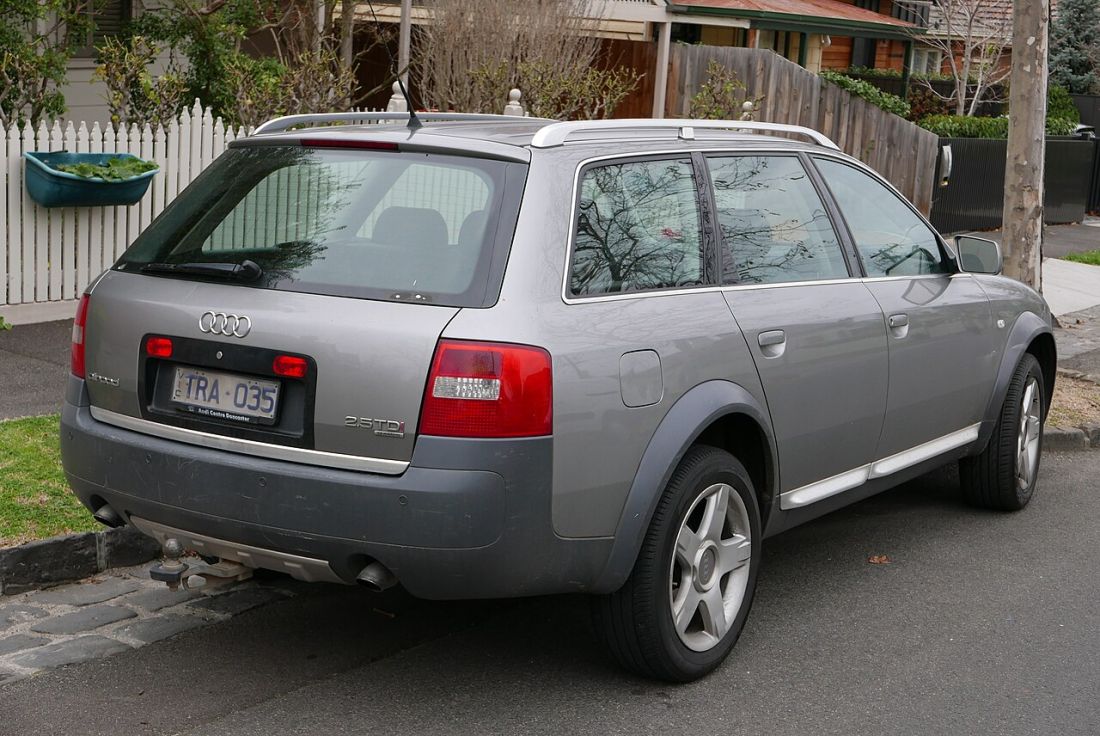
Photo: 2005 Audi Allroad 2.5 TDI Quattro Avant Station Wagon by OSX, Public domain, via Wikimedia Commons.
Audi showed its first allroad version of the A6 in 1999, with customer cars following in 2000. The base was the A6 Avant, Audi’s large estate, but the changes went far beyond a few plastic panels. Drive went to all four wheels as standard, helping the car find grip on wet, loose or snowy ground. The suspension used air rather than ordinary steel springs, so the driver could change the car’s height. On a rough track, it could rise. At speed, it could settle lower. That was the party trick, though it had a serious purpose. A tall car has extra space beneath it, which helps over ruts and bumps, but a lower car usually feels steadier and slips through the air with less fuss. The Allroad tried to do both. Its wheel-arch covers, chunkier bumpers, roof rails and metal-look guards made the message clear before anyone opened the door. Yet inside, it stayed close to the regular A6.
That mattered. Buyers weren’t being asked to swap comfort for an outdoorsy image. They could have leather seats, a quiet cabin, a large boot and long-distance ease, then turn off the main road without wincing at every stone. Early versions offered petrol and diesel engines, and some manual cars could be ordered with a low-range gearbox for slow, awkward ground. That detail shows Audi was taking the idea seriously, even though most owners were never going to tackle anything harder than a churned-up field. The first model also arrived before the phrase “premium crossover” had become normal showroom language. It looked unusual, perhaps slightly odd, but it made immediate sense once you imagined a winter motorway trip, a caravan, a horsebox, a mountain holiday or a muddy lane. It was an estate first, an off-road helper second, and a status car all the way through. Audi had found its angle.
The clever bit wasn’t the cladding, it was the adjustable height
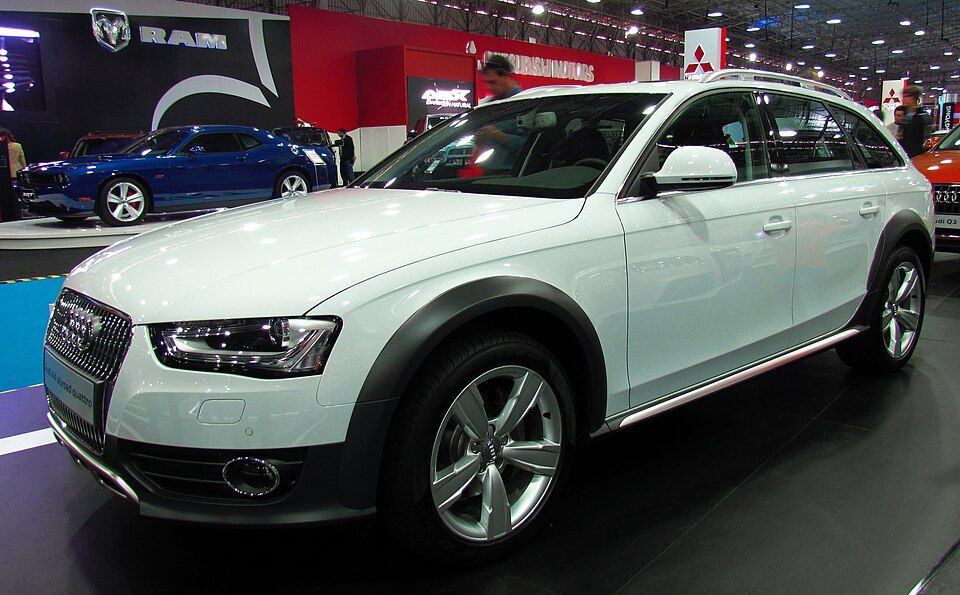
Photo: 2013 Audi A4 Allroad Quattro by RL GNZLZ from Chile, CC BY-SA 2.0, via Wikimedia Commons.
Loads of cars can look adventurous. Add dark wheel-arch trim, silver panels and roof rails, then park the thing beside a tent for the brochure photo. Job done, at least visually. The Allroad’s air suspension gave the idea real substance. Think of it like a pair of adjustable walking boots for the whole car. On a smoother road, you don’t need loads of clearance beneath you. You want stability, calm steering and a settled ride. On a broken lane, deep snow or gravel, a little extra height can stop the underside scraping and give the wheels room to move. The Allroad could alter its stance to suit those different jobs. That was rare and memorable around the turn of the century. It also let Audi avoid one of the main drawbacks of a permanently raised estate: if you lift a car and leave it there, it may lean more in bends and feel less tidy at speed. Lowering it for quicker roads helped bring back the composed feel buyers expected from an A6. There was another benefit.
Air suspension could help keep the body level when the boot was loaded, which is handy if you’ve got suitcases, camping gear or a trailer attached. Of course, clever equipment brings extra parts, and extra parts need care as a car ages. Air springs, sensors, pumps and pipework don’t last forever. That doesn’t make the system a bad idea. It means a used buyer should check it properly, just as they’d test an electric roof or climate control. Watch the car rise and lower. Make sure it sits evenly after being parked. Listen for a pump running far longer than expected. Look for warning messages. The system is central to what makes an A6 Allroad feel special, so it deserves attention. When it works as intended, the change is almost funny in its simplicity. Press a control, wait a moment, and the smart motorway estate gives itself a little more room for the messy bit ahead.
The name grew up, spread out and kept changing with the A6
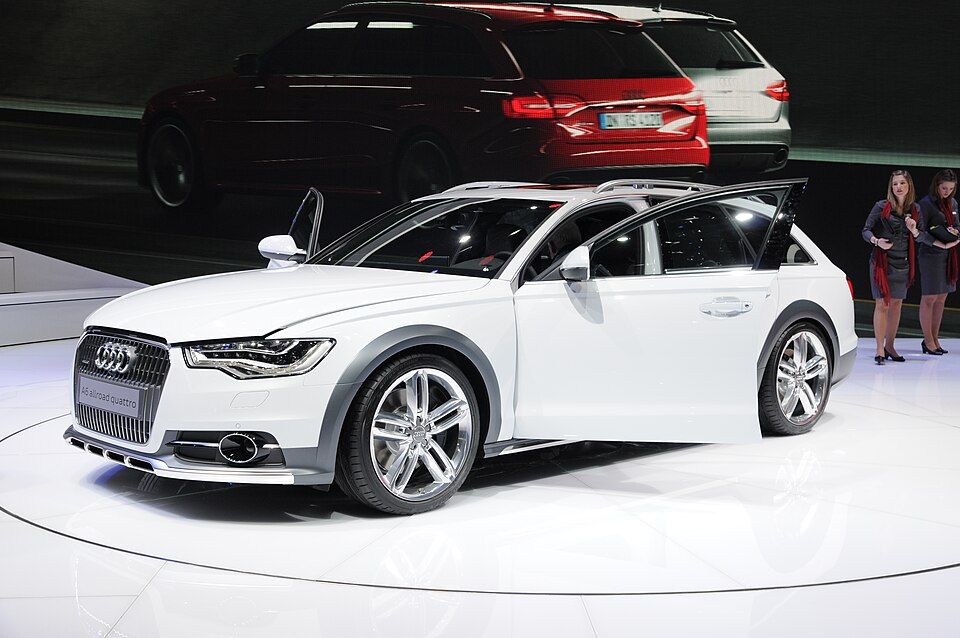
Photio: 2012 Audi A6 Allroad Quattro by Norbert Aepli, Switzerland, CC BY 3.0, via Wikimedia Commons.
The first A6 allroad ran from 2000 to 2005 in Audi’s British model archive. A second generation arrived in 2006, using the newer A6 as its base and keeping the same core recipe: estate body, extra ground clearance, drive to all four wheels and adjustable air suspension. The third generation followed in 2012. By then, buyers knew what an Allroad was. The shape no longer needed explaining. It had become a familiar alternative to a large sport utility vehicle, especially for drivers who cared about long-distance comfort and a lower, more car-like seating position. The fourth generation appeared in 2019, twenty years after the first version was shown. Audi marked the anniversary with details inspired by the original model’s colours, while the engineering moved on with newer driver aids, a digital cabin and engines helped by a small electrical system.
The family had also gained a smaller member. Audi launched the A4 allroad in 2009, giving the same raised-estate idea to buyers who didn’t need the size or cost of the A6. Other brands joined the party too. Skoda introduced the Octavia Scout in 2007. Volvo kept developing its Cross Country cars. Mercedes later offered an All-Terrain estate. Volkswagen used the Alltrack name. For a while, it felt as though every estate range might get hiking shoes. Then tall sport utility vehicles took a much bigger share of the market, and several adventure estates disappeared from British price lists. Audi, though, has kept returning to the concept. On 16 June 2026, it revealed the fifth-generation A6 allroad. The new model sits higher than the latest A6 Avant, has a wider body, standard air suspension with extra off-road settings, drive to all four wheels and rear wheels that can turn slightly to help at low and high speeds. There’s also a plug-in hybrid version for the first time. Different era, same basic promise: one smart estate that’s ready for roads that stop being neat.
Why adventure estates caught on, even as taller cars filled the streets
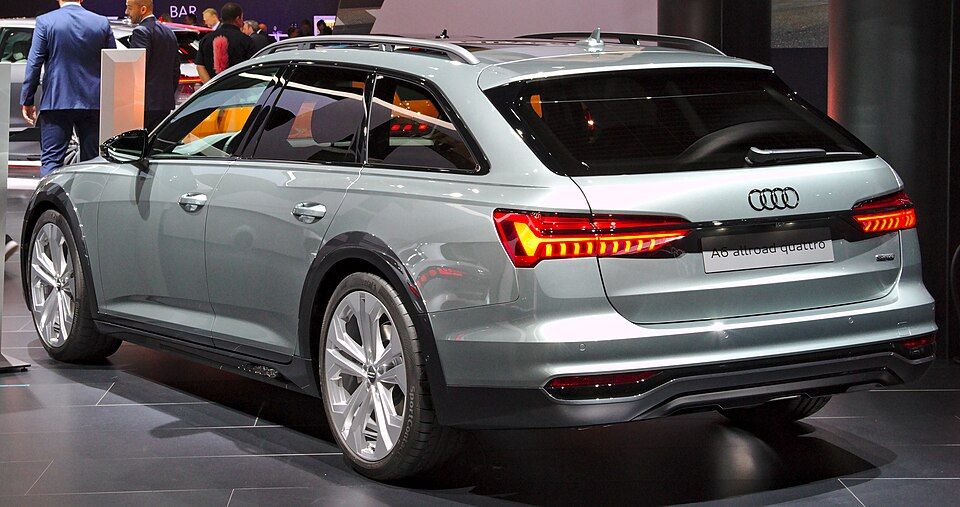
Photo: 2019 Audi A6 Allroad Quattro C8 by Alexander Migl, CC BY-SA 4.0, via Wikimedia Commons.
The appeal comes down to compromise, but “compromise” can sound like everyone loses. Here, the better phrase might be a useful middle ground. An estate gives you a long boot, a low loading lip and a roofline that carries bulky stuff without making the whole car stand tall. That can mean easier loading for dogs, pushchairs, flat-pack furniture and the mysterious collection of bags every family seems to gather before a holiday. A raised estate adds a little extra clearance, tougher-looking outer trim and, in many cases, drive to all four wheels. You sit a touch higher, but you don’t feel perched above the road. The body can still feel settled through bends. Motorway wind noise may be lower than in a boxier car. Fuel use may also be kinder than in a larger, heavier alternative with a similar engine, though the exact result depends on the model, tyres and driving.
For drivers around Manchester and Stockport, that balance makes sense. Most days are normal. Traffic lights, ring roads, packed car parks, rain on the school run. Then the weekend arrives and the car might be heading past Glossop, over a high road, out to a campsite or along a lane with crumbling edges and water sitting in the dips. You don’t need a serious off-road machine for that. You need decent tyres, sensible clearance and traction that doesn’t panic when one end of the road gets slippery. There’s an image side too, let’s face it. Adventure estates look purposeful without shouting. They suggest muddy boots and roof boxes, but they still fit outside an office or restaurant without looking like they’re about to tow a fallen tree. Subaru’s Outback made the idea friendly and practical. Volvo’s Cross Country cars gave it a calm Scandinavian feel. Audi added sharp design, a plush cabin and high-speed polish. The category grew because each brand sold the same basic freedom in a different accent.
What to check before buying a used Audi Allroad
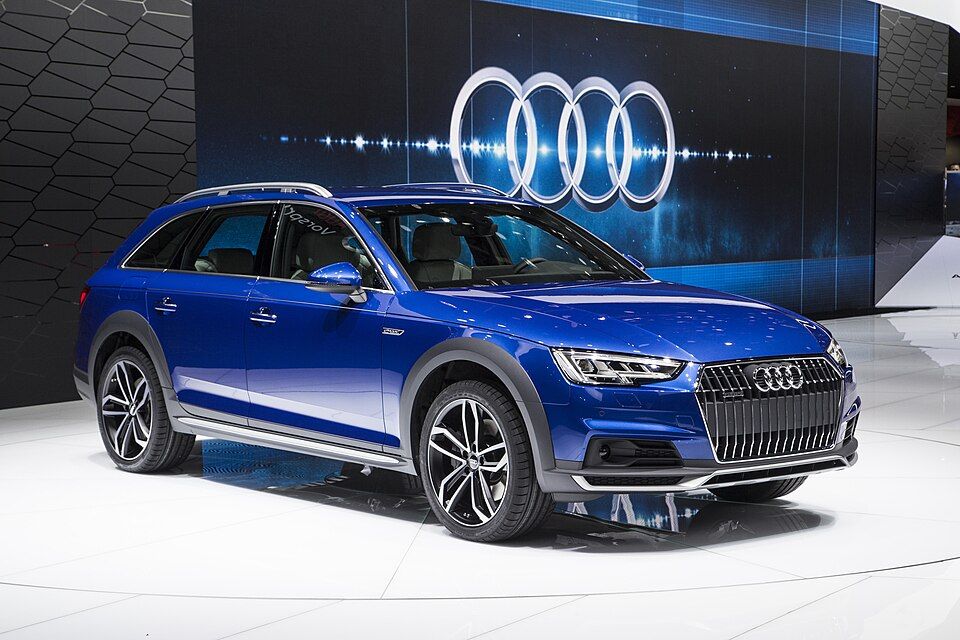
Photo: 2016 Audi A4 Allroad by AUDI AG from Ingolstadt, Deutschland, CC BY-SA 2.0, via Wikimedia Commons.
A used Allroad can be a brilliant all-round family car, but it’s still a large, fairly advanced Audi, so buy the condition and history rather than getting carried away by a shiny set of wheels. Start with the suspension. Ask the seller to show every height setting from cold, not after the car has been prepared out of sight. The body should rise and settle without leaning to one corner. Leave it parked while you inspect the rest of the car, then check the stance again. A corner that sinks can point to a leak, while a pump that runs for ages may be working too hard. Next, look at the tyres. Drive to all four wheels works best when the tyres match closely in brand, size, tread depth and wear. Four random budget tyres can tell you a bit about how the previous owner spent money on the car. Check the inner edges too, as wide estates can hide uneven wear from a quick glance.
Then study the service record. You want clear dates, mileages and invoices, with evidence that the correct fluids, filters and scheduled jobs were done. Test every electric item. Screens, heated seats, parking sensors, tailgate, climate control, mirrors and lights can each turn a cheap-looking car into a bill if several faults stack up. Look beneath the bumpers and side trim for damage from kerbs or tracks. Check the boot floor for damp, especially around storage wells. If there’s a tow bar, ask what the car pulled and how frequently. On the test drive, listen from cold, let the gearbox shift gently and firmly, try full steering lock in a quiet area, and make sure no warning light has been cleared just before your visit. A soft credit search can help you explore finance without leaving a hard mark, but the car itself still needs the same calm checks. No rush. No guesswork. A good Allroad should feel composed, level and cared for, even before you reach a rough road.
Why the format still fits Manchester and Stockport so well
There’s a funny local link here. Around Stockport, “the A6” can mean the Audi in front of you or the busy road running through the area. One is a car. One is a route. Both can involve queues. That aside, Greater Manchester suits the adventure-estate idea because life here changes character within a short drive. You can leave a tight urban street, join a fast main road, pass rows of shops and be looking at open hills before the snacks in the door pocket have run out. Weather changes quickly. Roads can be smooth, patched, flooded at the edge or dusted with snow higher up. Yet most owners still spend far more time on tarmac than mud. A huge off-road vehicle may feel unnecessary, while a low estate may make you nervous on a deeply rutted access road. The Allroad sits neatly between them. It also carries the sort of kit local life creates: football bags, pushchairs, dog towels, shopping, bikes, garden-centre finds and luggage for the airport. You know how it is, the boot starts empty and somehow becomes a cupboard on wheels by Friday. The long estate shape handles that without turning every parking space into a geometry test. At Dace Motor Company, we’d always tell a buyer to think about the roads they really use, rather than the mountain scene in an advert. If ninety-nine trips are on normal roads and one ends at a muddy field, an adventure estate may be a smarter fit than a hardcore off-roader. It gives you help where it counts, without asking you to live with a tall, bulky body every morning. That’s also why the best examples feel so easy to keep. They don’t demand an adventurous lifestyle. They simply leave the door open for one. School on Monday, Snake Pass on Saturday, garden waste on Sunday. Same car.
The estate that stayed interesting by refusing to become a truck
The Audi Allroad has lasted because its main idea is still easy to explain at the kitchen table. Take a roomy estate. Give it extra grip. Raise it enough to cope with rougher ground. Protect the lower body. Keep the cabin quiet and comfortable. Don’t turn it into a truck. That last part matters. Plenty of drivers like the look and confidence of a tall vehicle, but they don’t want a high step into the cabin, a bulky shape or the sense that they’re driving something larger than their daily life needs. The Allroad offers another answer. It can carry people and luggage like a normal estate, cruise for hours and still look at home with mud on the doors. Through five generations, Audi has changed the screens, engines, lights, suspension settings and safety kit, yet the silhouette tells the same story. Long roof. Strong stance. A little extra space beneath the body. The newer 2026 model shows Audi still believes there’s room for that idea, even after years in which tall sport utility vehicles dominated family-car sales. It arrives with the same central features that made the first model memorable, including adjustable air suspension and drive to all four wheels, while adding a plug-in hybrid choice and steering assistance from the rear wheels. That feels fitting. The Allroad has always borrowed useful ideas from different kinds of car, then blended them without making a fuss about labels. Is it an estate? Yes. Is it ready for rough weather and loose ground? Also yes. Is it a true off-road machine? No, and it doesn’t need to be. Its real skill is making ordinary trips easy while keeping less ordinary trips possible. That’s why adventure estates still have loyal fans. They’re sensible, but not dull. Practical, but not boxy. Ready for a wet Tuesday in Stockport and a clear Sunday beyond the city. You can’t ask much fairer than that.