


Why Did So Many Car Brands Disappear in the 2000s?
You’ve probably driven past one of our showrooms in Stockport or Manchester, seen a badge you recognise, and maybe felt a bit nostalgic. But what about those badges you don’t see anymore? Brands like Saab, Pontiac or Rover used to be around-and then they vanished (or nearly did). Why did that happen? We’re going to chat that through in a relaxed, easy-to-understand way. Let’s grab a cuppa, settle in, and talk cars.
What “disappeared” means
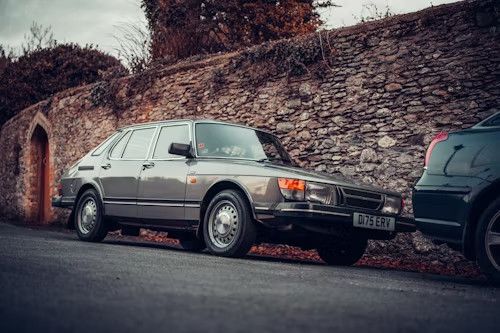
First off: when I say a brand disappeared, I don’t mean someone stole all the cars or crushed every one. It means the company behind the brand either shut down, got absorbed into another, or stopped making new cars under that name. You’ll still spot old models on the road. But no new ones. In the 2000s, the car world changed a lot. Some brands couldn’t keep up. We’re going to look at a few big names and then pull together the common reasons why.
Saab (Sweden)
Let’s start with Saab. It was quirky, cool, with a lot of loyal fans. Saab started out after World War II in Sweden, originally making jets and then cars. They had a reputation for clever engineering and different design-stuff that stood out. Then things got rough. It turns out Saab struggled with being small in a big business world. According to one article: “Experts criticised a failure to adapt as one reason for Saab’s demise.”
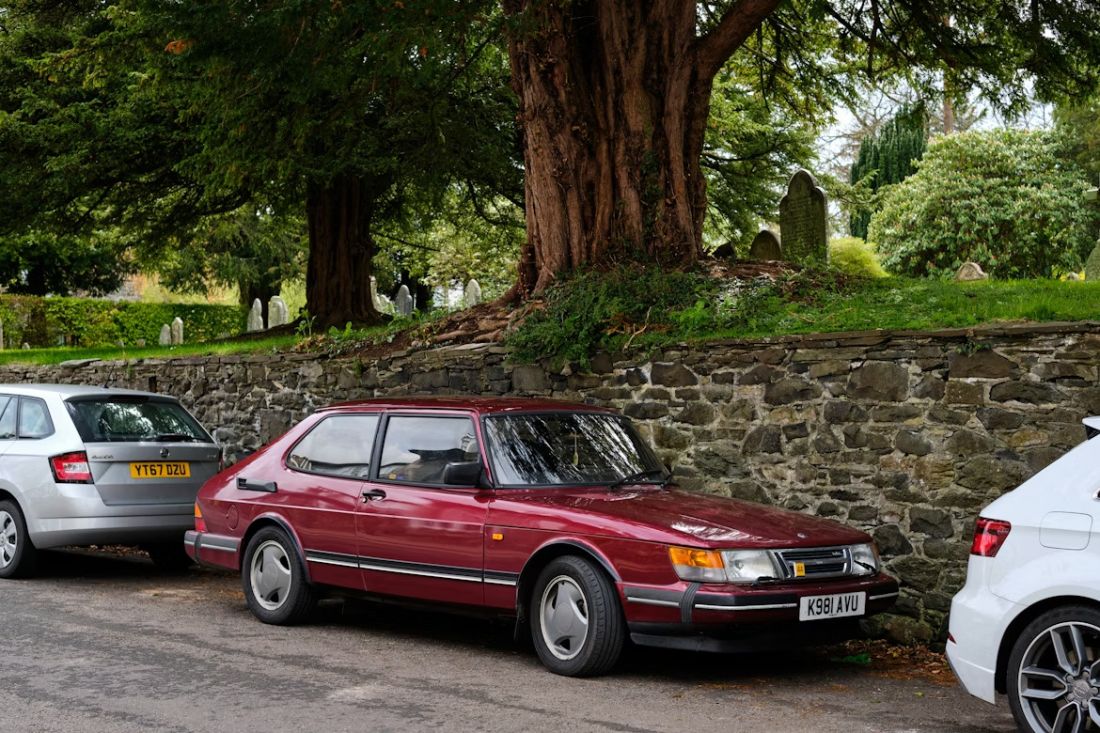
Here’s what went wrong for Saab:
- They were bought by a much bigger company (General Motors) in 2000.
- They didn’t sell enough cars globally. One veteran (Bob Lutz) said: “There were only 100,000 people in the whole freakin’ world that wanted one.”
- Money and technology problems: Saab needed cash to develop new models. They attempted deals with Chinese companies, but those fell through.
- In the end, they went bankrupt in 2011.
So when you see a Saab on the road around Manchester or Stockport, remember: it’s one of the few left. No new ones.
Pontiac (USA)
This one’s across the pond, but it still shows some big themes. Pontiac was part of GM’s group of car brands. In the 2000s an economic crash hit-a big one-and car makers were under pressure.
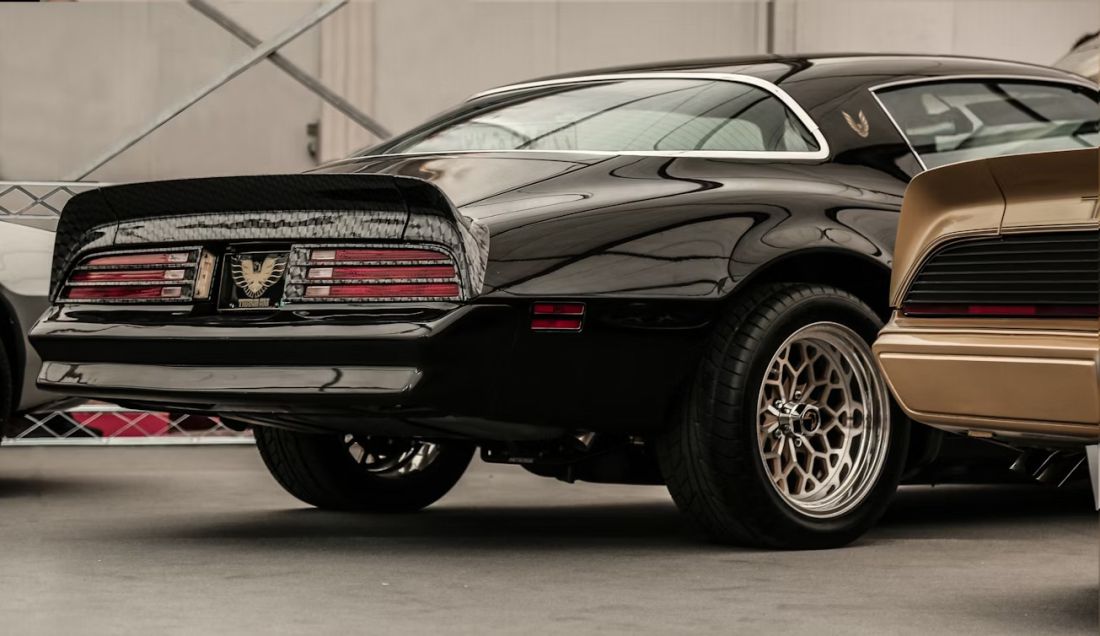
For Pontiac:
- GM had to restructure.
- They decided to drop Pontiac in 2009-10. The last one rolled off early 2010.
- The brand just wasn’t making enough profit and wasn’t a focus anymore.
Even though Pontiac had some good models (yes, we’re car nerds here), it didn’t survive the big shake-up.
Rover / MG (UK)
And here in Britain, the Rover / MG story is big. If you’ve visited our dealerships in Stockport, you’ll almost certainly seen a few of the old Rover cars still going.
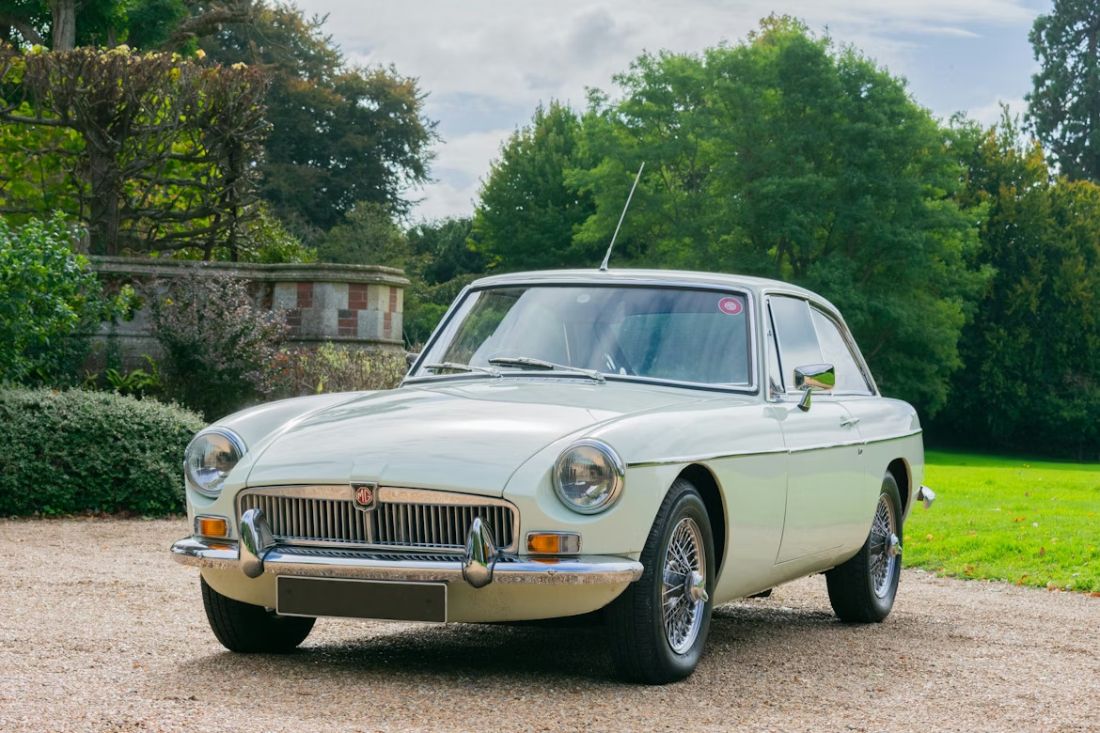
Here’s a rough version of how that collapsed:
- Rover was owned by various companies over many years. One big problem was it wasn’t making enough new cars that customers wanted.
- When BMW owned Rover, many insiders say BMW underestimated how much work it would be.
- Later, in 2005, MG Rover Group (which had Rover/MG branding) went into administration (i.e., major collapse) with huge debts.
- One line: “Although apparently having the scale … the company was unable to attain the combination of sales volumes and prices necessary to generate the cash essential for model renewal and factory re-equipment.”
So yes, even long-standing British brands couldn’t stick it out.
What Were the Main Reasons?
Ok, so we’ve gone through some examples. Here are the big reasons many brands disappeared, in plain English:
1. Too many brands / too much competition
In past decades, car groups often had a lot of brands. But when time got tough (like the global crash in 2008), companies would say: “We’ll keep the big strong ones, drop the weaker ones.” That happened with GM and Pontiac. Sale numbers matter.
2. Not enough fresh models or weak identity
If a brand isn’t seen as special, or it hasn’t got attractive new models, people’ll forget it. Rover and Saab both suffered from this. Customers want something appealing.
And when you’re in the Stockport-Manchester area, you’ll see people leaning toward cars that feel reliable, modern, good value.
3. Globalisation + high costs
Making cars nowadays costs a fortune. Design, production, compliance (meeting safety & emissions rules). Small brands find it harder to spread those costs.
When a brand needs big sums to update its line-up, if the sales aren’t there, it’s a big risk.
4. Ownership & management issues
When a brand is part of a big group, sometimes decisions get made far away from the factory floor. In Rover’s case folks argue BMW didn’t manage things well. In Saab’s case, the owners couldn’t make the funding work.
People often misjudge how hard it is to keep a brand alive.
5. Economic shocks
The 2008 economic crash hit car sales hard. When fewer people buy new cars, the weak brands are the first to go. Pontiac’s end coincided with GM’s restructuring. Saab’s troubles got worse during the crash.
When you run a used-car business (hello from Dace!), you’ll notice how new car markets shape what comes into the used market a few years later.
6. Technology & regulation changes
As emissions standards, safety standards, environmental policies became tighter, the cost of keeping up rose. A brand that can’t afford or justify the investment might decide it’s better to stop.
And brands that can’t clearly identify what makes them different struggle to stand out.
Why It Matters for You (and for used car buyers in Stockport / Manchester)
If you’re shopping for a used car (and at Dace Motor Company we help with exactly that) these brand-collapses mean a few things:
- Cars from brands that disappeared may be rarer. That can be cool (you’ll stand out) or tricky (parts may be harder to find).
- If a brand collapsed, there’s risk of fewer resources for servicing/distribution. When we sell cars we check all the usual things-especially if the badge has a tricky history.
- It means value can behave differently: some collapsed-brand cars might hold value (because they become collector items), others might fall away.
- For a buyer around Manchester or Stockport, you’ll want a dealer (yes, like us at Dace) who knows the history and can reassure you about the car’s condition, warranty, and parts availability.
Why Dace Motor Company is Relevant
We’ve been operating in Stockport and the Greater Manchester area for over 25 years. We’ve seen all kinds of brands come and go. We stock a wide variety of used cars (Alfa Romeo, Audi, BMW, Citroën, Cupra, Fiat, Ford, Honda, Hyundai, Jaguar, Kia, Land Rover, Lexus, Mazda, Mercedes-Benz, MG, MINI, Mitsubishi, Nissan, Peugeot, Renault, Seat, Skoda, Suzuki, Toyota, Vauxhall, Volkswagen, Volvo). So when it comes to buying a car whose brand survived-or one whose brand didn’t but the model still makes good sense-you’ve got someone in your corner. We do daily price-checks, full HPI scans, our own in-house warranty. So you’re not walking into the unknown. All this means when you look at a used car and wonder “Is this a sensible buy?”, we aim to give you the answer.
A Bit More on the Timeline
Here’s how some of the key events lined up:
- Late 1990s–early 2000s: Lots of brands under big car groups. Global competition rising.
- 2008–2009: Economic crash. Big shock for car sales. Car makers under pressure.
- 2009–2010: Some car groups decide to drop brands (Pontiac, etc).
- Around that time: Smaller, less financially secure brands struggle (Saab, Rover/MG). Some attempt rescue deals, but many don’t materialise.
- Post-2010: The surviving brands tend to be larger, better resourced. For used-car buyers, many of the orphan branches remain (maintenance, parts) but not always as easy as with a big brand.
- Now: Used-cars market in places like Stockport/Manchester is interesting because you’ll see cars from brands that didn’t survive-making them a bit rarer, sometimes more fun, but you need to do your homework.
What to Watch Out For If You Spot a Car from a Disappeared Brand
We’ll give you some “tips from the showroom floor” level advice:
- Check parts supply: Even if the brand is gone, the specific model may still have good parts support-especially if many were made, or the platform was shared with other brands.
- Check service history: With older cars from brands no longer around, quality of past servicing matters even more.
- Check resale value: Some collapsed-brand cars might drop more in value (since fewer buyers trust them). Others might retain or become niche-collectors items.
- Warranty & backup: At Dace Motor Company we provide in-house warranty cover to give you peace of mind, even when the brand is not active anymore.
- Insurance & support: Occasionally insurance or servicing costs might differ if a brand is no longer supported-but many independent garages and specialists keep going.
- Shared components: Some brands which collapsed had models based on more mainstream car platforms. In those cases, many parts may be available because the “under-skin” car shares with a surviving brand.
What does the story of brands disappearing teach us?
Car making is a tough business. Even big names can struggle if they don’t keep up. If you’re a buyer in 2025 looking at used cars (and as a dealer we see this all the time), it’s good to remember: brand longevity can matter-but what the car has underneath, how it’s been looked after, and what support you have matter just as much. For our area-Stockport, Manchester-we're lucky to have a broad used-car market, lots of choice, strong support networks. So whether you’re picking up a car from a brand still very much alive, or one from a brand that faded away-if you do your homework, you can still get a great deal.