


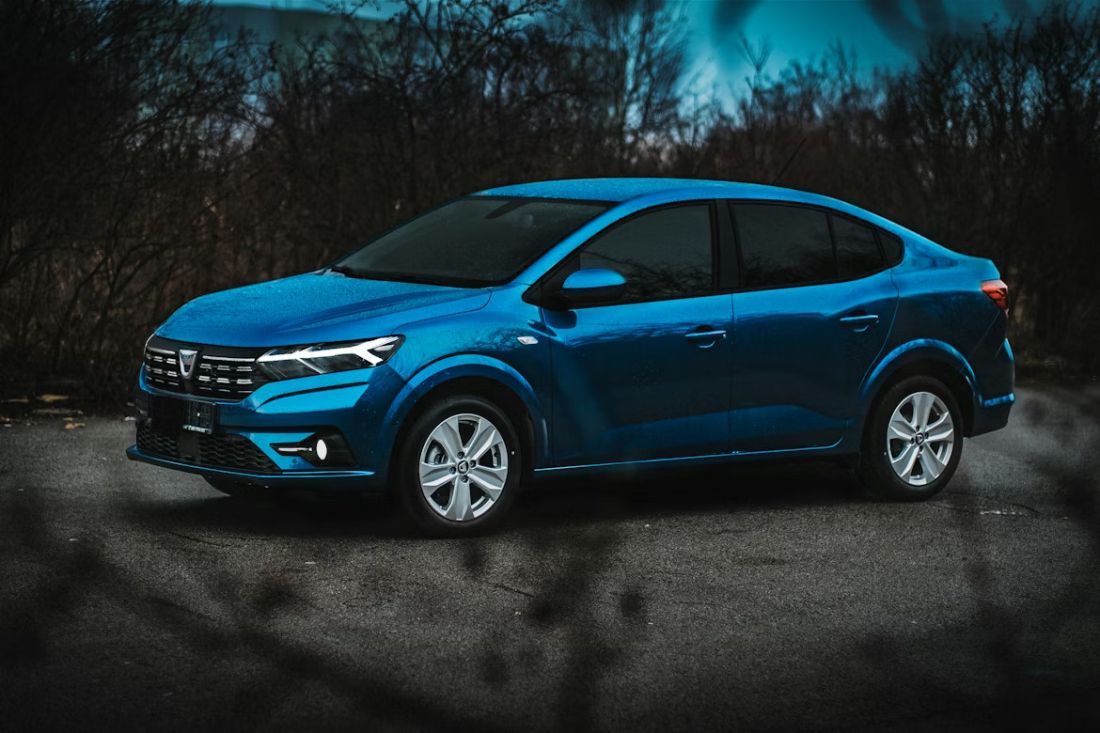
Why Dacia Embraced Simplicity Instead of Competing on Luxury
Dacia’s whole “thing” is pretty different from what most car brands try to do. While loads of makers are busy cramming cars with fancy screens, complicated menus, mood lighting, and seats that basically try to hug you back, Dacia went the other way. They leaned into simple cars that do the job, cost less, and feel honest about what you’re paying for. And here’s the wild bit: that choice didn’t hold them back. It helped them win. Big time. In 2024, the Dacia Sandero ended up as Europe’s best-selling car overall, with JATO Dynamics reporting 268,101 registrations across Europe (including the UK). That’s not some niche win. That’s a proper “everyone’s buying this” moment.
From where we’re sitting at Dace Motor Company, that makes a lot of sense. Around Manchester and Stockport, people love a car that starts every morning, doesn’t drain your bank account, and doesn’t feel like it needs a computer science degree to change a setting. You know how it is… you just want to get to work, get the kids to school, swing past the Trafford Centre or the Asda, and get back home without drama. Dacia’s success is basically built on that everyday reality. They didn’t try to out-luxury the luxury brands. They didn’t try to be “exclusive.” They went for “good enough, for real life,” and they got really good at it. The strategy also wasn’t an accident. Dacia is part of Renault Group, and Renault bought Dacia back in 1999, then used it as the place to build a modern, affordable car line that could sell across a lot of countries.
Back to the start: a budget car that wasn’t meant to be a joke
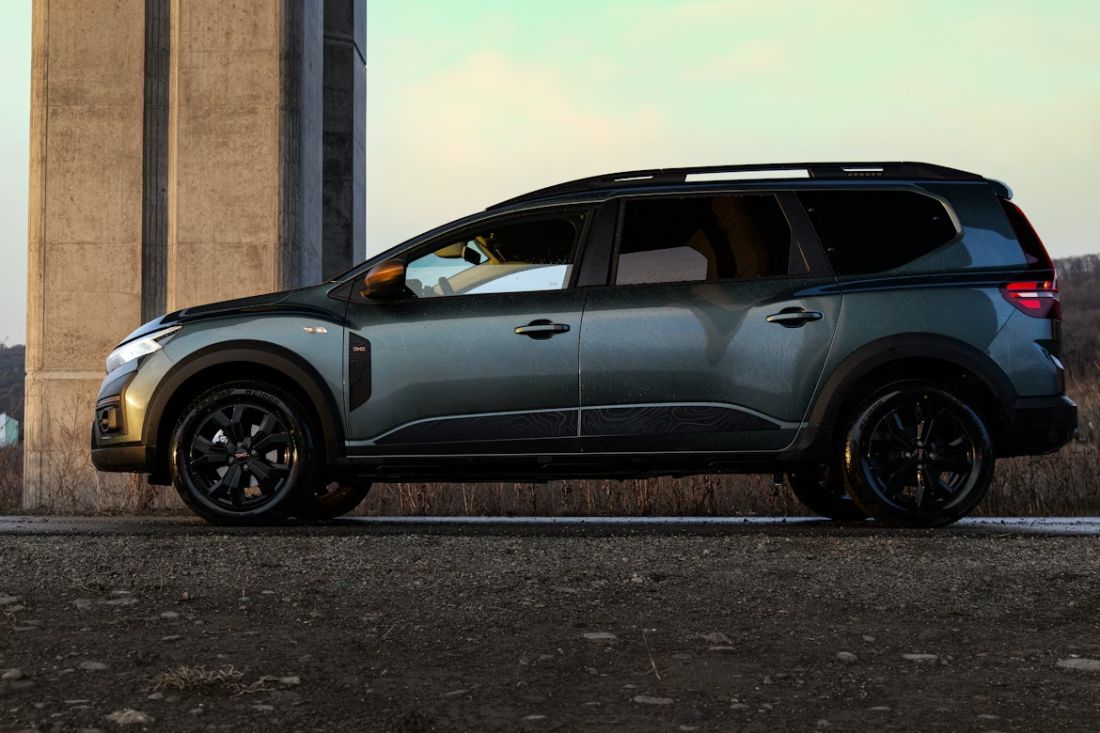
To get why Dacia chose simplicity, you’ve got to rewind a bit. After Renault bought Dacia in 1999, the big goal was to create a modern car that could be sold at a price loads more people could actually afford. The model that really kicked this “new Dacia” story into motion was the Logan, which started production and sales in the mid-2000s. Renault Group itself points to the Logan’s wider European rollout as the moment Dacia’s modern success really took off. The Logan wasn’t built to compete with premium brands. It was built to be practical, durable, and affordable, with costs kept under control from the start. Even the industry coverage at the time talked about the Logan as Renault’s “world car,” with a tight development budget compared with what big manufacturers usually spend.
And that early decision shaped everything that came after. Dacia didn’t wake up one day and decide, “Let’s be basic.” They set up the whole operation so basic was the point. When the Sandero arrived in Europe in 2008, it followed the same approach: make a roomy, sensible hatchback without loading it up with pricey extras. Then the Duster turned up in 2010 and basically proved Dacia could sell the kind of taller, tougher-looking family car people wanted, without pushing the price into “no chance” territory. Early coverage around its launch leaned hard on the starting price in Europe, because that was the headline: an SUV-style car for money that normally wouldn’t get you close.
Here’s the bit that matters: Dacia didn’t try to pretend it was something it wasn’t. It wasn’t chasing velvet ropes and champagne vibes. It was chasing school runs, supermarket trips, motorway miles, and Manchester rain. That honesty built trust. And once people trust you, they come back. They tell their mates. They buy another one.
Simplicity wasn’t “cheap,” it was a proper plan
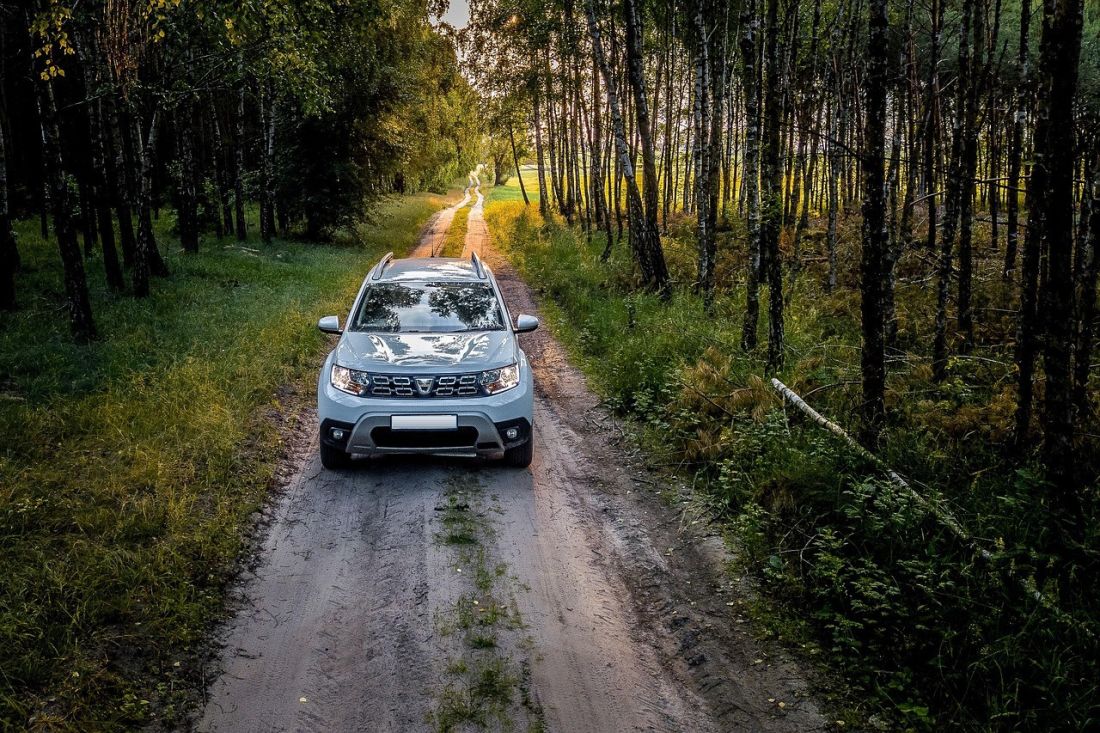
People sometimes mix up “simple” with “lazy.” Dacia’s simplicity is more like a tight plan where every choice has a reason. Renault Group has explained this in pretty blunt business language: Dacia keeps costs down by reusing what works, using shared platforms, and carrying over parts between models. In a 2024 Renault Group release about Dacia’s business model, they talked about the brand leaning on the CMF-B platform across the group, with big scale benefits, and they even put numbers on how much gets reused between vehicles (they mention carry-over rates from 40% up to 80%). That’s not glamorous, but it’s smart. If you reuse proven parts and designs, you save money on development, you simplify servicing, and you reduce the chances of brand-new weird problems showing up.
And that’s where the “luxury vs simplicity” choice gets real. Luxury cars love having brand-new features every five minutes because it helps them stand out. But new features can mean new faults, more expensive repairs, and higher prices for buyers. Dacia took a different view: keep the car straightforward, keep it reliable, and spend money where it actually helps most drivers. You’ll still get the basics people want, like modern safety and usable tech, but you’re less likely to get buried under layers of stuff you didn’t ask for. Dacia’s own brand messaging has leaned into “essential” and “no-nonsense” customers-basically people who can afford more, but don’t want to waste money just to show off.
If you live around Stockport or Manchester, you’ve seen this kind of thinking everywhere. It’s the same vibe as getting a decent brew and a good sandwich instead of paying extra for something fancy that still leaves you hungry. It’s choosing function over flash. And let’s face it, when you’re watching prices go up everywhere, a car that keeps things sensible starts looking like the grown-up choice, even if you’re not trying to be “grown-up” about it.
The “Top Gear joke” that accidentally helped Dacia
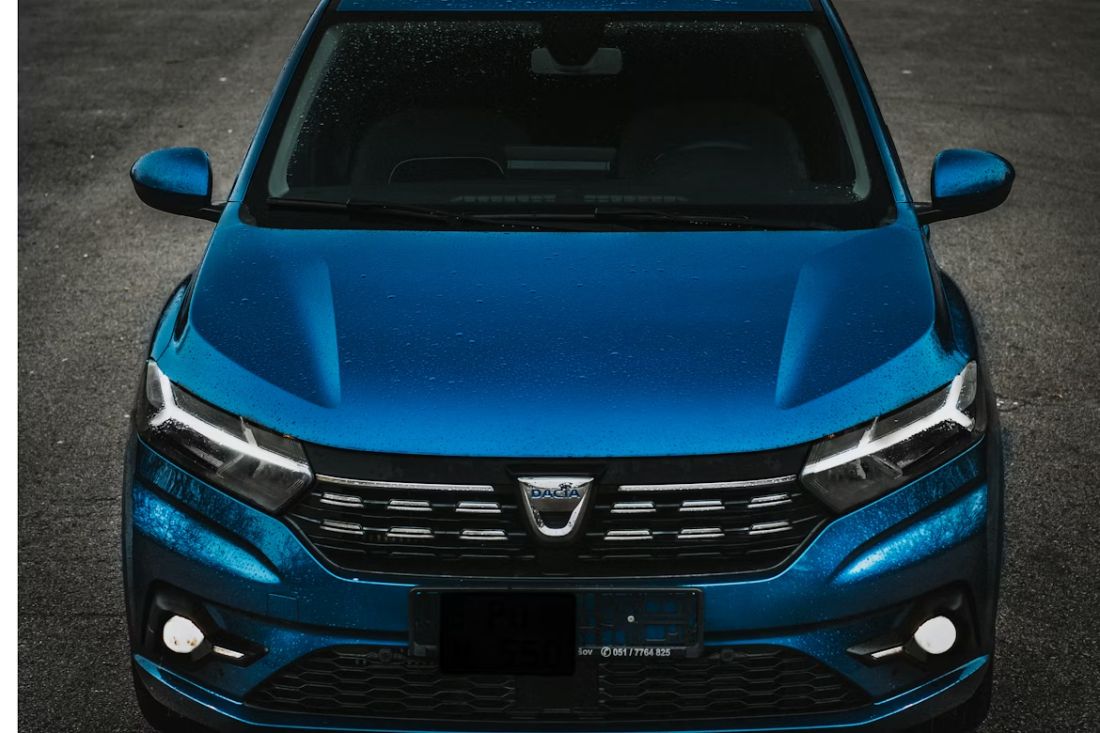
You can’t talk about Dacia in the UK without mentioning that running gag from Top Gear. James May doing the “Good news!” bit about the Dacia Sandero became one of those jokes that stuck in people’s heads for years. There are compilations of it floating around online, because it became part of the show’s rhythm. And even though it was a joke, it also did something useful: it made people remember the name. Loads of brands would pay a fortune for that kind of repeated attention.
What’s funny is that the joke worked because the Sandero was seen as the opposite of exciting. That was the punchline. But then real life happened. People started caring less about “exciting” and more about “Does it do the job without rinsing me?” So the same thing that made the Sandero an easy laugh also made it easy to understand. It was simple. It was affordable. It didn’t pretend to be a spaceship.
Then the numbers started doing the talking. JATO’s reports put the Sandero right near the top of Europe’s sales charts for a while, and then it hit number one for the full year 2024. Autocar reported the same story using JATO figures, including the big registration number for 2024 and how far ahead it was. So the “joke car” became the car everyone actually bought. That’s such a normal British thing, isn’t it? We laugh at something, then quietly buy it because it makes sense.
And that’s the core lesson: Dacia didn’t panic and try to “upgrade” into luxury just to get respect. They stayed steady. They let people have the laugh, then they kept selling cars that fit real budgets. In the end, the scoreboard matters more than the banter.
Why people stopped chasing luxury (and started chasing value)
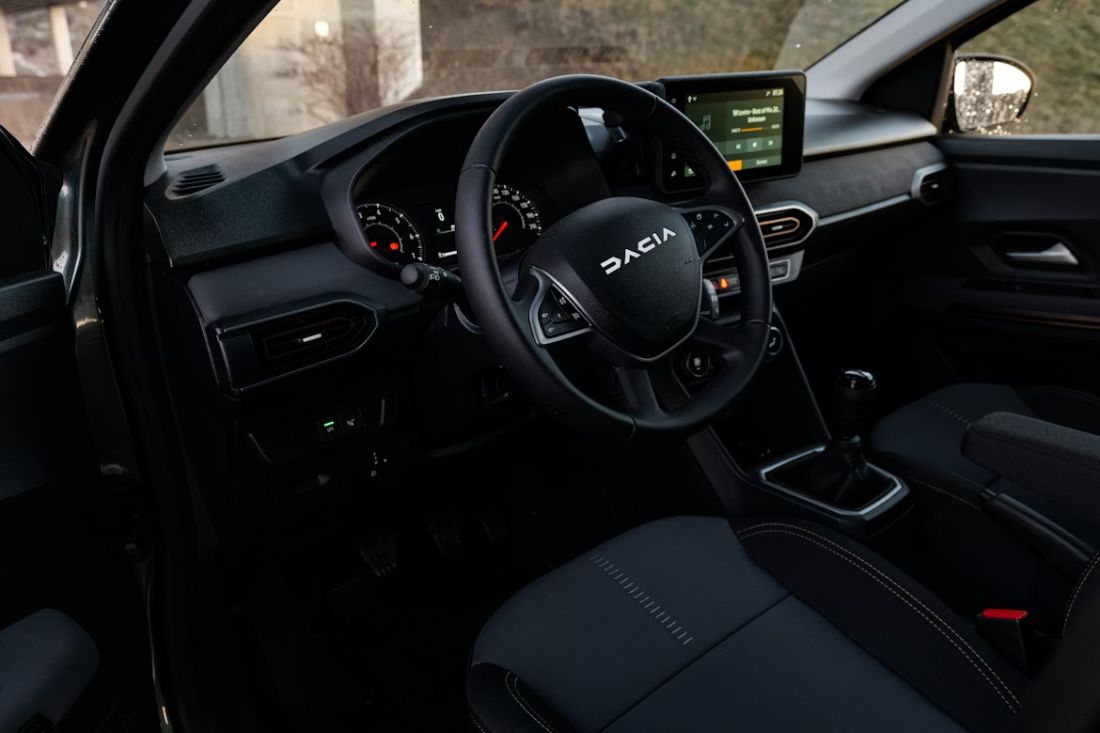
A lot of drivers have had the same moment at some point: you look at a car that’s packed with features, then you look at the price, and you just think… nah. Or you test drive something and it’s nice, sure, but you’re already imagining the repair bill if one of those fancy bits fails. We’ve all been there. And it’s not just about being “cheap.” It’s about being smart with money.
The car market in Europe has been shifting in a way that makes Dacia’s choice look even sharper. If the Sandero can be number one across Europe in 2024, that tells you loads of people are choosing practical cars on purpose. It also matches what Dacia itself has been saying about who their customers are: people who don’t want overconsumption and who like simple pleasures. That lines up with what we hear every day from customers around Greater Manchester. People want to keep monthly costs reasonable. They want insurance that doesn’t bite. They want fuel costs that don’t ruin the week. And they want something that fits into life without being a constant project.
There’s also a “used car brain” that a lot of people have now, even when they’re buying new. They think about resale value. They think about what’s likely to break. They think about how easy it’ll be to live with. A simple car can be easier to own because there’s less stuff waiting to go wrong. That’s not a promise that nothing will ever break (no car can promise that), but the logic is pretty easy to follow.
And let’s keep it local for a second. Manchester roads can be a mix of tight city streets, ring roads, speed bumps, potholes, and the kind of stop-start traffic that makes you question your life choices. A car that’s easy to drive, easy to park, and cheap enough that you’re not terrified of every little scratch? That’s freedom. Luxury can feel nice, but value can feel like relief.
How Dacia kept prices down without making cars feel “empty”
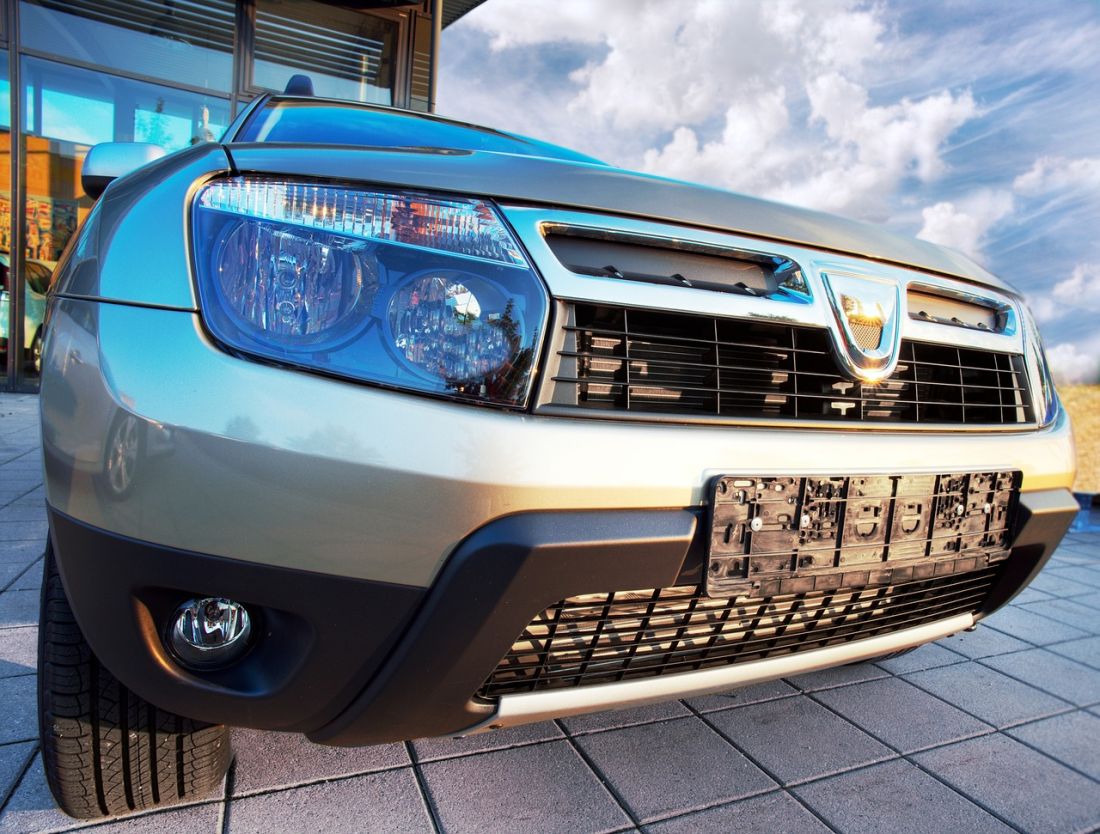
So how do you build a car that’s affordable but still feels like a proper modern car? Dacia’s answer has been to focus on what most drivers actually use, and cut back on the stuff that mostly exists for showing off. The company’s “essential” approach has been a big theme in its public brand messaging, and Renault Group has described how Dacia keeps development spending lower by reusing parts and designs across models. That’s the behind-the-scenes bit. The front-of-house bit is what you feel day to day: clear controls, sensible trims, and options that don’t explode the price.
This is where Dacia’s strategy looks even smarter compared with luxury brands. Luxury brands are selling a feeling. Dacia is selling a tool you use every day. And a tool doesn’t need to sparkle. It needs to work.
You can see it in the model line that built the brand. Logan gave people space and basic transport in the mid-2000s. Sandero gave people a normal hatchback shape that fits city life and small families. Duster gave people that higher driving position and “go anywhere” look without the premium badge price. None of these cars were sold as luxury. They were sold as sensible. Yet they still appealed to people who could’ve bought something flashier. That’s the part some brands struggle to accept: not everyone wants to pay extra just for a badge.
And here’s a little reality check we see in the used market too. A car can have fancy features and still feel dated fast, because tech moves on. Meanwhile, a car that’s focused on the basics can age in a calmer way. It stays usable. It stays familiar. It doesn’t rely on ten layers of screens to do simple tasks. If you’ve ever tried to change a setting in a car and ended up lost in menus like you’re searching for a hidden level in a video game, you’ll get what we mean.
What this means for you if you’re shopping around Manchester or Stockport
Let’s bring this back to real buying decisions, because that’s where it matters. If you’re looking at used cars around Manchester and Stockport, Dacia’s “simple wins” story can actually help you shop smarter, even if you don’t end up buying a Dacia. The big idea is to separate what you truly need from what looks cool in a photo.
Start with your routine. Be honest. Are you mostly doing short trips through town, squeezing into parking spaces near the shops, and dealing with traffic? Or are you doing motorway miles out towards Liverpool, Leeds, or down the M6? A simple car that’s light on extra gadgets can be a great fit if you just want dependable transport. If you’re buying used, think about long-term running costs. Ask about service history. Check tyres. Check brakes. Check if the features you care about actually work, like heating and air con, because you’ll notice those every single day in the North West.
Money stuff matters too, and it’s where we see people get stressed. If you’re looking at finance, one handy step is using a soft search first so you can get a feel for your options without it hitting your credit score. That way, you’re not guessing, and you’re not jumping into anything blind. At Dace Motor Company, we talk people through used car finance with soft search checks for that exact reason: you get clarity without the sting. And to be honest, clarity makes you calmer, which means you make better choices.
Also, don’t get trapped by the “luxury ladder.” Some buyers think they must stretch to a premium badge, then they end up with an older, high-mileage car packed with pricey parts. A newer, simpler car can be a nicer ownership experience than a posh older one that’s always asking for money. That’s not shade at premium brands. It’s just reality. If you’ve got a set budget, sometimes the smartest move is choosing something that leaves room for tyres, servicing, and normal life.
Simplicity is winning right now, and Dacia proved it
Here’s the part that really sums it up. Dacia didn’t beat luxury brands by pretending to be one. They beat them by refusing to play that game. Renault Group’s leadership has been pretty open about Dacia’s model being profitable and built around cost control, reuse, and scale, and they’ve put real detail behind that claim. And the market results back it up: the Sandero topping Europe’s yearly sales chart for 2024 is a massive signal that “simple and good value” isn’t a side choice anymore. It’s mainstream.
You can also see Dacia trying to keep that simplicity even as cars in general get more complex. There’s pressure from safety rules, emissions rules, and customer expectations, so every brand has to add some tech. But Dacia’s story has been about adding what’s needed while still trying to stay straightforward. That balance isn’t easy, and you’ll see people debate whether Dacia is drifting upmarket, especially with newer models getting more features. But the main idea is still there: keep it usable, keep it sensible, don’t pile on fancy stuff just for the sake of it.
And honestly, it’s a very Manchester kind of win. Practical. A bit stubborn. Focused on value. No need to show off. Just get on with it.
If you’re car shopping soon, take a page from Dacia’s book. Decide what matters for your life, not what looks impressive online. Put your money into condition, history, and affordability. The fancy stuff is nice, but peace of mind is nicer. And if you want a hand comparing options across different makes-whether that’s Alfa Romeo, Audi, BMW, Ford, Hyundai, Kia, Toyota, Volkswagen, Volvo, or anything else-pop by one of our showrooms around Stockport and Manchester and we’ll help you sort the “need” from the “nice-to-have” without the hard sell. You’ve got better things to do than regret a car deal.