


When Formula 1 Technology Started Appearing in Road Cars
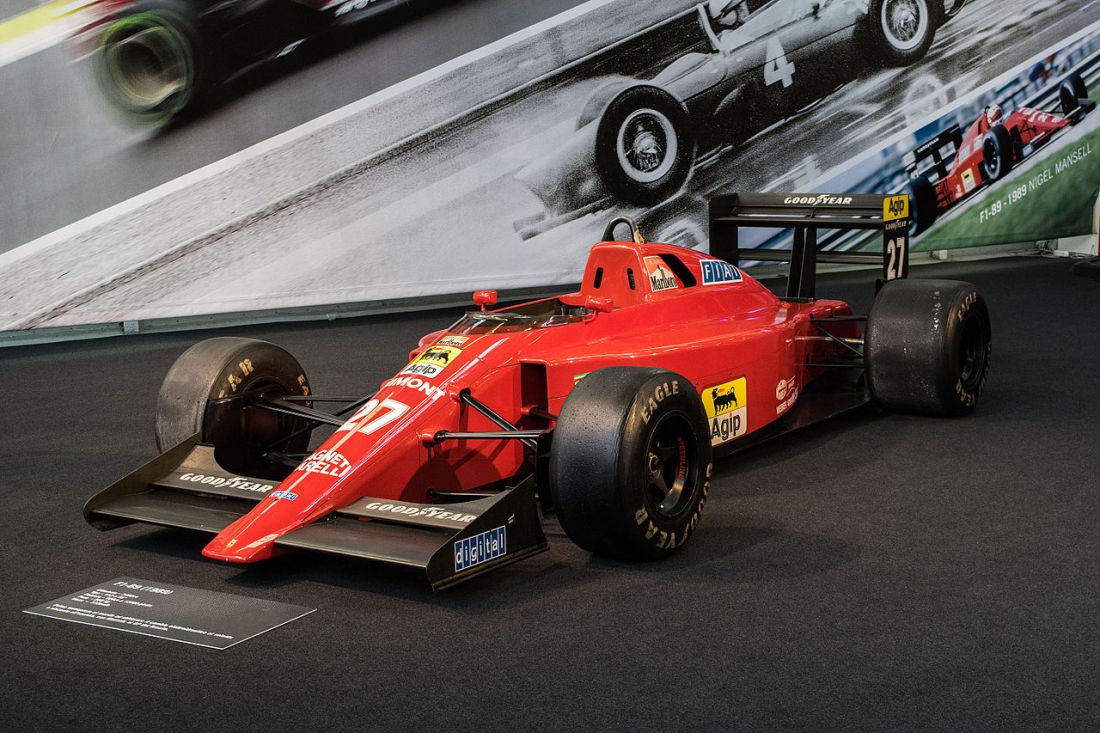
Photo: An earlier version of Ferrari Ferrari 640 known as the 639 by Maurizio Cefariello, CC BY 2.0, via Wikimedia Commons.
If you’ve ever sat in traffic on the M60, glanced at the little paddles behind the steering wheel in a modern Audi or BMW, and thought, “That feels a bit race car,” you’re not imagining it. Some of the things we now treat as normal in road cars were pushed hard by Formula 1 teams first, then filtered into cars people could actually buy, drive, insure, and take to the shops. Not every idea began in Formula 1, and that bit matters. A few of them were already around in other kinds of motorsport, or in rare road cars, before Formula 1 got hold of them. But Formula 1 has a habit of grabbing an idea, turning it up to eleven, and making the whole car industry pay attention. That’s why this story isn’t really about one magic year where race tech suddenly leapt from the grid to the road. It’s more like a slow drip, then a faster trickle, then a proper flood. And once you get into the late 1980s and 1990s, you can really see the change. Cars stopped borrowing just the look of racing and started borrowing the thinking too. Lighter shells. Smarter gear changes. More work being done by electronics. Better use of airflow. Energy that would’ve been wasted getting saved and used again. At Dace Motor Company, we spend our days around road cars from brands people in Stockport and Manchester actually drive, and you can spot those race-born ideas all over the place once you know where to look. Even if the car is waiting outside in the drizzle near Reddish instead of blasting down a sunny straight in Italy, the family link is there. Formula 1 itself says its technology has spread far beyond race weekends, and the sport has also pointed to advances in aerodynamics, braking, steering-wheel controls, and cleaner engine ideas as things that have helped road cars over time.
The first big shove came from turbo cars
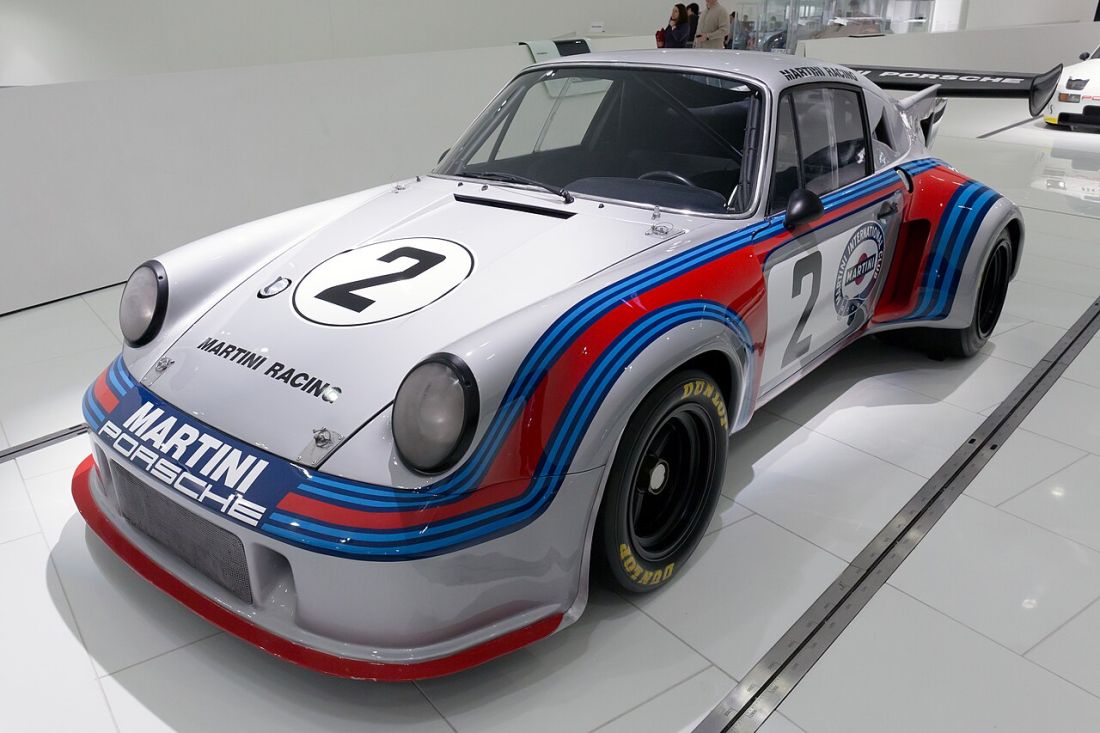
Photo: 1974 Porsche Carrera RSR Turbo 2.1 by Morio, CC BY-SA 3.0, via Wikimedia Commons
A good place to start is with turbocharging, because it shows how messy this story can be in a fun way. Formula 1 did not invent the turbo for road cars. Porsche had already launched the 911 Turbo in 1974, and Saab had its own turbo road car story in the mid-1970s too. Then Formula 1 joined the party in 1977, when Renault brought the RS01 to the British Grand Prix as the first Formula 1 car with a turbocharged engine. At first it was quick in theory and flaky in real life. It even picked up a nickname because it blew up so much. But racing is stubborn. Teams kept working on the idea, rivals copied it, and before long turbocharging had gone from oddball to the hot thing in Formula 1.
That shift mattered on the road, even if the road had got there first. Why? Because Formula 1 made turbo sound exciting instead of niche. It turned a clever bit of engineering into something people wanted to brag about. By the 1980s, “turbo” had become one of those words that could make a car sound sharper, faster, and a bit more special, whether you were staring at a poster on your bedroom wall or peering through a wet showroom window somewhere off Liverpool Road in Eccles. And there’s a bigger lesson here. Formula 1 didn’t always invent the technology that showed up in road cars. A lot of the time, it pressure-tested it. It proved what could survive heat, stress, speed, and driver abuse. That gave car makers more confidence, and it gave buyers a story too. So if you’re asking when Formula 1 tech started appearing in road cars, the honest answer is that one early chapter came when Formula 1 helped turn turbocharging from an interesting engineering idea into a full-blown performance badge.
Then the paddles turned up
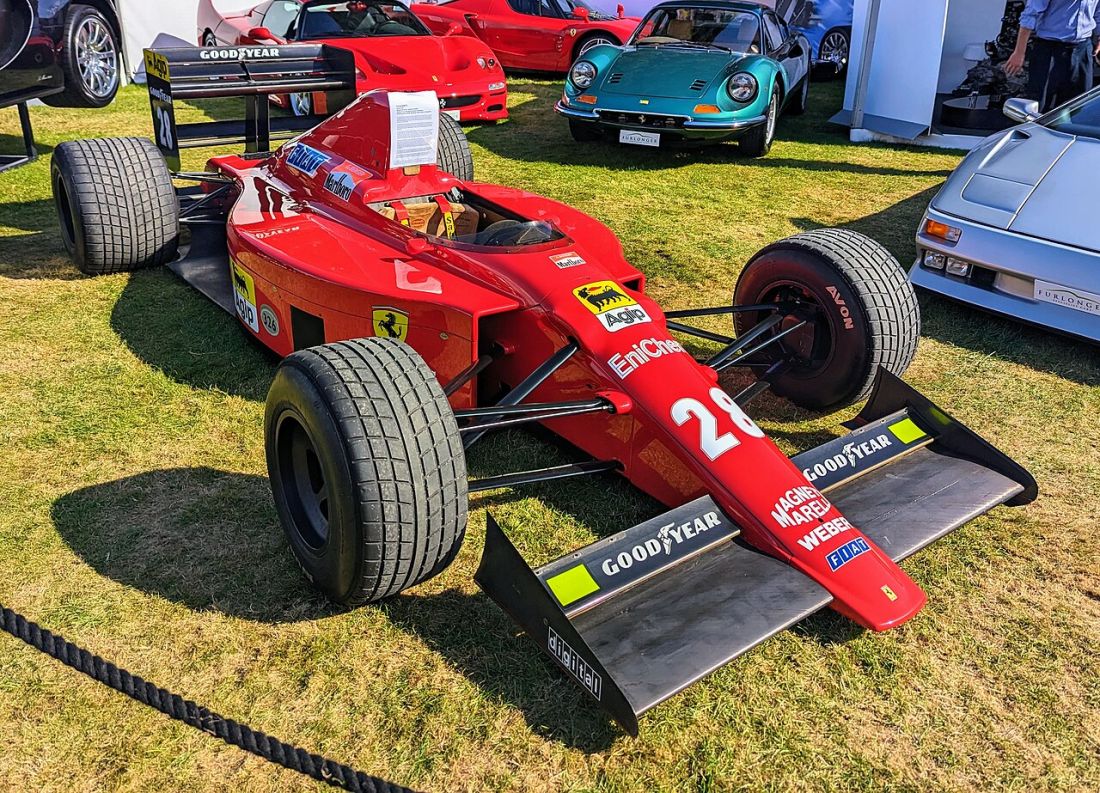
Photo: 1989 Ferrari 640 Gerhard Berger by Calreyn88, CC BY 4.0, via Wikimedia Commons
If you want a cleaner, easier date to point at, gearshifts give you one. This is where the crossover stops being fuzzy and starts being really clear. In 1989, Ferrari introduced a semi-automatic gearbox on its 640 Formula 1 car, with controls on the steering wheel and no need for the driver to work a normal gear lever lap after lap. It was bold, a bit risky, and very Ferrari. The system won on its debut in Brazil, which sounds almost too neat for a racing story, but that early success helped everyone take the idea seriously. Formula 1 loved it because it let drivers keep both hands on the wheel more of the time and made shifts faster. Then came the bit road-car fans really care about.
In 1997, Ferrari put that kind of setup into the F355 F1, which Ferrari says was the first road car to use the new paddle-shift system. That’s the moment a lot of this article is really circling around. Because once paddles escaped the race car and landed in a road car, the idea spread. It took a while to move from exotic dream machine to cars you’d actually see around Greater Manchester, but it got there. Now you’ll find paddle shifters in everything from hot hatchbacks to family SUVs to executive saloons. Some drivers barely touch them. Others use them every day and wouldn’t go back. And you can see why. They feel immediate. They feel tidy. They make the cabin feel a bit more focused without making the car hard to live with. That’s the sweet spot road-car engineers love. Formula 1 created the drama and the proof. Ferrari created the bridge. And from that point on, a piece of race-car theatre was suddenly living in normal traffic, whether that traffic was outside Old Trafford, on the A6 through Stockport, or crawling past the Trafford Centre on a Saturday afternoon.
Carbon fibre changed the shape of fast cars
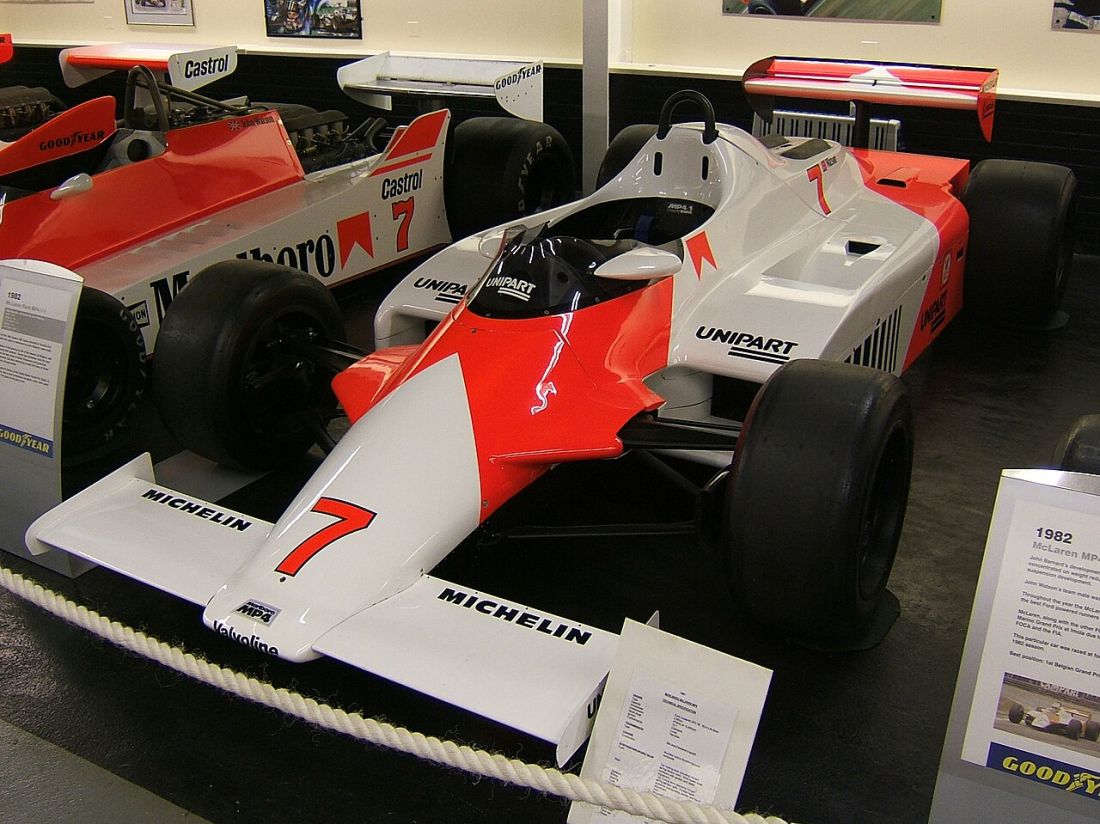
Photo: The 1981 McLaren MP4 Formula One car. In the Donington Grand Prix Collection museum, Leics., UK (by John Chapman (Pyrope), CC BY-SA 3.0, via Wikimedia Commons)
Then there’s carbon fibre, which sounds fancy because, well, it is fancy. But the basic idea is simple enough. You want a car to be light and strong at the same time. That’s a dream combo. Less weight can help a car change direction, stop, and speed up more easily. More strength can help safety and stiffness, which makes the car feel tighter and more precise. In Formula 1, McLaren’s MP4/1 from 1981 is a huge marker because McLaren says it was the first Formula 1 car to use a carbon fibre monocoque, and Formula 1’s own history pieces back that up. That one move changed what a modern Formula 1 car looked like under the skin. But the road-car part is just as big. McLaren says its F1 road car, launched in the early 1990s, was the first road car built around a lightweight carbon fibre monocoque.
So here you can draw a pretty straight line. First, Formula 1 showed what carbon fibre could do in a top-level racing chassis. Then a road car took the same basic thinking and made it real for paying customers. At first, this was supercar territory, miles away from everyday budgets. No point pretending otherwise. But the long-term effect was wider than that. McLaren later brought carbon fibre structures into series-production road cars like the 12C, and today carbon tubs, carbon panels, and carbon-heavy construction are normal conversation in the high-performance end of the market. Even people who’ll never buy a carbon-tub supercar still benefit from the obsession with strength, low weight, and crash protection that racing helped push. So while paddle shifts are the easy thing you can touch, carbon fibre is one of the deeper changes. It altered how serious road cars could be built. And that’s a bigger deal than a flashy button on the wheel.
Hybrids stopped feeling boring once racing got involved
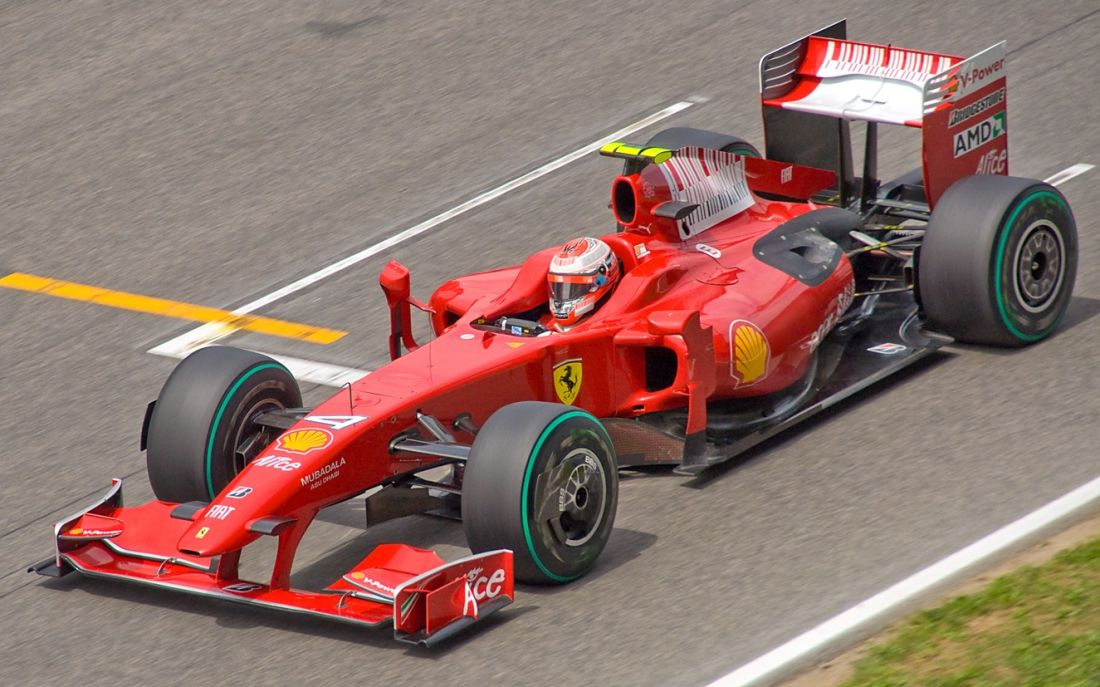
Photo: Kimi Räikkönen driving the F60 at the 2009 Spanish Grand Prix by Jose Mª Izquierdo Galiot, CC BY 2.0, via Wikimedia Commons
This is where the story gets really interesting, because a lot of people still hear “hybrid” and think of something sensible, quiet, and maybe a bit joyless. Formula 1 helped smash that image. In 2009, the sport brought in an energy recovery system that grabbed energy during braking and stored it for extra shove later. That was clever on a race car, but it also sent a message. Saving energy didn’t have to be about being dull. It could be about speed. Ferrari’s own history of the LaFerrari says the car used an F1-derived hybrid system, and Ferrari has also tied later road-car hybrid work back to ideas that came from its 2009 Formula 1 car.
Then Mercedes took the link even further with the AMG ONE, a road car the company describes as Formula 1 inspired, while Formula 1 reported that the car used an F1-derived 1.6-litre turbo engine, four electric motors, a high-voltage battery, active aerodynamics, and a drag reduction system. That’s the wild end of the story, sure, the sort of machine most of us will only ever see in videos. But again, the bigger point matters more than the fantasy bit. Racing helped recast electric assistance from “extra weight for economy” into “smart extra shove when you want it.” Once buyers started seeing hybrid systems as something that could make a performance car quicker, sharper, and more exciting, the road-car mood changed. And after that, the gap between race thinking and road thinking got smaller. These days, energy recovery, electric boost, and carefully managed battery help doesn’t feel strange anymore. It feels normal, even expected. So if you’re tracing the moment Formula 1 tech really started appearing in road cars in a way people could feel, the hybrid chapter is massive. It didn’t just add new hardware. It changed people’s attitude.
Air started doing more work
Aerodynamics can sound a bit abstract, like the sort of thing engineers mutter about while the rest of us nod and pretend we’re following. But you already know the basic idea. Air can help a car, or it can fight it. Formula 1 became obsessed with that fact years ago, and road cars slowly followed. Some of the earliest race-to-road crossover here was more about influence than one exact part being copied over. Road-car designers learned to think harder about airflow under, over, and around the body. Then the really obvious race-style tricks began to show up. Formula 1’s rear-wing drag reduction system arrived in 2011, and the sport’s newer rules keep pushing active aerodynamics even further. On the road, Mercedes says the AMG ONE brings Formula 1 tech directly to the street, and Formula 1’s own coverage says the car includes a drag reduction system, active aerodynamics, adaptive suspension, a carbon monocoque, and a transmission packed with race thinking. McLaren’s latest W1 is described by McLaren as using a carbon-fibre structure inspired by Formula 1 and a fully ground-effect approach that channels airflow under the car for very high aerodynamic control. In less rare metal, Mercedes-AMG’s GT Coupe uses an active aerodynamic profile, and McLaren’s 750S lists an active rear aero setup too. That tells you something useful. The most extreme ideas land first in the mad, expensive stuff. Then pieces of that thinking become less exotic. Maybe it’s a moving rear spoiler. Maybe it’s a smarter underbody. Maybe it’s vents and vanes doing jobs your eyes barely notice. Either way, the road car starts cheating the wind more cleverly. Next time you see a sporty road car lift its rear wing at speed, remember that this kind of trick stopped being sci-fi once racing made it desirable, proven, and cool. That’s how Formula 1 tech usually gets into road cars. First as theatre, then as engineering, then as normal.
Your steering wheel got busier for a reason
One of the sneakiest ways Formula 1 drifted into road cars is right in front of your hands. Look at an old road car from decades back and the steering wheel’s job was pretty basic. Steer the thing. Honk the horn. Maybe not much else. Then look at a modern performance car and the wheel can control gearshifts, drive modes, screens, music, phone calls, cruise functions, and a pile of other stuff. Formula 1 didn’t invent steering-wheel buttons from scratch, but it absolutely helped turn the steering wheel into a command centre. Formula 1’s own recent pieces point to the racing wheel as one of the sport’s big innovations and say more road cars have adopted similar thinking over the years, even if the road version is a lot less intense. Ferrari also says the LaFerrari pushed more controls onto the wheel in Formula 1 style and paired that with a digital instrument display that could change what the driver saw. That matters because it shows another shift in how race tech reaches the road. It’s not always about going faster in a straight line. Sometimes it’s about how information is delivered and how quickly the driver can react. In a race car, that can mean changing settings while diving into a corner at silly speed. In a road car, it might just mean you can change a mode or answer a call without taking your hands away from where they should be. Different stakes, same family idea. And to be honest, this is one of the reasons so many modern cabins feel a bit “performance” even when the car itself isn’t trying to set lap records. The race-car layout has seeped into the mood of the road car. You can feel it in the paddles, the buttons, the digital screens, the way the driver’s seat feels like mission control. Small thing? Maybe. But it’s a real part of the story.
So, when did it really start?
If you want the shortest honest answer, Formula 1 technology started appearing in road cars in bits and pieces across several decades, but the late 1980s and 1990s were the point where the crossover became easy to spot with your own eyes and hands. Before that, the influence was real, but it could be a bit hidden, a bit specialist, a bit tangled up with other kinds of racing. By the time Ferrari had put paddle shifting into a road car in 1997, and McLaren had already shown what a carbon-fibre road-car tub could be, the link was no longer a nerdy footnote. It was front and centre. Then the 2000s and 2010s piled on with energy recovery, hybrid boost, digital driver controls, and smarter aerodynamics. That’s why this stuff now feels normal in cars that aren’t poster-car exotics. You might notice it in a hot hatchback’s paddles, a coupe’s drive-mode switches, a saloon’s digital cockpit, or the way a performance hybrid hits back with instant shove out of a corner. No, your daily run from Stockport into Manchester doesn’t feel like a Grand Prix, especially if it’s raining sideways and the ring road is crawling. We’ve all been there. But the thinking inside a lot of modern road cars has far more racing DNA than people realise. At Dace Motor Company, that’s one of the fun things about looking at used cars from all sorts of brands. You start noticing the family resemblance. A little bit of race logic here. A little bit of track-born problem solving there. And once you’ve seen it, you can’t unsee it. Formula 1 didn’t just change how race cars got built. Over time, it changed what road cars felt like to drive, what drivers expected from them, and what car makers felt brave enough to put on sale. That’s a pretty big legacy for something that started with people trying to go a fraction quicker than the car next to them.