



What Your Car Is "Telling" You That You’re Probably Ignoring
You know that feeling when your phone starts acting weird, like it’s getting slow, the battery drops fast, and you keep saying, “I’ll sort it later”? Cars do the same thing. They don’t just break in one dramatic moment like in an action film. Most of the time, they whisper first. A tiny change in the way it sounds. A smell that wasn’t there last week. A vibration that comes and goes. And because life’s busy (school runs, shifts, football, nipping to the Trafford Centre, crawling round the M60), we brush it off and keep rolling. We get it. At Dace Motor Company, we see this every day: people aren’t careless, they’re just human. The annoying bit is that small warnings can turn into big bills if they’re left too long. And it’s not just money. It’s safety. If your car is “talking” to you, it’s usually trying to stop you getting stranded on the A6 in Stockport rain, or stuck outside MediaCity with steam coming out the bonnet while everyone pretends not to look. So let’s go through the subtle signals that people ignore, the ones that feel easy to shrug off. No scary lectures. Just real-life stuff you can notice, what it might mean, and what you can do next without turning into a full-time mechanic.
1. The dash lights you brush off because you’re “nearly home”
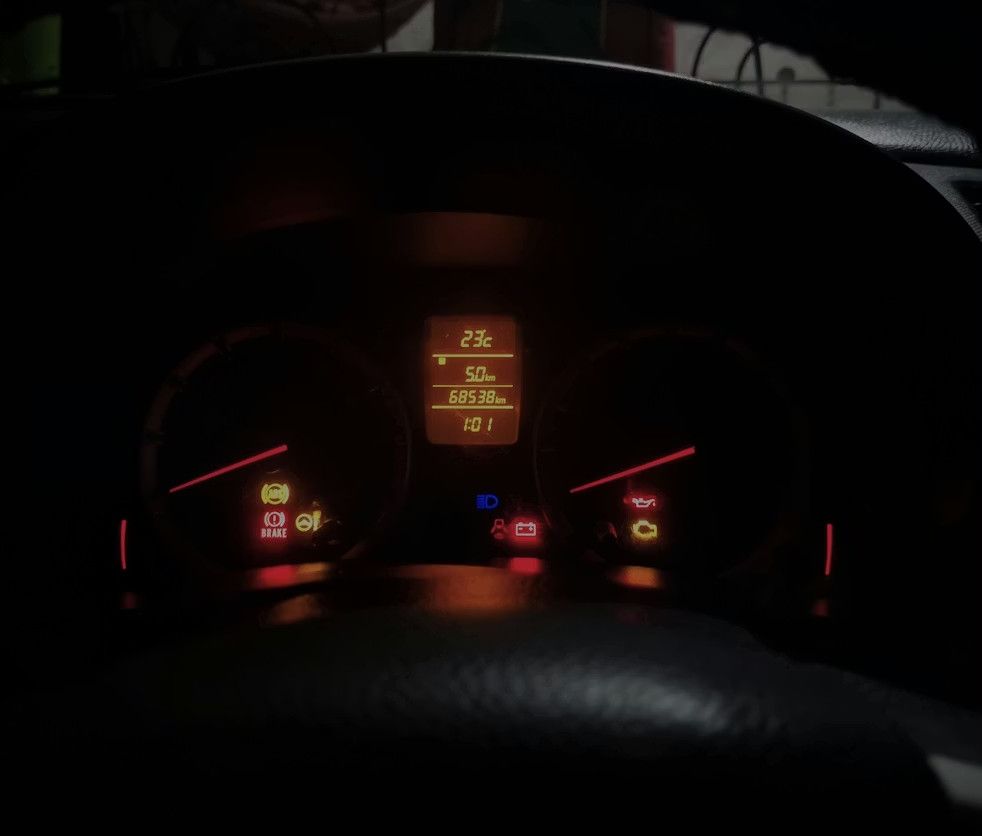
That little light on the dashboard is basically your car tapping you on the shoulder. The problem is, lots of people treat it like a notification they can swipe away. The Royal Automobile Club’s guide puts it simply: red warning lights are the serious ones, and you should stop when it’s safe and get help; yellow or orange means something needs checking soon, but it’s less urgent than red. And yes, “safe” matters. Don’t slam on outside Stockport Viaduct because a light flickered. Pull into a safe spot, take a breath, and look properly. A red temperature warning is a big one.
The same Royal Automobile Club advice says if the red engine temperature warning light is on, you should stop straight away, because without enough coolant the engine can get so hot it can be badly damaged. People ignore this because the car still moves, and they think, “It’ll be fine for five more minutes.” Those five minutes can be the expensive ones. And then there’s the battery-shaped warning. Lots of drivers think it means “my battery is old.” What it can mean is the battery isn’t getting charged while you drive, which can leave you with a car that just gives up at the next set of lights. The Royal Automobile Club also talks about alternator trouble showing up as that battery warning, and mentions other signs like lights dimming or flickering. Here’s a simple habit that helps: if a new light appears, don’t guess. If you can, check your handbook for that exact symbol. If you can’t, take a quick photo and search it once you’ve stopped somewhere safe. It’s boring, yeah. But it beats sitting in the drizzle calling for recovery while your mates text “where are you?” for the tenth time.
2. Noises: the squeal, the scrape, and the clunk you turn the radio up to hide

Cars make noise. That’s normal. The trick is spotting the “new” noise. The one that wasn’t there last month. A squeal when you brake, for example, is a classic. People say, “It’s just a bit damp.” And sometimes, sure, wet weather can make brakes sound a bit rough. But a grinding or scraping noise while braking is a different story. The Automobile Association says grinding or scraping can mean the brake pad material has worn away and you’re getting metal rubbing on metal, which hits braking performance and can damage parts that cost more to replace. That’s the sort of noise you don’t “see how it goes” with. Another one is a repeated clicking sound. The Automobile Association’s noise guide mentions that some clicking can be linked to braking parts, or even a small stone stuck near the brake disc. That sounds harmless, but you still want it checked if it keeps coming back, because you don’t want to gamble with stopping distance. Then you’ve got clunks when you go over bumps. Manchester roads can be a bit… let’s be polite and call them “lively.” If you hear a knock over every pothole, it can point to worn bits in the steering or suspension. And you might notice it first as a sound, not a handling problem. The cheeky part is that your brain gets used to noises. You live with them, you forget they’re there, you convince yourself it’s “just the car.” If you want a quick reality check, do this: drive with the radio off for five minutes once a week. Same route, same speed, just listen. You’ll notice changes quicker. And if a noise suddenly gets louder, shows up at higher speeds, or comes with vibration, treat it like your car waving a big flag, not whispering.
3. Smells: hot metal, sweet syrup, and that “petrol-y” whiff

Smells are sneaky because they come and go. You’ll get a whiff at the lights near the Etihad, then it’s gone by the time you hit the next roundabout, so you decide you imagined it. Don’t. Smells are one of the clearest “something’s not right” signs, because cars aren’t meant to smell of much inside the cabin. A hot, sharp smell can be something rubbing, overheating, or leaking onto a hot surface. A sweet smell can be linked with coolant. And a strong fuel smell is something you don’t ignore, full stop. On top of the car-health side, exhaust fumes can be a real health risk if they’re getting where they shouldn’t. The Health and Safety Executive warns that vehicle exhaust fumes contain carbon monoxide, which is poisonous, and that breathing fumes is a risk to health. Carbon monoxide is nasty because you can’t smell it. The National Health Service says the gas has no smell and lists symptoms like headache, dizziness, feeling sick, weakness, tiredness and confusion. So if you ever feel lightheaded in your car with windows up, or you get headaches that seem to show up only during drives, that’s not something to laugh off. It could be nothing. It could be serious. Either way, it deserves a proper look. Also, let’s talk about the “it’s cold, I’ll warm the car up in the garage” habit. Please don’t. Exhaust fumes build up fast in enclosed spaces, and carbon monoxide is the worst kind of surprise. If your exhaust has a leak, fumes can also find their way into the cabin, especially if you’re stuck in traffic and the car’s pulling air from odd places. The main point is simple: if your car smells different, don’t just spray air freshener and carry on. Note when it happens (only when braking, only after a long run, only with the heater on), then get it checked. Smells are clues. Good ones.
4. Shakes and wobbles: when the steering wheel feels like it’s got a pulse
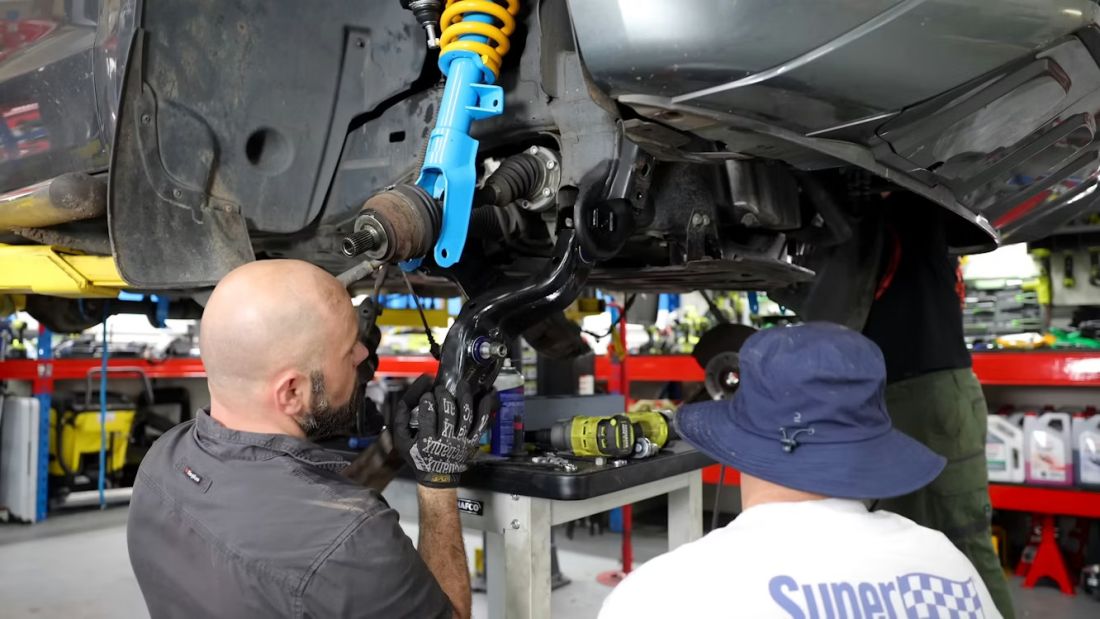
A steering wheel should feel steady. If it starts shaking, your car is basically saying, “Something’s not running true.” And people ignore it because the car still goes straight, so it feels “fine enough.” The Automobile Association says shaky or wobbly steering is usually caused by an issue with the front tyres, like uneven wear or damage, or tyres being out of balance. It also says if the shaking only happens under braking, the brake discs might be warped. That’s a proper useful clue: does it shake at 30 and 40 miles per hour, or only at 60? Does it happen all the time, or only when you touch the brake pedal? Your answers matter. Another subtle sign is the car pulling slightly to one side. People say, “It’s just the road.” Sometimes roads are sloped, true. But if you find yourself always correcting the wheel, that’s not just annoying, it can mean tyre pressure is off, a tyre is wearing weird, or the alignment is out. And uneven wear can creep up quietly. You might not notice until it’s loud on wet roads, or the grip feels sketchy when you go round a bend in Heaton Moor. Also watch for a vibration through the seat, not just the wheel. That can point to wheels, tyres, or something rotating underneath. The reason not to ignore shakes is simple: the longer you drive with a problem, the more other parts get stressed. A small balance issue can chew through tyres quicker. A damaged tyre can get worse. And if it’s brake-related, that’s your stopping power being messy, which nobody wants. A basic habit helps here too: once a month, glance at your tyres when you park. If one looks more worn on the inside edge than the others, or you spot a bulge, don’t wait for it to “become a problem.” It already is one, it’s just being quiet about it.
5. Little puddles and damp patches: the driveway clues
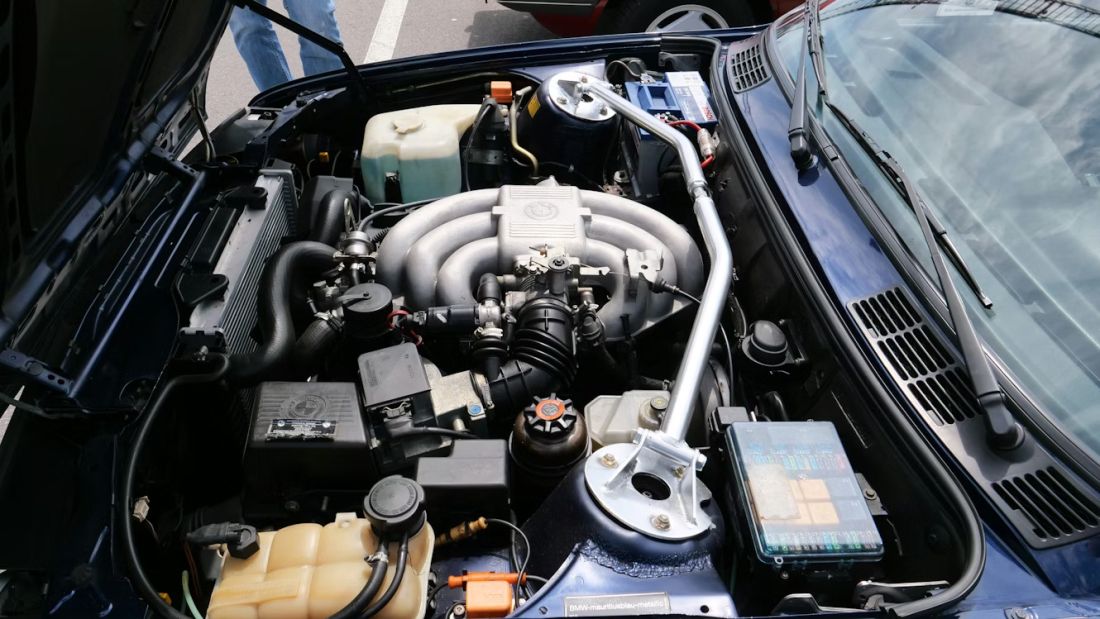
Manchester weather makes this one tricky because everything’s wet half the time, so a bit of damp under the car feels normal. But there’s a difference between rainwater dripping off and your car leaving a new stain where it sleeps. Leaks can be slow and still matter. The government’s roadworthiness inspection rules talk about fluid leaks and even describe when a leak becomes serious enough for a fail: a leak that creates a pool on the floor within five minutes that’s more than 75 millimetres across, or lots of leaks together that add up to the same rate. That’s a proper clear measurement, but here’s the thing: you don’t need to wait until it hits that level to take it seriously. A tiny leak can turn into a big one, and the first sign might be your coolant level dropping, your brakes feeling weird, or your steering getting heavier. The sneaky part is that leaks can land on different parts underneath, so the drips don’t always match the source. And then you’ve got the “it’s probably just water from the air conditioning” thought. Sometimes it is. A clear, watery drip on warm days can be normal. But if you see coloured patches, greasy spots, or anything that smells strong, don’t ignore it. A simple trick: put a bit of cardboard under the engine area overnight. In the morning, you’ll see if something’s dripping, and the colour stands out more. Just don’t crawl under the car on the road to poke around. Keep it safe. Also remember that leaks and low levels can link up with other “quiet” signs. A sweet smell plus a damp patch under the front of the car? That points your attention in a useful direction. If you’re unsure, take a photo of the stain and note where it is under the car. That little bit of info can save time when you get it checked.
6. Tyres: the quiet safety thing you can actually check in two minutes
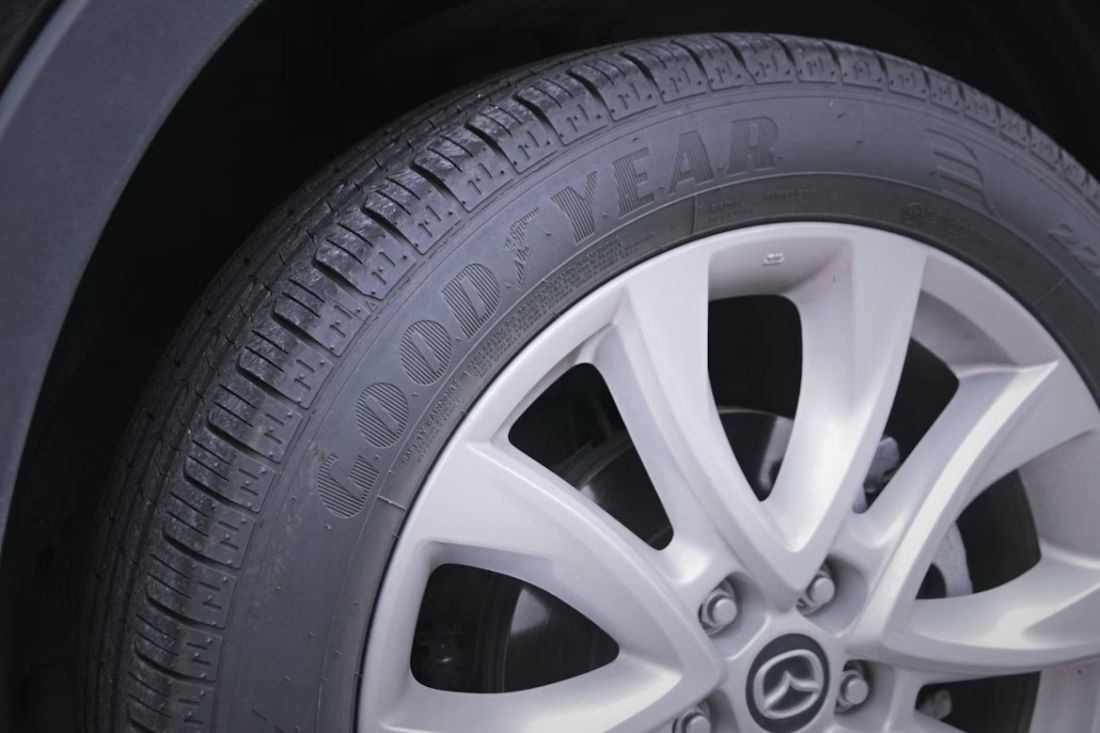
Tyres don’t get enough respect. They’re the only part of your car that touches the road, and they do a lot of work in rain, cold, and all those surprise potholes. The legal minimum tread depth for a car tyre in the United Kingdom is 1.6 millimetres across the central three-quarters of the tyre, all the way round. That comes straight from the government’s roadworthiness inspection manual. TyreSafe, a tyre safety charity, repeats that 1.6 millimetre rule and also says safety experts recommend replacing tyres at around 3 millimetres. That’s the bit people miss. “Legal” and “good in heavy rain” aren’t the same thing. If you live around Stockport and you’ve driven through a proper downpour near the Pyramid roundabout, you already know standing water is no joke. More tread helps push water away and hang on to grip. Checking tread doesn’t have to be a big performance. You can use a tread gauge if you’ve got one. Or you can use the simple coin trick people talk about, as a rough guide, and then get a proper check if you’re not sure. And don’t forget tyre pressure. Low pressure can make a car feel sluggish, can mess with grip, and can wear tyres in odd patterns. The annoying thing is tyres can look fine from a quick glance. So do a closer look now and then. Check the edges. Check for cuts. Check for bulges. And if the steering feels shaky, link it back to the tyres first, because that’s a common culprit. The best part? Tyres are one of the few safety items you can check without tools, without getting dirty, and without knowing fancy terms. Just look, feel, and be honest with yourself. If you’re thinking “they might be getting a bit low,” they probably are.
7. Heat and steam: the temp gauge you never look at until it’s angry

Overheating is one of those problems that starts small and then suddenly becomes very loud. You might notice the engine temperature creeping up in slow traffic through Eccles, or the heater blowing air that isn’t as warm as it should be, or the car feeling a bit tired on hills. Then one day you see the warning light, or you spot steam, and your stomach drops. The Royal Automobile Club’s advice on overheating is clear: if your car is overheating, pull over, switch off the engine, and wait at least 30 minutes for it to cool down. And it’s not just about comfort. Heat can damage engine parts fast, and continuing to drive can make the damage worse. Also, don’t open the coolant cap when the engine is hot. Hot cooling systems are under pressure and can spray scalding liquid. That’s a proper burn risk, not just a “bit painful.” If the temperature warning comes on, your best move is to get somewhere safe and stop. Then let it cool. After that, check coolant level only when it’s safe, and if you’re low, find out why. Coolant doesn’t vanish for fun. A leak, a failed part, or a blockage can be behind it. And yes, overheating can feel “random” because it depends on traffic, weather, and how hard the engine is working. That’s why people ignore the first signs. They think, “It only did it once.” The thing is, “once” is your early warning. If you catch it there, you may save yourself a big repair. If you don’t, you might be the person on the hard shoulder with hazard lights on, watching other cars fly past, wishing you’d taken it seriously when it was just a little needle moving higher than normal.
8. Smoke and rough running: when the back of the car starts “talking”

A tiny puff of steam on a cold morning can be normal. Thick smoke that keeps going is different. And colour matters. The Royal Automobile Club has a guide on engine smoking and says blue or dark grey exhaust smoke is a clear sign the engine is burning oil. The Automobile Association says white smoke from the exhaust usually means coolant or water is getting into the combustion chamber because of things like a blown head gasket or damage inside the engine, and it warns that white smoke can be dangerous. That’s not a “see how it goes” moment. If you spot thick white smoke, especially with a sweet smell and the temperature rising, stop and get help. Black smoke can point to fuel not burning properly, which can link with engine problems and can be rough on the parts that clean up emissions. Even if you don’t see smoke, rough running can be a clue. If the engine shakes more than normal at idle, if it struggles to start, if it feels like it’s hesitating when you press the pedal, your car is telling you something. People ignore these signs because they come and go. One day it’s fine, the next day it’s grumpy, then it behaves again and you think the problem has “fixed itself.” Cars don’t really do that. Problems hide. Then they pop up at the worst time, like when you’re late and the petrol station is closed and you’re already stressed. If you notice smoke, don’t stand behind the car breathing it in while you try to work out what colour it is. Stay safe, keep clear, and get it checked. Exhaust fumes are not something to mess with, and the Health and Safety Executive is blunt about exhaust fumes being a health risk, including carbon monoxide exposure. If your car is smoking, it’s not being dramatic for attention. It’s asking for help.