


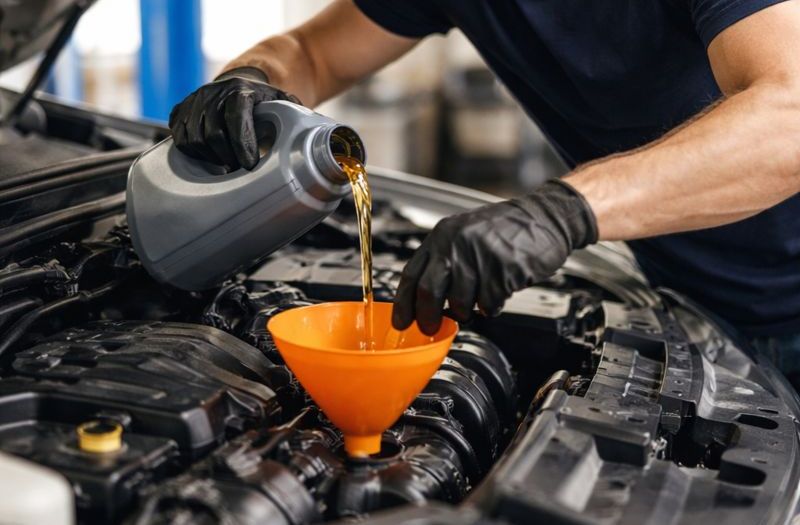
What Happens to Oil After 10,000 Miles Inside an Engine
You know how cooking oil starts off clear, then after a few rounds of chips it goes darker and smells a bit “used”? Engine oil has that same tired-at-the-end-of-the-day vibe, except it’s living next to explosions and spinning metal. From the first cold start on a damp Stockport morning, oil gets pumped through the engine again and again, thousands of times on a single drive. It has three big jobs: keep moving metal parts separated, help carry heat away, and keep grime floating around long enough for the filter to catch it. Sounds straightforward. But engines are messy places. Heat, pressure, and tiny bits of combustion byproduct keep turning up like uninvited guests. And the oil is expected to deal with all of it, quietly, every time you nip from Reddish to the Trafford Centre, crawl through traffic near Salford Quays, or do the school run and back. At Dace Motor Company we hear the same question a lot: “If the car feels fine, why change the oil yet?” Let’s face it, oil changes don’t feel exciting. But inside the engine, the oil is on the front line. It gets mechanically worked. It gets contaminated by byproducts of combustion. And the ingredients mixed into the oil that help it cope gradually get used up. By the time you’ve done 10,000 miles, the oil you poured in is still “oil”, but it isn’t the same oil. Some of its protective ability has been worn down, some of it has been diluted or thickened, and some of it is now carrying tiny passengers you really don’t want circulating for longer than needed.
Shear and why the oil’s thickness can change
Inside the engine, oil has to form a thin, slippery layer between moving parts. That layer is what stops direct metal-to-metal contact. The problem is the oil doesn’t sit there like a calm puddle. It gets forced through narrow clearances, flung off spinning parts, and dragged into very thin films at high speed. Over time, that mechanical stress can reduce the oil’s ability to stay the right thickness. People who test used oil call this “shear”, but think of it like kneading dough again and again until it stops behaving like it did at the start. When oil gets thinner than intended, it can struggle to hold a strong separating layer under load, especially in places where parts are pushing hard against each other. And it doesn’t take a cartoon amount of thinning to matter. Oil condition guides point out that viscosity (basically, how thick or thin the oil is) can drop from mechanical stress or from fuel mixing in, and that viscosity changes are one of the key indicators used to judge oil health. Oil doesn’t only get thinner, though. Heat plus oxygen can change the oil chemistry and create thicker, stickier byproducts. Think of sauce reducing in a pan when you leave it simmering too long. In engines, higher temperature speeds up those aging reactions. Valvoline’s explainer says high temperatures speed up oxidation by intensifying how oxygen reacts with oil molecules, and a testing guide adds that heat is the biggest driver behind oxidation, with reaction speed increasing quickly as temperature rises. So oil is being tugged in two directions: mechanical stress can thin it, while oxidation can push it thicker and dirtier. Either way, once you’ve put 10,000 miles through it, the oil’s “feel” and performance are not what they were on day one.
Contamination and what gets into oil while you drive
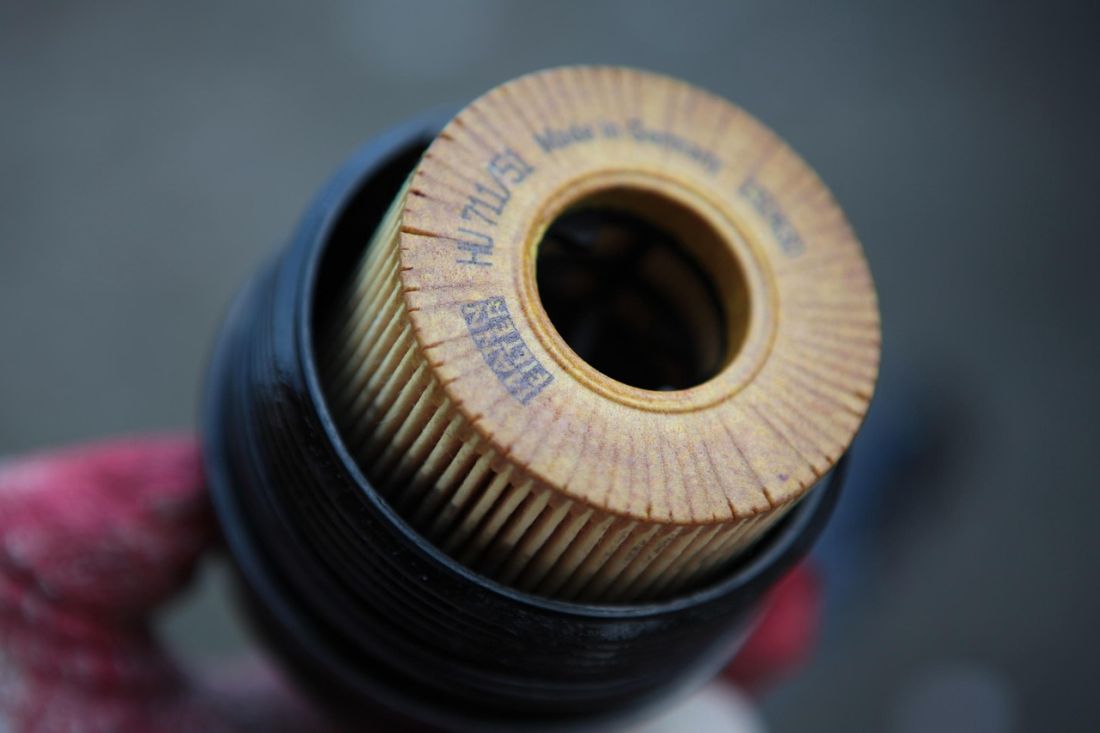
Even with a healthy engine, the oil doesn’t stay clean. Engines breathe and they aren’t sealed like a jam jar. A portion of combustion gases can slip past the piston rings and get into the crankcase, and a well-known technical review on lubricant contamination describes those gases carrying unburned fuel, water, and combustion leftovers like soot into the oil. Soot is basically tiny carbon particles. Modern oils are made to keep very small particles suspended so they don’t clump up and stick to parts, but that suspension ability depends on additives that don’t last forever (we’ll get to that). Fuel contamination is a bigger deal than many drivers realise. If petrol or diesel sneaks into the oil, it acts like a thinner. TotalEnergies explains that oil dilution reduces viscosity, making the oil film weaker and less able to handle high loads, which can lead to rapid wear in areas like bearings. Castrol also explains that fuel in the oil reduces viscosity and can contribute to aggressive wear and premature bearing failure if the condition persists. Water is another unwelcome guest. Engines create water as part of combustion, and short trips can mean that water doesn’t get fully driven off because the oil never stays hot long enough. Then there’s outside dirt. A tiny leak or a tired filter can let dust in, and that dust behaves like grit in a hinge. And finally, there’s wear itself. Small amounts of metal in used oil are normal, because parts rub and polish over time. But rising wear metals are a warning sign labs take seriously. Jim Fitch, writing for Machinery Lubrication, explains that screening tests for wear metals are a common way to detect abnormal wear debris in used oils. Industry guidance on used oil analysis also notes that testing looks at wear metals, combustion products, and outside contaminants such as coolant or dirt from intake air. Put all that together and you get a simple truth: after 10,000 miles, your oil isn’t just “old”. It’s a working fluid that’s been collecting and carrying a mix of stuff that can change how well it protects your engine.
Additives and the hidden helpers that wear down
Fresh engine oil isn’t just base oil. It’s packed with additives that do the heavy lifting: cleaning, keeping soot from clumping, reducing wear, and dealing with acids. The catch is that these helpers don’t last forever. One classic measure used in oil analysis is the oil’s “base number”, which is basically how much acid-neutralising reserve is left in the oil. Machinery Lubrication explains that new engine oils generally start with a base number range and that the base number drops over time because acids build up as a byproduct of combustion, chemical reactions, and oil degradation. ALS Global also explains that as the lubricant ages and the additive package depletes, the base number decreases from its fresh oil value. In plain language: the oil has “acid-fighting” capacity built in, and that capacity gets used up as miles and time stack up. Now for the cleaning side, because this is where people get confused. If you’ve ever pulled a dipstick and thought “that oil is black, it must be dead”, you’re not alone. But oil turning dark can be normal because it’s carrying soot and heat byproducts. AMSOIL points out that darkening can be a natural result of heat and soot particles and that colour alone isn’t a reliable way to decide on an oil change. The real issue is whether the oil can still keep that grime safely dispersed. Machinery Lubrication explains that dispersant additives surround soot particles and keep them suspended, stopping them from clumping together or depositing on surfaces, and it also notes that this protection can be depleted. Once those additives are used up, soot is more likely to agglomerate into larger clumps, and larger clumps are more likely to form deposits and sludge. So after 10,000 miles, the oil may still look “like oil”, but the hidden question is whether its helpers are still strong enough to keep contaminants from turning into deposits, and whether it still has enough reserve to cope with acids and heat.
What 10,000 miles looks like on Manchester and Stockport roads

Here’s where local, everyday driving really matters. If your week is full of short trips-start the car, crawl through Edgeley, park up, repeat-the oil spends a lot of time cold. Cold oil flows slower, and it hangs onto moisture and raw fuel longer. That raises the chance of fuel and water lingering in the sump, and we already know fuel contamination thins oil and weakens the protective film. Stop-start traffic adds another headache: more idling, more heat cycling, and more time for byproducts to get into the oil without you “earning” many miles on the odometer. A ten-mile trip at steady speed is not the same as a ten-mile trip that’s half idling at lights and roundabouts. On the flip side, longer runs can be kinder in one way and harsher in another. A steady motorway run warms the oil fully, which helps drive off moisture. But heavy load, towing, and long high-speed runs add heat stress. Heat accelerates oxidation, and oxidation can lead to acids and sticky deposits if it progresses far enough. So you can have short-trip problems and high-heat problems, depending on how you use the car. That’s why two cars with the same mileage can have very different oil condition. This is also why many service schedules say “miles or time, whichever comes first”, and why some manufacturer guidance says to shorten intervals for harsh usage. A UK guide discussing brand service intervals notes, for example, that Volkswagen states an oil change should occur every 10,000 miles or 12 months, and it also highlights that driving style influences how frequently oil should be changed. You don’t need to own that brand for the idea to be useful. If your driving is mainly short trips and traffic, your oil is having a tougher time per mile, and 10,000 miles can behave like a longer interval in terms of contamination and additive wear.
Why intervals matter when thinning and thickening start to bite
Most engine damage from tired oil doesn’t announce itself with a bang. It’s slow, dull wear that builds up until you hear a new rattle, see a warning light, or get a repair quote you didn’t need in your life. A big risk with stretched intervals is that contamination and thinning reduce the strength of the oil film. TotalEnergies explains that when fuel dilutes oil and viscosity drops, the lubricant film is weaker and less able to handle high loads, and that can lead to metal contact and rapid wear. There’s a useful “numbers” example from the oil analysis world too. Fluid Life describes a case where excessive fuel dilution (above a few percent for a given make and model) can thin oil to the point that film thickness drops and wear rate increases. You don’t need to memorise the percentage. Just remember the chain reaction: more fuel in oil means thinner oil, thinner oil means weaker film, weaker film means more wear. Thickening is not a free pass either. If oil thickens and starts forming deposits, it can restrict flow and contribute to overheating and poor lubrication in tight areas. Articles discussing oxidation and sludge describe sticky deposits forming and blocking oil passages, reducing lubrication and encouraging accelerated wear. So intervals matter because they keep oil in the safe middle: not too thin, not too thick, not too contaminated, not too depleted in its chemistry. Stretching intervals is basically betting that your driving style, your engine’s condition, and the oil’s reserve all line up perfectly. Sometimes they do. Sometimes they don’t. And when they don’t, it’s rarely dramatic. It’s just wear. The boring kind that empties wallets.
Clues you can spot at home and what testing can confirm

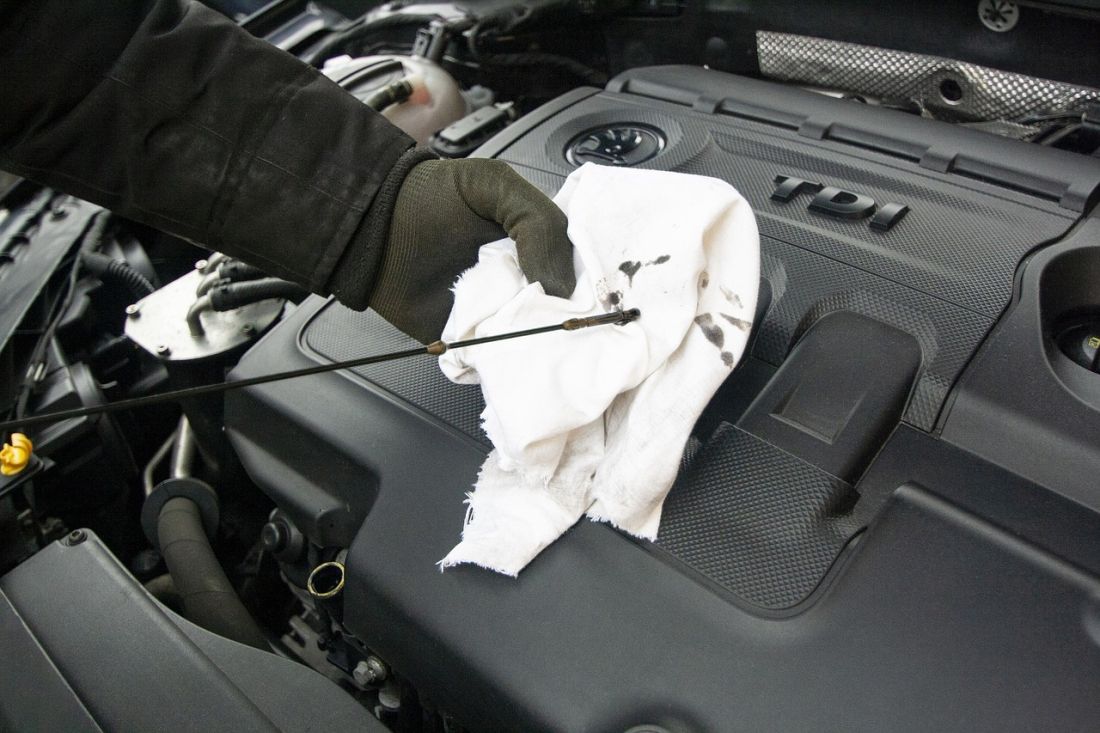
You don’t need a lab coat to pick up on a few sensible warning signs, but you do need to bin a couple of myths. Colour is the big one. Dark oil can be normal because oil is designed to hold soot and heat byproducts, and AMSOIL’s explainer makes the point that colour alone doesn’t tell you if the oil is finished. Smell can be more useful. If the oil on the dipstick smells strongly of fuel, that’s a hint fuel is getting into the sump. Another clue is oil level. If the oil level is rising between services, that can sometimes point to fuel dilution (fuel adds volume), and that’s something worth investigating rather than shrugging off. Then there’s the “mayonnaise” look under the oil filler cap in winter. That creamy sludge can be moisture mixing with oil vapour, which is more likely with repeated short, cold runs. It doesn’t automatically mean catastrophe, but it is your car saying, “I’m doing a lot of short trips.” Also listen to the engine on cold starts. If you start getting new tapping or ticking noises that weren’t there before, especially right after startup, it’s worth a check. No drama. Just sensible. A lab test is the next level up because it replaces guessing with numbers. Used oil analysis guidance explains that lab results cover additive elements, wear metals, combustion products, and outside contaminants, and those results are used to judge both oil condition and what’s happening inside the engine. Think of it as a health check where the oil is the messenger. If you keep a car long-term, or your driving is mainly short trips, an occasional oil analysis can be a cost-effective way to confirm whether your interval matches your reality.
Used car buyers and why service history is the oil story in disguise
If you’re buying a used car around Manchester or Stockport, the oil story matters even if the paint is gleaming under the forecourt lights. A service record isn’t just paperwork. It’s evidence that someone bothered with the boring stuff that keeps an engine alive. Ask when the oil and filter were last changed, and whether the car was serviced on time rather than “whenever it felt due”. If the car was on a long interval plan, you want to see proof it was followed properly, because long intervals assume the right oil spec and a driving pattern that doesn’t punish the oil every single week. This is where you can be practical without being paranoid. If the history looks patchy, budget for a service straight away and don’t feel bad about it. Fresh oil and a fresh filter are cheap insurance. If the history looks solid, keep it that way. Get oil changes done on schedule, and if your driving is mainly short trips around town, consider bringing the interval forward a bit. It’s one of the simplest habits that helps an engine stay smoother for longer. And yes, this links back to us, but we’ll keep it grounded. At Dace Motor Company, we know buyers in our area care about reliability more than fancy talk. When you’re choosing a used car, ask the awkward questions, check the history, and treat oil changes as part of ownership, not an optional extra. Ten thousand miles inside an engine can be gentle or brutal depending on the car and how it’s used. The oil takes the hit either way.