



What Happens to a Car That’s Only Driven on Short Trips
When we say “short trips”, we mean the kind of driving loads of people do around Stockport and Manchester: a quick run from Reddish to the shops, the school drop-off near Edgeley, a dash over to the Trafford Centre, then back home before your tea goes cold. The car barely gets a chance to settle in. And here’s the weird part: your car can look totally fine on the outside while little problems build up on the inside. Quietly. Slowly. That’s the “silent degradation” bit. It doesn’t come with a loud bang or a big warning light. It’s more like your car losing a tiny bit of fitness every time you start it cold, drive for a few minutes, and shut it down again. A car likes warmth. Not “burn your hand” warmth, but steady, normal running warmth. Short trips are the opposite of that. You start the engine cold, everything spins up with thicker oil, the fuel system adds extra fuel to get going, and then-just as things are getting comfortable-you switch it off again. Do that day after day and you’re asking the engine, the exhaust, the oil, and the battery to live in a constant start-stop cycle. It’s a bit like only ever doing the warm-up jog and never playing the match, then wondering why your legs feel heavy. Here at Dace Motor Company, with sites around Stockport and Manchester, we see this pattern all the time. People bring in cars with low mileage that have lived on short hops, and the clues are familiar: batteries that struggle sooner than expected, oil that’s taken a beating from repeated cold starts, and exhaust parts that don’t get hot enough to dry out. So let’s talk through what short trips do to a car, why it happens, and what you can do without changing your whole life. No scare tactics. Just straight, useful info you can act on.
The engine: cold starts are the tough bit
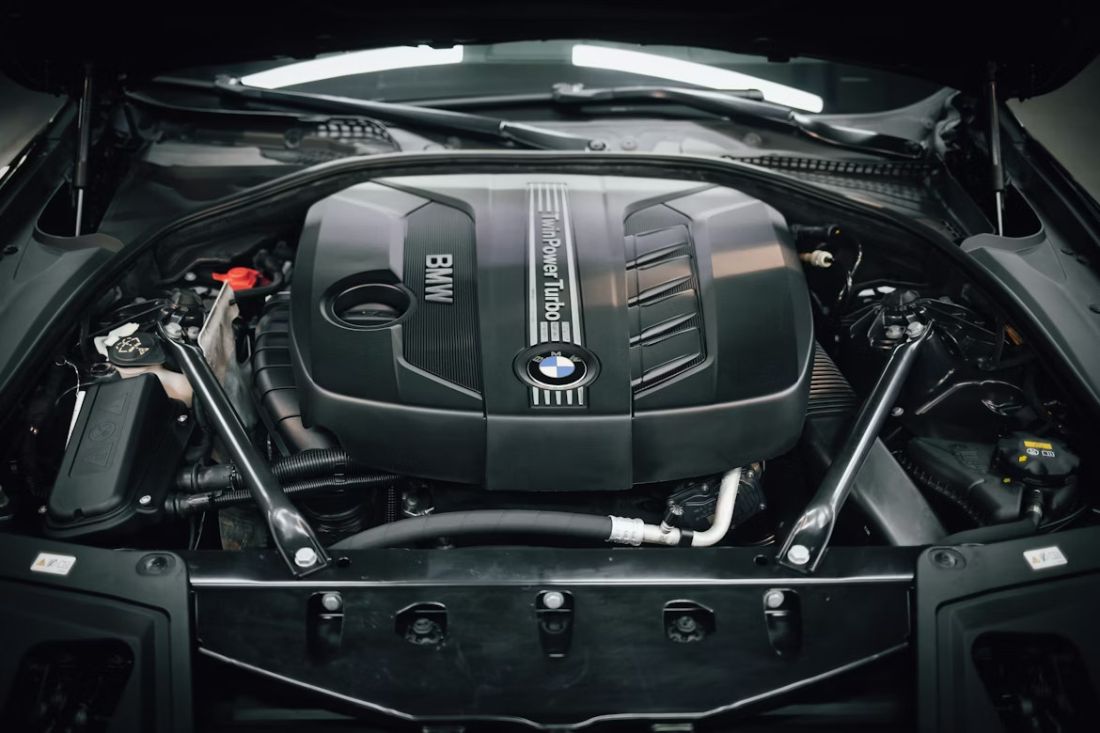
Let’s face it, the engine is at its grumpiest right after you start it. When everything’s cold, the metal parts haven’t expanded to their happy working size yet, and the oil is thicker, so it takes a moment to spread everywhere it needs to be. The car’s computer also adds extra fuel while things warm up. That helps the engine run smoothly at the start, but it also means the burn inside the engine isn’t as clean as it is once it’s warmed through. The UK environment department describes how petrol engines use extra fuel at cold start and that this leads to higher emissions because not all the fuel gets burned in those first moments. It also points out that the catalyst in the exhaust works best once it’s hot, so it’s less effective during and just after a cold start. That combo-extra fuel plus a cold exhaust-is why the first few minutes are the “dirty” part of driving. Now, does that mean short trips “wreck” an engine? No. It’s not that dramatic. It’s more like wear by a thousand paper cuts. You do more cold starts per mile than someone who does one longer drive. You spend more time with the engine and oil sitting in that awkward, half-warm zone. And if you shut the car off before it gets properly warm, you don’t give it the chance to clear away the byproducts that build up while it’s warming. Picture the difference between making one big cup of tea and letting it steep, versus dipping the teabag in for two seconds, five separate times, and calling it done. It’s the same ingredients, but you’re never letting the process finish. This is also why a car that lives on short trips can feel a bit sluggish around town. It’s spending so much of its life warming up that it never gets that smooth, easy running you feel on a steady drive. And yes, the longer you keep a car, the more this matters, because it’s the slow, boring wear that adds up. So if your driving is mainly short trips, the goal isn’t “stop doing them”. It’s “help the engine finish warming up at least some of the time”.
Oil: the sneaky mix of water and fuel
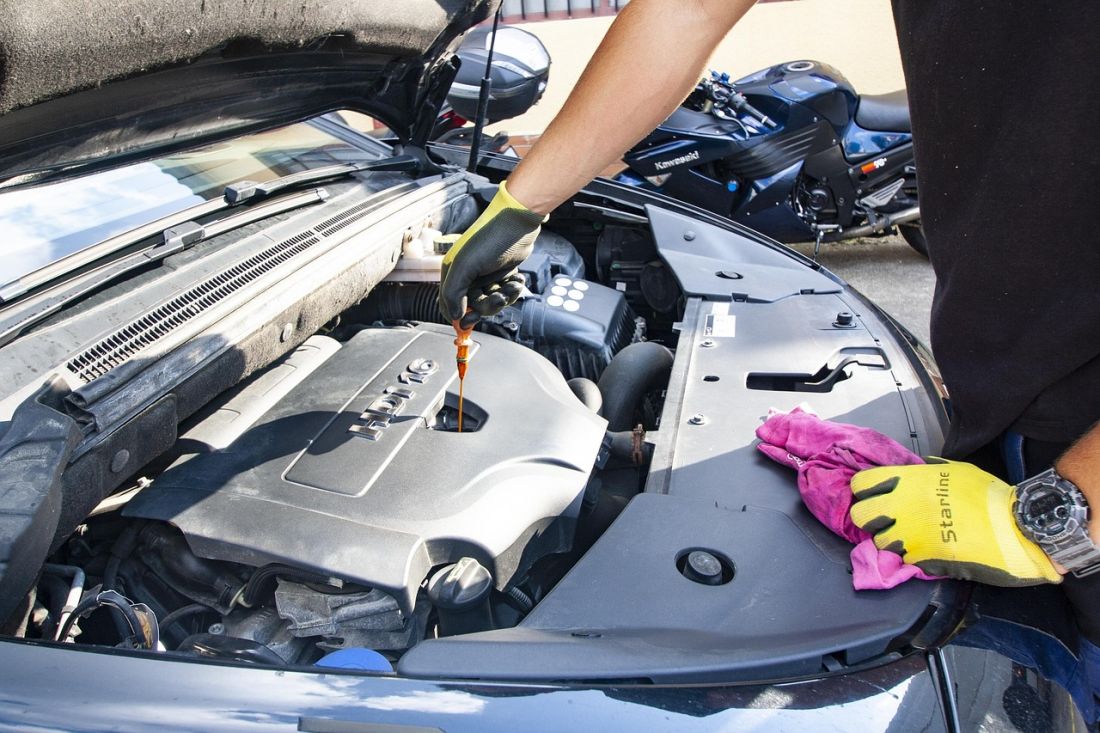
Oil is the engine’s bodyguard. It sits between moving metal parts so the parts don’t grind against each other, it helps carry heat away, and it holds tiny bits of grime long enough for the filter to catch them. The problem with short trips is that the oil doesn’t stay hot for long enough to do one of its quiet jobs: getting rid of moisture and stray fuel. Water is a normal result of burning fuel in an engine, so some moisture turns up inside the engine no matter what. On a decent-length drive, the oil gets hot and that moisture can evaporate and leave through the engine’s breathing system. On repeated short trips, the oil warms a bit, but not enough, and that moisture can hang around. Over time, water in oil can help create acids and sludge-like deposits. That’s why, in winter especially, some people spot a creamy, mayo-looking paste under the oil filler cap. It’s moisture mixing with oil vapour. It doesn’t always mean disaster, but it is your car waving a little flag that says “I’m doing loads of short trips.” Then there’s fuel mixing in with the oil. On cold starts, a small amount of fuel can slip past the piston rings or stick to the cylinder walls and end up in the oil. If the engine gets properly warm and stays warm, that fuel can evaporate back out. If you switch off early again and again, you give it fewer chances to clear. A UK workshop blog from DS Automotive links frequent short trips and excessive idling with oil dilution, because cold running and incomplete burn can leave extra fuel behind. In plain words: if the oil gets thinned out by fuel, it can protect less well. So what do you do with that? First, don’t treat oil changes like a “miles only” thing if your car life is mostly short trips. Time matters too. Second, check your oil level now and then, because a rising level can be a clue that fuel is building up in the oil. Third, if your car spends most of its week doing tiny hops, give it a longer run now and then so the oil gets fully hot and can dry itself out. And if you’re buying a used car, this is why a tidy service history is gold. Low miles can still mean hard use if the car’s been started cold over and over.
Exhaust: water inside, rust outside
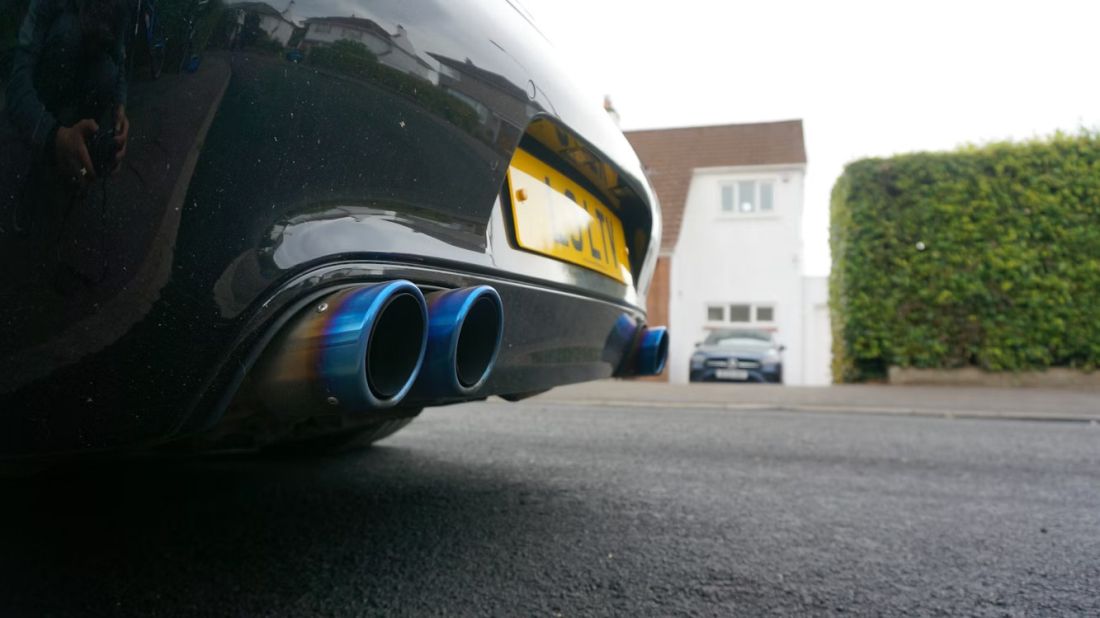
You know that little puff of steam you see from the exhaust on a cold morning, maybe while you’re queuing near Stockport Pyramid or crawling along the A6? That’s normal. Burning fuel makes water vapour, and when the exhaust system is cold, that vapour can turn into liquid water inside the pipes. If you then do a longer drive and everything gets properly hot, the water boils off and goes out the back as vapour again. If you mainly do short trips, the exhaust can stay cool and damp inside for ages. Damp plus metal is never a lovely mix, and the road rescue group RAC points out that exhaust pipes can corrode or develop holes due to heat, moisture, and road salt. A leak can make the car noisier, raise emissions, and even fail the annual roadworthiness test. Now add the catalytic converter into the mix. That part is there to clean up harmful gases, but it needs to be hot to work well. The Health and Safety Executive warns that catalytic converters are less effective when exhaust gases are cool, such as with long periods of idling or vehicles used intermittently for short periods. So if your driving is “start, stop, start, stop” all week, your catalytic converter spends a lot of time below its sweet spot. And this is where local life matters. Manchester City Council talks about changing driving habits like turning off your engine when you’re not moving, because those cold-start fumes and idle fumes build up right where people are breathing, especially near schools. Stockport Council has pushed the “Turn it Off” campaign for the same reason, aimed at parents and guardians waiting outside school gates with engines running. So, a practical rule: if you’re waiting for more than a short moment, switch off. If you’re doing a short trip, don’t sit on the drive warming the car up for ages first. Start it, let it settle for a few seconds, then drive gently. Your exhaust warms up faster that way than it does while idling. And keep an ear out. If you suddenly hear a new blowing noise, or the car starts sounding like it’s got a hole in a flute, get it checked. Exhaust problems are far cheaper when you catch them early.
Battery: starting takes a big bite
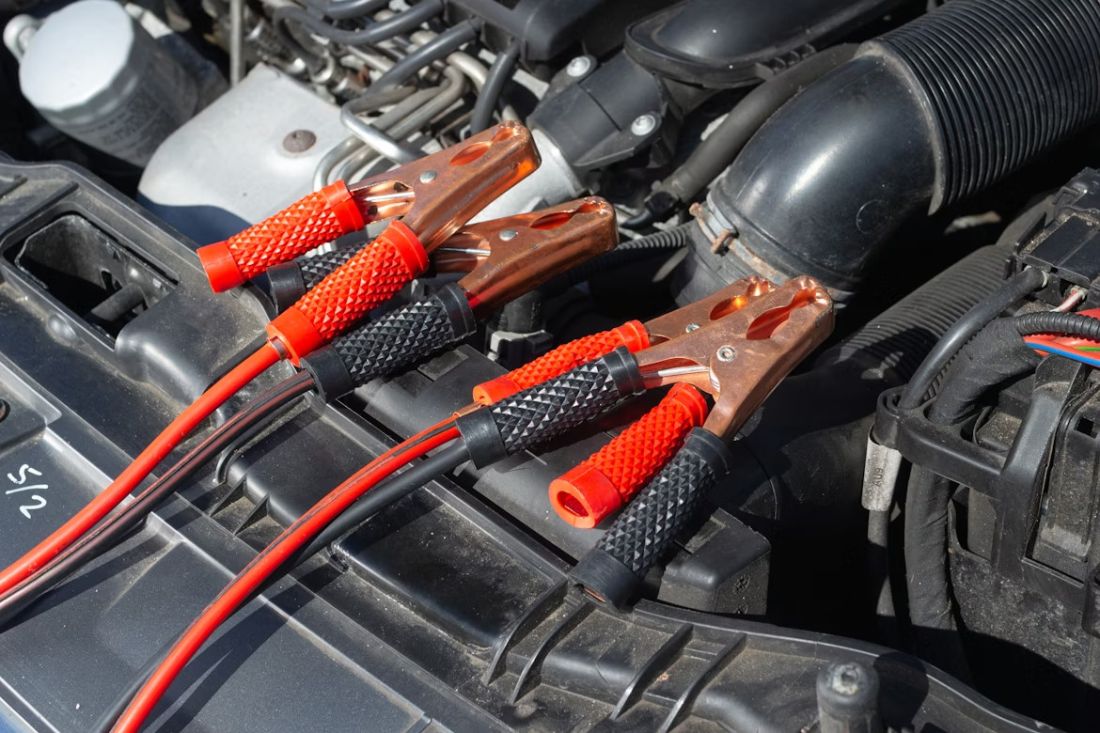
Starting a car takes a surprising chunk of energy. You turn the key (or press the button), the starter motor spins the engine, and the battery gets drained a bit. The alternator then puts charge back in while you drive. Here’s the snag: on short trips, the battery can lose more charge during the start than it gains back during the drive, and it’s tougher in winter when you’ve got headlights, fans, wipers, heated windows, and the radio all running. It’s like taking a big scoop out of a bucket, then topping it up with a teaspoon. Do that day after day and one frosty morning you press the button and… nothing. Or you get the slow, sad crank that makes you go “please start” under your breath. The RAC says frequent short trips prevent the battery from fully recharging and that this can reduce its charge capacity over time. The RAC also says car batteries can last up to five years, but it depends on quality and how the vehicle is used and maintained. This is why battery trouble feels random even when it isn’t. Maybe the car starts fine on Friday, then it sits over the weekend, and Monday is the day it gives up. Or maybe the battery has been slowly losing ground for weeks because each short trip never quite paid back the “start-up cost”. You can help a lot with small habits. If your week is full of short trips, try to give the car a longer run now and then so the alternator gets time to put a proper charge back in. If the car doesn’t get used much and it sits on the drive, a battery maintainer can keep it topped up safely, which is handy in winter. And don’t ignore early warning signs like dimmer lights, a slower crank, or a start that feels lazier than normal. A weak battery can cause odd little glitches too, because modern cars run a lot of electronics even before the engine fires up. Sorting it early is usually cheaper than waiting until the car strands you in a supermarket car park with a boot full of shopping.
Diesel cars and the soot filter problem
If you drive a diesel car, short trips can bring one extra headache: the diesel particulate filter in the exhaust. Its job is to catch tiny soot particles so soot doesn’t go into the air. Great idea. The catch is that the filter needs to clean itself, and that self-cleaning needs heat. No heat, no clean. The AA explains that the filter empties itself through a process where the collected soot is burned off once the exhaust temperature is high enough, which tends to happen on motorways or faster A-roads. The AA also says active cleaning can take around five to ten minutes and that it becomes a problem if your trip is too short for the process to finish. The AA notes that a filter in a car used correctly should last well past one hundred thousand miles. The RAC gives really practical, down-to-earth advice: the RAC says drivers should give a diesel vehicle a good thirty to fifty minute run at sustained speed on a motorway or an A-road to help clear the filter. And if a warning light shows the filter is blocked, the RAC says it may be possible to clear it by driving for about ten minutes at speeds above forty miles an hour, so the cleaning cycle can finish. This is where people around Greater Manchester get caught out, because local driving can be slow and stop-start. You can spend half an hour moving a couple of miles near the M60 slip roads and still not give the exhaust that steady heat it needs, because the car is creeping along. Then the warning light pops up and you’re thinking, “But I was driving for ages!” Yeah, but it wasn’t a steady run, and that matters for this system. If your life is mainly short trips and you’re choosing your next car, it’s worth being honest with yourself about whether diesel fits your days. Plenty of people are better off with petrol or hybrid cars, depending on what is needed, because those setups don’t rely on the same kind of hot, steady exhaust cleaning cycle. And if you stick with diesel, plan in that longer, faster-road run now and then. It’s not about ragging the car. It’s about letting it finish the job it’s built to do.
How to live with short trips without wrecking your car
If you’re reading this thinking, “So what, I can’t stop doing short trips,” don’t worry. Loads of people can’t. The trick is to nudge the pattern a little so your car gets a chance to warm through and clear itself out. One simple move is combining errands. Instead of three separate five-minute drives, do one twenty-minute loop. You’re still going to the same places, but the engine and exhaust get more steady warmth in one go. Another move is adding a longer run that fits your real life once a week or so. It doesn’t need to be a grand day out. If you’re in Stockport, a steady run up the M60 and back, or a proper stretch along an A-road, can be enough to fully warm the oil and dry the exhaust. If you’re in Manchester, a steady drive out past Salford Quays and onto faster roads can do the same. The point is steady speed for long enough that the car stops being “half-warm” and becomes properly warm. Be smart about idling too. Manchester City Council’s air quality advice talks about turning off your engine when you’re not moving, and Stockport Council has leaned hard on the “Turn it Off” message outside schools. If you’re waiting outside the gates, switch off. It saves fuel, it cuts fumes where people are standing, and your catalytic converter isn’t doing its best work while the exhaust is cool anyway. On the maintenance side, short-trip cars benefit from boring consistency. Keep up with oil changes on time, not just on miles, because repeated cold starts can be hard on oil. Keep tyres at the right pressure, because under-inflated tyres make the engine work harder on every little trip. Pay attention to the battery in winter, because repeated short trips can leave it short of charge over time, as the RAC explains. And if you’re shopping for a used car around Manchester or Stockport, look at service history like it’s a story of how the car’s been treated. A shiny body is nice, but regular servicing is what keeps the hidden stuff healthy. If you want a hand choosing something that suits short-trip life, that’s where we can help without making a song and dance about it. At Dace Motor Company, there’s a wide range of used cars across our sites, every vehicle gets checked before sale, and warranty cover is included to take the edge off those early “what if?” worries. And if finance is on your mind, we can run an eligibility check that doesn’t leave a mark on your credit file, so you can see your options without the stress. Small changes, steady habits, and the right car for your day-to-day driving. That’s the real win.