


Volkswagen Beetle: How a Simple Car Became a Global Icon
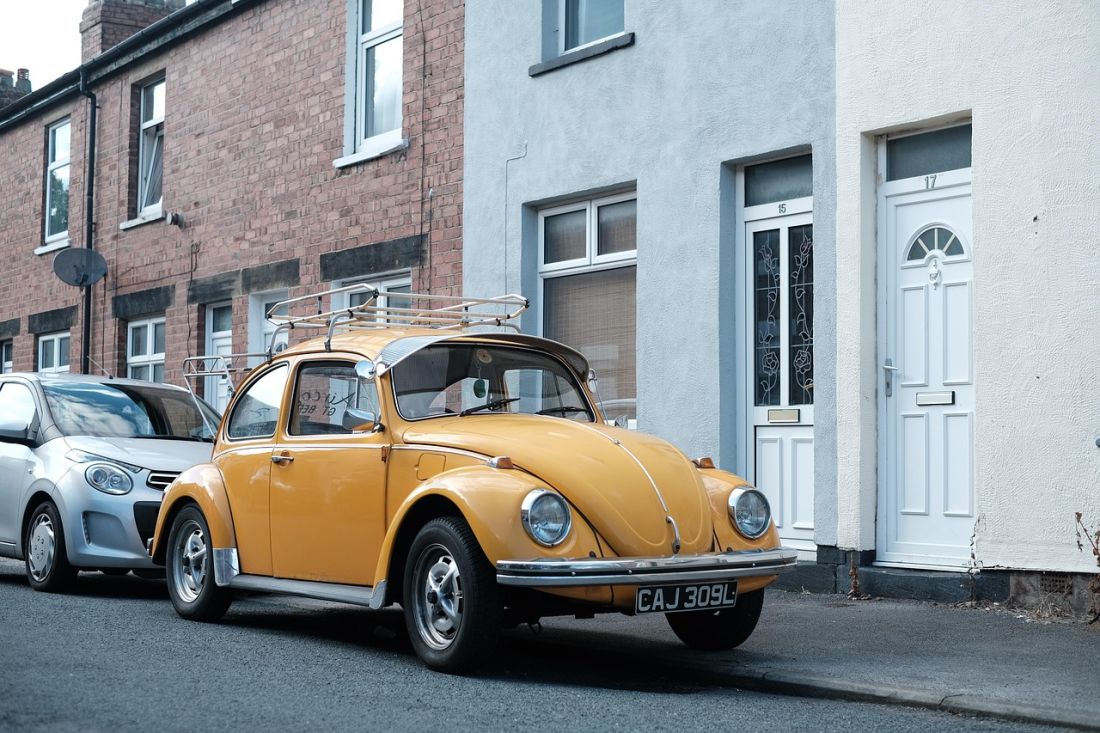
You don’t need to be a car nerd to spot a Volkswagen Beetle. That round roof. Those big friendly headlights. That funny little shape that looks like it should have its own name and a packed lunch. Even now, if one rolls past Stockport Viaduct on a grey morning, or pops up near Heaton Park on a sunny Sunday, people look twice. Kids point. Adults smile. Someone will say, “My auntie had one of those,” or “I learned to drive in one.” That’s rare. Most cars do their job, get traded in, and fade away. The Beetle didn’t. It became a memory machine. At Dace Motor Company, we see all kinds of used cars across our Stockport and Manchester sites, from everyday hatchbacks to smart German saloons, and the Beetle sits in a funny little place of its own.
It wasn’t the fastest. It wasn’t fancy. It wasn’t trying to show off. And maybe that’s the whole trick. The Beetle had a simple job: carry people around without making a drama of it. Yet somehow, this small car became one of the most famous shapes ever put on four wheels. Its story starts in a difficult place, takes a sharp turn after the war, and ends up in films, family albums, car meets, student posters, and weekend drives. Not bad for a car that looked a bit like a metal bun on wheels.
A Simple Idea With a Complicated Start
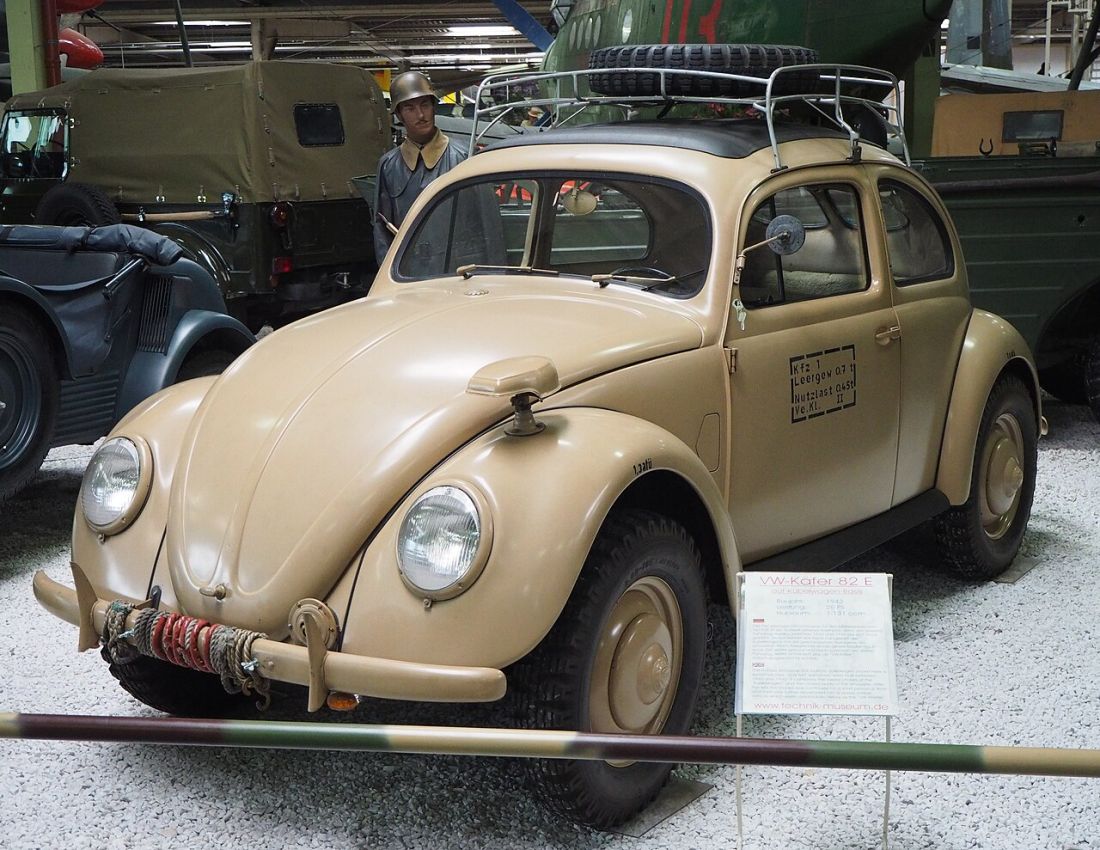
Photo: 1943 Volkswagen Typ 82E by Herranderssvensson, CC BY-SA 3.0, via Wikimedia Commons
The Beetle began with a simple-sounding idea: build a small car that normal families could buy and use. The name Volkswagen means “people’s car,” which gives you a pretty clear clue about the plan. But we can’t tell this story properly without being honest about where it came from. The early Beetle was tied to Nazi Germany in the 1930s, and Ferdinand Porsche was hired to help create the car. The new factory was started in Lower Saxony in 1938, but the Second World War arrived before the car could really become the friendly family motor it was meant to be. Instead, the factory was used for military work.
That’s the uncomfortable bit. Cars can become cute later, but history doesn’t become cute just because the headlights look happy. Still, the shape and basic idea were there: a small car, with a rounded body, an engine at the back, and a layout that kept things fairly simple. After the war, that same simple layout helped the car get a second chance. And what a second chance it was. Many cars have a launch story. The Beetle had something messier. It had a restart, a rescue, and a total change of meaning. That’s part of why people still talk about it. It didn’t arrive as a perfect hero. It came through a rough and painful chapter, then slowly became something very different in the hands of everyday drivers.
The Post-War Restart That Nearly Didn’t Happen
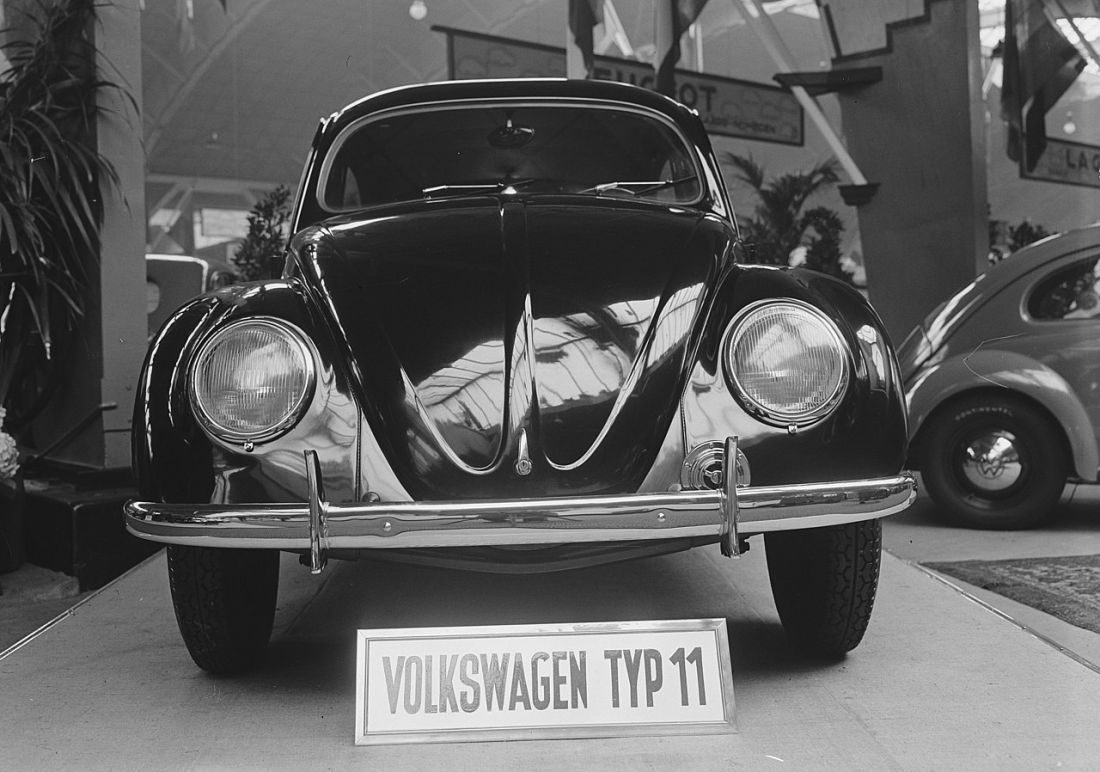
Photo: The early post-war export model at the 1948 Amsterdam AutoRAI Autoshow by Nationaal Archief, CC0, via Wikimedia Commons.
After the war, the Volkswagen factory at Wolfsburg was in a bad way. It had been damaged, supplies were short, and there wasn’t exactly a neat business plan sitting on a desk waiting for someone to carry on. Here’s where the story takes a very British twist. Under British control, Major Ivan Hirst helped get the plant working again. The British Military Government ordered 20,000 saloons in August 1945 because transport was badly needed. Then, on December 27, 1945, mass production of the Volkswagen saloon began.
By the end of that year, only 55 cars had been built. That number sounds tiny now, like a busy week at a small dealership, but it mattered. It meant the factory had a pulse again. You know how it is when something old and battered gets cleaned up, patched, and put back to work? That was the Beetle at this point. No glamour. No huge launch party. Just people trying to make useful cars in hard conditions. And it worked. By 1949, Volkswagen had about 10,000 employees and monthly output had reached 4,000 vehicles. That’s a serious turnaround. It’s one of those stories where practical thinking beats big speeches. The car didn’t need to be flash. It needed to start, run, and keep going. In a Europe that was rebuilding, that mattered far more than shiny chrome or bragging rights.
Why People Fell For The Beetle
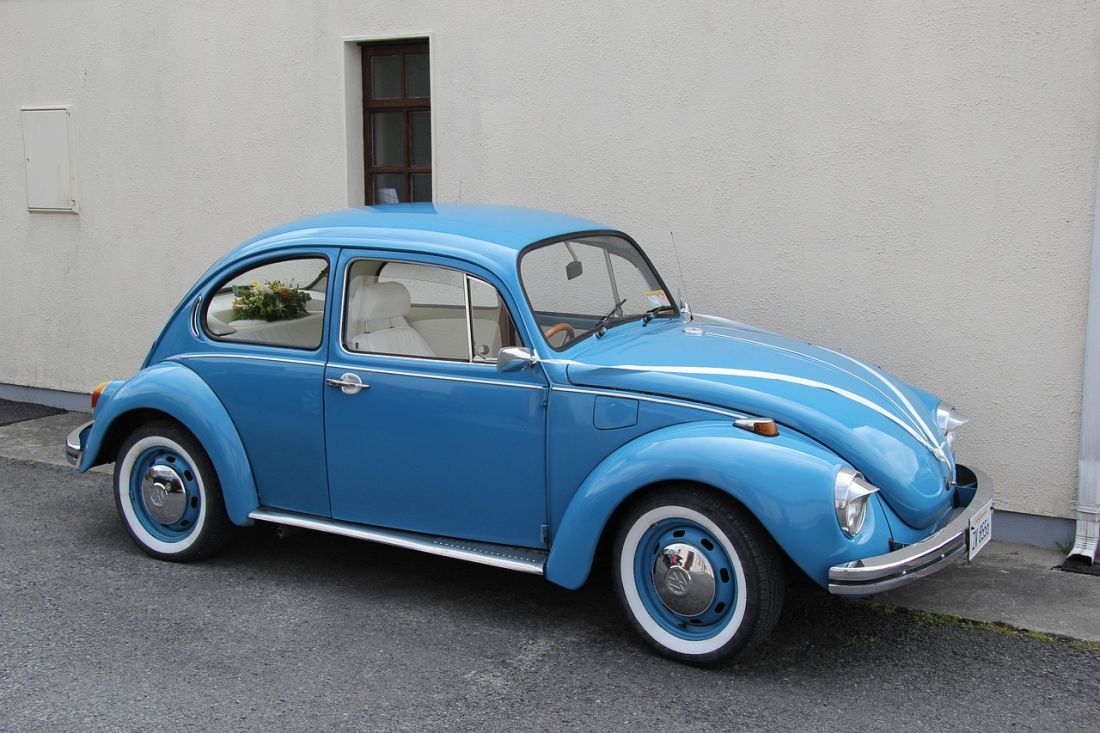
So, why did people like it so much? Let’s keep this simple. The Beetle was easy to recognise, easy to live with, and pretty tough for its size. Its engine sat at the back and was cooled by air, so it didn’t need the same water-cooling setup that many other cars used. That meant fewer parts in that area, and fewer things to worry about. Volkswagen itself has described the Beetle as compact, practical, cheap to buy, cheap to keep running, and easy to fix. That’s the kind of stuff real drivers care about. You can talk about fancy trim all day, but if you’re stuck on the hard shoulder of the M60 in drizzle, you’ll wish you’d chosen something that just behaves itself.
The Beetle’s rounded shape also helped it stand out. It didn’t look angry. It didn’t look like it was trying to win a fight at the lights. It looked cheerful, almost a bit cheeky. And because it was small, it felt manageable. Think about squeezing through older streets around Stockport, parking near a packed chippy, or threading through Manchester traffic when the rain has everyone in a mood. A small car that’s simple and friendly starts to make a lot of sense. The Beetle wasn’t perfect, of course. No old car is. It could be noisy, basic, and slow by modern standards. But people forgave it. They still do. Some cars impress you. The Beetle makes you forgive its little habits, like an old dog that steals your spot on the sofa.
The Shape Did Half The Talking
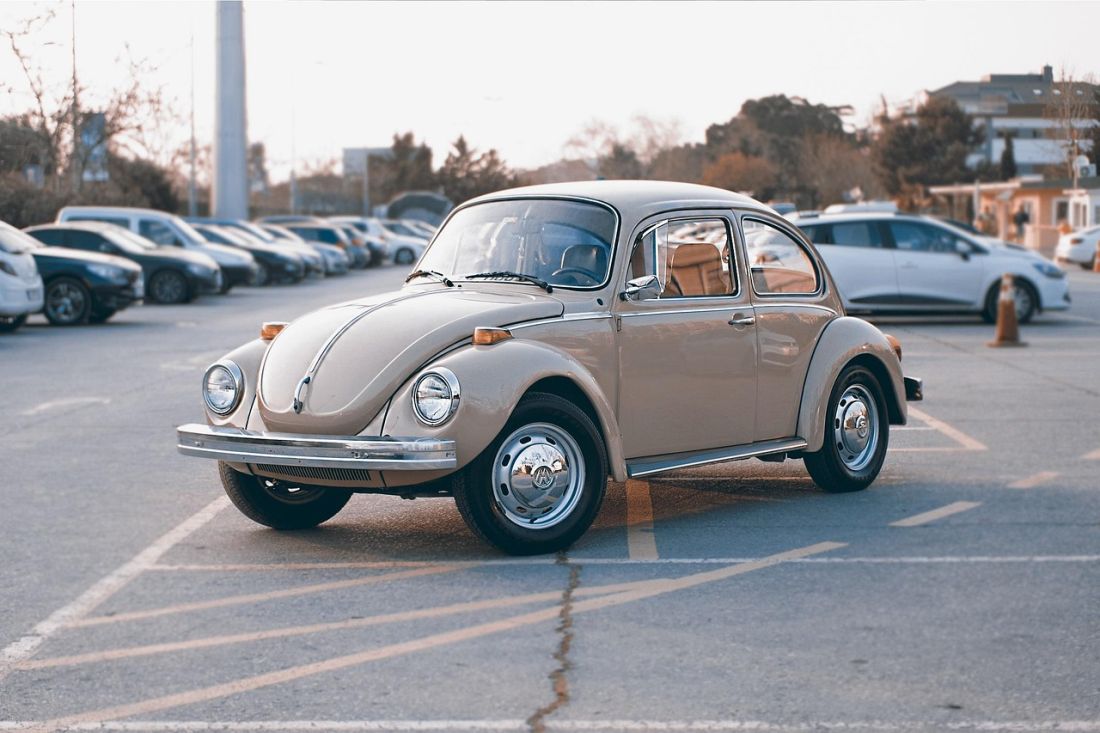
The Beetle didn’t need a badge the size of a dinner plate to tell you what it was. Its shape did the work. That rounded roof, curved wings, and short nose made it look different from almost everything else on the road. In some countries it was called names linked to beetles or bugs, like Käfer in Germany, Coccinelle in France, Fusca in Brazil, and Maggiolino in Italy. People don’t give nicknames to things they don’t care about. You don’t nickname a toaster unless it’s weirdly special. The Beetle had that special feel. And because its shape stayed familiar for so long, it became a sort of moving landmark. Families saw the same basic outline through different years, different colours, different bumpers, and different little changes.
That made it feel steady. Like seeing the same corner shop sign for years, even after the road around it has changed. The Beetle also had something many modern cars would love to have: warmth. That sounds strange, because it’s metal and glass, not a person. But cars can carry a mood. Some look serious. Some look expensive. Some look like they’re judging your parking. The Beetle looked like it might let you off if you stalled it. And that matters. A car that makes people smile before they even get in has already done half the job. That friendly look helped it move from transport into culture, which is where icons are made.
Then Came The Adverts That Made Small Cool
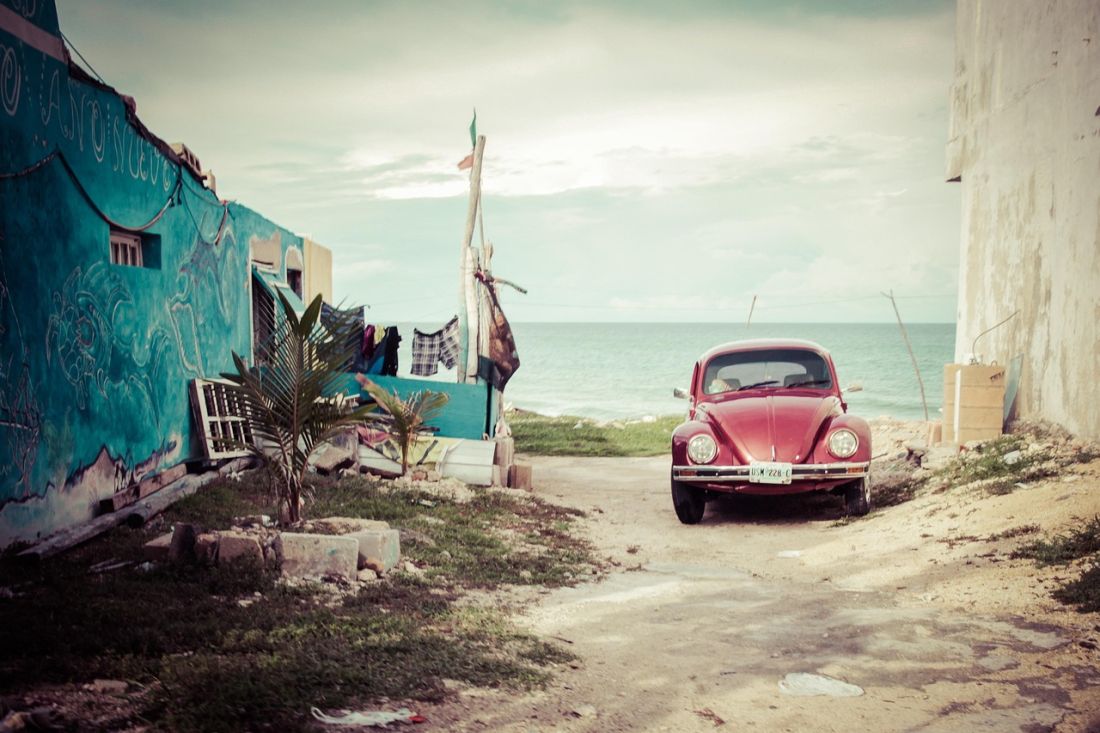
By the late 1950s, selling the Beetle in America was no easy task. Big cars were popular there. Long bonnets. Huge seats. Lots of shine. The Beetle was small, odd-looking, and linked to a difficult past. That could’ve gone badly. But the advertising agency Doyle Dane Bernbach took a brave route in 1959. Instead of pretending the Beetle was something it wasn’t, the adverts leaned into its size and weirdness. The famous “Think Small” campaign made the car feel honest. The ads didn’t shout. They didn’t promise that owning one would make you rich, cool, or taller.
They said, in a clever way, “Yes, it’s small. That’s the point.” Let’s face it, that’s refreshing. We’ve all seen ads that try far too hard. The Beetle ads felt like someone with a dry sense of humour had wandered into a boardroom and said, “Why don’t we just tell the truth?” That worked because the car could take the joke. It wasn’t delicate about its image. It had a face people remembered and a message they could understand. Small meant cheaper running. Small meant easier parking. Small meant you weren’t following the crowd. That last bit was huge. Suddenly, the Beetle wasn’t the strange little outsider. It was the smart choice for people who didn’t fancy doing what everyone else was doing.
Herbie Turned The Beetle Into A Character
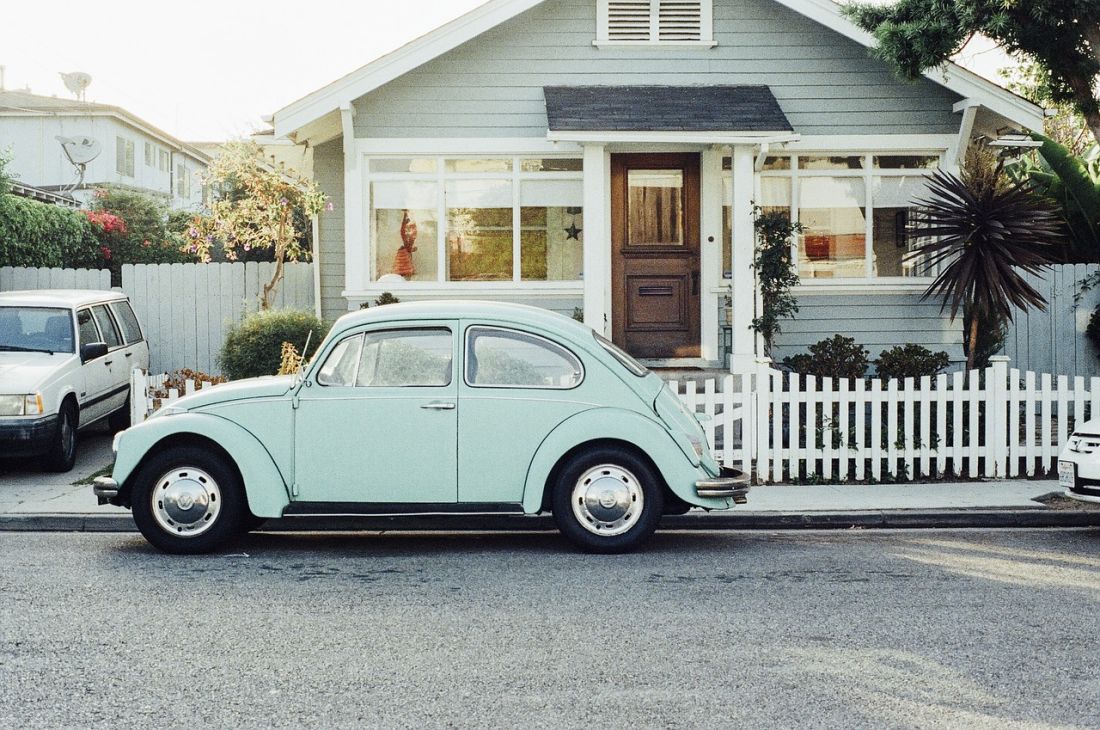
A lot of cars become famous because of racing, luxury, or speed. The Beetle got a different kind of fame. It became Herbie. Disney’s The Love Bug came out in 1969, and Herbie was a 1963 Volkswagen Beetle with a mind of his own. That sounds silly, and it is, but it worked because the Beetle already looked like it had a personality. According to Disney’s D23, the team behind the film picked the Volkswagen after parking several small cars near the studio cafeteria and watching how people reacted. Staff walked past, checked out the cars, and kept patting the Volkswagen.
That’s brilliant, isn’t it? They didn’t just look at it. They treated it like a living thing. Herbie’s racing number was 53, and the car became one of Disney’s most memorable screen motors. For lots of people, especially anyone who grew up seeing those films on telly, the Beetle wasn’t just a car after that. It was the little underdog that could take on bigger, louder machines and somehow win. That’s a very human story. We like the small one who keeps going. We like the odd one out. We like the thing that gets laughed at, then proves everyone wrong. The Beetle fitted that role without trying too hard. A Ferrari can look dramatic. A big four-by-four can look tough. But a Beetle can look determined in a way that makes you grin. Herbie pushed that feeling into pop culture and left it there.
The Beetle Became Bigger Than Its Own Sales Figures
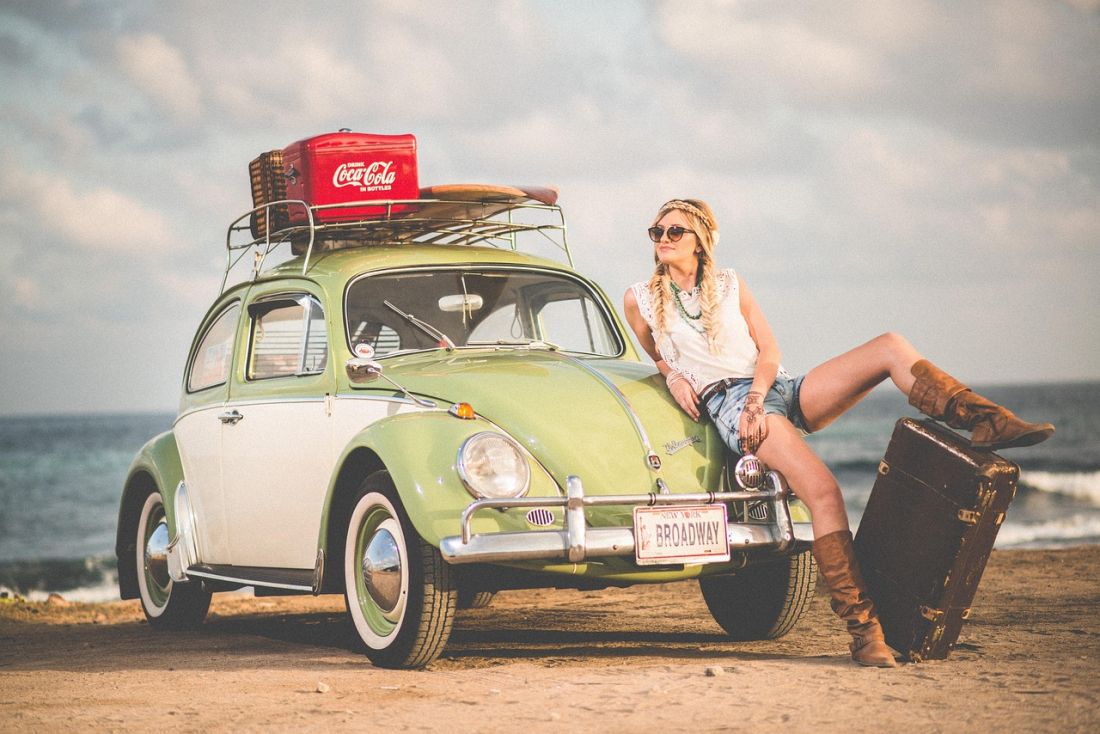
The numbers are still wild, though. On February 17, 1972, the 15,007,034th Beetle was produced in Wolfsburg, which meant it passed the old Ford Model T production record. Volkswagen says 21.5 million first-generation Beetles were sold, making it the most popular car built from a single platform. HISTORY gives the final classic Beetle count as 21,529,464, with the last classic car coming off the line in Puebla, Mexico, on July 30, 2003. Take a second with that. Over 21 million of one basic idea.
That’s not just a successful model. That’s a car that reached people across countries, classes, and decades. And because the Beetle didn’t change its face every five minutes, it built trust in a slow, steady way. People saw it everywhere. Students drove them. Families used them. Mechanics fixed them. Travellers packed them. Custom fans painted them bright colours, lowered them, raised them, raced them, restored them, and parked them at shows where strangers ended up chatting like old mates. You’ll still see Beetle owners swap stories as if they belong to a little club, even if they’ve never met before. That’s the strange magic of it. Most cars are owned. The Beetle gets adopted. There’s a difference. One is a purchase. The other becomes part of your life, like a favourite old jacket that’s a bit worn but still gets chosen on the weekend.
What The Beetle Teaches Us About Choosing A Used Car
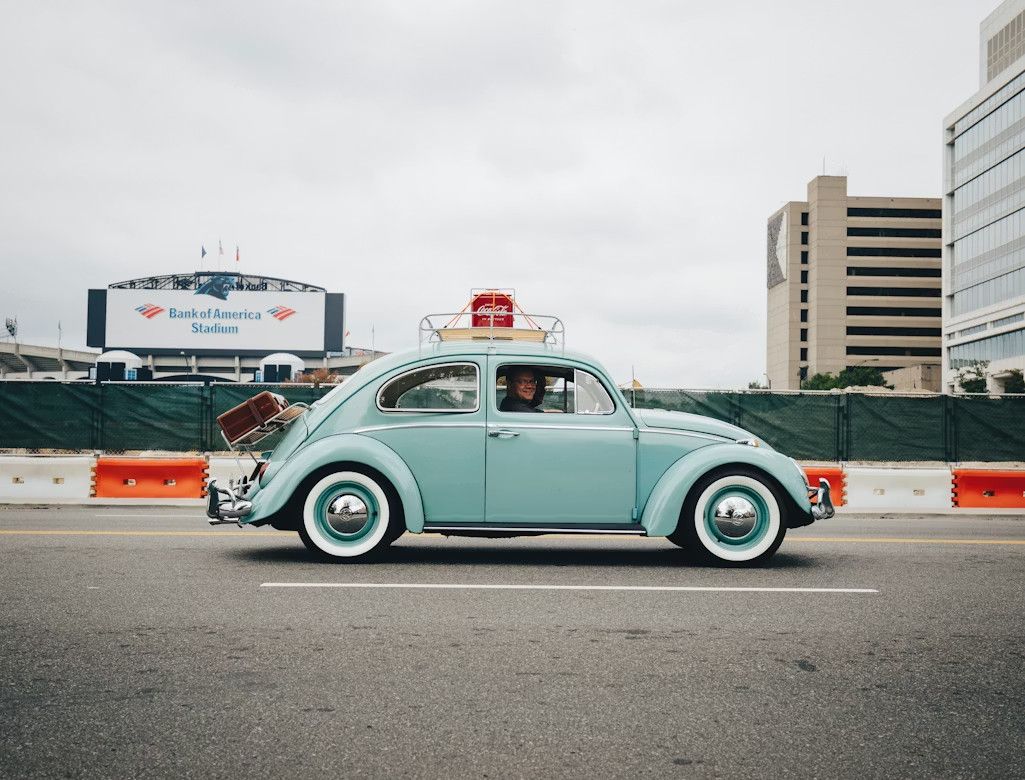
Here’s where the Beetle’s story still feels useful, even if you’re not shopping for a classic one. A great car doesn’t need to be the loudest, the biggest, or the one with the longest list of buttons. It needs to suit your life. That’s the bit people sometimes forget. Around Manchester and Stockport, drivers need cars for school runs, rainy commutes, weekend trips to the Peak District, big shops, tight parking, and the odd slog along the M60 when everyone seems to have left at the same time. The Beetle became loved because it knew what it was. Small. Simple. Distinctive.
Honest. That’s a good lesson for any used car buyer. Don’t get dazzled by stuff you won’t use. Look at condition. Look at service history. Ask if the car has been checked properly. Think about whether it fits your daily life, not just whether it looks nice in a photo. At Dace Motor Company, we sell used Volkswagens along with Alfa Romeo, Audi, BMW, Ford, Honda, Hyundai, Kia, Mercedes-Benz, Toyota, Vauxhall, Volvo, and plenty of others, so we see the same truth again and again. The right car isn’t always the flashiest one. It’s the one that makes your week easier. A soft finance search that doesn’t hurt your credit score can help you see what may work before you commit, and a proper vehicle history check gives peace of mind. No fuss. No drama. Just a sensible start.
The Classic Beetle Ended, Then The New One Bowed Out Too
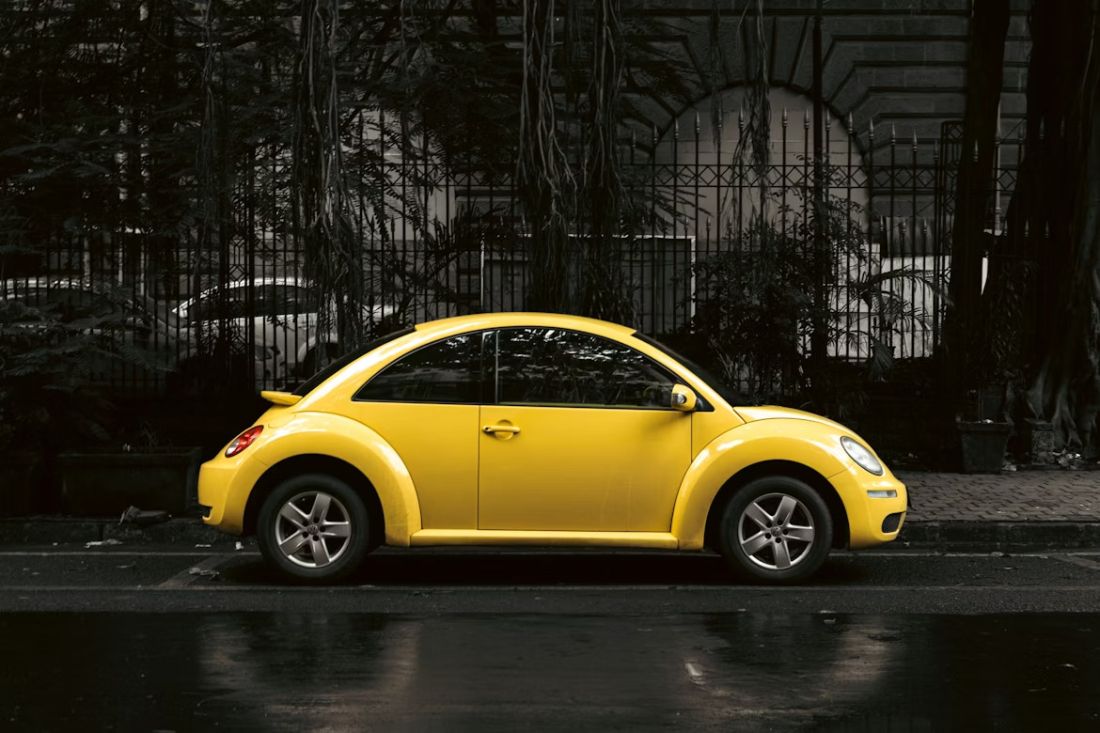
The classic Beetle’s long run finally ended in Mexico in 2003. The last one was part of a 3,000-car final edition, and the baby-blue car was sent to Volkswagen’s museum in Wolfsburg. But that wasn’t quite the last time the Beetle name appeared on a new car. Volkswagen brought out retro-style later versions, including the New Beetle and then the 2011 to 2019 Beetle. Those newer cars had modern parts underneath, with links to the Golf, and they were built for people who wanted the Beetle look with newer comfort and tech. Then, on July 10, 2019, the last Beetle rolled off the production line in Puebla.
So yes, the Beetle story has an end date in new-car production. Two, really, depending on whether you mean the original classic shape or the later modern version. But cars don’t vanish just because factories stop building them. The Beetle is still alive at shows, in garages, in films, in old family pictures, and in that little moment when one passes you and you nudge the person next to you. “Look, a Beetle.” That’s staying ability. A lot of cars have better safety kit now, better fuel use, quieter cabins, and far more comfort. Fair enough. Time moves on. But very few cars have that instant emotional pull. Very few cars can make a wet road near Eccles feel a tiny bit sunnier just by trundling past.
Why This Little Car Still Gets A Nod
The Beetle became a global icon because it did a lot with very little. It had a shape people remembered, a layout people could live with, and a personality that seemed bigger than the car itself. It was born from a dark bit of history, saved by practical post-war thinking, sold with clever honesty, and loved by drivers who didn’t need their car to shout. That’s a rare mix. You can’t fake that kind of affection. You can market a car, polish it, rename it, relaunch it, and stick it under bright lights, but you can’t force people to care. People cared about the Beetle because it felt familiar. It felt humble. It felt like it was on your side. And maybe that’s why it still makes sense to talk about it on a company blog in Greater Manchester. Around here, people respect cars that get on with the job. Cars that start on cold mornings. Cars that handle a bit of rain, a supermarket run, and a last-minute dash across town. The Beetle wasn’t perfect, but it had charm by the bucket. It proved that a car doesn’t need to be huge to leave a mark. It just needs to be useful, honest, and memorable. The Beetle did that for decades. Still does, really. Because even now, after all these years, one glimpse of that rounded roof is enough. You smile before you mean to.