


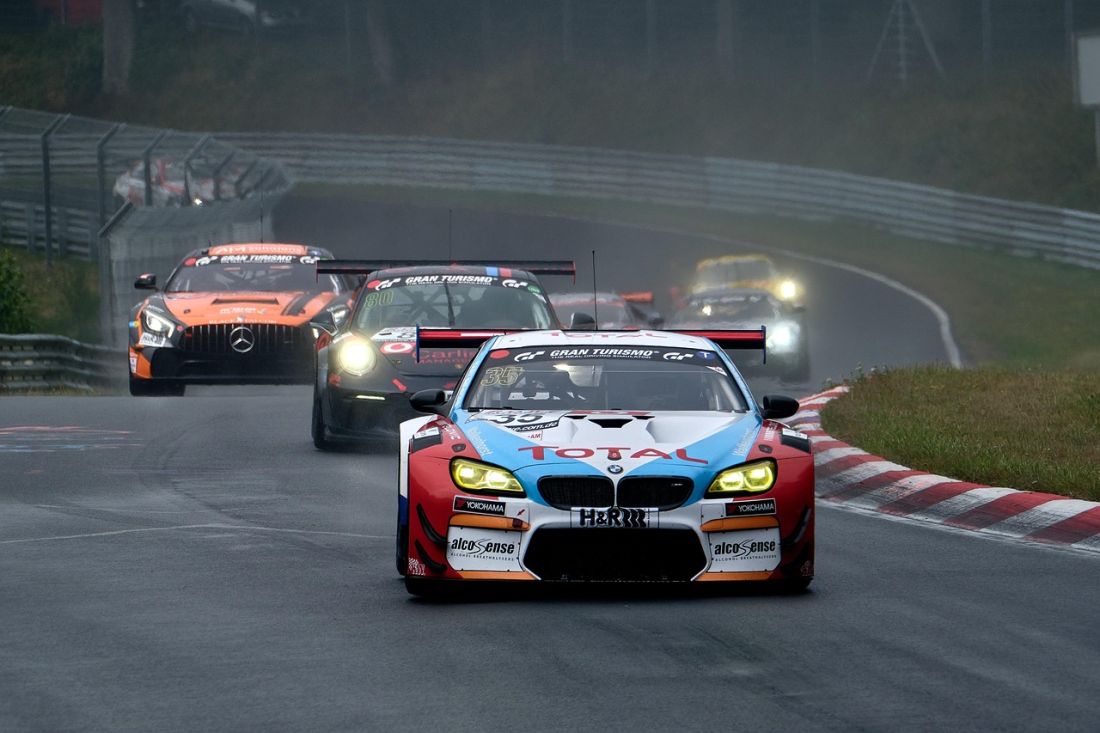
Performance Divisions That Became More Famous Than the Main Brand
Some car badges stop feeling like trim levels and start feeling like brands of their own. Ask a keen driver what they spotted near Deansgate, the Stockport Pyramid or the M60, and they may say, “an AMG,” “an M3,” or “an RS6.” They won’t always lead with Mercedes-Benz, BMW or Audi. That’s the strange bit. The smaller badge, created to sit beside the main maker’s name, can become the part people remember first. It carries a promise: sharper looks, a louder voice, stronger acceleration, better brakes and a sense that the car was built by the slightly mischievous team in the office next door. Let’s face it, a normal badge tells you who made the car. A famous performance badge tells you what sort of mood it’s in. That doesn’t mean these divisions are truly better known than their parent companies across every country and every type of buyer.
Mercedes-Benz, BMW and Audi are huge names. But among car fans, and even among people who don’t spend Sunday mornings reading road tests, AMG, M and RS have become cultural shortcuts. You can see the letters on clothing, phone cases, number-plate surrounds and social media accounts. Some owners talk about the badge as if it’s a football club. Others simply like the shape, the sound or the idea behind it. Here at Dace Motor Company, we see how buyers use these names while searching for used cars around Manchester and Stockport. They may begin with a budget and body shape, then quickly say, “I’d love an M car,” or, “Have you got anything with an RS badge?” The letters do a lot of work. And the best-known ones earned that pull through racing, bold road cars and decades of stories passed from one driver to another.
AMG: three letters that escaped the boot lid
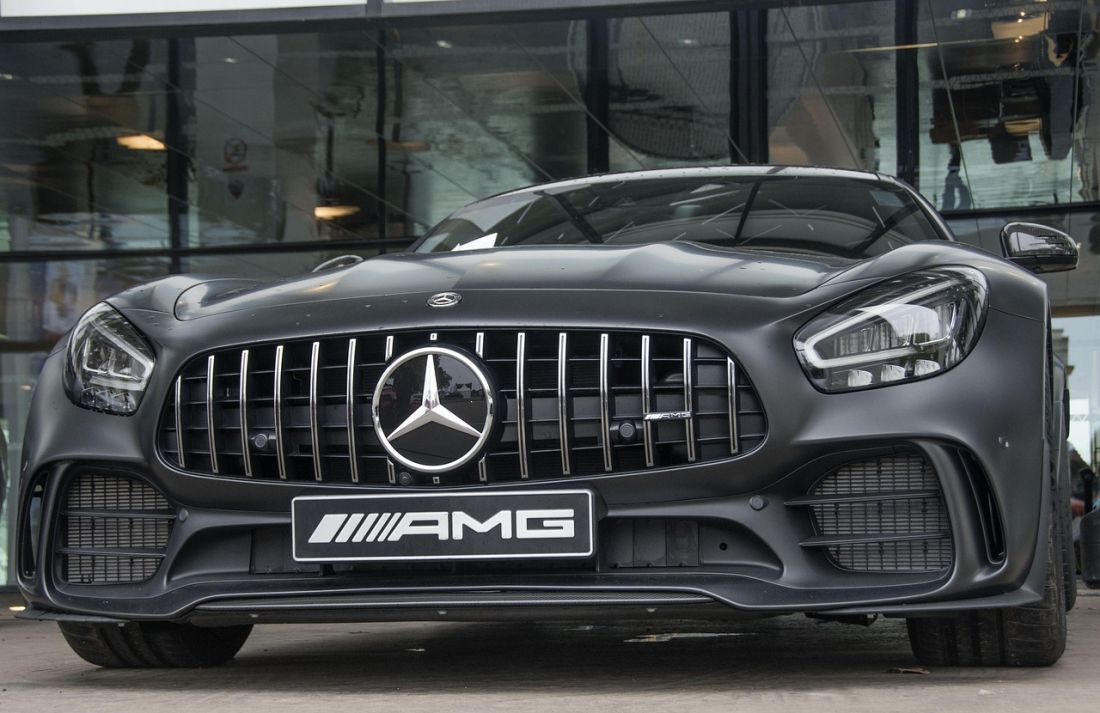
AMG began in 1967, founded by Hans Werner Aufrecht and Erhard Melcher. The letters come from Aufrecht, Melcher and Großaspach, Aufrecht’s birthplace. It started as a small engineering business focused on racing engines, not as a neat department inside a giant car maker. That origin matters because it gave AMG a rebellious image from day one. The car that pushed the name into wider view was the huge Mercedes-Benz 300 SEL 6.8 racing saloon, nicknamed the “Red Pig.” In 1971, it won its class at the 24-hour race at Spa and finished second overall. Picture a large executive car barging into a race full of lighter machines and refusing to behave like the sensible choice. That story has been repeated for decades because it sums up AMG rather well: take something comfortable, add serious pace, then make the result a little bit wild. Over time, AMG moved closer to Mercedes-Benz and became its official high-performance and sports-car arm.
Yet the name never lost the feeling of being a separate character. People say “AMG” with the same ease they say “Porsche.” They know the badge may mean a hand-built engine on certain models, deeper exhaust noise, firmer suspension, larger brakes and styling that looks ready for a night run past the Etihad. It also became flexible. There are compact AMG hatchbacks, family estates, large saloons, sports cars and tall family models. That range helped the name spread far beyond racing fans. Still, a used buyer needs to read the full model name, because an AMG styling package isn’t the same thing as a complete AMG model. One may mainly add wheels, seats and body details, while the other can bring major changes beneath the skin. Same three letters in the advert, very different car. You know how it is, the small print matters.
BMW M: one letter, a huge reputation
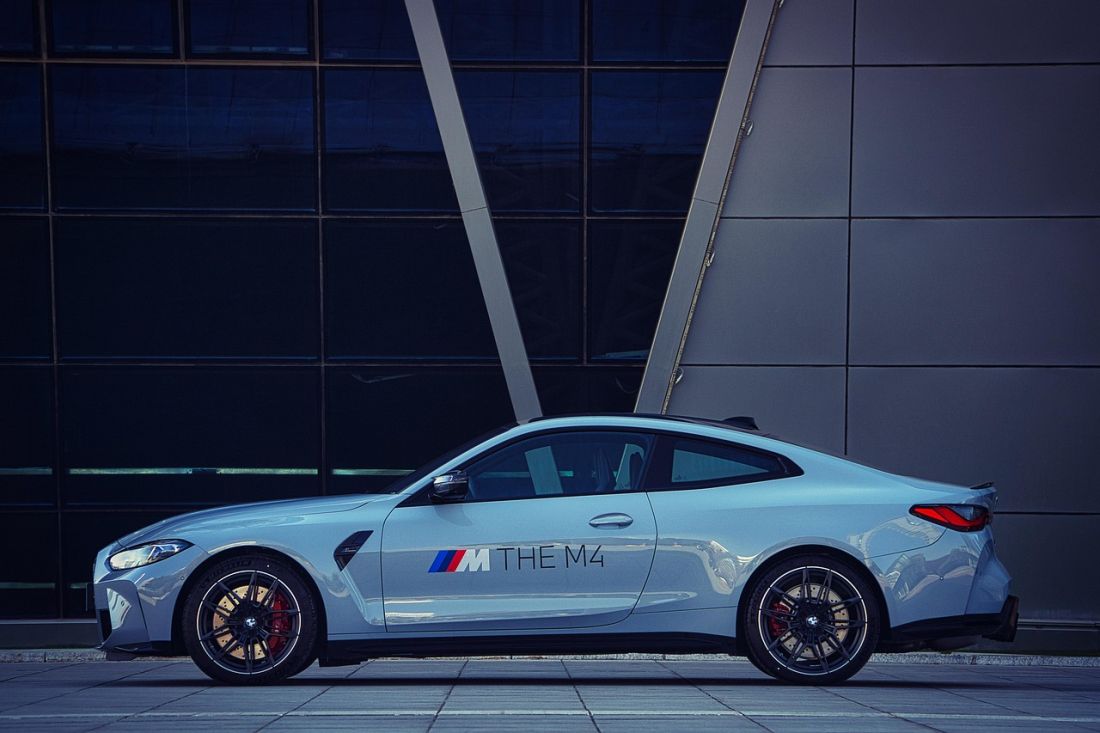
BMW’s performance arm was formed in 1972 as BMW Motorsport. Its first job was closely tied to racing, and the early 3.0 CSL became one of the cars that shaped the division’s image. The famous striped M badge appeared in the 1970s, while later road cars pushed the single letter into everyday speech. The mid-engined M1 looked like a proper poster car. Then the M3 arrived and changed the scale of the story. It was fast, compact enough for normal roads and linked to touring-car racing, so it felt both exotic and reachable. That mix is gold. A dream car is exciting, but a dream car that looks a bit like the saloon in your neighbour’s drive gets under the skin in a different way. BMW markets M as its strongest single letter, which is grand promotional talk, but the line works because many drivers already treat that letter as a full identity. The clever part is how M became a ladder.
At the top sit full M cars, such as the M2, M3 and M5, built with major changes to engines, cooling, suspension, brakes, steering and body structure. Lower down, there are M Performance models and M Sport versions. Those can still be quick or attractive, but they don’t all offer the same depth of changes. That can confuse used-car shoppers. An M Sport badge may mean a sharper-looking regular BMW, while an M3 is a different animal with higher running costs and a much stronger focus on speed. Around Manchester, the difference matters. A car that feels thrilling on an open Pennine road may feel firm over broken city tarmac, and large wheels can be costly if a pothole near the Mancunian Way wins the argument. The badge has become famous because it promises excitement. The sensible buyer still checks exactly which kind of M they’re looking at, how it has been maintained and whether its previous owner treated every slip road like a starting grid.
Audi RS: the fast estate that changed the rules
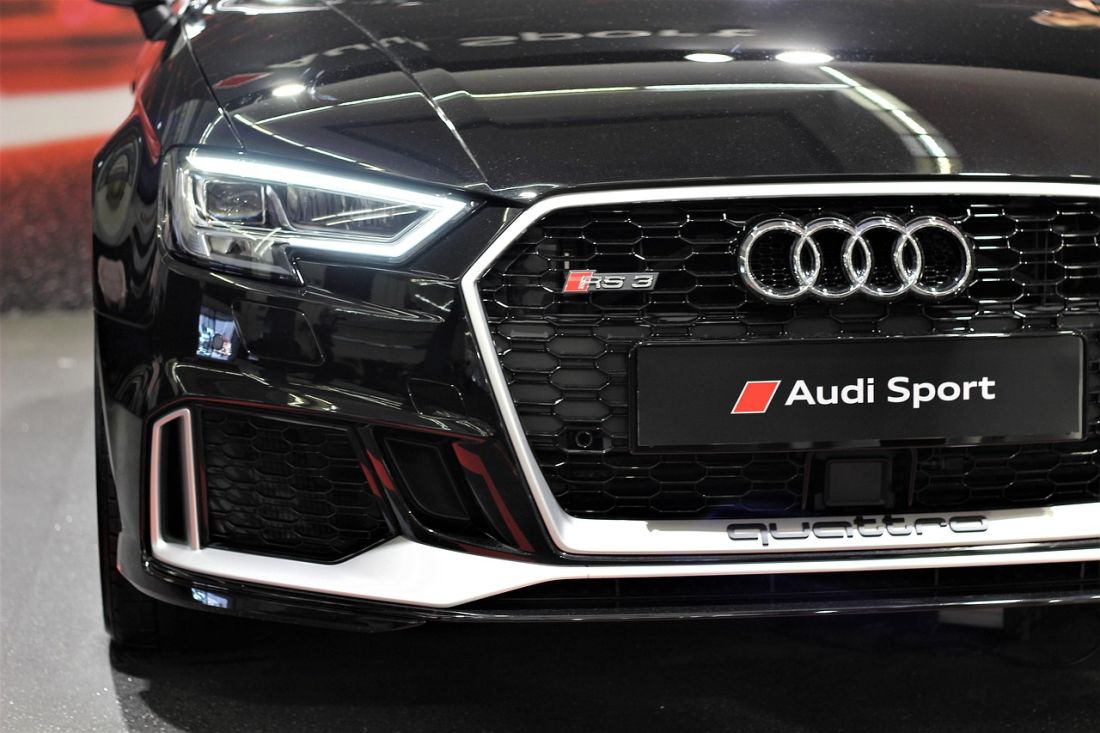
Audi Sport began life as quattro GmbH in 1983, and the first RS road car arrived in 1994. That car, the Audi RS2 Avant, was made with help from Porsche and mixed sports-car pace with the shape of a family estate. Audi says it was the first RS model and the fastest, strongest production Audi of its day. It could carry people, luggage and shopping, yet it had the kind of speed that made supercars look over their shoulders. That was a fresh idea at the time. Fast saloons already existed, but the RS2 made the practical estate feel like the secret hero. It looked useful. It was useful. Then it left plenty of far less practical cars behind. That basic recipe still explains why an RS4 or RS6 gets such a reaction at a petrol station. It’s the surprise. Nobody expects the car with the dog guard and roof box to move like that. RS comes from the German words for “racing sport,” and Audi reserves the letters for its fastest road models. The badge now carries a clear image: wide wheel arches, strong four-wheel grip, huge brakes and quiet menace.
It doesn’t need a giant rear wing to make the point. In fact, understatement is part of the appeal. An RS6 can sit outside a school in the rain, looking almost sensible, then turn into something very serious once the road opens up. That suits Britain rather well, where the weather changes every ten minutes and most drivers need space for real life. It also suits the North West, where one car may have to handle a Stockport commute, a wet run over Woodhead Pass and a family weekend away. But again, the family tree matters. Audi also uses S badges, which sit below RS, and S line badges, which are mainly about appearance and equipment. They can all look related from across a car park. They aren’t the same. Check the exact model, engine, brakes and service record before the badge does the buying for you.
Abarth: the scorpion that became the headline
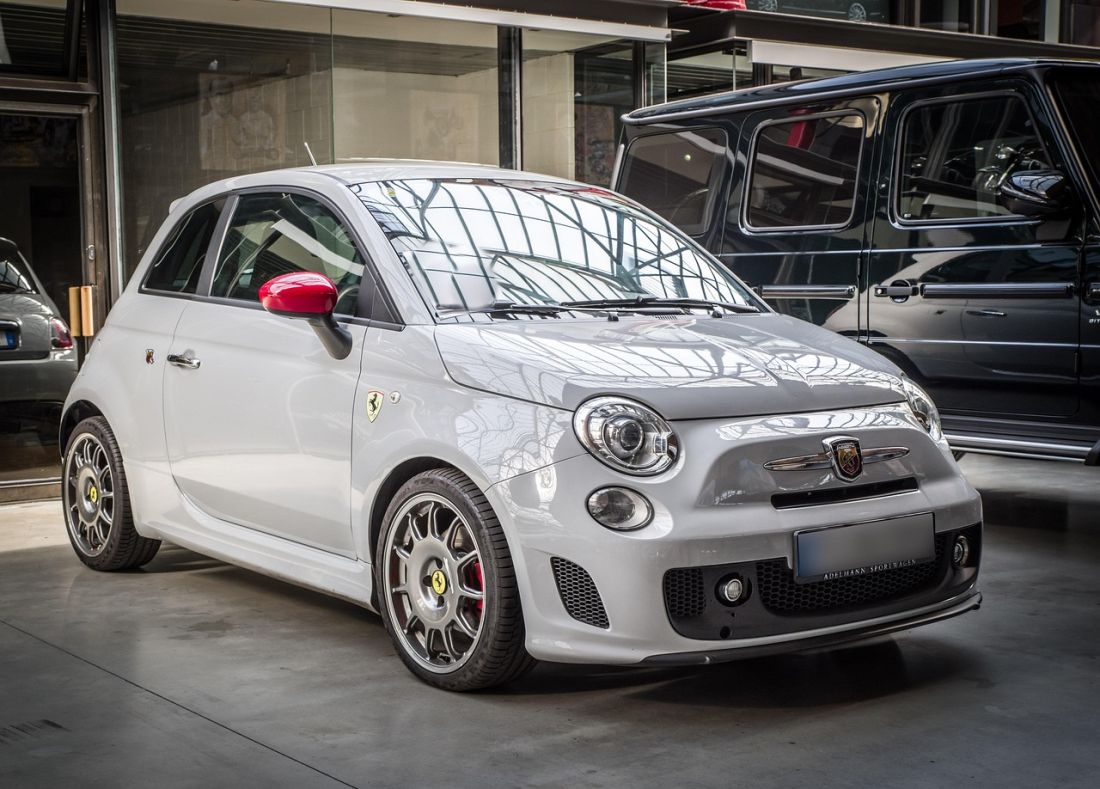
Abarth is a slightly different case because it began as its own company rather than a factory department. Carlo Abarth and Guido Scagliarini founded Abarth & C. in 1949. The firm became known for racing cars, tuning kits and exhaust systems that could turn small, ordinary cars into noisy little troublemakers. Its scorpion badge came from Carlo Abarth’s star sign, Scorpio, and it became one of the easiest symbols to spot in motoring. The magic was simple: you didn’t need a huge car to have fun. A light Fiat with an Abarth badge could feel eager, cheeky and alive at everyday speeds. That’s a big reason the name survived. Plenty of performance cars are impressive at speeds that don’t fit normal roads. Abarth built its image around cars that could make a short run to the shops feel like an event, even if you were just circling Stockport for a parking space. In later years, Abarth became closely tied to Fiat, yet many people say “an Abarth” rather than “a Fiat Abarth.” The smaller name took the lead.
The modern 500-based models made that even clearer. A Fiat 500 is friendly, compact and style-led. An Abarth version adds firmer suspension, louder exhaust noise, stronger brakes and a much more aggressive attitude. The basic shape remains familiar, which makes the change feel bigger. It’s like seeing the quiet kid from school turn up as the drummer in a punk band. There’s humour in it, but there’s also real history behind the badge. For used buyers, the main thing is to look past the sound and stickers. Check for careful servicing, good-quality tyres, healthy brakes and signs of poor modifications. Small turbocharged cars can be great fun, but neglected ones can become expensive. An Abarth with a clean history and sensible previous owner may give you years of laughs. One that has spent every night bouncing off the rev limit outside a takeaway might need a closer look.
Nismo: Nissan’s racing name became a fan language
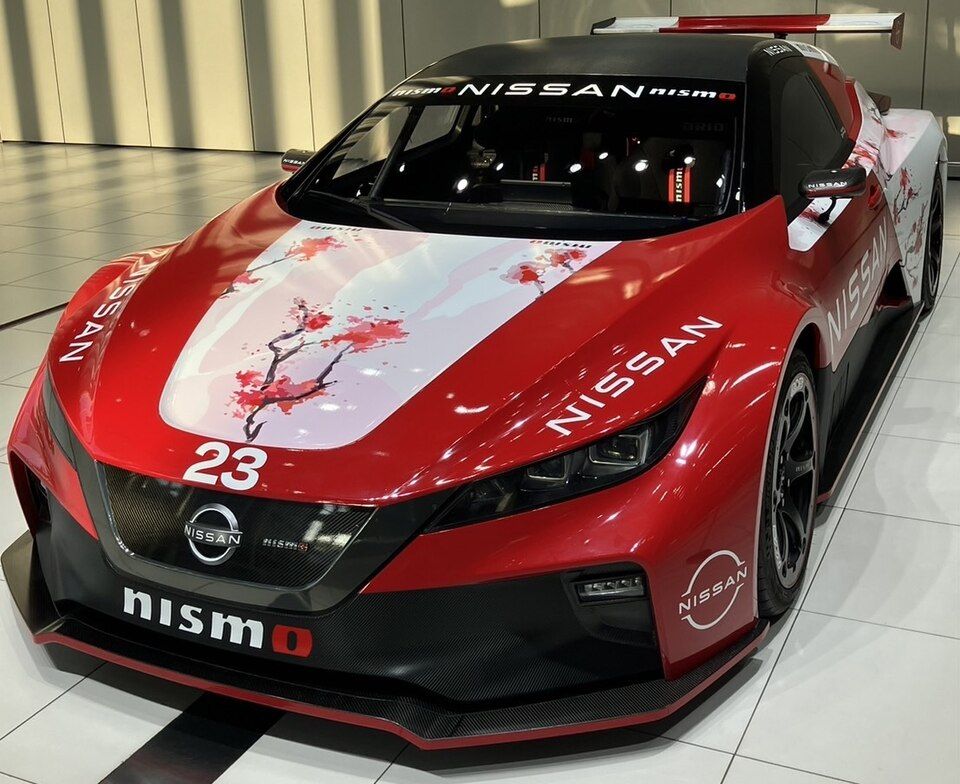
Photo: Nissan Leaf Nismo RC Sakura Design by ?????, CC0, via Wikimedia Commons.
Nismo is short for Nissan Motorsports. The company was established in September 1984 after Nissan brought together two motorsport departments. It began business the following month, and by 1985 it was developing and selling its own parts. That gives the name a proper racing foundation, rather than a badge created by a marketing meeting. Nismo worked on competition cars, road-car upgrades and factory-backed racing, building a link between what happened at the circuit and what buyers could fit or drive on the road. Nissan’s Skyline and GT-R models helped carry the name around the globe, especially through racing, tuning culture, magazines, films and driving games. For a generation of fans, Nismo didn’t need explaining. It meant the sharper Nissan, the one with red details, serious cooling and a sense that the engineers had been allowed to stay late.
That fame is interesting because Nissan makes everything from small family cars to work vans, while Nismo sits in a much narrower lane. The specialist name can feel clearer than the main brand. Nissan means many things. Nismo means speed, racing and tuned road cars. That focus makes it memorable. It also helps that the word sounds like a brand, not a trim code. You can put it on clothing or say it in a sentence without needing to explain a string of letters. Still, buyers should separate factory Nismo cars from ordinary Nissans wearing aftermarket parts. A genuine Nismo model should have the correct factory specification, matching identification details and a history that makes sense. Imported cars need careful checks too, including registration records, corrosion, previous accident repairs and access to the right replacement parts. We’ve all seen an advert where the badges are doing most of the storytelling. Don’t let a red stripe make the decision. The real appeal of Nismo comes from engineering and history, so the car in front of you should back that up.
Cupra and Polestar: the badge grows up and moves out
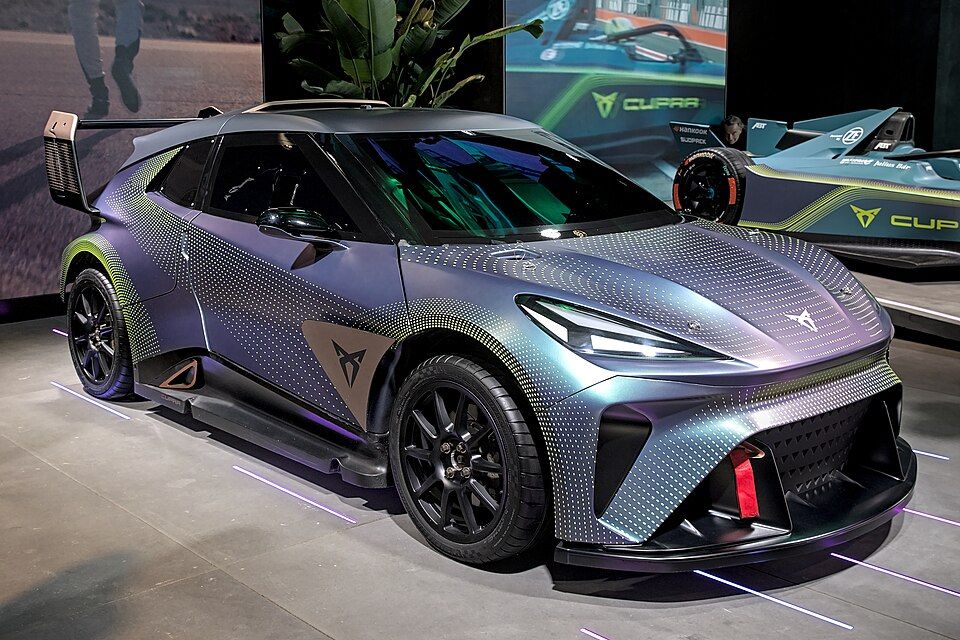
Photo: Cupra UrbanRebel Concept by Alexander-93, CC BY-SA 4.0, via Wikimedia Commons.
Cupra and Polestar show what happens when a performance name becomes strong enough to leave home. Cupra began as the sporty badge linked to Seat models, with cars such as the Ibiza Cupra and Leon Cupra building a loyal following. In 2018, Seat announced Cupra as a separate vehicle brand with its own identity, and the Cupra Ateca opened the new range. The move worked because buyers already knew the word and connected it with fast, sharp-looking cars. Cupra then created models that weren’t simply hotter Seat versions, including the Formentor. By the end of 2024, the brand had passed 800,000 vehicle deliveries since launch. That’s a striking rise for a name that once sat on the back of another maker’s hatchback. It also shows how a performance badge can become a bridge. Fans bring the old memories, while new buyers meet the badge as a full brand in its own right. Polestar followed a related path, though its style is very different.
It grew from a racing and performance connection with Volvo, then launched as a new standalone electric car maker in 2017, backed by Volvo Cars and Geely. Before that change, the Polestar name had appeared on quick Volvo saloons and estates, as well as performance upgrades. The badge already meant the unusual Volvo, the one with extra bite. As a separate brand, Polestar used that background while choosing a clean, modern look and a range centred on electric cars. Both stories prove the same point. A strong sub-brand can become valuable enough to stand alone, but it needs a clear character. Cupra went for copper details, bold shapes and a sporty Spanish identity. Polestar chose calm Scandinavian styling with a technical feel. Neither could survive on an old badge alone. The new cars had to give people a fresh reason to care. That’s the test every famous performance name faces: history gets attention, but the current car has to earn the next chapter.
What a famous badge does, and what it doesn’t
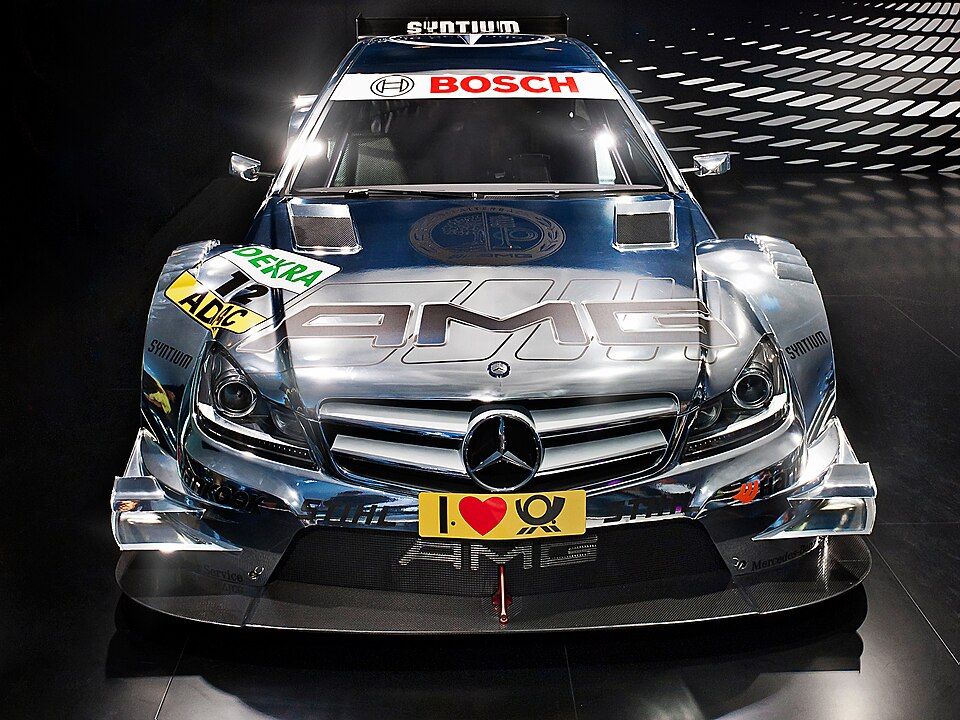
Photo: Front view of an AMG Mercedes-Benz C204, race car from the German Touring Car Championship (DTM) 2012. Photographed by Stefan Krause, Germany, CC BY-SA 3.0, via Wikimedia Commons.
A performance badge can tell you that a car left the factory with serious changes, but it can’t tell you how the car has been treated since. That’s the bit used buyers need to remember. Fast cars work their tyres, brakes, cooling systems and suspension harder than ordinary models. They can also attract owners who modify them, drive them hard or delay expensive maintenance before selling. None of that means you should avoid them. It means you should buy with your eyes open. Start with the service history and check that the work matches the maker’s schedule. Look for invoices, not just stamps. Ask about gearbox servicing, brake replacements, tyre brands, suspension work and any engine software changes. A matching set of good tyres says something useful about the previous owner. Four cheap tyres from different brands say something too. Then check the car when it’s cold. Listen for rattles, uneven idle and strange noises as it warms up. Make sure warning lights come on during the start-up check and then go out. Test every driving mode, camera, seat control and screen. Performance cars can carry a lot of equipment, and small faults soon add up. On the road, feel for vibration, pulling under braking, clunks over bumps and hesitation from the engine or gearbox. A full vehicle-history check matters as well, especially with high-value cars. Dace Motor Company says every vehicle it sells is checked before sale, and its Stockport and Manchester sites carry used models from many of the brands covered here. The company also offers a soft-search finance check that doesn’t affect a customer’s credit score. Keep the sums realistic, though. The monthly payment is just one part of the cost. Insurance, fuel, tyres, brakes, servicing and warranty cover can change the picture quickly.
Why these badges stick
The best performance names become famous because they make a complicated idea feel simple. AMG means a Mercedes-Benz with extra drama. M means a BMW shaped by racing ideas. RS means the Audi that can carry a wardrobe and still scare a sports car. Abarth means the tiny Italian car with a bad attitude. Nismo means Nissan with circuit blood in its veins. Cupra and Polestar show that a badge can even grow into a separate maker. Each one has its own accent, history and set of expectations. You don’t need to know every engine code or race result to feel the difference. The badge gives you the headline before you’ve opened the door. And there’s a social side to it. These names create groups. Owners wave, meet, compare notes and argue about which generation was best. One person loves an old, light BMW M3. Another wants an Audi RS6 because it can handle children, luggage and a wet motorway run without fuss. Someone else wants an Abarth because a small car with a loud exhaust makes them grin at 30 miles per hour. There isn’t one correct answer. That’s why the names last. They offer different kinds of fun. For drivers around Manchester and Stockport, the sensible choice still depends on daily life. Think about parking, road quality, insurance, fuel, family space and where you’ll really drive. A huge performance estate may be brilliant, but a smaller hot hatch could fit your week far better. Try the car on roads like the ones you use, not just a smooth test route. Check the history, ask awkward questions and don’t buy a badge without buying the condition of the car behind it. The famous letters can point you in the right direction. They can’t replace a careful look. That’s the part that keeps the dream car from becoming the expensive car you avoid looking at on the drive.