


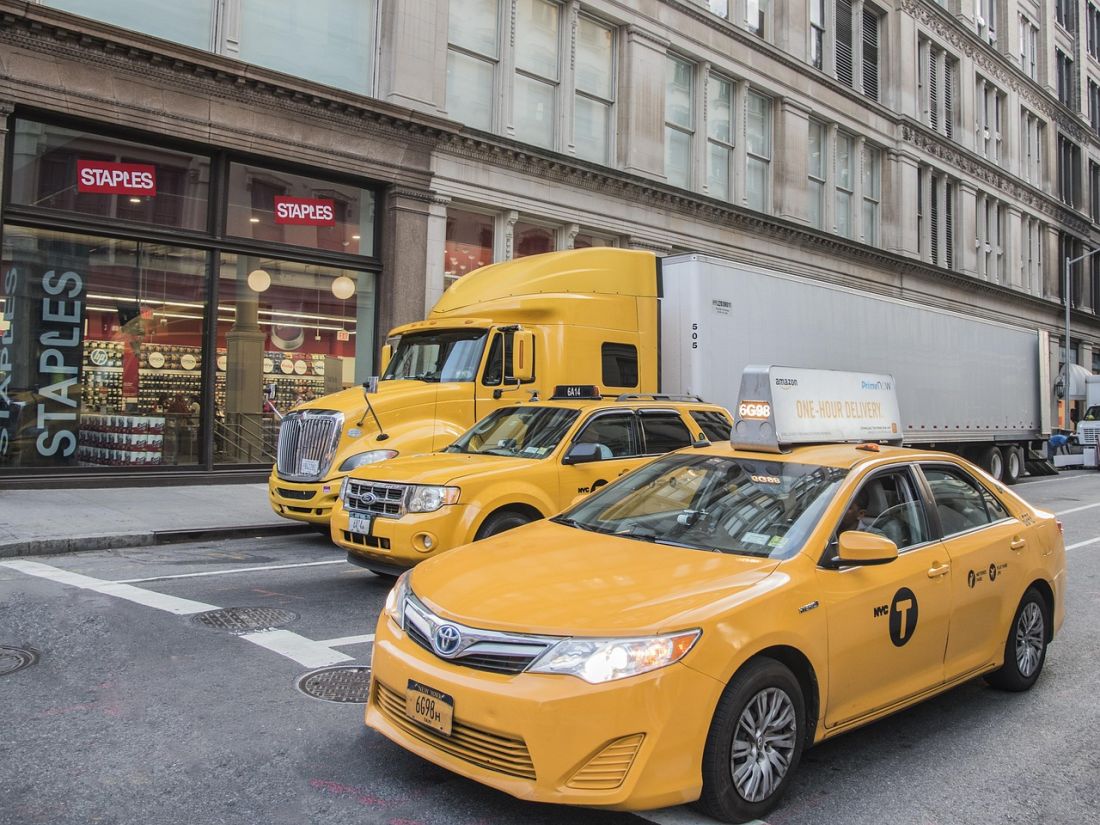
The Most Commonly Used Taxi Cars Around the World
A taxi has a harder life than almost any family car. It can spend all day crawling through traffic, stopping every few minutes, carrying suitcases, picking up muddy shoes, and sitting with the engine or cabin heating running while a passenger finds the right door. Then it may do the same thing again at night. So the cars that become taxi favourites aren’t always the flashiest ones in the showroom. Drivers tend to want sensible fuel use, easy repairs, a roomy back seat, a boot that can swallow airport bags, and seats that won’t feel worn out after a mountain of miles. There’s no single worldwide table that counts every cab by make and model, so a neat number-one-to-number-ten ranking would be guesswork. Each city has its own rules, fuel prices, road conditions, taxes, and car supply. London needs wheelchair-friendly black cabs with a tight turning circle. Tokyo values easy entry and a calm passenger space. Indian city drivers may put low purchase and fuel costs near the top of the list. New York drivers can rack up huge mileage, so a car that looks cheap on day one might cost a fortune later if it keeps breaking. Still, the same names crop up again and again: Toyota Prius, Toyota Camry, Toyota Corolla, Skoda Octavia, Mercedes-Benz E-Class, Hyundai Sonata, Maruti Suzuki Dzire, Nissan NV200, and the London Electric Vehicle Company TX. From our side of Greater Manchester, it makes sense. A cab leaving Manchester Airport, cutting across the Mancunian Way, and finishing near Stockport Viaduct needs comfort, space, and stamina, not fancy tricks that’ll be forgotten by Tuesday. Dace Motor Company sees those same practical needs in everyday used-car buyers across Stockport and Manchester, even if the school run is kinder than a twelve-hour taxi shift.
Toyota Prius, Camry and Corolla: the cars that keep showing up
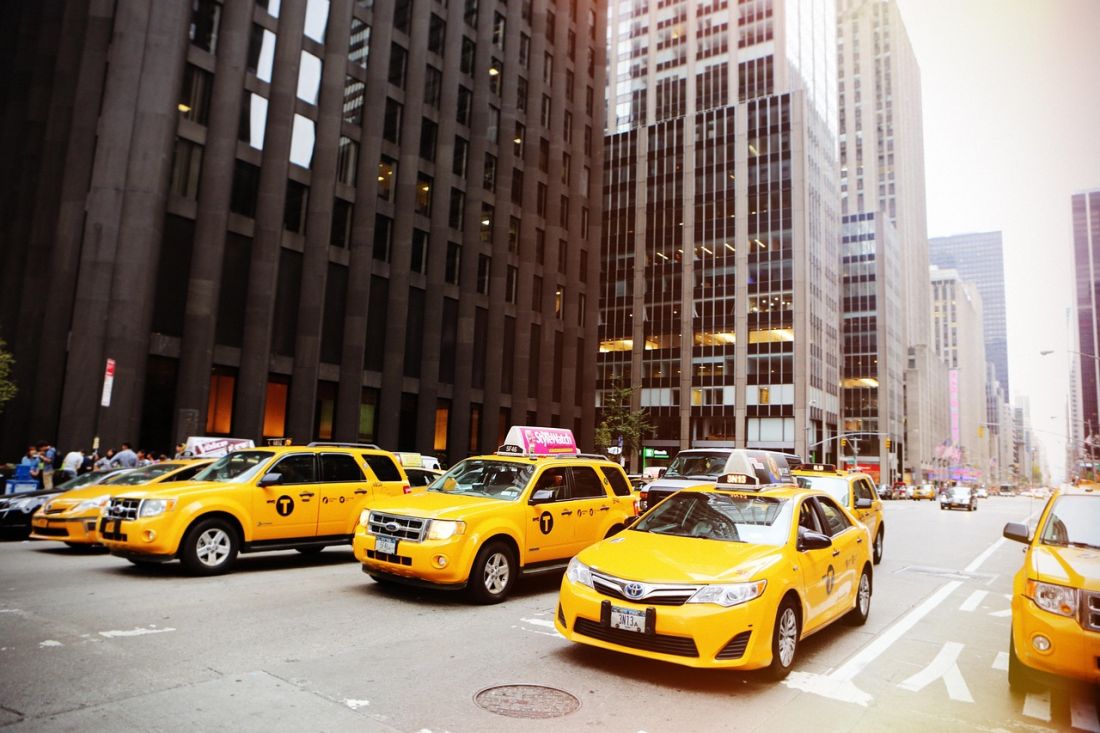
Toyota is probably the closest thing taxi fleets have to a shared language. The Prius became easy to spot in cities because its petrol-electric setup suits stop-start driving, where braking can help put energy back into the battery. It also has a useful hatchback shape, decent rear space, and a reputation that made many drivers comfortable with keeping one for high mileage. In Britain, a 2025 survey from TaxiPlus placed the Prius first across the taxi and private-hire drivers it studied, with the Toyota Corolla also appearing near the top. The picture changes in New York, where the Camry, Highlander, RAV4, Sienna and other Toyota models fill a big part of app-booked passenger work. A 2025 report prepared for the New York City Taxi and Limousine Commission looked at cars active during 2024.
Its table included 949 examples of the 2019 Camry, 927 examples of the 2019 Highlander, 574 examples of the 2019 RAV4 Hybrid, and hundreds of older Camry, Sienna and RAV4 models. The mileage tells the bigger story. A sample of 2017 Camry Hybrids had a median reading of 271,000 miles, while a sample of 2015 Prius v cars reached 305,000 miles. Those figures don’t mean every Toyota will sail past 300,000 miles without trouble. Service history, previous repairs, driving style and luck still matter. But they show why taxi operators care about proven mechanical parts, easy servicing and a strong supply of replacements. The Corolla fits the same basic idea in a slightly smaller package. It’s easy to place on crowded streets, usually cheaper than a larger executive saloon, and still has enough room for normal city rides. You know how it is: no passenger remembers the engine code, but everyone notices a cramped knee, a rattling door or a boot that won’t take two cases. Toyota’s popular taxi cars keep the boring bits under control, and in this job, boring can be brilliant.
London’s black cab, plus the British private-hire regulars
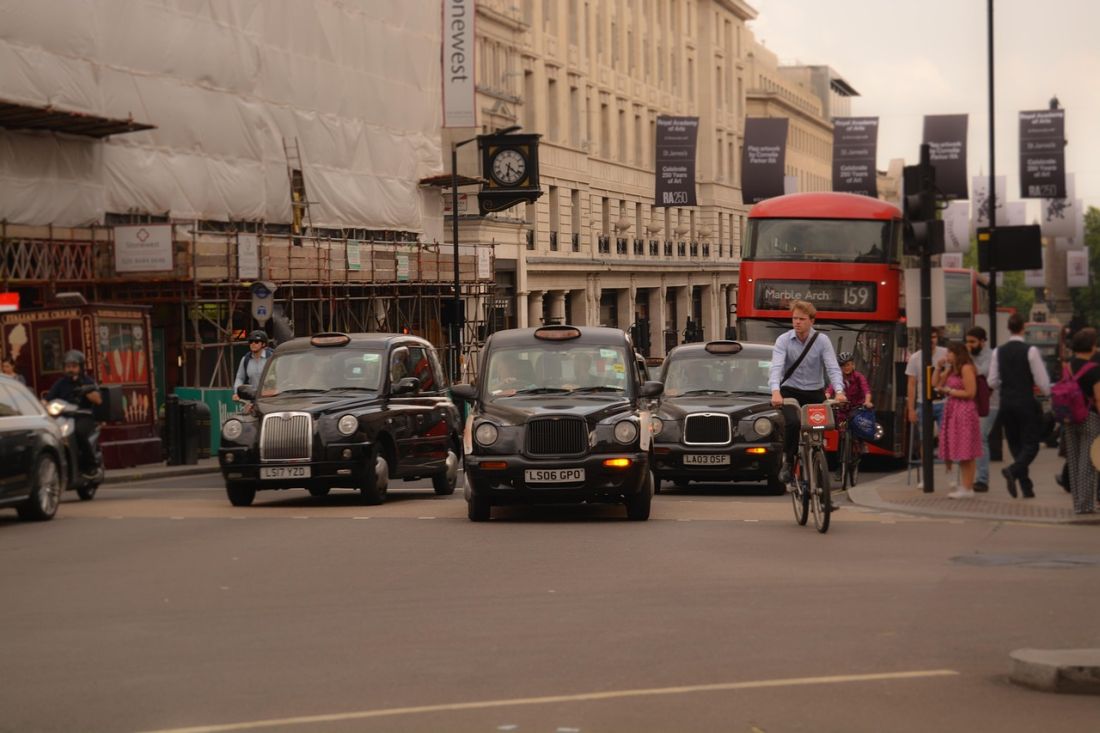
The London black cab is different from most cars in this article because it was built around taxi work from the start. The current London Electric Vehicle Company TX keeps the tall roof, broad cabin and famous shape, while adding an electric drive system backed by a petrol engine that can generate electricity when needed. It has a low floor, wheelchair access, plenty of passenger space and the tight turning ability required by London licensing rules. By April 2024, the maker said over half of London’s black-cab fleet could run with no exhaust emissions for part of its work, with the TX forming the main part of that change. The black cab is a specialist tool, though, and much of Britain’s taxi and private-hire work uses normal production cars. That’s where the Toyota Prius, Skoda Octavia, Skoda Superb, Ford Mondeo, Ford Tourneo, Toyota Corolla and Mercedes-Benz E-Class come in. The Octavia is a great example of a car that makes sense once you sit in it. From the outside, it looks like a normal family hatchback or estate.
Open the boot and there’s loads of space. Sit in the rear and there’s enough legroom for a grown adult without pushing the front passenger into the dashboard. The Superb follows the same recipe with an even larger cabin. Around Manchester and Stockport, that matters. A Friday-night pickup near Deansgate is one thing; four passengers with luggage heading to Manchester Airport is another. Ford people carriers earn their place for the same reason. Sliding doors or wide openings reduce the awkward shuffle at the kerb, while extra seats can handle families and groups. Let’s face it, nobody wants to play suitcase Tetris in the rain outside Piccadilly Station. Britain’s common cab choices split into two camps: purpose-built vehicles for street-hail work, and roomy, efficient family cars for bookings. Different shapes, same goal. Keep the driver comfortable, keep the passenger happy, and keep the car earning instead of waiting at a garage.
Japan and Hong Kong: Toyota built a taxi people can spot at once

For years, Japanese city streets were closely linked with boxy Toyota Comfort and Crown Comfort taxis. They had upright bodies, large doors and simple cabins made for repeated passenger use. In 2017, Toyota introduced the Japan Taxi as the next step. The shape is taller than a normal saloon, which means passengers don’t have to fold themselves in half while getting into the back. A wide sliding rear door helps in tight spaces, and the low, flat floor makes entry easier for older passengers, children and people with limited movement. Toyota also gave it a deep indigo colour, aiming for the same instant recognition that a black cab has in London. It runs with a petrol-electric system that can use liquefied petroleum gas, a fuel long linked with Japanese taxi fleets. The details sound small until you picture a real shift. A driver may open that rear door dozens of times.
A passenger with a walking stick needs a steady step. Someone carrying shopping wants a clear floor, not a high sill and a narrow gap. That’s why the Japan Taxi feels less like a converted family car and closer to a little piece of public transport. Hong Kong has its own version, sold as the Toyota Comfort Hybrid Taxi. It follows the same tall-body idea and carries on a long Toyota taxi tradition in the city, where red urban cabs are part of the street scene. The older Crown Comfort had already shown how long a basic taxi shape could last when parts were easy to find and drivers knew the car inside out. The newer hybrid brings better access and lower fuel use into that familiar job. There’s a lesson here. A common taxi doesn’t always win because it’s the cheapest model in a price list. Sometimes it wins because every door, seat and control has been thought about from the view of a person getting in, getting out, and doing it all day. That’s a very different test from a ten-minute showroom sit.
South Korea, China and Singapore: saloons, electric cabs and mixed fleets

South Korea shows how a familiar family saloon can become a taxi standard. Hyundai sells taxi versions of the Sonata and the larger Grandeur in its home market, so buyers can order a car prepared for commercial passenger work rather than adding everything later. The Sonata’s long body and roomy rear seat suit city trips, while its liquefied petroleum gas engine option matches a fuel that has been widely used by Korean cab operators. China gives us a different story. For many years, the Volkswagen Santana was one of the cars most closely linked with Chinese taxis, especially in Shanghai. It was simple, locally built and easy for fleets to keep running. Then cities began moving into electric cabs. Shenzhen became the headline example. The e6 from BYD started taxi trials there in 2010, and Shenzhen Bus Group says it completed the switch of its taxi fleet to electric cars by 2018, with over 99 per cent of its taxis now described as fully electric.
That doesn’t mean every Chinese city uses the same model. China is huge, local fleets buy differently, and newer electric cars have joined the mix. But Shenzhen showed that electric taxis could move from a small trial to everyday street work on a city-wide scale. Singapore is mixed again. Its Land Transport Authority says four taxi operators run fleets with their own colours, and a normal saloon taxi seats up to four adults. You may see Hyundai, Toyota, electric cars and larger vehicles depending on the operator and service. Put these places side by side and one point jumps out: the “standard taxi” is set by local conditions. Korea can support factory-built taxi saloons. Shenzhen built charging around electric fleets. Singapore’s operators choose cars within a tightly managed vehicle market. The badge matters, but the system around the car matters too. Cheap fuel is no help if the car spends hours in a queue. A huge battery is no help if charging is badly placed. A roomy cabin is no help if the purchase cost sinks the driver before the first fare.
India: Maruti Suzuki Dzire, Wagon R and Ertiga
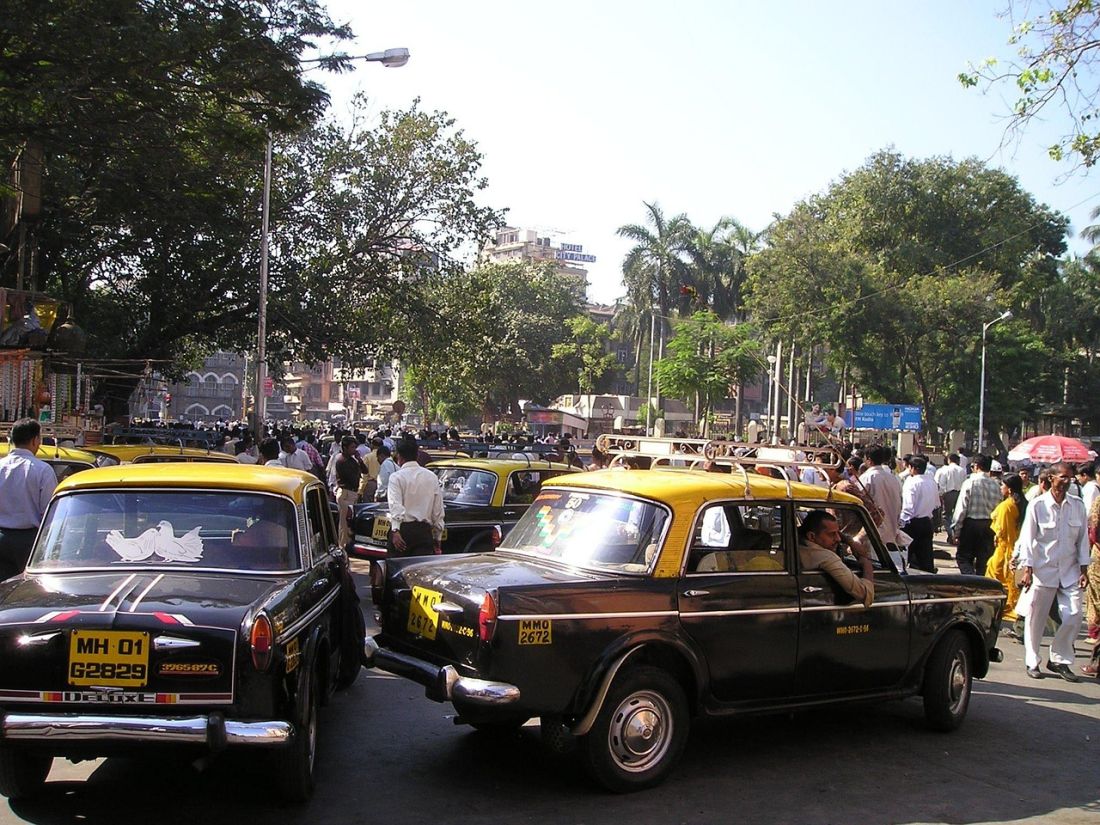
India’s taxi scene includes everything from compact city cars to seven-seat vehicles used for airport and longer-distance bookings. Maruti Suzuki has built a dedicated commercial range called Tour, and that tells you how important taxi and fleet buyers are to the company. In February 2024, Maruti Suzuki said the Tour range had passed 500,000 sales in India. The range includes the Dzire-based Tour S saloon, the Wagon R-based Tour H3 hatchback and the Ertiga-based Tour M people carrier. Each one answers a different need. The Dzire Tour S gives drivers a separate boot, useful rear space and petrol or compressed natural gas choices. The Wagon R Tour H3 is shorter and tall, so it’s easier to squeeze through packed streets while still giving passengers a fairly upright seating position. The Ertiga Tour M adds extra seats and flexible luggage room, which makes sense for families, groups and hotel runs.
Cost is a huge part of the appeal. Taxi drivers think about the purchase price, fuel bill, servicing, tyre cost, insurance and resale value as one connected sum. A car that saves a little each day can make a large difference after years of work. Yet low cost alone isn’t enough. Air conditioning has to cope with hot weather and long idling. Suspension has to deal with broken road surfaces and speed humps. Doors, seat fabric and window switches get far more use than they would in a private car. Parts need to be easy to find, because waiting a week for one small component means lost fares. The Dzire’s popularity also shows why compact saloons remain useful even as sport utility vehicles grow. A saloon has a proper boot that keeps luggage away from the passenger cabin, it’s familiar to repair, and it can be light enough to keep fuel use in check. No fuss. Just a shape that works. In a crowded city, that’s hard to beat.
Mercedes-Benz and Skoda in Europe, then a change of scene in Morocco
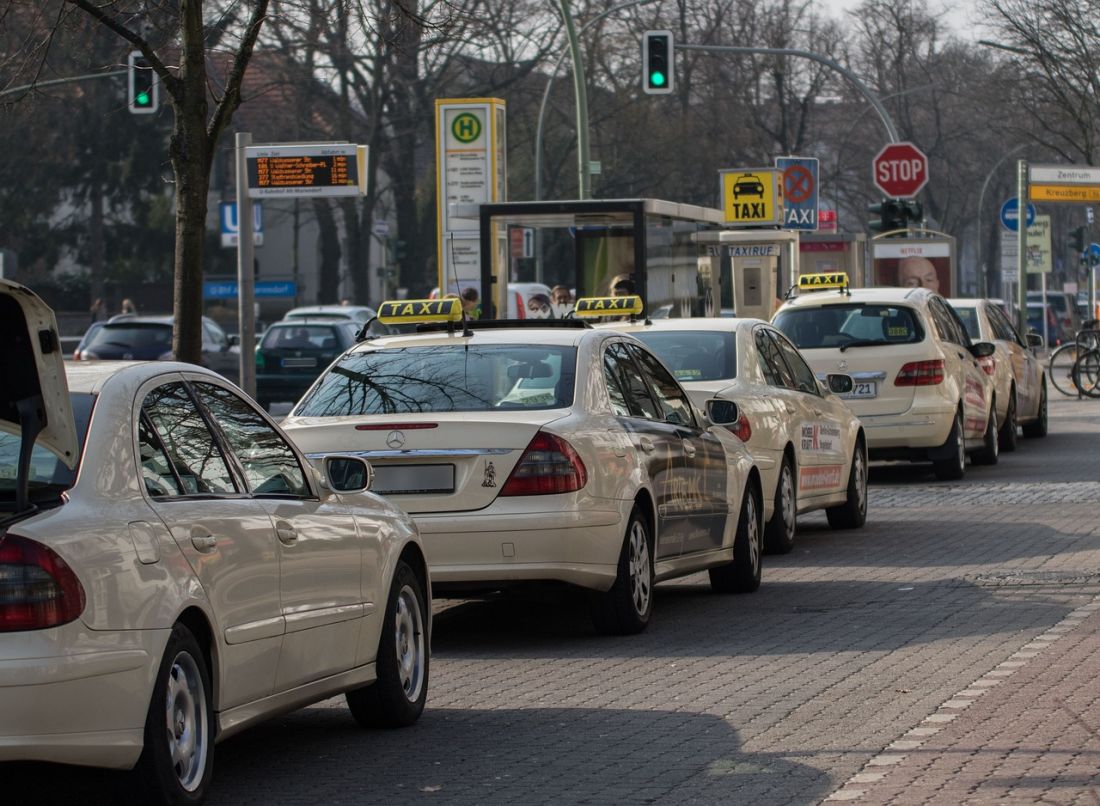
Across Germany and parts of Europe, the Mercedes-Benz E-Class became the classic taxi saloon. Older generations were sold with taxi-ready equipment, hard-wearing interiors and the pale ivory paint linked with German cabs. The appeal was easy to grasp: passengers got a comfortable rear seat, drivers got a car made for motorway miles, and fleets could rely on a wide service network. The E-Class still appears in taxi ranks, though Mercedes-Benz has stepped back from offering the latest generation as a factory taxi in the same old way. Skoda has taken a bigger share of the practical end of the market, especially with the Octavia and Superb. They give drivers large boots and generous cabins without the purchase price of a premium badge.
Government and industry data in Britain regularly show both models in licensed fleets, and a 2025 driver survey placed the Octavia and Superb among the country’s leading choices. Head south to Morocco and the Mercedes taxi story gets rougher, older and far more colourful. For decades, the Mercedes-Benz W123 240D was closely linked with the country’s shared “grand taxis.” These cars carried several passengers on fixed or semi-fixed routes and became famous for staying in service long after most European examples had retired. By the 2010s, Morocco had started a replacement scheme to move ageing Mercedes diesels out and bring in newer seven-seat vehicles such as the Dacia Lodgy. That switch says a lot about taxi buying. The old Mercedes had durability, a huge repair culture and plenty of space, but age brings safety, emissions and comfort problems that no amount of fondness can erase. The Dacia offered extra seats, a newer structure and local production links at a lower price than many large alternatives. So even an icon can lose its place when rules, fuel costs and passenger needs change. A taxi rank is a living car market. Models arrive, prove themselves, spread, grow old, then fade. Some leave such a strong mark that people still picture the city as soon as they see the car.
North and Latin America: Camrys, minivans, electric cars and the old Nissan Tsuru

American taxi fleets used to be summed up by one big car: the Ford Crown Victoria. Its tough frame, simple rear-wheel-drive layout and vast parts supply made it a fleet favourite in the United States. New York City records say it dominated the local taxi fleet for over a decade. Production ended years ago, and city fleets split into a far wider mix. New York chose the Nissan NV200 as its “Taxi of Tomorrow,” while Toyota hybrids, minivans and sport utility vehicles spread through yellow-cab and app-booked work. The latest New York data also shows how electric cars are changing the picture. In the 2024 high-volume app-booked fleet studied for the city, the Tesla Model Y was the most common electric model, while Toyota Camrys and larger Toyota models remained common among petrol and hybrid cars. That mix makes sense in a place where one driver may carry office workers, airport passengers, shopping bags and families in the same shift. Mexico has its own taxi icon, the Nissan Tsuru. It was cheap, basic and loved by many drivers for its rugged nature, but its weak crash protection became impossible to ignore.
Nissan ended production in 2017 after safety criticism, yet the car remained visible in taxi service for years because so many had been sold and repairs were familiar. A study published in 2024 found that the Tsuru made up over half of its sampled Mexico City taxi fleet, though its share fell in later model years as the Chevrolet Aveo and Nissan Versa became more common. That’s a useful reminder that ending production doesn’t clear a model from the streets overnight. Commercial cars can stay active for a long time, especially where drivers own them and replacement is expensive. Across the Americas, there’s no single winner now. A compact saloon suits short urban work. A minivan suits luggage and wheelchair conversions. A hybrid cuts fuel use in traffic. An electric car can work well where charging and shift patterns line up. The taxi market has become a patchwork, and that patchwork reflects how people actually move through each city.
What taxi favourites can teach anyone buying a used car
You don’t need to be a taxi driver to learn from taxi fleets. Their best cars tend to get the basics right: comfortable seats, simple controls, sensible fuel use, enough luggage room and parts that garages can source without a drama. But there’s a catch. A model having a strong taxi reputation doesn’t mean every used example is a safe bet. Ex-taxis can carry very high mileage, heavy seat wear, tired suspension and signs of repeated low-speed bumps. Private cars can be neglected too, of course. The badge on the bonnet can’t replace a proper history check, a close look underneath and a good test drive. Listen for knocks over rough roads. Check that the heating and air conditioning work. Try every door and window. Look at the tyre wear. Make sure the boot floor is dry. And don’t be distracted by a shiny dashboard if the service record has holes big enough to drive a black cab through. At Dace Motor Company, we’ve spent years helping drivers around Stockport, Manchester and Eccles compare used cars from many of the same brands seen in taxi fleets, including Toyota, Skoda, Mercedes-Benz, Hyundai, Ford, Nissan and Volkswagen. Our view is simple: buy for the life you really have. A Prius or Corolla can suit high-mileage commuting. An Octavia or Superb works well for growing families and airport runs. A seven-seat car makes sense when every weekend seems to involve children, grandparents, football bags and half the contents of the house. The most common taxi cars around the globe aren’t all alike, but they share a practical streak. They’ve earned their place by doing ordinary jobs, hour after hour, without making a song and dance about it. That’s a pretty useful quality in any used car, whether it’s heading through Tokyo at midnight or round the Stockport Pyramid on a wet Monday morning.