


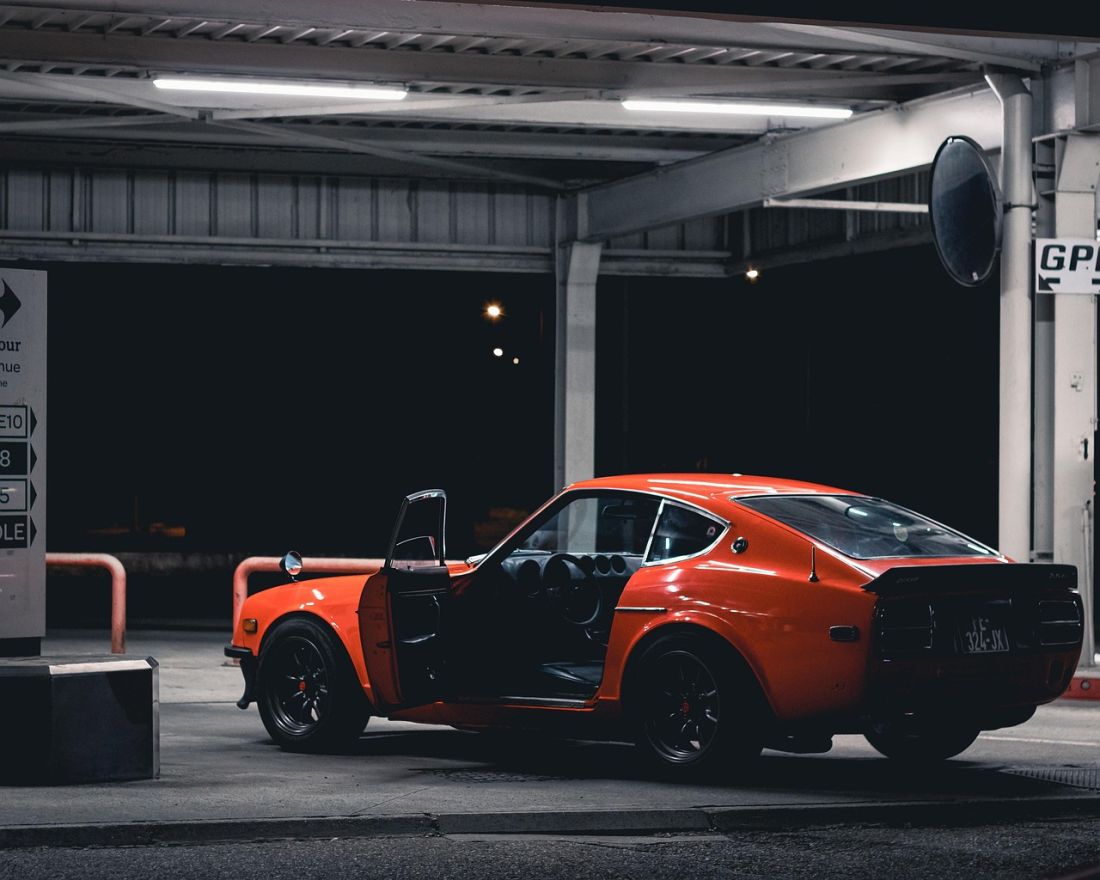
Top 10 Most Legendary Japanese Sports Cars
Japanese sports cars have a funny way of getting under your skin. You might first spot one on a game, in a film, at a meet, or rumbling past Stockport Viaduct on a dry Sunday morning, and then that’s it. You remember it. At Dace Motor Company, we see all sorts of used cars come through, from sensible hatchbacks to big family cars and sharp German saloons, but Japanese sports cars always bring a different sort of chat. People don’t just ask, “Is it quick?” They ask about the engine, the shape, the seats, the story, the one their mate had, the one they wish they’d bought ten years ago. That’s the thing with these cars. They aren’t famous by accident. Some changed how people saw Japanese car makers. Some beat expensive European cars on road and track. Some became legends because they were simple, fun, and honest. Others were rare from day one, so spotting one now feels a bit like seeing a celebrity buying chips near Piccadilly Gardens. This list isn’t here to start a pub argument, though it probably will. It’s here to celebrate ten Japanese sports cars that earned their reputation the proper way: by making drivers grin, making rivals sweat, and giving car fans stories that still get told today.
1. Toyota 2000GT
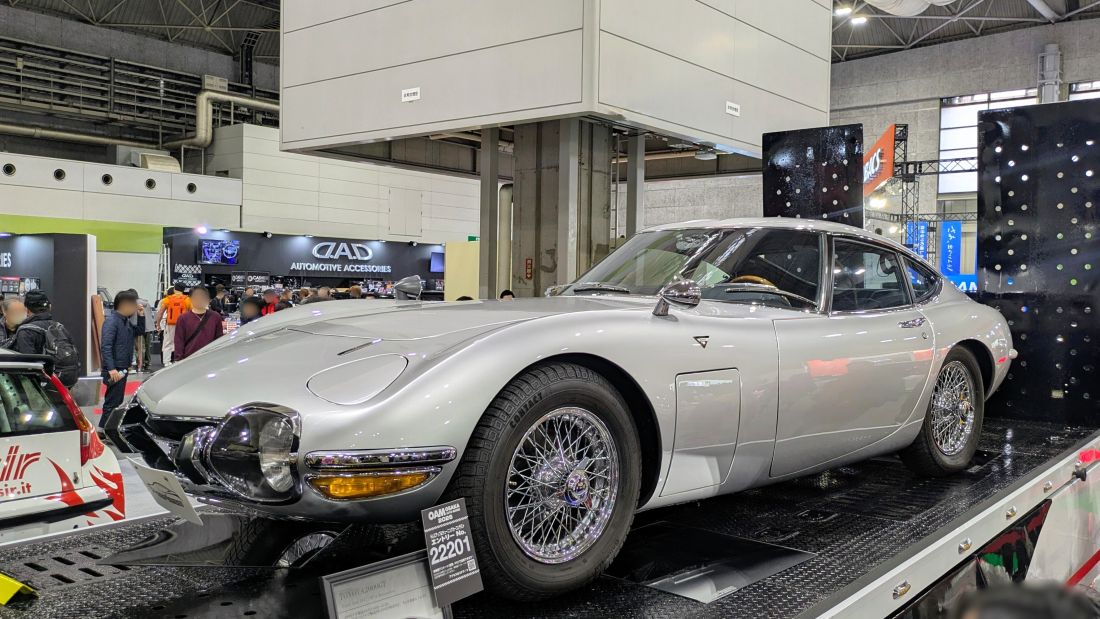
Photo: Toyota 2000GT by Aos.1905, CC BY-SA 4.0, via Wikimedia Commons
The Toyota 2000GT is where a lot of people start the story, and fair enough. Before this car arrived, many drivers outside Japan still saw Japanese cars as dependable and sensible, but not exactly dream-wall material. Then Toyota turned up with a low, long, graceful coupe that looked like it should be parked outside a Monte Carlo hotel, not quietly proving a point for a brand that was still building its global name. Only 351 examples were made between May 1967 and August 1970, which is a tiny number, and that rarity is a big part of why collectors talk about it in hushed tones now.
But the 2000GT wasn’t just rare. It showed Japan could build a proper grand sports car with style, care, and real driver appeal. Think of it as the car that walked into the room and made everyone stop talking. It had that long bonnet, the cabin pushed back, the neat little details, and a shape that still looks elegant today. Around Manchester, where we’re used to seeing plenty of German badges and hot hatchbacks, a 2000GT would stop traffic in a very different way. Not loud. Not shouty. Just special. It also became a pop-culture car thanks to its James Bond link, but even without the film connection, it had already done the hard bit. It made people take Japanese sports cars seriously. That’s why it belongs right at the front of this list.
2. Datsun 240Z
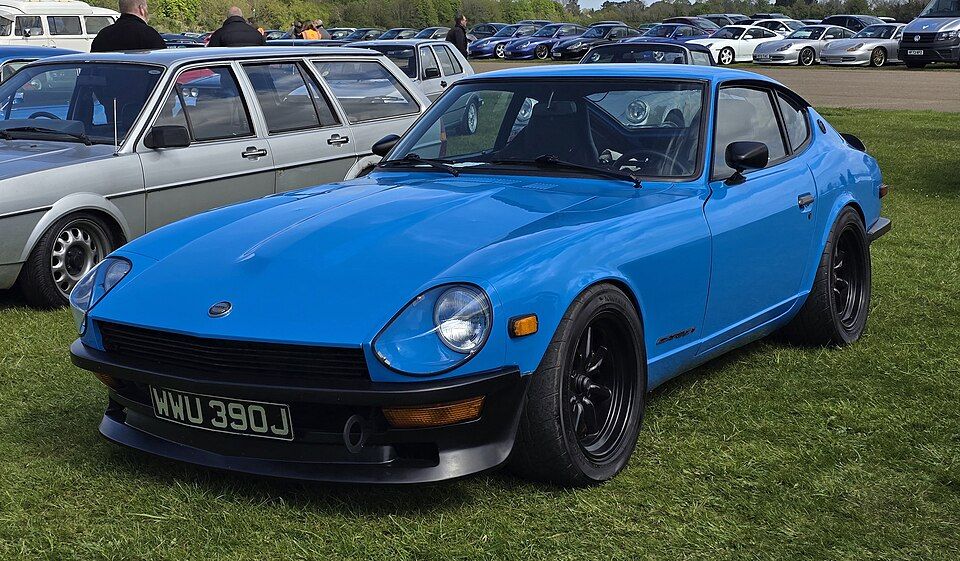
Photo: 1971 Datsun 240Z by Calreyn88, CC BY-SA 4.0, via Wikimedia Commons
The Datsun 240Z, known in Japan as part of the Fairlady Z family, did something clever. It gave people the style and feel of a classic long-bonnet sports coupe without the scary bills and constant tinkering that came with many older European sports cars. Nissan’s own heritage notes say the first Fairlady Z arrived in December 1969 and that the first generation was built for nine years, with global sales topping 520,000 units. That’s huge for a sports car of that era. It means this wasn’t some rare toy for a tiny group of wealthy buyers. It was the sports car that normal enthusiasts could dream about, save for, buy, and actually use.
The shape was clean and simple: long nose, sloping rear, low seating, and just enough drama without looking silly. In a way, it’s a bit like finding a brilliant chippy in Stockport that doesn’t try too hard. It just does the job properly, and everyone talks about it. The 240Z also gave Japanese sports cars a bigger voice in North America, where buyers loved its mix of looks, reliability, and fun. That mix still matters today. When you’re looking at a used sports car, speed is only part of the story. You want something that feels right every time you open the door. The 240Z had that. It was cool without being precious, sporty without being fragile, and stylish without acting like it knew it.
3. Nissan Skyline GT-R R32
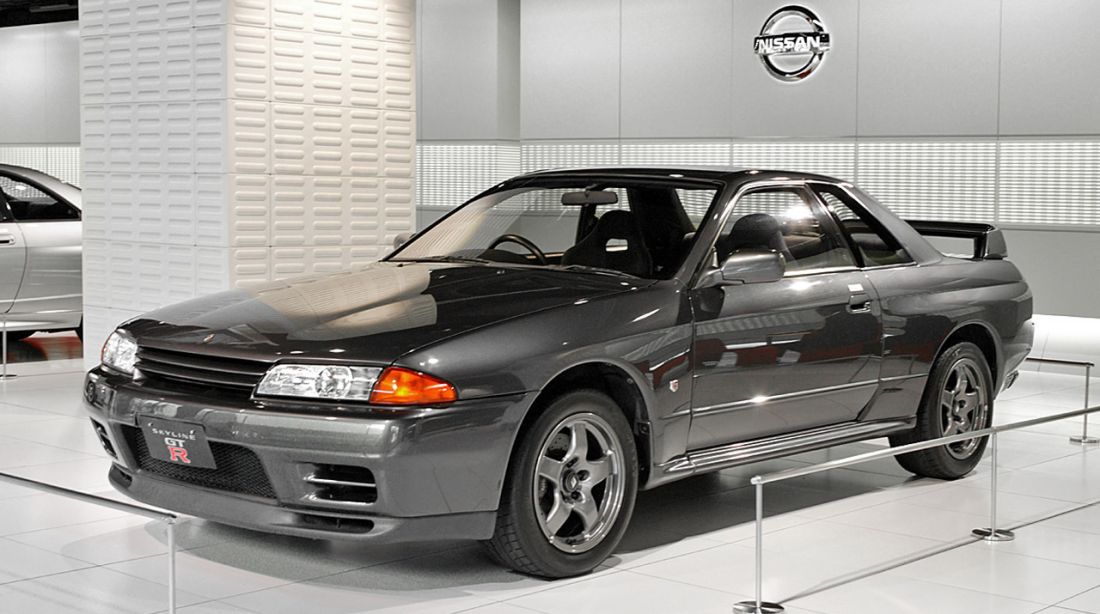
Photo: Nissan Skyline R32 GT-R by I, ????, CC BY-SA 3.0, via Wikimedia Commons
The Nissan Skyline GT-R R32 is one of those cars that sounds like it was made in a secret lab. It arrived in 1989 and brought clever four-wheel drive, a strong twin-turbo straight-six engine, and handling that helped it become a racing monster. Nissan’s heritage page describes its ATTESA E-TS system as an electronically controlled setup that could send torque to the wheels that needed it, which was a big deal at the time. In normal words, the car could grip and pull itself out of corners with a level of confidence that made rivals look a bit lost.
This is the car that helped build the “Godzilla” nickname, and that name stuck because it made sense. The R32 didn’t look like a wild supercar. It looked fairly square, serious, and almost quiet from some angles. Then it went out and bullied racetracks. You know that person at a five-a-side match who turns up in plain trainers and then runs rings round everyone? That’s the R32. Around Greater Manchester, it’s the sort of car you’d want for a blast out toward the hills, though you’d spend half the time worrying about potholes and speed bumps. As a used performance car, the R32 also teaches a big lesson: clever old tech needs care. The legend is real, but so are age, rust, past tuning, and patchy history. Buy the best-kept one you can, not the one with the wildest claims.
4. Mazda MX-5
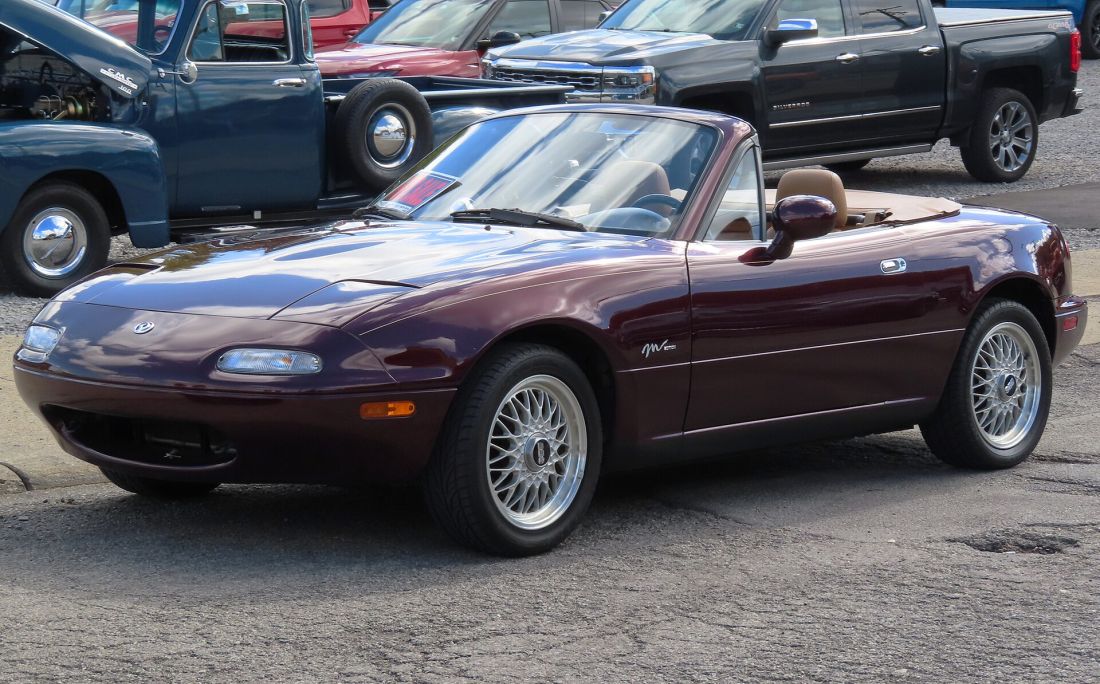
Photo: 1995 Mazda MX-5 Miata M Edition by MercurySable99, CC BY-SA 4.0, via Wikimedia Commons
The Mazda MX-5 is proof that a sports car doesn’t need to be scary, expensive, or packed with huge numbers to become a legend. Mazda started building the first-generation MX-5 in April 1989, and by February 2011 total production had reached 900,000 cars. Guinness had already recognised it as the best-selling two-seat sports car when production reached 531,890 units in May 2000. That tells you something simple: people loved it, kept buying it, and told their mates. The MX-5’s magic is easy to explain. It’s small, light, rear-wheel drive, and friendly. You don’t need a racing licence to enjoy one.
You can drive it to the shops, out past Lyme Park, or along a quiet B-road on a bright evening and still feel like the car is chatting back to you. Not shouting. Chatting. That’s why it’s still such a brilliant used buy for many drivers. Of course, you still need to check the basics. Rust matters, especially on older ones. Service history matters. A roof that keeps rain out matters too, because this is Manchester and, let’s face it, clouds here don’t need much encouragement. But get a good one and it makes every trip feel a little lighter. The MX-5 is legendary because it reminds people that fun doesn’t have to be complicated. It’s the sports car equivalent of a good brew: simple, familiar, and weirdly hard to beat.
5. Honda NSX
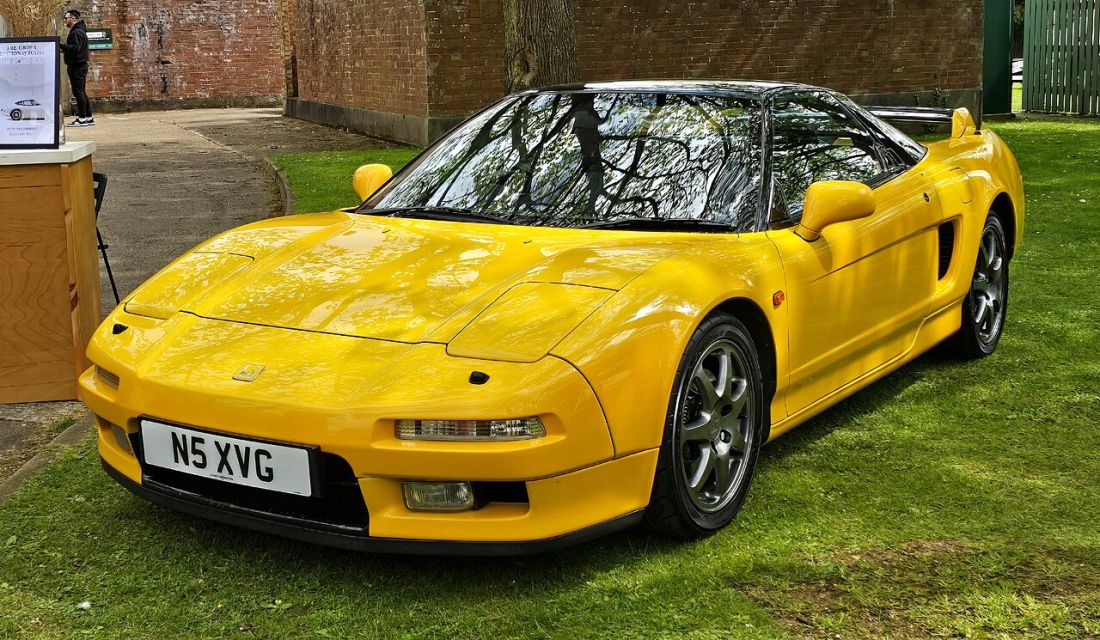
Photo: 1996 Honda NSX by MercurySable99, CC BY-SA 4.0, via Wikimedia Commons
The Honda NSX changed the mood around supercars. Before it came along, many fast exotic cars had a reputation for being awkward, heavy to drive, hard to see out of, and a bit grumpy in traffic. The NSX took a different route. Honda wanted something fast and exciting, yes, but also something you could use without feeling like you were wrestling it outside the Trafford Centre car park. One of the most interesting details from Honda’s own history is that the aluminium body caused such a challenge that Honda Engineering had to develop a special spot-welding machine for large aluminium parts. That’s proper commitment.
The result was a car that felt light, sharp, and very Honda: clever, usable, and built with care. The NSX also had a mid-mounted engine, which means the engine sat behind the driver rather than out front, helping the car feel balanced. That sounds technical, but picture carrying a school bag close to your back instead of dangling it from one hand. The weight feels easier to manage. That’s the basic idea. The NSX didn’t need to be shouty to prove itself. It just worked. It could play the supercar role, then settle down and behave like a car built by people who knew owners might actually want to drive it home in the rain. For used car fans, that’s a big part of the charm. A car can be thrilling and still make sense. The NSX showed that better than almost anything else from its time.
6. Toyota Supra Mk4
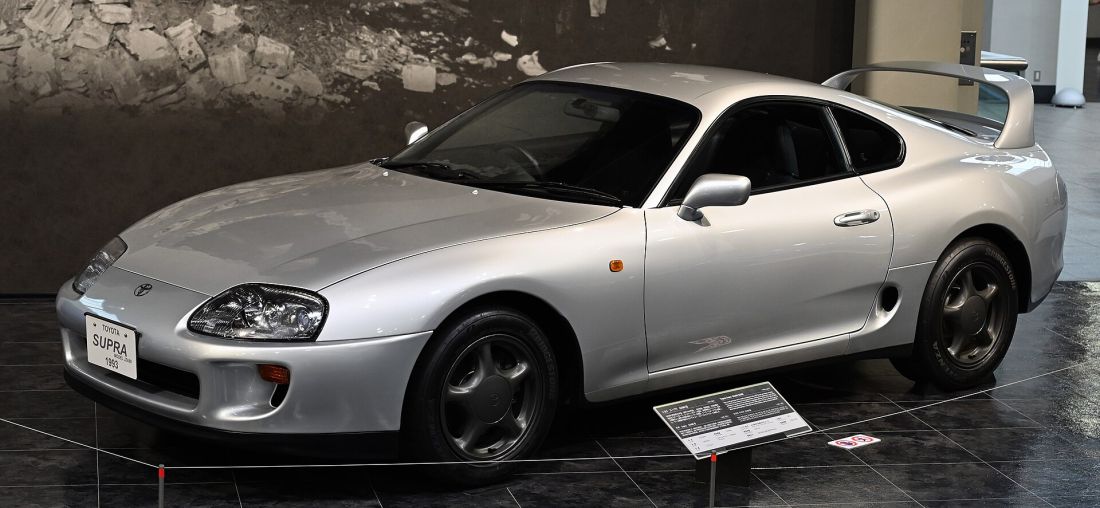
Photo: 1993 Toyota Supra by TTTNIS, CC0, via Wikimedia Commons
The fourth-generation Toyota Supra, also called the A80, has become one of the most talked-about Japanese cars ever built. Yes, films helped. Yes, video games helped. But the car had the goods long before internet fame turned it into a poster icon. Toyota UK’s history notes explain that the A80 arrived in 1993 after years of development, with a shorter, lower, wider body than the car before it, plus weight-saving tricks that went as far as hollow carpet fibres. That’s the sort of detail car people love because it shows the team cared about the whole thing, not just the headline numbers.
The twin-turbo version used the famous 2JZ-GTE engine, and Toyota says the UK press praised its wide spread of torque, which means it pulled strongly without needing constant gear changes. In normal driving, that makes a car feel easy and muscular, like it always has a bit left in reserve. Around Stockport and Manchester, you’d probably spend half your time answering questions at petrol stations if you owned one. The Supra has that effect. It also has a serious used car lesson hidden under the hype: fame can make cars expensive, and expensive cars can attract shortcuts. Modified examples can be brilliant, but only if the work has been done properly. So don’t be blinded by a big rear wing or shiny parts. Check the history, check who did the work, and check the car feels tight and honest. The Supra deserves its legend, but a good one is the one you want.
7. Mazda RX-7 FD
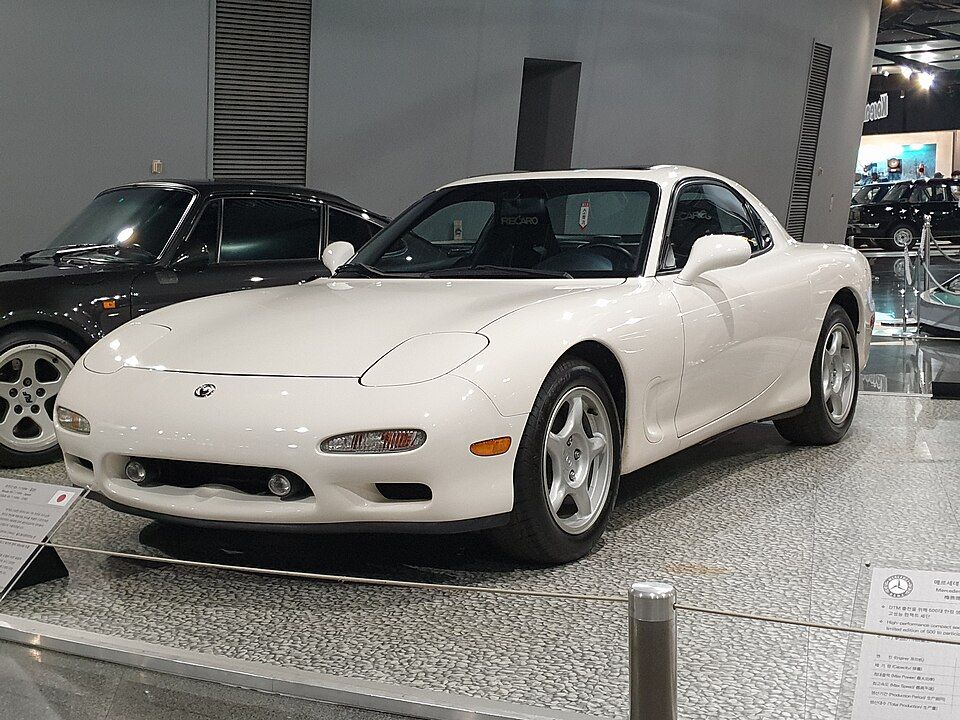
Photo: 1994 Mazda RX-7 by Damian B Oh, CC BY-SA 4.0, via Wikimedia Commons
The Mazda RX-7 FD looks like it was drawn in one clean movement. Low nose, smooth sides, tidy curves, and no wasted fuss. Mazda says the third generation, sold in Japan as the Anfini RX-7, launched in 1991 and was shaped around the idea of getting back to the core of a sports car. The team also worked hard on weight, cutting over 100 kilograms from the body during development. That matters because less weight makes a car feel sharper everywhere: braking, turning, speeding up, slowing down, all of it.
The RX-7 is also famous for its rotary engine, which is different from the piston engines most cars use. The simple version is this: it’s smaller and smoother in a strange, clever way, and it gives the RX-7 a character you don’t get from much else. It revs keenly, sounds unique, and makes the car feel alive. Mazda’s records also show the RX-7 had serious racing success, including 100 victories in North American IMSA racing, and production came to an end in 2002 as emissions rules got stricter. That final detail matters for used buyers. The RX-7 is magical, but it likes proper care. Oil checks, warm-up habits, cooling health, and specialist knowledge all count. It’s not the car to buy on a whim after watching a late-night video. But buy a cared-for one and you’ll understand the fuss within five minutes. It’s light, quick, beautiful, and just odd enough to feel special.
8. Honda S2000
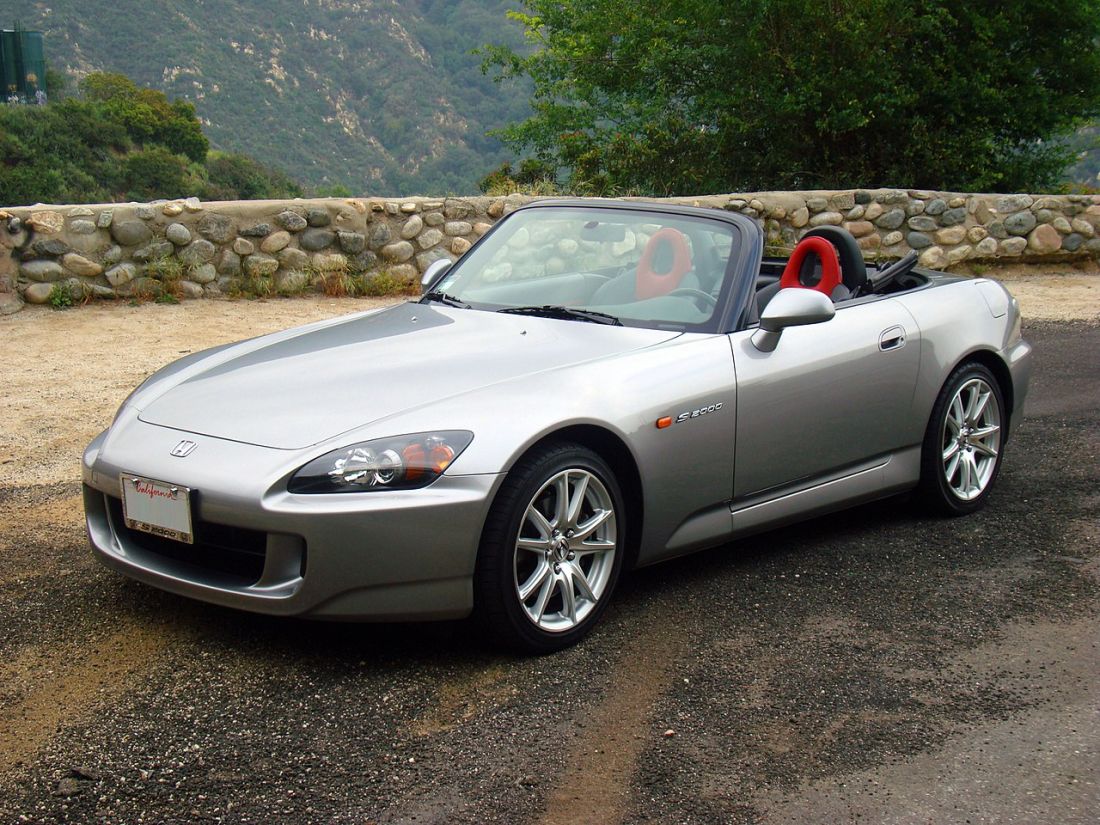
Photo: 2005 Honda S2000 by Rich Niewiroski Jr., CC BY 2.5, via Wikimedia Commons
The Honda S2000 is a tiny storm in roadster form. Honda launched it in 1999, and the official details from Honda say the early car had a 2.0-litre four-cylinder engine with a 9,000-rev limit. That number became part of the car’s legend because it meant the engine loved to be worked hard. It didn’t just push you along, it encouraged you to keep going, keep listening, and keep changing gear. You know how some cars feel half asleep unless you prod them? The S2000 was wide awake. All the time. It was also rear-wheel drive, had a crisp manual gearbox, and came as a proper open-top two-seater.
In Britain, that means you’ll spend plenty of time deciding whether the sky looks safe enough to drop the roof. In Manchester, that decision can change before you’ve reached the next roundabout. Still, that’s part of the fun. The S2000 is legendary because it feels pure without being old-fashioned. It has Honda precision, but it also has a cheeky side. It wants you involved. Used buyers should know that this isn’t just a soft cruiser with a nice badge. It rewards smooth driving and punishes laziness a bit. Check for service history, worn suspension bits, roof condition, and signs of poor repairs. Also check that the engine feels clean all the way up the rev range, because that’s where the magic lives. Get the right one and even a normal run down the A6 can feel like an event.
9. Mitsubishi Lancer Evolution VI Tommi Makinen Edition
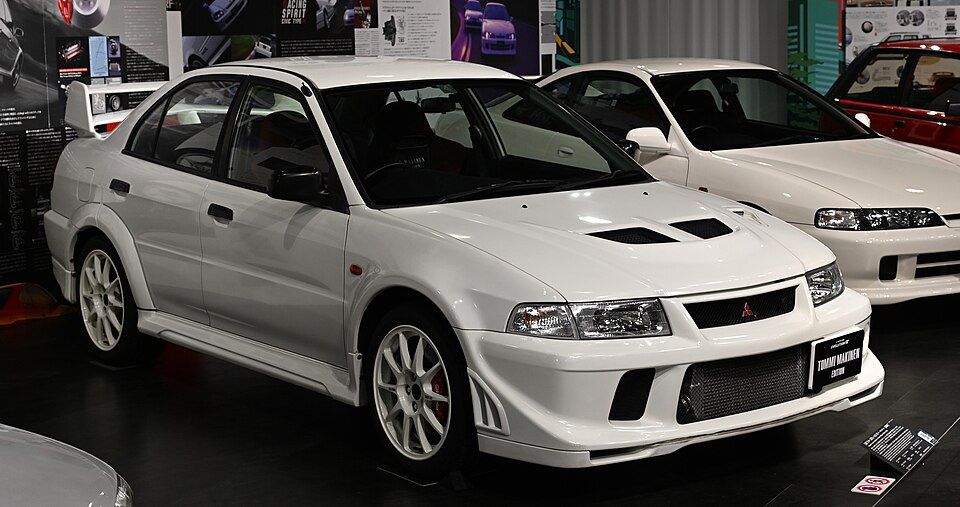
Photo: 2000 Mitsubishi Lancer RS Evolution VI Tommi Makinen Edition by TTTNIS, CC0, via Wikimedia Commons.
Yes, the Mitsubishi Lancer Evolution VI Tommi Makinen Edition has four doors. No, that doesn’t stop it being one of the most legendary Japanese performance cars ever. Some cars earn their place by being sleek two-seat coupes. This one earns it by feeling like a rally car that somehow got number plates. Mitsubishi’s own history says the Lancer Evolution VI launched in January 1999 and was developed around changes to rally rules, with cooling and aerodynamic changes such as an offset number plate, extra oil-cooler venting, altered fog lamps, and a twin-wing rear spoiler. Mitsubishi also says the Lancer Evolution line reached a peak by winning four straight World Drivers’ Champion titles from 1996 to 1999.
That rally link is exactly why the Tommi Makinen Edition matters. It celebrated a driver and a period where Mitsubishi looked almost untouchable on loose gravel, snow, mud, and tarmac. The car itself felt urgent, grippy, and tough, like it had no interest in posing outside a coffee shop unless there was a forest stage behind it. Around Stockport, it’s easy to imagine one parked at a weekend meet, with three people nearby arguing about which version was best. Used examples need careful checks because many have lived exciting lives. Look for rust, accident history, tired driveline parts, and rough tuning. A standard, well-kept car is the dream, but they’re rare now. The Evo VI Tommi Makinen Edition is here because it makes normal roads feel like a special stage, even when you’re just heading home before the rain starts.
10. Nissan GT-R R35
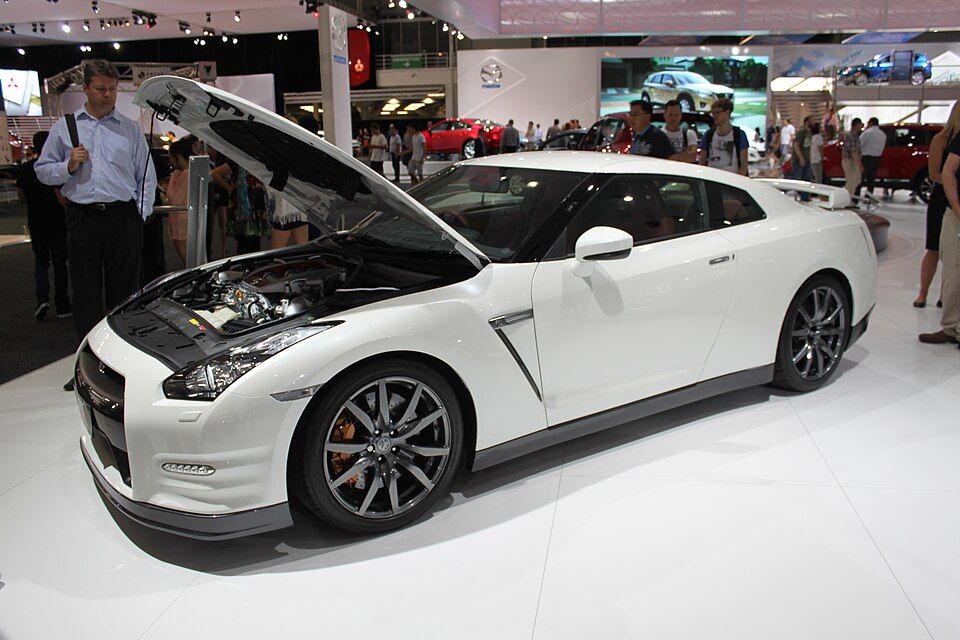
Photo: Nissan GT-R R35 by Jeremy from Sydney, Australia, CC BY 2.0, via Wikimedia Commons
The Nissan GT-R R35 took the GT-R idea and dragged it into the modern age with a very serious face. It launched in 2007 and stayed in production for an unusually long time. Nissan confirmed in August 2025 that R35 production had ended after 18 years, with about 48,000 cars built, and the final car was a Premium Edition T-Spec in Midnight Purple for a customer in Japan. That’s a big run for such a focused performance car, and it tells you how strong the idea was. The R35 didn’t try to copy European supercars. It had its own way of doing things: a twin-turbo engine, four-wheel drive, quick gear changes, and a computer-brain feel that helped ordinary drivers access serious pace without needing superhero skill. Some people said it was too digital.
Others drove one and stopped complaining. It became famous because it could embarrass cars costing far more, then sit in traffic without acting like a diva. That’s very Japanese in the best way: serious engineering wrapped in a car that still wanted to be used. In Greater Manchester, an R35 makes sense in a slightly silly way. It’s big enough to feel stable on motorways, quick enough to make your passenger go quiet, and heavy enough that you really want good tyres and proper brakes. Used buyers should check service history closely, especially gearbox, tyres, brakes, and past tuning. The R35 is a legend, yes, but it’s also a serious machine. Treat it properly and it gives back plenty. Skimp on care and it’ll make your wallet wince.
What These Cars Teach Us About Buying A Used Sports Car
The funny thing about legendary cars is that the story can sometimes get louder than the car itself. A Supra isn’t good just because the internet says so. An MX-5 isn’t brilliant just because everyone’s mate has owned one. A GT-R isn’t special just because it has huge numbers on paper. The good ones are special because they feel right, because they were built with a clear idea, and because drivers kept caring about them long after newer cars arrived. That’s a useful lesson for anyone shopping for a used car today. Don’t buy a badge. Buy the right example. Check service history. Look underneath. Ask about repairs. Take your time with finance, and use a soft search if you want to see where you stand without affecting your credit score. We’ve all seen people get carried away by shiny paint and a loud exhaust. You know how it is. Excitement takes over, then the sensible questions arrive a bit too late. At Dace Motor Company, we’d always rather see someone choose a car that suits their life, their roads, and their budget. Maybe that’s a Japanese coupe. Maybe it’s a hot hatch, a family car, or something comfortable for the M60 commute. The legends on this list remind us that great cars aren’t all the same. Some are rare and delicate. Some are simple and joyful. Some are clever and brutally quick. The best one is the one that makes you look back after you’ve parked it.