


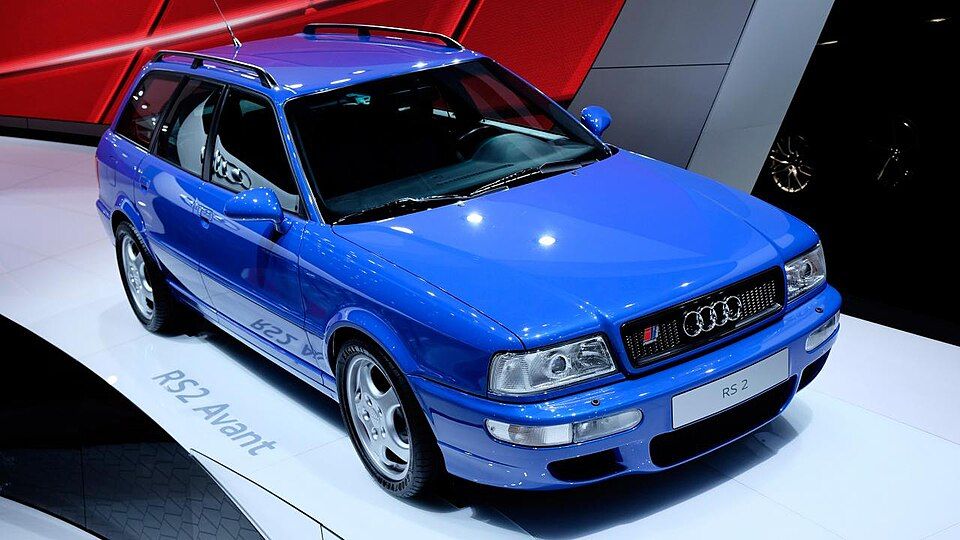
Why the Audi RS2 Avant Became a Performance Car Legend
Photo: Audi RS2 Avant by Nestor Motta, CC BY-SA 4.0, via Wikimedia Commons.
Back in 1994, a fast family estate was still a strange idea. An estate car was the thing you bought for children, shopping bags, muddy boots, flat-pack furniture and perhaps a wet dog that had just run through half of Heaton Park. A serious sports car sat in another corner of the showroom. It was lower, less useful and usually had two doors. The Audi RS2 Avant smashed those two ideas together, and that clash is a huge part of why people still talk about it. It looked close enough to an Audi 80 Avant to pass as sensible, yet it could run with sports cars of its time. Audi says the RS2 was the first RS model in its history and, at launch, the fastest and strongest road car the company had made. Porsche describes it as the world’s fastest estate when it appeared and the first Audi capable of going beyond 250 kilometres per hour.
That must have felt slightly unreal in the mid-1990s. Picture seeing a boxy estate in your mirror on the M60, then watching it pull away with the sort of speed you expected from something low, loud and painted red. The surprise mattered. The RS2 didn’t need giant wings or a shape that shouted for attention. Its appeal came from the gap between what your eyes expected and what the car could do. At Dace Motor Company, we see why that formula still clicks with drivers around Manchester and Stockport. People like cars that fit real life. They also like a car with a spark, something that makes an ordinary trip feel special. The RS2 proved those needs didn’t have to fight each other. It could carry the family, swallow luggage and still feel properly exciting when the road opened up. That sounds normal now because fast estates have become a recognised breed. In 1994, it felt fresh, bold and slightly cheeky.
Audi brought the base, Porsche added its own character
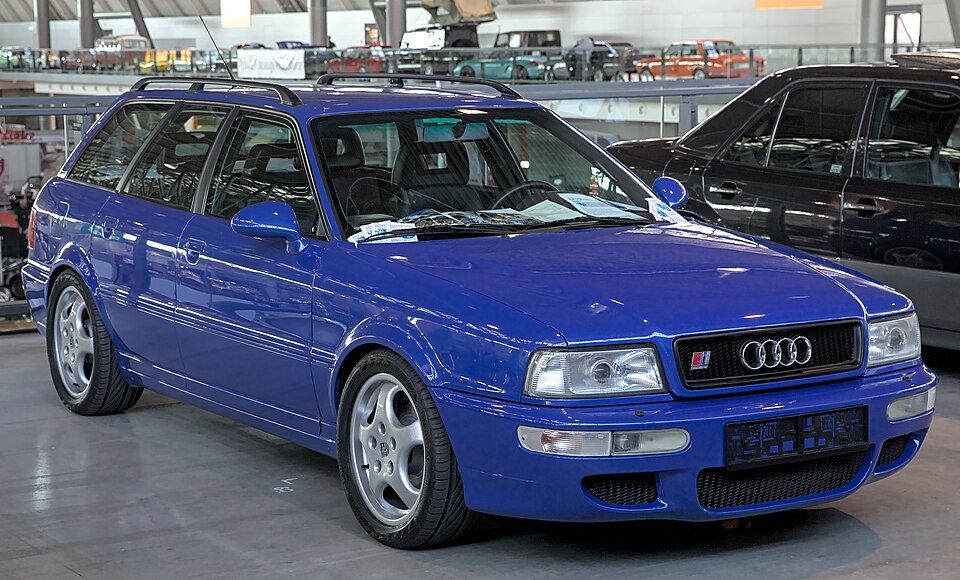
Photo: Audi RS2 Avant by Alexander Migl, CC BY-SA 4.0, via Wikimedia Commons.
The badge story is one reason the RS2 became famous, but the partnership went far deeper than a name on the boot. Audi wanted a car that could lift its image and compete with respected fast machines from rival German brands. Porsche had deep experience building and developing sports cars, and it had also worked on outside projects during a financially difficult period. Audi announced the high-speed estate at the Frankfurt motor show in 1993, then launched it in March 1994. The schedule was tight. The result still arrived on time. Audi supplied painted body sections and other pieces, while Porsche handled a large share of the development and final production work in Zuffenhausen. The cars were assembled in Porsche’s historic Rössle building, a place that had also been used for the Mercedes-Benz 500 E project. Porsche’s RS2 project leader later estimated that roughly 20 percent of the finished car came from Porsche. You could spot the link without crawling underneath it with a torch.
The RS2 wore 17-inch wheels related to Porsche Cup racing wheels, neat door mirrors, red brakes and lighting pieces linked to Porsche 911 models from the period. The bumpers, instruments and even some small cabin details received Porsche attention. Porsche lettering appeared inside the RS badge, which was a pretty direct clue. Yet the car never became an awkward costume. It still looked like an Audi. That balance was clever.
Too much Porsche styling might have made the RS2 feel like a tribute act, while too little would have made the partnership seem like a marketing sticker. Instead, the details felt purposeful. You saw an Audi estate first, then noticed the wheels, mirrors, brakes and low stance. A second glance brought the story into focus. Like spotting an expensive pair of trainers beneath an ordinary raincoat on a grey Manchester morning, the clues were there, but they didn’t beg for applause.
The five-cylinder engine gave it speed and a real personality
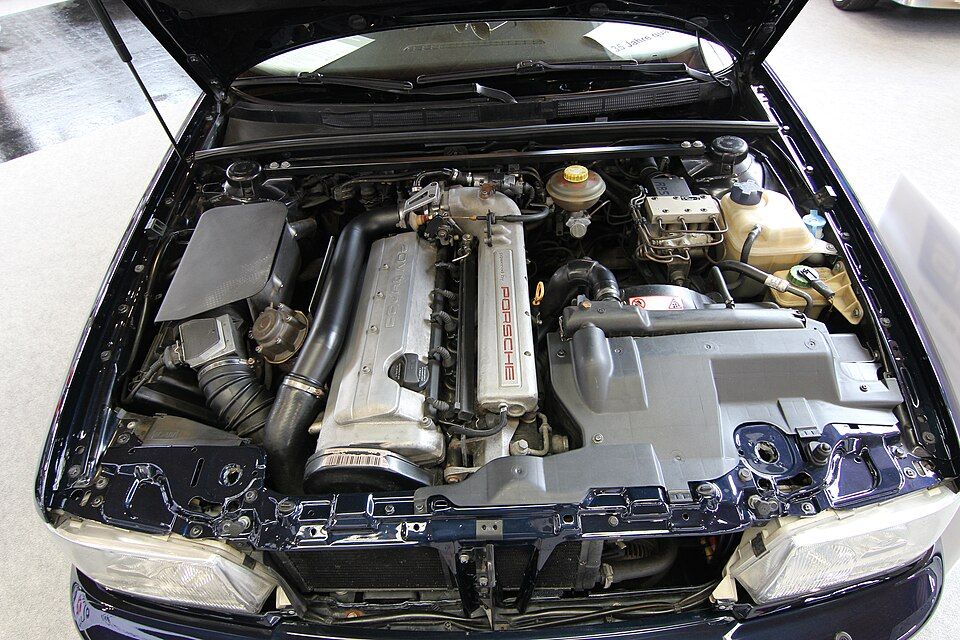
Photo: Audi RS2 Avant Engine by © Hilarmont (Kempten), CC BY-SA 3.0 DE, via Wikimedia Commons.
Numbers explain part of the RS2 story. They don’t explain the whole feeling, but they show why the car caused such a stir. Its 2.2-litre petrol engine had five cylinders and a turbocharger. It produced 315 PS at 6,500 revolutions per minute and 410 Nm of pulling force. Audi lists a top speed of 262 kilometres per hour, around 163 miles per hour, while Porsche records a 0 to 100 kilometres per hour time of 5.4 seconds. Those figures are still brisk. In a practical estate from the early 1990s, they were startling. The engine didn’t deliver everything in one smooth, quiet wave. Porsche’s own history of the car talks about a clear delay before the turbocharger came alive, followed by a sudden shove. Some drivers disliked that pause-and-go behaviour. Owners grew to love it. It gave the RS2 a sense of drama.
You pressed the accelerator, waited a beat, then the car surged forward with a harder edge. Modern cars can be quicker, yet their speed can feel neat, filtered and predictable. The RS2 asked you to pay attention. Its engine had a distinct five-cylinder sound, its six-speed manual gearbox kept the driver busy, and the boost arrived with enough force to make each full-throttle run feel like an event. That character matters in a legend. A car can post a fine number on a test sheet and still fade from memory. The RS2 had a rhythm people could describe years later. Calm, pause, rush. Then another gear. It wasn’t flawless, and that helped. We’ve all known machines that become memorable because of a strange habit, a noise or a little bit of theatre. The RS2 had plenty of that. It was fast, yes, but it also had a personality you could feel from the driver’s seat rather than something you had to read in a brochure.
Four driven wheels made the speed usable in British weather
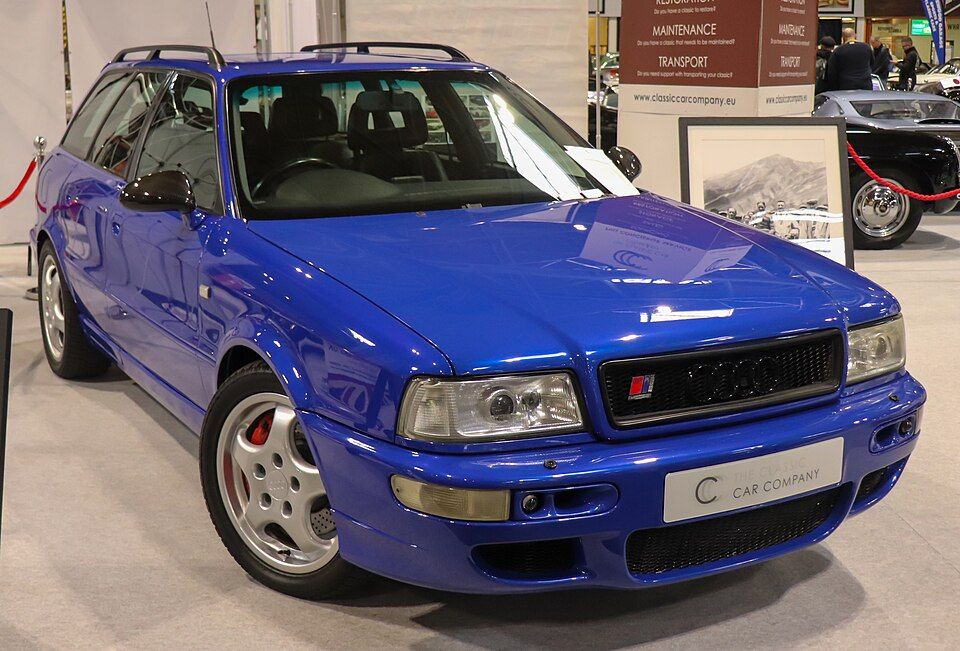
Photo: 1995 Audi RS2 Avant by Vauxford, CC BY-SA 4.0, via Wikimedia Commons.
Huge speed is no use if a car can’t put it onto the road. The RS2 used Audi’s quattro system, sending drive to all four wheels, and it also had a locking unit at the rear that could help in low-grip conditions. Audi identifies it as the first RS model and notes that its rear locking system was operated electromechanically. That setup helped the RS2 turn its engine output into strong launches and steady progress when the surface was wet, cold or messy. For drivers in Greater Manchester, that part of the recipe is easy to appreciate. Dry roads are lovely, but let’s face it, the weather around Stockport doesn’t always read the brochure. A fast rear-driven car can feel magical on a warm, clear day. Add rain, greasy roundabouts and winter grit, and the driver needs a lighter right foot. The RS2’s four-wheel-drive layout gave it a different kind of confidence. It could use its pace across a wider range of real conditions.
That doesn’t mean it ignored physics. No road car does. Its weight was listed at 1,595 kilograms, and a damp bend still demanded respect. Yet the car’s grip made its speed feel available rather than locked away for rare perfect days. This is another reason the RS2 changed expectations. It wasn’t a fragile toy for a Sunday morning. It was built around the idea that quick driving and daily use could share the same key. You could load the boot, set off in poor weather and know the chassis had been made to deal with serious speed. That mix became a core part of later fast Audi estates. Drivers came to expect a car that could cover distance in rain, carry plenty and still feel composed. The RS2 didn’t invent four-wheel drive, of course. Audi had spent years proving that idea in road cars and rallying. What the RS2 did was place that grip beneath a practical estate body and add a level of pace few people expected from such a shape.
It looked restrained, but every small clue had a job
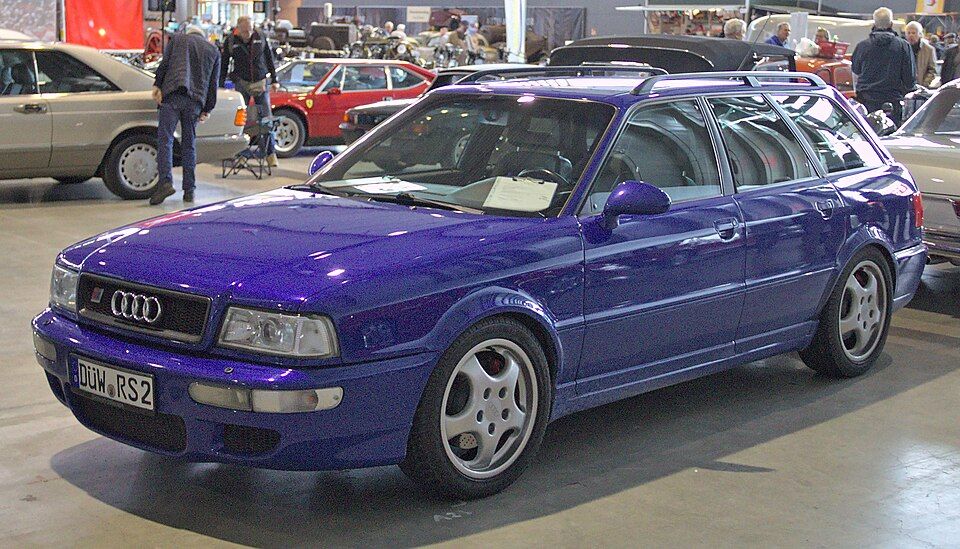
Photo: Audi RS2 Avant by Alexander Migl, CC BY-SA 4.0, via Wikimedia Commons.
The RS2’s shape has aged well because it never tried too hard. Its body came from the Audi 80 Avant, so the basic form was upright, clean and useful. There was no massive rear wing, no roof scoop and no collection of fake vents. You got deeper bumpers, a lower stance, Porsche-linked wheels, special mirrors, red brake parts and a full-width rear light look. Porsche says pieces related to both the 964 and 993 generations of the 911 appeared on the RS2, including indicators, fog lamps and part of the rear lighting treatment. The best-known colour, a bright blue shade linked closely with the model, made the car harder to miss, but even then the design stayed simple. Inside, the same rule applied. The cabin was recognisably Audi, with useful space and a straightforward dashboard, yet sports seats, pale instrument faces and special trim told you this wasn’t the ordinary estate from next door.
The details rewarded people who knew what they were looking at. That gave the RS2 a kind of quiet confidence. Some performance cars announce themselves from three streets away. The RS2 could sit outside a shop in Reddish and look almost sensible until you noticed the brakes and wheels. Then it clicked. This hidden edge helped create the “sleeper” appeal that fans still love: a car whose ability is far greater than its calm appearance suggests. The idea is relatable. Think of a local five-a-side player who turns up in an old hoodie, says very little, then scores four goals before anyone has worked out what’s happening. That’s the RS2 in car form. Its styling didn’t distract from the idea. It supported it. And because the body wasn’t covered in fashionable shapes from one brief moment, it still looks tidy decades later. Age has made the square lines feel honest rather than old-fashioned. You can see the family estate beneath the special parts, which keeps the original surprise alive.
Rarity gave the story room to grow
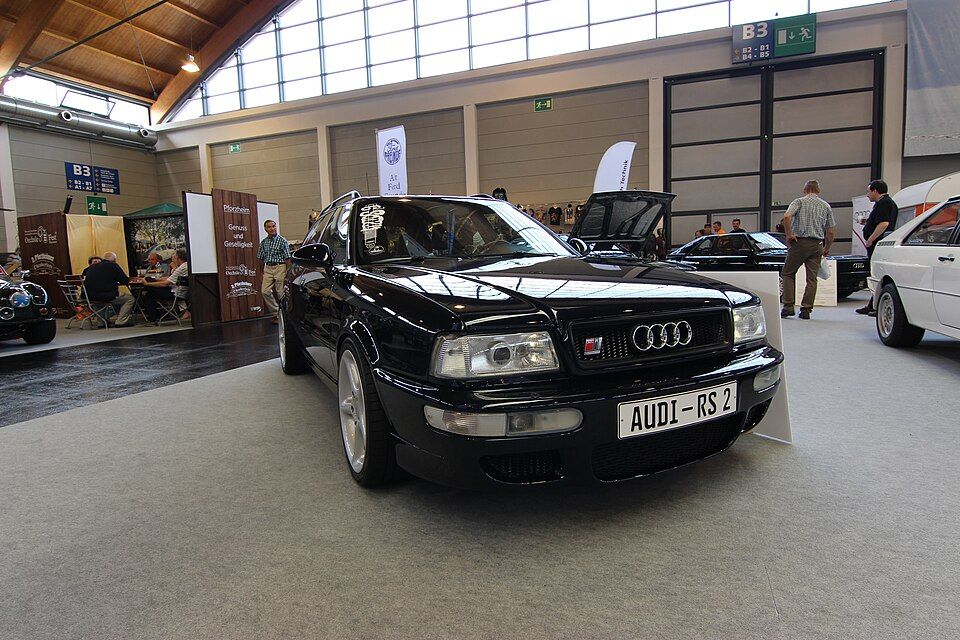
Photo: Audi RS2 by © Hilarmont (Kempten), CC BY-SA 3.0 DE, via Wikimedia Commons.
Porsche states that 2,891 RS2s were produced, which is a tiny number beside normal family-car production. Limited supply helped the model become desirable, but rarity alone doesn’t create a legend. Plenty of scarce cars are forgotten because they were dull, flawed in the wrong ways or simply had no clear story. The RS2 had a story people could repeat in one breath: Audi estate, Porsche involvement, huge speed, four driven wheels, very few made. Easy to remember. Easy to tell a friend. As the years passed, surviving cars became harder to find in original condition. Some were driven hard, some were modified, some suffered from age and some disappeared into private collections. Every clean example began to feel like a small piece of a turning point in Audi’s history. This matters because enthusiasts like cars that mark a beginning.
The RS2 was Audi’s first RS model, and Audi later treated it as the starting point for a long line of fast, practical machines. When a modern RS estate rolls past, the family link runs back to this square 1990s car. That gives the RS2 meaning beyond its own sales run. It became chapter one. Rarity also protected its sense of occasion. You don’t see one on every commute between Stockport and Manchester. Spotting one feels special, even for people who aren’t walking encyclopaedias of old cars. The bright paint, compact body and unusual wheels stand out among newer traffic. And because the RS2 was built for use, each survivor carries a life story. Maybe it crossed Europe with a family. Maybe it spent years as a daily car. Maybe an owner saved for ages to buy one, then kept every invoice in a thick folder. Those human stories add weight to the machine. A rare car becomes far more interesting when it was useful enough to collect memories rather than sitting untouched under a cover.
It changed what people expected from an estate car
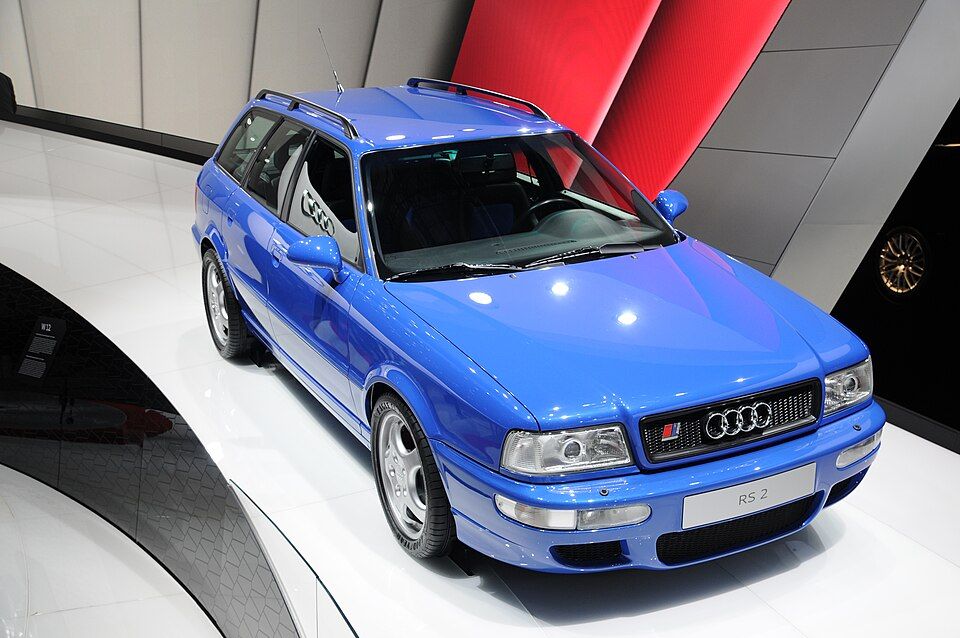
Photo: Audi RS2 by Norbert Aepli, Switzerland, CC BY 3.0, via Wikimedia Commons.
Before the RS2, buyers could find quick estates, and tuners had already built very fast practical cars. What made the Audi different was the complete factory package and the strength of the statement. Audi and Porsche took a familiar family body, reworked the engine, brakes, suspension, cabin and exterior, then sold the finished car as a serious model with its own place in the range. Audi later called it the first high-performance sports car with five seats and a large luggage area, while Porsche called it the fastest estate in the market at launch. The message was clear: an estate didn’t have to apologise for being useful, and a sports car didn’t have to leave the family behind. That idea spread. Later Audi RS estates became bigger, quicker and easier to live with.
Rival brands also built their own fast wagons, each with a different flavour. Yet the RS2 remained the reference point because it arrived early and got the mix so right. It was quick enough to shock people, useful enough to make sense and rare enough to stay special. It also gave Audi a distinct identity. BMW had its famous fast saloons and Mercedes-Benz had its muscular executive cars. Audi could point to four-wheel drive, five-cylinder character and an estate shape created with Porsche. That was its own lane. You can still see the effect in car culture. A fast estate has a different kind of cool from a supercar. It says the owner wants excitement but also has places to go and things to carry. Bikes, luggage, work kit, children, perhaps half of a house after a trip to a furniture shop. The humour is built in. The car can do ordinary jobs while hiding serious pace beneath the floor. The RS2 turned that contradiction into a badge of honour. It made practicality part of the appeal, rather than a compromise to explain away.
Why the RS2 still feels special now
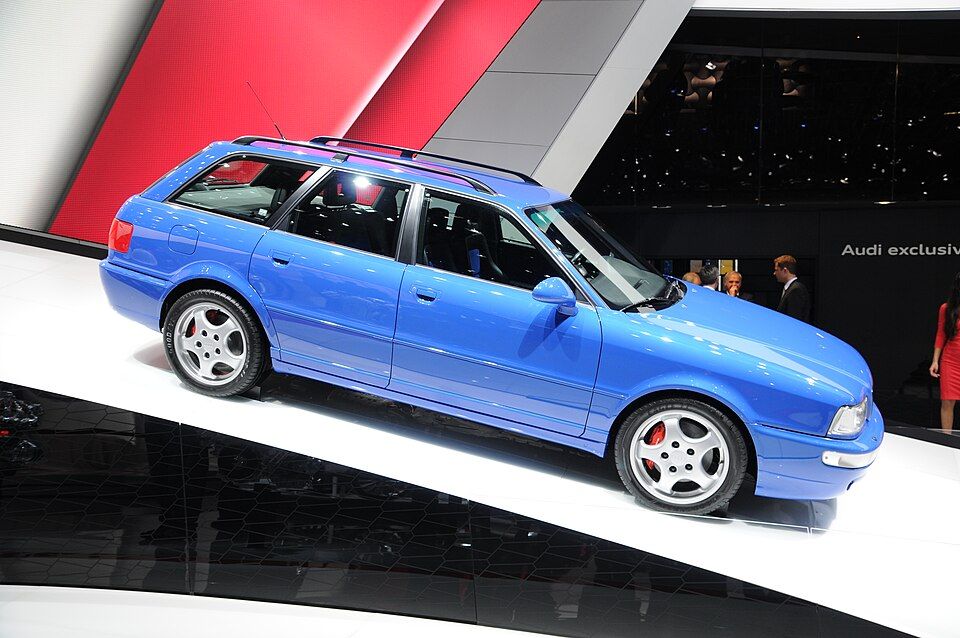
Photo: Audi RS2 by Norbert Aepli, Switzerland, CC BY 3.0, via Wikimedia Commons.
A new performance car can beat the RS2 on speed, braking distance, comfort, fuel use and cabin technology. That doesn’t push the old Audi aside. Legends aren’t kept alive by a single number. They last because they represent a moment, an idea and a feeling that newer cars can’t copy exactly. The RS2 arrived when analogue controls, manual gearboxes and clear turbo delay were still part of the experience. It asked the driver to work with it. At the same time, it was practical, secure in poor weather and built with real care by two major German car makers. That mix gives it lasting appeal. You can admire the engineering story, the simple shape, the limited production run or the fact that it started the RS family. You can also just like the basic joke at its heart: it’s an estate that moves like a sports car. Porsche’s historical account says the RS2 can still keep pace with modern traffic in a very sporty way, even decades after production ended. That’s a fine summary. The car isn’t famous because it was perfect. It’s famous because all its pieces came together with character. The sudden turbo rush, the five-cylinder note, the Porsche parts, the all-wheel grip and the square Audi body each add something. Remove one and the story becomes less interesting. At Dace Motor Company, we think that’s why the RS2 keeps drawing attention from drivers who grew up with it and younger fans who first met it online or at a car show. It feels honest. Purposeful. A little odd. Very quick. It also reminds us that the best car ideas can start with a simple question: why should the useful car be the boring one? Audi and Porsche answered that question in 1994, and the answer still makes sense on roads from the Alps to the A6.