


BMW i8: The Futuristic Sports Car That Still Looks Modern Today
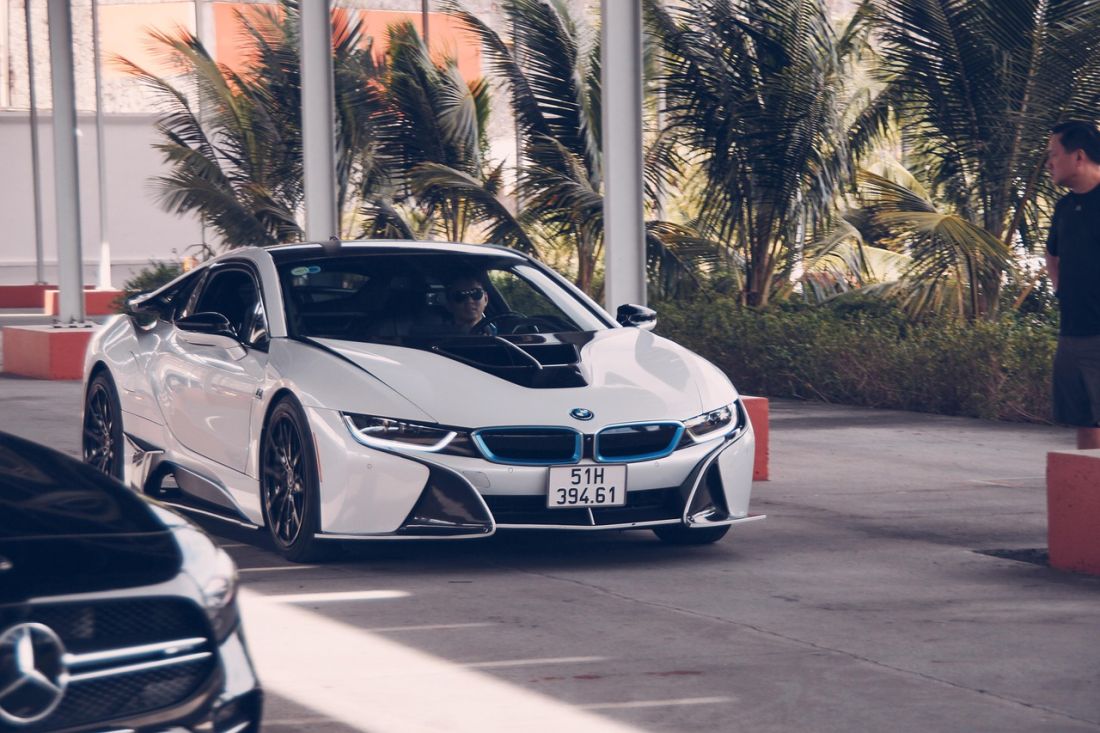
The BMW i8 arrived looking as if someone had driven it straight out of a science-fiction film and parked it outside a normal house. That was back in 2014, yet the shape still feels fresh today. Put one beside many newer sports cars and it won’t look like the old guest at the party. Its low nose, deep side channels, floating rear panels and upward-opening doors still catch people by surprise. You could park it near Deansgate, outside MediaCity, or by a café in Stockport, and heads would turn before the driver had even switched it off. That matters because car design usually ages in small, obvious ways. Lights begin to look too large, screens seem too small, grilles follow a fashion that has already passed, and body lines start to tell you exactly which decade produced them. The i8 avoids much of that. BMW gave it a shape with very few links to an ordinary saloon or family car, so it never depended on one short-lived trend. It was different from the start. The story began before the production car appeared. BMW showed the Vision EfficientDynamics concept at the Frankfurt motor show in 2009, then developed the idea into the i8 that reached customers in 2014. The road car kept a surprising amount of the concept’s drama. That’s rare. Show cars are easy to make wild because they don’t need to survive speed bumps, rain, shopping trips or a busy Monday on the M60. The i8 had to do all of that while still looking special. And it did. At Dace Motor Company, we see plenty of cars that were exciting when new but now feel tied to their launch year. The i8 isn’t one of them. It still looks like a preview of something, even though its production ended in 2020.
Why the Exterior Still Feels Fresh
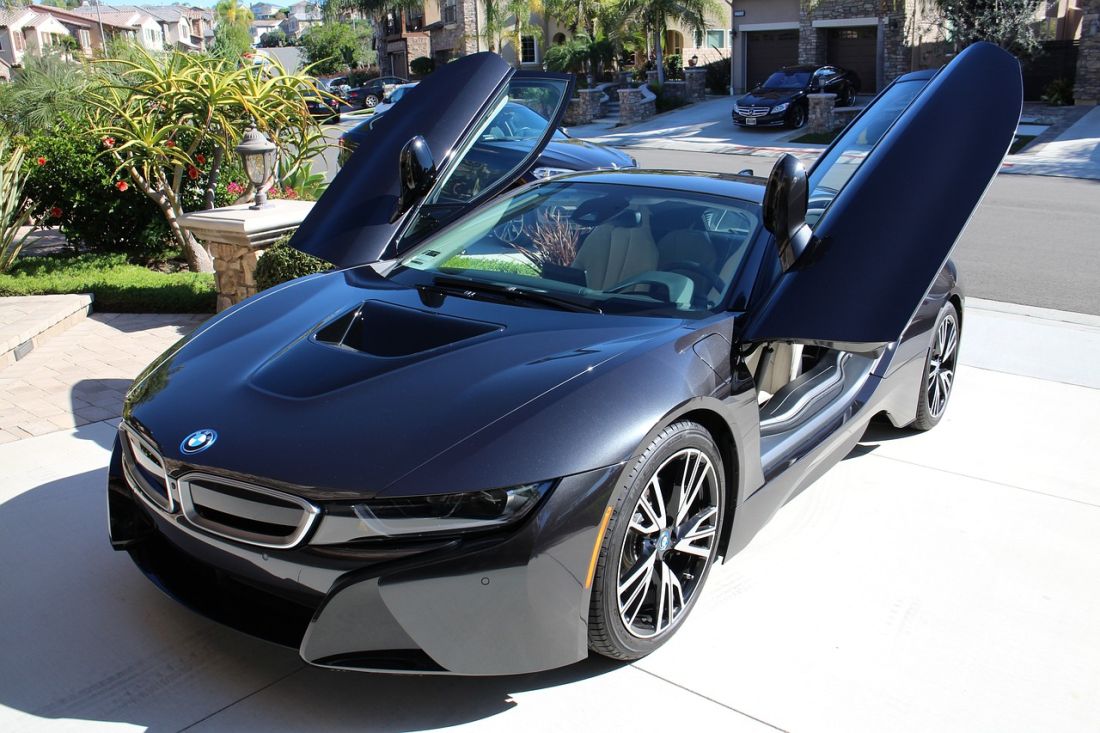
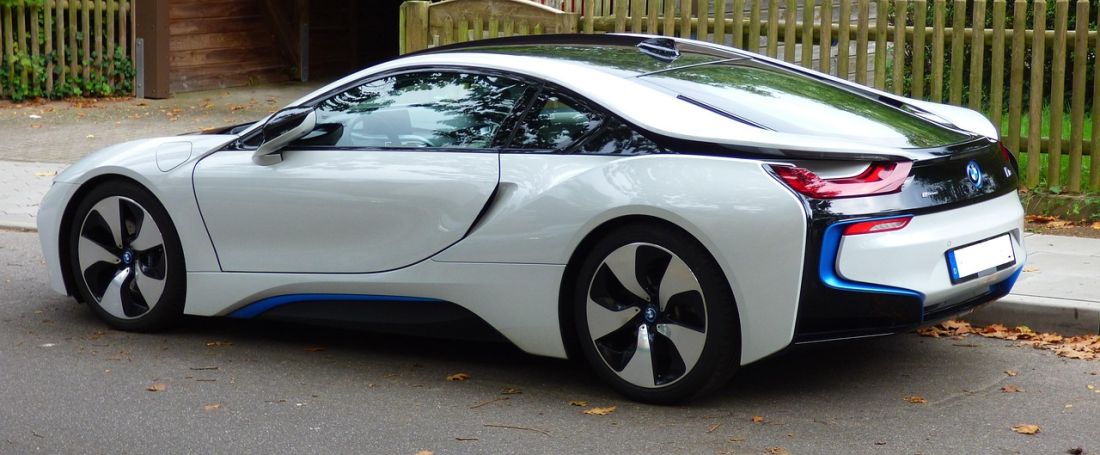
A big reason the BMW i8 still looks modern is that its design has a clear job. The curves and channels aren’t there just to make the car look busy. Air is guided around the body, through openings and past the rear sections, helping the car move cleanly at speed. BMW quoted a drag figure of 0.26 for the early production car, which is impressive for something this low and dramatic. You don’t need an engineering degree to see the idea. Look at the side and you’ll notice that the body seems layered, almost like two shells placed over each other. The rear wings appear to float above the lights, leaving gaps where you’d expect solid metal. The doors swing up and forwards, creating a little theatre every time someone gets in. Yes, they can be awkward in a tight car park. We’ve all been there, squeezing between badly parked crossovers while trying not to touch the next car. But the doors are also part of the i8’s charm. A normal hinge would make the whole car feel less daring. The proportions help too. It’s wide, very low and long enough to have presence without looking huge. The roof line flows into the rear in one clean movement, while the front stays slim because there isn’t a large engine sitting over the front wheels. And the details have aged well. The narrow lamps, simple surfaces and dark glass sections still match the look of newer electric and hybrid cars. Some modern models use giant grilles, sharp creases and layers of decoration to appear new. The i8 doesn’t need to shout that hard. Its shape was unusual enough in 2014 that the rest of the car market has spent years moving closer to it. That may be why an i8 seen on the A6 through Stockport can still make traffic around it look a bit ordinary.
A Hybrid System That Was Years Ahead
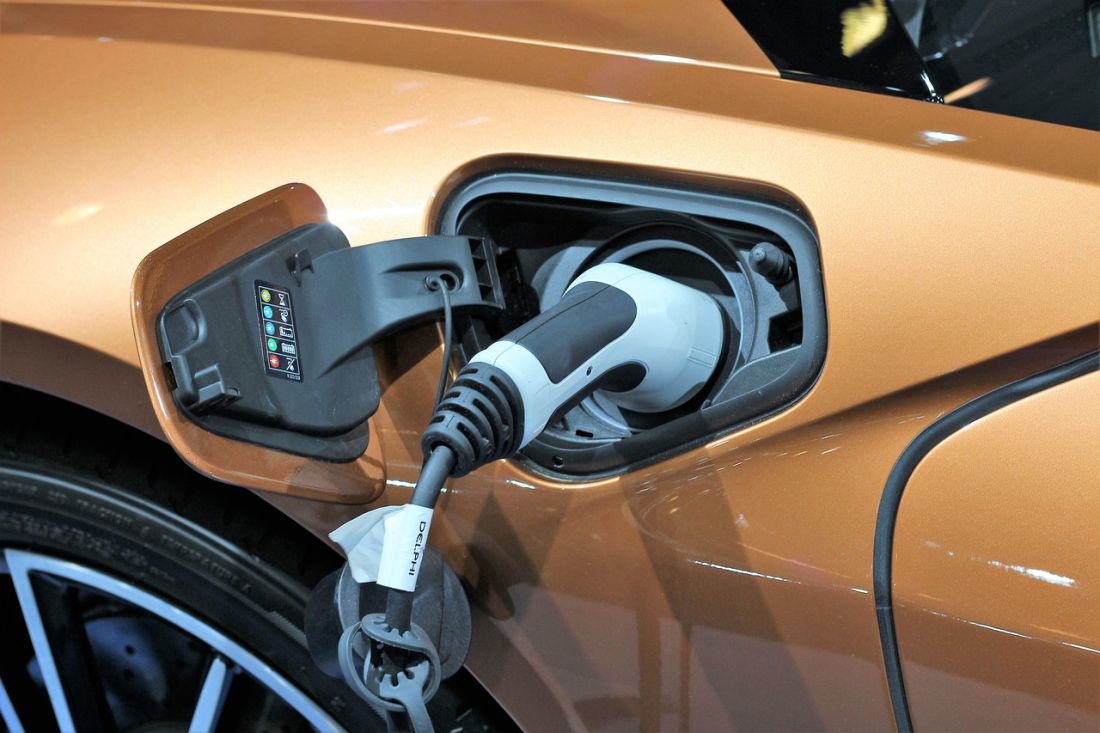
The clever bit sits beneath that striking body. The BMW i8 is a plug-in hybrid, which means it combines a petrol engine with an electric motor and a battery that can be charged from a socket. The petrol engine is a small 1.5-litre, three-cylinder unit mounted behind the cabin, driving the rear wheels. The electric motor drives the front wheels. Together, they give the car four-wheel drive when both sides are working at once. It sounds complicated, but the feeling from the driver’s seat is easy to grasp. The electric motor can move the car quietly at lower speeds, while the petrol engine joins in when stronger acceleration is needed. Early cars had a total system figure of 362 hp and could reach 62 miles per hour from rest in about 4.4 seconds. The updated Coupe and the Roadster raised the total to 374 hp. Those numbers still feel quick now, especially on a short slip road or a clear stretch outside the city. Yet the i8 doesn’t behave like an old-school sports car that is loud and restless every minute.
It can creep through Manchester traffic in electric mode, then change character when the road opens. That split personality is a large part of its appeal. The battery in early cars had 7.1 kilowatt-hours of gross capacity. BMW increased that to 11.6 kilowatt-hours for the 2018 update, giving the later Coupe a quoted electric test range of up to 34 miles under the older European test method. Real driving range depends on temperature, speed, heater use, battery condition and route, so a buyer shouldn’t treat the brochure figure as a promise. Still, the basic idea remains smart. Use electric driving for short local trips, then keep the petrol engine ready for longer runs. It was a very unusual plan for a sports car in 2014. Now, with hybrid performance cars all around us, the i8’s layout feels less strange and far more familiar.
Light Materials and a Low Centre of Gravity
The i8’s modern feel goes deeper than the screens and lights. BMW built the passenger area from carbon-fibre-reinforced plastic, a strong and light material that was far less common in series-production cars at the time. Underneath it sits an aluminium structure carrying the battery, suspension and drive units. BMW called this split construction LifeDrive, but the simple version is this: keep the cabin light and stiff, then place the heavy parts low in the car. The battery runs through the centre of the floor, helping keep weight close to the road and between the axles. The early i8 weighed about 1,490 kilograms, which is fairly restrained for a car carrying an engine, electric motor, battery and four-wheel-drive hardware. You feel the result in the way it changes direction. It isn’t a tiny track toy, and it doesn’t pretend to be one, but it feels lighter on its feet than its shape might suggest.
The steering is quick, the body stays controlled, and the low seating position makes even an everyday roundabout feel a little more special. There’s also something oddly calm about driving it at normal speed. The view ahead is wide, the car settles into a cruise, and the electric assistance smooths out gentle acceleration. Then you look in the mirror and remember you’re sitting inside a carbon-bodied sports car with doors that lift into the air. That contrast is the i8 in a nutshell. It mixes exotic construction with normal-car manners. The carbon structure also matters for used buyers because repairs need the right knowledge and equipment. A small mark on a panel may be simple cosmetic damage, while a deeper impact near the structure deserves expert inspection. This isn’t a reason to avoid the car. It’s a reason to buy carefully, check the history and make sure any previous repair was completed by people familiar with the materials and the model.
What the BMW i8 Is Like Inside
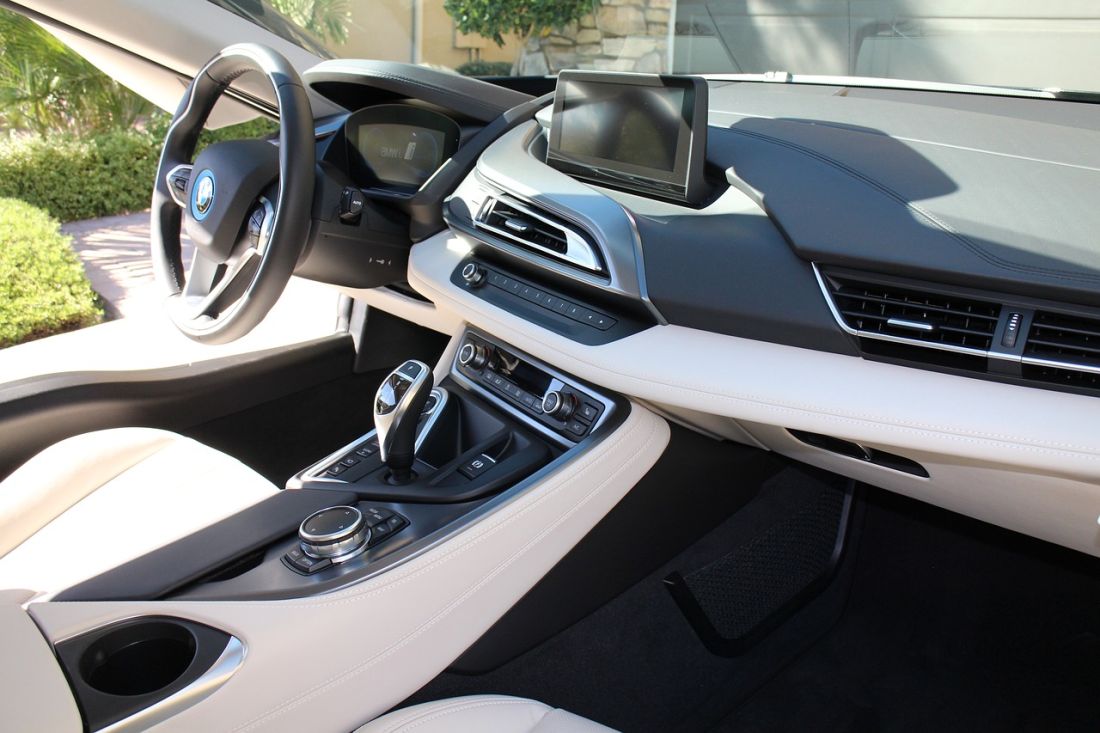
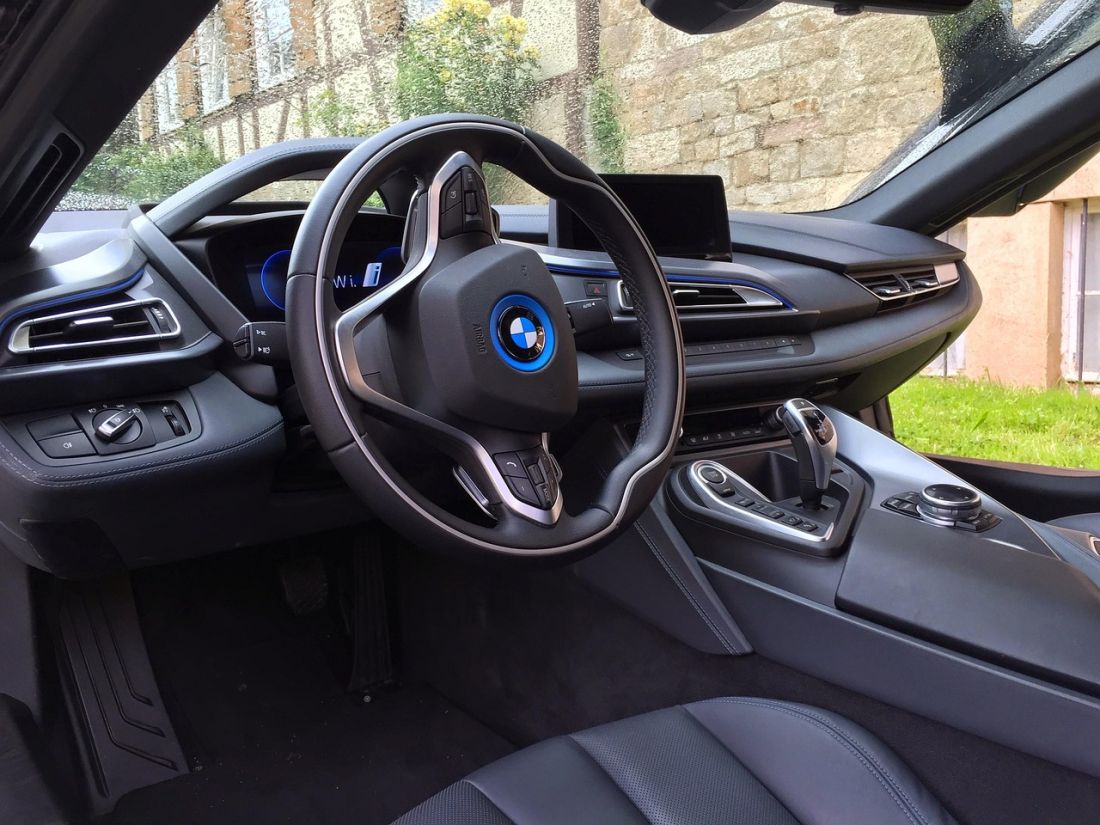
Open the door, step over the wide sill and drop into the BMW i8’s cabin, and the first thing you’ll notice is how low you sit. Getting in takes a little practice. Getting out can take even more, especially if you’re parked beside a high kerb and trying to look graceful. You probably won’t. Most owners learn a simple routine: move the seat back, place one hand on the sill, swing both legs out, then stand. Once inside, the driving position feels natural. The dashboard curves around the driver, the main controls are easy to reach, and the layout looks cleaner than many newer cabins filled with huge touchscreens. The display itself now shows the car’s age because it’s smaller than the tablet-style screens fitted to current models. Yet that doesn’t ruin the space. Physical buttons remain useful, the rotary controller is easy to use while moving, and the digital driver display changes its look with the driving mode.
The Coupe has two small rear seats, making it a 2+2 rather than a true four-seat family car. Children may fit for shorter trips, and the seats can hold bags, coats or a bit of shopping, but adults won’t thank you for a long run to the Lake District. The luggage area is also modest. This is a sports car, after all, not a removal van. Heat from the rear-mounted petrol engine can make the boot warm, so chocolate, camera gear and anything sensitive deserve a little thought. The Roadster removes the rear seats but adds open-air driving and extra storage behind the seats, while keeping an 88-litre rear luggage area. For local weekends, a careful pack works fine. For airport luggage, you’ll need soft bags and a realistic chat about how many shoes are coming. The cabin isn’t perfect, but it balances drama and usability better than the exterior suggests.
Driving an i8 Around Manchester and Stockport
So what is the BMW i8 like on roads around Manchester and Stockport? Better than the poster-car shape might lead you to expect. In town, the electric motor makes low-speed movement quiet and smooth. The car is wide, so narrow streets and older multi-storey car parks need attention, but visibility ahead is decent and parking sensors help. The low nose deserves care over steep ramps and rough entrances. Around places where road repairs seem to arrive in patches rather than all at once, slowing down is sensible. Out on faster roads, the i8 feels settled and secure. Press the accelerator and the front electric motor responds at once, while the petrol engine adds its push from behind. The change between the two can feel theatrical, helped by sound inside the cabin, yet it never turns into the heavy, angry experience some people expect from a sports car.
The i8’s character is cleaner and calmer. It carries speed easily, so the driver needs to watch the speedometer, especially after leaving a slower section. On a twisting road, the car grips well and turns in neatly, but it isn’t trying to copy a raw rear-wheel-drive coupe. The front motor, narrow front tyres on early cars and safety-minded setup give it a different feel. Some keen drivers may want more steering feedback or a more playful balance. Others will like the confidence, low running noise and easy pace. Let’s face it, most i8s spend far more time on public roads than on racing circuits. In that setting, its mix makes sense. You can cross town without drama, join the motorway without effort, then arrive somewhere feeling as if the trip was an event. Even a grey run past the Trafford Centre feels a touch less ordinary when the view in the side mirror includes one of those floating rear wings.
What to Check Before Buying a Used BMW i8
Buying a used BMW i8 needs the same calm approach as buying any complex performance car, just with a few model-specific checks added. Start with the service history. Look for regular maintenance, clear invoices and evidence that warning lights or charging faults were investigated rather than simply cleared. Ask the seller to charge the car before your visit, then check that it accepts a charge, shows a sensible electric range estimate and drives in electric mode without warnings. The displayed range will move with weather and recent driving, so don’t judge the battery from one number alone. Pay attention to how smoothly the petrol engine starts and joins the electric side. Listen for odd knocks from the suspension, check that the brakes work cleanly and inspect the tyres carefully. The i8 uses unusual tyre sizes, and matching quality tyres matter on a car with this layout. Uneven wear may point to alignment trouble or hard use.
Check the lower edges of the front bumper, the side skirts and the underside for contact with kerbs or ramps. Test both doors and make sure they rise, stay open and close neatly. Look at panel gaps, paint finish and the carbon structure visible around the door openings. Any sign of a serious previous impact needs professional assessment. Inside, test the climate system, cameras, parking sensors, displays, seat controls, charging cable and every key supplied with the car. A history check is also important because it can flag outstanding finance, mileage concerns, theft records and insurance categories. Dace Motor Company carries out vehicle history checks on cars offered for sale, and that kind of background work matters even more with a specialist model. A pre-purchase inspection by a technician who knows BMW hybrid systems is money well spent. The car may look like a spaceship, but the buying rule is wonderfully normal: condition and history matter more than a tempting low price.
Why the BMW i8 Still Matters
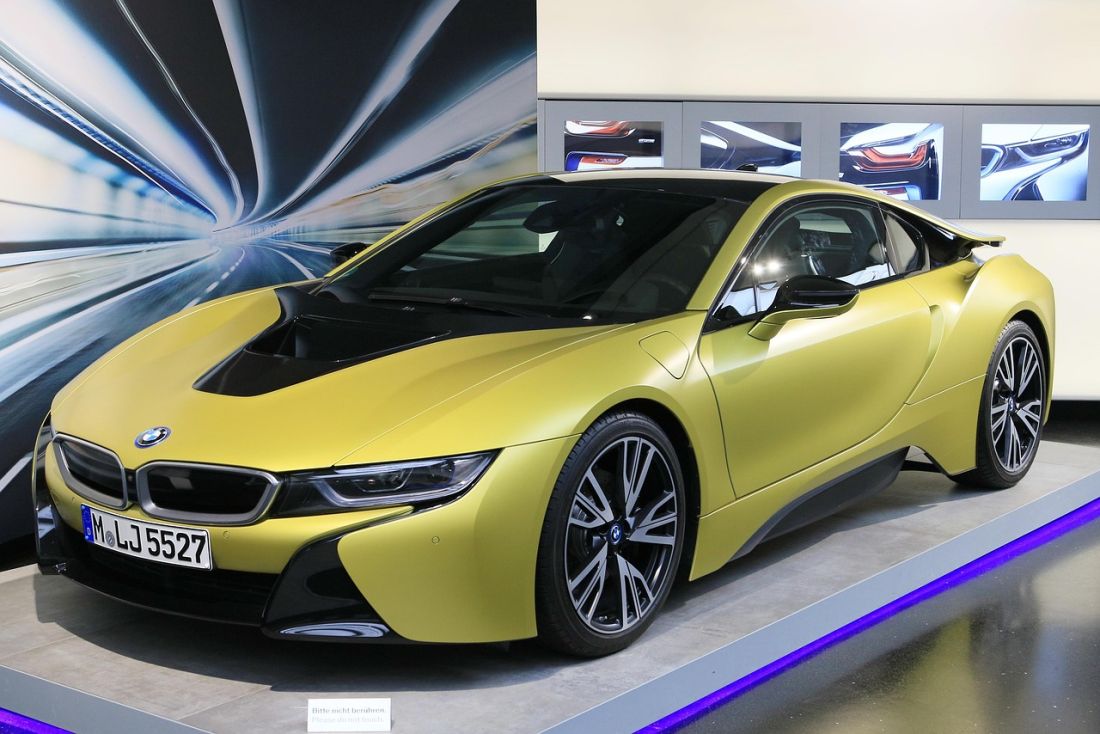
Production of the BMW i8 ended in June 2020, when the final 18 cars left BMW’s Leipzig plant in special colours chosen with their owners. By then, the car had spent six years doing something few sports cars manage: staying visually ahead while the market changed around it. During those years, electric cars moved from a niche choice to a major part of the industry, plug-in hybrids became common, and digital cabins grew larger and busier. The i8 had already introduced many buyers to the idea that electric driving could sit beside excitement rather than replace it. It also showed that a small petrol engine didn’t have to make a sports car feel weak, provided the electric side filled the gaps and added instant response. Its 2015 UK Car of the Year award showed how strongly it landed at the time, but the lasting part is what happens now. People still stop to photograph it. Children still point at the doors. Drivers of much newer cars still turn their heads. That isn’t because the i8 wins every comparison on speed, electric range or cabin technology. It doesn’t. Newer machines have moved the numbers forward. The i8 stays interesting because the whole idea feels complete. The body, layout, materials and driving character all tell the same story. It was built to show a different kind of sports car, and it never became a watered-down version of something else. For buyers around Manchester or Stockport, it can be a striking weekend car that remains easy enough for regular use, provided the history is right and the running costs have been considered. It won’t suit everyone. The rear seats are tight, the boot is small, entry takes practice and specialist repairs can be costly. But that honesty is part of the appeal. The BMW i8 is strange, clever and still beautiful. Years after launch, it hasn’t caught up with the future. In many ways, the future has caught up with it.