


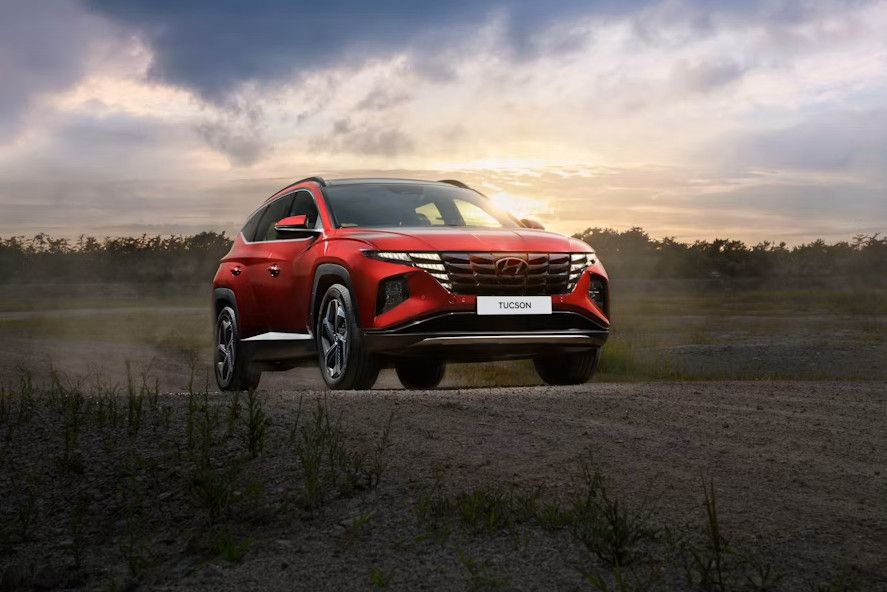
The Evolution of the Hyundai Tucson Through the Years
The Hyundai Tucson has changed a lot since it first appeared in 2004, yet the basic idea has stayed pretty steady. It’s meant to be a useful family car with a higher driving position, a roomy cabin and enough flexibility for school runs, shopping trips, motorway miles and weekends away. That sounds simple, but car buyers have asked for very different things over the past twenty years. In 2004, a clear dashboard, decent boot space and the option of four-wheel drive could make a car feel well equipped. By the mid-2010s, drivers expected phone connection, a reversing camera and smarter safety features. Now, many people also want hybrid choices, large screens and software that can be updated without a workshop visit. The Tucson’s story tracks those changes almost year by year. You can picture it on local roads, too. An early model might have been bought as a sturdy alternative to a family hatchback, ready for wet mornings near Stockport Viaduct or a muddy day out in the Peak District. A newer one is just as likely to be chosen for quiet hybrid driving around town, then a comfortable run on the M60. At Dace Motor Company, we’ve seen how the Tucson has moved from being a slightly left-field choice to a car that many used buyers recognise straight away. That rise didn’t happen because Hyundai kept changing the badge and hoping for the best. Each generation became easier to live with, cleaner inside, smarter on the road and closer to what European families wanted. Hyundai says the Tucson debuted in 2004, reached its fourth generation in 2020 and passed seven million global sales by the time the newest shape arrived in United Kingdom showrooms in early 2021. That’s a big shift for a model that began as a sensible, compact family crossover.
First generation, 2004 to 2009: sturdy, simple and easy to recognise
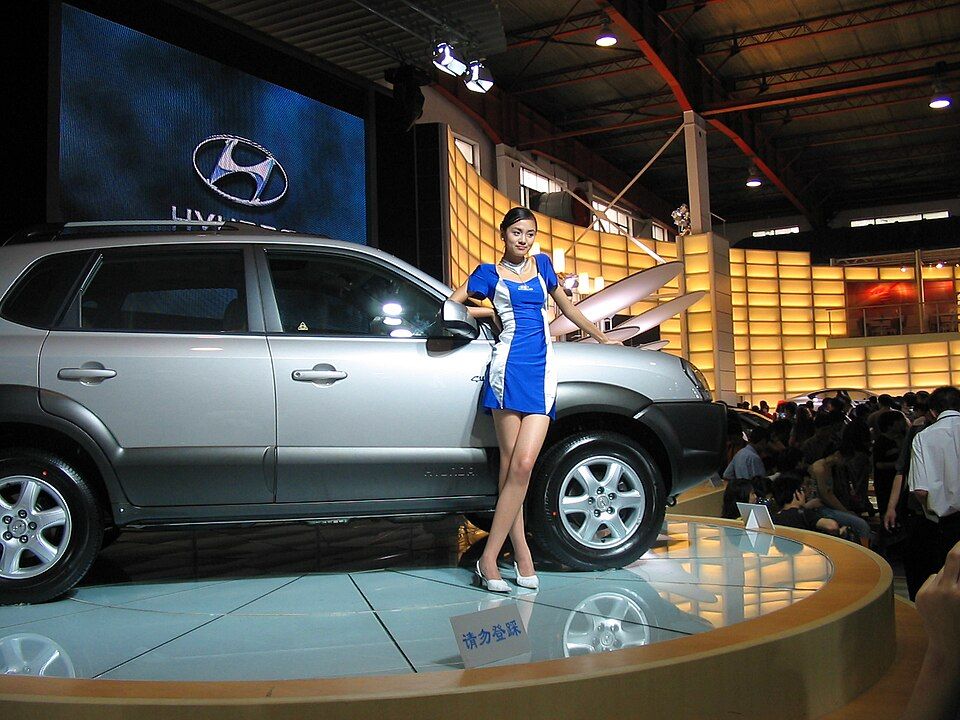
Photo: 2004 Hyundai Tucson by Tiger@??, CC BY-SA 3.0, via Wikimedia Commons.
The first Tucson arrived in 2004 with a chunky shape, upright windows and a look that felt closer to a small off-road car than a tall family hatchback. That mattered at the time. Drivers liked the extra sense of security that came from sitting higher, and the Tucson offered that without becoming huge or awkward in a supermarket car park. Hyundai named it after Tucson, Arizona, which helped give the model an outdoorsy image, though most examples spent far more time on normal roads than rocky trails. Inside, the layout was straightforward. The controls were easy to spot, the gauges were clear, and there was space for five people plus the usual family clutter. It wasn’t trying to impress you with a wall of screens. It was trying to make Monday morning less annoying.
And, to be honest, that has its own charm. Early Tucson models could be found with front-wheel drive or four-wheel drive, depending on version and market, so buyers could pick something suited to town use or a bit of extra grip. The ride and cabin feel were much simpler than in later generations, but that’s exactly why some used buyers still like them. There’s less visual fuss. You get in, turn the key and go. Of course, age now matters far more than the original brochure. A 2004 to 2009 Tucson should be judged on service records, corrosion, tyre condition, suspension wear, warning lights and how smoothly everything works. We’ve all seen an older car that looks shiny from ten feet away but tells a different story once you check underneath and take a proper test drive. Hyundai’s own history describes the first Tucson as a compact model with rugged looks, useful safety equipment and family-friendly comfort. That sums it up well. It wasn’t flashy. It was a solid first step, and it gave Hyundai a base it could build on.
Second generation, 2009 to 2015: the Tucson became the ix35 in Britain
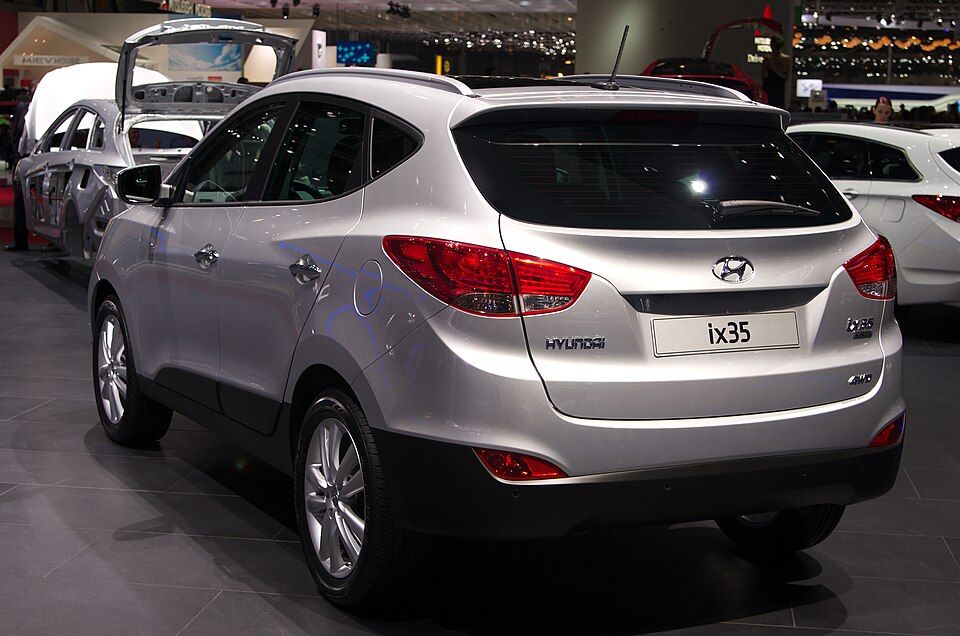
Photo: 2013 Hyundai IX35 by Clément Bucco-Lechat, CC BY-SA 3.0, via Wikimedia Commons.
The second generation arrived in 2009, and this is where the family tree can confuse used-car shoppers. In Britain and many other European markets, Hyundai replaced the Tucson name with ix35. In North America and South Korea, the Tucson badge stayed. So, yes, the ix35 is part of the Tucson story, even though the name on the boot is different. The car itself looked much smoother and more road-focused than the first model. The rounded body, swept-back lights and lower-looking roof gave it a cleaner shape, while the cabin felt closer to the family cars people were already used to. It was still roomy and practical, but it no longer looked as if it expected every owner to own hiking boots and a roof box. This change matched what buyers wanted after the late 2000s. Family crossovers were becoming normal everyday cars, rather than niche choices for people who needed four-wheel drive. Fuel use, comfort and easy town driving mattered just as much as a tough appearance.
Hyundai says the second generation brought improvements in style, function, performance, fuel economy and safety. Those changes helped the ix35 appeal to a much wider group of drivers. A parent in Cheadle could use it for the school run, someone commuting into Manchester could enjoy the higher seat and easy access, and a family heading out past Glossop could load up without feeling they’d bought a van. The ix35 also became linked with Hyundai’s early hydrogen work. A fuel-cell version entered series production, showing that Hyundai was already testing ways to move beyond a normal petrol or diesel engine. That version was rare and isn’t the one most used buyers will meet, but it says a lot about the period. Hyundai was becoming more confident. When viewing a used ix35 now, check the history carefully, listen for unwanted noises, test every switch and make sure the gearbox, clutch and brakes feel right. Don’t buy the badge. Buy the condition.
Third generation, 2015 to 2020: the Tucson name returned with a smarter look
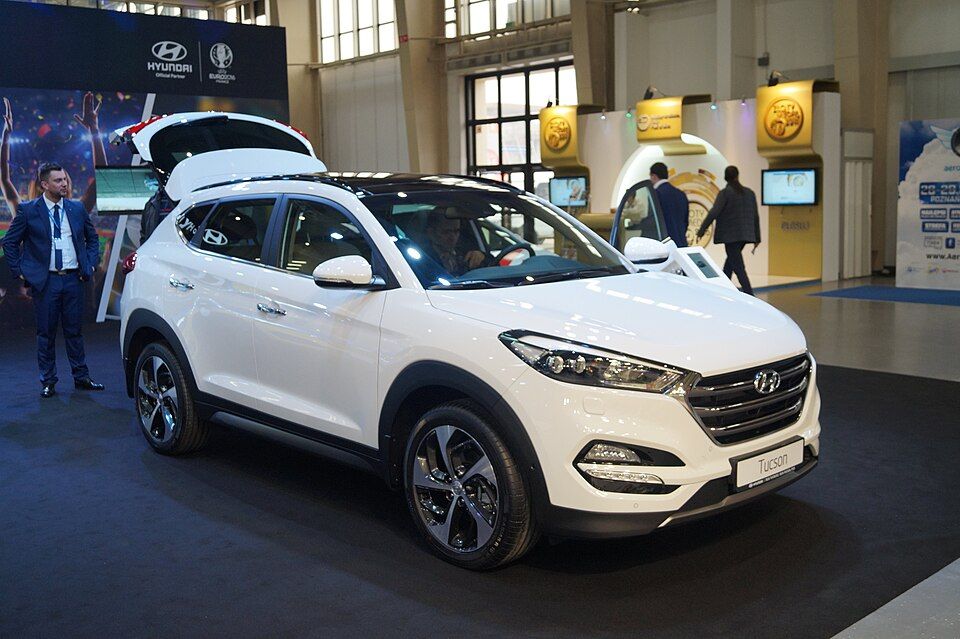
Photo: 2016 Hyundai Tucson by Jakub "Flyz1" Maciejewski, CC BY-SA 4.0, via Wikimedia Commons.
In 2015, the Tucson name returned to Britain, and the new model felt like a proper step up. The body became wider and more confident, with a large front grille, sharper lights and cleaner side lines. It looked less like a budget alternative and more like a car that could sit beside well-known European and Japanese rivals without feeling out of place. The cabin moved in the same direction. Materials improved, the dashboard looked neater, and buyers could choose features such as larger displays, phone connection, parking help and extra driver aids, depending on trim. Hyundai also increased the car’s size and offered wheels up to 19 inches, which gave higher-spec versions a more expensive look. But the main reason this generation worked so well was everyday usefulness. The boot was generous, the rear seats suited family life, and the driving position gave a clear view in traffic.
You know how it is on a packed road near the city centre, with buses, bikes and cars all trying to share the same patch of tarmac. A good view out can make the whole drive feel calmer. The third-generation Tucson also earned the maximum five-star score in European New Car Assessment Programme testing in 2015. That rating came under tougher test rules than those used for much older cars, so it helped the Tucson build trust with family buyers. Hyundai began producing this generation at its factory in Nošovice in the Czech Republic in June 2015, with a strong focus on European customers. By this point, the model was no longer finding its feet. It had become a major seller. For used buyers now, the 2015 to 2018 cars can offer a lot for the money, especially when they have a full service record and sensible mileage. Trim levels and engine choices vary, so compare actual equipment rather than assuming every Tucson has the same kit. A panoramic roof, heated seats or an automatic gearbox may sound nice, but condition and maintenance still matter most.
The 2018 update: a useful refresh rather than a complete rethink
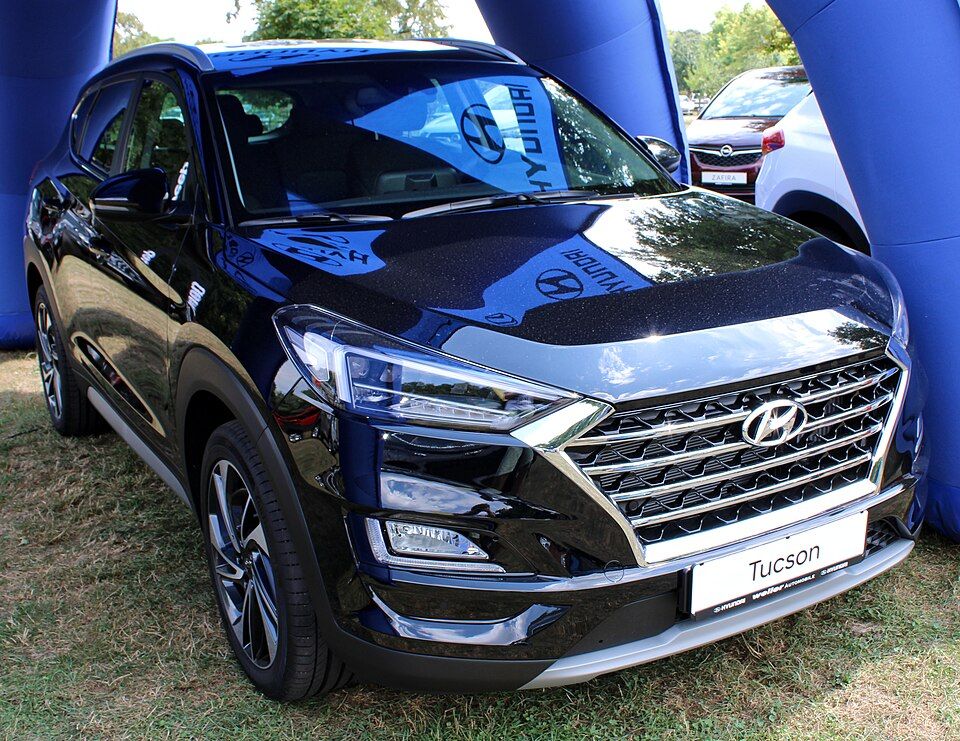
Photo: 2018 Hyundai Tucson by Alexander Migl, CC BY-SA 4.0, via Wikimedia Commons.
Hyundai updated the third-generation Tucson in 2018, and the changes were aimed at the details drivers notice every day. The front grille and lights were revised, the rear gained a cleaner look, and the dashboard was reshaped around a raised central screen. That screen placement may sound like a small change, but it made information easier to glance at without looking too far down. Phone connection became more widely available, and some versions gained wireless charging, better audio and an around-view camera that could make tight parking less stressful. Very handy when a space looks generous from the road and strangely tiny once you’re halfway into it. Safety equipment also spread across the range. Hyundai said automatic emergency braking and lane-keeping help became standard on all United Kingdom trim levels after the update, while other aids were fitted on higher versions.
The engine range changed as well. A new 1.6-litre diesel joined the line-up, and a 48-volt mild hybrid system was offered with the larger diesel and an eight-speed automatic gearbox. In everyday language, that small electrical system helped the engine during certain moments and allowed it to switch off for longer in stop-start driving. It wasn’t the same as a full hybrid, and it couldn’t drive around town on electricity alone, but it marked another step between a normal diesel and the fuller hybrid choices that followed. The refreshed Tucson also brought more petrol options to higher trims, which gave buyers a wider spread of choices. For someone shopping used, the 2018 update can be a sweet spot. It still has the familiar, easy-going shape of the third generation, but the cabin tech and safety kit feel newer. Check the exact registration year and specification, since a car first registered around the changeover may be either the earlier or refreshed version. Look at the dashboard and front styling, then confirm the equipment from the vehicle details. Small differences can have a big effect on daily life.
Fourth generation, 2020 onward: bold lights, hybrids and a much more modern cabin
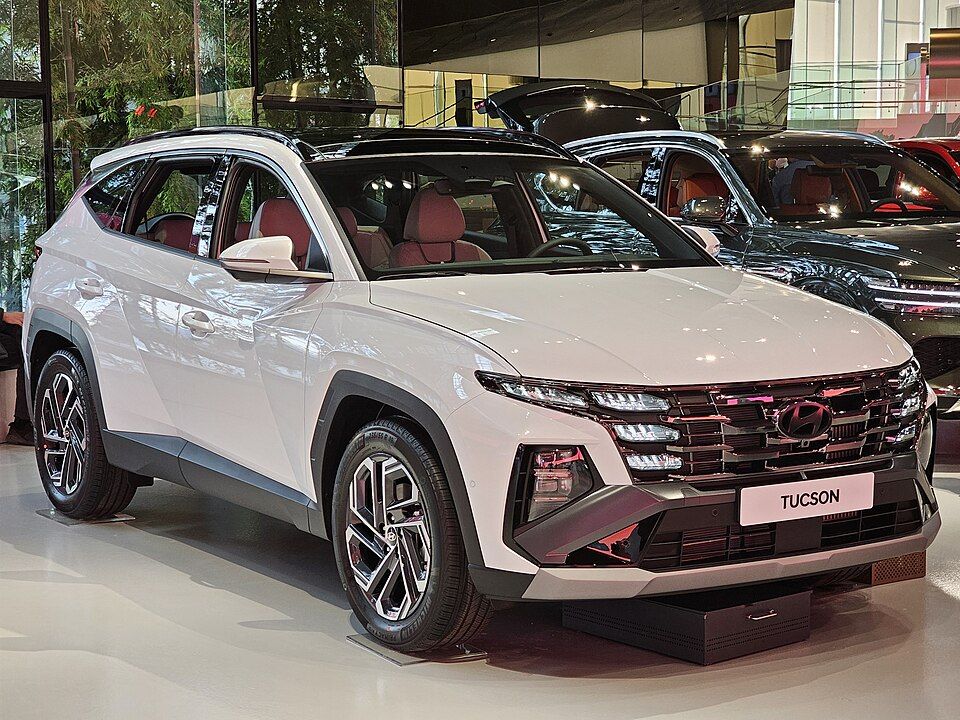
Photo: 2023 Hyundai Tucson by Damian B Oh, CC BY 4.0, via Wikimedia Commons.
The fourth-generation Tucson was revealed in September 2020 and reached United Kingdom showrooms in January 2021. It looked unlike any Tucson before it. The front lights were blended into the grille when switched off, the body sides had deep creases, and the rear light bar stretched across the back. Some people loved it at once. Others needed a second look. Either way, it was memorable, and that was the point. Inside, the change was just as big. Digital displays, touch controls and connected services made the cabin feel much newer than the previous car, while extra space helped it stay useful for families. Hyundai also gave buyers a much wider choice of engines and electrical support. There were normal petrol versions, mild hybrids, full hybrids and plug-in hybrids. A full hybrid can move using its engine, electric motor or both, with no need to plug it into a charger.
A plug-in hybrid has a larger battery that can be charged from an outside source, so it can cover shorter local trips using electricity when charged and driven in the right conditions. That range made the Tucson easier to match with different routines. Someone doing lots of short trips around Stockport might prefer a hybrid, while a driver covering long motorway distances may care more about comfort, fuel use and purchase price. The car also gained a broader set of safety aids, including systems that can watch lane position, help maintain distance and warn about traffic in harder-to-see areas. In 2021, the fourth-generation Tucson received five stars from the European New Car Assessment Programme. The test body praised much of its adult and child protection, while also recording weaker areas, which is a useful reminder that a star score isn’t the whole story. By the time this generation launched, Hyundai said more than seven million Tucsons had been sold globally. That number shows how far the model had come since 2004, from a sensible newcomer to one of the brand’s most important family cars.
The 2024 facelift: familiar outside, heavily changed inside
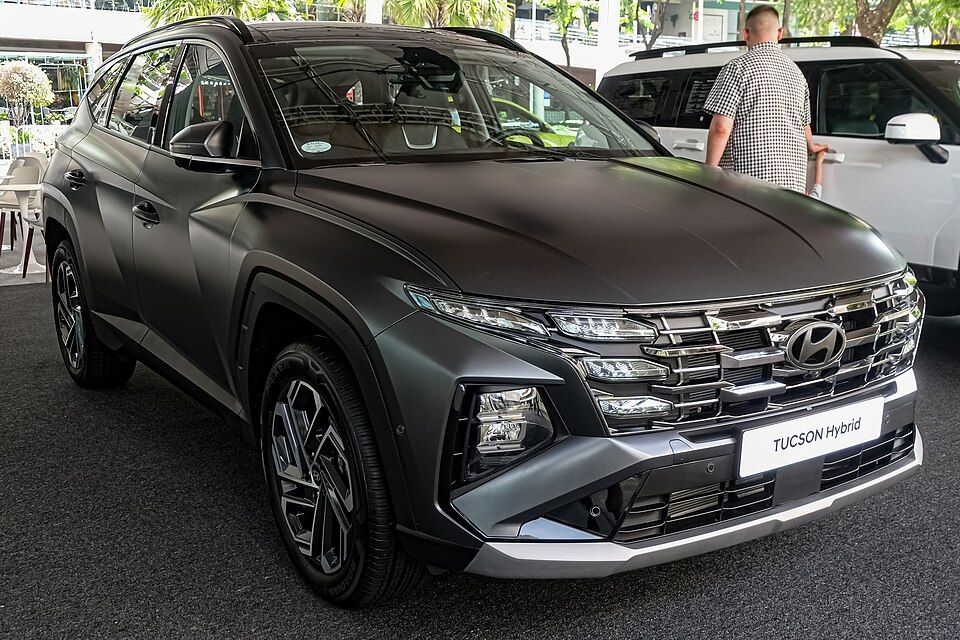
Photo: 2025 Hyundai Tucson by Ethan Llamas, CC BY-SA 4.0, via Wikimedia Commons.
The fourth-generation Tucson received a major facelift for 2024. From the outside, Hyundai kept the same basic shape and grille idea, but made the daytime lights larger, revised the bumpers and introduced new wheel designs and paint colours. The bigger change was inside. The dashboard, steering wheel, centre area and armrest were redesigned, while two curved 12.3-inch displays were placed side by side. Hyundai also moved the gear selector behind the steering wheel on relevant automatic versions, which freed space between the front seats. Some controls became easier to reach, and the cabin gained a more open, horizontal look. The updated car can receive some software changes remotely, which means selected system updates don’t require a dealer visit. That’s the sort of feature that would have sounded like science fiction beside the first Tucson’s simple radio and clear analogue gauges. Yet the facelift didn’t forget the basics. Buyers still get a roomy family car, a useful boot and a range that includes petrol, mild hybrid, full hybrid and plug-in hybrid choices, depending on market and trim.
Hyundai said that by March 2024, 746,836 fourth-generation Tucsons had been produced for Europe at the Czech factory, with the United Kingdom among the model’s biggest European markets. That helps explain why the update was careful rather than wild. Hyundai didn’t need to replace a popular formula. It needed to make the cabin easier, fresher and better suited to the next few years. For used buyers, this also creates a clear choice. Early fourth-generation cars from 2021 can offer the striking shape and hybrid options for less money, while the facelift brings the newer dashboard and revised controls. Both can make sense. The right pick depends on budget, mileage, charging access and how much you care about the latest cabin layout. In 2026, Hyundai Motor United Kingdom announced fresh trim choices for the updated range, confirming that this facelifted fourth-generation car remains the version on sale. Let’s face it, a screen looks impressive for five minutes. Comfortable seats, easy controls and a clean history matter every day.
What changed most across the four generations?
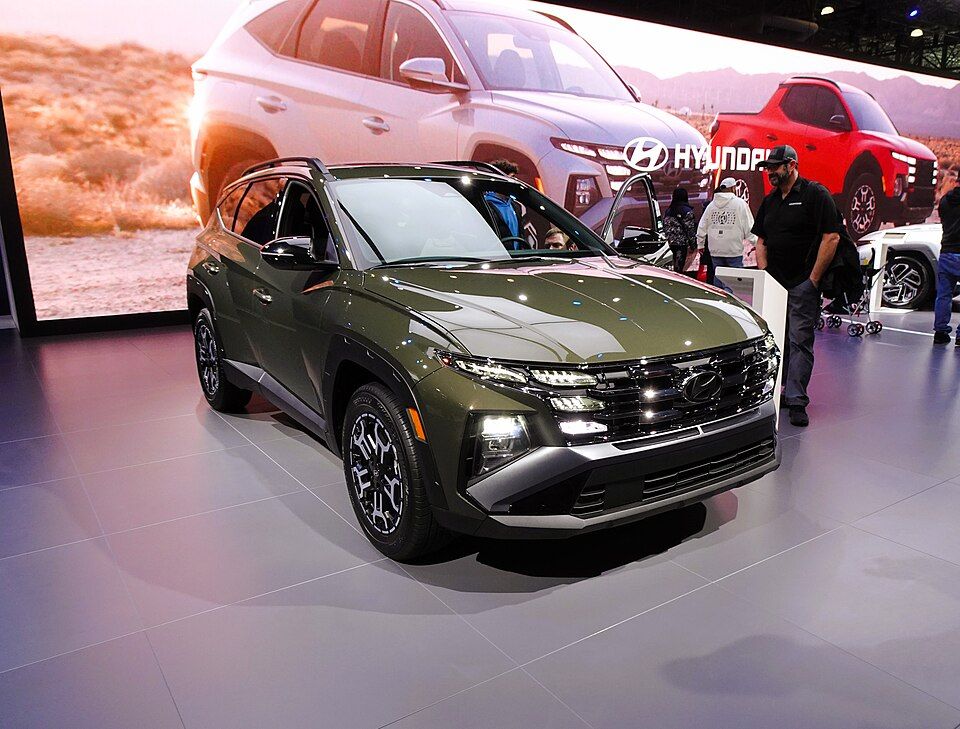
Photo: 2025 Hyundai Tucson by Charles, CC BY 2.0, via Wikimedia Commons.
Park all four generations in a row and the visual change would be obvious, but the deeper shift is about what drivers expect from a family car. The first Tucson focused on sturdy styling, a high seat and straightforward use. The second generation, sold here as the ix35, became smoother, more efficient and better suited to normal road life. The third generation brought the Tucson name back with stronger quality, better safety results and the sort of connected features buyers had started to expect. The fourth generation added a bold identity, several hybrid choices and far more digital technology. Yet the model’s main job hasn’t changed. It still has to carry people and bags without turning every trip into a puzzle. That matters in real life. A family car needs doors that open wide enough when you’re fitting a child seat. It needs a boot that can take shopping, pushchairs, sports bags or suitcases.
It needs controls you can work on a dark, rainy evening after a long day. And it needs to feel settled on a motorway while staying manageable on narrow streets. The Tucson’s growth came from getting better at these ordinary tasks while adding new features around them. Safety is a good example. Early cars relied heavily on strong structure, airbags and driver control. Newer Tucsons can also watch for hazards, help keep the car in lane and brake in some danger situations. Engines changed in the same way. Petrol and diesel once covered nearly every need. Now buyers can also choose a hybrid or plug-in hybrid, which may suit urban driving and regular charging. None of these changes means the newest model is automatically the best buy for every person. A well-kept third-generation Tucson may suit a family better than a newer car with a higher monthly cost. The key is matching the generation to your routine, then checking the individual car properly. The badge tells you the chapter. The condition tells you whether that particular car is worth owning.
Which used Hyundai Tucson generation could suit you?
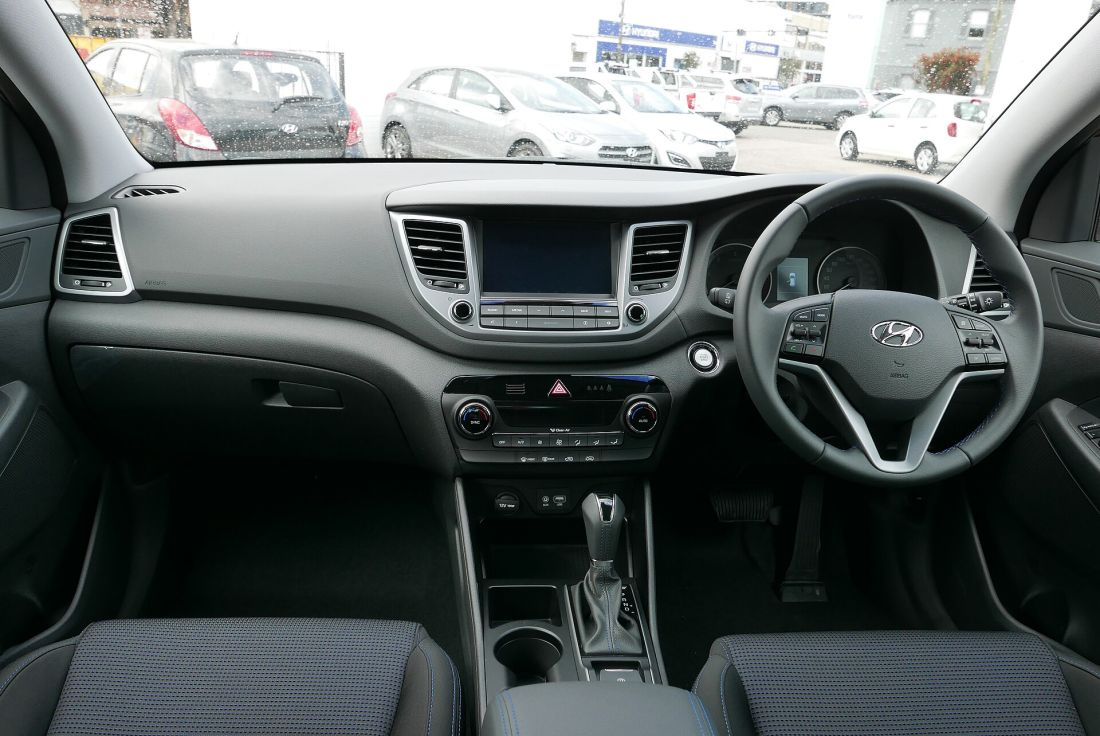
Photo: 2015 Hyundai Tucson Interior (pre-facelift) by OSX, Public domain, via Wikimedia Commons.
The first-generation Tucson is now an older car, so it suits buyers who want a simple, affordable runabout and are ready to inspect age-related wear carefully. Buy on condition, not mileage alone. A car that has been serviced and driven regularly may be a safer bet than one that has sat unused for long periods. The ix35 can suit someone who wants a practical family crossover at a lower price, with a softer look and a cabin that still feels familiar. Again, history matters. Check the service book, official annual roadworthiness records, tyres, brakes, clutch or automatic gearbox behaviour, air conditioning and every warning light. The third-generation Tucson is likely to appeal to the widest group of used buyers. It looks modern, has strong family space and offers a good spread of engines, trims and equipment. Cars from the 2018 refresh may be especially attractive if you want newer safety features and phone connection without moving to fourth-generation prices.
The latest generation suits drivers who want hybrid choices, a bolder cabin and newer driver aids. A plug-in hybrid works best when you can charge it regularly. Without regular charging, you may carry extra battery weight without getting the main benefit. A full hybrid is simpler for people who can’t plug in at home. At Dace Motor Company, we’d also suggest thinking beyond the model year. Work out your usual mileage, the roads you use, who sits in the back and what you carry. Then test the exact car. Try parking it. Fold the seats. Check visibility. Listen on rough roads. Take enough time to see whether the driving position feels right. Our used vehicles are history checked before sale, and our Stockport and Manchester teams can explain available finance with a soft search that doesn’t affect your credit score. That support is useful, but the goal is still simple: help you find a Tucson that fits your life rather than pushing you into the newest badge.
Why the Tucson story still matters
The Tucson’s history is a neat picture of how family cars have changed since 2004. The first model made the high-riding crossover feel accessible. The ix35 made it smoother and more road-friendly. The third generation added polish, stronger safety credentials and wider appeal. The fourth generation brought in a striking design and several forms of hybrid driving, then the 2024 facelift reshaped the cabin for the next part of the model’s life. That pace of change can make used-car shopping feel confusing, but it also gives buyers plenty of choice. You don’t need every new feature. You need the features that make your own week easier. Maybe that’s a reversing camera for tight spaces near home. Maybe it’s heated seats for cold mornings. Maybe it’s a full hybrid for stop-start traffic, or a diesel for long-distance use where that engine suits the mileage. Maybe you just want a roomy petrol model with a clear service record and no drama. Fair enough. The best Tucson isn’t always the newest, fastest or most expensive one. It’s the one that has been cared for, fits your budget and feels right on a proper test drive. Hyundai’s figures show the scale of the model’s success: more than two million sold in Europe by its twentieth anniversary, with the fourth generation becoming a major part of production at the Czech plant. Those numbers are impressive, but the reason behind them is pretty ordinary. People need cars that work around family life. The Tucson kept changing without losing sight of that. From early models with chunky bumpers to the latest cars with hidden front lights and hybrid systems, it has stayed focused on space, comfort and everyday ease. And around Manchester and Stockport, where one trip can include busy urban streets, a stretch of motorway and a wet country lane, that mix still makes a lot of sense.