


Top 10 Most Dangerous Cars to Drive
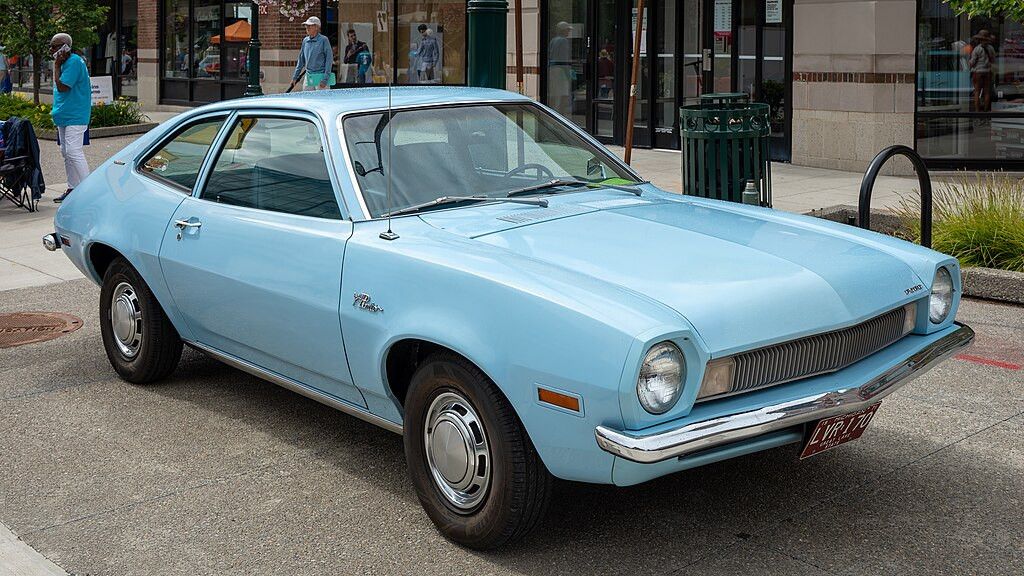
Image: 1971 Ford Pinto Runabout by Mustang Joe, CC0, via Wikimedia Commons
1. Ford Pinto
The Ford Pinto has gone down in history for all the wrong reasons. It came out in the 1970s, and on paper it seemed like a solid, cheap little runabout. But here’s the problem: Ford placed the fuel tank right behind the rear bumper. So when someone tapped you from behind, even at low speeds, the tank could rupture. That meant petrol everywhere, sparks from the crash, and in too many cases, the whole thing went up in flames. The U.S. safety board confirmed dozens of deaths and injuries from this design. The real kicker? Ford actually knew about the issue before selling the car. Fixing it would’ve cost about £10 per car, but they chose not to, figuring it was cheaper to pay out in court cases. Imagine sitting in traffic on the M60 near Stockport and knowing your car might ignite from a nudge - terrifying. The Pinto became less about being a car and more of a symbol of corporate greed. Even today, car makers still use the Pinto as a cautionary tale: don’t ever skimp on safety.
2. Ford Bronco II
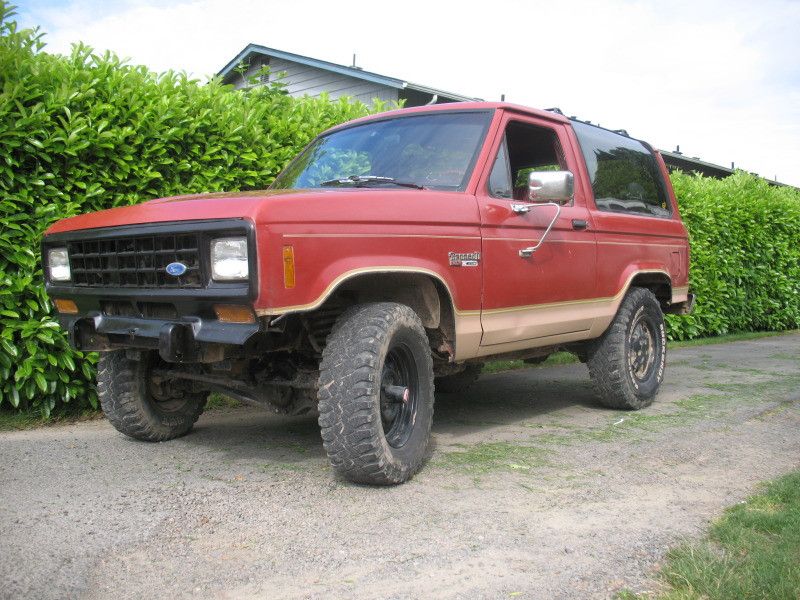
Image: Ford Bronco II by Julien-brim, Public domain, via Wikimedia Commons
The Bronco II looked tough, with that boxy 80s SUV style. But behind the rugged look was a nasty habit - it liked to flip over. Its high centre of gravity and narrow stance made it unstable if you swerved suddenly or took a corner a little too sharp. Rollovers weren’t just rare accidents either; studies showed one in every 500 ended in a fatal rollover. That’s shockingly high. Ford had internal reports warning of the danger but kept pushing production.
Families bought them thinking they were safe “family trucks,” and sadly many found out the hard way. If you’ve ever driven down Snake Pass in the Peaks, you’ll know how winding those roads get - now picture taking them in a Bronco II. Not a pleasant thought. It became one of those cars people actually feared owning once the word spread, and today it’s used in driving safety courses as an example of what happens when design and physics don’t get along.
3. Chevrolet Corvair
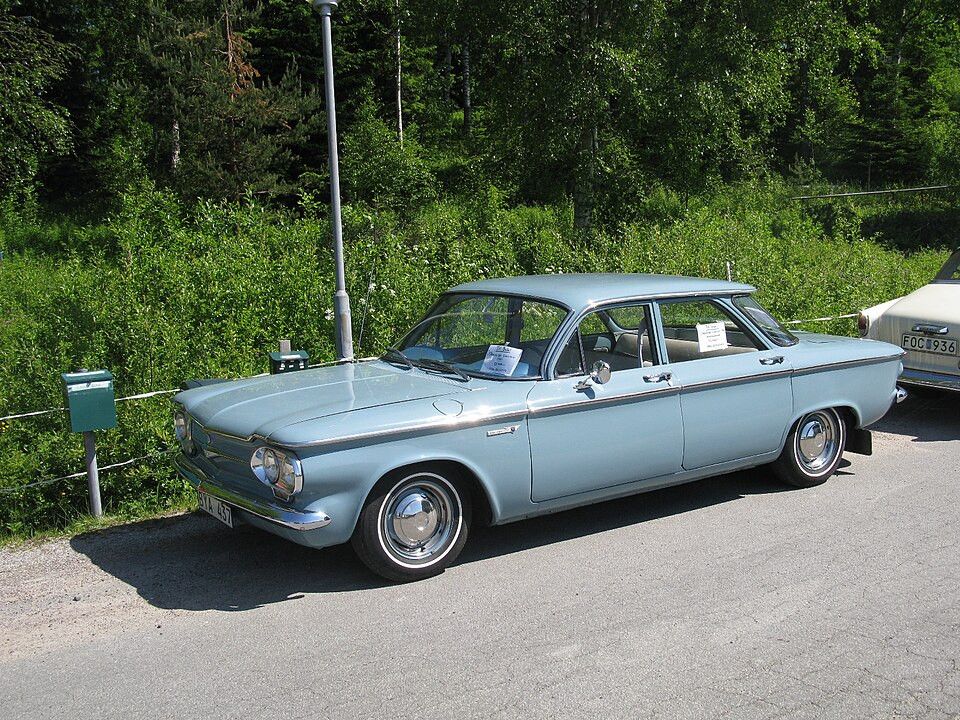
Image: Chevrolet Corvair by nakhon100, CC BY 2.0, via Wikimedia Commons
The Corvair was meant to be Chevrolet’s answer to small, stylish European cars in the 60s. It looked sharp and promised fun. Trouble was, the suspension design - called a swing axle - made it unstable in sharp turns. Cars would lose grip suddenly, leading to spinouts or worse. A safety activist named Ralph Nader called it out in his book Unsafe at Any Speed.
That book basically changed car safety laws forever. Even though later tests suggested the Corvair wasn’t worse than some rivals, the damage was done. The public now thought of the Corvair as dangerous, and lawsuits stacked up. Imagine cruising the A6 through Stockport on a damp night, tyres slick from rain, and then suddenly losing control because your suspension design is flawed. The Corvair taught car makers a huge lesson: people want fun cars, sure, but they don’t want to feel like they’re gambling with their lives every time they drive to the shops.
4. Suzuki Samurai
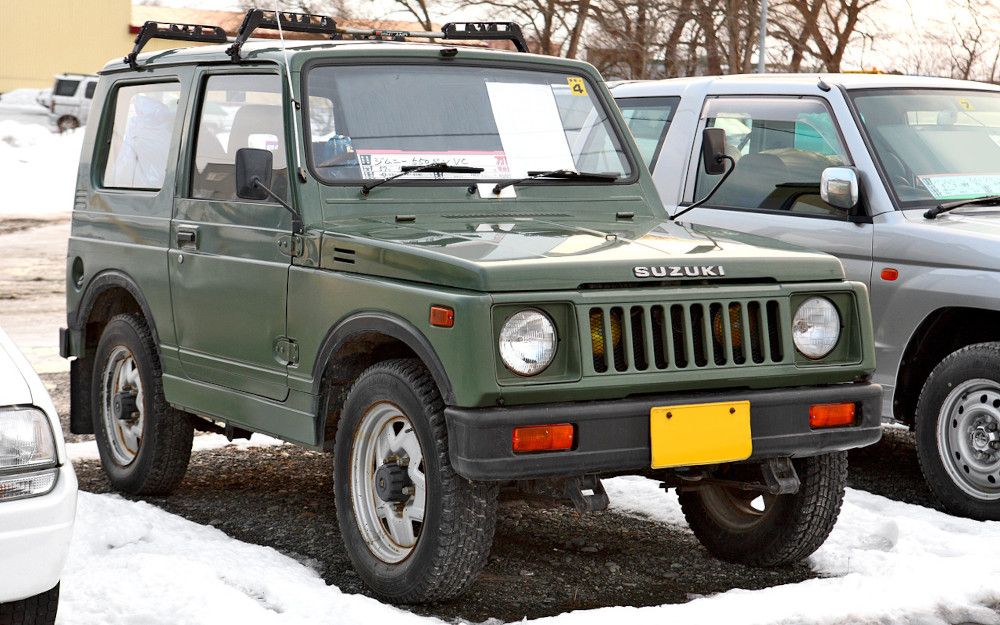
Image: Suzuki Samurai (Jimny) by Tennen-Gas, CC BY-SA 3.0, via Wikimedia Commons
The Suzuki Samurai looked like a cute, affordable little off-roader in the late 80s. It had that boxy Jeep-style look but came in at a budget price. Sounds perfect, right? Except it had a terrible habit of rolling over. Just a quick swerve to avoid something in the road could tip the whole thing onto its roof. Magazines and safety testers hammered it, showing demonstrations of how unstable it was. Suzuki tried to defend it, but the reputation stuck. Imagine you’re driving around the bends near Marple, and suddenly a deer jumps out. In most cars, you’d swerve and carry on. In a Samurai, there’s a good chance you’d be upside down in the hedge. That’s why safety experts called it one of the most dangerous cars of its time. Even years later, people still bring it up whenever someone mentions unstable SUVs.
5. Yugo GV
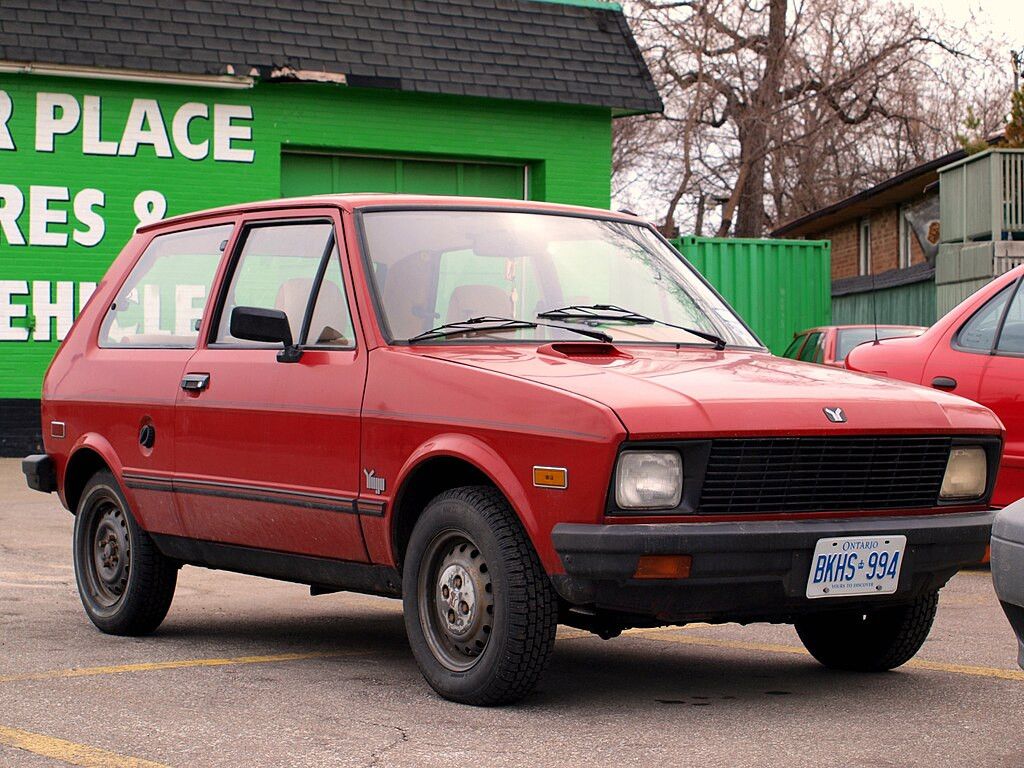
Image: Yugo GV by Michael Gil from Toronto, ON, Canada, CC BY 2.0, via Wikimedia Commons
If you grew up in the 80s or 90s, you might’ve heard jokes about the Yugo. They called it “the worst car ever sold in America,” and that wasn’t far from the truth. The Yugo GV was cheap, yes, but that’s about the only nice thing you could say. Parts broke off, the build quality was shocking, and the crash safety? Pretty much non-existent.
Reports showed around three deaths per 10,000 cars, which was ridiculously high compared to other vehicles of its time. Imagine buying a car and being genuinely worried the doors might fall off. Some did! On British roads, especially the motorways like the M56 or M62, a Yugo would’ve been out of its depth. The car became a punchline, but the dark side is that people actually got hurt in them. It’s a reminder that cheap isn’t always cheerful, especially when safety is compromised.
6. Audi 5000
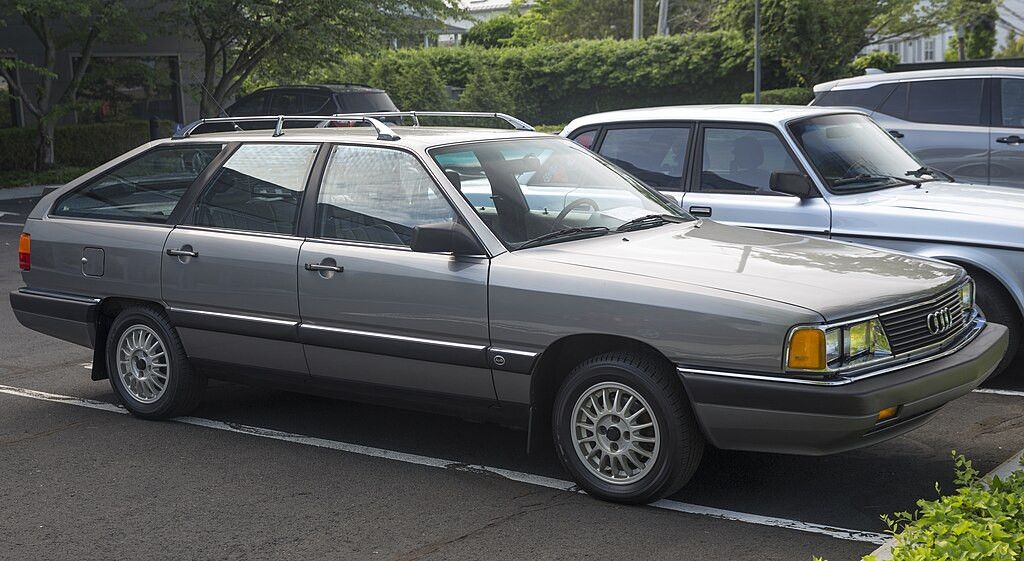
Image: 1985 Audi 5000S Wagon by Mr.choppers, CC BY-SA 3.0, via Wikimedia Commons
Audi makes some lovely cars these days, but back in the 1980s, the Audi 5000 landed them in serious trouble. Drivers reported that the car would suddenly accelerate all by itself. People claimed they pressed the brake, but instead the car shot forward into walls, garages, or even traffic. Nearly 700 crashes and a number of deaths were linked to this issue.
Investigations later showed that the pedals were so close together it was easy to press the wrong one. So technically, it wasn’t a “possessed car,” but the effect was the same: crashes, injuries, and fear. If you’ve ever borrowed a mate’s car in Manchester and felt awkward with the pedals being too close, you’ll know that feeling of panic. That was every day for Audi 5000 owners. It nearly ruined Audi’s reputation in the U.S., and it took them years to bounce back.
7. Pontiac Fiero
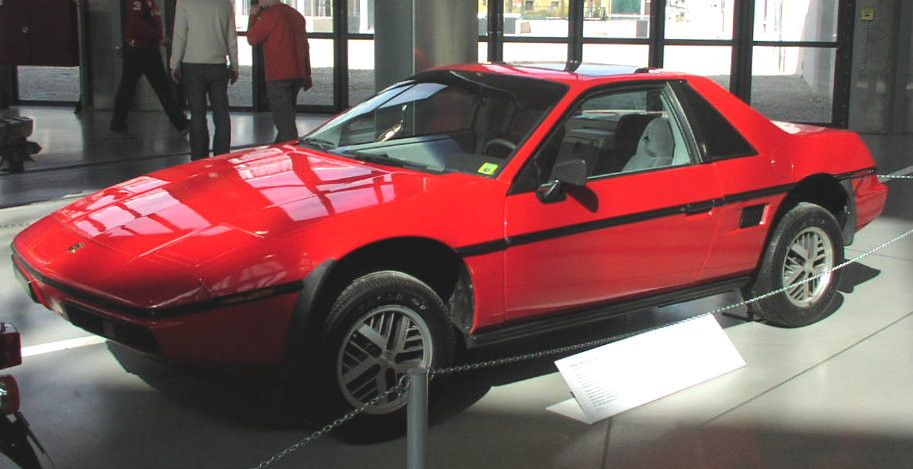
Image: Pontiac Fiero by MartinHansV, Public domain, via Wikimedia Commons
The Pontiac Fiero was supposed to be a sporty two-seater that looked futuristic. On the outside, it did look the part. But under the bonnet? A disaster waiting to happen. Early models had engines that leaked oil, which sometimes caused the whole engine to catch fire. Over 260 fires were reported before General Motors fixed the issue.
Imagine treating yourself to a flashy sports car and then realising it might set itself alight while you’re driving down the A34. Some owners actually carried fire extinguishers in the car just in case. That says it all. GM tried to improve later versions, but the reputation stuck, and the Fiero was eventually scrapped. Today, it’s remembered less for its sporty looks and more as a cautionary tale of cutting corners.
8. Toyota Yaris (2005-2010)
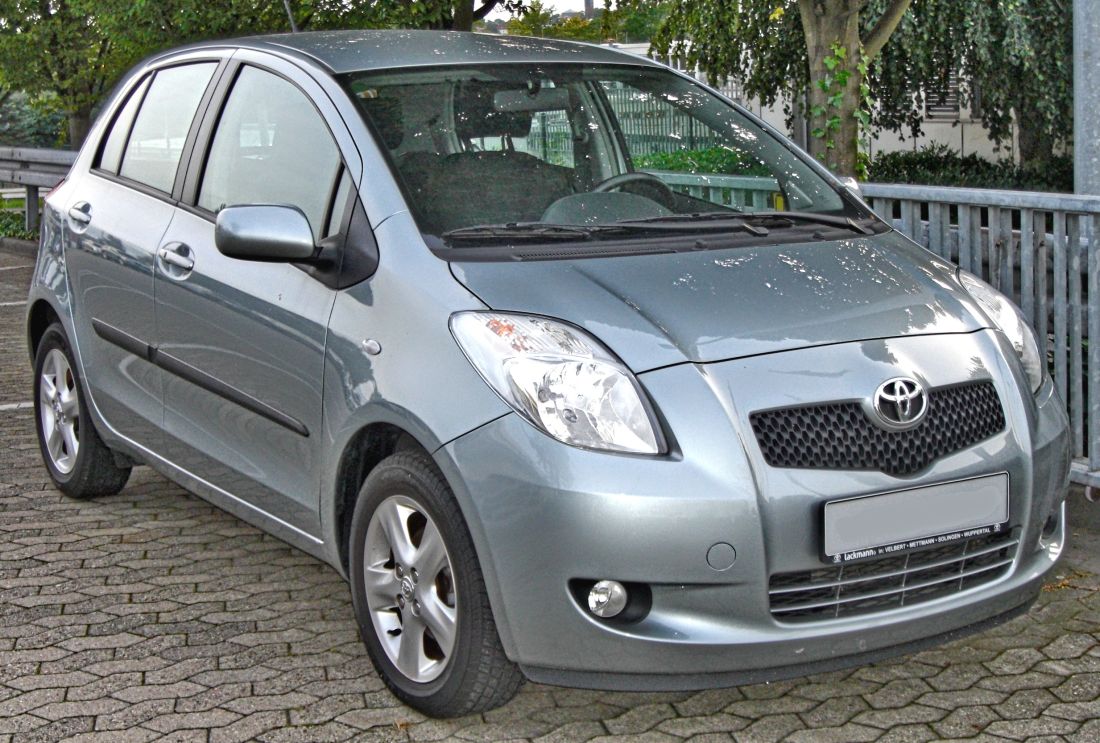
Image: Toyota Yaris (2005-2010) by M 93, CC BY-SA 3.0, via Wikimedia Commons
The Yaris is known today as a solid little car, but those built between 2005 and 2010 were linked to some nasty problems. They were part of Toyota’s “unintended acceleration” scandal, where cars sped up without warning. On top of that, some had seat rails that failed, and airbags that didn’t deploy properly. Altogether, nearly 90 deaths were linked to these issues, and Toyota had to recall millions of vehicles worldwide.
For a brand built on reliability, it was a massive blow. Imagine driving down Princess Parkway into Manchester city centre, tapping the brake, and realising your car won’t slow down. That was the nightmare some Yaris drivers faced. Toyota fixed things eventually, but it showed that even big brands can get it badly wrong.
9. Jeep Grand Cherokee & Liberty (fuel tank issues)
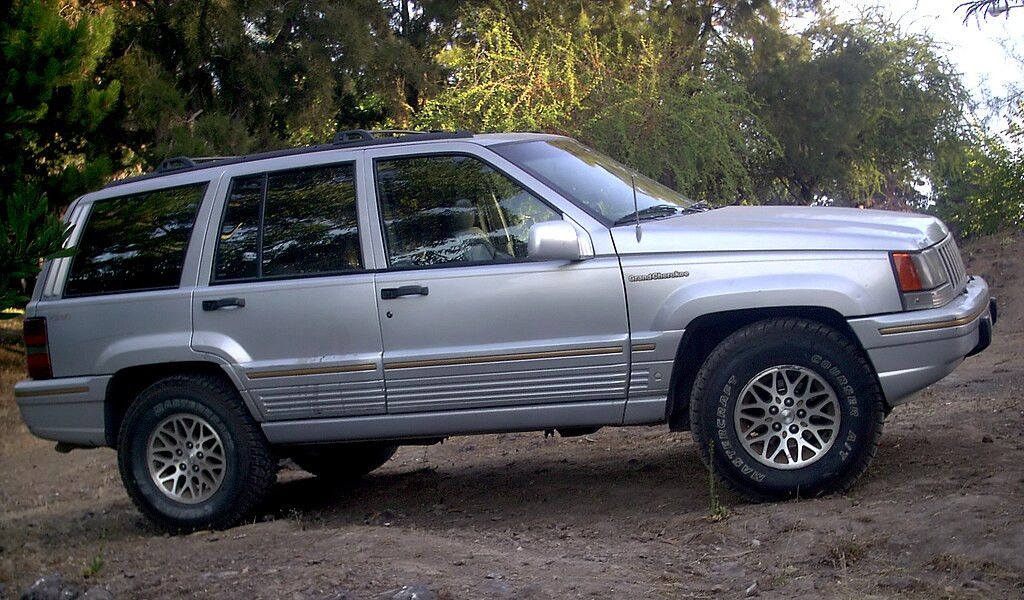
Image: 1995 Jeep Grand Cherokee by RL GNZLZ from Chile, CC BY-SA 2.0, via Wikimedia Commons
Jeeps have always been popular for their rugged image, but models from the 1990s and 2000s had a serious flaw. The fuel tanks were placed just behind the rear axle, in a spot that made them vulnerable in rear-end crashes. If another car hit you from behind, the tank could rupture and catch fire. U.S. safety regulators linked over 50 deaths to this issue. Think about sitting in traffic around the M60, someone rear-ends you, and instead of a dented bumper, your car goes up in flames. It’s scary.
Jeep eventually offered repairs, like adding protective plates, but critics said it wasn’t enough. It was another case of style and cost-cutting taking priority over safety, and families paid the price.
10. Chevrolet Cobalt
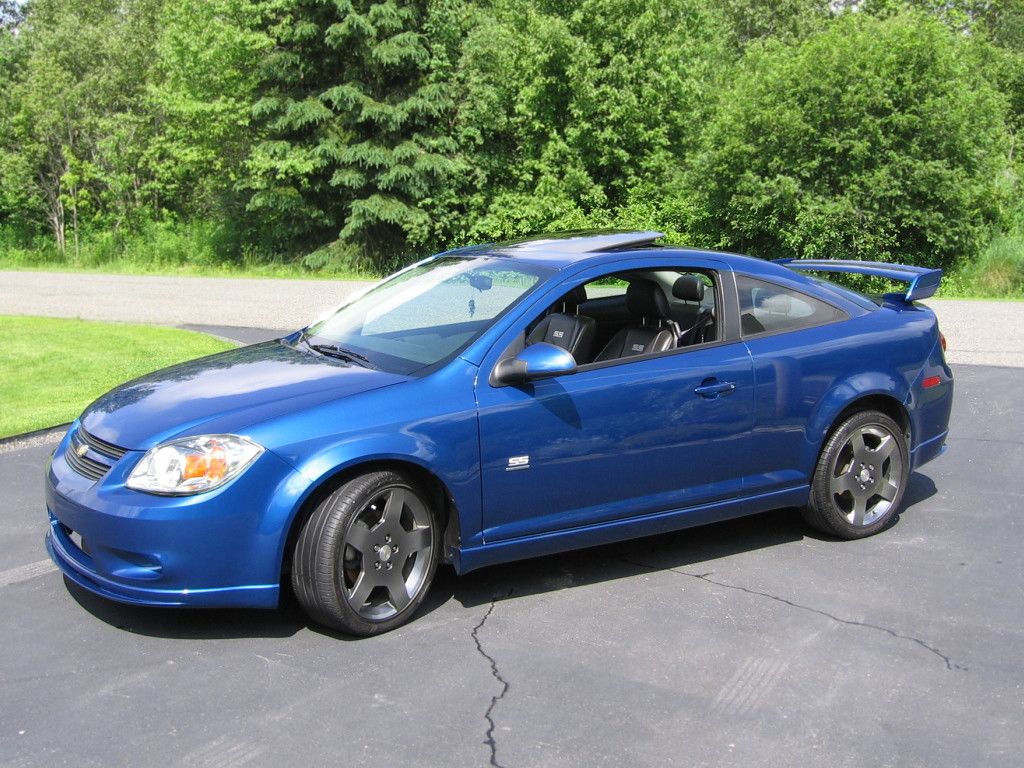
Image: Chevrolet Cobalt by TiCPU, CC BY-SA 3.0, via Wikimedia Commons
The Chevrolet Cobalt looked like an average, affordable car in the 2000s. But under the surface was one of the deadliest defects in modern car history. The ignition switch could slip out of place while you were driving, shutting off the engine. That also cut power to the airbags, power steering, and brakes. Imagine your car turning off on the M62 at 70mph with no warning - terrifying.
At least 124 deaths were linked to this fault, and it led to one of the biggest recalls in U.S. history. General Motors was fined billions for hiding the problem. The Cobalt shows how dangerous even small parts can be if ignored. It became a modern symbol of why safety checks and recalls matter.
A Local Note from Dace Motor Company
We’ve just walked through some of the most dangerous cars ever made, and honestly, it makes you grateful for how far things have come. At Dace Motor Company, we’ve been selling cars in Stockport and Manchester for over 25 years, and safety is right at the top of our list. Every car we sell is HPI checked, comes with a warranty, and is backed by our own in-house promise. We’ve seen the horror stories from cars like the Pinto or Cobalt, and that’s exactly why we price check daily, run safety checks, and offer finance that won’t hurt your credit score.
The truth is, buying a used car shouldn’t be scary. Whether you’re after something small for nipping around Manchester, or a sturdy SUV for family trips out to the Peak District, we’ve got hundreds of safe, reliable options across our four sites. And if we don’t have exactly what you’re after, we’ll even help you find it. That’s the difference you get with a local, family-run business that actually cares.