


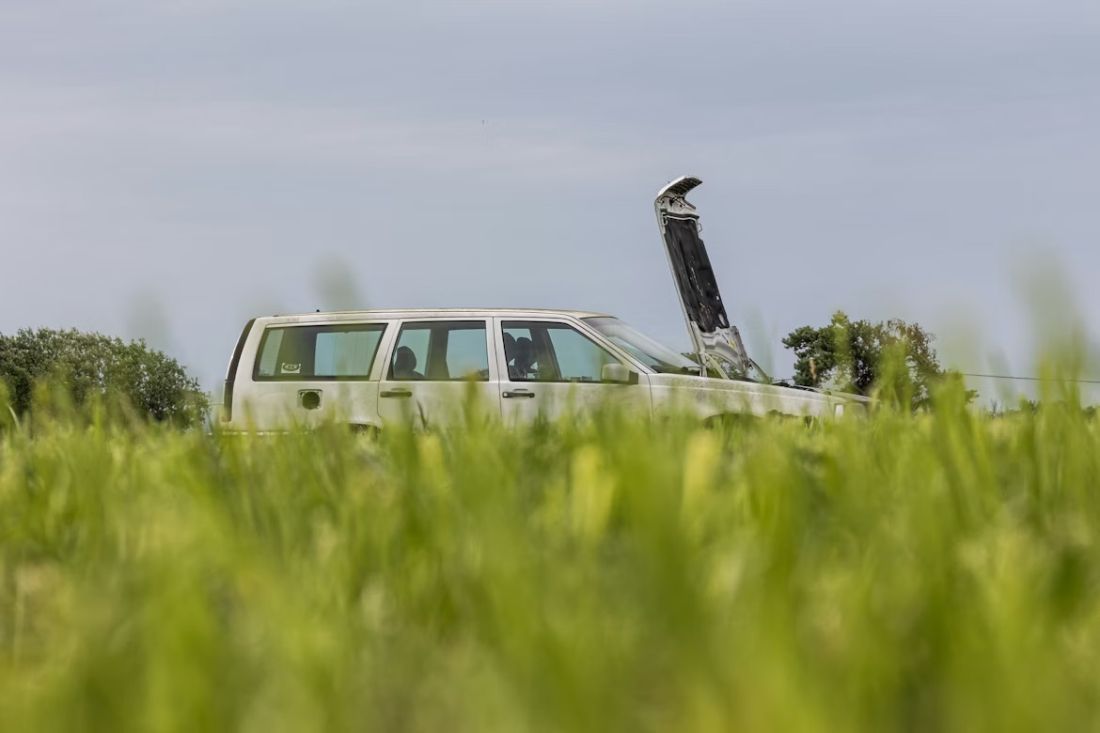
Top 10 Mistakes That Can Destroy Your Car in Months
You don’t need to be a mechanic to look after your car. Honestly, you don’t. Most car disasters don’t start with a huge bang or a dramatic cloud of smoke on the M60. They start small. A warning light you ignore. A tyre that looks “probably fine”. A funny noise you turn the radio up to hide.
We’ve all done it, or at least been tempted. You’re rushing through Stockport, the rain’s coming down sideways, you’ve got places to be, and the last thing you want is another job on the list. But cars are a bit like teeth. Ignore the tiny problem for long enough and it turns into a big, expensive, deeply annoying problem.
At Dace Motor Company, we see plenty of cars every week, from small runabouts to family SUVs, German saloons, sporty hatchbacks, and everything in between. And while modern cars are pretty clever, they’re not magic. Treat them badly and they can go downhill fast.
So, here are 10 mistakes that can wreck your car in just a few months, plus what to do instead.
1. Ignoring low engine oil
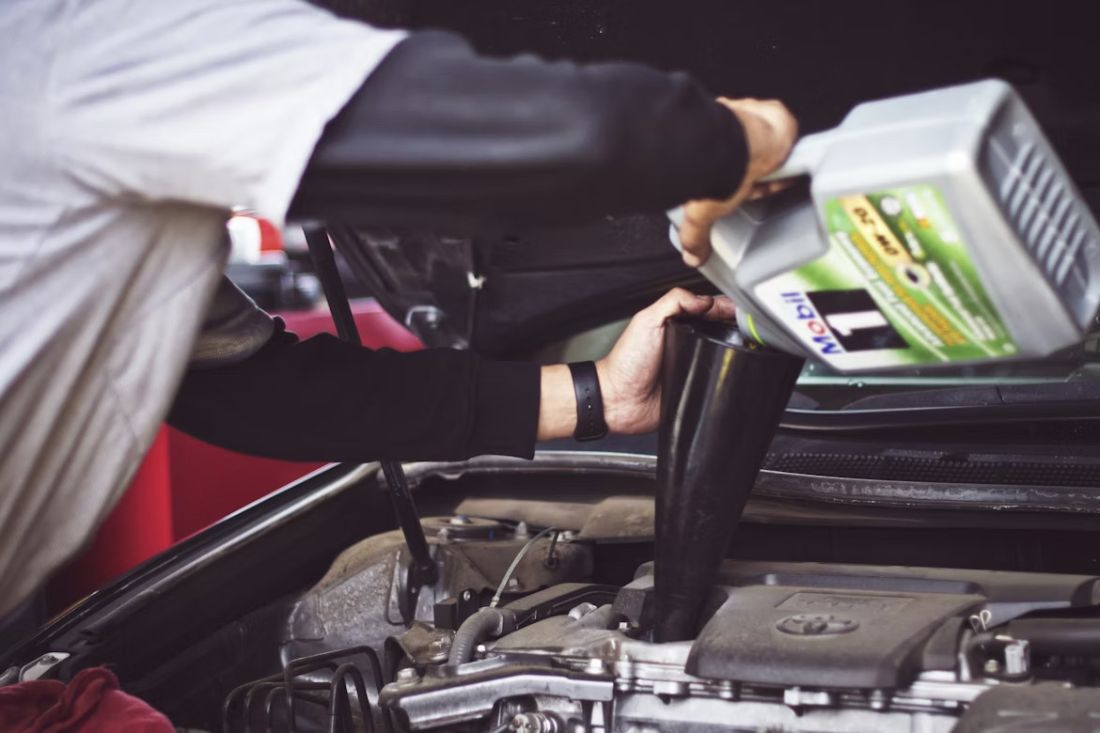
Engine oil is one of those things people hear about all the time, but it still gets forgotten. Big mistake. Your engine has loads of metal parts moving around at high speed. Oil helps them slide past each other instead of scraping, grinding, and overheating. Without enough oil, your engine is basically trying to run a marathon with no water and shoes made of sandpaper.
If your oil warning light comes on, don’t treat it like a polite suggestion. It’s your car waving both arms at you. The RAC says low oil can cause damage and wear to the engine and other key parts, while low oil pressure can mean the engine isn’t getting the lubrication it needs.
The tricky bit is that your car may still drive for a while with low oil. That’s what catches people out. It feels fine, sounds fine, and then, one day, it really isn’t fine. You could be heading down the A6, popping to the Trafford Centre, or doing the school run in Reddish, and suddenly the engine starts knocking like someone’s trapped inside it with a hammer.
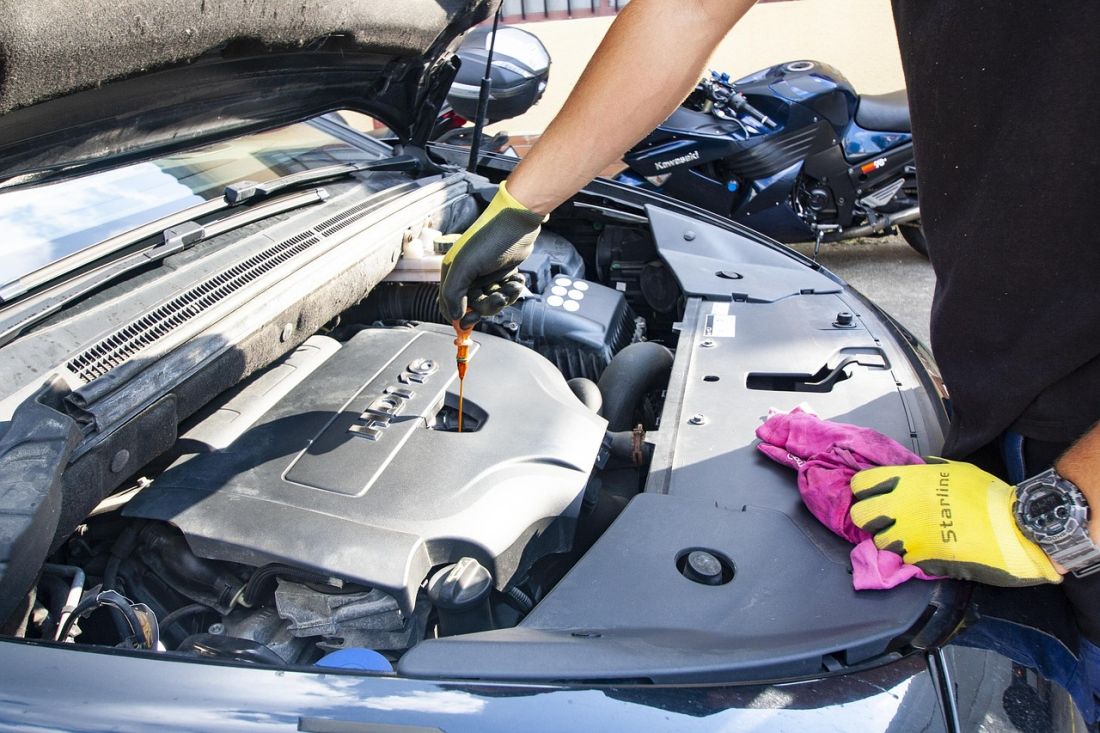
Check your oil now and then, especially before a long drive. Park on level ground, let the engine cool a bit, pull out the dipstick, wipe it, dip it again, and check the level. If your car doesn’t have a dipstick, use the dashboard menu and the handbook. Use the right oil too. Guessing isn’t clever here. The wrong oil can cause its own trouble.
A two-minute check can save you from a very bad day.
2. Running on old or dirty oil
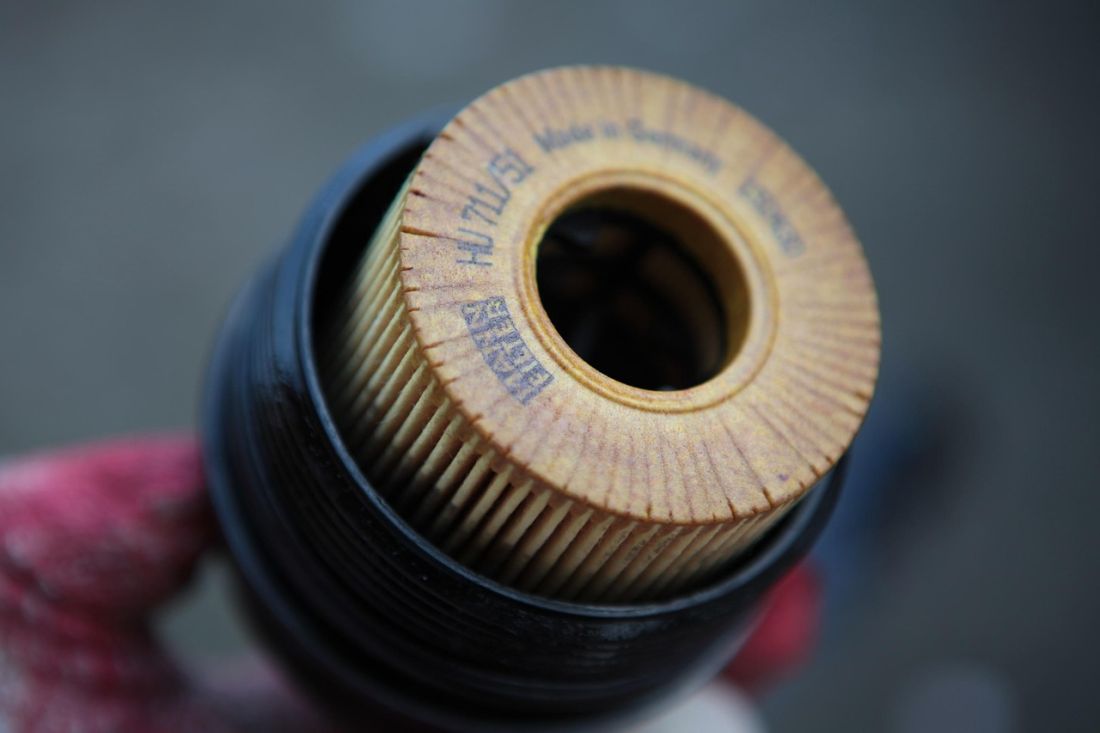
Even if the oil level is fine, old oil can still cause grief. Oil doesn’t stay fresh forever. Over time, it gets dirty and less able to do its job. Think of it like cooking oil that’s been used too many times. It starts off clean and smooth, then ends up grim, thick, and full of bits you really don’t want floating around.
Skipping oil changes is one of those “I’ll sort it next month” habits that can quietly hurt your car. The engine may keep running, but inside, things can start wearing faster than they should. The RAC calls checking and replacing engine oil an important part of car care.
And no, topping it up isn’t the same as changing it. That’s like adding fresh orange juice to a glass that’s already full of old, warm juice. Better than nothing? Maybe. A proper fix? Not really.
Look at your service book or digital service record. Your car will have a service schedule. Stick to it as best you can. If you’ve bought a used car and you’re not sure when the oil was last changed, get it checked. It’s one of those simple jobs that can protect the engine for years.
This matters even more if you mostly do short trips around Manchester and Stockport. Quick runs to the shops, stop-start traffic near Stockport town centre, slow crawls on the M60, all of that can be harder on a car than a steady motorway drive.
So don’t let old oil hang around forever. Your engine won’t thank you for it.
3. Letting the coolant run low
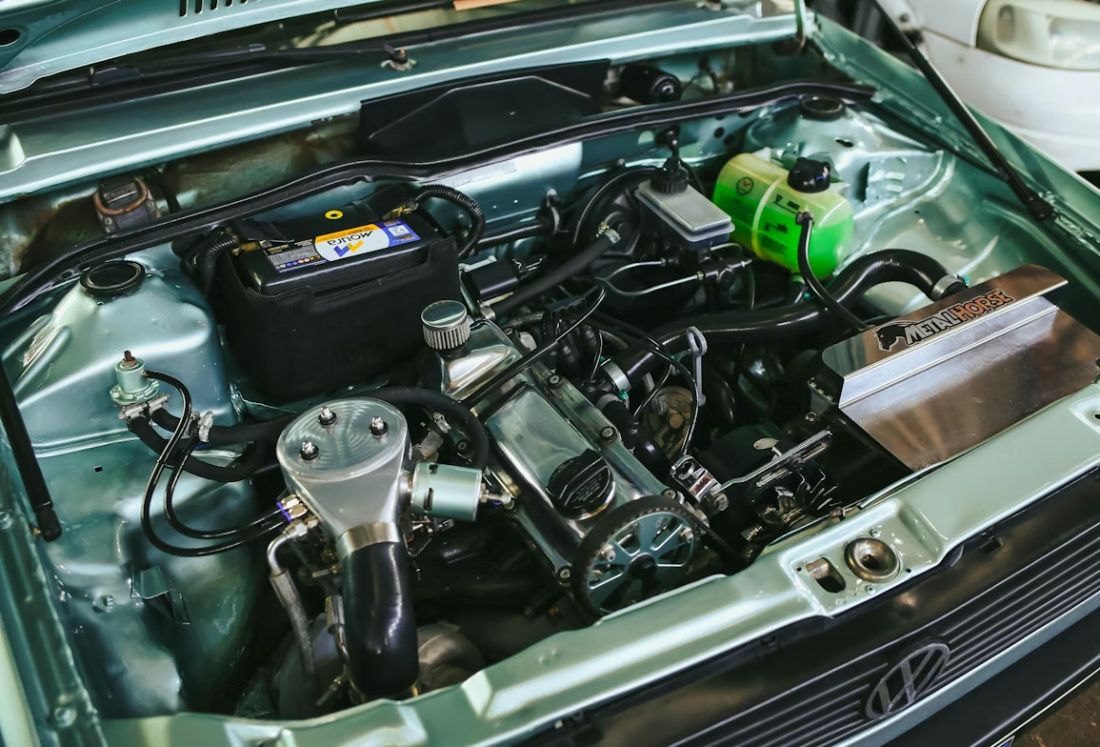
Coolant sounds boring. It isn’t. It helps stop your engine from getting too hot, and an overheating engine can go from “minor issue” to “that’ll be a huge bill” very quickly.
Manchester weather may not feel like the Costa del Sol, but your engine still gets extremely hot. Even on a cold, wet morning near Stockport Viaduct, the engine is working hard. Coolant helps carry heat away and keeps things at the right temperature. If there isn’t enough coolant, the engine can overheat, seals can fail, and parts can warp. That’s when repair costs get painful.
The RAC warns that coolant leaks need attention, and basic car checks should include coolant, especially before a longer trip.
Here’s the bit people sometimes get wrong: never open the coolant cap when the engine is hot. The system can be under pressure, and hot coolant can spray out. That’s dangerous. Let the engine cool down first. Then check the level in the coolant tank. Your handbook will show where it is.
If the coolant keeps dropping, don’t just keep topping it up and hoping for the best. That’s like putting a bucket under a leaking roof and saying the roof’s fixed. You need to know where the coolant is going. It could be a hose, a radiator, a cap, a water pump, or something more serious.
Also, don’t just pour plain water in every time unless you’re stuck and need a short-term fix. Cars need the correct coolant mix. It helps with heat, cold weather, and corrosion inside the system.
Low coolant is easy to ignore. Don’t. Heat kills engines quickly.
4. Driving on bad tyres
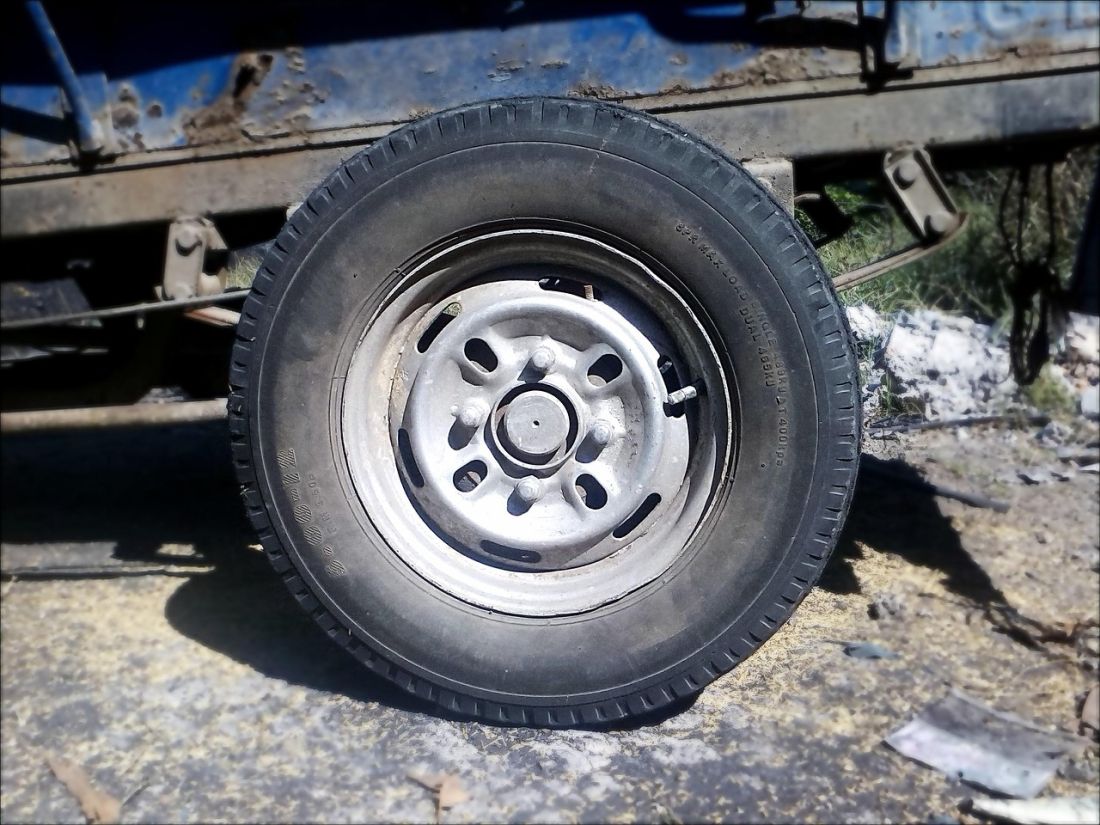
Your tyres are the only parts of your car that touch the road. That’s a tiny contact patch doing a massive job. Braking, turning, pulling away, handling rain, coping with potholes, all of it goes through the tyres.
Bad tyres can ruin your car and put you in danger. Worn tyres make it harder to stop, especially in the wet. Underinflated tyres can wear out faster, use more fuel, and make the car feel sloppy. Overinflated tyres can reduce grip and wear oddly. None of that is good.
In the UK, the legal minimum tread depth for car tyres is 1.6 millimetres across the central three-quarters of the tyre and all the way around. The RAC also says wrong tyre pressures can cause poor handling, tyre wear, and vehicle instability.
A simple habit helps here. Check your tyres every couple of weeks and before long trips. Look for cracks, bulges, nails, uneven wear, and low tread. Use a proper pressure gauge, or the air machine at a filling station. The right tyre pressure is usually on a sticker inside the door frame or in the handbook.
And yes, the roads around Greater Manchester can be rough. Potholes, kerbs, speed bumps, and wet roads all take their toll. If you hit a pothole hard, don’t just wince and carry on like nothing happened. Check the tyre and wheel when it’s safe. If the steering pulls to one side after, or you feel vibration, get it looked at.
A tyre might look “okay” at a glance. But okay isn’t good enough when you’re braking in heavy rain near a roundabout.
5. Ignoring warning lights
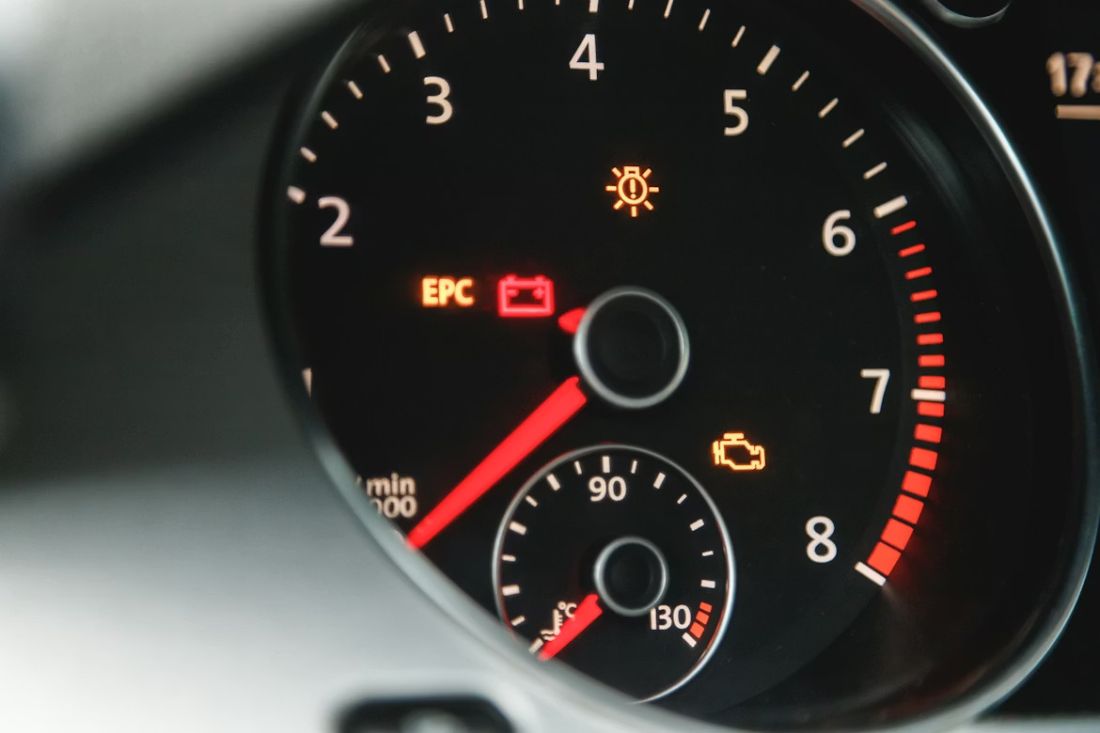
Dashboard warning lights are easy to hate. They pop up at the worst possible time. You’re late, it’s dark, the kids are in the back, and then there it is. A little glowing symbol that may as well say, “Surprise, spend money.”
But ignoring warning lights can wreck a car. Some lights mean “book this in soon”. Others mean “stop now”. The colour usually gives you a clue. Amber means get it checked. Red means don’t mess about.
The RAC says an engine management light can come with loss of power or stuttering, and driving with it on can lead to more damage. The AA says a red engine management light means you should stop driving and call for help.
Here’s the thing. A warning light doesn’t always mean the car is about to die right there outside the Co-op. Sometimes it’s a sensor. Sometimes it’s something small. But you don’t know until it’s checked. And if it is something serious, waiting can turn a small repair into a huge one.
Pay close attention to oil, temperature, brake, battery, and engine warnings. If the car feels strange too, like shaking, losing power, smelling hot, making new noises, or struggling to start, don’t keep pushing it.
Modern cars are clever, but they can’t fix themselves. The warning light is the car telling you it needs help before things get worse.
6. Putting off brake problems
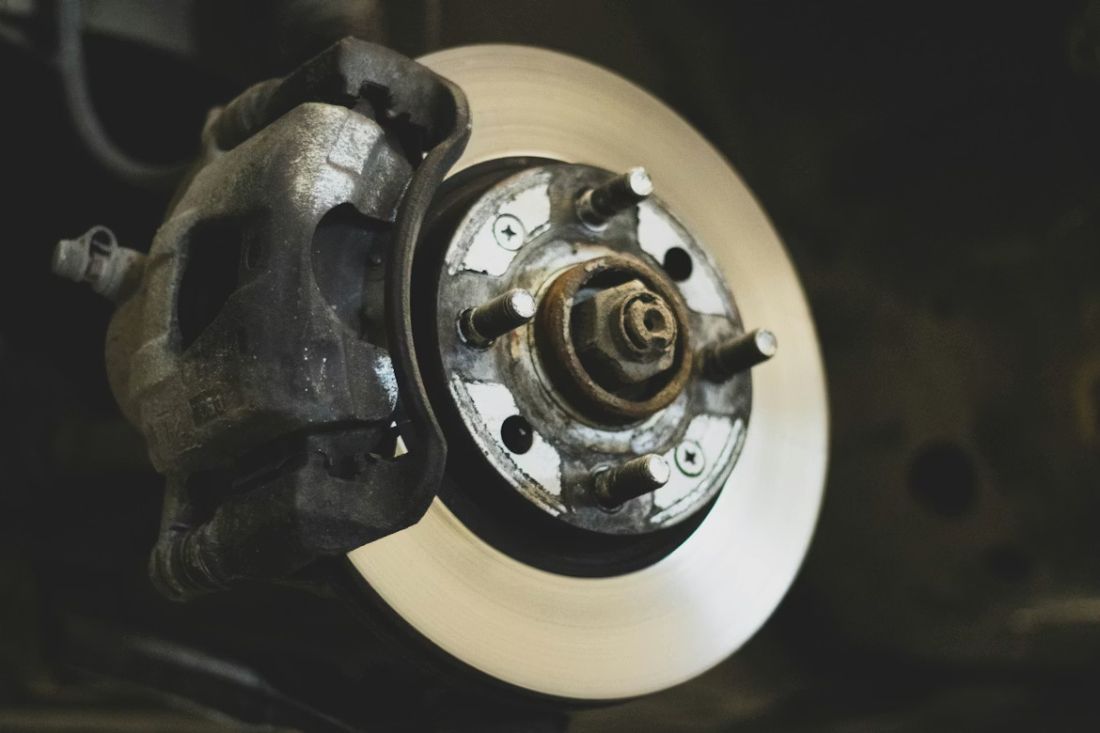
Brakes don’t usually fail out of nowhere. They give hints. A squeal. A grinding sound. A soft pedal. A shake through the steering wheel. The car pulling to one side. A warning light. The problem is that drivers get used to those signs, especially if they build up slowly.
Don’t. Brakes are not the place to gamble.
The RAC says a loud screeching noise can mean the brake pads need checking, and a grinding noise can mean the pads are worn down completely. If that happens, you shouldn’t drive the car and should arrange for the brakes to be checked and replaced.
Grinding brakes are especially bad because metal can start rubbing on metal. That can damage the brake discs, which makes the repair more expensive. What might have been a set of pads can turn into pads and discs, and maybe other parts too.
You know how it is. You hear a noise, then it goes away, so you tell yourself it’s fine. But brakes can be sneaky. A noise that comes and goes still deserves attention. Wet weather can make brakes sound odd now and then, especially after the car has been parked, but repeated squealing or grinding isn’t something to shrug off.
Around Manchester and Stockport, brakes work hard. Hills, traffic lights, bus lanes, tight streets, sudden stops, motorway queues, it all adds up. If you do lots of short trips, your brakes may get a tougher life than you think.
Get brake issues checked early. No fuss. No drama. Just safer driving and fewer nasty bills.
7. Driving through floodwater
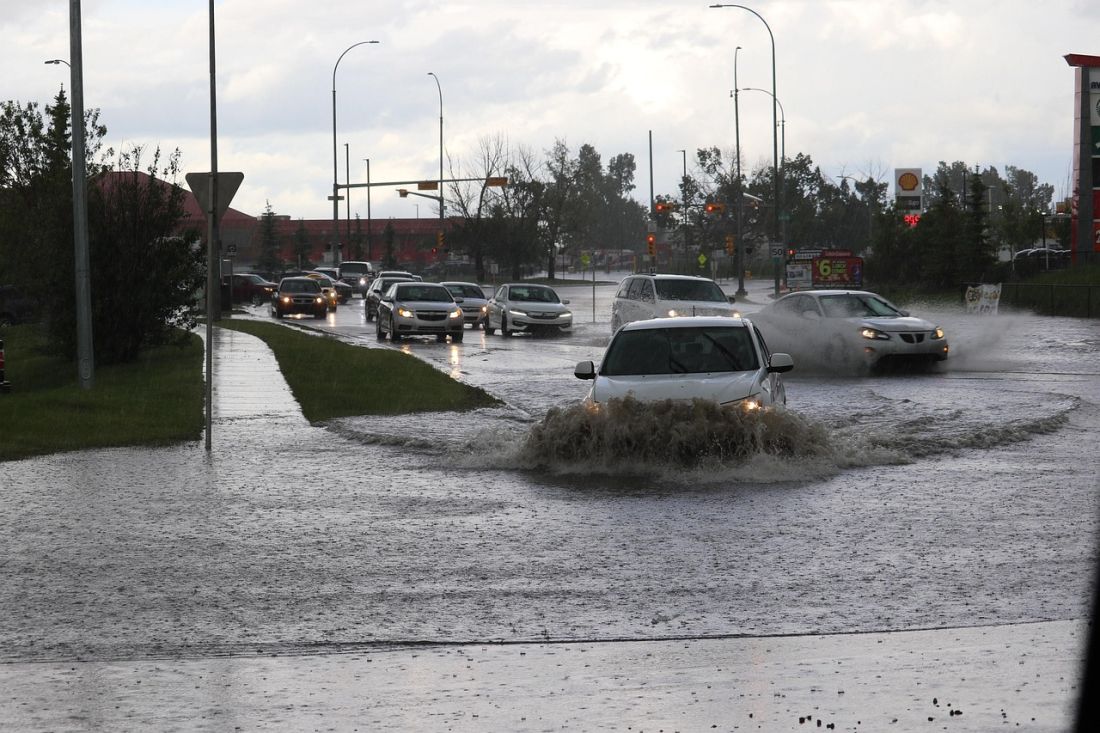
We all know the weather can be a bit dramatic round here. One minute it’s grey, the next it’s proper rain, the kind that makes the Mancunian Way look like it’s been rinsed with a fire hose.
Floodwater can destroy a car quickly. It can get into the engine, damage electrical parts, soak the interior, and mess with steering or braking. The AA warns that driving through floodwater can cause loss of steering and braking control, water being drawn into the engine, and electrical damage. Some cars that break down in floodwater may suffer terminal damage.
That last bit matters. Terminal damage means the car may not be worth repairing.
The big mistake is thinking, “That car got through, so I’ll be fine.” Maybe that car was taller. Maybe it was lucky. Maybe the driver caused a bow wave and made it worse for everyone else. Water depth is hard to judge from inside a car, especially in the dark.
If you see deep water, avoid it where you can. Turn around if it’s safe. Find another route. Yes, it’s annoying. Yes, it might add time. But it’s better than hydrolocking the engine, which is when water gets where air should be. Engines really, really don’t like that.
If you have no choice and the water looks shallow, go slowly, keep steady, and don’t stop in the middle. After that, test the brakes gently when it’s safe. But let’s be honest, the best move is usually not to go through it at all.
A puddle can be deeper than it looks. Manchester rain has a sense of humour like that.
8. Skipping servicing because the car “feels fine”
This one catches loads of people. The car starts. It drives. The heater works. Nothing sounds too weird. So the service gets pushed back.
Then pushed back again.
A service isn’t just about fixing what’s broken. It’s about catching wear before it becomes damage. Filters, fluids, belts, brakes, tyres, suspension, lights, battery health, these checks help keep the car healthy. The RAC’s regular car checks cover things like oil, rubber, coolant, electrics, screen wash, brakes, and more. The AA also recommends simple checks such as oil, tyres, fluids, lights, and wipers.
Skipping a service can feel like saving money, but it can cost you later. A blocked filter can make the engine work harder. Old brake fluid can reduce braking performance. Dirty oil can add wear. A weak battery can leave you stuck on a cold morning. Small leaks can grow.
And let’s face it, nobody wants to be stranded in the rain outside Stockport railway station, phone battery on 8 percent, wondering why they ignored the service reminder for three months.
If you’ve got a used car, servicing matters even more. It protects the value, helps the next owner trust the car, and gives you a clearer picture of what’s going on. If you bought from a dealer, keep your documents together. If you bought privately, get a health check if the history is patchy.
A car can feel fine right up until it doesn’t. Servicing is how you stay ahead of that.
9. Ignoring the timing belt or chain
Some car parts fail and make a mess. Others fail and ruin your week. A timing belt, also called a cambelt on some cars, is in the second group.
The timing belt helps keep parts of the engine moving in sync. If it breaks, the engine can suffer serious damage. The RAC says a worn or broken timing belt can lead to serious engine damage, and a damaged cambelt can cause costly repairs and possible engine failure.
The annoying part? A timing belt may not give you much warning. It might look okay from the outside. It might not make a dramatic noise. Then one day it snaps, and that’s that.
Some cars use a timing chain instead of a belt. Chains can last longer, but they still need the right oil and care. They can stretch or wear, especially if servicing has been poor. So don’t assume “chain” means “forget about it forever”.
Check your car’s service schedule. Timing belt changes are based on age, mileage, or both. This is important because rubber ages even if you don’t drive many miles. A low-mileage car that’s been pottering around Cheadle or Eccles for years may still need a belt due to age.
If you’ve just bought a used car and there’s no proof the belt was done, don’t rely on a guess. Get it checked. A proper record matters.
Timing belt jobs can feel expensive, but compared with engine damage, they’re usually the cheaper road.
10. Driving hard before the car has warmed up

We’ve all seen it. Someone starts the car, pulls away, and floors it down the road like they’re late for kick-off at the Etihad. The engine’s cold, the oil is cold, and the car hasn’t had a chance to settle.
A cold engine needs a little kindness. Oil is thicker when cold and takes a short time to move around the engine properly. Until everything warms up, hard acceleration can add extra wear. You don’t have to sit on the drive for ages. Just drive gently for the first few minutes. Keep the revs sensible. Let the car wake up.
This is extra useful in winter, or after the car has been sitting overnight. Cold starts are harder on cars than warm running. Short trips can make things worse because the engine may not fully warm up before you switch it off again. Do that day after day and the battery, oil, exhaust, and engine can all have a rougher time.
Try to avoid revving the engine while parked too. It doesn’t warm the car as nicely as gentle driving, and it can annoy the neighbours. Nobody on your street wants a 7am engine concert.
If your car has a turbo, gentle driving helps there as well. Let it warm up before pushing hard, and after a fast drive, give it a calm final minute before switching off. That doesn’t mean a ceremony. Just don’t blast down the motorway slip road, slam into a parking space, and turn it off instantly.
A bit of patience goes a long way.
Bonus mistake: pretending strange noises aren’t happening
This one deserves its own little mention because it’s so common. A knock, clunk, squeak, rumble, hiss, scrape, whine, or rattle is your car trying to talk to you. Maybe it’s nothing major. Maybe it’s a loose heat shield. Maybe it’s a worn suspension part, a wheel bearing, a brake issue, or an exhaust leak.
The sound matters. So does when it happens. Braking? Turning? Going over bumps? Starting from cold? Sitting still? At motorway speed? These clues help a technician find the cause.
Potholes can be a big part of this, especially on rough local roads. The AA says if a pothole damages your car, it helps to note where and when it happened and keep details of the repair costs if you plan to claim. Potholes can damage tyres, wheels, and suspension parts, so a hard hit is worth checking.
Don’t just turn the music up and hope the noise gets bored. Cars are stubborn. Noises rarely fix themselves.
Small habits that keep your car alive
You don’t need to treat your car like a museum piece. It’s there to be driven. School runs, big shops, Peak District weekends, airport trips, rainy commutes, late-night takeaways, all of it.
But a few small habits can save you a lot of bother. Check the oil. Keep coolant at the right level. Look at the tyres. Don’t ignore warning lights. Listen for new noises. Book services on time. Take brake problems seriously. Don’t drive through floodwater unless there’s truly no safer choice. Let the engine warm up gently. Keep records.
That’s the boring stuff, yes. But boring stuff keeps cars alive.
At Dace Motor Company, we want drivers around Stockport, Manchester, and the wider North West to get more from their cars, whether they’re driving a small Ford, a BMW, a Kia, a Volkswagen, a Toyota, a Mercedes-Benz, or anything in between. A used car that’s been looked after can feel great for years. A car that’s been neglected can go downhill in months.
And nobody wants that.
So next time your car gives you a hint, don’t ignore it. Give it a quick check. Ask someone who knows. Get it booked in if needed.
Your future self, probably stood somewhere dry with a working car, will be glad you did.