


Top 10 Japanese Cars That Changed the Automotive World
1. Toyota Corolla - The car everyone knows, even if they don’t realise it
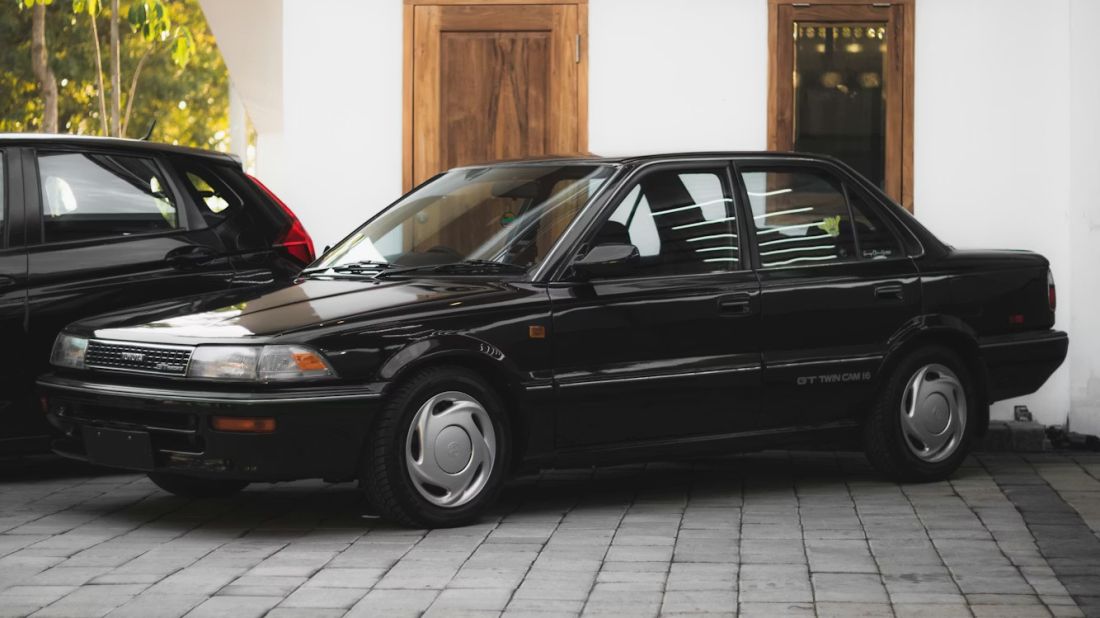
If you grew up anywhere near Manchester or Stockport, chances are you’ve seen a Toyota Corolla without even thinking about it. Parked outside a takeaway on Wilmslow Road. Sitting in traffic near the Pyramid. Quietly getting someone to work each morning. That’s kind of the point. The Corolla first showed up in 1966, and since then it’s become the best-selling car of all time. That’s not hype. That’s millions and millions of cars sold across the planet. And Toyota didn’t do that by chasing attention.
They did it by building a car that just works. No drama. No fuss. Start it, drive it, repeat. Let’s face it, loads of people don’t want flashy. They want something that won’t let them down when it’s raining sideways on the M60 and they’re already late. Early Corollas were basic, sure, but they were easy to fix and cheap to run. Over time, they got safer, smoother, and friendlier to drive. Things like fuel saving engines and sensible interiors came in long before rivals took notice. Even now, the newer ones feel calm and sorted, the sort of car you could hand down to a family member without worry. At Dace Motor Company, when we get a Corolla in stock, it doesn’t hang around. People trust the name. And with good reason. It helped prove to the rest of the car industry that everyday cars could be dependable without costing the earth. That idea spread. Fast.
2. Honda Civic - From small hatch to street legend
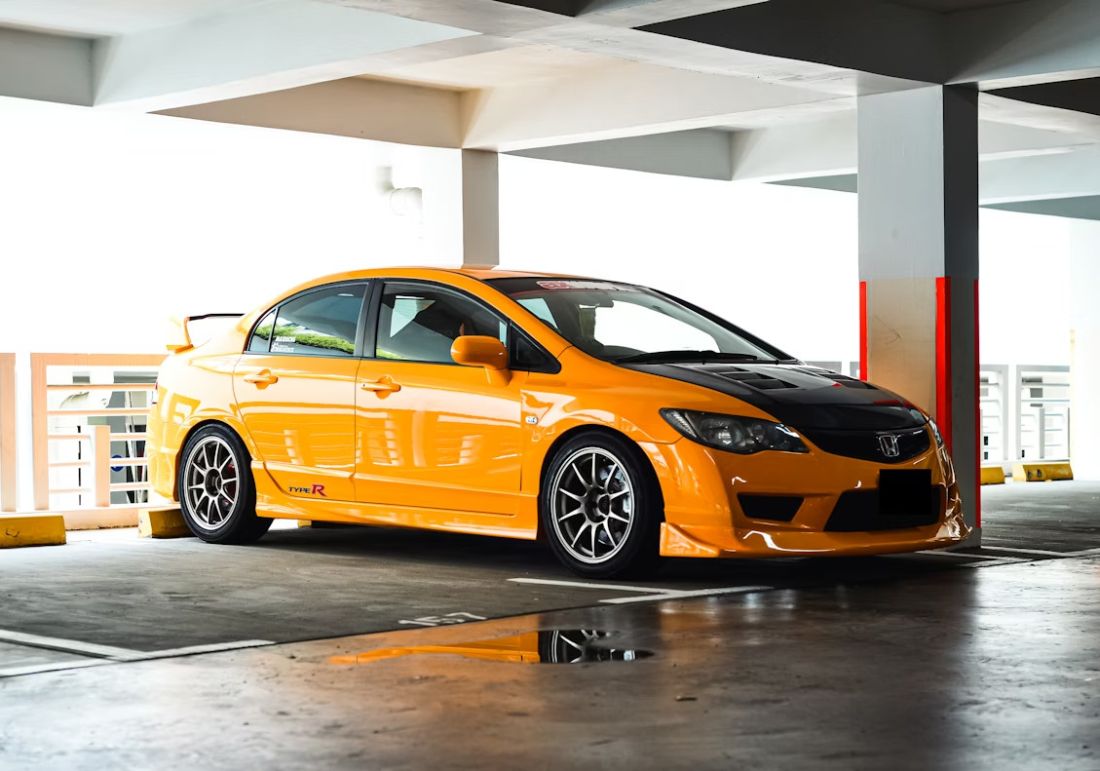
The Honda Civic has had one strange, brilliant life. It started back in the early 1970s as a small, sensible car built for people who just needed to get around. Easy on fuel. Easy to drive. Easy to live with. Then something interesting happened. Honda kept improving it. Bit by bit. Better engines. Better handling. And then came the sportier versions. By the time the 1990s rolled around, the Civic wasn’t just a car your parents owned. It was the car you saw lowered in a car park with shiny wheels and a loud exhaust. And somehow, it pulled that off without losing its sensible side. You could still daily drive one through Stockport traffic and not feel worn out. That balance was new. Other car makers noticed.
Honda engines loved revs. They felt alive in a way small engines usually didn’t. Drivers felt connected, like the car was listening. Inside, everything made sense. No awkward layouts. No silly extras. Just stuff where you needed it. And reliability? Solid. Plenty of old Civics are still running around Greater Manchester with huge mileages and owners who won’t let them go. That says a lot. At Dace Motor Company, we see Civics bought by first-time drivers, parents buying for kids, and people who owned one years ago and want another. That doesn’t happen by accident. The Civic showed that a small car could be fun, sensible, and long-lasting all at the same time.
3. Nissan Skyline GT-R - The car that scared supercars
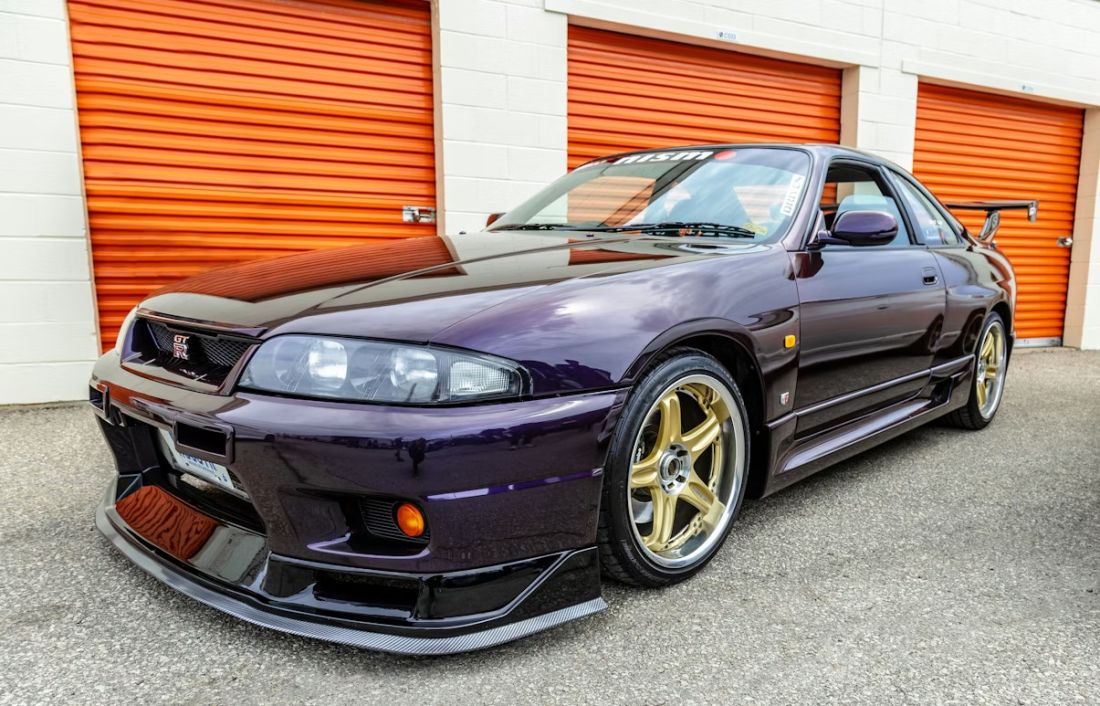
This one feels different straight away. The Nissan Skyline GT-R wasn’t built to blend in outside the Arndale. It was built to win races. First launched in 1969, it really made noise in the late 1980s and 1990s. The GT-R became known as “Godzilla,” which pretty much tells you everything. Here was a Japanese car showing up on tracks and beating expensive European machines that cost far more. And it kept doing it. Part of the magic came from smart engineering.
All-wheel drive that could shift grip where it was needed. Turbocharged engines that felt strong and smooth. Clever systems that helped drivers go faster without feeling out of control. But it wasn’t just about numbers. Behind the wheel, the GT-R felt planted. Confident. Like it wanted to go faster. People in the UK didn’t always get them officially, which made them even more tempting. You’d hear stories. See grainy videos. Spot one rumbling through Manchester and stop mid-sentence. The Skyline changed how people saw Japanese performance cars. They weren’t copies. They were leaders. Even now, the GT-R badge carries weight. And every modern fast Nissan owes something to that original idea. Smart tech mixed with serious pace. No showing off. Just results.
4. Mazda MX-5 - Proof that fun doesn’t need big engines
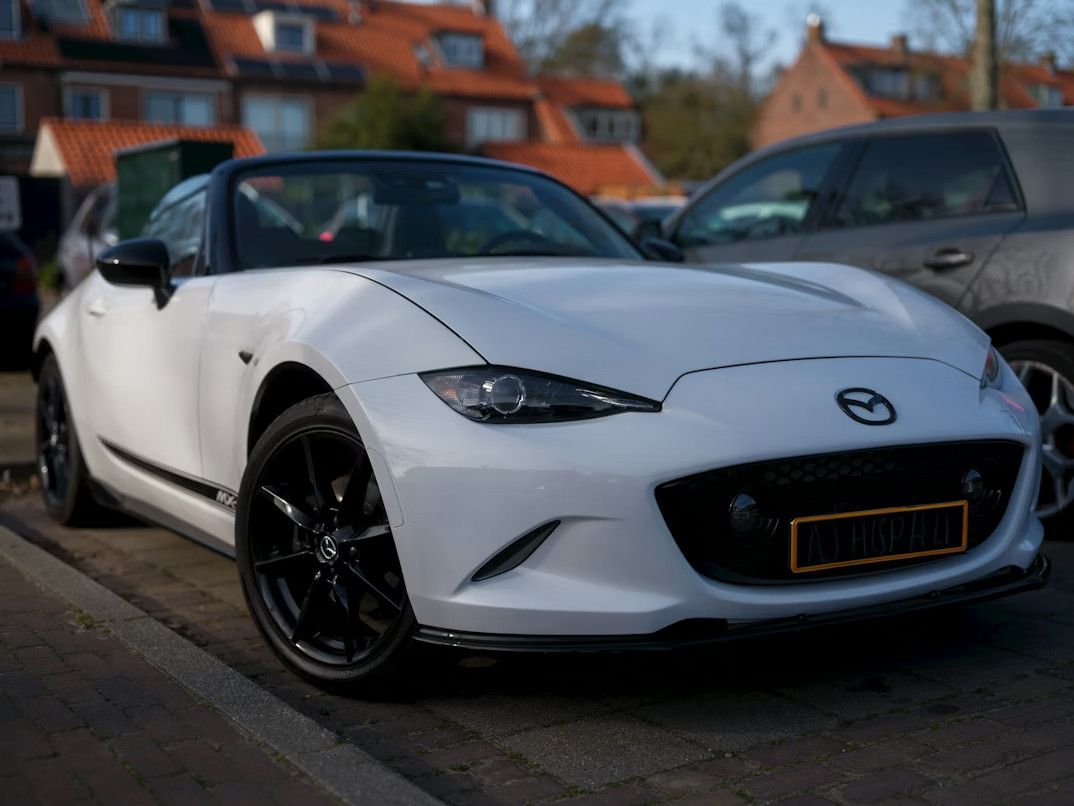
The Mazda MX-5 arrived in 1989 and quietly rewrote the rulebook. At a time when sports cars were getting heavier and pricier, Mazda went the opposite way. Small. Light. Simple. Two seats. Rear-wheel drive. Roof you could drop by hand. Job done. And somehow, it worked everywhere. Sunny coast roads and cloudy northern streets alike. You don’t need massive speed to have fun. That’s the MX-5 lesson. It corners well. Feels balanced. Makes even a short drive feel like a break from the day.
In the UK, these cars became weekend favourites. Roof down whenever the sun made a brief appearance. You’d see them parked near cafés, owners smiling like they’d got away with something. And they kept improving without losing the idea. New versions got safer, cleaner, and more comfortable, but they never grew bloated. Mazda stuck to the plan. At Dace Motor Company, MX-5 buyers tend to know exactly what they want. They’ve driven heavy cars. They want something that feels alive again. The MX-5 showed the industry that driving joy didn’t need complexity. Just balance and care. Other brands tried to copy it. Few managed it properly.
5. Toyota Prius - The car that changed the conversation
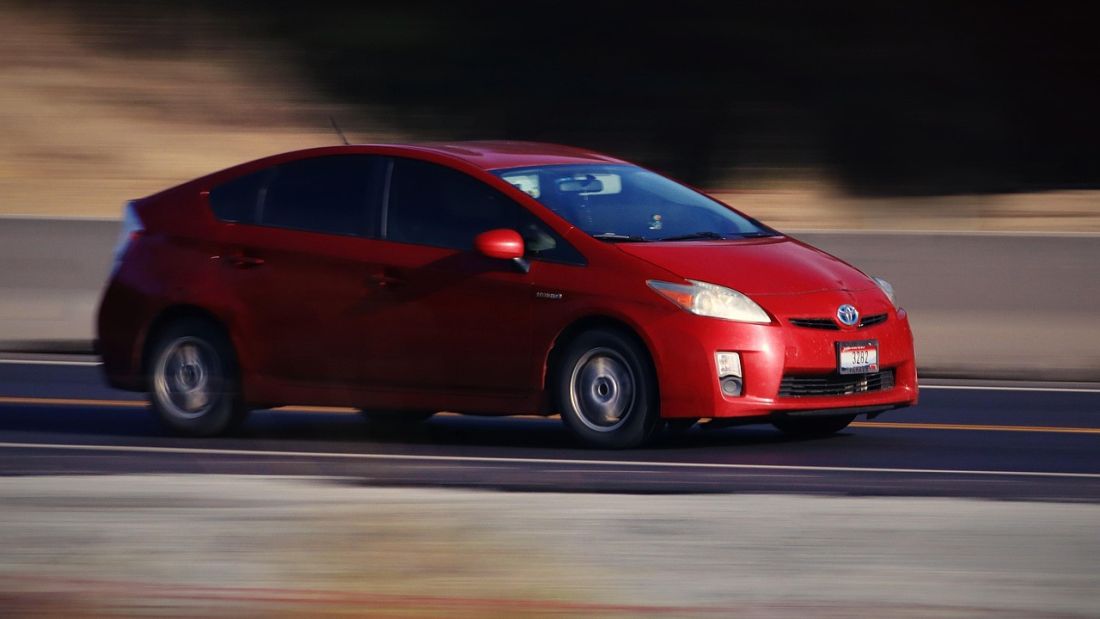
The Toyota Prius didn’t turn heads when it first appeared in 1997. Let’s be honest. It looked different. But that was the point. It ran using a mix of petrol and electric power, which was a big deal at the time. Back then, saving fuel wasn’t something most buyers talked about openly. Toyota made it normal. The Prius taught people to think about efficiency in a new way. Quiet starts. Smooth cruising. Watching the screen show energy flowing back into the battery when you slowed down. Stuff that felt almost futuristic. And it worked in real life.
Taxi drivers across cities, including Manchester, clocked up serious miles with fewer issues than expected. That built trust quickly. Other brands rushed to catch up. Hybrid systems spread across the market. SUVs, hatchbacks, saloons. All copying an idea Toyota took a risk on years earlier. Even drivers who didn’t want a Prius benefited, because the tech filtered down everywhere. That’s real influence. The Prius didn’t try to be exciting. It tried to be smart. And it pulled it off.
6. Subaru Impreza - Rally roots you could feel
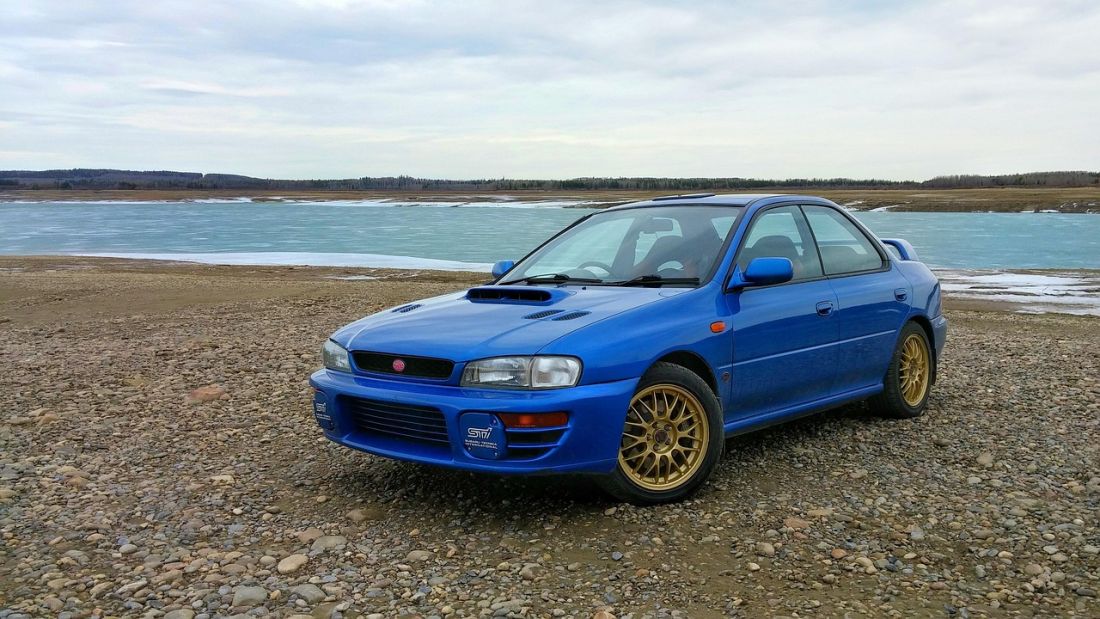
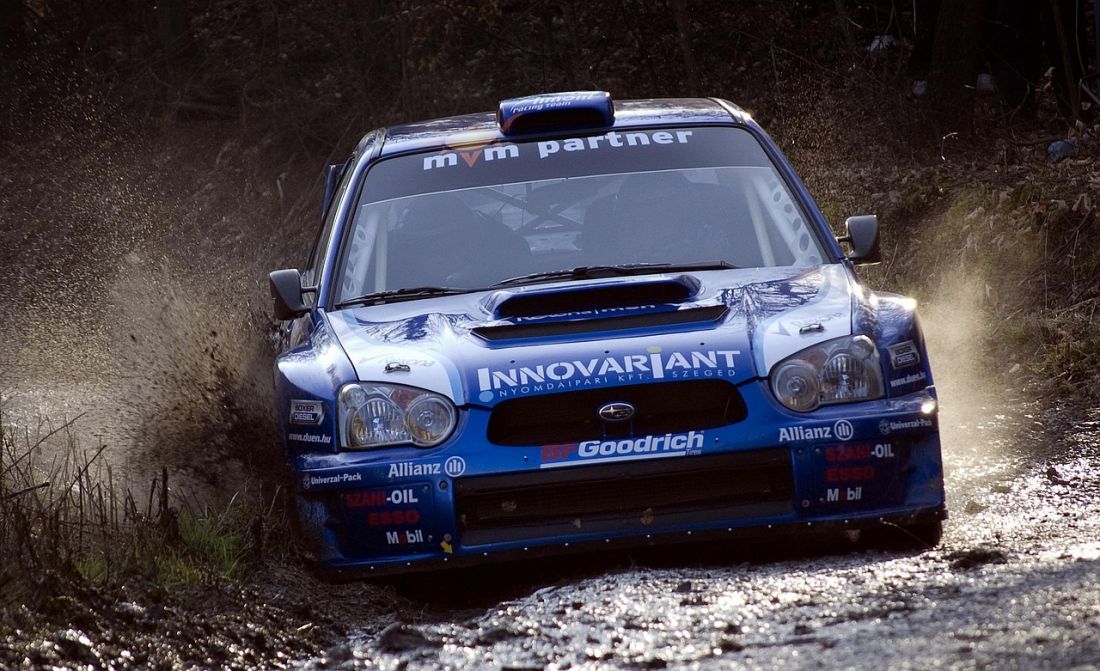
If you watched rally racing in the 1990s, you remember the Subaru Impreza. Blue paint. Gold wheels. Loud and quick on gravel and tarmac. But the road-going versions mattered just as much. Subaru sold a car that felt solid in awful conditions. Rain, mud, rough roads. You name it. The all-wheel drive system gave drivers confidence. That mattered in the UK, where weather isn’t always kind.
People trusted these cars. And the turbocharged versions? Properly quick. Yet still usable. You could drive one to work all week, then enjoy it on a back road without fuss. That mix built a loyal following. Even today, you’ll hear owners talk about their old Imprezas like old friends. They don’t forget them. The Impreza proved motorsport ideas could work on normal roads. And drivers loved it for that.
7. Lexus LS - When luxury got serious
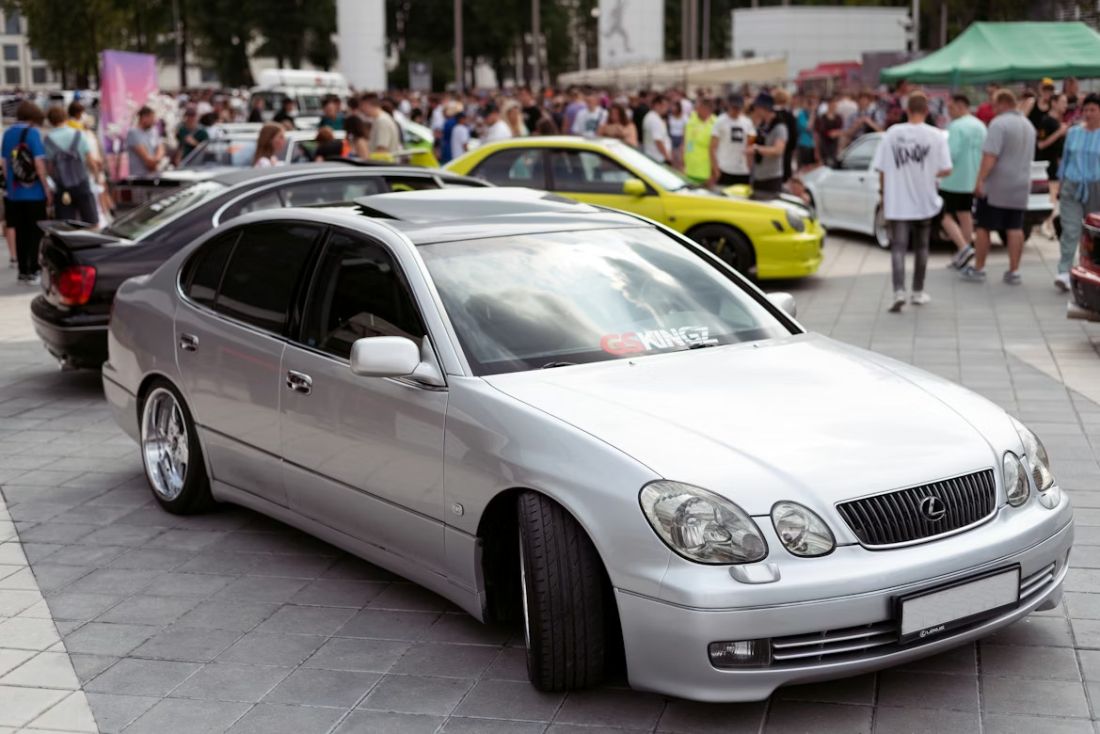
When Lexus launched the LS400 in 1989, people laughed. Toyota building a luxury saloon to take on Mercedes? Then they drove it. Smooth engine. Quiet cabin. Everything fit properly. And it cost less. Lexus paid attention to the details drivers cared about. Comfort. Reliability. Calm driving. For people doing long motorway runs, this mattered.
Big time. The LS showed luxury didn’t have to mean endless repairs. Other brands had to respond. Standards rose. Buyers benefited. And Lexus built a reputation that still stands. Silent, refined cars that don’t kick up complaints after a few years. That’s influence you can’t ignore.
8. Mitsubishi Lancer Evolution - Built to grip and go
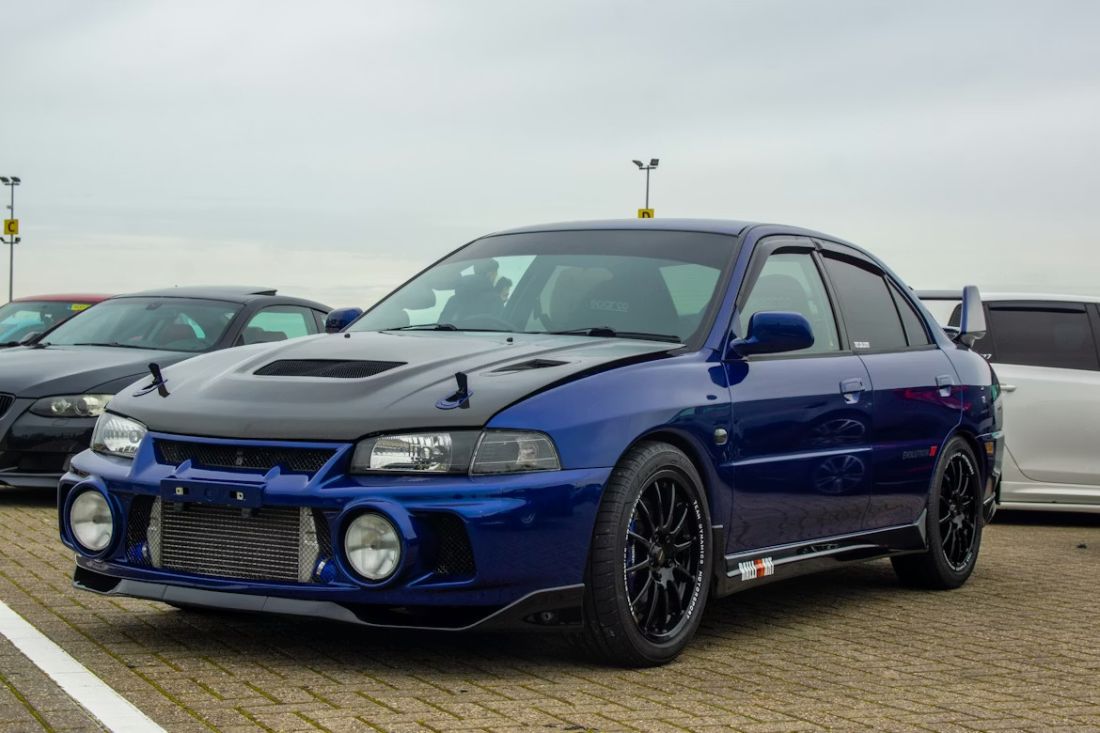
The Mitsubishi Lancer Evolution, or Evo, felt like it was always in a hurry. Born from rally racing, it packed turbo power and all-wheel drive into a compact body. It didn’t pretend to be relaxed. It wanted corners. Fast ones. Drivers who bought Evos knew what they were getting. Sharp steering. Firm ride. Huge grip. And massive smiles.
These cars built friendships at meets and track days. They pushed driver involvement forward. Other brands chased that feeling. Few caught it.
9. Suzuki Swift - Small car, big personality
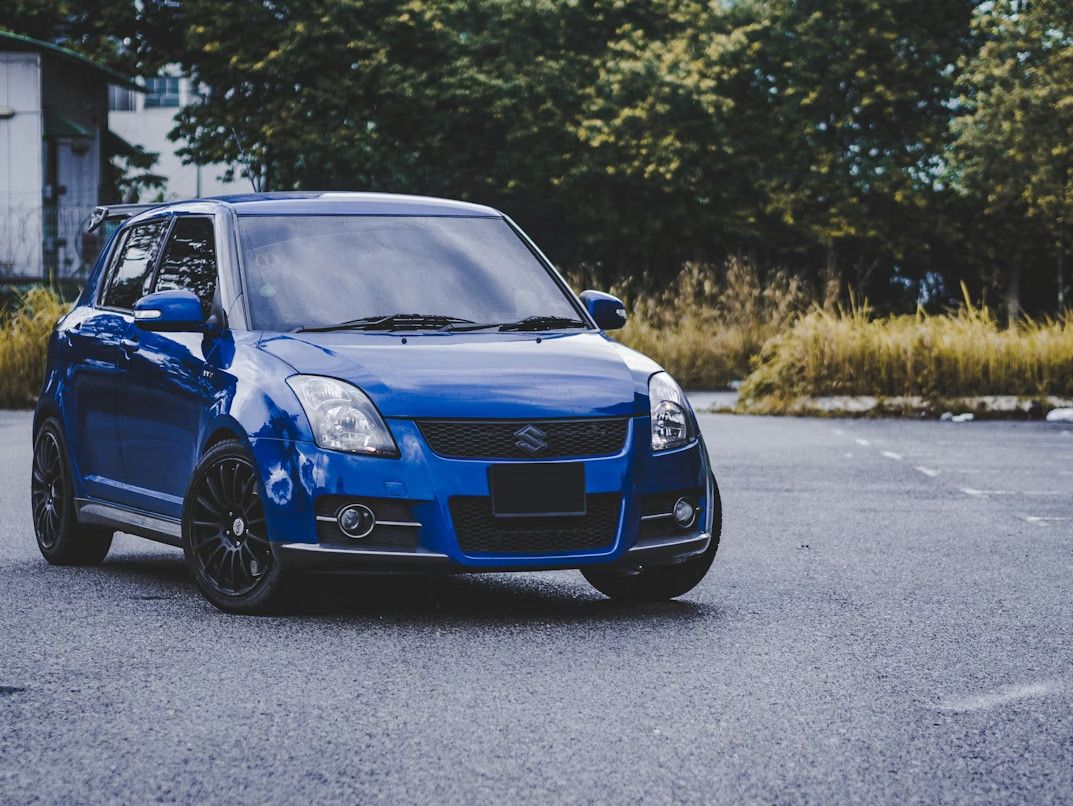
The Suzuki Swift doesn’t shout. It just gets on with things. Small outside, roomy enough inside, light on fuel, easy to park. Perfect city car. But there’s a spark to it. Especially the sportier versions.
They feel eager. Honest. No tricks. For young drivers in places like Stockport, that matters. Affordable fun without stress. The Swift showed that small cars could still feel cheerful to drive. And that idea keeps coming back.
10. Datsun 240Z - Style with substance
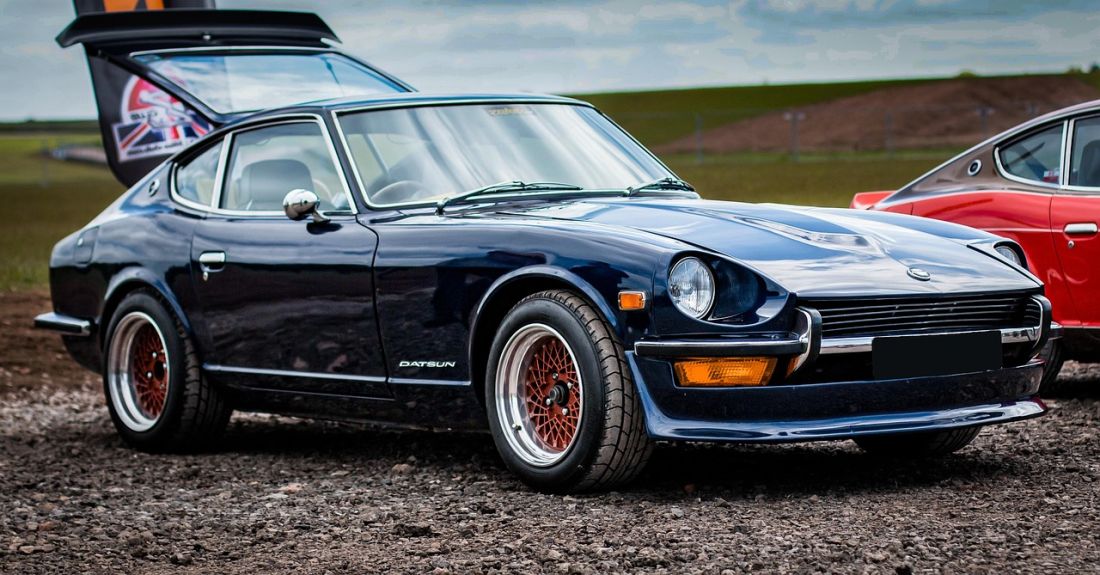
Before Nissan was Nissan everywhere, there was Datsun. And the 240Z changed things in the early 1970s. Long bonnet. Smooth lines. Rear-wheel drive. It looked like something far more expensive. But it was reachable. Drivers got style, speed, and reliability in one package. That shook the industry. Sports cars didn’t need to be fragile. Japanese brands proved they could build beauty with dependability baked in. That message stuck.
Japanese cars didn’t change the car industry by shouting the loudest. They did it by showing up, day after day, working properly, and making sense for real people. That’s something we see every week at Dace Motor Company, right here in Stockport and Manchester.