


Top 10 Cars That Were Way Ahead of Their Time
Some cars arrive and people just get them straight away. They look right. They feel right. They fit the moment.
And then there are the other ones.
The oddballs. The brave ones. The cars that turn up early, like someone arriving at Manchester Piccadilly two hours before the train and wondering where everyone else is. At first, people stare. They mutter. They say things like, “What’s that supposed to be?” Then, years later, the same ideas show up everywhere.
That’s what we’re looking at here.
At Dace Motor Company, we see all sorts of used cars come through our sites in Stockport and Manchester, from small city cars to big family cars, luxury saloons, electric models, sporty hatchbacks, and four-wheel-drive SUVs. And once you spend enough time around cars, you start to notice something: the clever ideas don’t always come from the newest model on the forecourt. Some of them started decades ago, back when people were still reading road maps, winding windows by hand, and arguing over who got to sit in the front.
So, let’s talk about ten cars that were ahead of their time. Some were loved straight away. Some were laughed at. Some were too strange, too expensive, or too clever for buyers to fully understand at the time.
But they all left a mark.
1. Citroën DS: The car that looked like it had landed from space
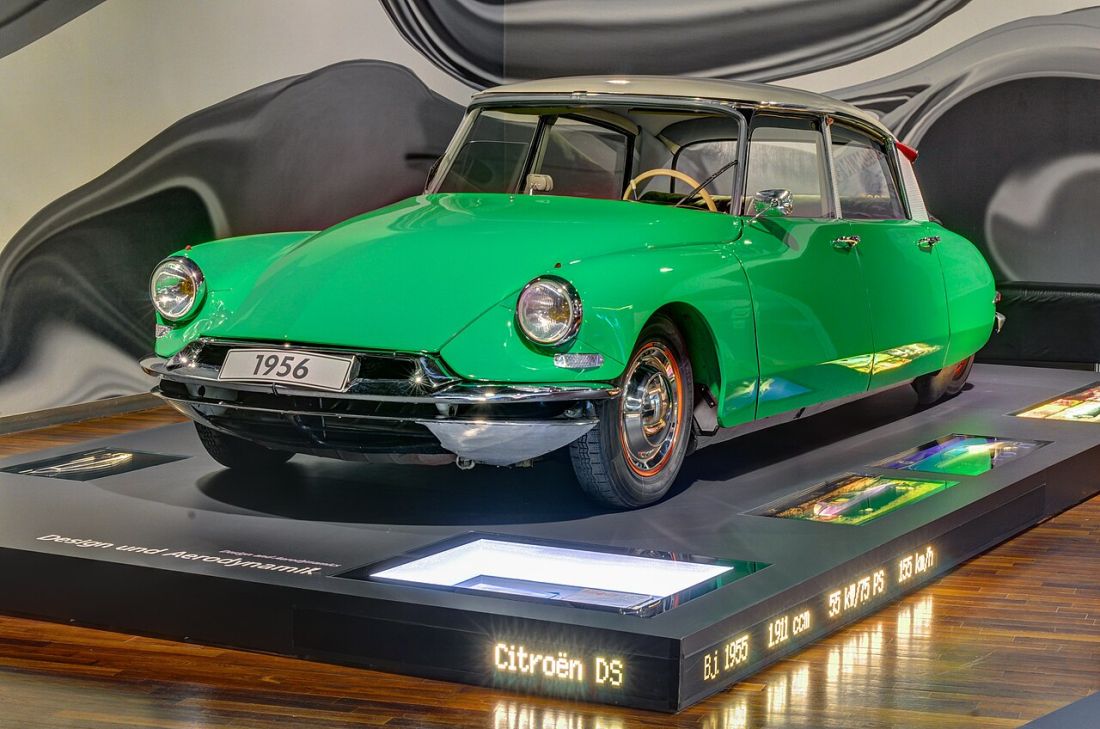
Photo: 1956 Citroën DS by Ralf Roletschek (FAL or GFDL 1.2), via Wikimedia Commons
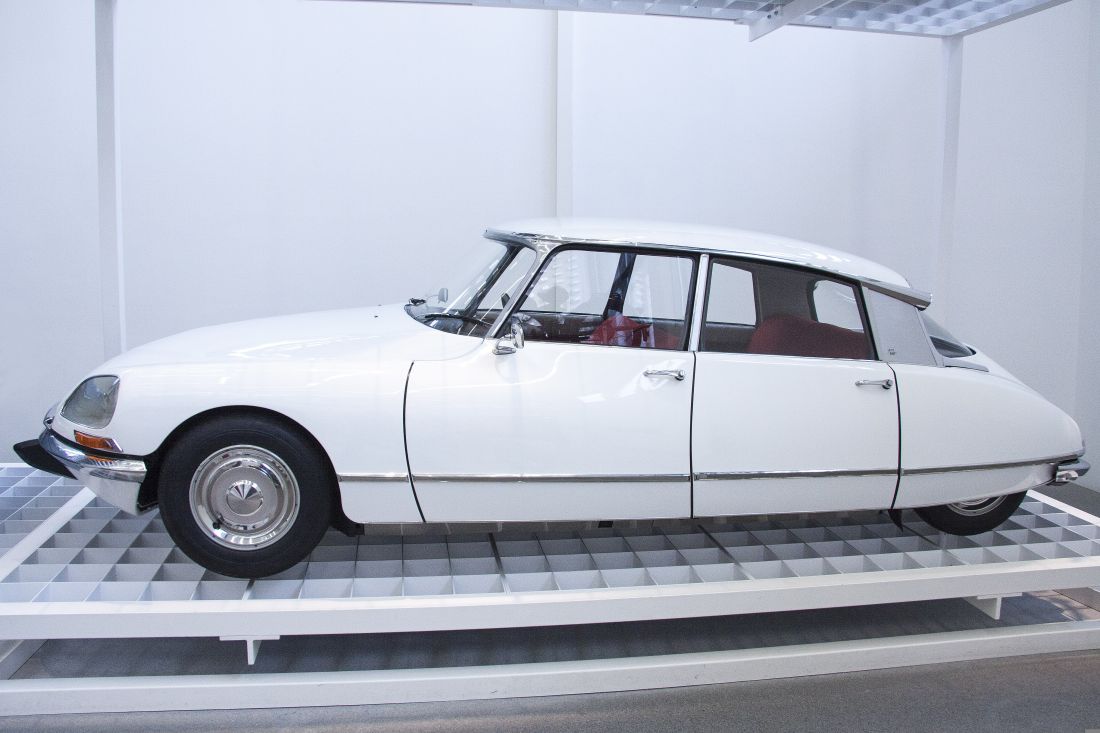
The Citroën DS arrived in 1955, and honestly, it must have looked unreal. Picture the streets of post-war Europe, with lots of upright, sensible-looking cars trundling about, then this smooth French shape glides past like something from a sci-fi film. It had a low nose, covered rear wheels, and a body that looked like it had been shaped by air rather than by a ruler. But the really clever stuff was underneath. The DS used hydropneumatic suspension, which is a fancy name for a system that helped the car float over bumps instead of crashing into them. If you’ve ever driven over rough roads near old industrial estates in Stockport or hit a pothole after a wet winter around Greater Manchester, you’ll know why that matters. It also had hydraulic help for the steering, clutch, and brakes, and it used front disc brakes at a time when many cars were still a lot more basic. DS Automobiles says the DS 19 made its debut at the Paris Motor Show in October 1955, and credits Paul Magès with creating the hydraulic system behind the car’s famous suspension and controls.
What made the DS so ahead of its time wasn’t just one clever trick. It was the whole mood of it. It treated comfort, safety, shape, and control as one big idea. That sounds normal now, because modern cars are built that way. Back then, it was brave. The DS could raise and lower itself, stay level with people and luggage inside, and corner with a calmness that felt strange to people used to bouncy old saloons. The 1967 facelift even brought swivelling headlamps on some versions, lighting into corners before the driver had fully turned in. That’s the kind of thing you now see echoed in modern headlights that follow the road. The DS was not perfect, of course. Complex systems can be fussy, and owners had to understand what they were buying. But as a signpost for the future, it was bang on. Comfort didn’t have to mean sloppy. Clever didn’t have to mean ugly. And family cars didn’t have to be dull.
2. The original Mini: Tiny outside, massive idea inside
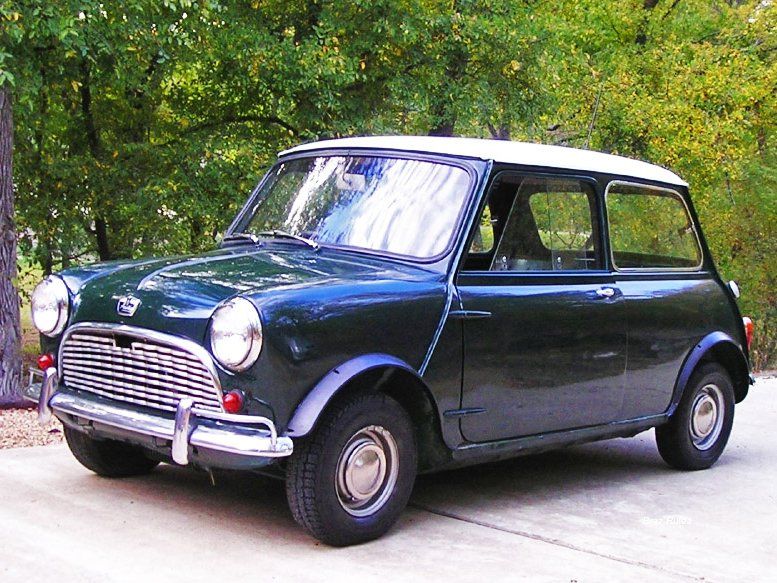
Photo: 1963 Mk I Austin Mini Super-Deluxe by Users Brazucs, SteveBaker on en.wikipedia, CC BY-SA 3.0, via Wikimedia Commons
The original Mini was small. Really small. But don’t let that fool you. This was one of those cars that changed how people thought about space. Launched in 1959, it put the engine sideways across the front of the car. That freed up room inside, so passengers got far more space than the outside size suggested. MINI’s own heritage page says Alec Issigonis used a transverse engine and stripped away anything that felt unnecessary, with even heating treated as optional in the earliest thinking.
That might sound a bit harsh now. Imagine buying a car in Manchester and being told, “Warm air? Optional, mate.” You’d be straight back through the showroom door. But the thinking was clever. The Mini was built during a time when fuel worries made small, efficient cars more appealing. Instead of making a tiny car that felt like punishment, Issigonis made one that felt cheeky, clever, and full of room where it mattered. The wheels were pushed right out to the corners. The cabin was boxy. The car was light and easy to park. It was perfect for narrow streets, busy towns, and quick trips. You can see why it became such a British icon.
And here’s the bit that still matters. Loads of modern small cars follow the same basic idea: front engine, front-wheel drive, space used with care, easy parking, low running costs, big personality. You see that same thinking in city cars and superminis all over the place. The Mini didn’t just become famous because it was cute. It became famous because it solved a real problem. It gave people a car they could afford, park, run, and enjoy. No fuss. Just smart thinking in a small box.
3. Range Rover: The posh 4x4 before posh 4x4s were everywhere
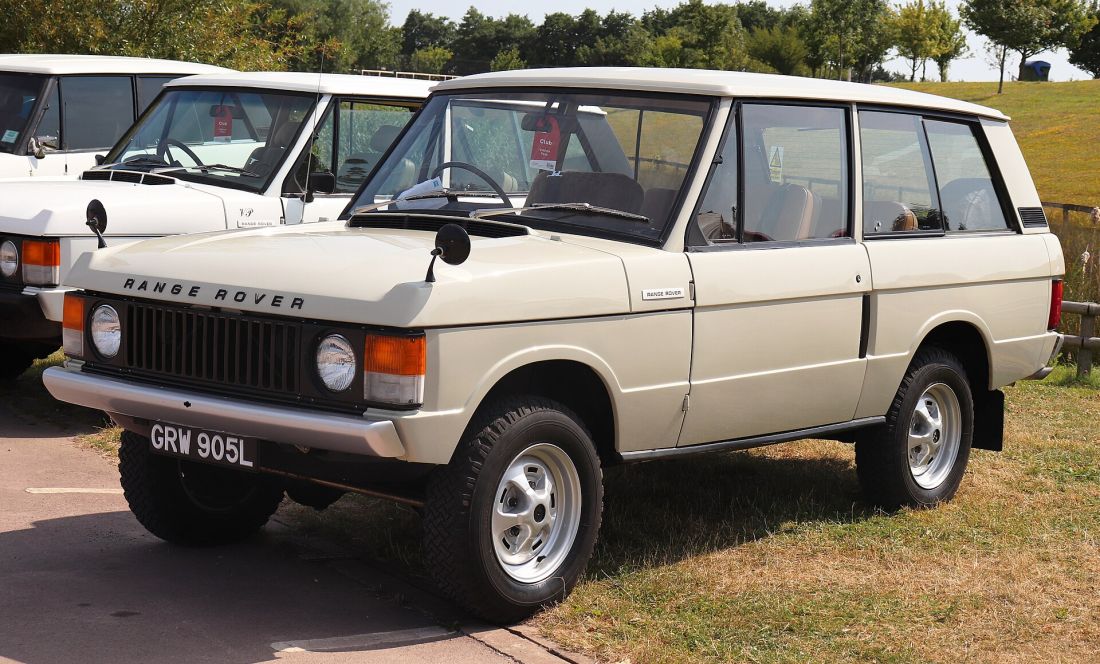
Photo: 1973 Land Rover Range Rover by Vauxford, CC BY-SA 4.0, via Wikimedia Commons
Today, luxury SUVs are everywhere. You’ll see them at the Trafford Centre, outside school gates, heading down the M60, and parked up near Heaton Moor on a Sunday morning. Big wheels, leather seats, high driving position, loads of space. We’re used to them now. But back in 1970, the Range Rover felt like a strange mix. Was it a farm vehicle? A family car? A luxury car? A go-anywhere machine? The answer was yes. Sort of all of it. Range Rover’s own history says the first production three-door Range Rover was revealed in 1970 and brought together permanent four-wheel drive, a split tailgate, clamshell bonnet, and elegant design.
That mix was the clever part. Before the Range Rover, off-road vehicles were mostly seen as working tools. Tough, useful, and not exactly cosy. The Range Rover said, “Why can’t a car be capable in mud and comfortable on the road?” That was a big deal. It meant you could have something that made sense on a rough track, but still felt right outside a hotel or a restaurant in town. It was confident without being silly about it.
The early ones were not dripping in luxury the way newer Range Rovers can be, but the idea was there. A commanding view. Proper off-road strength. A cabin you could live with every day. Over time, that idea turned into a whole type of car. Now almost every brand wants a slice of the SUV market, from compact family crossovers to huge luxury models. The Range Rover got there long before most people knew they wanted it. It was ahead because it understood people are rarely one thing. We work, we travel, we carry family, we go away for weekends, we want comfort, and sometimes we want to feel ready for a bit of bad weather. Around here, that last one is never a bad idea.
4. Mercedes-Benz S-Class W116: Safety before safety was trendy
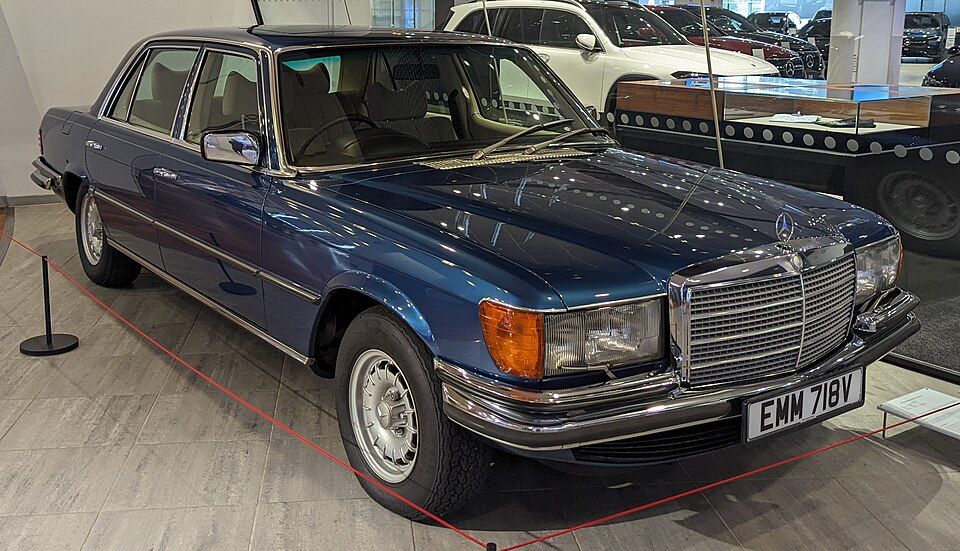
Photo: 1980 Mercedes 450 SEL 6.9 Auto by Calreyn88, CC BY-SA 4.0, via Wikimedia Commons
The Mercedes-Benz S-Class has a long habit of bringing clever safety ideas to the road before they spread to everyday cars. The W116 generation, launched in the 1970s, is a great example. It was the first official Mercedes-Benz S-Class, but the big headline here is what happened near the end of its run. In 1978, Mercedes-Benz and Bosch presented an anti-lock braking system, and it became available on the S-Class model series 116 from the end of that year. Mercedes Heritage describes it as a world first for that digital driver assistance system.
Now, anti-lock brakes might not sound exciting if you’ve grown up with them. Most drivers just expect the car to help keep the wheels from locking during heavy braking. But imagine driving in the rain on a fast road, someone pulls out, and you slam the brakes. In older cars, the wheels could lock up and the car could slide on, with the steering feeling useless. Anti-lock braking helped drivers brake hard and still steer. That’s huge. It’s the kind of safety feature you hope you’ll never need, but when you do need it, you’re very glad it’s there.
The W116 was ahead because it showed how electronics could help the driver without taking the joy away from driving. It wasn’t trying to be flashy. It was trying to stop bad moments from getting worse. And that idea runs through modern cars now. Stability systems, traction control, emergency braking, lane assistance, parking sensors, cameras, warning lights. Some of it can feel a bit bossy at times, we’ve all had a car beep at us for what feels like no reason. But the heart of the idea is good. A car should protect you when the road turns awkward. The S-Class helped make that normal.
5. Audi Quattro: Grip became the hero
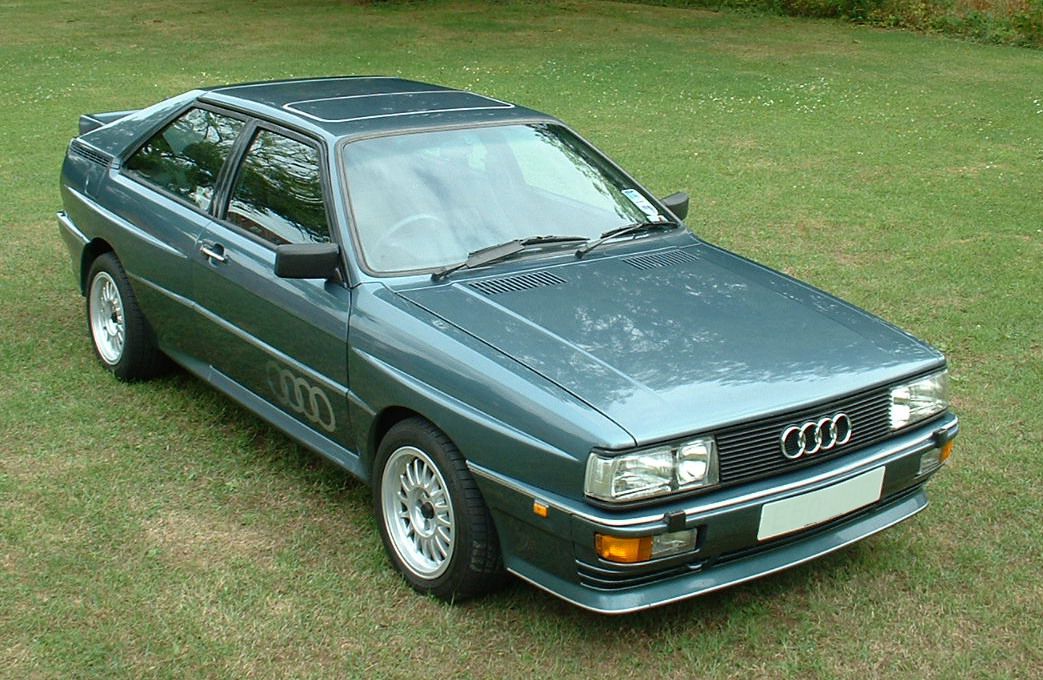
Photo: 1987 Audi Quattro by Ultegra at the English Wikipedia, CC BY-SA 3.0, via Wikimedia Commons
Before the Audi quattro, four-wheel drive was mostly linked with off-roaders, military vehicles, and muddy fields. It was useful, yes, but not something many people saw as exciting for a road car. Then Audi came along in 1980 and made grip cool. The quattro used four-wheel drive with a turbocharged engine, then proved the idea in rallying. Audi says the quattro system caused a sensation in motorsport from 1981, quickly became a winner, and pushed rivals to follow the same path. Audi also says four-wheel drive is still the benchmark in the World Rally Championship.
That’s the key. The quattro changed what people expected from a performance car. Before that, if you wanted speed, you might think about power first. Bigger engine, louder exhaust, more drama. Audi showed that putting power down cleanly mattered just as much. In rain, snow, gravel, or greasy bends, grip can make a car feel faster, calmer, and safer. Anyone who’s driven around Manchester in winter drizzle knows the road surface can feel a bit slick. It’s not the Alps, but it’s enough to make traction matter.
The quattro also gave Audi a personality that stuck. Even today, the word quattro means something to a lot of drivers. It suggests confidence. It suggests all-weather ability. It suggests a car that can get its power to the road without making a big mess of it. That idea now appears across loads of modern performance cars, SUVs, and family cars. Many drivers don’t want drama every time it rains. They want a car that grips and goes. The Audi quattro was ahead because it made traction part of the fun, not just a practical extra.
6. Lexus LS 400: Quiet luxury with no shouting
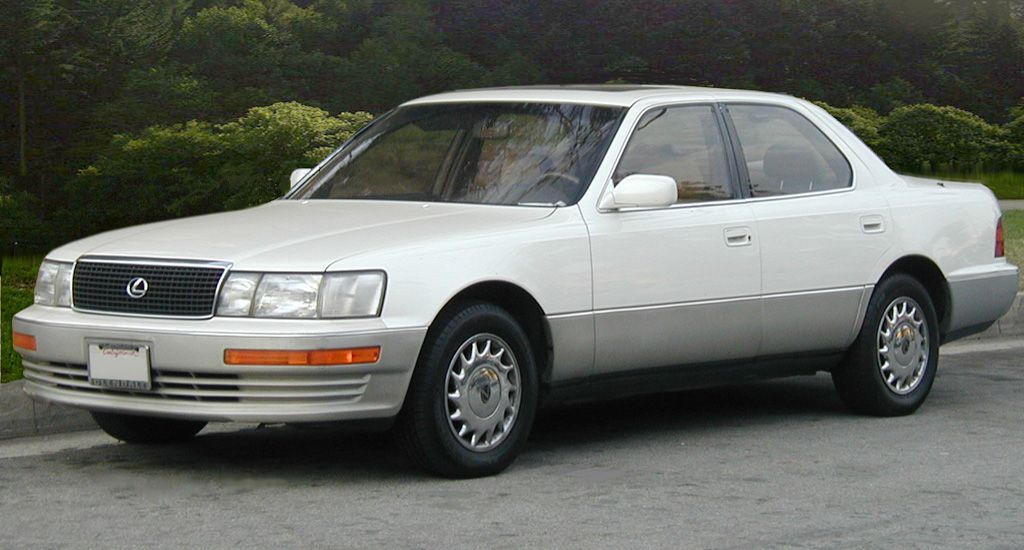
Photo: 1989 Lexus LS 400 by Enigma3542002 at English Wikipedia, Public domain, via Wikimedia Commons.
The Lexus LS 400 arrived in 1989 and made a lot of people in the luxury car business sit up a bit straighter. Here was Toyota, known by many for reliable family cars, stepping into the luxury saloon market and aiming straight at the big German names. Lexus says the LS 400 came from the secret “Circle F” project, started after Toyota president Eiji Toyoda challenged the company to build a car better than the best. Lexus also says the targets included 250 km/h top speed, low fuel use for its class, strong aerodynamics, and a cabin noise target of no more than 58 decibels at 100 km/h.
That might sound like numbers on a page, but what it meant in real life was simple. The LS 400 was calm. Smooth. Quiet. Built with serious care. It didn’t need to shout about luxury. It didn’t rely on a flashy badge doing all the work. It made the driver and passengers feel like someone had thought about every little shake, noise, switch, and seat movement. You know when you close the door on a well-built car and it gives that solid, soft thud? That sort of feeling was the LS 400’s whole personality.
It was ahead because it proved luxury could be about peace rather than showing off. That idea is still powerful now. Lots of buyers want comfort, low noise, good reliability, and a cabin that feels easy to live with. The LS 400 also pushed established luxury brands to take quality and customer care even more seriously. And to be honest, that’s good for everyone. Competition makes cars better. The LS 400 may not have looked wild, but that was part of the charm. It was the quiet one in the room who knew exactly what they were doing.
7. Nissan Skyline GT-R R32: The computer-smart performance car
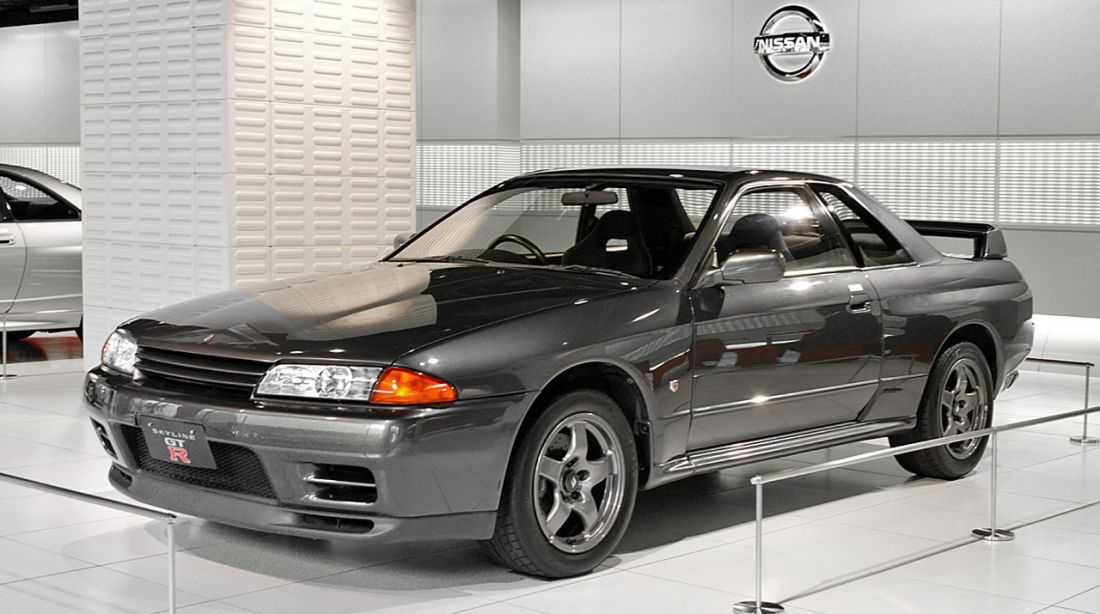
Photo: 1989 Nissan Skyline GT-R R32 by I, ????, CC BY-SA 3.0, via Wikimedia Commons
The Nissan Skyline GT-R R32, launched in 1989, became a legend for a reason. It wasn’t just quick. It was clever. Nissan’s heritage collection says the 1989 Skyline GT-R used “ATTESA E-TS,” an electronically controlled torque split four-wheel-drive system that sent the right amount of drive to the wheels.
That may sound a bit technical, so think of it like this. Imagine running across a wet football pitch in trainers. If one foot slips, you adjust without thinking. The R32 tried to do something similar with power. It could send drive where it was needed, helping the car grip and launch itself out of corners. Add in a strong twin-turbo engine and rear-wheel steering, and you had a car that felt years ahead of many rivals. It became famous on track, too, which only added to the legend.
The R32 was ahead because it showed how electronics could make a fast car feel sharper and more usable. It wasn’t just about brute force. It was about control. That matters because modern performance cars are packed with systems that manage power, grip, steering, braking, and suspension. Some drivers like a raw old-school feel, and fair enough. There’s a charm to that. But the R32 helped prove that smart systems could make a car faster and more capable without turning it boring.
It also became one of those cars that people talked about in almost mythical terms. The nickname “Godzilla” stuck because it felt like a monster from Japan had arrived and started upsetting the usual order. Even now, car fans get excited when they see one. And honestly, you can see why.
8. Toyota Prius: The hybrid that made people talk
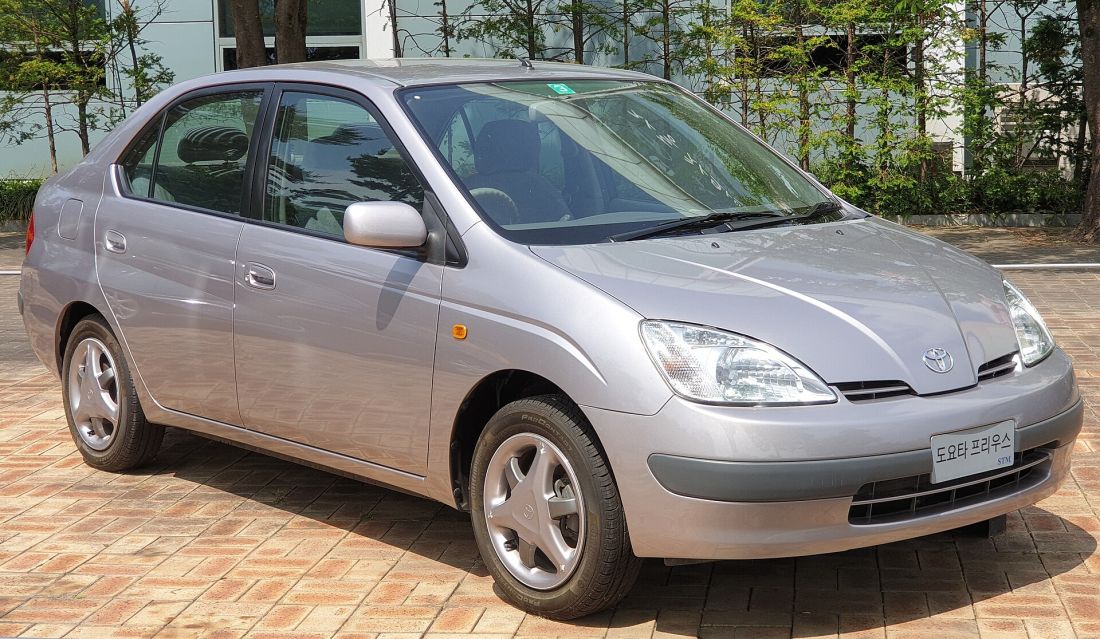
Photo: 1998 Toyota Prius by Damian B Oh, CC BY-SA 4.0, via Wikimedia Commons.
The first-generation Toyota Prius launched in Japan in 1997, and it was not exactly the sort of car that made people press their noses against showroom glass because it looked stunning. Let’s be honest, the early Prius was sensible. Very sensible. But under the skin, it was doing something huge. Toyota says the first-generation Prius was launched in October 1997 as the world’s first mass-produced hybrid passenger vehicle, with the tagline “Just in time for the 21st century.”
That tagline was pretty spot on. The Prius arrived before most people were seriously thinking about hybrid driving. Fuel economy mattered, of course, but the idea of a petrol engine and electric motor working together felt odd to many buyers. Some people didn’t trust it. Some thought it was too weird. Some thought hybrids would never catch on. Well, we know how that turned out.
The Prius was ahead because it made efficient driving feel normal. It showed that a family car could save fuel in traffic without asking drivers to change everything about how they used a car. Around busy areas like Manchester city centre, the A6, or the school run through Stockport, stop-start traffic is just part of life. Hybrid systems can help there because they’re good at low-speed driving and recovering energy that would otherwise be wasted during braking.
The Prius also changed the image of fuel-saving cars. Before that, saving fuel could feel like buying the boring choice. The Prius made it part of a bigger idea: cleaner, smarter, calmer motoring. It wasn’t glamorous in the usual way, but it was important. You can draw a line from that first Prius to the hybrids, plug-in hybrids, and electric cars people consider today.
9. Honda Insight: The little teardrop that chased every mile
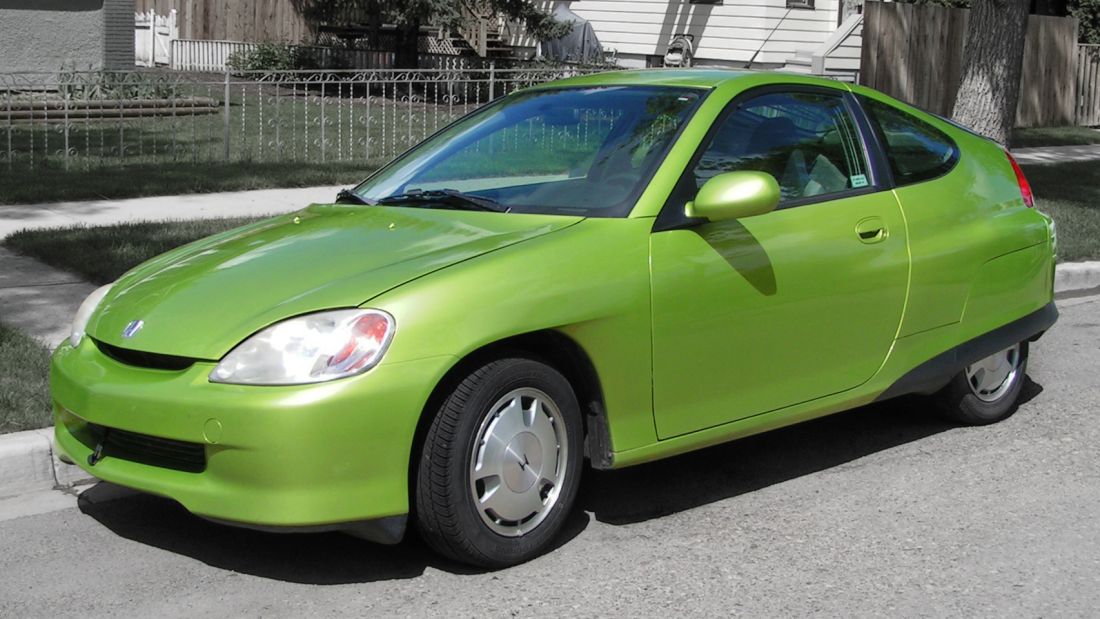
Photo: 1999 Honda Insight by dave_7, CC BY-SA 2.0, via Wikimedia Commons.
The first Honda Insight arrived in 1999, and it looked like nothing else on the road. Two seats. Rear wheel covers. A smooth teardrop shape. Light body. Hybrid power. It was the sort of car that made people tilt their head and say, “Is that actually for sale?” Honda’s 1999 release said the Insight was built around three main themes: an ultra-efficient power unit, super-aerodynamics, and an ultra-light body. Honda also said it achieved 35 km per litre in Japan’s test cycle and 3.4 litres per 100 km in the European market, with very low carbon dioxide emissions for the time.
The Insight was a different kind of ahead-of-its-time car from the Prius. The Prius was practical and family-friendly. The Insight felt like a science project that somehow got number plates. That’s not an insult. It was brave. It cared about weight and air resistance in a way many ordinary buyers didn’t think about yet. It chased efficiency with real focus. The covered rear wheels were there to help air slip past the car. The light body helped the small hybrid system do more with less.
Of course, it wasn’t for everyone. Two seats limited its appeal. The styling was unusual. Some people want their car to blend in, and the Insight did the opposite. Park one near the Arndale back then and it would have looked like a prop from a future-themed TV show. But that’s why it belongs here. It asked questions early. How light can a car be? How slippery can we make the shape? How much fuel can we save if every detail pulls in the same direction?
Modern electric and hybrid cars still care about those questions. Smooth shapes, low weight, clever tyres, energy recovery, efficient motors. The Insight was chasing all of that before most drivers were ready to care.
10. BMW i3: The small electric car that refused to look normal
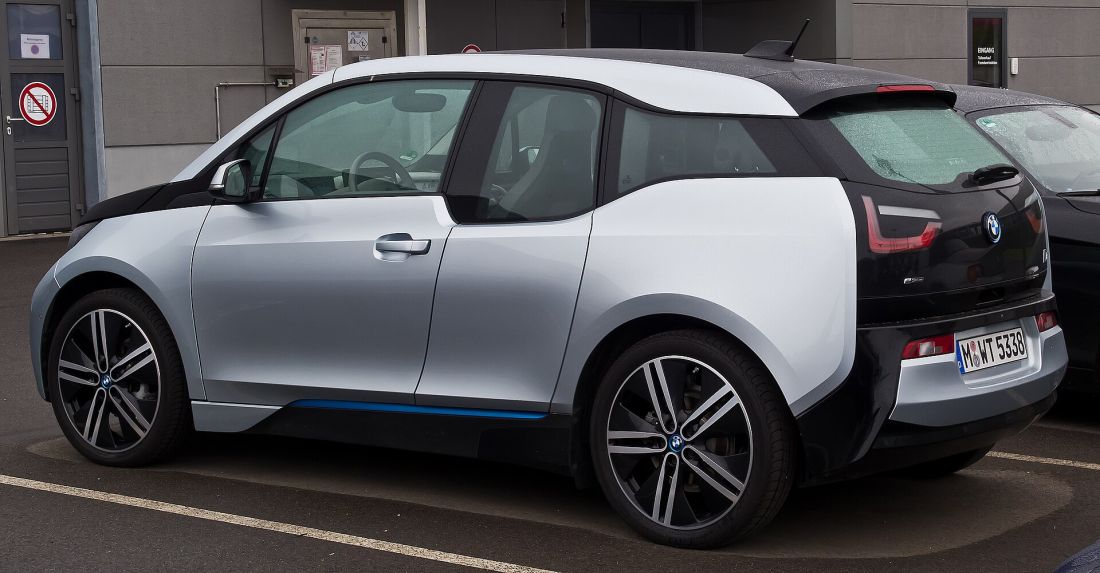
Photo: 2014 BMW i3 by © M 93 / Wikimedia Commons.
The BMW i3 launched in 2013, and it still looks unusual now. Back then, it really stood out. This was not a normal hatchback with an electric motor squeezed in. BMW built it as an electric car from the start. BMW’s press material describes the i3 as the first series-produced model from BMW i, with a passenger compartment made from carbon-fibre-reinforced plastic and a battery giving 130 to 160 kilometres of everyday range when fully charged.
A later BMW i3 press kit adds more detail, saying the car used a carbon-fibre-reinforced plastic passenger cell, an aluminium drive module, rear-wheel drive, four seats, coach-style rear doors, and an optional two-cylinder range extender that could boost total range to around 300 kilometres.
That’s a lot of clever thinking for a small city car. And yes, it looked a bit odd. The skinny tyres, tall body, glassy rear hatch, and unusual doors made it feel different from the usual BMW image. But that was the point. The i3 was trying to answer a new question: what should an electric city car be if you start with a clean sheet?
The answer was light, roomy, quick off the line, easy to park, and full of recycled or responsibly chosen materials. It had that instant electric shove that makes town driving feel simple. Around places like Didsbury, Eccles, Reddish, or the tight car parks near Stockport town centre, you can see the appeal. Small outside, roomy inside, quick at low speeds, and easy to place.
The i3 was ahead because it treated electric cars as their own thing. It didn’t pretend to be a petrol car. It leaned into being different. Now, loads of electric cars use flat floors, battery packs under the cabin, short overhangs, and interiors that make the most of the missing engine and gearbox tunnel. The i3 helped show what that future could look like, even if its styling still splits opinion down the middle.
Why these cars still matter when you’re buying used
Cars that are ahead of their time can be a bit tricky. Some become classics. Some become normal once the rest of the market catches up. Some are brilliant ideas wrapped in expensive repairs. That’s why, when you’re buying used, it helps to look past the badge and ask a few simple questions.
What problem was this car trying to solve? Did it solve it well? Has the technology aged nicely? Are parts and servicing sensible? Does it fit your real life?
That last question matters most. A car can be a genius bit of design and still be wrong for you. A tiny city car might be perfect if you’re nipping around Stockport, but annoying if you’re always carrying three kids, a dog, and half of Decathlon. A big SUV might be lovely on a long run, but less fun in a tight multi-storey. A hybrid might make loads of sense if you do town miles. A diesel might suit long motorway trips. A petrol hatchback might be all you need.
The best cars, old or new, are the ones that make your life easier.
That’s the thread running through this list. The Citroën DS cared about comfort before comfort became clever. The Mini made small cars roomy. The Range Rover mixed ability with comfort. The S-Class pushed safety forward. The Audi quattro made grip exciting. The Lexus LS 400 made quietness feel luxurious. The Skyline GT-R showed how smart systems could help performance. The Prius and Insight made efficiency interesting. The BMW i3 gave electric cars their own shape.
Different cars. Same lesson.
The future usually starts as something a bit strange.
And then, one day, you look around the car park and realise everyone else has caught up.