


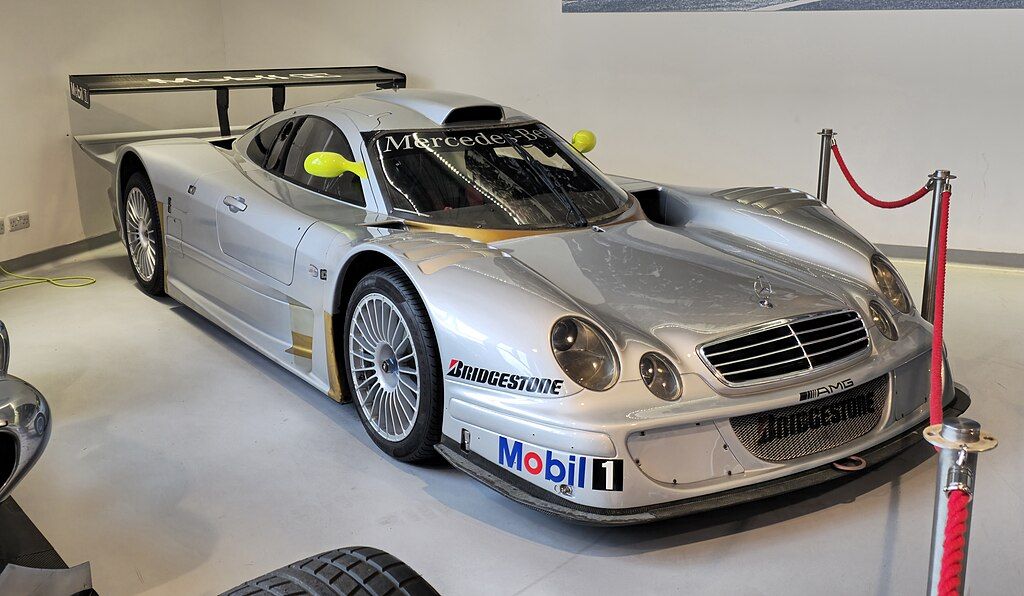
Top 10 Cars That Were Built for Racing but Ended Up on Public Roads
Photo: Mercedes CLK-LM by by Calreyn88, CC BY-SA 4.0, via Wikimedia Commons.
Back in the day, race organisers had a simple rule. If you wanted to race a car, you had to sell a version of it to normal people first. Sounds odd, right? But that rule gave us some of the most exciting road cars ever. Carmakers had to build wild performance machines, then add just enough seats, lights, and number plates to make them legal for the school run or the crawl down the M60 at rush hour. These cars weren’t built for comfort. They were built so teams could win races. The road version was almost a side quest. You can still feel that race focus today. Even years later. Stiff rides. Loud engines. Steering that feels alive in your hands. Not exactly built for a relaxed cruise down Deansgate on a busy Saturday. But that’s the charm. You’re driving something that was never meant to be stuck behind a bus near Piccadilly Gardens. At Dace Motor Company, we get a lot of people asking about cars with a proper story. Something that feels special, even at 30 miles an hour. These homologation cars tick that box every time. They started life with mud, gravel, or race tracks in mind. Somehow, they ended up sharing roads with shopping trolleys and speed cameras. Some of these legends are rare. Some are expensive. A few pop up from time to time in the used market if you’re lucky and quick. Let’s talk about ten of the best. Cars built to win races, but brave enough to face public roads in Manchester, Stockport, and everywhere else life happens.
BMW E30 M3 - the boxy hero
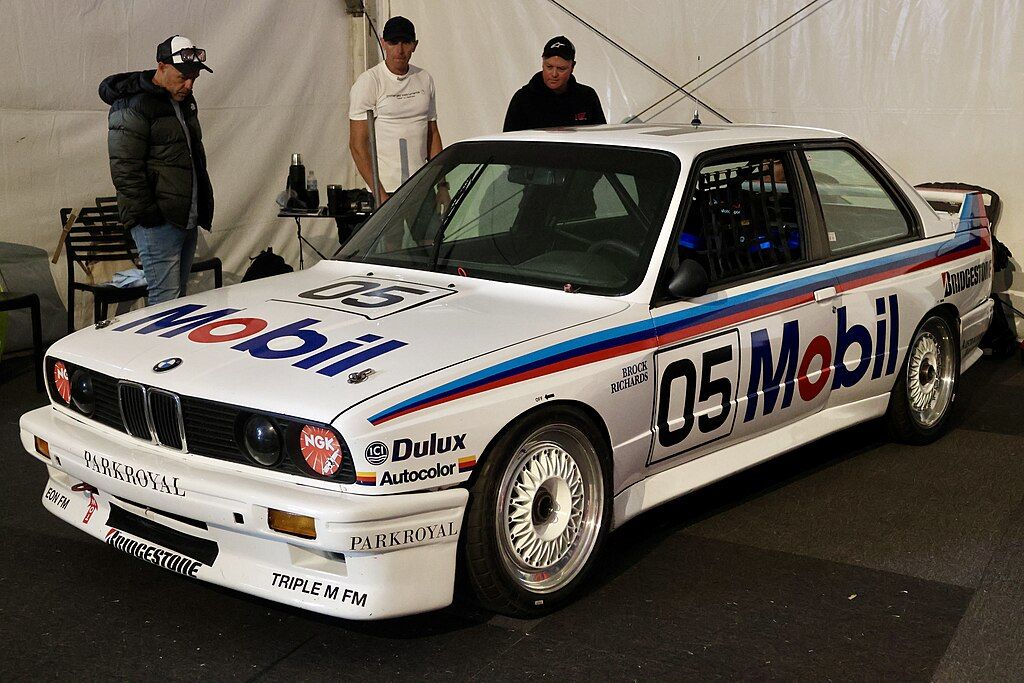
Photo: The Mobil 1 Racing BMW M3 is a 1988 Group A car driven by Peter Brock and owned by Sean Day, presented at the 2025 Adelaide Grand Final on 30 November (by Yu Chu Chin, CC BY-SA 4.0, via Wikimedia Commons).
This one’s famous for a reason. The BMW E30 M3 wasn’t made to be pretty or comfortable. It existed so BMW could go racing in touring car championships. To qualify, they had to sell it to the public. So they did. And wow. At first glance, it looks like a normal old BMW saloon. Boxy shape. Squared-off edges. Looks a bit like something your dad might’ve driven back in the day. But look closer. Wider wings. A raised boot lid. A stance that says it means business. Under the bonnet sat a high-revving four-cylinder engine that loved being pushed hard. This car dominated touring car racing in the late eighties and early nineties. That success is baked into every road version. The steering feels sharp. The engine begs you to keep your foot in. Even at sensible speeds, it feels busy and alive. Driving one through Stockport today would feel like time travel. No big screens. No driver modes. Just you, the pedals, and a lot of engine noise. Prices now are eye-watering. We’re talking house-deposit territory. But there’s a reason. This car changed BMW forever and kicked off the whole M-car obsession. It’s not comfy. It’s not quiet. But it’s one of the clearest links between race track and road car that’s ever existed. And yes, it would still turn heads parked outside a café on Hillgate.
Lancia Stratos - barely road legal and proud of it
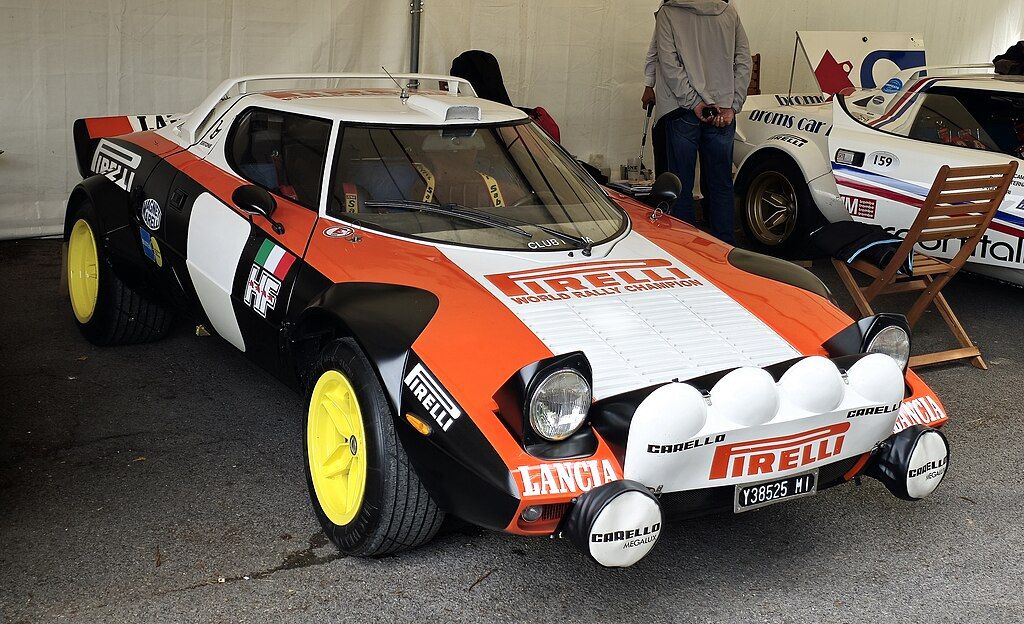
Photo: Lancia Stratos by Calreyn88, CC BY-SA 4.0, via Wikimedia Commons
The Lancia Stratos is what happens when racing rules meet zero compromise. Lancia wanted to win rally championships in the seventies. To do that, they built a car specifically for rallying, then did the bare minimum to make it legal for roads. The result looks more like a spaceship than a car. It’s wedge-shaped. Super short. The windscreen wraps around like a helmet visor. The engine sits right behind the driver’s head. And not just any engine. A Ferrari V6. Yes, really. The road version feels like a race car with number plates. Visibility is odd. Space inside is tight. You won’t be picking up a flat-pack from IKEA in this. But on twisty roads, especially the kind you find heading out toward the Peaks, it’s pure magic. In rallying, the Stratos was unstoppable. Three world championships on the bounce. On the road, it feels raw and a bit mad. And that’s exactly why people love it. You wouldn’t want to drive one through central Manchester at five o’clock on a Friday. The clutch is heavy. The cabin is hot. Everyone stares. But that’s part of the deal. This car doesn’t blend in. It never tried to. These days, Stratos prices are through the roof. They’re museum pieces for most people. But they remind us that once upon a time, car builders played by wild rules and normal drivers got to experience the fallout.
Audi Quattro - the one that changed everything
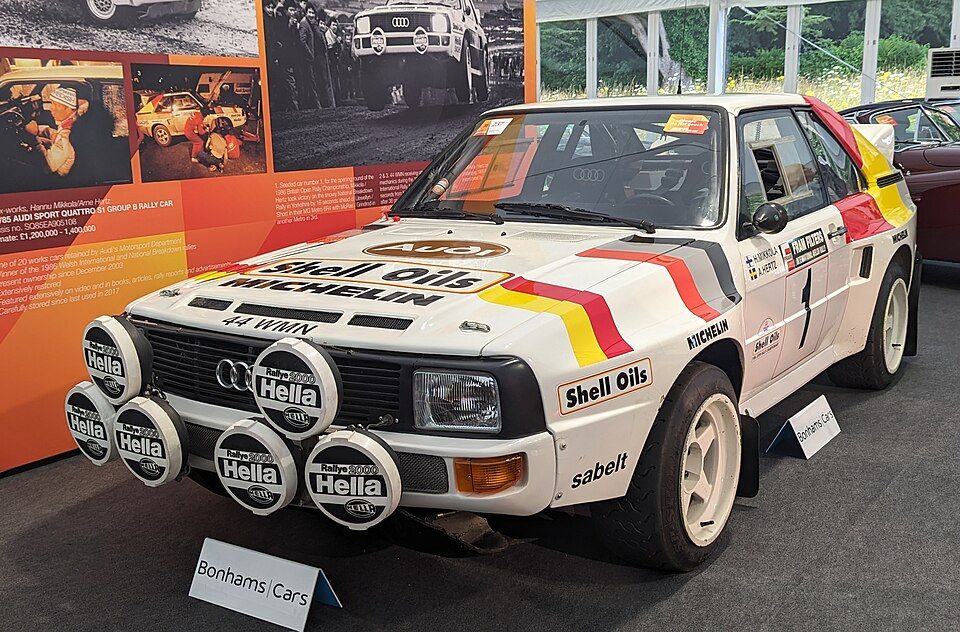
Photo: 1984 Audi Quattro S1 by Calreyn88, CC BY-SA 4.0, via Wikimedia Commons.
Before this car turned up, rally cars mostly sent power to two wheels. Audi turned up with the Quattro and flipped the script. Four-wheel drive. Turbo power. A shape that looked solid and purposeful. To go rallying, Audi had to sell it to the public. And that meant people could suddenly buy a car with the same tech that was winning rallies left, right, and centre. On wet roads. On gravel. On snow. It didn’t matter. On UK roads, the Quattro felt planted in a way nothing else did at the time. Rain pouring down on the A6? No problem. Slippy roundabouts near Stockport? It just dug in and went. The engine had a unique sound too. That off-beat growl became part of car folklore. You hear it once, you never forget it. Inside, it wasn’t fancy by today’s standards. But it felt solid. Built to handle abuse. Built to last. And many of them did, which is why you still spot one now and then at car shows or tucked away in garages. Every performance Audi with four-wheel drive owes something to this car. And every time you feel confident driving through a typical Manchester downpour, you can thank the Quattro’s influence.
Ford Sierra RS500 - box arches and boost
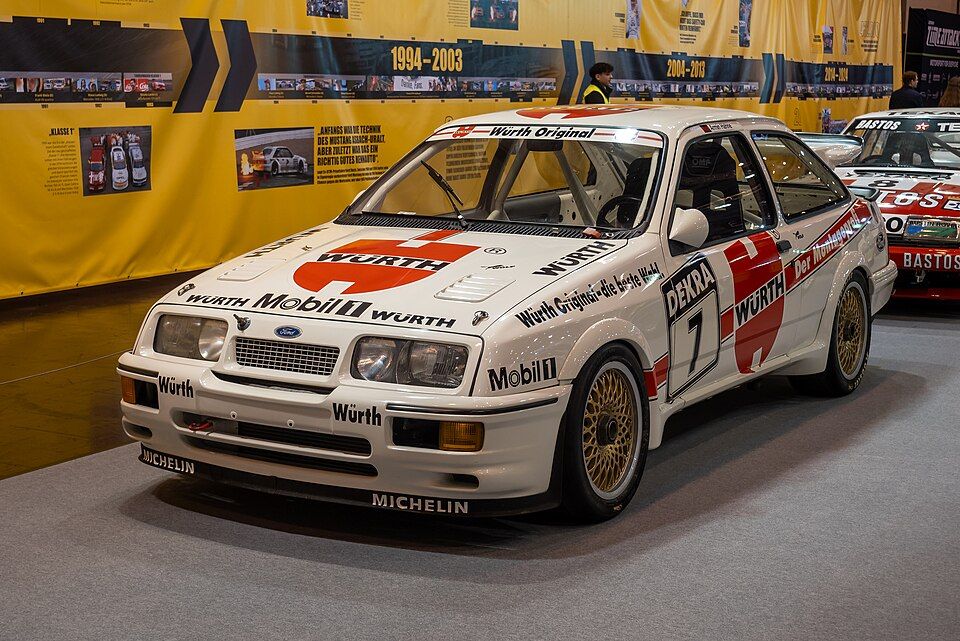
Photo: Armin Hahne's Ford Sierra RS500 at Essen Motor Show 2024 by Matti Blume (CC BY-SA or GFDL, via Wikimedia Commons).
Ford fans know this one well. The Sierra RS500 was built so Ford could dominate touring car racing. And dominate they did. This thing was a monster. The road car looked aggressive. Massive rear wing. Fat arches. Bright colours that screamed eighties. Under the bonnet was a turbo engine that could be tuned to silly power levels. In race form, it crushed the competition. On the road, it felt fast even by today’s standards. The turbo lag was real. Nothing… nothing… then everything. Put your foot down and it surged forward like it had something to prove. Driving one today would feel wild. No traction control. No safety net. Just boost and bravery. On tight roads, you’d need respect for it. Probably best saved for dry mornings when traffic’s light. You still hear stories about these cars tearing up motorways or being kings of pub chat back in the day. Loud, brash, and unapologetic. Very Ford. And very British. It’s the kind of car that would feel perfectly at home parked outside an old-school chippy in Stockport. No frills. Just attitude.
Toyota Celica GT-Four - rally tech for rainy days
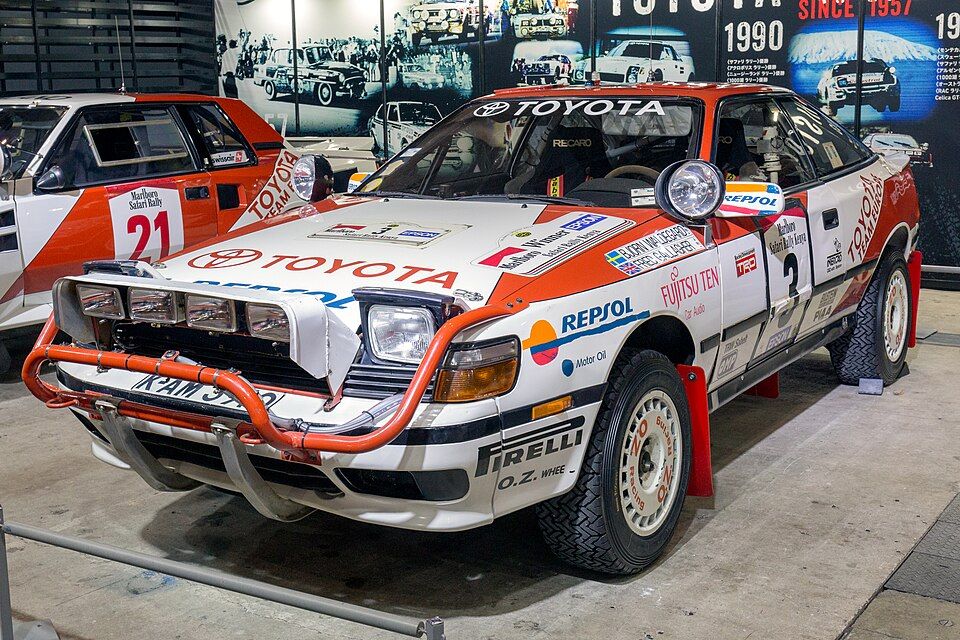
Photo: 1990 Toyota Celica GT-Four ST165 by Morio, CC BY-SA 4.0, via Wikimedia Commons.
Toyota went all-in on rallying in the nineties. The Celica GT-Four was their road-going key to that plan. Turbo engine. Four-wheel drive. Tough as nails. This car won rallies all over the globe. Mud, snow, gravel. Didn’t matter. And the road version carried that same confidence. It felt solid. Reliable. Ready for abuse. For UK drivers, especially up north where rain is basically a lifestyle, the GT-Four made sense. It handled poor weather without fuss. It felt planted on damp roads where lesser cars felt twitchy. Inside, it was more sensible than some rivals. You could actually live with it day to day. School run. Work commute. Then blast down a twisty road on Sunday morning. Prices are climbing now, but they still feel like a usable classic. And that’s appealing. A car with a proper motorsport past that you wouldn’t be scared to park in Tesco. At Dace Motor Company, we love cars like this. Performance with a practical side. Race born, but still happy dealing with real life.
Subaru Impreza 22B - the fan favourite
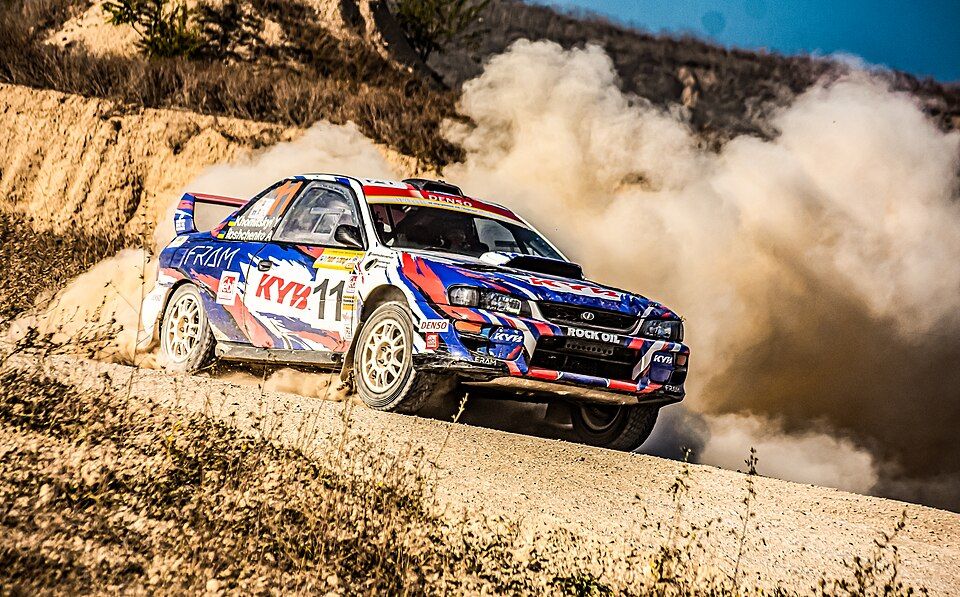 Photo: Subaru Impreza 22B by ???????? ????????, CC0, via Wikimedia Commons.
This is the poster car. The one people had on their bedroom walls. Blue paint. Gold wheels. Big wing. The Subaru Impreza 22B was built to celebrate rally success, and Subaru went all out. They made just a few hundred. Wider body. Bigger engine. Tuned suspension. It looked like a WRC car that escaped onto the road. Driving one feels special straight away. The engine noise. The grip. The way it squats and goes when you accelerate. Even at normal speeds, it feels serious. This car made rally heroes out of drivers like Colin McRae. And that connection mattered. Owners felt like they were part of something bigger every time they turned the key. On British roads, it was quick but usable. Five doors. Space for friends. You could drive it through town without feeling like you were wrestling a race car. Until you pressed on, that is. Today, 22B values are sky high. But its influence lives on. Every fast Subaru since owes something to this legend.
Mitsubishi Lancer Evolution VI Tommi Mäkinen Edition
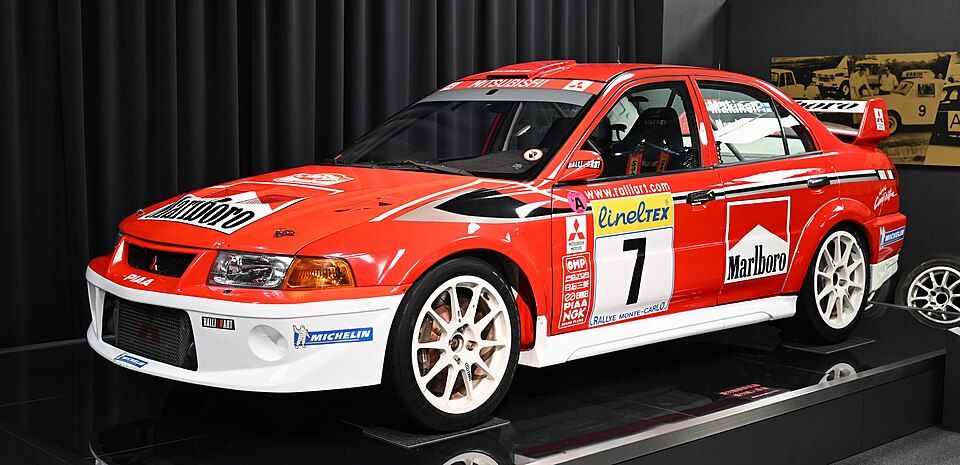
Photo: 2001 Mitsubishi Lancer Evolution VI Tommi Mäkinen by TTTNIS, CC0, via Wikimedia Commons.
Mitsubishi built the Evolution to win rallies. Plain and simple. The Tommi Mäkinen Edition was a special version celebrating their star driver’s success. It had sharper suspension, quicker steering, and tweaks that made it feel dialled in straight from the factory. This wasn’t a comfort upgrade. It was about feel. On the road, it felt intense. Steering buzzing with feedback. Engine always ready. It begged to be driven properly. Even normal journeys felt exciting. Like the Subaru, it worked well on UK roads. Rain didn’t scare it. Poor surfaces didn’t upset it. It felt made for back roads and grey skies. You wouldn’t call it quiet or gentle. But it was honest. What you felt through the wheel was real. And drivers loved that. These cars built huge followings. Owners waved at each other. Talked setups. Compared notes. It was a whole culture.
Porsche 911 GT1 - race car with plates
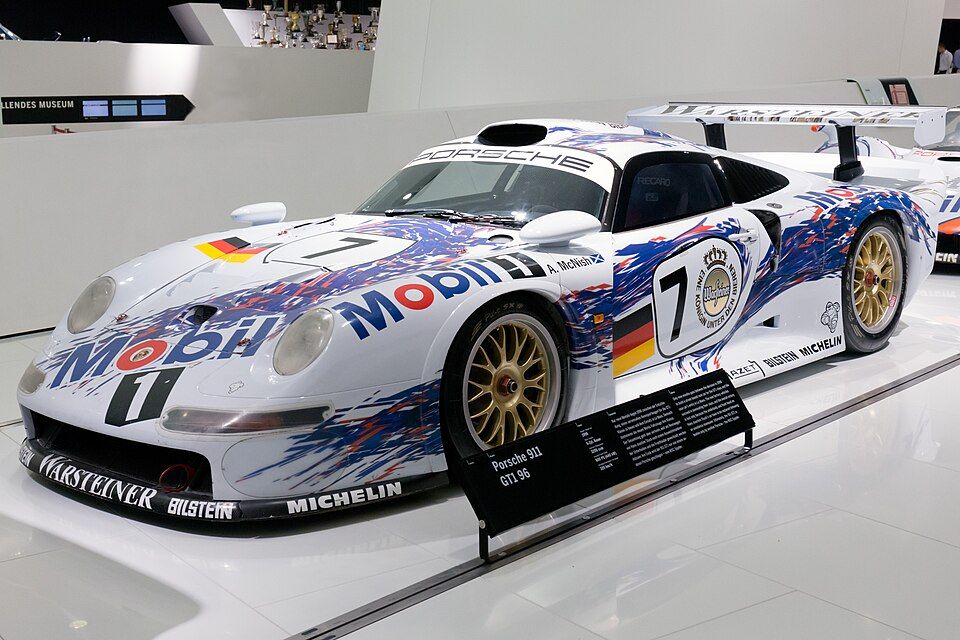
Photo: 1996 Porsche 911 GT1 by Morio, CC BY-SA 3.0, via Wikimedia Commons.
This one feels almost unreal. Porsche built the 911 GT1 to race at Le Mans. To meet rules, they made a tiny number of road versions. They were extreme. Low. Wide. Engine in the middle. Carbon body. The road version was toned down slightly, but not much. This wasn’t for nipping to the shops. It was loud. Firm. Hard to see out of. And stunning. The fact it was legal amazed people. Indicators, plates, mirrors. All the basics. Wrapped around a Le Mans racer. Very few were made. Most live in collections. But they show just how far brands were willing to go to go racing.
Mercedes CLK GTR - totally bonkers
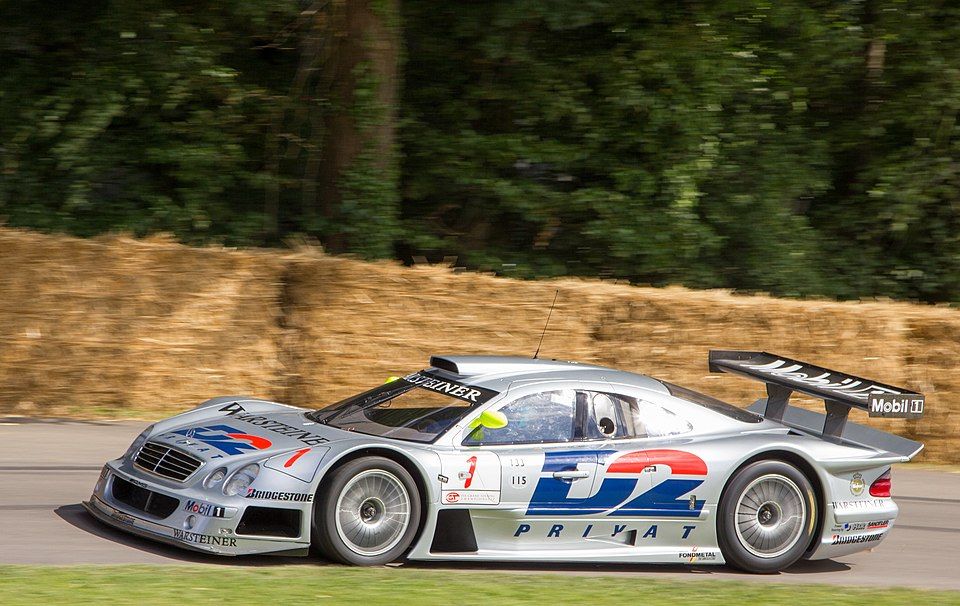
Photo: The CLK GTR at the 2014 Goodwood Festival of Speed (by Stephen Hynds, CC BY-SA 2.0, via Wikimedia Commons).
Mercedes took things even further. The CLK GTR was their answer to racing rules. To race, they sold road cars. So they did. Barely. This thing had a massive engine, race suspension, and looks straight from a track. It made supercars feel tame. Driving one on public roads must feel surreal. Speed bumps would be terrifying. Every journey an event. It’s one of the most extreme road-legal cars ever sold. And it exists because of racing rules. Simple as that.
BMW M1 - the beginning
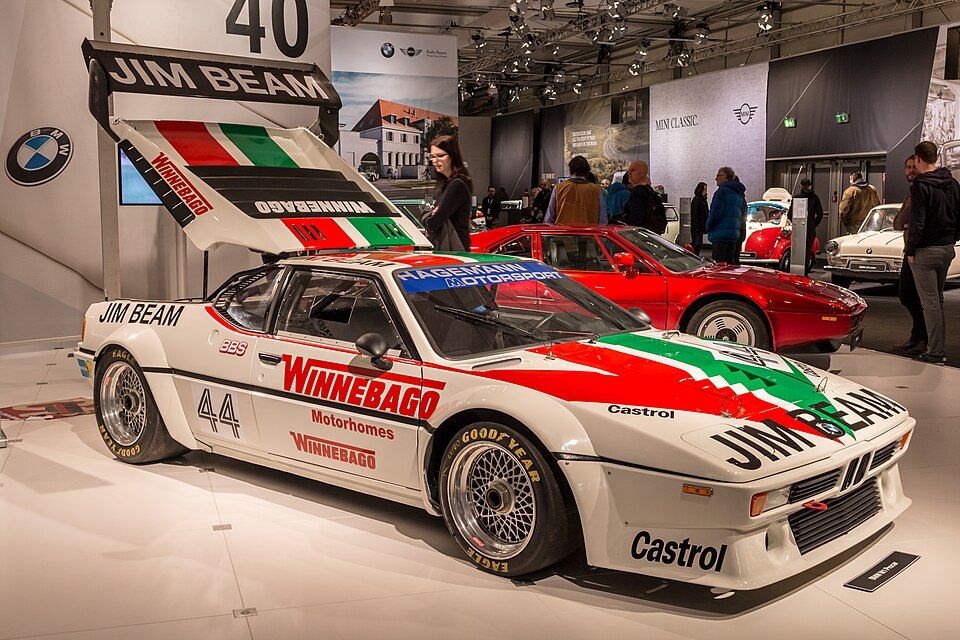
Photo: BMW M1 Procar at Techno-Classica 2018 by Matti Blume, CC BY-SA 4.0, via Wikimedia Commons
Before M cars were everywhere, there was the M1. BMW wanted to go racing. They built a mid-engined supercar to do it. Production was messy. Racing plans changed. But the road car survived. And it was brilliant. Sleek shape. Strong engine. Balanced drive. It felt different from anything else BMW made. The M1 set the tone. Racing DNA. Road manners just about good enough. A legend was born.