


Top 10 Cars That Should Have Been More Successful
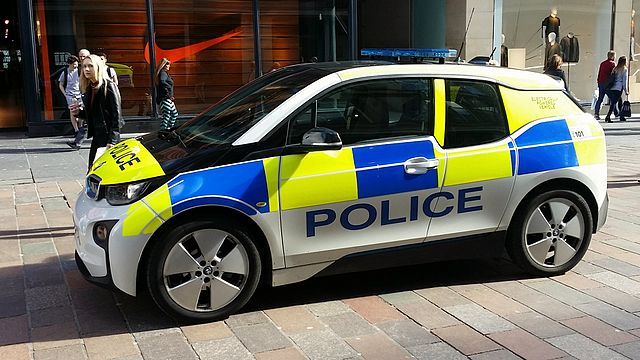
Photo: BMW i3 (Police Scotland) by Steven Straiton from UK, CC BY 2.0, via Wikimedia Commons
You know that feeling when you spot a really smart kid in school who never quite fits in, even though they’re clearly way ahead of everyone else? Some cars are like that. On paper they’re clever, well-engineered, and genuinely good to drive. But they never sell in big numbers because the adverts miss the mark, the price looks scary, or buyers just don’t “get” them. At Dace Motor Company, we spend a lot of time around used cars, and every now and then something lands on the forecourt that makes the team go, “How did this not sell better when it was new?” It’s a bit like walking round the Trafford Centre and spotting a designer jacket on the sale rail that nobody noticed when it first came out. These cars are brilliant, but for one reason or another, the crowd walked past. Maybe the badge wasn’t considered fancy enough, maybe the styling looked odd in pictures, or maybe the adverts were so confusing people never bothered to test drive one. The thing is, once those early buyers ignore them, values drop, and that’s where drivers in places like Stockport, Reddish, Eccles and the rest of Greater Manchester can quietly win. You get clever engineering, smart interiors and strong engines, without paying “brand new” prices. So let’s chat through ten cars that deserved a lot more love at the time. We’ll keep it friendly, straight-talking and imagine you’re sat in our Greg Street showroom with a brew while we point out the unsung heroes you might want to keep an eye out for on the used market.
1. BMW i3 - The electric city car that arrived before people were ready
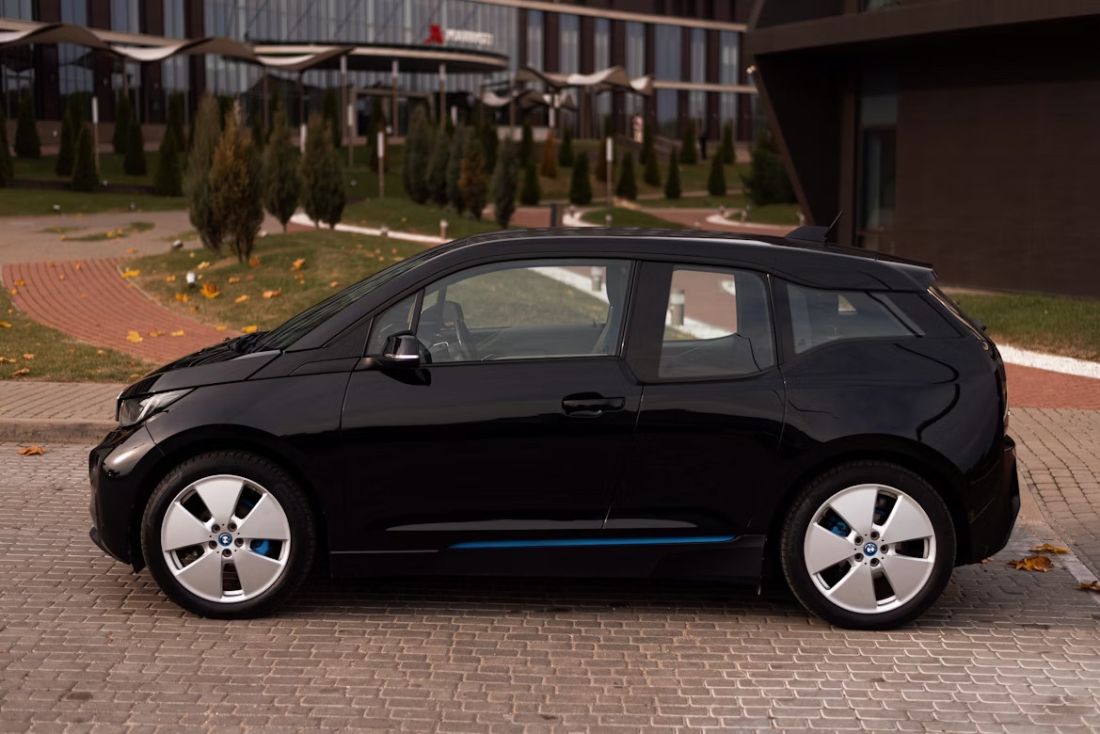
If you live anywhere near Manchester city centre, you’ve probably had that fun little game of squeezing into a tight parking space off Deansgate or down in the Northern Quarter. The BMW i3 was practically built for that kind of life: short, tall, easy to place, and nippy away from the lights. Underneath, it had a really unusual layout for a small car, with a carbon-composite body and a “skateboard” floor stuffed full of batteries, which made it light for an electric car and surprisingly sharp to drive. Motoring journalists loved how different it felt, and some even said BMW had been too brave with the design, both in how it looked and what it was made from.
The problem was the price and the timing. When it came out, electric charging around Greater Manchester wasn’t great, the range looked tiny next to a normal diesel hatchback, and the styling was, let’s be honest, a bit “sci-fi shoebox” for most families. Add in a chunky price tag and relatively cramped boot, and it confused people who thought BMW meant big, comfy motorway bruiser, not a funky electric pod for city streets. Autocar later called it a car that tried to do too much too early and never really found big sales despite all that clever engineering. The story gets more interesting on the used market, though. Because new buyers held back, the i3 fell in value really hard; one owner wrote about buying a car that had lost over forty thousand pounds in nine years, turning it into a bargain way to get a swish interior and fancy tech. So while the marketing and pricing put people off at first, drivers hunting for an electric runabout round the M60 now find themselves getting a lot of car for money that used to only buy a fairly basic hatch.
2. Volkswagen Phaeton - The limo that nobody wanted to say was a Volkswagen
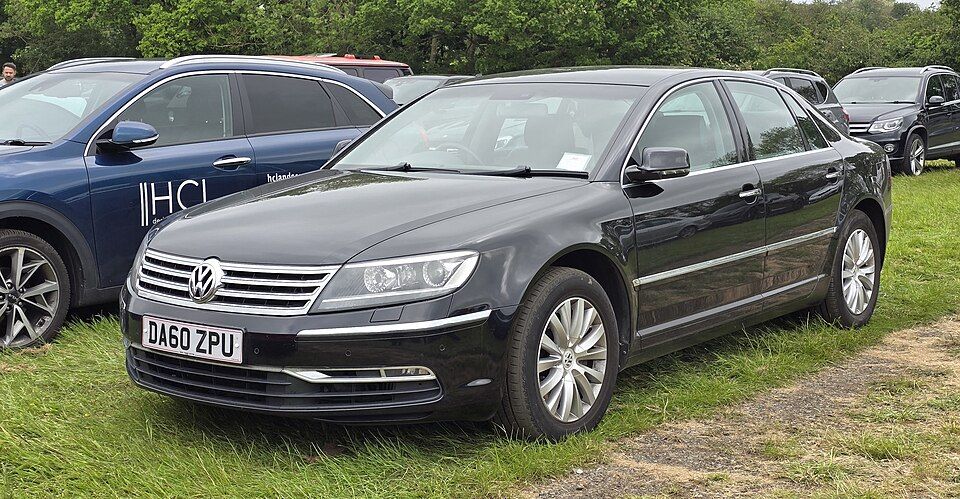
Photo: 2011 Volkswagen Phaeton V6 TDi 4Motion Auto by Calreyn88, CC BY-SA 4.0, via Wikimedia Commons
Picture a car with the comfort of a first-class train seat, the kind of sound deadening that makes the M60 feel like a quiet B-road, and build quality aimed at taking on the Mercedes S-Class. Now give it a VW badge. That was the Volkswagen Phaeton. It was made to prove a point: Ferdinand Piëch, the big boss at Volkswagen at the time, wanted a range-topping saloon that could match or beat the best German luxury cars in silence, ride and engineering. Underneath, it shared a lot with the Bentley Continental, and Top Gear later called it a “gloriously engineered masterpiece” that was let down by everything apart from how good it actually was. The catch? People just weren’t keen on spending “posh limo” money on something with the same badge as a Golf.
In the United States, sales were so poor that the car was pulled from the market after only a few years, and worldwide production over about 15 years ended up at just over eighty thousand cars, way below what was hoped for a flagship model. Audi’s boss in America even suggested the weak sales came from Volkswagen underestimating how little buyers wanted a super-expensive VW, and he reportedly lost his job for being that blunt. So you had a car that was incredibly comfortable, loaded with tech, built to a very high standard, but wrapped in branding that didn’t match the price. The adverts never quite nailed who it was for, and it was too invisible for people who wanted to show off outside restaurants in Spinningfields. On today’s used market, though, the situation flips round. If you’re the kind of driver who cares more about how a car rides down the A6 to Stockport than what badge is on the boot, a well-looked-after Phaeton can give you Bentley-ish vibes for money that would otherwise get you something far less special-provided you’re ready for big-car running costs and you find one with a good history.
3. Citroën C6 - The sofa-on-wheels that nearly nobody bought
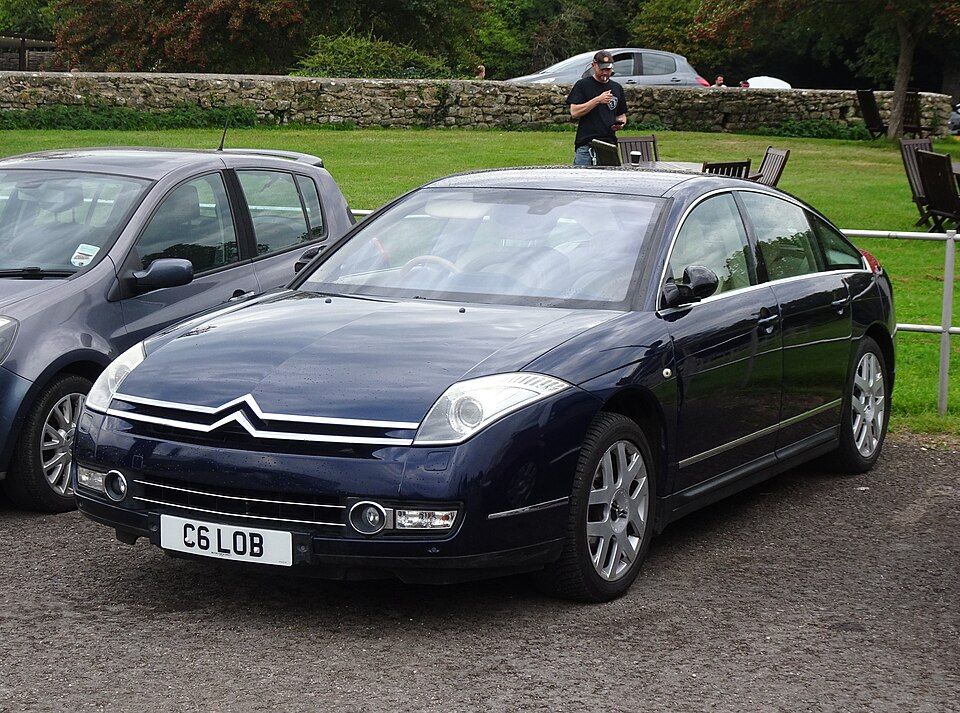
Photo: 2009 Citroën C6 2.7 TD by andreboeni, CC BY 2.0, via Wikimedia Commons
If you spend a lot of time on the A34 or slogging through traffic on the Mancunian Way, comfort starts to matter more than anything else. The Citroën C6 was built with that exact idea in mind. It arrived in the mid-2000s as a big French luxury saloon with hydropneumatic suspension that seemed to float down rough roads, a swoopy body with a concave rear window, and loads of gadgets like a head-up display and active rear spoiler. Motoring shows like Top Gear praised it for its style and ride, and French presidents used them as official cars, which tells you it wasn’t just another normal saloon. The problem is that in Britain, very few people trusted Citroën at the expensive end of the market. One analysis reckoned fewer than a thousand were sold new here, and by 2024 only around three hundred and fifty were still on the road. Enthusiast writers have described the C6, along with cars like the Renault Avantime and Vel Satis, as models that “didn’t deserve” their poor reception, saying sales were dismal even though the basic ideas were brave and clever.
That’s classic “great car, weak marketing” territory. Citroën never really explained to company car drivers why they should drop their German saloons and hop into something that looked like a concept car. Residual values looked scary to fleet managers, dealers didn’t push it hard, and reliability worries hung over it like Manchester drizzle over Piccadilly Gardens. The thing is, anyone who has owned one talks about that magic carpet ride and how it makes long trips easier on your back and legs, almost like having your own private lounge gliding over the tarmac. From a used-car point of view, that combo of tiny sales and brave styling means you can sometimes find a huge amount of comfort and uniqueness for family-saloon money-as long as you’re honest with yourself about upkeep and you buy one that’s been cared for, with proof of work done. That’s exactly the sort of thing our team at Dace Motor Company looks for: rare, clever cars that actually work for real-life driving round Cheshire and Greater Manchester, not just for glossy brochures.
4. Renault Avantime - The sci-fi family coupe that confused everyone
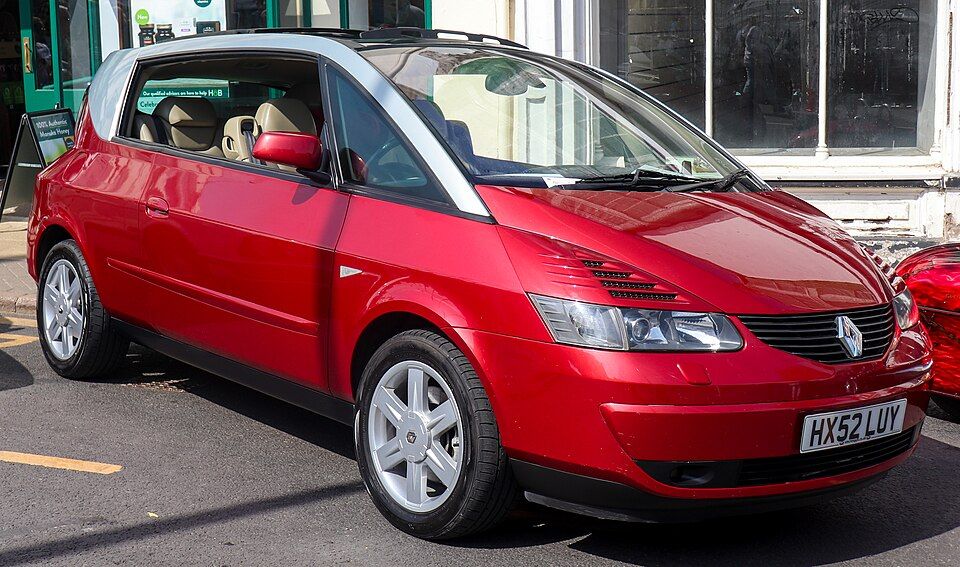
Photo: 2002 Renault Avantime Privilege Automatic 3.0 by Vauxford, CC BY-SA 4.0, via Wikimedia Commons
Imagine someone in a design studio saying, “What if we mash a people carrier and a coupe together, give it huge glass doors, loads of glass roof, and bright colours, and just go for it?” That was the Renault Avantime. The name literally means “ahead of time”, and car historians keep using that line because, well, it kind of was. It was a tall two-door with huge windows and a very airy cabin, built by Matra for Renault, and now writers describe it as a modern classic that was just too radical for the conservative buyers of the early 2000s. Renault originally expected to sell around fifteen hundred a year in the UK, but in reality only about four hundred and fifty were sold here, and just over eight and a half thousand worldwide before the plug was pulled after three years. The adverts never really nailed what it was for. Was it a stylish family car for the school run?
A posh grand tourer for big motorway trips? A design statement for people who liked being stared at in supermarket car parks? The message got muddled, and buyers seemed to shrug and go back to normal saloons and conventional people carriers. Later, writers have argued cars like the Avantime, C6 and Vel Satis all suffered the same fate: brave ideas that deserved to sell at least double what they did, but got lost because marketing folk and dealers didn’t know how to explain them. For drivers round Manchester and Stockport today, that makes the Avantime a bit like spotting a rare shirt in Afflecks that nobody else has. It’s quirky, comfy and very distinctive, and on the used scene it brings a sense of fun that you just don’t get in a normal family crossover. You do have to care about parts, specialist garages and keeping it nice, though, so it’s more for someone who enjoys cars as a hobby than a “buy it and forget it” shopper.
5. Lexus GS F - The Japanese V8 that never scared the Germans on paper
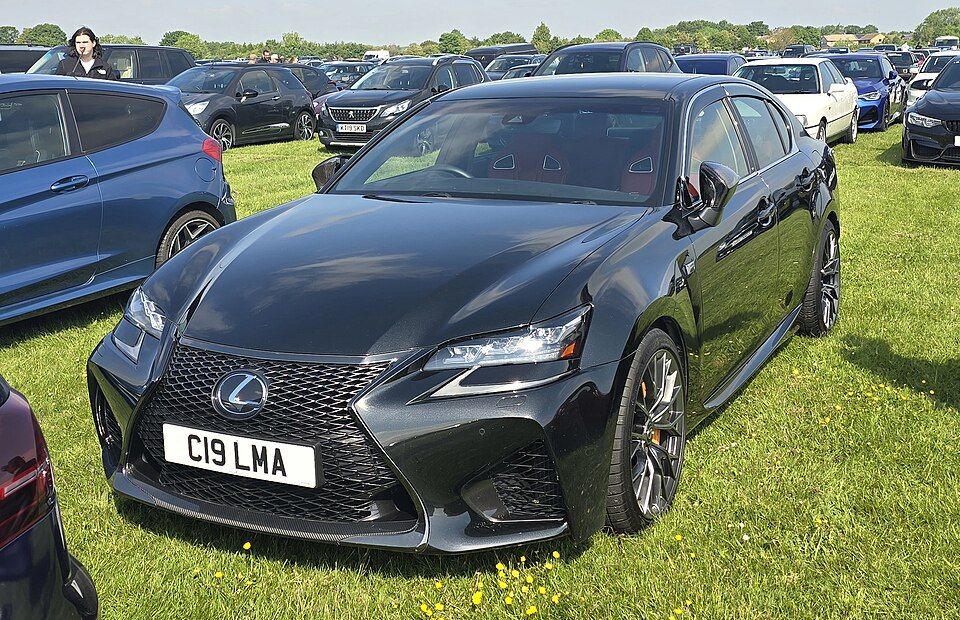
Photo: 2016 Lexus GS F by Calreyn88, CC BY-SA 4.0, via Wikimedia Commons
If you stand on a bridge over the M60 at rush hour, most of the plush big saloons you see cruising past are German. BMW 5 Series, Audi A6, Mercedes E-Class - they’re everywhere. Lexus tried hard to elbow into that space with the GS range, and the high-performance GS F was the spicy version with a five-litre V8 and rear-wheel drive. Reviewers praised that engine and the way the car handled, calling it a rare high-revving V8 saloon that felt special and quite old-school in a good way. But on paper, if you lined it up on a spec sheet, the numbers didn’t shout as loudly as the rivals from Germany. It had less peak bhp than some competitors, and the interior tech and infotainment controls were criticised for being fiddly next to slick German screens. That meant company car buyers and badge-conscious drivers largely stuck with what they knew, and Lexus ended production of the GS in Europe in 2018 after years of relatively low sales.
The funny thing is, years later writers and owners have started talking about the GS F as a “sleeper” - a car that delivers a great driving experience and serious reliability while being almost invisible to people chasing the latest fashion. One article described it as a sports saloon that nobody talked about when it was new, now quietly gaining fans on the used market because of that big V8 and strong build. Marketing for the GS line seemed too gentle, too safe, and never really hammered home why a quieter, longer-lasting alternative to a German saloon might actually be exactly what a stressed commuter on the A560 needs. Around places like Cheadle and Didsbury, where driveways are full of mid-size saloons and SUVs, a used GS F gives drivers who care about feel and sound something different without shouting about it. For a used dealer like Dace Motor Company, it’s a perfect example of a car where the engineering and reliability reputation aged better than the sales charts suggested.
6. Toyota GT86 & Subaru BRZ - The fun coupe that buyers said they wanted, then ignored
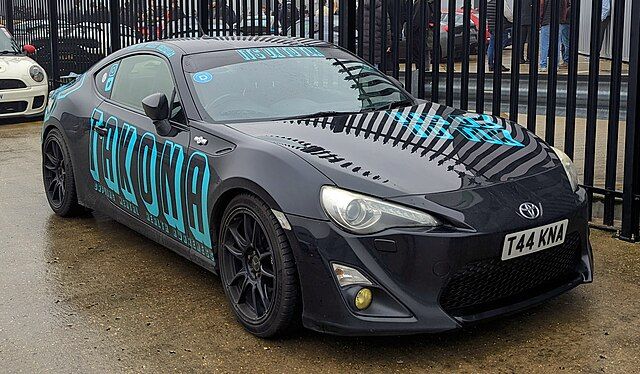
Photo: 2014 Toyota GT86 by Calreyn88, CC BY 4.0, via Wikimedia Commons
For years, car fans moaned that there weren’t enough small, light, rear-wheel-drive coupes around. Then Toyota and Subaru teamed up and built exactly that: the GT86 and BRZ. Reviewers praised the GT86 in particular for its light body, back-to-basics rear-drive balance and characterful flat-four engine, saying it was more about feel and feedback than straight-line speed. On twisty roads out towards the Peak District, that kind of car makes complete sense, giving you a playful balance at sane speeds, with a manual gearbox and a low driving position that makes you feel properly involved. The issue was that buyers as a group are a bit less romantic. A PistonHeads piece pointed out that British sales for the GT86 peaked at around 1,700 in 2013, then dropped below 500 a year by 2018. The Subaru BRZ never sold more than about 150 units in a single year here, with total UK sales under a thousand - rarer than plenty of supercars.
A lot of people looked at the price and decided that for similar money they could get a faster hot hatch with more doors, more boot space and an easier life in city traffic. Others grumbled about the firm ride, noisier cabin and slightly awkward boot opening, which made it harder to live with as an only car. The marketing leaned heavily on drift angles and track days, which probably scared off the kind of driver who just wanted something fun for the ring road and the occasional B-road blast. So you ended up with a car that the car magazines raved about and internet forums loved to discuss, but that didn’t quite work for the average family buyer walking into a Toyota or Subaru dealer in Stockport. On the used market today, that means your chances of bumping into another one in the Asda Hazel Grove car park are slim, and if you do take the plunge you get a car that still feels fresh as a driver’s toy, because the whole idea was solid even if the mainstream market shrugged and walked back to their crossovers.
7. Mazda RX-8 - The high-rev rotary that scared buyers with scare stories
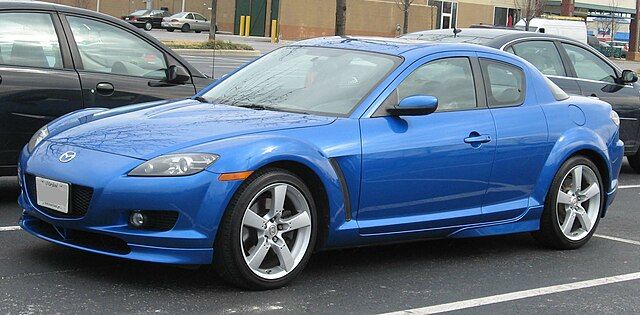
Photo: 2007 Mazda RX-8 by IFCAR, Public domain, via Wikimedia Commons.
Out on the A57 or Snake Pass, a light, sharp coupe that loves revs sounds like exactly what any keen driver would want. The Mazda RX-8 was built around that idea, with a rotary engine that revved freely and a clever layout giving it a long bonnet, rear-drive balance and small rear doors to keep it almost practical. In period, journalists and presenters like Jeremy Clarkson praised it, calling it one of the easiest cars to drive fast and a great mix of sports coupe fun with enough space for kids in the back. The trouble started when stories spread about engine failures, flooding issues and higher fuel use, especially from early cars. CarBuzz and others have explained that some model years had real trouble with the rotary, and that neglect made things worse, which hammered values and scared casual buyers.
A TopSpeed article recently summed it up as a car with brilliant chassis balance and a unique engine that never really turned into a strong seller, partly because of those reliability worries and partly because emissions rules forced it off sale in Europe by 2010. Mazda didn’t always help themselves with clear explanations either; a rotary needs different care habits, like warming up properly and respecting oil checks, and that message never really landed with the average driver in places like Salford or Stockport who just wanted a sporty car to jump into and go. So the RX-8 ended up stuck with a strange mix of glowing handling reviews and horror tales about engines, which crushed new-car demand. Today, that history means used prices can look tempting, with some cars advertised for less than many small hatchbacks, while nicer low-mileage examples sit in that “modern classic” bracket. If you’re considering one as a weekend toy around Greater Manchester, the key is finding a specialist who knows them and budgeting for proper maintenance. Get that right, and you’re driving a car that feels very special, even if the sales charts from back in the day suggest most buyers never gave it a chance.
8. Honda S2000 - The screaming roadster that scared the cautious crowd
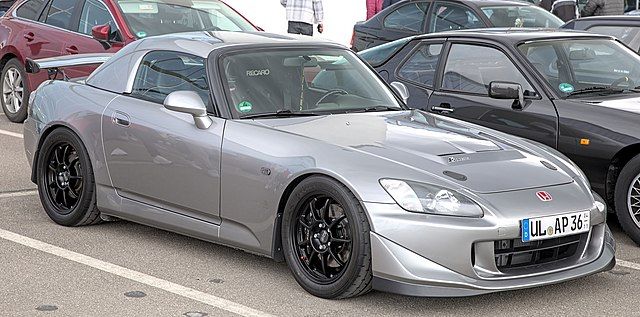
Photo: Honda S2000 tuning in Böblingen by Alexander-93, CC BY-SA 4.0, via Wikimedia Commons
If you’ve ever been stuck on the M602 in drizzle, it’s hard to imagine why anyone would choose a rear-drive roadster with a high-revving engine over a quiet diesel. But get past Bury or head out towards the Peaks and suddenly a car like the Honda S2000 makes sense. It was a two-seat convertible with a two-litre engine that spun up to around nine thousand revs, and an interior inspired by racing, with digital instruments and a start button. Motoring journalists loved it; Honda itself proudly bragged that the car was voted “Cabrio of the Year” at Geneva in 1999, and American magazine Car and Driver put it on their 10Best list several times. Yet, compared to cars like the Mazda MX-5, the S2000 never turned into a huge sales hit. Some drivers found the engine too peaky, with not much low-down shove for lazy cruising, and early cars had a reputation for being a bit snappy at the limit if you pushed too hard on wet roads.
Later updates calmed things down, but by then the image was set: this was a serious driver’s car rather than a laid-back cruiser. Insurance costs, running costs and a higher new price kept more casual buyers away, and by the time people really started to realise how special it was, production had ended. Today, writers still talk about it as one of the best driver’s cars of its era, with recent articles even handing “Drive of the Year” style praise to well-kept examples many years after the last one left the factory. That’s a classic case of marketing and timing not matching the car’s true character. Honda built something that rewarded commitment and skill, but the brochures and showroom chat sometimes sold it like a straightforward rival to softer roadsters. On the used market around Manchester and Stockport, clean S2000s are now in that “future classic” place, with prices to match, yet for the right person they give you a level of excitement you’d struggle to find in any modern crossover parked outside the Etihad or Old Trafford.
9. Alfa Romeo 159 - The gorgeous saloon that couldn’t shake old worries
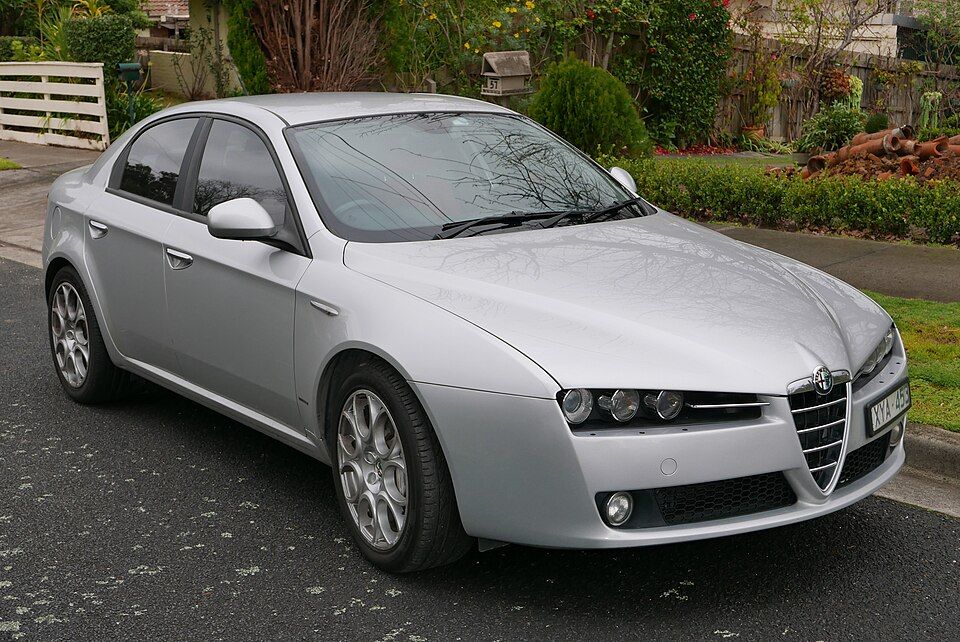
Photo: 2007 Alfa Romeo 159 JTS Q4 by OSX, Public domain, via Wikimedia Commons.
Walk past an Alfa Romeo 159 in a car park in Stockport and it still looks sharp today: low stance, tidy lines, that classic Alfa nose with the shield grille and triple headlights. Enthusiast sites have called it a “very nicely done Alfa saloon” and praised the six-lamp front end, even if they admit the rear isn’t as pretty as the front. Inside, with the right spec, you got a lovely driving position and plenty of character compared to some fairly grey German interiors. But here’s where the story turns. Alfa as a brand had been fighting a reputation for rust, reliability questions and scary resale values for years. One discussion about the 159 pointed out that many cars ended up cheap partly because of issues like gearbox and timing chain problems, combined with the general fear buyers already had about the badge. A wider piece on the Fiat group’s troubles in mid-size and larger segments described how brands like Alfa, Lancia and others repeatedly struggled to compete with German saloons, meaning their bigger cars became niche choices.
So you had a handsome, well-sorted saloon that, in the right version, drove very nicely, but sat in showrooms with a cloud of doubt hanging over it. Marketing leaned heavily on passion and image, but didn’t convince enough sensible heads in offices around Manchester that the numbers would add up when it came time to sell the car on. Fleet buyers largely avoided it, which meant fewer cars on the road, fewer word-of-mouth good stories, and a self-fulfilling loop where fears about resale actually caused the weak resale. On today’s used market, that gives brave buyers a chance. A good 159 with proof of proper maintenance can deliver a stylish daily for runs down the A6 into town, feeling special in a way a more common saloon never does. At the same time, it’s exactly the kind of car where we at Dace Motor Company pay close attention to history checks and condition, because the gap between a great one and a neglected one can be huge.
10. Saab 9-5 (second generation) - The smart saloon that arrived just as the brand collapsed
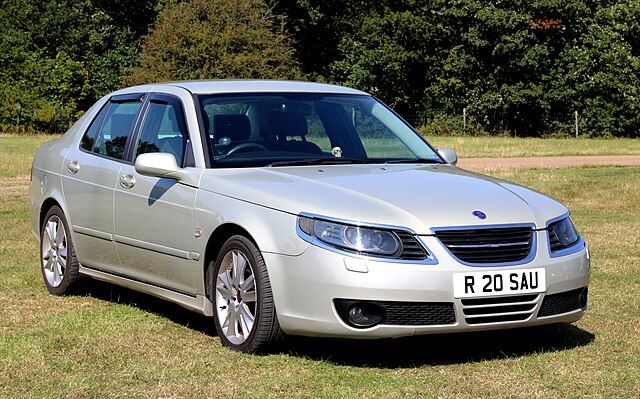
Photo: 2007 Saab 9-5 TiD Sport Diesel by Charles01, CC BY-SA 4.0, via Wikimedia Commons
Saab is one of those names older drivers around Manchester still mention with a bit of nostalgia. The last big new model the company launched was the second-generation 9-5, shown in 2009. It was a sleek, aerodynamic saloon with a cabin that felt modern and airy, and early reviews praised its comfort, driving manners and clean Scandinavian design. Many people inside and outside the company hoped it would be the car that turned Saab around. In reality, the timing was terrible. Financial problems were stacking up, ownership was messy, and by 2011 Saab had filed for bankruptcy. Production of the new 9-5 stopped at around eleven thousand three hundred units, a tiny number for a car that was meant to compete with heavy hitters like the 5 Series and E-Class. That meant marketing never really got going; instead of long campaigns and big dealer pushes, you had a brand trying to stay alive while this genuinely pretty, capable saloon quietly slipped through the cracks.
Enthusiasts now talk about it as a “killed before its time” model, with some describing it as the start of a new chapter that never had a chance. You can imagine someone in 2010 wandering into a Saab showroom on a rainy day in Manchester, loving the test drive, then seeing worrying headlines about the company’s future and backing out. That’s not a product problem, that’s pure timing and confidence. On the used market, the tiny production run makes these cars rare sightings; if you see one on the M62 or parked up near MediaCity, you’re looking at a car with a small but very loyal fan base. For buyers, they offer that mix of comfort, safety focus and individuality Saab was known for, but with the added spice of rarity. The downside is parts supply and long-term support, which is why anyone tempted needs to be realistic and stick to cars with strong history and signs of careful ownership rather than chasing the cheapest one online.
Pulling it back to Manchester and Stockport - why these “nearly” cars matter to you
So why spend all this time talking about cars that flopped, or at least didn’t sell in the numbers they deserved? Because if you live around Stockport, Manchester, or anywhere in the North West and you’re thinking about your next used car, this stuff quietly matters. The market doesn’t care how clever a suspension system is, how smooth a V8 feels on the A34, or how nicely a carbon-bodied electric hatch darts through city streets. It cares about what sold easily when new and what buyers recognised from adverts on the telly. That gap between actual quality and public mood is where used-car buyers can do well. Cars like the BMW i3, Citroën C6, Volkswagen Phaeton, Lexus GS F, Toyota GT86, Mazda RX-8, Honda S2000, Alfa 159, Saab 9-5 and Renault Avantime all show how brilliant engineering can be sunk by confusing marketing, badge snobbery or bad timing. For drivers, that means if you do your homework, get proper history checks and speak to people who live and breathe used cars, you can end up with something more interesting and more satisfying than the “obvious” choice. At Dace Motor Company, we see our Stockport and Manchester branches as places where these stories come to life. Our Greg Street site, our specialist centres on Buxton Road and Manchester Road, and our Eccles showroom regularly see cars that were misunderstood when they were new but make brilliant sense as used buys, especially with sensible finance and support in place. We’re big on making sure everything is checked, test-driven and explained in normal language, so you know what’s clever about a car, what might need extra care, and whether it suits your actual life - school runs, Tesco trips, Trafford Centre days out and all. If you’ve ever looked at a slightly unusual car online and thought, “That looks brilliant, but I’m not sure,” you’re exactly the sort of person these underrated models were built for. Sometimes the best car for your daily grind round Greater Manchester isn’t the one that shouted the loudest in the adverts; it’s the one quietly waiting on a used forecourt, full of smart engineering that the marketing department just didn’t manage to explain.