


TOP 10 cars that have lost the most value
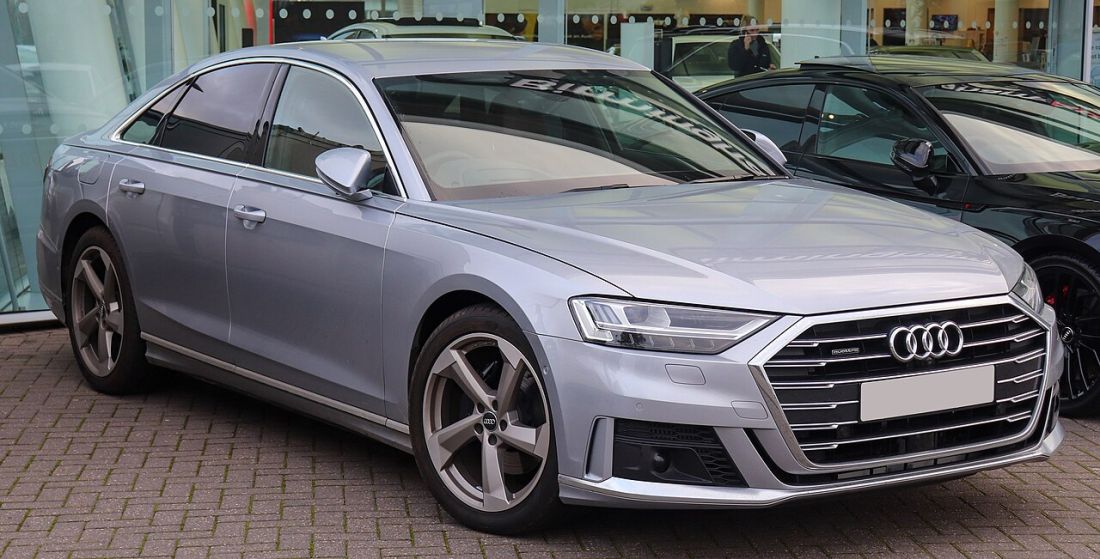
Photo: 2020 Audi A8 by Vauxford, CC BY-SA 4.0, via Wikimedia Commons
You know how it is. You see a shiny car, the paint looks mint, the seats smell fresh, and the dashboard looks like it belongs in a spaceship. Then someone says, “Yeah, but what’ll it be worth in three years?” Suddenly the excitement takes a bit of a knock. That drop in value is called depreciation, which is just a simple way of saying how much money a car loses between the day it’s bought and the day it’s sold. It’s not the most fun bit of car buying, we’ll be honest, but it can make a massive difference to your wallet. If you’re buying brand new, heavy depreciation can hurt. If you’re buying used, it can be your mate. The first owner may have taken the big hit, leaving you with a newer car for far less money. That’s why we’re looking at the cars that have lost the most value. Not to point and laugh. Well, maybe a tiny bit. But mainly to help you spot where the real used-car bargains might be, whether you’re heading down the M60, doing the school run in Stockport, or nipping from Eccles to the Trafford Centre on a wet Saturday afternoon.
How this top 10 was put together
There isn’t one single magic list that every car expert agrees on. Car values move all the time, and they can change depending on mileage, age, colour, trim, fuel type, condition, service history, and even what buyers are excited about that month. For this blog, Dace Motor Company has used recent UK depreciation data from Auto Express as the main guide. That table compares average new prices with average retained values after three years and 36,000 miles. We’ve also checked wider UK electric car market data from What Car?, DrivingElectric, Auto Trader, Carwow, and the Society of Motor Manufacturers and Traders, because electric cars show up a lot in these lists and it helps to know why. Auto Express says the worst performers can keep only around a quarter to a third of their original list price after three years, while stronger cars may hold closer to 60 or 70 percent over a similar period. That’s a big gap. Big enough to change the whole deal. The key thing to remember is this: a car losing loads of value doesn’t always mean it’s a bad car. It may mean it was too pricey when new, had a limited range, had too much competition, or just didn’t catch on with buyers. Used car shoppers can sometimes turn that into a proper win.
10. Audi A8
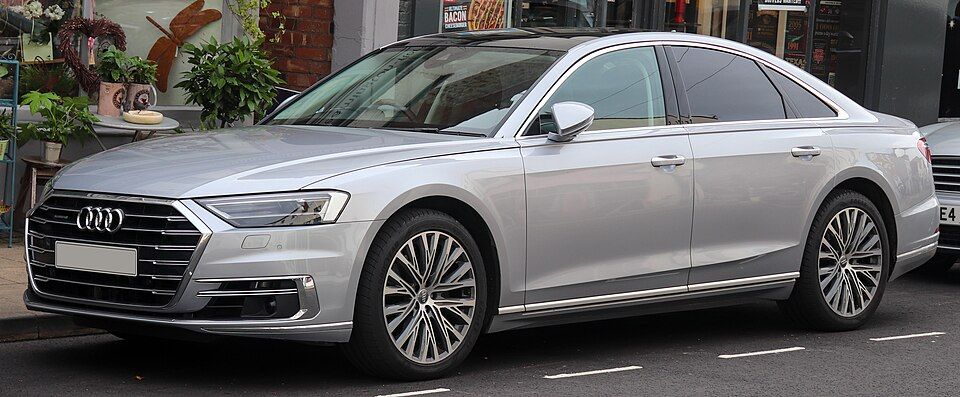
Photo: 2018 Audi A8 50 TDi Quattro Automatic 3.0 by Vauxford, CC BY-SA 4.0, via Wikimedia Commons
The Audi A8 is the kind of car that makes you feel like you should be sitting in the back with a newspaper, even if you’re only going to Asda. It’s big, smooth, quiet, and full of kit. New, though, it costs serious money. Auto Express puts the Audi A8 60 TFSIe at an average new price of £103,275, with an average part-ex value of £31,750 after three years and 36,000 miles. That means it keeps just 30.74 percent of its value. Ouch. The What Car? data also shows another A8 version taking a big hit, with a list price of £82,485 and a three-year resale value of £25,900. That’s the kind of drop that makes you stare at the numbers twice. For a used buyer, though, it’s a different story. A used A8 can give you that “posh airport transfer” feeling without the new-car bill. But be careful. Big luxury cars can come with big running costs. Tyres, servicing, insurance, and repairs won’t suddenly become small-car money just because the car’s used price has dropped. If you’re looking at one around Manchester or Stockport, check the service history properly and make sure every gadget works. A cheap luxury car can be lovely. A neglected one can be a headache with leather seats.
9. Fiat 500e
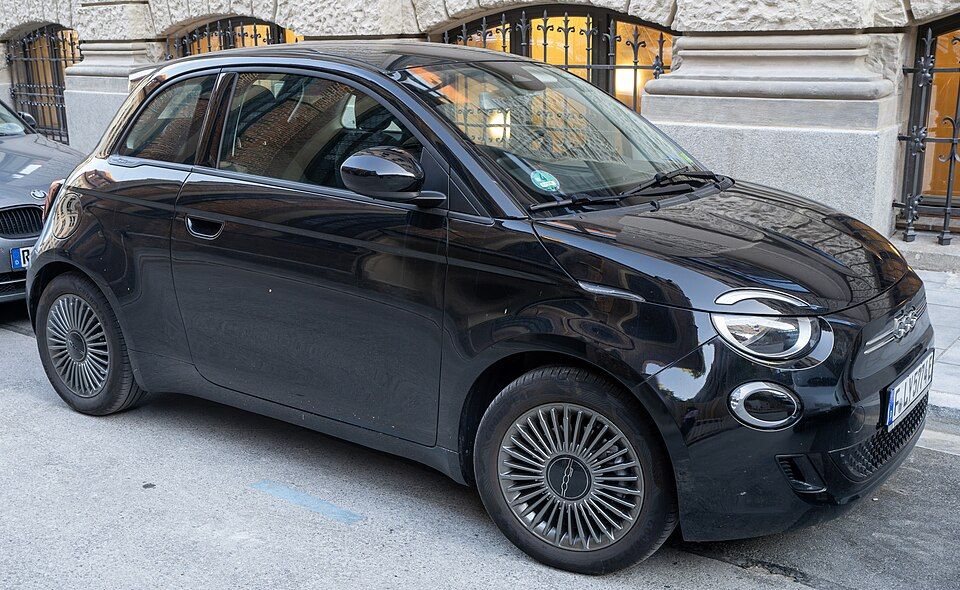
Photo: Fiat 500e by AuHaidhausen, CC BY 4.0, via Wikimedia Commons
The Fiat 500e has style in buckets. It’s small, cute, easy to park, and just feels right for city driving. Think tight streets around Chorlton, quick trips into Stockport town centre, or squeezing into a space near the Arndale without needing five attempts and a deep breath. But style doesn’t always protect a car from losing money. Auto Express places the Fiat 500e 42kWh Giorgio Armani at number nine on its fastest-depreciating list, with an average new price of £33,985 and an average retained value of £10,425 after three years. That’s 30.68 percent retained value. For the first owner, that’s rough. For the second owner, it could be pretty tempting. You’re getting a modern electric city car for far less than it cost new, and it’s still got that cheerful Fiat charm. The catch is that small electric cars can be a mixed bag for different drivers. If most of your driving is short and local, it can make sense. If you’re doing long motorway trips every week, you’ll need to think harder about range and charging. Also, trims with fancy styling packs can cost a lot when new, but used buyers may not pay a huge extra chunk for them later. Nice wheels are nice. They don’t always save your resale value.
8. Mazda MX-30
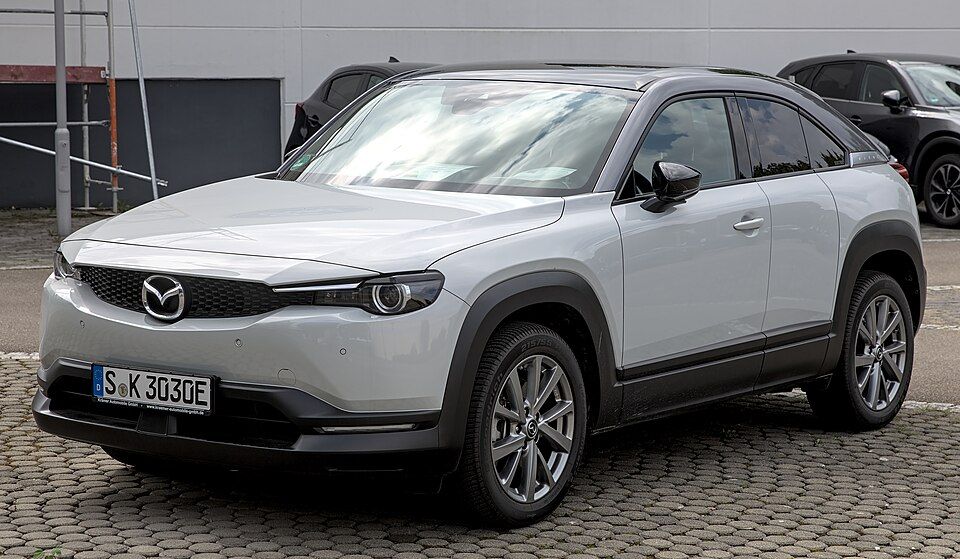
Photo: Mazda MX-30 EV by Alexander Migl, CC BY-SA 4.0, via Wikimedia Commons
The Mazda MX-30 is a funny one. Not funny bad. Funny as in, you can see what Mazda was trying to do, but you can also see why buyers hesitated. It looks smart, the cabin feels classy, and it has those rear-hinged back doors that make it stand out in a car park. But then you look at the range. Auto Express lists the Mazda MX-30 Prime-Line with an average new price of £28,005 and an average retained value of £8,525 after three years. That gives it a retained value of 30.44 percent. What Car? also flags the MX-30 as a fast depreciator, with its Makoto model listed at £32,395 new and £9,900 after three years, keeping 30.6 percent. The short range is a big part of the story. Mazda gave it a smaller battery than many rivals, which can be fine for local trips but less handy if you’re heading from Stockport to the Lakes, or even doing a long day with several stops across Greater Manchester. Still, for the right person, it could make sense. If you’ve got home charging and most journeys are local, a used MX-30 might feel like a clever buy. Just don’t buy one because it looks cool alone. Buy one because the range fits your actual life, not the life you imagine on a sunny brochure day.
7. Vauxhall Astra Plug-in Hybrid
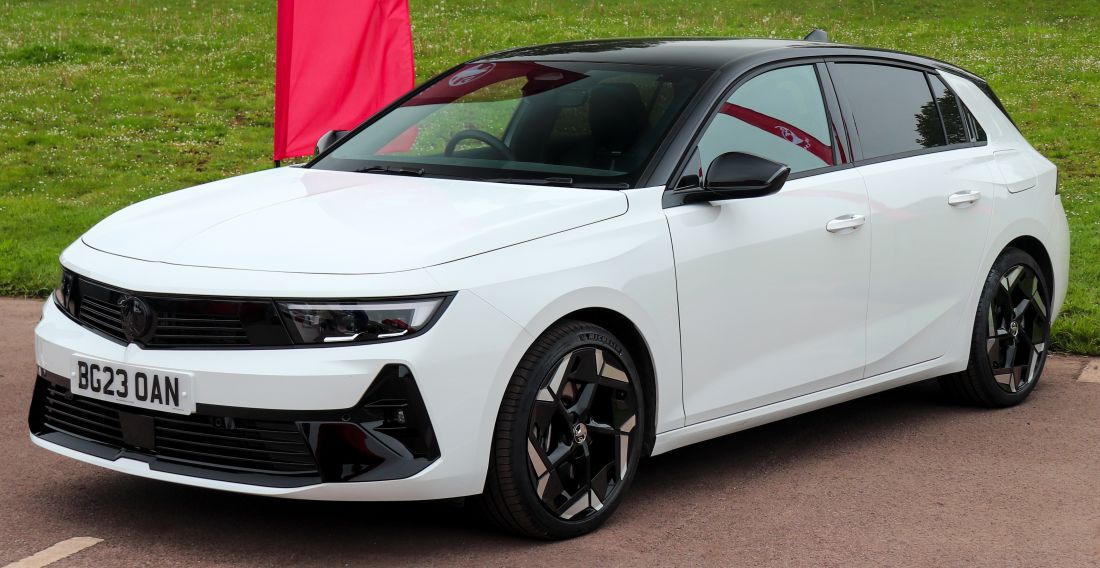
Photo: 2023 Vauxhall Astra GSE PHEV by Vauxford, CC BY-SA 4.0, via Wikimedia Commons
The Vauxhall Astra has been a familiar name on UK roads for years. You’ll see loads of them around Manchester, Stockport, Reddish, and pretty much any supermarket car park you care to name. The plug-in hybrid version, though, has taken a real whack in value. Auto Express lists the Vauxhall Astra 1.6 Plug-in-Hybrid Ultimate with an average new price of £42,830 and an average retained value of £12,525 after three years. That’s 29.24 percent retained value. The big issue here is the new price. Over £40,000 for an Astra is a lot for many buyers to swallow, even if it has useful electric-only driving for shorter trips. And let’s face it, once a car gets used, buyers start comparing it with loads of other options. At around the used value shown in the research, the Astra starts looking far more attractive. You could get a well-equipped family hatchback with a smart cabin, decent punch, and the ability to do short local runs on battery power, if you charge it properly. But plug-in hybrids work best when you actually plug them in. Sounds obvious, doesn’t it? Still, plenty of people forget that bit. If you don’t charge it, you’re carrying extra battery weight without getting the full benefit. For local drivers, it could be a bargain. For the wrong driver, it could just be a heavier petrol car.
6. DS 9
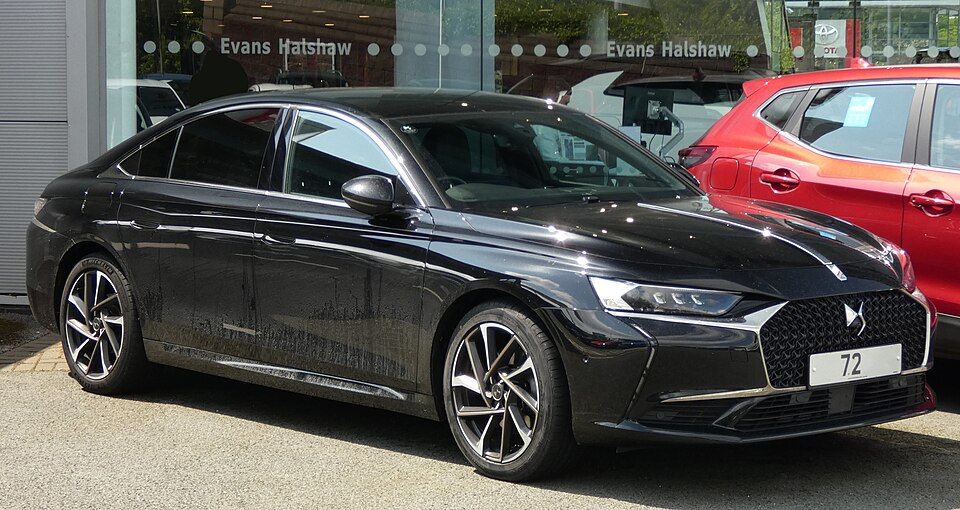
Photo: 2022 DS 9 Rivoli Plus E-Tense PHEV Harvey Bold, CC BY 4.0, via Wikimedia Commons
The DS 9 is one of those cars that makes people tilt their head and say, “What’s that, then?” It’s a large French saloon, and it tries to be a classy alternative to German executive cars. The problem is, the UK market doesn’t always go wild for big French luxury cars. Auto Express lists the DS 9 1.6 E-Tense Opera with an average new price of £64,800 and an average retained value of £18,725 after three years. That means it keeps 28.90 percent of its value. What Car? also has the DS 9 near the top of its depreciation list, with a similar story: high new price, far lower three-year value. For a new buyer, that’s a tough pill. For a used buyer, it’s the kind of car that could make you feel rather smug. You’re getting comfort, space, and a lot of equipment for the price of something far more ordinary. But you need to go in with your eyes open. Rarer cars can be harder to sell again, and some buyers worry about parts, repair costs, and whether their local garage knows the model well. That doesn’t mean avoid it. It means check it properly. Look for a clean history, good servicing, and signs that it’s been cared for. A bargain is only a bargain if it behaves itself after you’ve got the keys.
5. DS 3 E-Tense
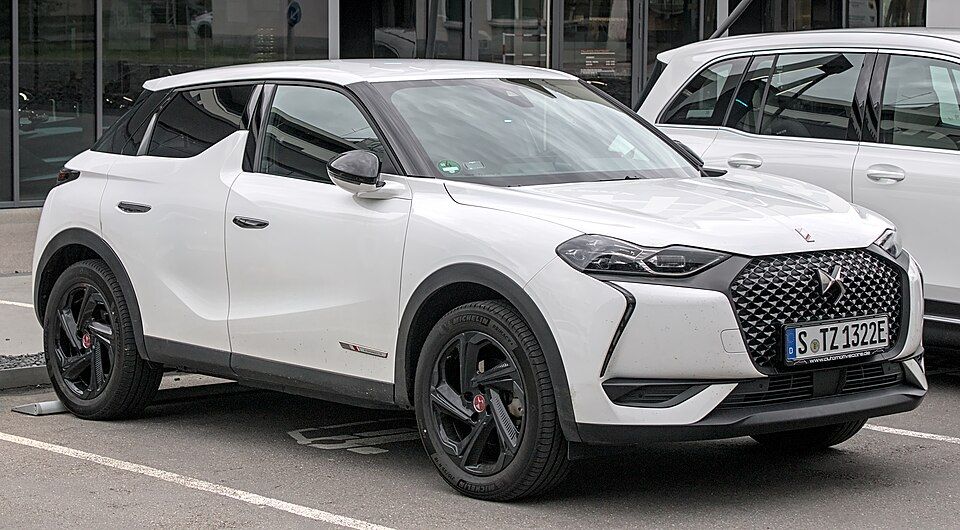
Photo: DS 3 Crossback E-Tense by Alexander-93, CC BY-SA 4.0 via Wikimedia Commons
The DS 3 E-Tense is smaller than the DS 9, but the same basic problem shows up again: it was pricey when new, and used buyers have plenty of choice. Auto Express lists the DS 3 E-Tense 54kWh Pallas with an average new price of £39,210 and an average retained value of £11,325 after three years. That’s 28.88 percent retained value. For a small electric crossover, that’s a heavy drop. The DS 3 has a plush cabin and a softer feel than some rivals, which can suit rougher local roads. Anyone who’s driven around Manchester after a winter knows the roads can feel like a testing ground for suspension. But the DS 3 sits in a busy part of the market. Buyers can compare it with electric cars from Hyundai, Kia, MG, Peugeot, Vauxhall, Volkswagen, and plenty more. When choice grows, prices can get squeezed. That’s good news if you’re buying used. It means a car that looked a bit too dear when new can become much easier to justify after someone else has taken the first hit. Still, do your homework. Check the real range, charging speed, battery warranty, and whether the boot and back seats suit your family. A posh cabin is lovely, but it won’t help much if the pram doesn’t fit or your teenagers are wedged in the back like luggage.
4. Lexus UX-e
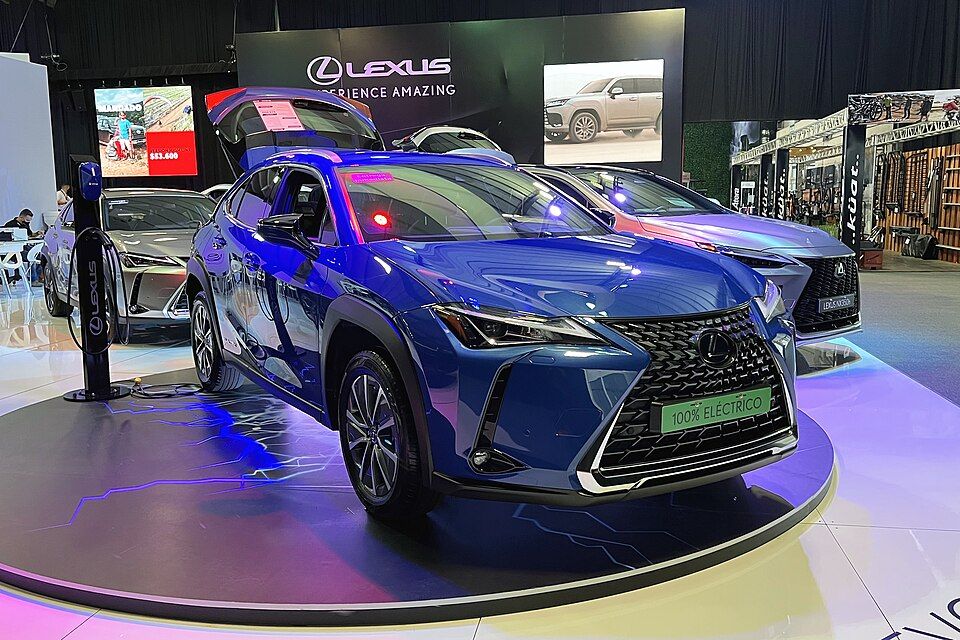
Photo: 2022 Lexus UX300e by Mariordo (Mario Roberto Durán Ortiz), CC BY-SA 4.0, via Wikimedia Commons
Lexus has a strong name for reliability, so seeing one high on a depreciation list feels a bit odd at first. But the Lexus UX-e shows that even a trusted badge can struggle if the electric version doesn’t quite match what buyers want. Auto Express lists the Lexus UX-e 300e 72.8kWh Takumi with an average new price of £51,145 and an average retained value of £14,600 after three years. That’s 28.55 percent retained value. What Car? also includes the Lexus UX300e in its fastest-depreciating list, with a Takumi model keeping 32.5 percent after three years in its data. The big picture is clear: used values have been hit hard. The UX-e is comfortable and well made, and it has that Lexus calmness people like. But it isn’t the roomiest family car, and some rivals offer stronger range, faster charging, or a more practical shape. For used buyers, that price drop can turn it into an interesting choice. If you want a quiet, nicely built electric car and you’re not fussed about having the biggest boot, it could be worth a look. But don’t just buy the badge. Sit in the back. Open the boot. Check your weekly routine. If it fits your life, great. If it doesn’t, the Lexus badge won’t magically make the space bigger.
3. Jaguar I-Pace
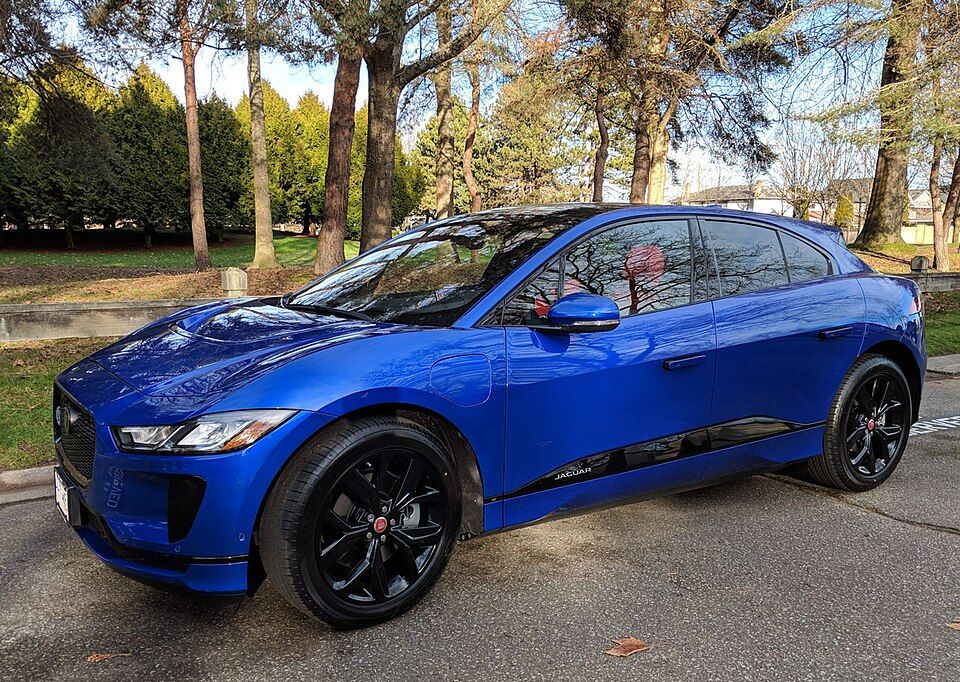
Photo: 2019 Jaguar I-Pace by TimBray, CC BY-SA 4.0, via Wikimedia Commons
The Jaguar I-Pace was a big deal when it arrived. It looked sharp, drove well, and gave Jaguar a serious electric car before many premium brands had caught up. But the market moved quickly, and newer electric cars arrived with longer ranges, lower prices, or fresher tech. Auto Express lists the Jaguar I-Pace 90kWh 400 R-Dynamic S with an average new price of £69,995 and an average retained value of £19,575 after three years. That means it keeps 27.97 percent of its value. That’s a huge fall. Still, and this is where used-car buying gets interesting, a three-year-old I-Pace at a far lower price can be a very appealing thing. You get strong performance, a premium cabin, and a car that still turns heads. Around Stockport Viaduct or through Castlefield, it won’t look out of place at all. But premium electric cars need careful checks. Look into battery health, service history, software updates, tyres, brakes, and any warranty left on the car. Also think about charging. If you can charge at home, life is easier. If you rely on public chargers, be honest about where you drive and how patient you are. The I-Pace can be a smart used buy, but it’s still a premium car. Cheap to buy doesn’t always mean cheap to own. That line has caught plenty of people out over the years.
2. Nissan Leaf
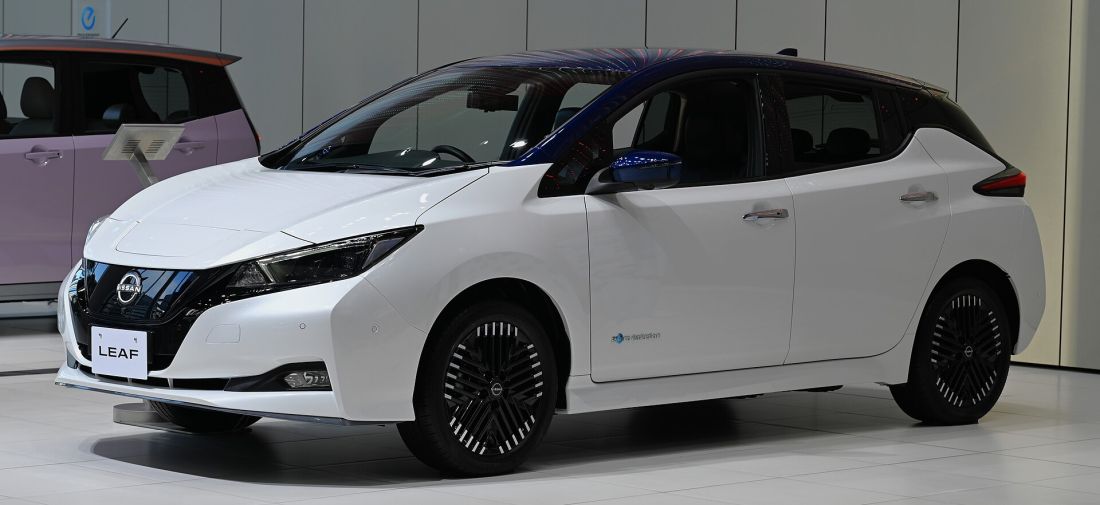
Photo: 2022 Nissan Leaf by TTTNIS, CC0, via Wikimedia Commons.
The Nissan Leaf has been one of the best-known electric cars in the UK for a long time. For many people, it was the first electric car they noticed that looked like a normal family hatchback rather than a science project. But age catches up with cars, and the electric market has changed massively. Auto Express lists the Nissan Leaf 39kWh Acenta with an average new price of £29,290 and an average retained value of £7,775 after three years. That means it keeps 26.54 percent of its value. That’s painful if you bought one new. But used? Now we’re talking. A Leaf can be a cracking local car if the battery is healthy and the range fits your routine. School run, work commute, shops, football training, visiting family in Reddish or Sale, that sort of thing. It’s not the car you’d pick for regular long-distance motorway trips unless you’ve planned charging properly, but for simple day-to-day use it can make loads of sense. The key is battery condition. Don’t just look at the price and smile. Ask questions. Check the range display, look for any battery health report, and think about winter driving too, because cold weather can reduce range. A cheap Leaf can be a proper money-saver. A tired one can be a lesson. There’s a difference, and it matters.
1. GWM Ora 03
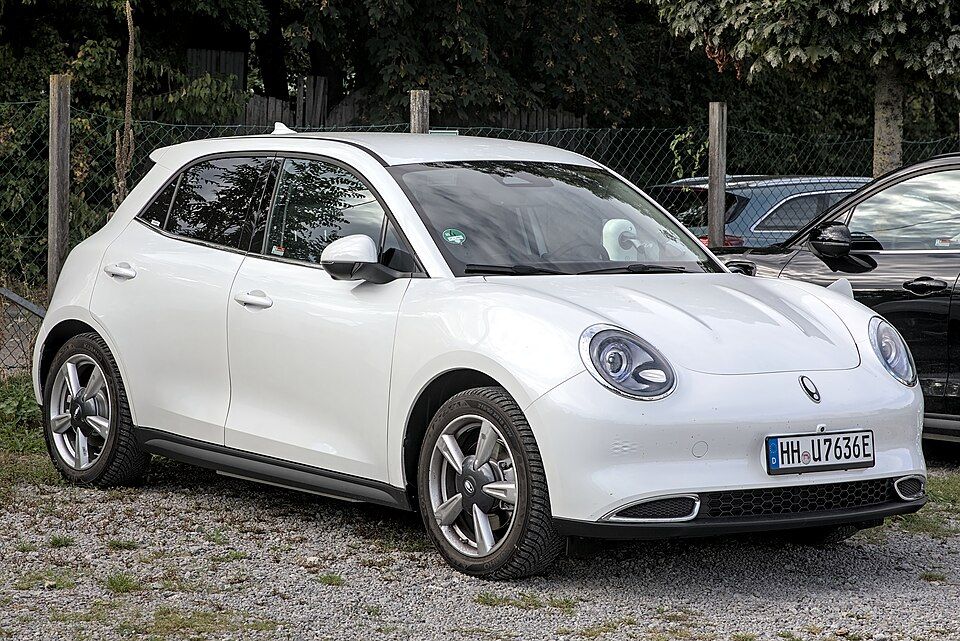
Photo: ORA Funky Cat by Alexander-93, CC BY-SA 4.0, via Wikimedia Commons.
At the top of the Auto Express list is the GWM Ora 03, which some people may still remember as the Ora Funky Cat. It has a friendly face, a quirky cabin, and a name that sounds like it was made during a very long meeting. But used values haven’t been kind. Auto Express lists the GWM Ora 03 48kWh Pure+ with an average new price of £31,995 and an average retained value of £8,250 after three years. That means it keeps just 25.79 percent of its value, the lowest figure in that table. The main issue seems to be buyer confidence. GWM is still a less familiar name in the UK compared with brands like Ford, Nissan, Toyota, Volkswagen, BMW, or Audi. Newer brands can be brilliant, but used buyers can be cautious. They may wonder about dealer support, parts, long-term reliability, resale value, and whether their mates will keep asking, “What is it?” That caution pushes prices down. Still, for a brave used buyer, the Ora 03 could offer a lot of car for the money. You’d just want to check support, warranty cover, service records, and real-life range before jumping in. Around Greater Manchester, where shorter trips and stop-start traffic are common, a small electric car can make sense. But this one needs a careful head, not just a cheap monthly payment.
Why so many electric cars appear on the list
You’ve probably spotted the pattern. Electric cars show up again and again. That doesn’t mean electric cars are bad. Far from it. The UK used electric market is growing, and SMMT figures show used battery electric car transactions rose 45.7 percent in 2025 to a record 274,815 units. That’s a lot of people making the switch. But the younger electric market has had pressure from several sides at once: more new models, bigger discounts on new electric cars, buyers worrying about battery health, and fast improvements in range and charging. Auto Trader says demand for used electric cars aged three to six years grew strongly in 2025, while younger electric cars faced more pressure because they were competing with cheaper new electric models and older used ones at lower prices. That’s a tricky sandwich to be stuck in. For buyers, though, this can open doors. Auto Trader also says two in five second-hand electric car sales on its platform were under £20,000. So, if your driving suits electric, and you can charge without stress, depreciation may actually help you. The trick is buying the right one, not just the cheapest one. Ask about battery health. Check the range. Think about winter. Think about your longest normal trip. A used electric car can be brilliant, but the numbers need to fit your real week, not your best-case sunny Sunday.
What this means if you’re buying used in Manchester or Stockport
Here’s the simple bit. Big depreciation can be bad news for new-car buyers but good news for used-car buyers. That’s why lists like this are useful. They show where prices have fallen hardest, which can help you spot value. But don’t let a low price do all the talking. Around Manchester and Stockport, people use cars in all sorts of ways. Some drivers need something small for parking near the Northern Quarter. Some need a family car for the A6 and school runs. Some want a comfy motorway cruiser for work trips down south. Some want a used electric car because they can charge at home and rarely go far. The right answer changes from person to person. At Dace Motor Company, we’d always suggest looking past the badge and asking boring but important questions. Has it got a good service history? Has it been checked properly? Does the finance make sense? Does the warranty give you peace of mind? Is the car priced fairly against the market? This is where a daily price check, a proper vehicle history check, and a soft finance search that won’t affect your credit score can make the process feel calmer. No fuss. No drama. Just a clearer idea of what you’re buying and whether it suits you.
How to use this list without getting carried away
A car that has lost loads of value can be a bargain, but it can also be a trap if you rush. We’ve all been there. You see the price, your brain starts celebrating, and suddenly you’re picturing yourself driving home before you’ve even checked the tyres. Slow down a touch. Look at why the car is cheap. If it’s an electric car, check the battery, charging options, and real-world range. If it’s a luxury car, check servicing, tyres, suspension, and repair costs. If it’s a rare model, think about parts and resale. And if it’s a plug-in hybrid, be honest about whether you’ll charge it. The best used cars aren’t always the ones with the biggest drop from new. They’re the ones that match your life, your budget, and your plans for the next few years. A £70,000 car for under £20,000 sounds exciting, and sometimes it really is. But if it costs a fortune to keep happy, that excitement can fade quicker than sunshine over Piccadilly Gardens. So use this top 10 as a starting point. A nudge. A heads-up. Then compare real cars, real mileages, and real histories. That’s where the smart buy usually appears.