


The Most Unusual BMW Models Ever Made
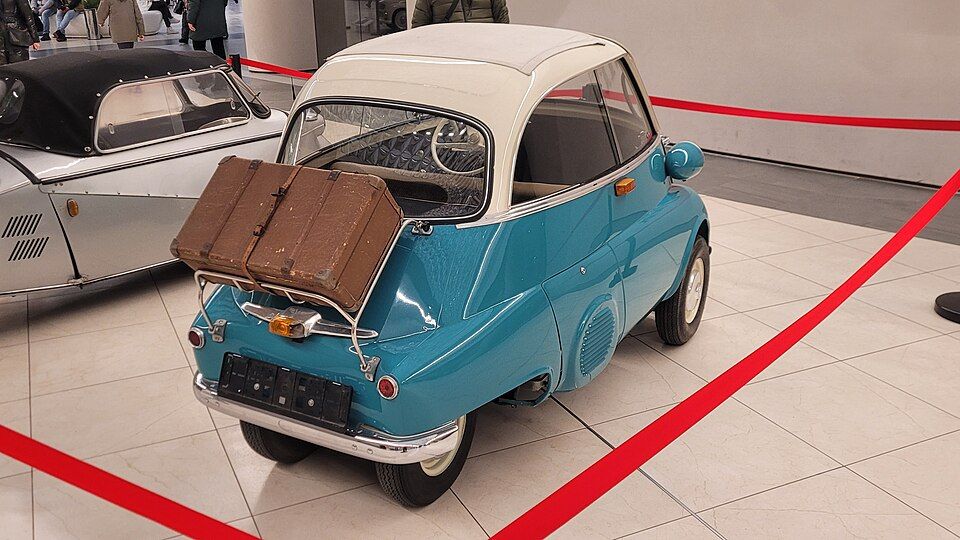
Photo: BMW Isetta 300 by Svetlov Artem, CC BY 4.0, via Wikimedia Commons.
BMW has a clear image in most people’s minds. A neat saloon. A sharp coupé. A roomy estate. Maybe a big family car with a tall driving position. You can picture one gliding through Manchester city centre, heading past Castlefield, or sitting in traffic on the A6 with the rest of us.
But BMW’s history has a much stranger side.
This is a company that has sold a tiny bubble car with a fridge-like front door, a roadster with doors that drop into the body, a mid-engined supercar built because of racing rules, and a small electric hatchback that looked as if it had arrived from ten years in the future. Some were huge successes. Some confused buyers. A few did both.
At Dace Motor Company, we spend plenty of time around used BMWs, so we know the badge covers a far wider mix of cars than many drivers expect. The unusual models are especially interesting because they show what happens when a car maker takes a risk. The idea may look odd at first. Then, years later, everyone copies part of it.
So, which BMW models really stand out? Let’s start with the smallest and strangest of the lot.
BMW Isetta: the bubble car with one big front door
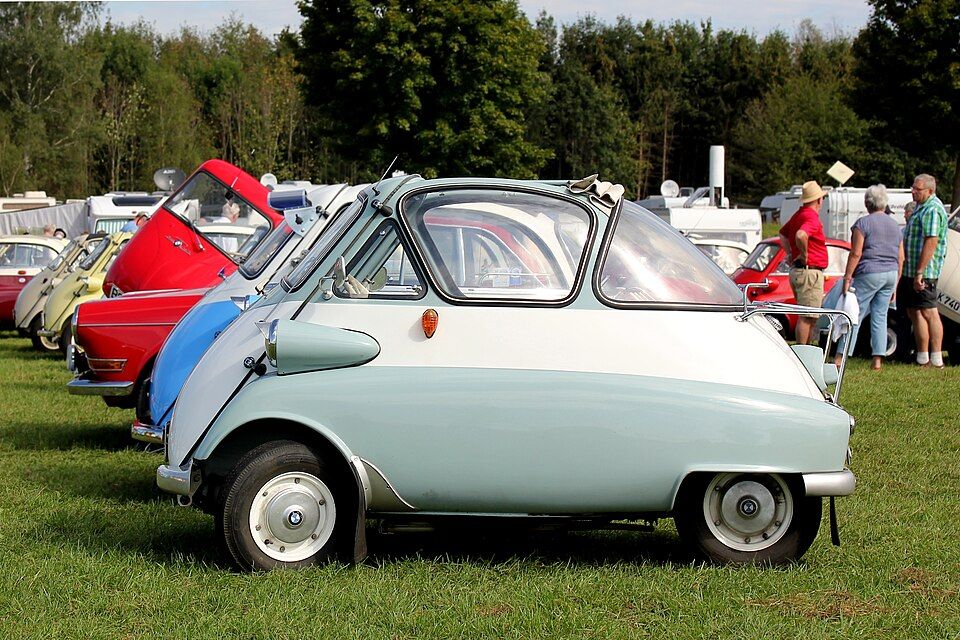
Photo: 1955 BMW Isetta by Lothar Spurzem, CC BY-SA 2.0 DE, via Wikimedia Commons.
The BMW Isetta doesn’t look like a normal BMW because, well, it barely looks like a normal car. It’s tiny, rounded and narrow, with two seats squeezed behind a single door that forms most of the front end. Open that door and the steering wheel moves with it. It’s a bit like opening a fridge and finding a dashboard attached.
The idea didn’t begin in Germany. BMW licensed the basic car from Iso, an Italian company, then changed it to suit its own needs. BMW fitted a single-cylinder four-stroke engine based on one used in its R 25 motorcycle. Production began in spring 1955 with the 12-horse Isetta 250. BMW says the small, cheap-to-build model arrived at a point when the company badly needed a car that could sell in large numbers. By February 1957, nearly 42,000 examples of the early Standard version had been made.
That makes the Isetta unusual for two reasons. First, there’s the obvious stuff. The shape. The front door. The comically small footprint. You could imagine one slipping into a space near Stockport Market that would make a modern family car driver give up and go home.
Second, it played a serious part in BMW’s survival. This funny little machine wasn’t a side project made for a laugh. It gave people practical transport at a time when many families couldn’t afford a large car. It used little fuel, took up little road space and had a roof, which mattered a lot in wet weather. Anyone from Greater Manchester can relate to that last bit.
Driving one today would feel exposed and slow next to modern traffic. Safety, braking and comfort have moved on by a huge amount. Yet the Isetta’s basic idea still feels fresh: make a car small, light and suited to busy streets. Modern city cars and tiny electric runabouts chase a similar goal, even if they don’t ask you to climb in through the nose.
BMW 600: the stretched Isetta that added a side door
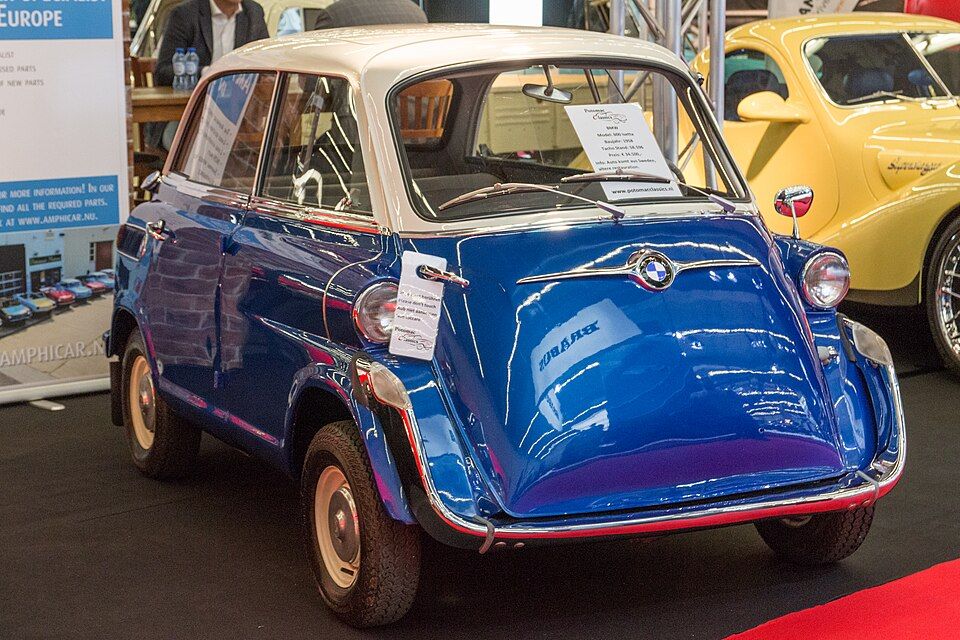
Photo: BMW 600 by Johannes Maximilian, CC BY-SA 4.0, via Wikimedia Commons.
The BMW 600 looks like somebody grabbed an Isetta at each end and pulled. It kept the famous front door, but the body was longer, there were four seats, and passengers in the back got a normal-looking side door on the right. Just one side door, mind you. BMW said that layout helped keep the structure stiff, which left the 600 with one of the oddest sets of doors fitted to a family car.
Production ran from 1957 to 1959. The 600 used a two-cylinder engine with roots in BMW motorcycle engineering, rather than the Isetta’s single-cylinder unit. BMW describes it as the link between the Isetta and the later 700. That fits. It was bigger and much more useful than the bubble car, but it still carried the same basic shape and front-entry idea.
Picture the school run in one. The driver and front passenger open the whole front of the car, while the children climb through a single rear door on the pavement side. It sounds awkward, yet there’s a certain logic to it. Nobody in the back steps into moving traffic, and the front opening gives wide access in a car that’s very narrow.
Still, buyers didn’t rush to it in the same way they did with some rivals. The 600 sat in a difficult middle spot. It wasn’t as cheap and cute as the Isetta, and it wasn’t as conventional as a proper small saloon. We’ve all seen products like that. They try to solve two jobs at once, then discover most people would rather choose one clear thing.
That doesn’t make the 600 a bad car. Far from it. It shows BMW trying to turn a clever city machine into a real family vehicle without throwing away the feature that made it famous. The result is rare, charming and slightly baffling.
And yes, that’s exactly why it belongs here.
BMW 700: a rear-engined small car that helped save the company
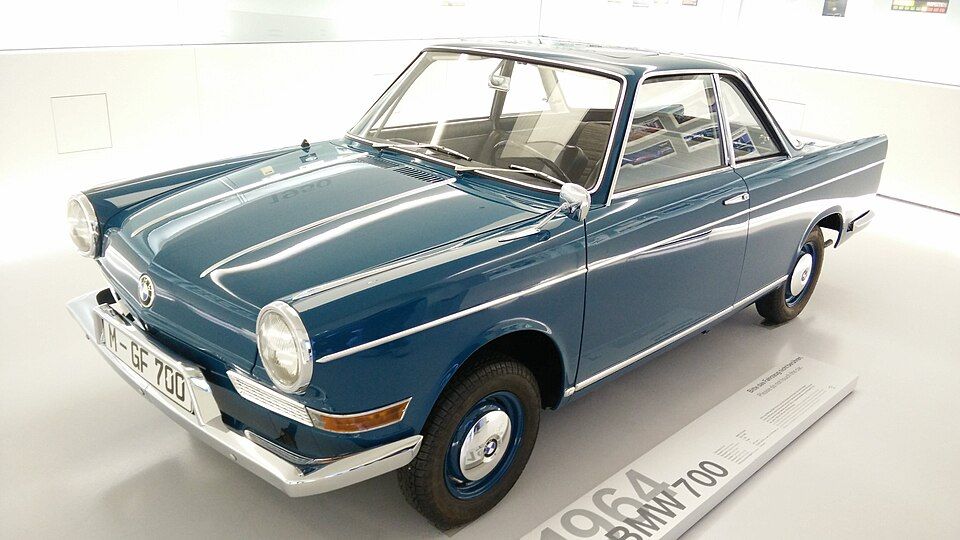
Photo: BMW 700 by Nathanael Burton, CC BY-SA 2.0, via Wikimedia Commons.
At first glance, the BMW 700 seems less strange than the Isetta or 600. It has normal doors. It has a proper bonnet and boot shape. You don’t need to fold yourself through the front to get inside.
Look closer, though, and it’s a very unusual BMW. The engine sits at the rear, and it’s a two-cylinder unit related to BMW’s motorcycle engines. The car used ideas from the 600, but wrapped them in a clean new body styled by Giovanni Michelotti. BMW’s own archive calls the 700 a “beacon of hope” and says its self-supporting body broke away from the company’s earlier shapes. It arrived in autumn 1959, at a point when BMW’s finances were in a bad state.
The 700 matters because it helped move BMW away from bubble cars and toward the sort of compact, lively saloons and coupés people later linked with the badge. It was small and simple, but it didn’t look like a cheap emergency measure. The coupé had real style, while the Sport version gained extra engine output and found a place in motor racing.
That mix is what makes the 700 so interesting. It’s a bridge between two versions of BMW. On one side sits the company making tiny vehicles with motorcycle-based engines. On the other sits the maker of smart, driver-focused cars that gained a strong following across Europe.
You’d struggle to spot one on Deansgate now, and most people would never guess what it was from a distance. Some might think it was a small Italian car. Others might assume it came from a lost German brand. Then they’d see the badge.
For used-car fans, the 700 is a reminder that a badge doesn’t always tell you where the engine is, what the car will feel like, or how it fits into history. BMW’s familiar recipe wasn’t fixed from day one. It took shape through cars like this, built during a period when getting the next model right really mattered.
BMW M1: the mid-engined supercar BMW never repeated for decades
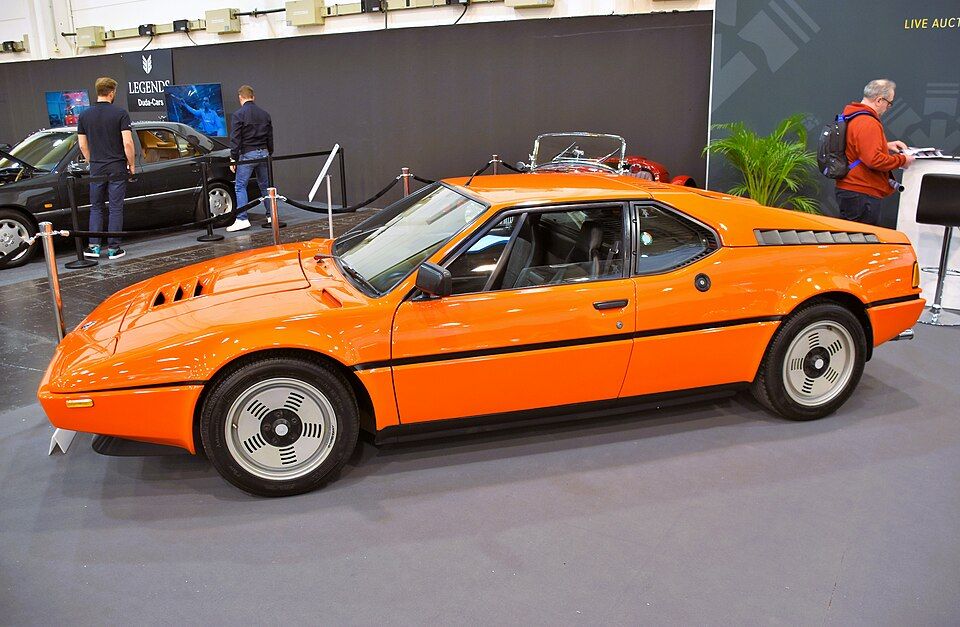
Photo: 1981 BMW M1 (E26) by Charles from Port Chester, New York, CC BY 2.0, via Wikimedia Commons.
Now for something completely different.
The BMW M1 was a low, sharp two-seat sports car with its engine mounted behind the passenger area. That layout is common in exotic cars, but it was a huge break from BMW’s usual front-engine saloons and coupés. The M1 was created for racing, with a road version made so the competition car could meet the rules.
BMW first worked with Lamborghini on the project, but financial trouble at the Italian company forced BMW to complete it with other partners. The road car used a 3.5-litre six-cylinder engine producing a 277-horse output. BMW lists a top speed of 262 kilometres per hour and a run from zero to 100 kilometres per hour in 5.6 seconds. A total of 453 cars were built between 1978 and 1981.
Those figures were wild at the time. Yet the M1’s strangest feature isn’t its speed. It’s how little it resembles the rest of the BMW range. There’s no practical rear seat, no sensible boot opening and no attempt to look like a faster version of a family model. It’s a purpose-built exotic machine.
The shape has aged well because it’s simple. The nose sits low. The sides are clean. The rear has two BMW badges, one at each corner, which is a wonderfully cheeky detail. You can imagine it parked outside the Midland Hotel and drawing a crowd before the driver has even switched the engine off.
BMW didn’t follow the M1 with a direct replacement. Its fast road cars returned to saloons, coupés and convertibles based on regular models. That makes the M1 feel like a bright flash in the company’s story: a one-off idea that proved BMW could build an exotic car without copying its normal range.
Decades later, the BMW XM became the first stand-alone model from BMW’s sporting division since the M1. That gap says plenty. The M1 wasn’t just rare. It sat outside BMW’s normal habits for a very long time.
BMW Z1: the roadster with doors that vanish into the body
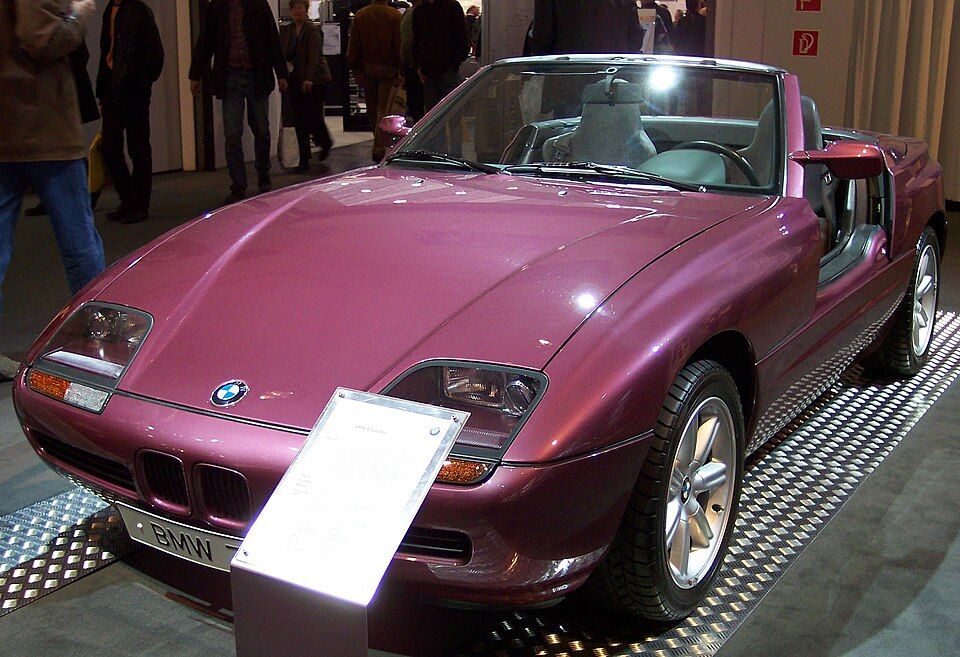
Photo: BMW Z1 by Stahlkocher, CC BY-SA 3.0, via Wikimedia Commons.
The BMW Z1 is the kind of car that makes people stop mid-sentence. Its doors don’t swing out. They slide down into the deep side sills, leaving the opening clear. BMW even said the car could be driven with the doors lowered. That sounds fun on a sunny road. Around Manchester in November, maybe keep them up.
Built from 1988 to 1991, the Z1 was the first member of BMW’s Z roadster family. Only 8,000 were made. It used a familiar six-cylinder engine, but the rest of the car was far from ordinary. BMW fitted the engine behind the front axle for better balance, used a specially developed rear suspension, and covered a galvanised metal structure with plastic outer panels.
The doors are the headline act, yet the plastic skin is just as interesting. It meant the outer body wasn’t doing the main structural job. In theory, panels could be changed without rebuilding the car’s basic shell. That gave BMW freedom to experiment with shapes, colours and materials.
There was a catch. Those deep sills made getting in and out less graceful than the disappearing doors might suggest. You had to step over a broad edge, which is fine when you’re young and flexible. Add a tight parking bay, a wet coat and a bag from the Trafford Centre, and the glamour drops a little.
But the Z1 was never meant to be the easiest roadster. It was a rolling test bed that reached customers. That’s rare. Car companies make plenty of experimental vehicles that never leave a show stand. BMW built this one, sold it, and let owners use those sliding doors on real roads.
The result still feels bold. Many modern cars rely on giant screens or dramatic lighting to seem different. The Z1 did it with a mechanical trick you could see from across the street. Simple to explain. Hard to forget.
BMW Z3 M Coupé: the “clown shoe” that became a cult favourite
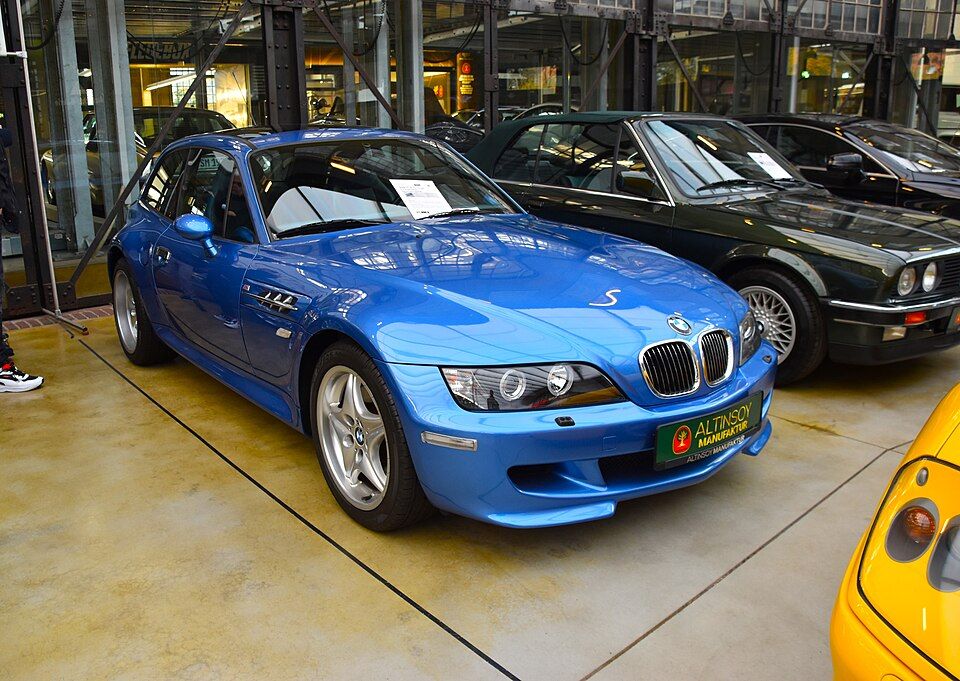
Photo: 2000 BMW Z3 M Coupé by Charles from Port Chester, New York, CC BY 2.0, via Wikimedia Commons.
Take a small two-seat roadster, fit a fixed roof, stretch the cabin backwards and give the rear a near-vertical hatch. That’s the basic recipe for the BMW Z3 Coupé. Add BMW’s sporting division, a strong six-cylinder engine, a wider stance and four exhaust pipes, and you get the Z3 M Coupé.
Its shape split opinion straight away. The long bonnet and tiny cabin looked sporty, while the tall rear roof made it resemble a shooting brake, which is a coupé with extra luggage space. Fans soon gave it a nickname: the “clown shoe”. Not exactly the sort of phrase found in a glossy sales brochure.
BMW presented the M Coupé in September 1997, with production beginning in South Carolina in April 1998. The car measured just 4,025 millimetres long, making it one of the shortest models produced by BMW’s sporting arm. Different six-cylinder engines were used during its run, including later versions with an engine now loved by collectors.
The funny thing is that the strange roof solved a real problem. The open-top Z3 was stylish, but it had limited luggage room and less body stiffness than a fixed-roof car. The Coupé added useful space and created a firmer structure. So the part that made it look odd also made it practical and sharp to drive.
That’s a good lesson for anyone shopping for an unusual used car. A weird shape may have a reason. Don’t judge it from one photo. Open the boot. Sit inside. Check visibility. Think about your normal week. Could it carry shopping, work bags or a weekend’s luggage? Sometimes the unusual choice is the one that fits real life best.
Today, the Z3 M Coupé has a loyal following and strong collector interest. Back then, plenty of people simply couldn’t get past the shape. Time can be kind to brave design. What looks awkward in a showroom can look full of character twenty years later.
BMW i3: the electric city car that refused to look normal
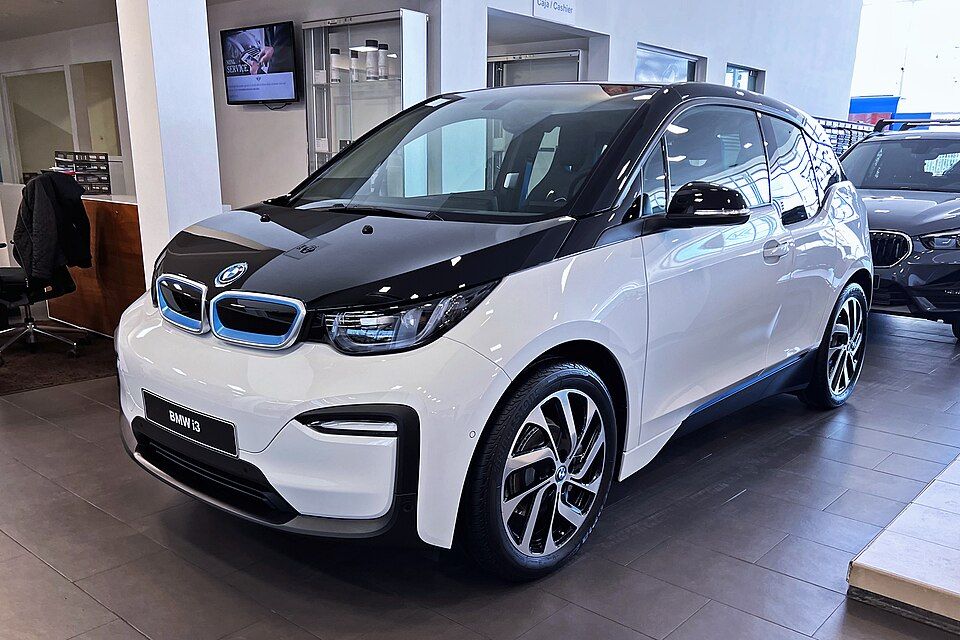
Photo: BMW i3 by Mariordo (Mario Roberto Durán Ortiz), CC BY-SA 4.0, via Wikimedia Commons.
The BMW i3 arrived in 2013 looking like almost nothing else on the road. It was short, tall and narrow, with slim tyres, a black bonnet area and a side window line that dipped sharply near the rear doors. Those rear doors opened backwards and could only be used after the front doors were open.
Inside, the dashboard felt airy and uncluttered. BMW used recycled and renewable materials in several places, while the flat floor created extra space. The main passenger area was made from very light, very strong carbon-fibre material, which was rare in a mass-produced small car. The battery sat low in the floor and the electric motor drove the rear wheels. BMW said the layout gave the i3 balanced weight distribution and a turning circle of 9.86 metres, handy for city streets and packed car parks.
It wasn’t strange just for attention. Every odd detail linked back to the car’s job. The narrow tyres reduced resistance. The tall body created room for people without making the car too long. The lightweight passenger shell helped offset the heavy battery. Even the backwards rear doors made access easier when there was enough room to open both sides.
There were trade-offs. Rear passengers couldn’t open their doors until someone in front opened theirs. Early battery range now looks modest beside newer electric cars. The ride and tyre sizes weren’t for everyone. And the design was so different that some buyers never warmed to it.
Still, the i3 feels special because BMW didn’t take a normal hatchback, remove the petrol engine and call the job done. The company started with a clean sheet. That gave the car flaws, but it also gave it a clear identity.
Around Stockport or central Manchester, where short trips, tight streets and stop-start traffic are part of daily life, the i3’s thinking makes sense. It was built around urban use. Not as a smaller copy of a big saloon, but as its own thing.
BMW i8: a three-cylinder hybrid dressed like a supercar
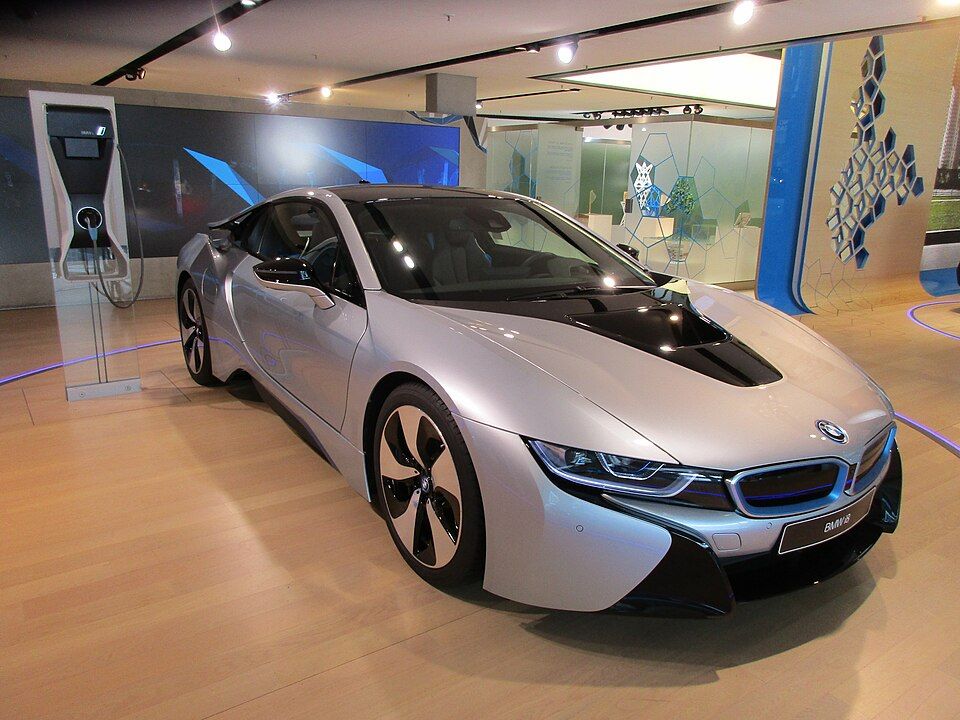
Photo: BMW i8 by Arnaud 25, CC BY-SA 4.0, via Wikimedia Commons.
The BMW i8 looked ready for a science-fiction film. It sat low, wore dramatic doors that lifted upwards, and had layered bodywork with channels that guided air around the rear. People saw the shape and expected a huge engine.
Then came the surprise. The i8 combined a small 1.5-litre three-cylinder petrol engine with electric drive. The petrol engine worked with the rear wheels, while an electric motor helped drive the front. Together they gave the car four-wheel drive and quick acceleration, yet the i8 could also cover short distances using electricity alone.
BMW began customer deliveries in 2014. The company quoted a zero-to-60-miles-per-hour time of 4.2 seconds for the early model and an electronically limited top speed of 155 miles per hour. Like the i3, it used a light carbon-fibre passenger structure.
This mix made the i8 one of the strangest sports cars of its time. Exotic cars had trained buyers to expect large engines, loud exhausts and poor fuel use. The i8 tried another route. It used a small engine, electric help and low weight to create speed.
Did it sound as dramatic as it looked? Not really. Some drivers wanted a deeper engine note and a harder-edged feel. The rear seats were tiny, the boot wasn’t generous, and getting through those raised doors took care in low car parks.
But let’s face it, you don’t buy a shape like this because it makes every part of life easier. The i8 was theatre. Quiet theatre at times, but theatre all the same.
It also aged better than many future-themed cars. Park one near MediaCityUK today and it still looks unusual, even beside brand-new vehicles. That’s a difficult trick. Designs that shout “future” can look old very quickly. The i8 still looks like BMW took a risk and meant it.
BMW X6: the tall coupé that started an argument
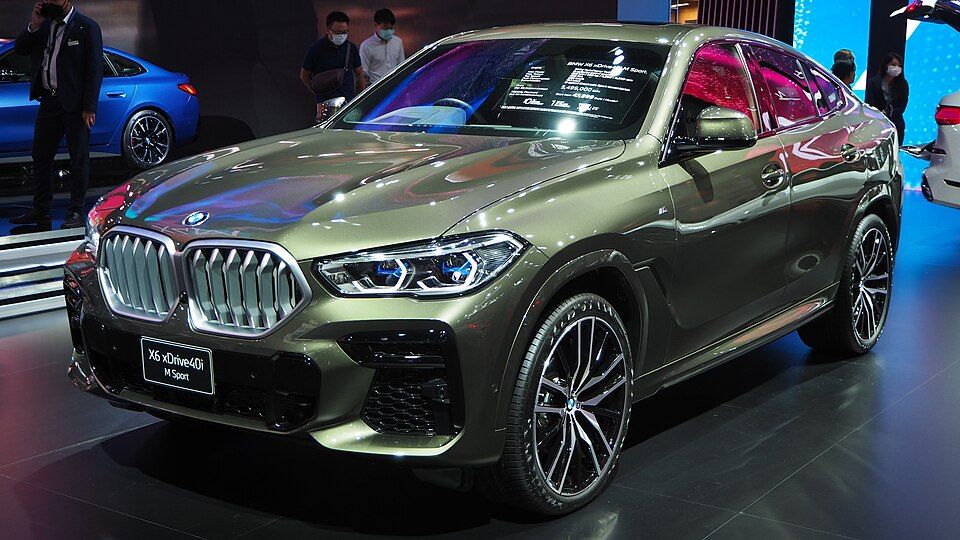
Photo: 2022 BMW X6 xDrive 40i M Sport by Chanokchon, CC BY-SA 4.0, via Wikimedia Commons.
Before the BMW X6 arrived, a coupé was usually low, sleek and fitted with two doors. BMW used the same word for a tall, five-door vehicle based on a large family car with raised suspension. Plenty of people thought the idea made no sense.
BMW launched the first X6 in 2008 and described it as the first “Sports Activity Coupé”. In everyday language, it mixed the height and road presence of a large sport utility vehicle with a roof that sloped down like a coupé. It had four sculpted seats at launch, a wide stance and less boxy luggage space than the X5 on which its basic idea was based.
The criticism was easy to understand. Why buy a large vehicle, then reduce rear headroom and boot space with a lower roof? Why call a five-door car a coupé? You know how it is: car names stop being simple once marketing teams get involved.
Yet the X6 caught on. Rival brands created their own versions, and sloping-roof sport utility vehicles became a familiar sight. The car that looked like a strange side branch helped create a whole category.
That doesn’t mean every driver needs one. If you carry tall adults in the back, large dogs, bulky pushchairs or furniture from a flat-pack shop, a squarer vehicle may suit you better. If style and driving position matter more, the X6’s shape may appeal.
The useful point is this: unusual cars can change what buyers accept. The X6 broke a long-standing link between body shape and vehicle name. Some drivers still dislike that idea. Others now see it as normal.
Drive around Manchester or Stockport and you’ll spot plenty of cars that follow its basic outline. That’s a remarkable outcome for a model that was once treated as a punchline.
BMW XM: a huge hybrid with no regular BMW twin
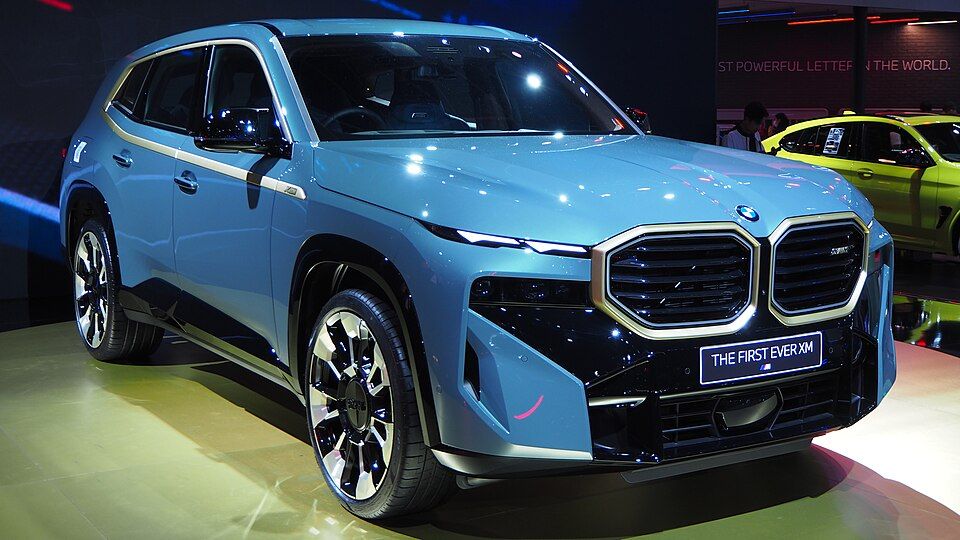
Photo: 2023 BMW XM by Chanokchon, CC BY-SA 4.0, via Wikimedia Commons.
The BMW XM is unusual before you even look at it. Most fast BMW models begin as a regular BMW, then receive stronger engines, suspension changes, bigger brakes and a sharper appearance. The XM didn’t. BMW’s sporting division developed it as its own stand-alone model, with no calmer version sitting elsewhere in the range.
BMW said it was the first stand-alone model from that division since the M1. That’s a gap of roughly four decades. The difference between the two cars couldn’t be bigger. The M1 is a low two-seat sports car. The XM is a huge luxury plug-in hybrid with five doors, a tall body and a cabin built for comfort as well as speed.
Then there’s the styling. The front grille is vast. The sides carry a bold trim line. The rear window has BMW badges placed high in each corner, a small nod to the M1. Inside, the back seat area is made to feel like a lounge, which is a strange match for a vehicle linked to BMW’s racing and performance history.
That clash is the whole point. The XM mixes ideas that used to stay apart: luxury lounge, large family vehicle, electric assistance and serious performance. Some people love its confidence. Others think it tries too hard. Few ignore it.
From a used-buyer view, a car like the XM needs careful checking. Hybrid systems, large wheels, complex suspension, expensive trim and high insurance costs can all affect ownership. A full service record matters. So does a proper inspection and a realistic look at running costs.
At Dace Motor Company, that practical side matters just as much as the badge or the headline figure. An unusual BMW can be exciting, but it still has to fit your parking space, your weekly mileage and your budget.
Why BMW’s strange cars matter
The unusual BMWs in this list aren’t strange in the same way. The Isetta and 600 were shaped by cost and crowded post-war streets. The 700 helped carry the company into a new period. The M1 chased racing success. The Z1 tested fresh materials and a door idea nobody could miss. The Z3 M Coupé put usefulness ahead of a safe, pretty roofline. The i3 and i8 explored electric drive before it became common. The X6 changed the outline of large family cars. The XM mixed luxury and performance in a form that still starts arguments.
Some ideas worked at once. Some needed time. Some remain odd.
That’s what makes these cars interesting. A car company can’t discover a fresh idea by making the same safe choice every year. It has to risk building something that people may laugh at, misunderstand or reject. The risk doesn’t always pay off, but it gives us the cars people remember.
For anyone looking at a used BMW, the lesson is simple. Read past the badge. Check what makes that model different. Learn where its engine, battery or electric motor sits. Try every door. Test the boot with the stuff you carry. Look at tyre prices, service records and insurance before falling for the shape.
And take a proper drive. A strange car can make perfect sense from behind the wheel.
You may never park an Isetta outside Stockport Town Hall or take an M1 around the Mancunian Way. Fair enough. But the thinking behind these cars still appears in BMWs you can buy and use today. Light materials, compact electric drive, unusual body shapes and models that mix categories all came from a willingness to try something different.
Safe cars fill catalogues. Strange cars fill memories.